Artwork
Saint John the Baptist
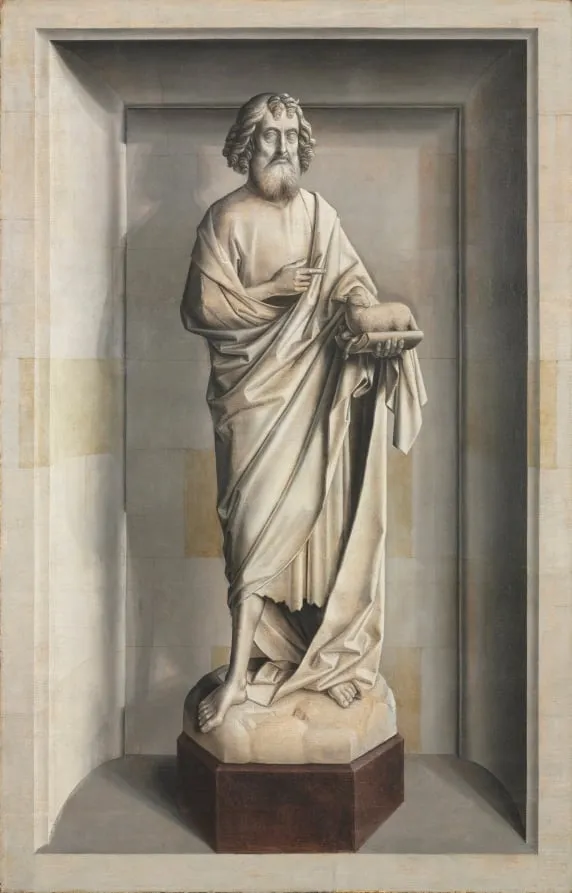
Saint John the Baptist is an unspecified painting by the Northern Renaissance artist Dieric Bouts. It is held in the collection of the Cleveland Museum of Art.
- Accession no.
- 1951.354
- Credit line
- Gift of the Hanna Fund
About this work
Overview
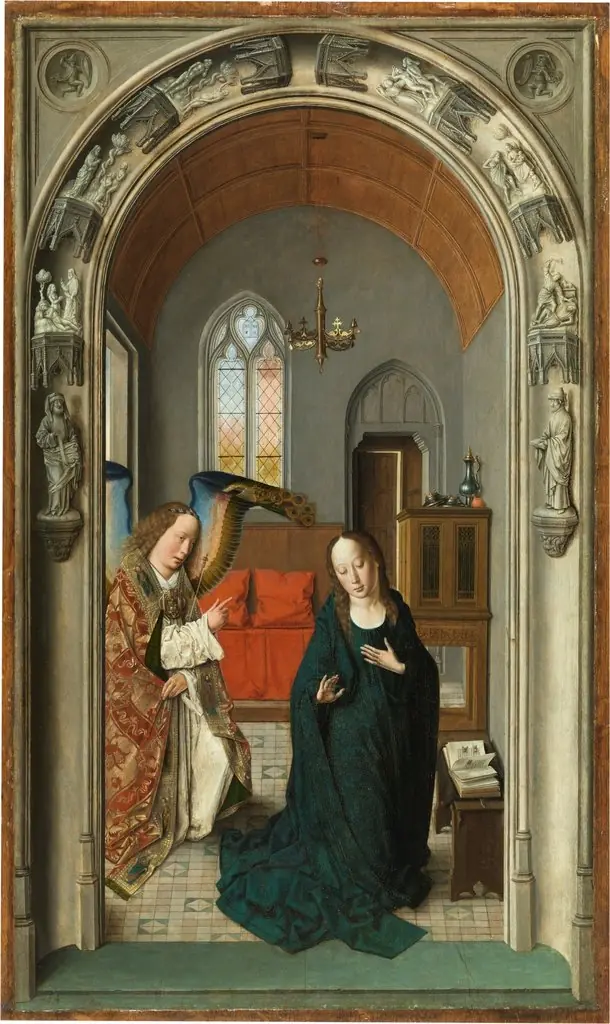
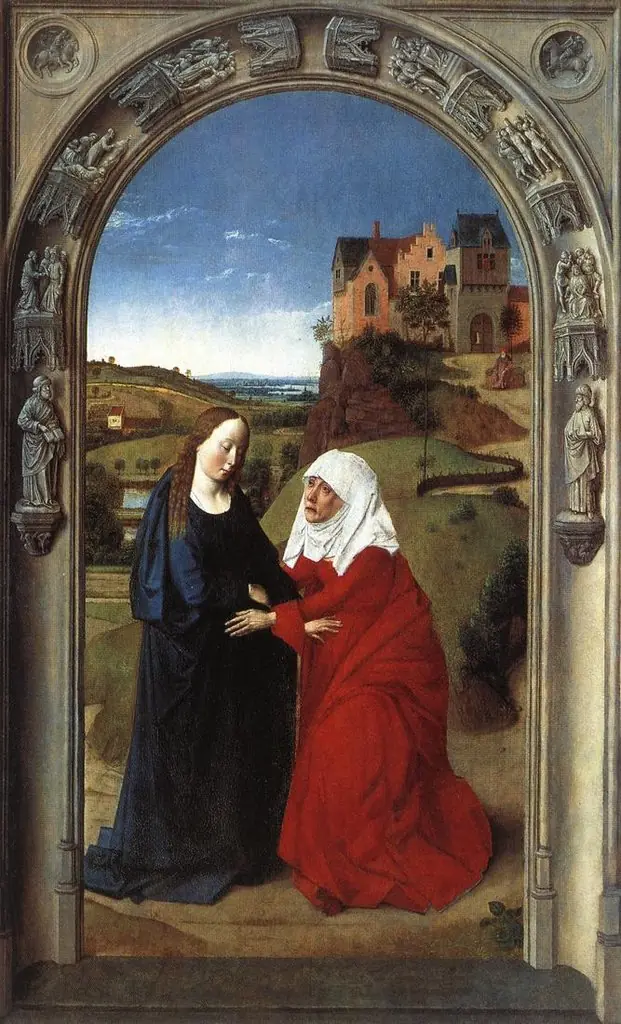
This painting is a grisaille panel depicting Saint John the Baptist, originally part of a larger altarpiece.
Subject & Meaning
The figure shown is Saint John the Baptist, recognizable by his camel-hair robe and thin reed cross, with a calm and serene expression.
Technique & Style
The artwork employs grisaille, a monochromatic technique using shades of gray to mimic sculpture, creating an illusion of a three-dimensional statue.
History & Provenance
The panel was once the reverse of an altarpiece for the Church of Saint Laurentius in Cologne, associated with works now in the Alte Pinakothek in Munich.
Context
Attributed to a follower of Dieric Bouts, a painter active in Leuven, the work reflects the artistic style of the South Netherlands in the 15th century.
Artist & collection
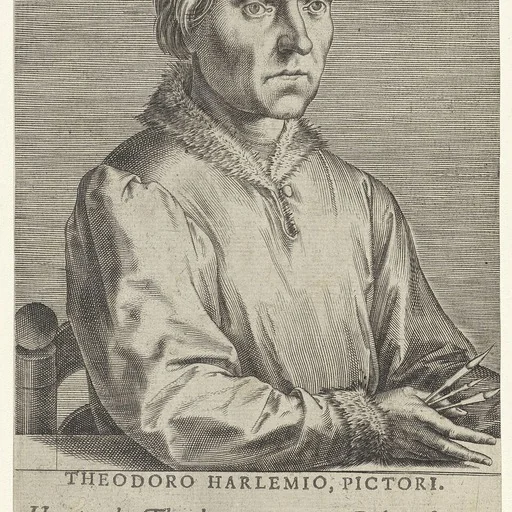
Artist
Dieric Bouts (born c. 1415 – 6 May 1475) was an Early Netherlandish painter. Bouts may have studied under Rogier van der Weyden, and his work was influenced by van der Weyden and Jan van Eyck. He worked in Leuven from…

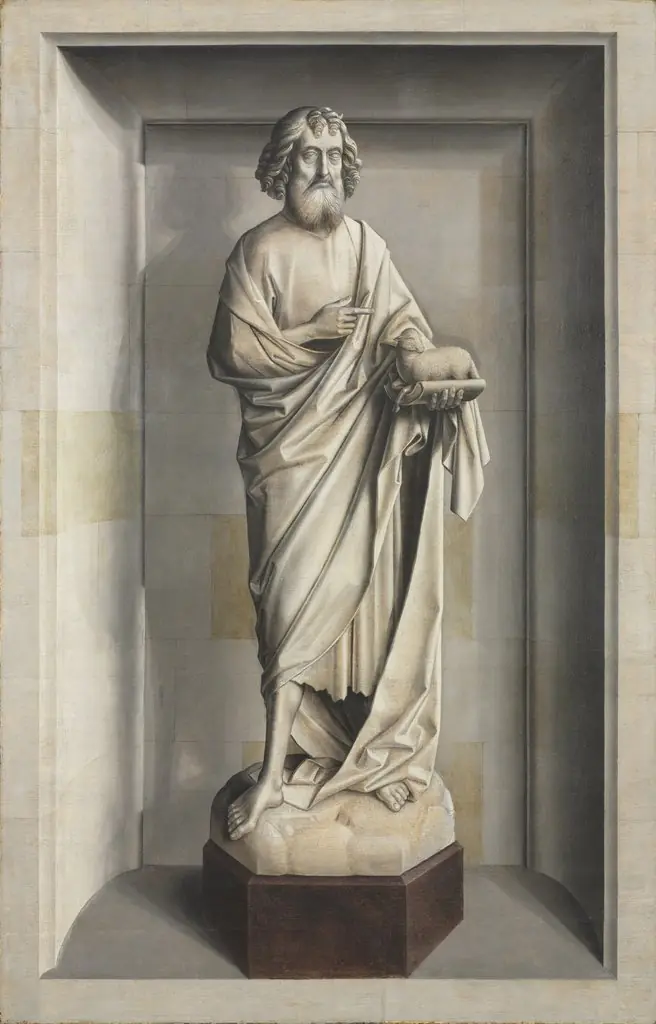 Saint John the Baptist
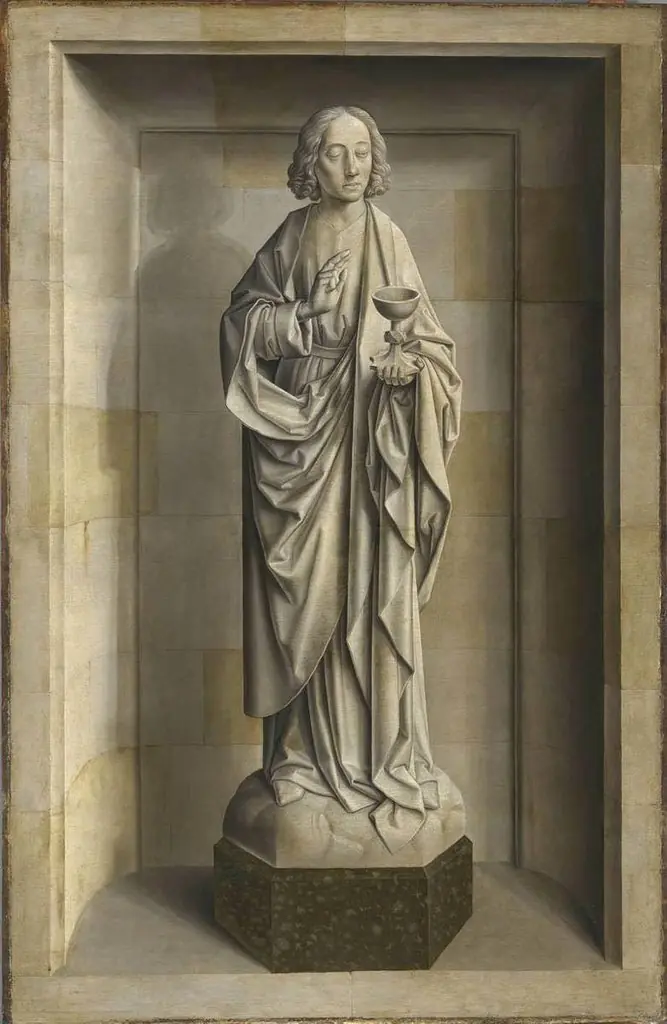 John the Evangelist
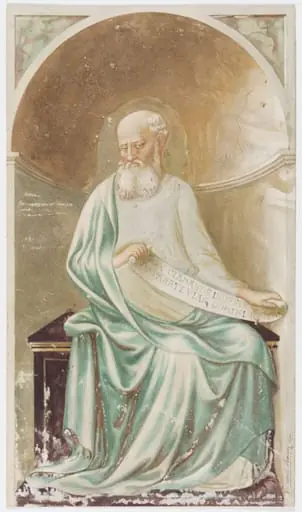 Copy after The Prophet Isaiah, Masolino in Castiglione Olona (Varese)
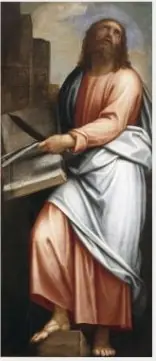 Saint Bartholomew
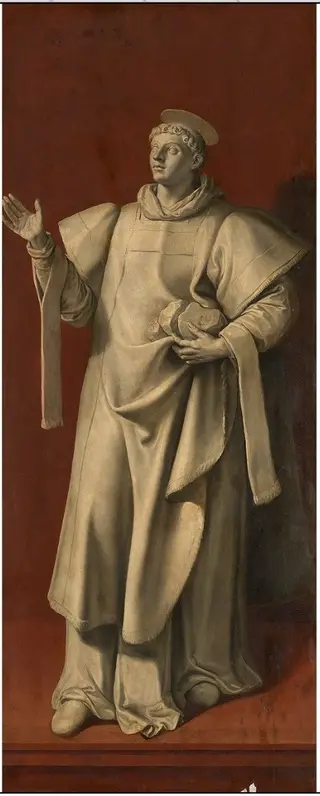 Saint Stephen
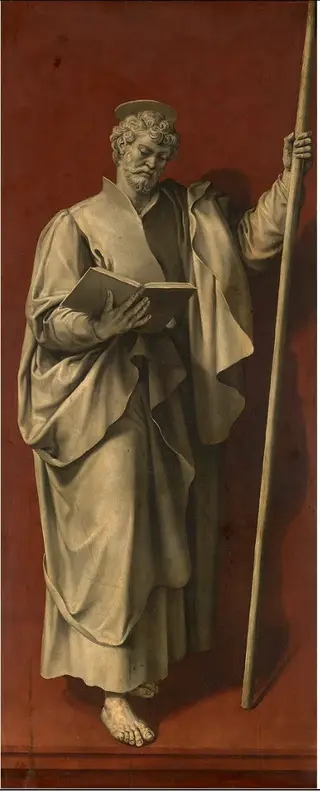 Saint Thomas the Apostle
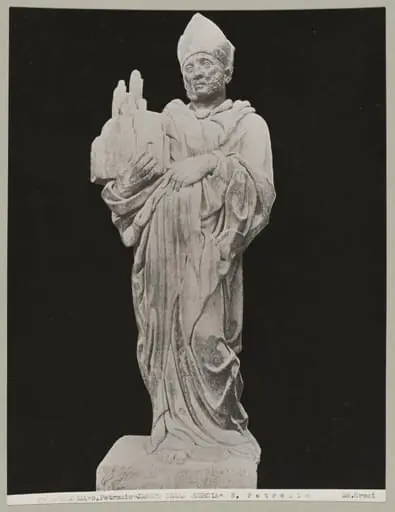 Untitled
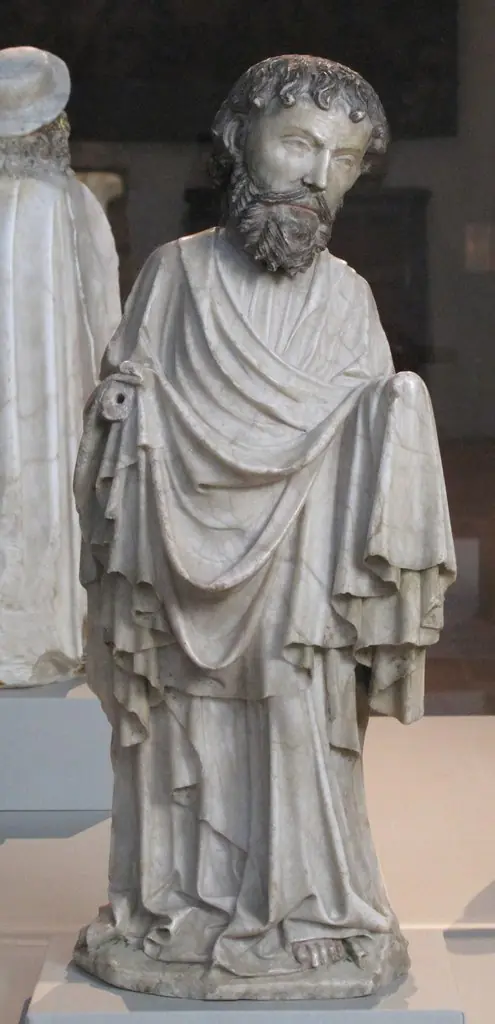 Standing Apostle
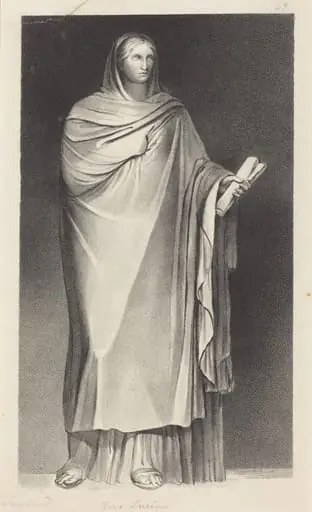 Juno Lucina
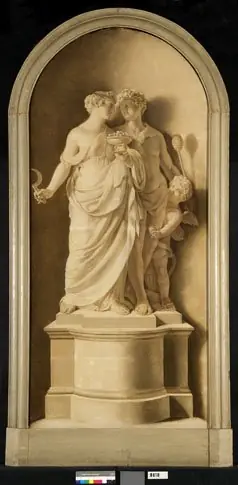 Ceres, Bacchus en Amor
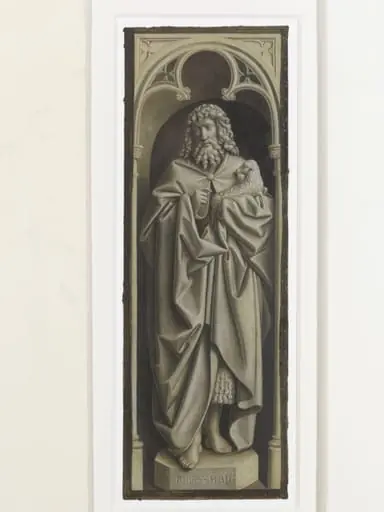 Copy of a detail of the Ghent Altarpiece, St John the Baptist by Hubert and Jan van Eyck in the church of St Bavon, Ghent.
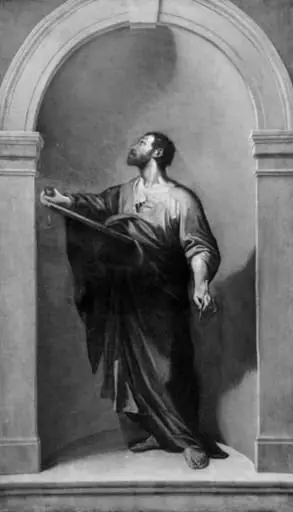 St Matthew the Evangelist