Artwork
Still Life with a Poor Man's Meal of Porridge, Cheese, Herring and Pancakes
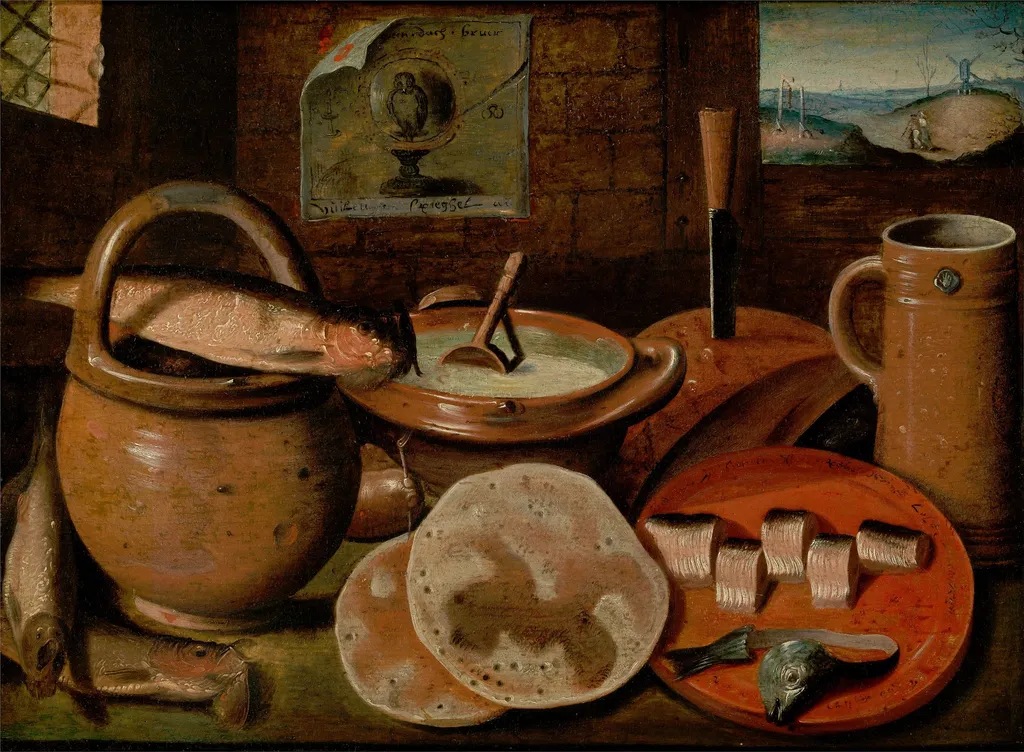
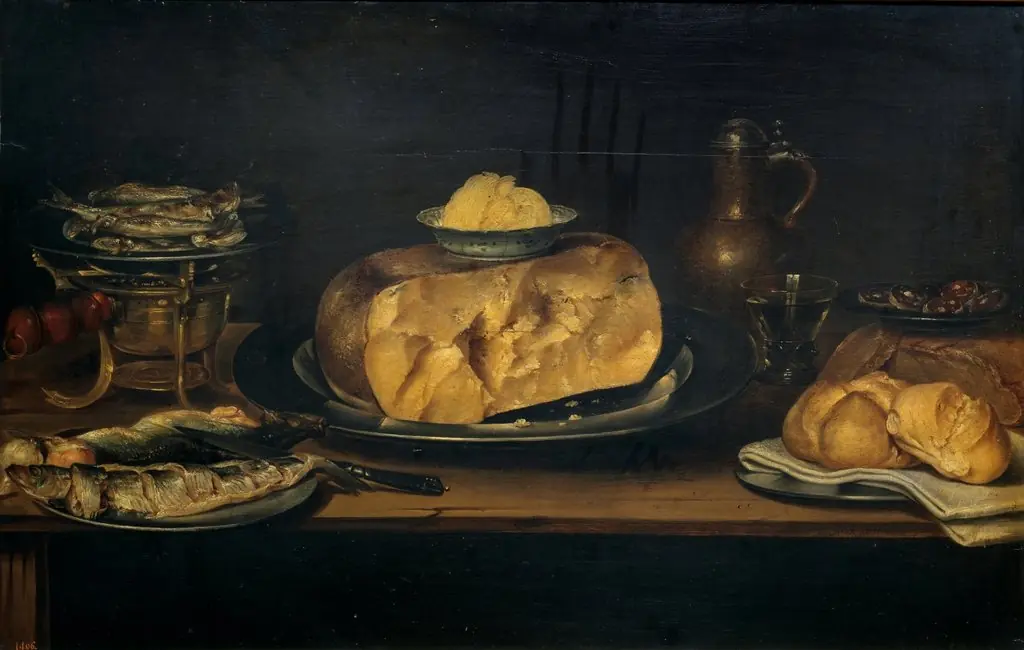
Still Life with a Poor Man's Meal of Porridge, Cheese, Herring and Pancakes is an oil painting. It dates from 2000 and is held in the collection of the Vlaamse Kunstcollectie. The oil painting depicts a modest meal arranged on a table.
About this work
Subject & Meaning
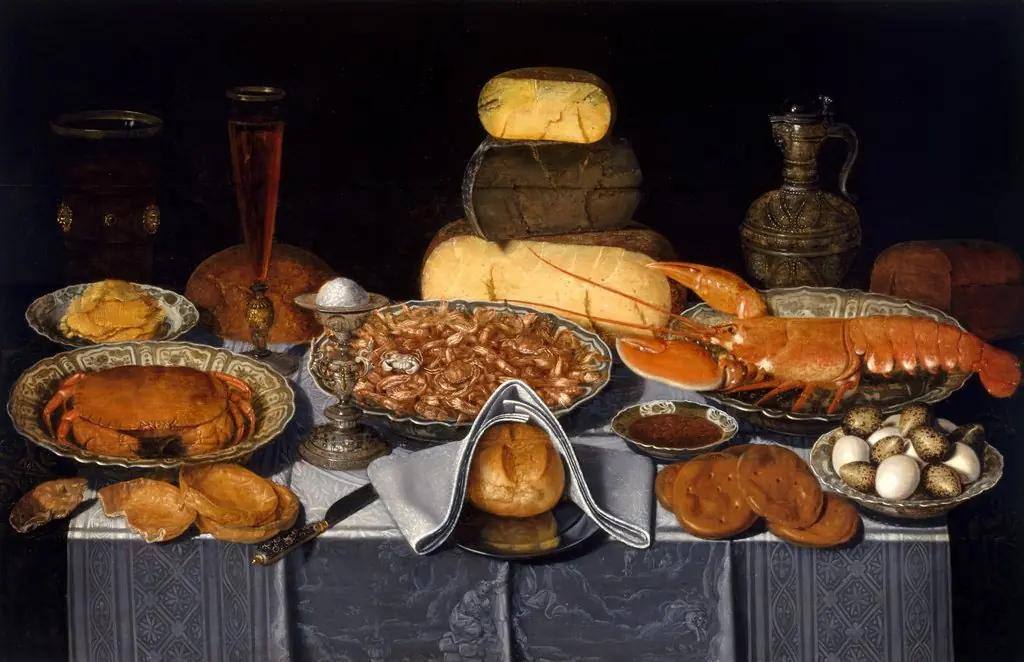
The painting depicts a humble arrangement of food items, porridge, cheese, herring, and pancakes, alongside a jug, a window, a drawing, and a print.
The painting depicts a humble arrangement of food items, porridge, cheese, herring, and pancakes, alongside a jug, a window, a drawing, and a print. Attributed to an anonymous Southern Netherlandish master from the first quarter of the 16th century, the work carries a moralizing inscription: "What use are candles or glasses, if the owl does not want to see." This text gives the meal and objects an allegorical function, representing the futility of enlightenment or clarity for those who refuse to perceive the truth.
Technique & Style
This early 16th-century Flemish still life is executed in oil on a wooden panel. The composition measures 32 cm in height and 43 cm in width. The handling reflects the detailed descriptive approach characteristic of Netherlandish painting from this period.
A modest arrangement of foodstuffs, porridge, cheese, herring, and pancakes, is juxtaposed with a jug, a window, and printed materials, conveying a moralizing message explicitly referencing the proverb concerning the futility of light for an unwilling observer.
History & Provenance
The work is held in the collection of the Royal Museum of Fine Arts Antwerp. It is attributed to an anonymous master active in the first quarter of the 16th century and executed in oil on panel, measuring 32 cm in height and 43 cm in width. No specific commission or intermediate ownership records are documented.
Context
The painting presents a modest meal of porridge, cheese, herring, and pancakes, a subject drawn from everyday material culture. Attributed to an anonymous Flemish master of the early 16th century, its iconography, a jug, herring, pancake, window, drawing, print, and the inscription 'What use are candles or glasses, if the owl does not want to see', conveys a moralizing undertone common in Northern European genre painting. The composition reflects a tradition of depicting humble sustenance and shares stylistic affinities with other works attributed to anonymous Netherlandish masters of the period.
Legacy
The painting's attribution to an anonymous master of the early Netherlandish school and its presence in the Royal Museum of Fine Arts Antwerp have contributed to its recognition as an early example of genre painting blending moral symbolism with everyday domestic objects. Its depiction of humble fare alongside moralizing motifs, the owl and candle proverb, aligns with late medieval visual allegory. The work is cited in studies of 16th-century still life development, particularly in relation to the symbolic use of food and household items in Northern European art.
Overview
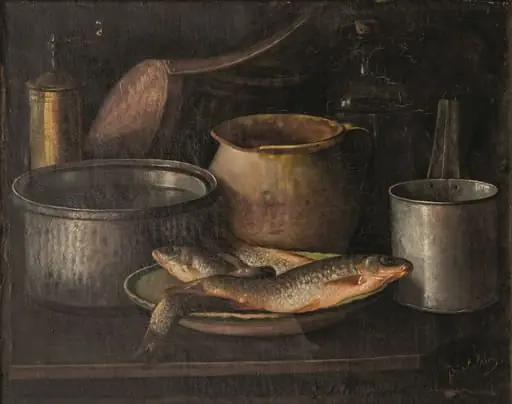
The oil painting depicts a modest meal arranged on a table. Central to the composition are a large brown pot and a smaller bowl, both filled with a pale, creamy substance that suggests porridge. Adjacent items include a fish on a plate, pancakes on another plate, and a simple mug, all rendered with careful attention to their forms.