Movement
Contemporary Realism
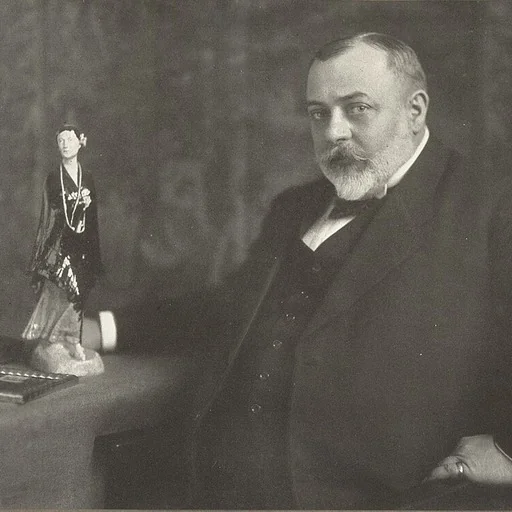
Contemporary Realism is an art movement of the 1960–1970 period. The gallery holds 204 works in this movement, including works by Henricus Rol, Albert Van Dyck and David Griffiths. Browse Contemporary Realism paintings, portraits, pictures and artworks from the world's public-domain museum collections.
Contemporary Realism is a North American current in painting that crystallized in New York during the 1960s and early 1970s, when a loose, intergenerational network of artists turned back to figurative representation in direct defiance of the then-dominant Abstract Expressionism. Theirs was not a manifesto-driven group but a shared instinct; as Jane Freilicher put it, she "couldn't find a kernel in that kind of painting to split open." Many of its protagonists had themselves passed through abstraction, and they carried its lessons with them—large canvases, confident brushwork, flatness, and bold color—while redirecting that machinery toward the observable world.
The movement's defining trait is a straightforward yet highly objective approach to representation: the depiction of urban and rural life, portraits, interiors, and still lifes drawn from an artist's immediate surroundings, rendered without sentimentality or idealization. Crucially, these painters worked from direct observation or *plein air* rather than from the camera, which distinguishes them from the simultaneous rise of Photorealism and hyperrealism, even as the broader label came to shelter those sub-genres alongside figurative and narrative realism.
The canonical figures include Philip Pearlstein, whose coolly objective studio nudes of the 1960s revived serious figure painting, fracturing slouching, bored models into muted planes under harsh light; Alex Katz, whose flat, billboard-scaled portraits of his wife Ada—as in *Black Dress* (1960)—distilled a distinctly American sensibility; and Fairfield Porter, Jane Freilicher, Neil Welliver, Jack Beal, Janet Fish, and Lois Dodd. Welliver's panoramic Maine landscapes, such as *Lower Duck Trap* (1978), exemplify the unhurried observation at the movement's core. A parallel stronghold grew on Canada's east coast, where Mount Allison University nurtured Alex Colville and Christopher and Mary Pratt.
Contemporary Realism's legacy is its insistence that representational painting could remain intellectually rigorous after modernism. Institutions including the Pennsylvania Academy of the Fine Arts, Yale, and the New York Academy of Art sustained its teaching, and its honest, psychologically attentive figuration informs the work of later realists such as Alice Neel, whose unflinching portraiture shares its commitment to the real over the ideal.
Key artists
Works
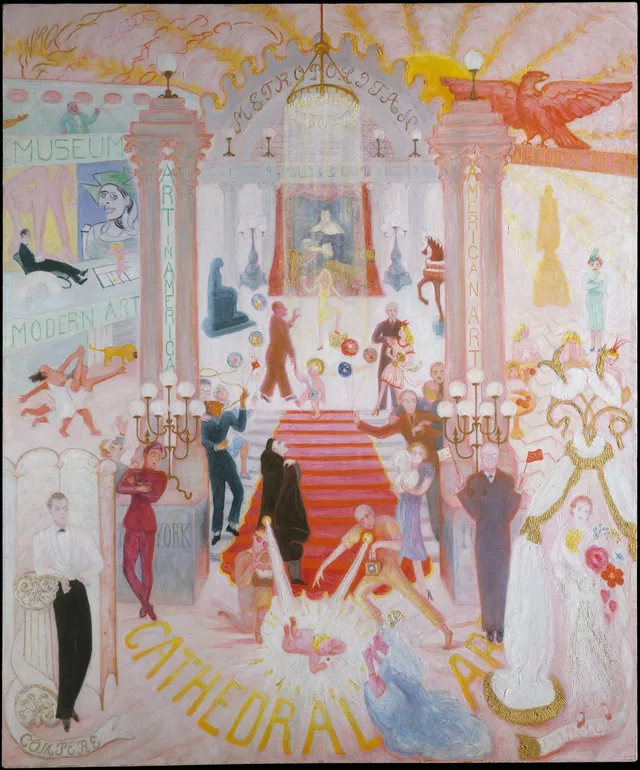
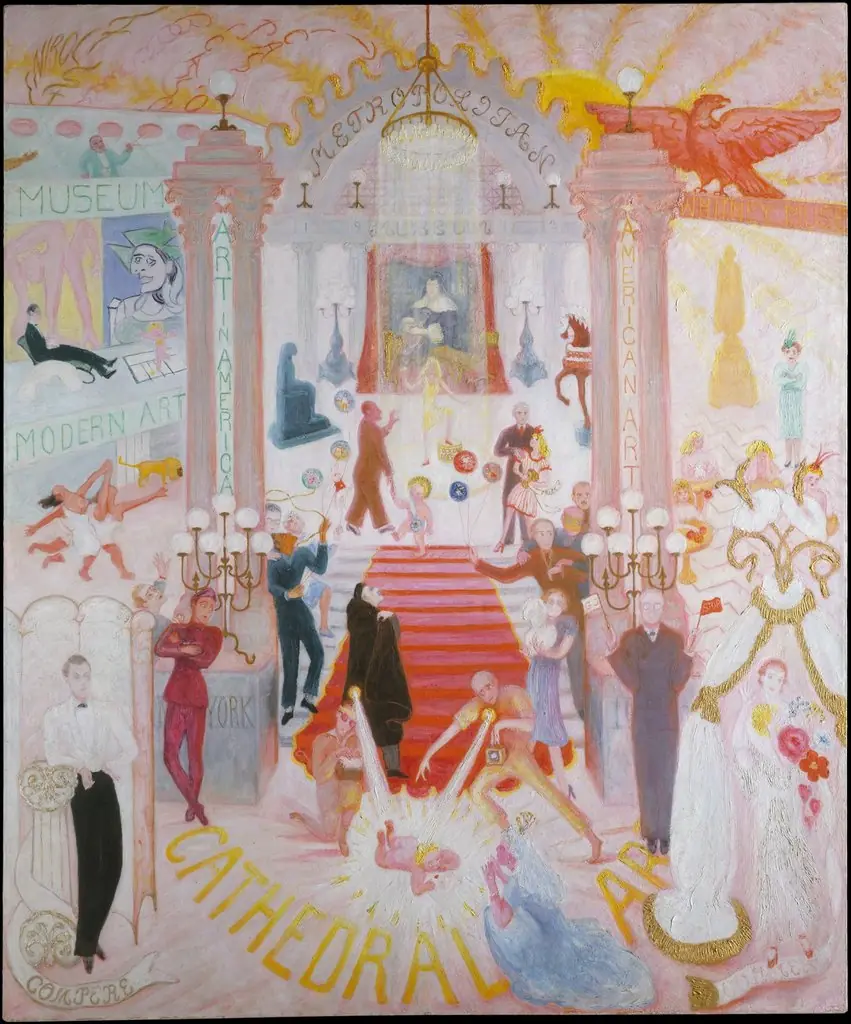 The Cathedrals of Art
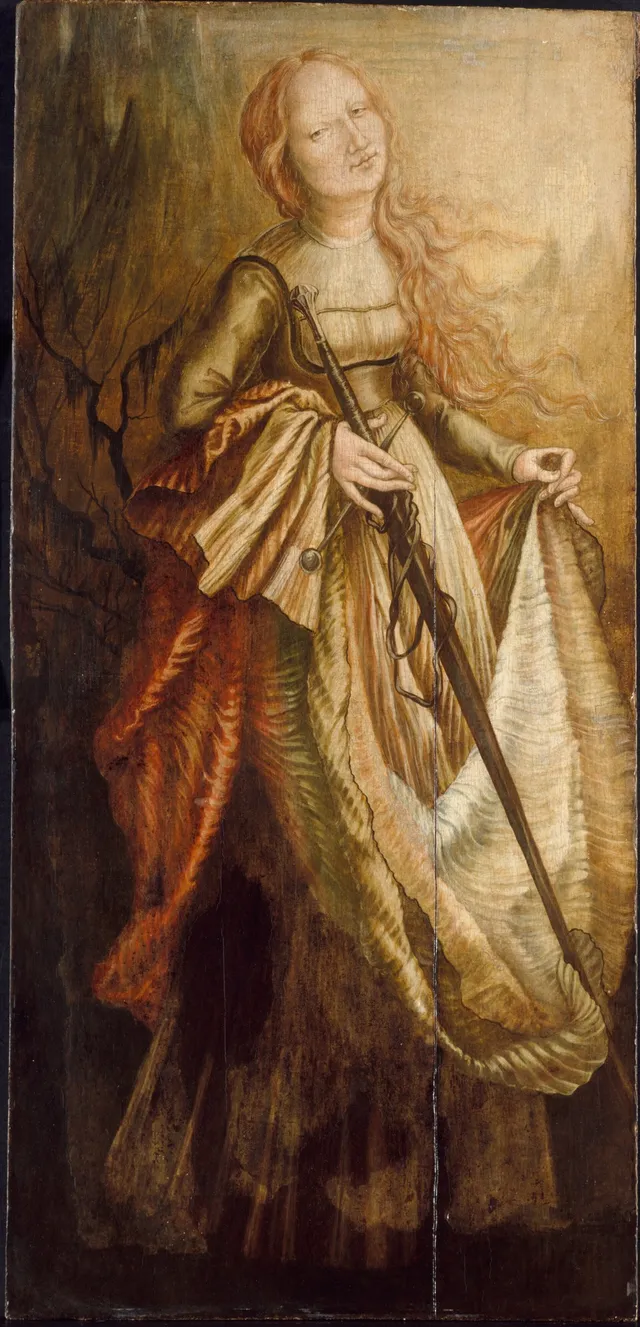
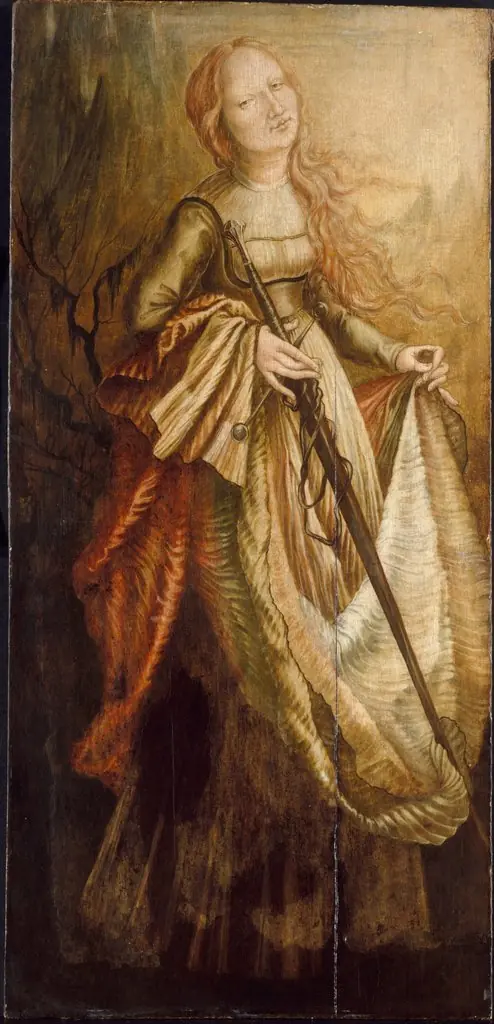 Saint Catherine
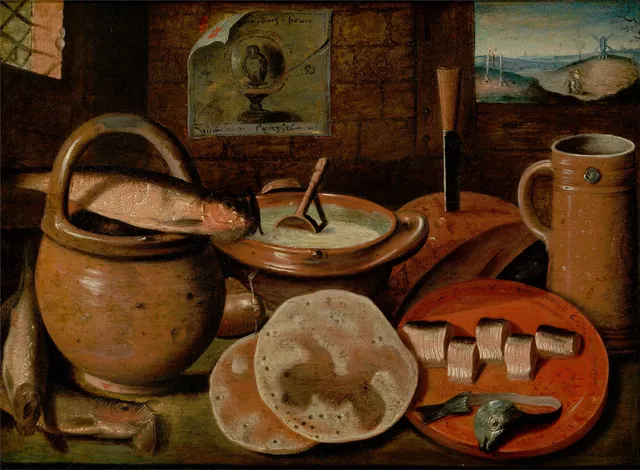
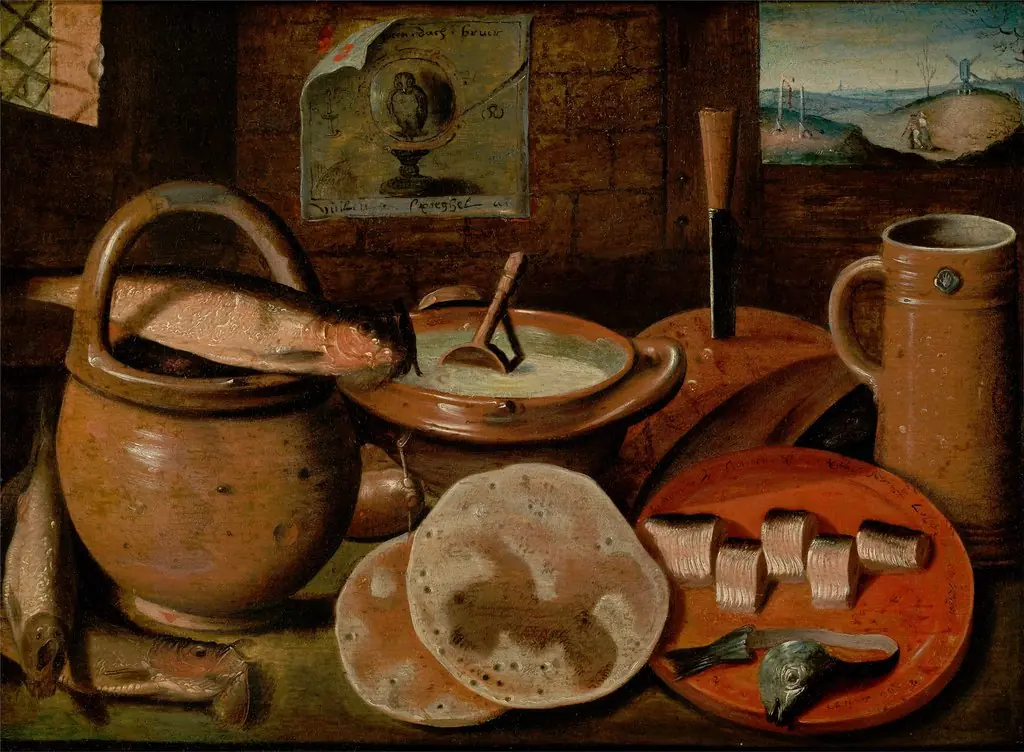 Still Life with a Poor Man's Meal of Porridge, Cheese, Herring and Pancakes
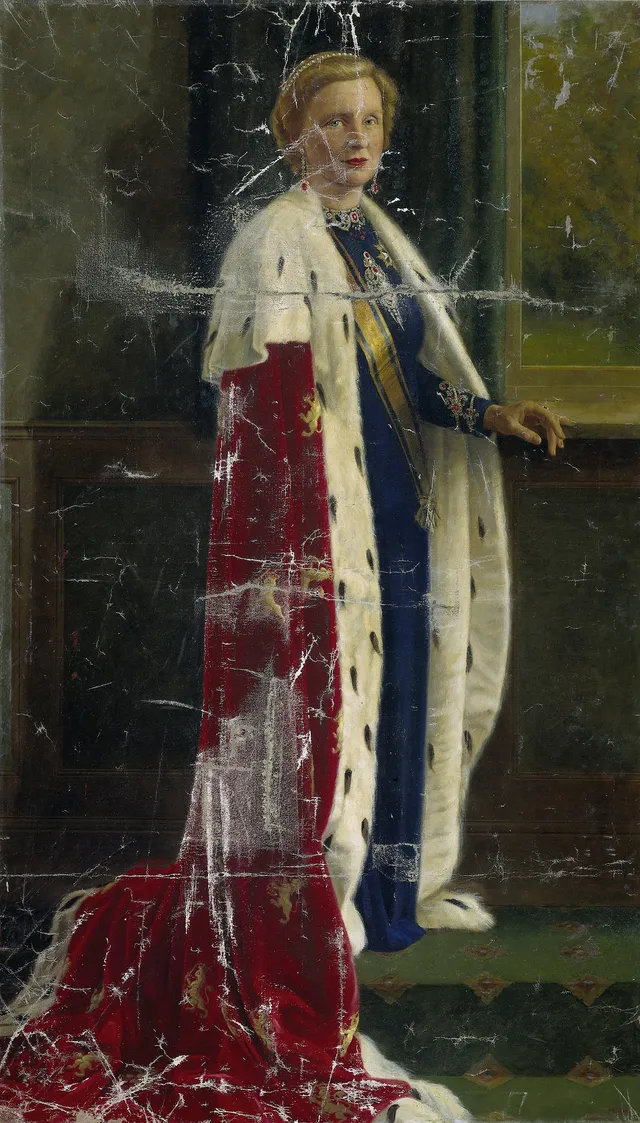
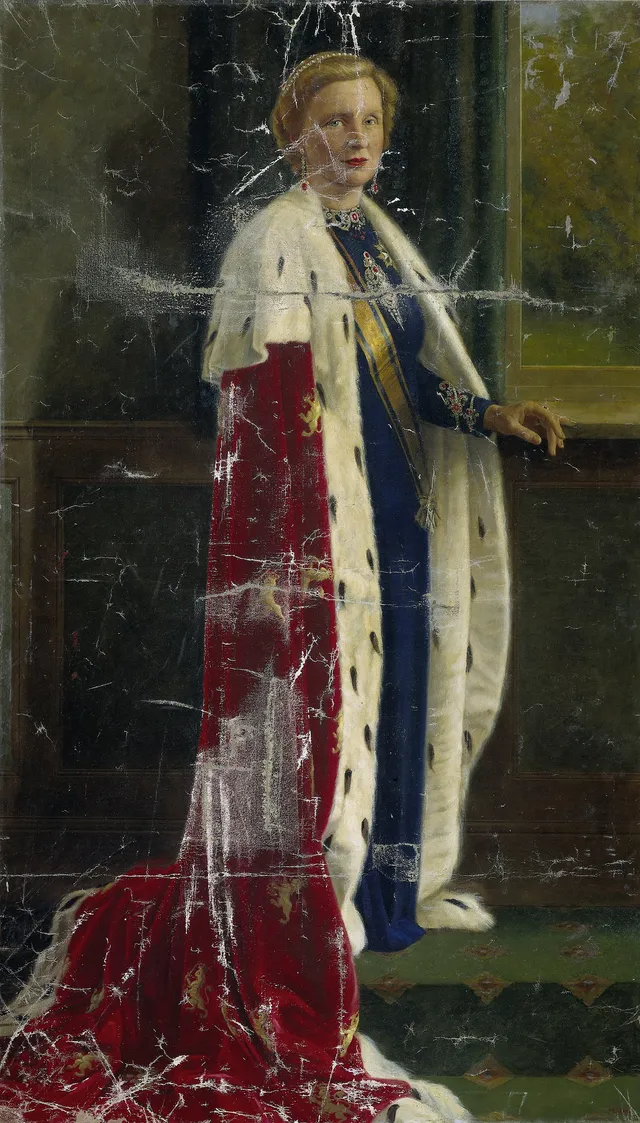
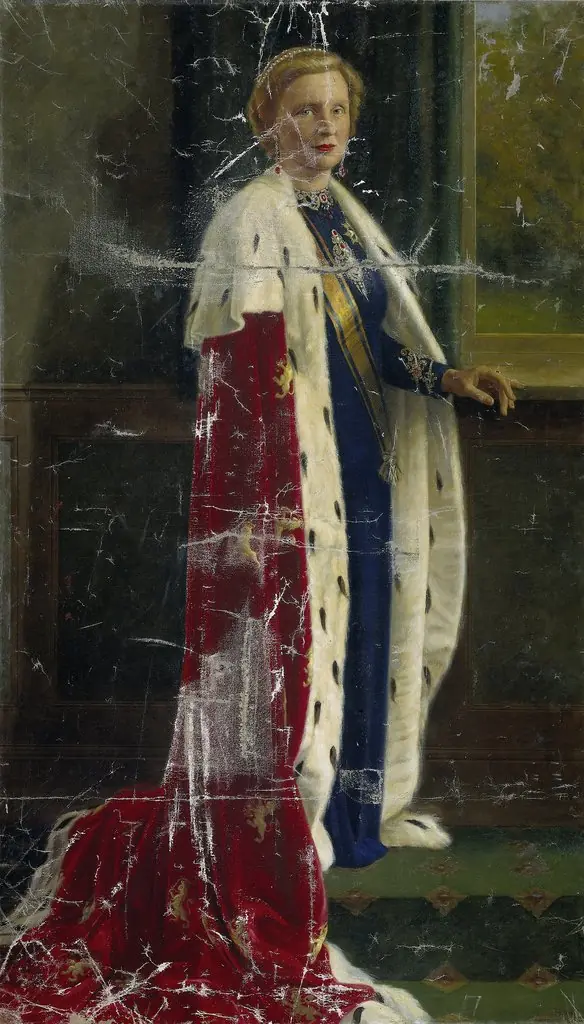 Queen Juliana of the Netherlands in Her Coronation Robes
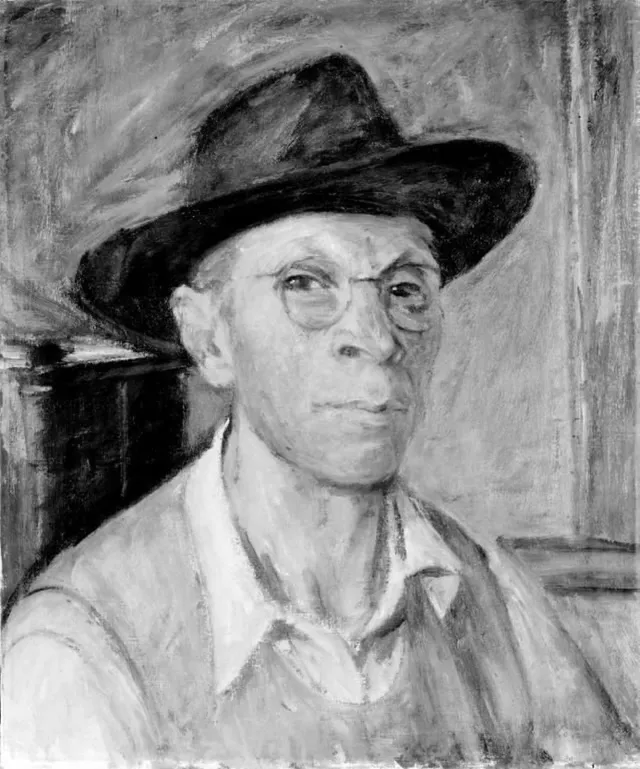
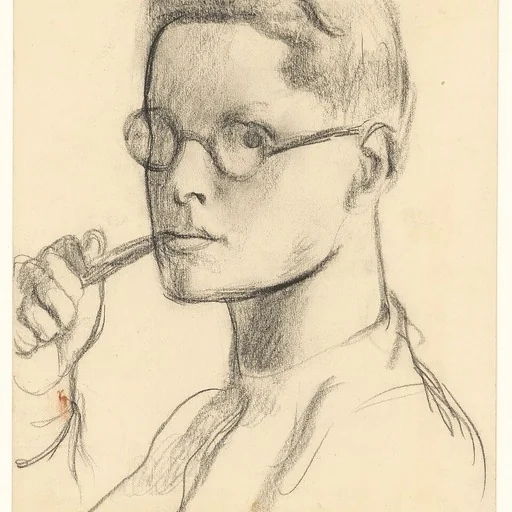
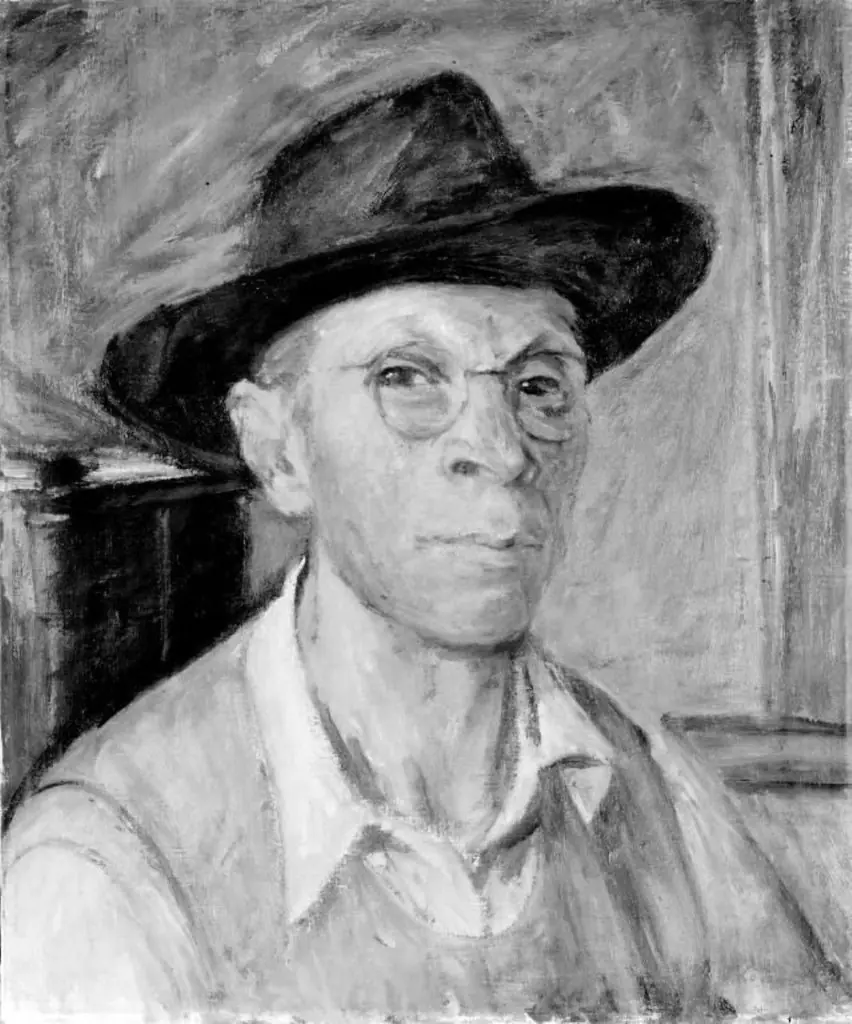 Self-Portrait
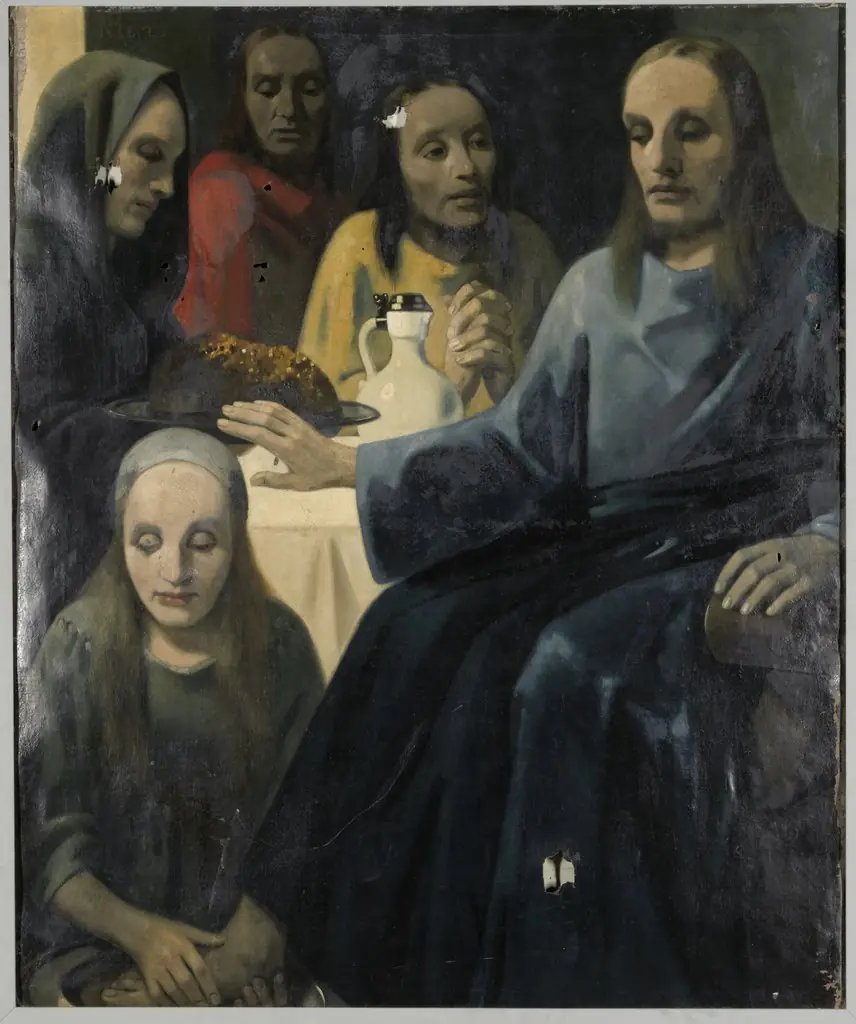 The foot washing
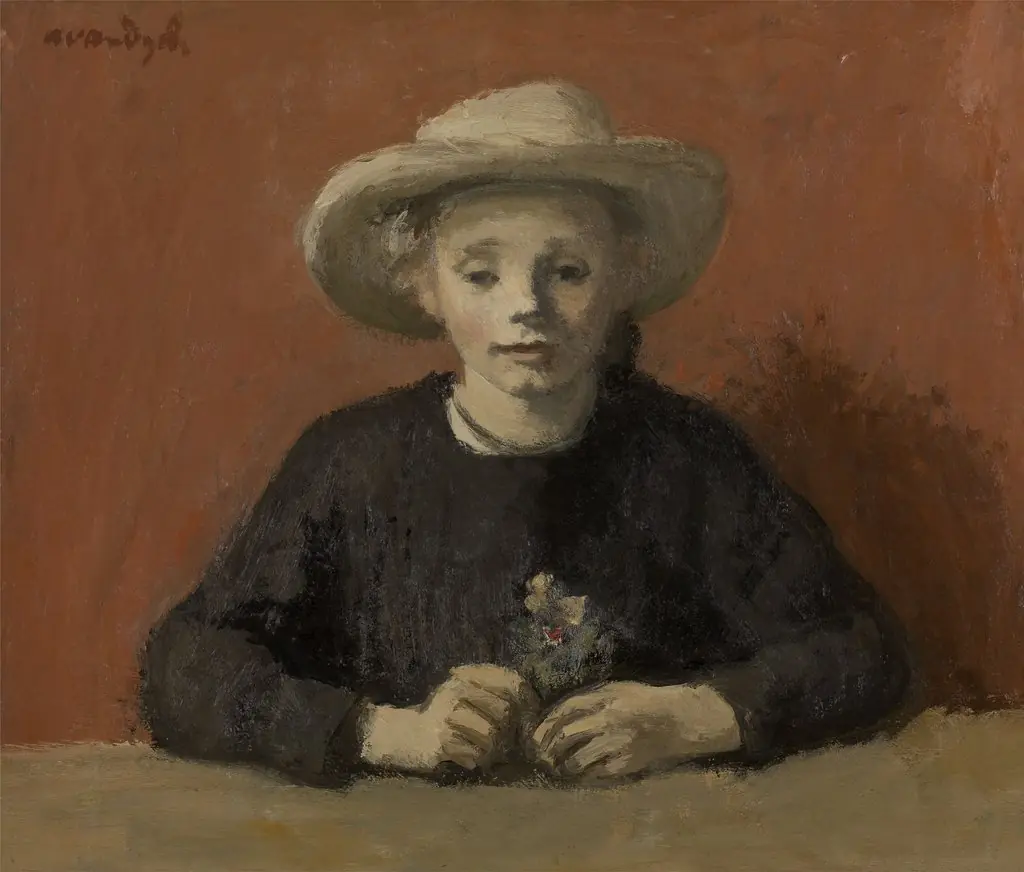 Gusta in a Little Hat
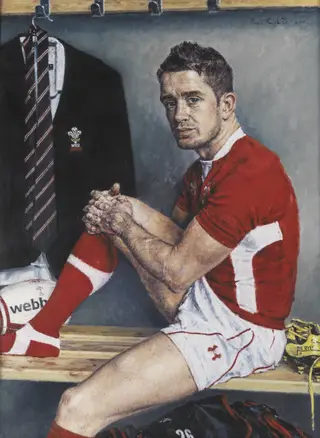 Shane Williams
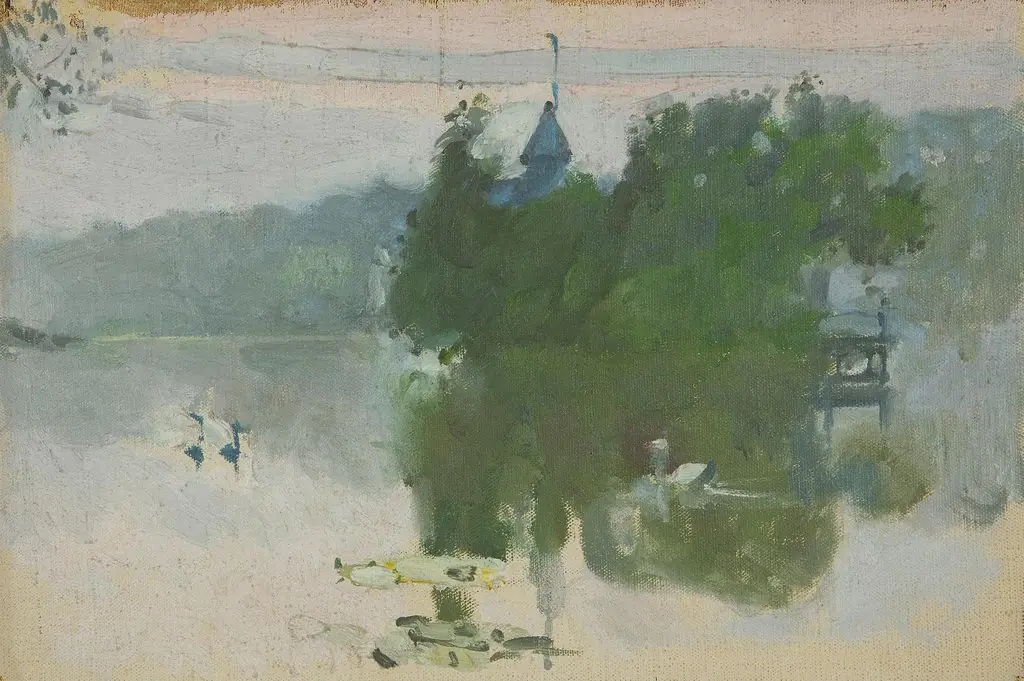 Landscape. Sketch
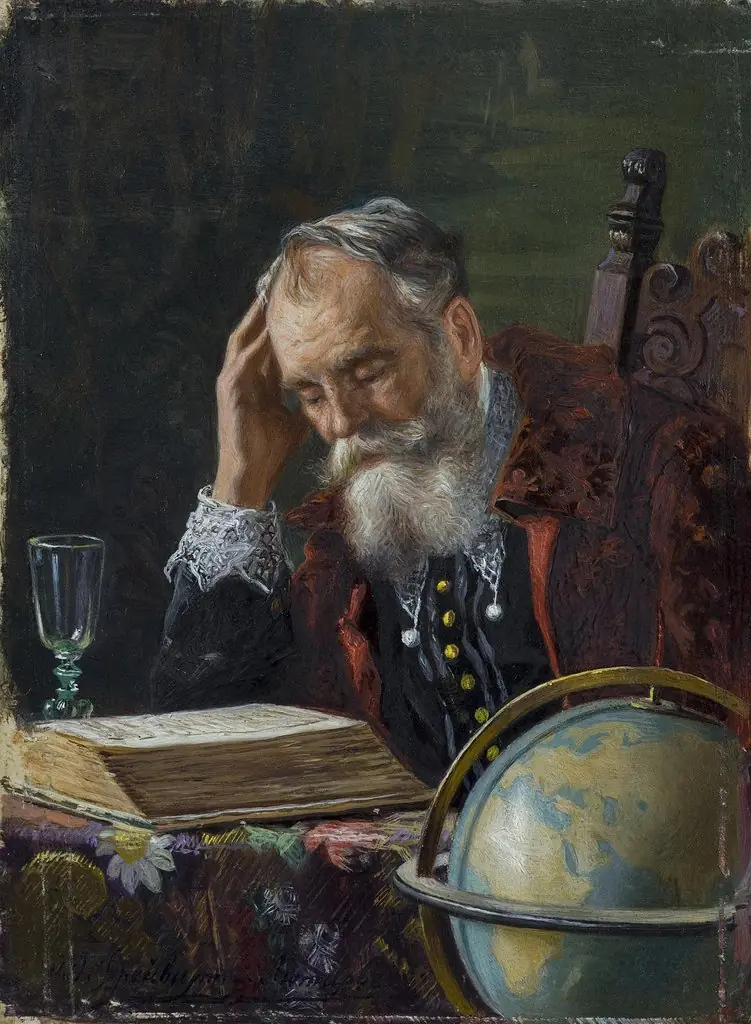 Portrait of Vasco da Gama
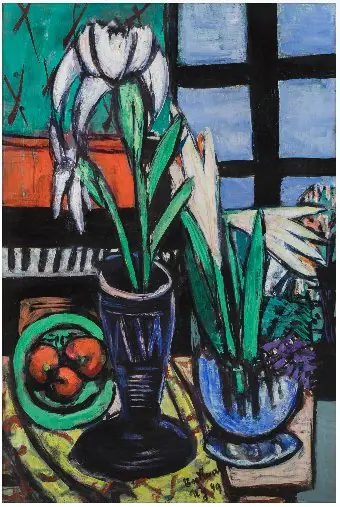 Still Life with Lilies
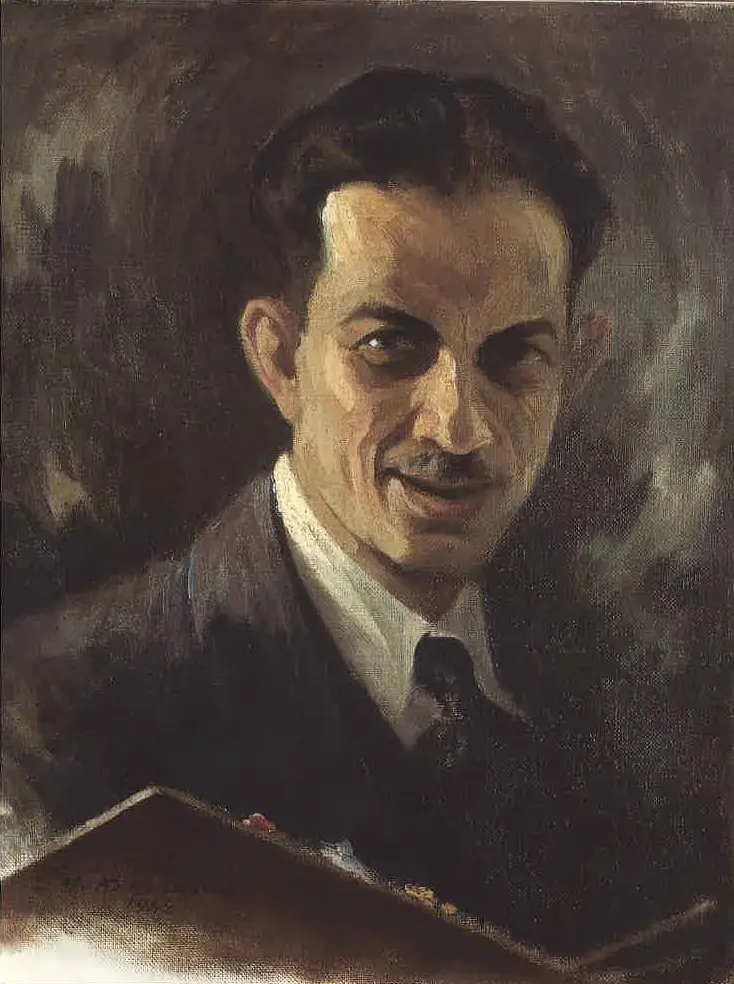 Autoportrait with the Palette
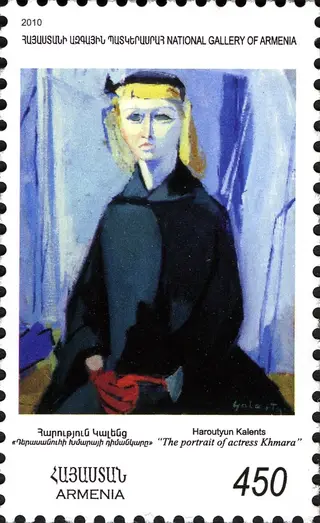 The Portrait of Actress Khmara
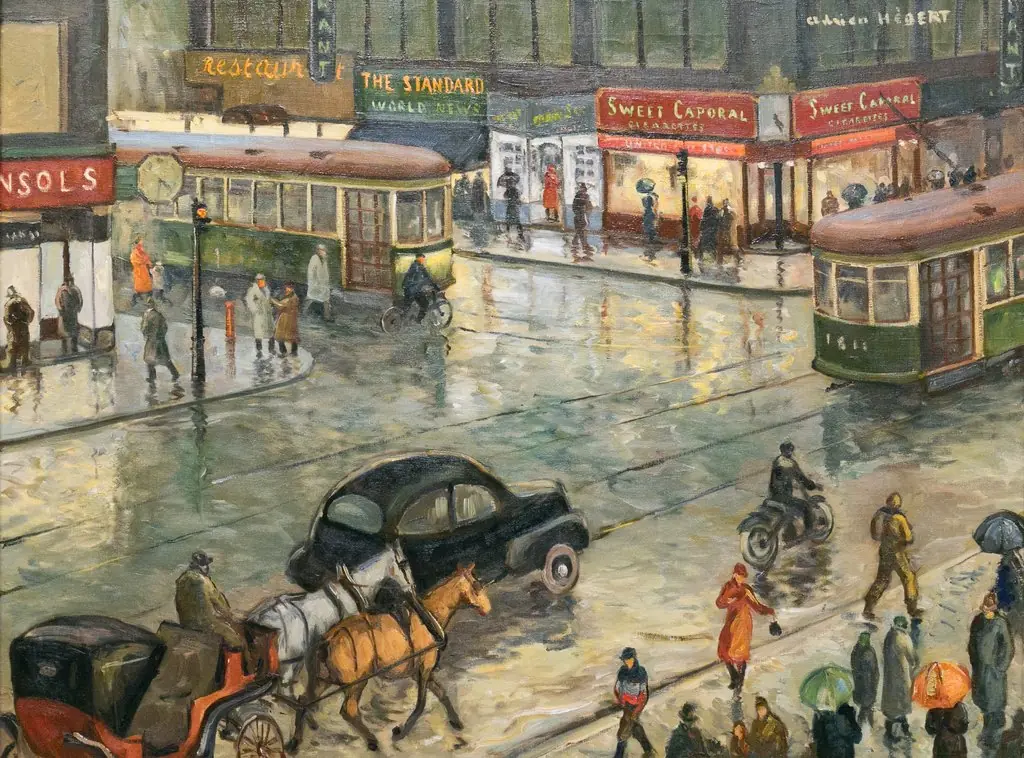 Corner Peel and Sainte-Catherine
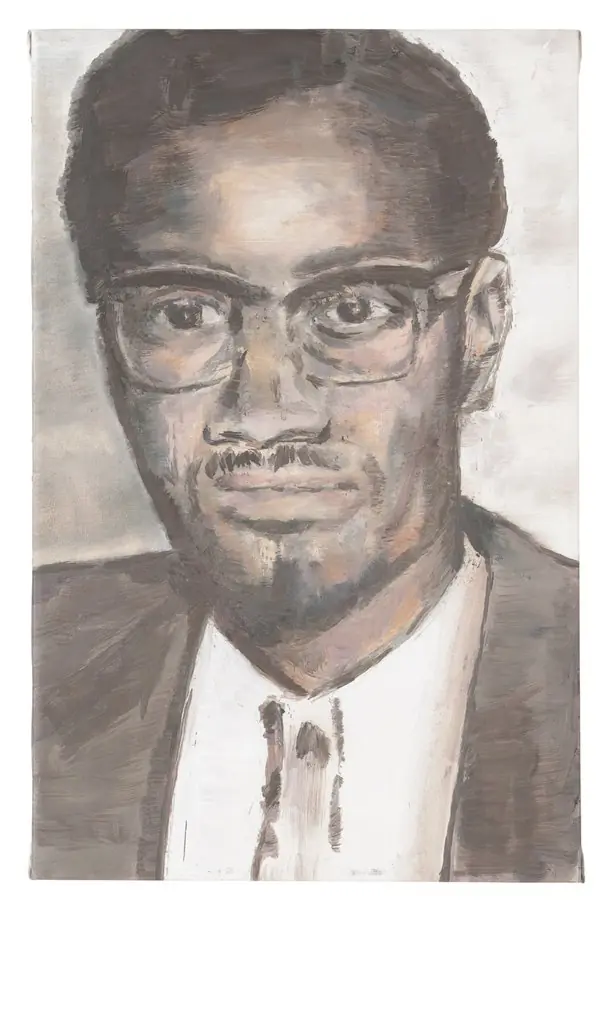 Lumumba
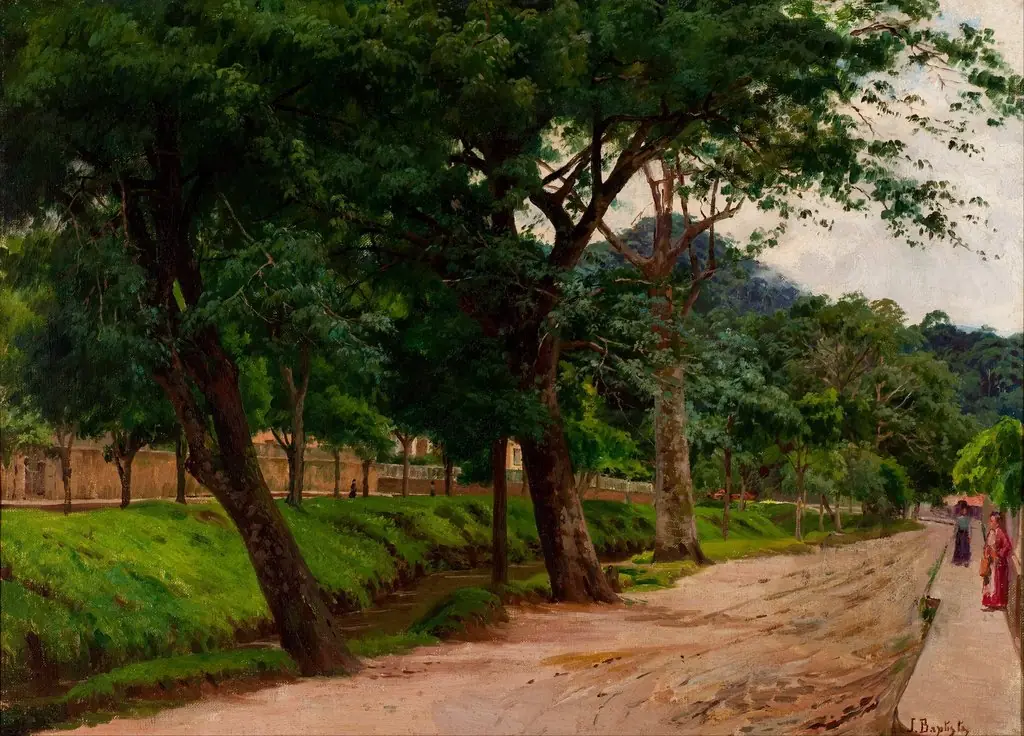 Petrópolis
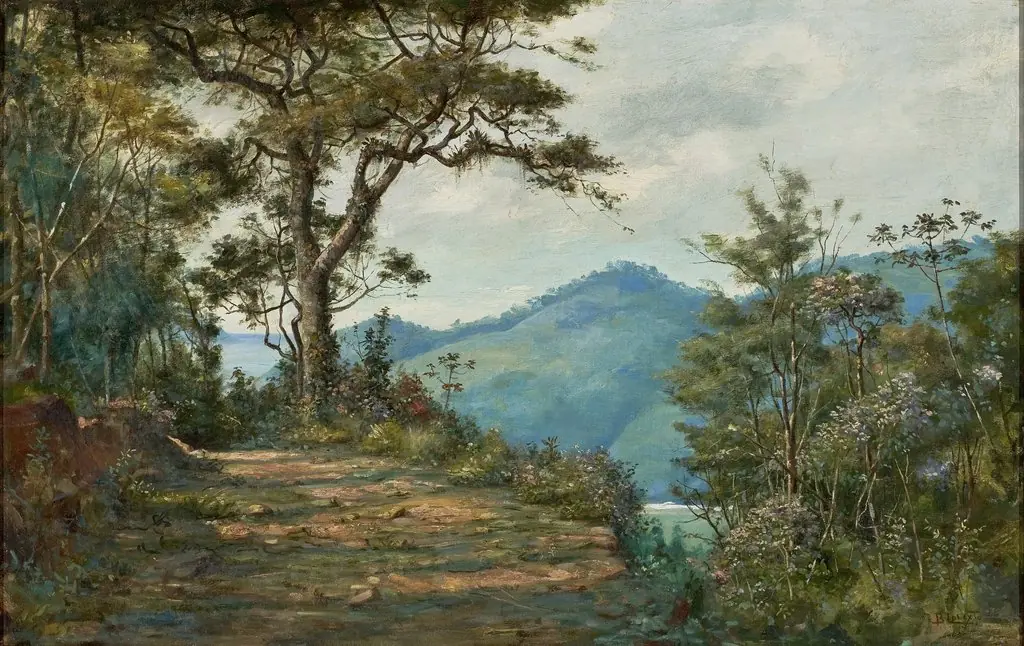 Paisagem (Da Série Mata)
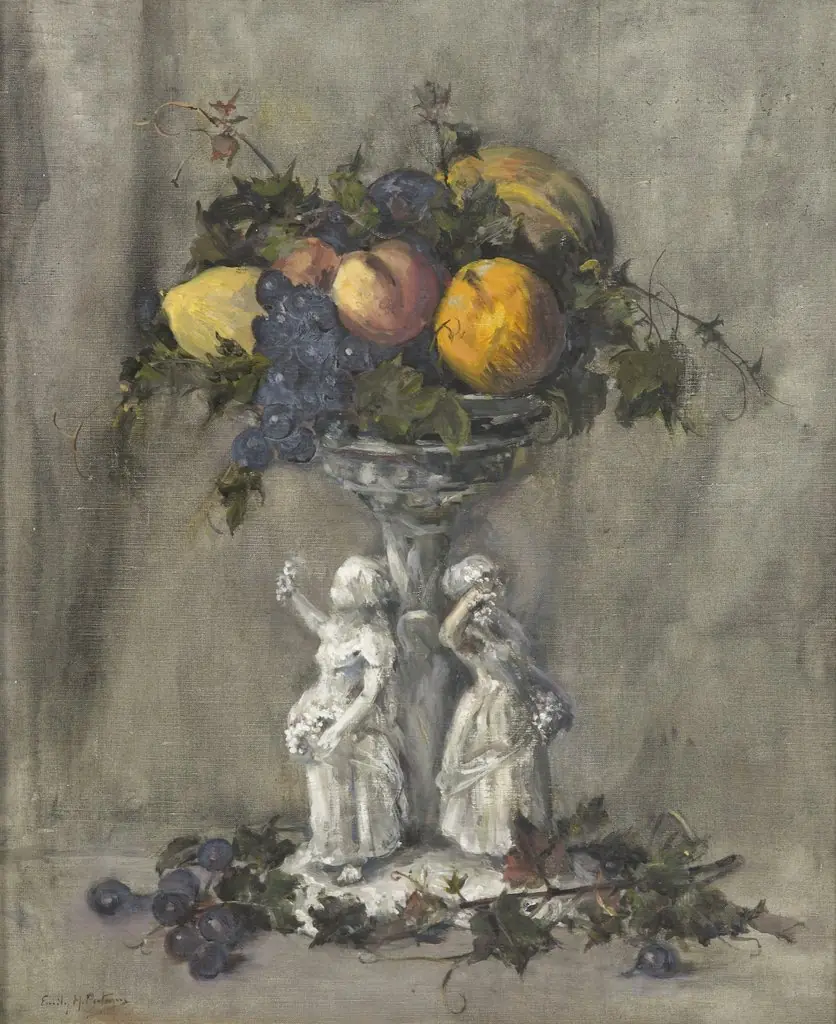 Still Life
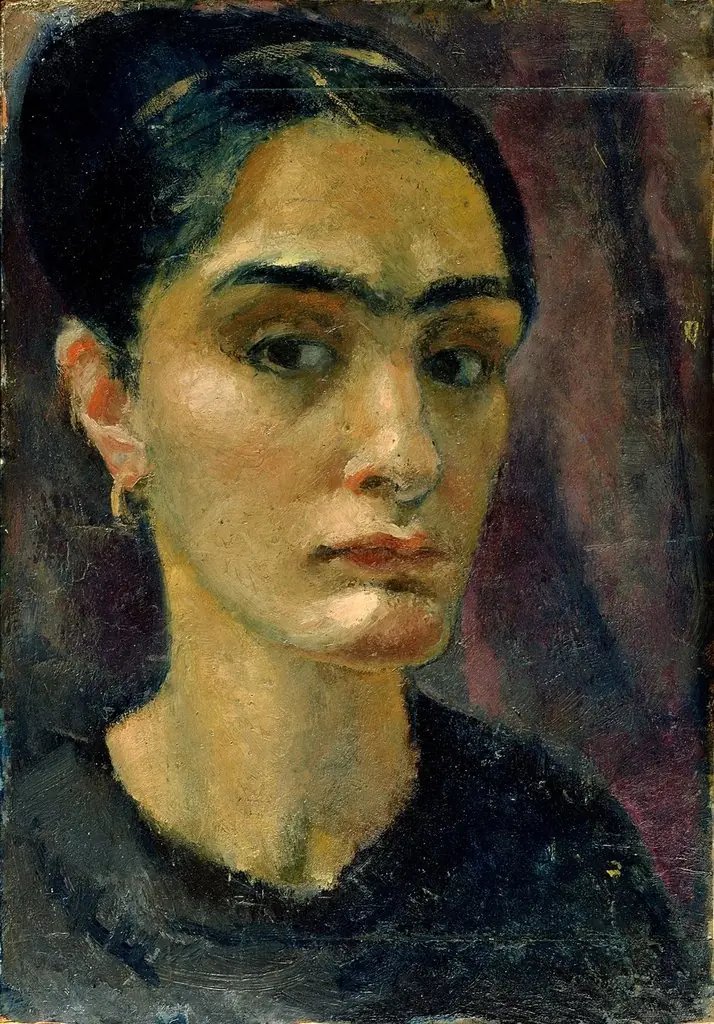 Self-portrait
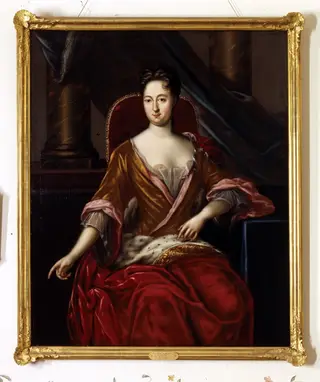 Painting
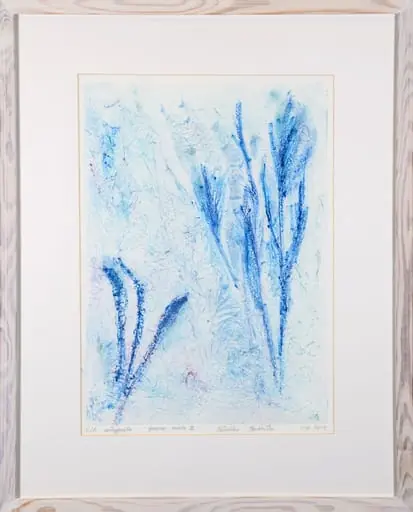 Landscape
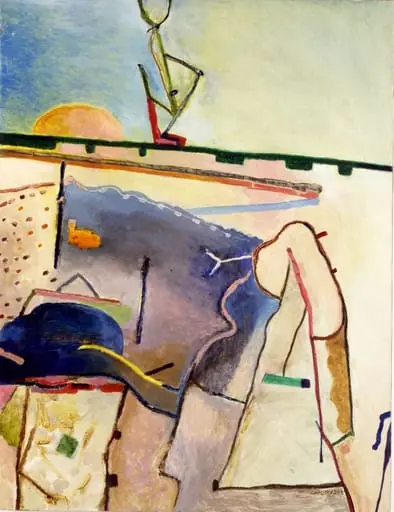 Painting
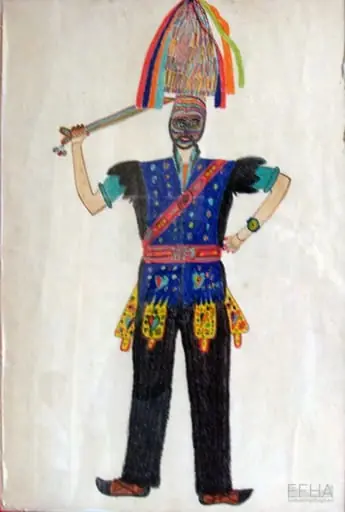 Painting
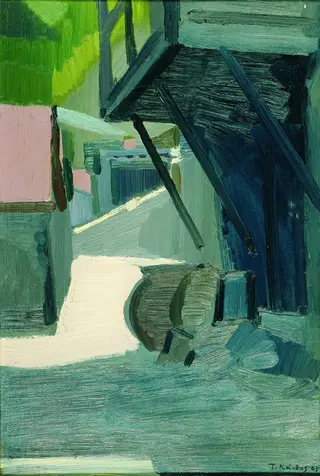 Σπίτια στον Άλωνα
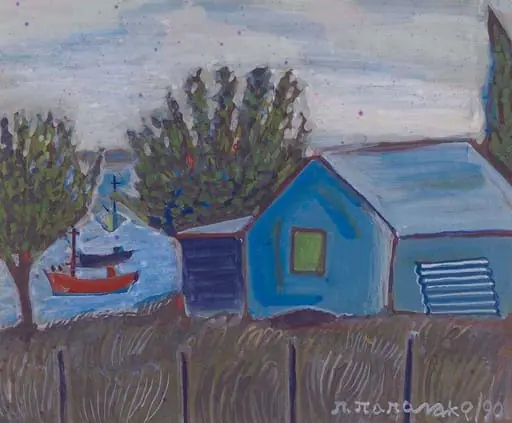 Παράγκα στη θάλασσα
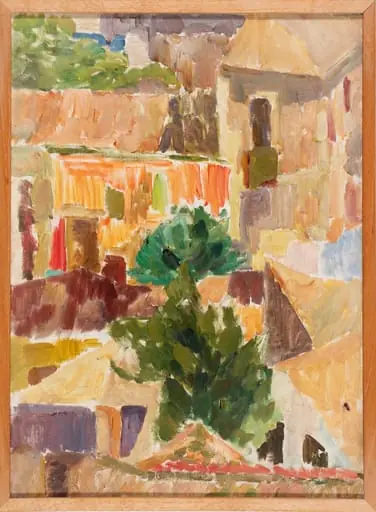 Landscape: from the Acropolis area
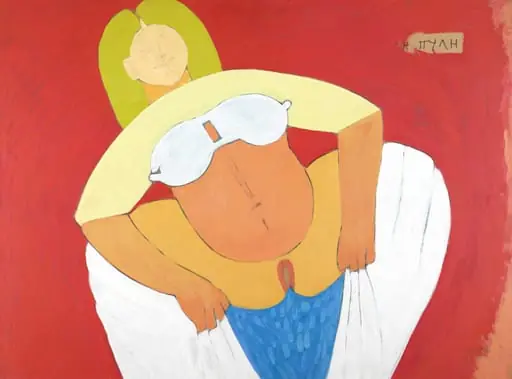 Η Πύλη -2-
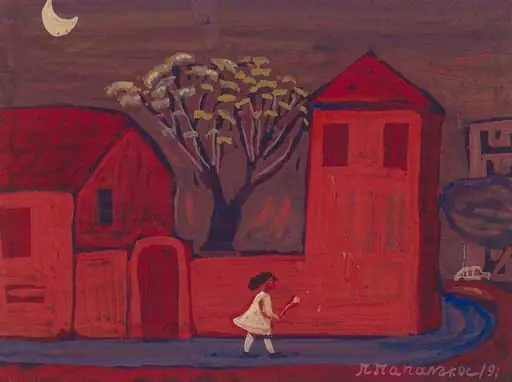 Κόκκινο Σπίτι
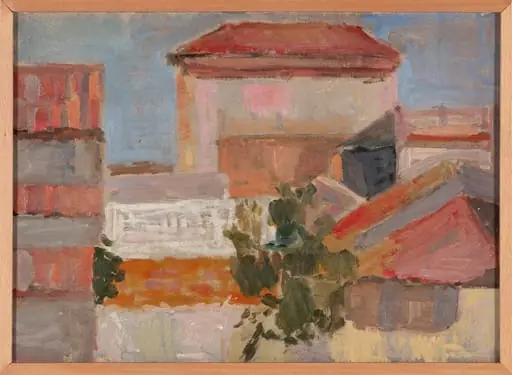 Landscape: from the Acropolis area
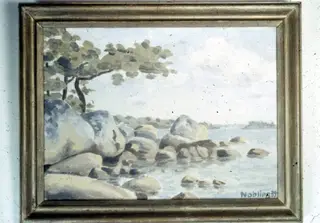 Painting
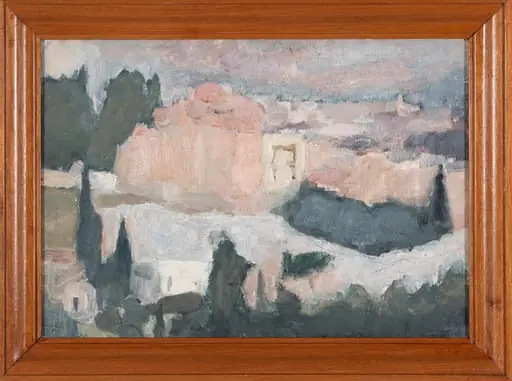 Landscape: from the Acropolis area
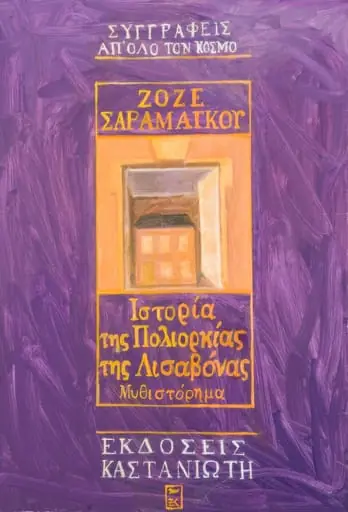 History of the Siege of Lisbon
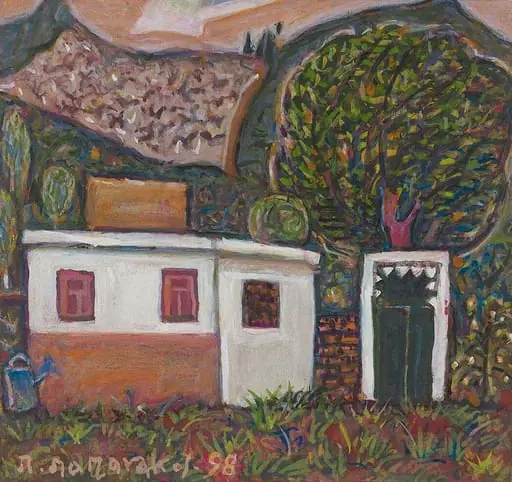 Σπίτι στην εξοχή
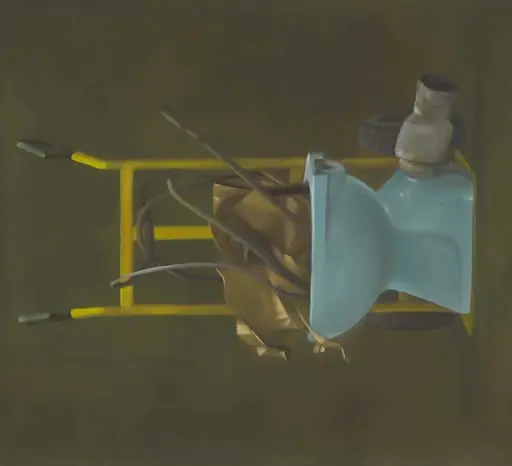 Charioteer
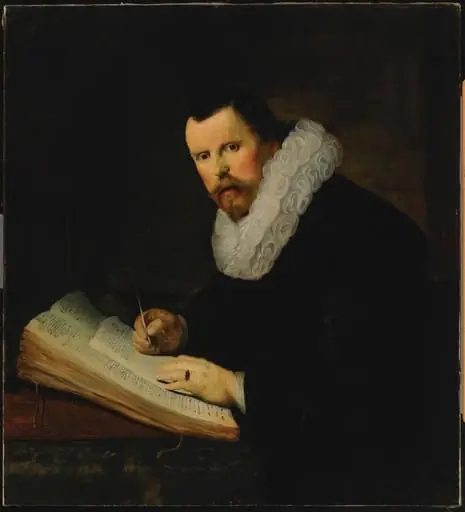 Kalligrafi Lieven Willemsz van Coppenol, kopio Rembrandtin mukaan
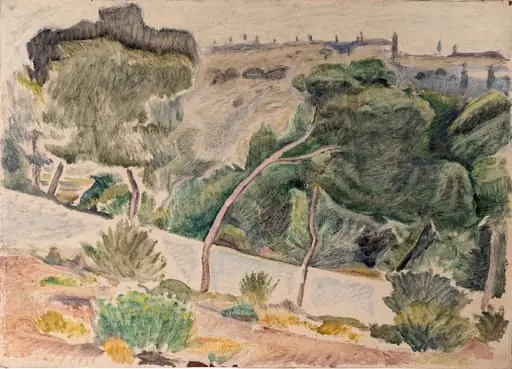 Landscape: from the Acropolis area
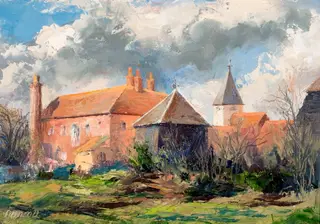 Painting
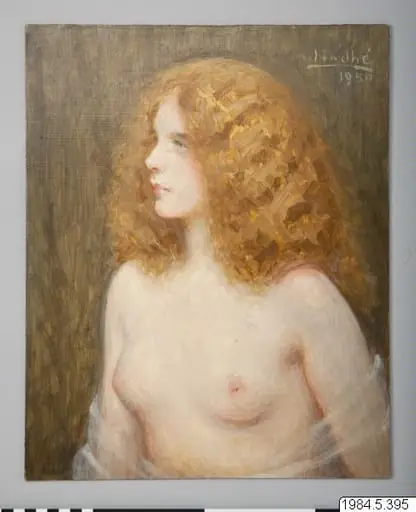 board, painting,
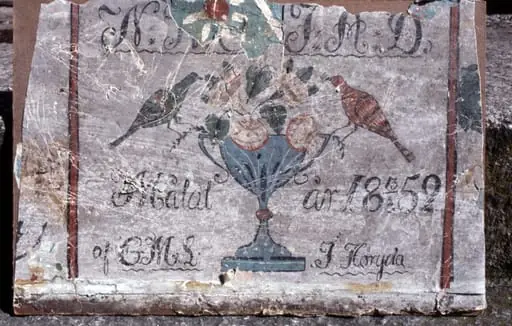 Painting
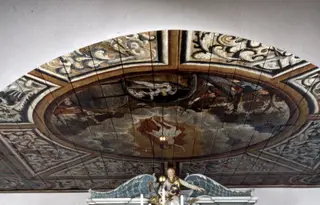 Painting
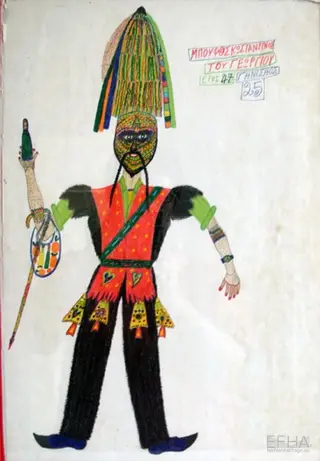 Painting
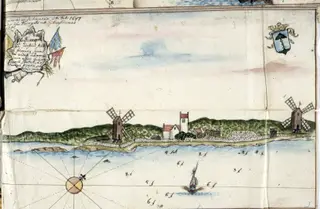 Painting
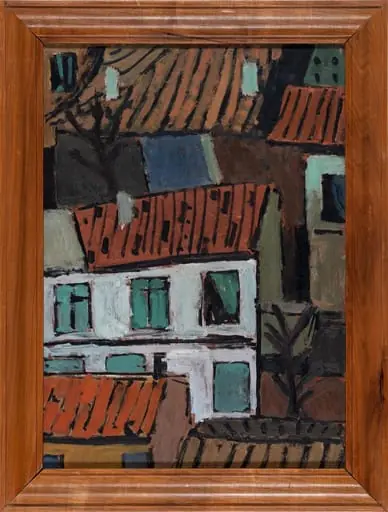 Landscape: from the Acropolis area
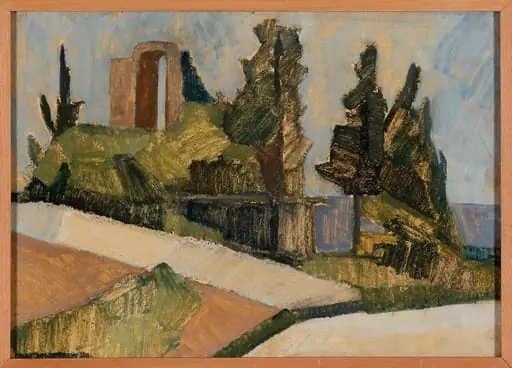 Landscape: from the Acropolis area
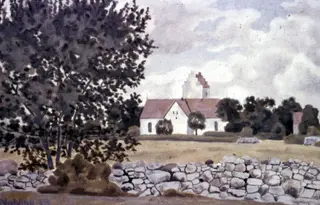 Painting
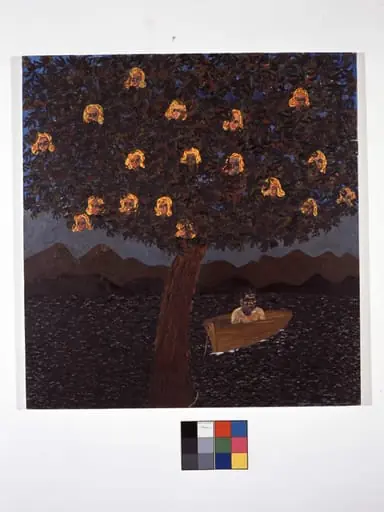 Χωρίς τίτλο
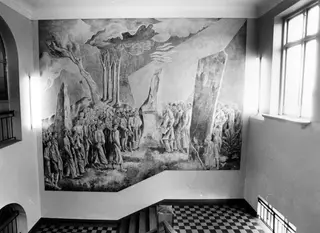 Painting
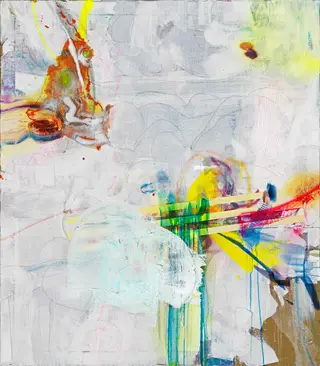 Malerei, Snowblind
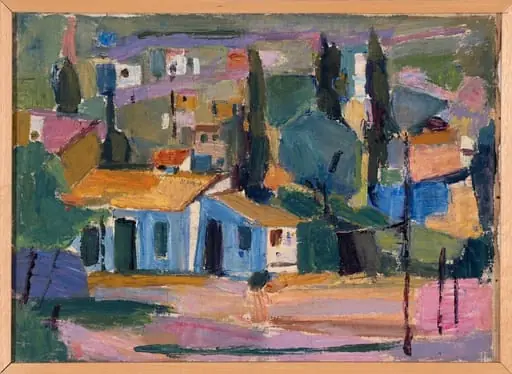 Landscape: Galatsi
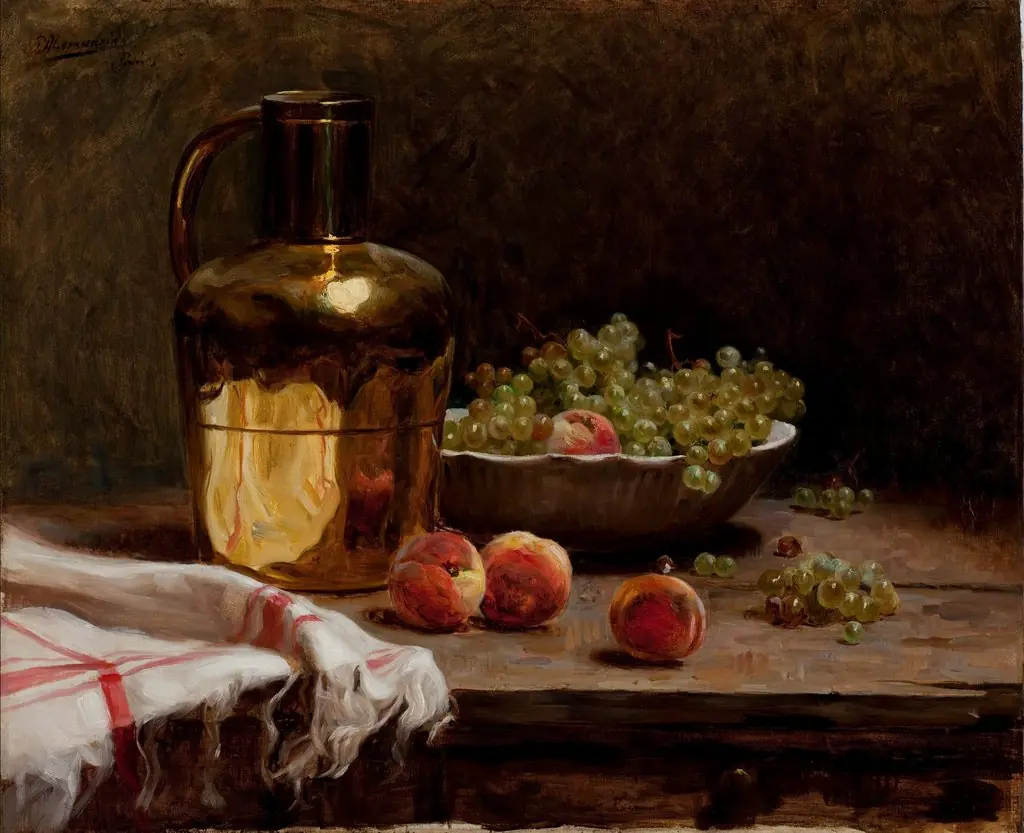 Still life - Grapes and Peaches
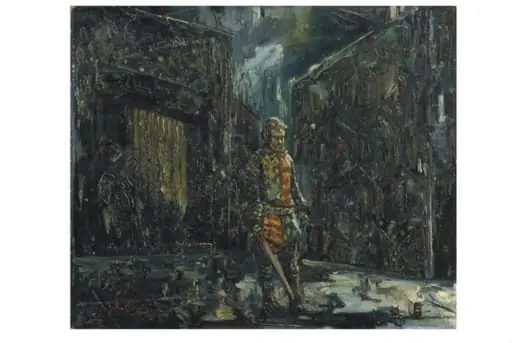 Ian Holm as Henry V in <i>Henry V</i> by William Shakespeare
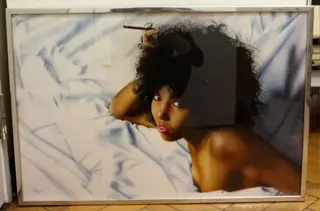 Untitled
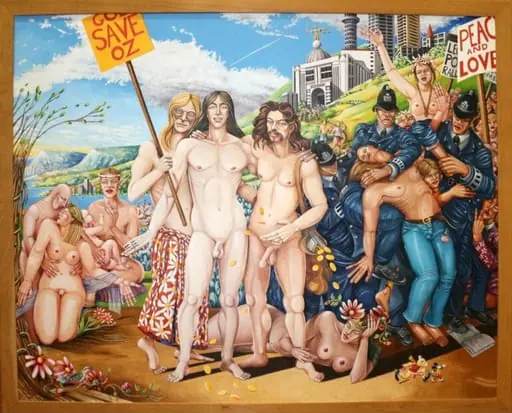 Jim Anderson, Richard Neville and Felix Dennis: The OZ Three, Free !
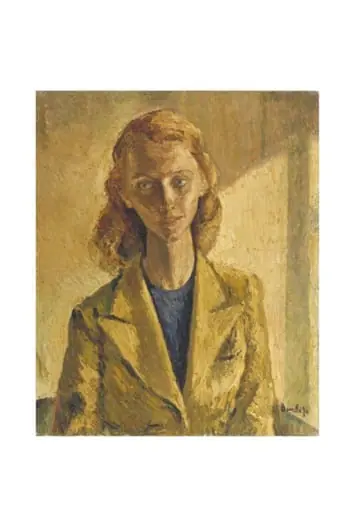 Sally Gilmour
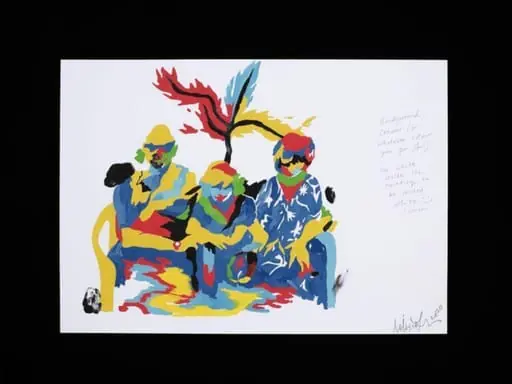 All Our Children
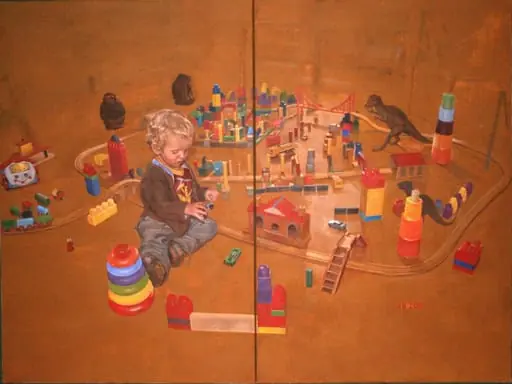 Kingdom
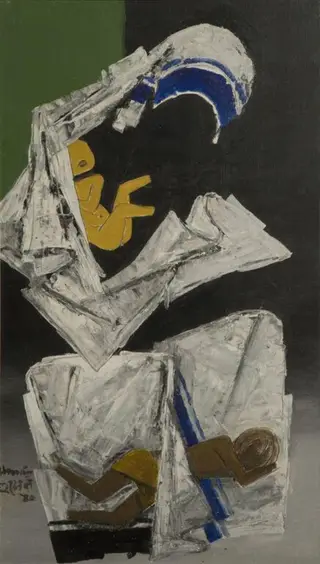 Mother Teresa
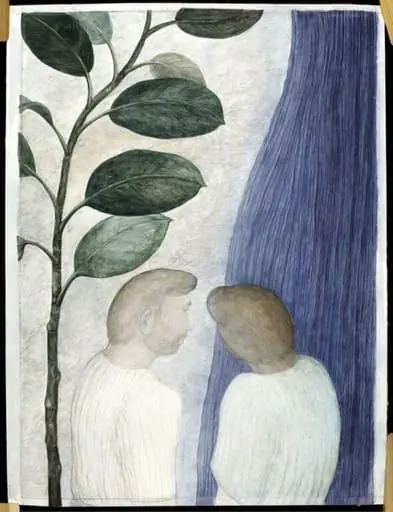 Plant and Curtain
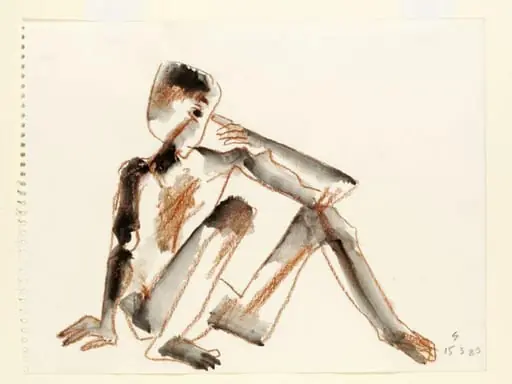 Seated Tribesman with Hand to Head
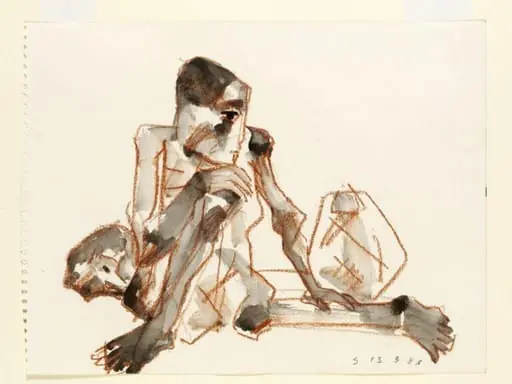 Seated Tribesman among Rocks
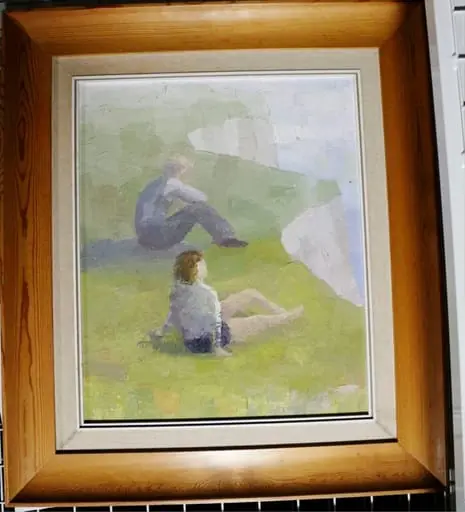 Family Voices: Figures Looking out to Sea
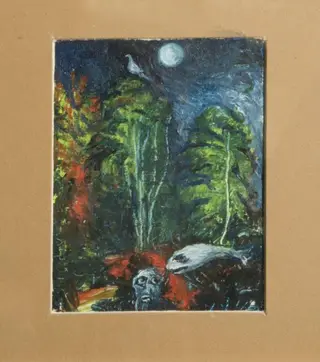 Mullah at Night
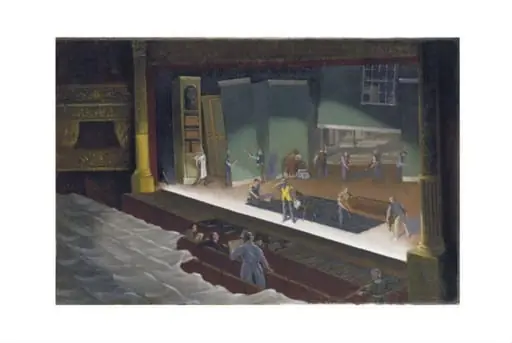 John Clements Conducting a Rehearsal of 'Pygmalion' by George Bernard Shaw
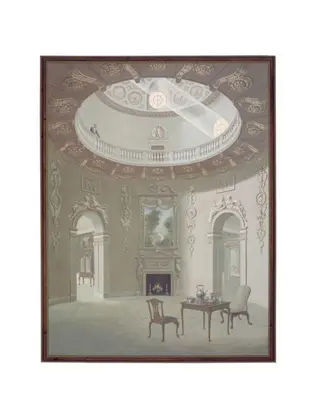 Architectural capriccio, one of five decorative paintings from the V&A 'Painted Room'
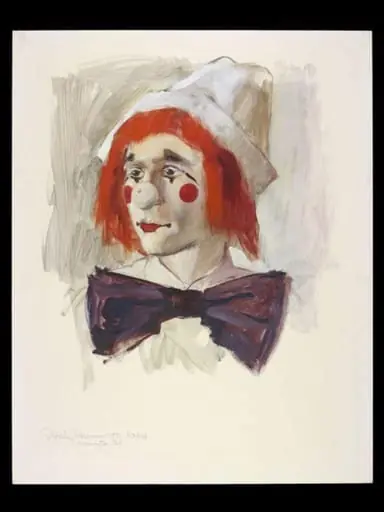 <i>George</i>
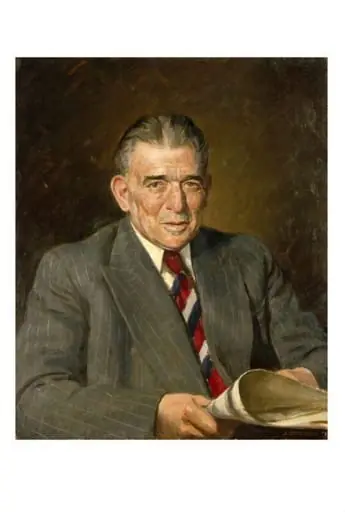 Vivien Van Damm
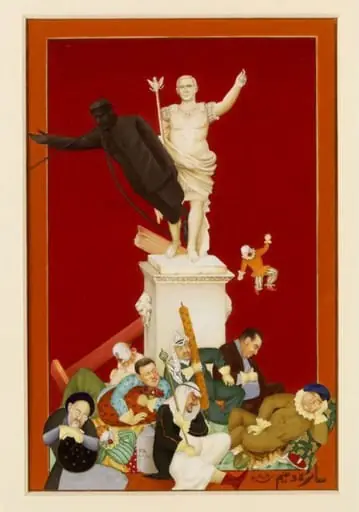 Regime Change
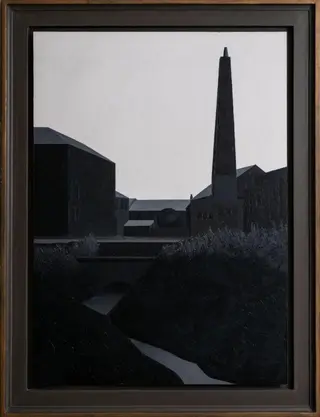 Scotia Brook and Works Buildings, Trubshawe
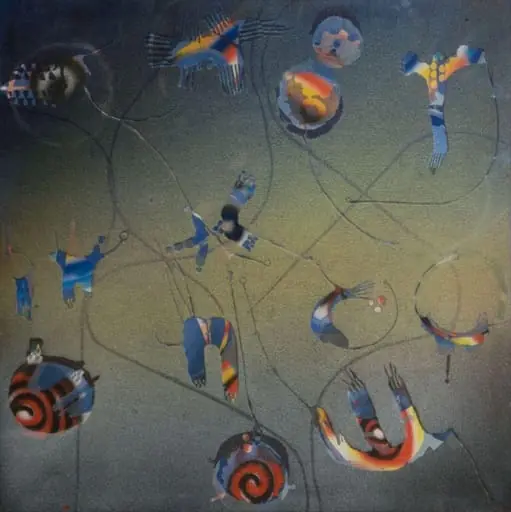 Patang Bazi
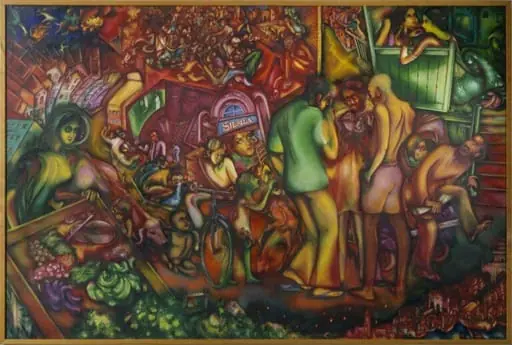 City for Sale
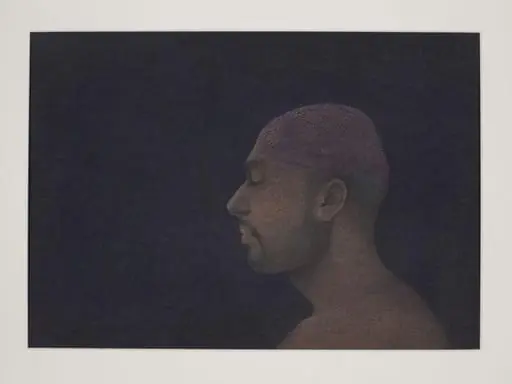 Topi Wallah 2
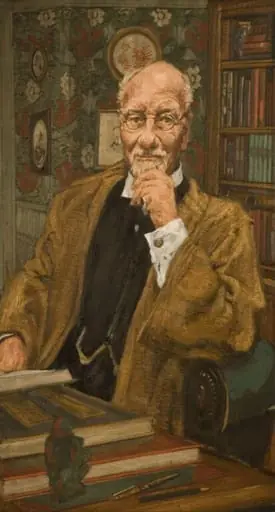 Sir John Gielgud as Sir Sydney Cockerell in 'The Best of Friends' by Hugh Whitemore
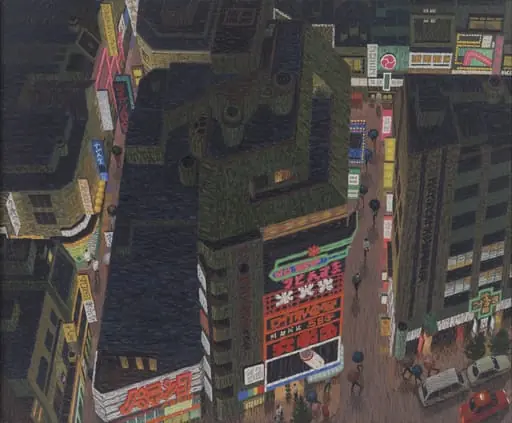 Untitled
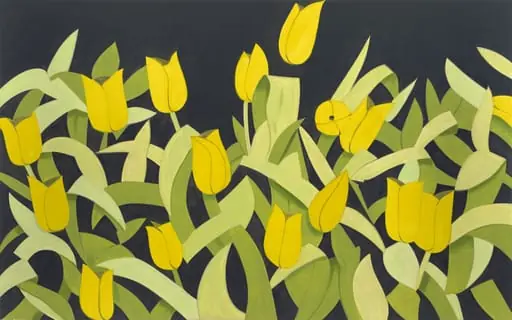 Untitled
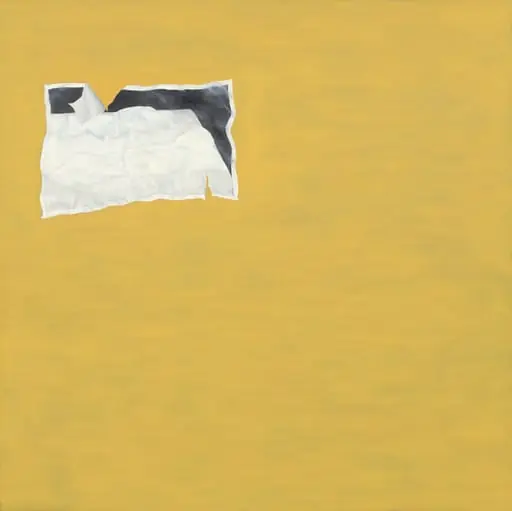 Untitled
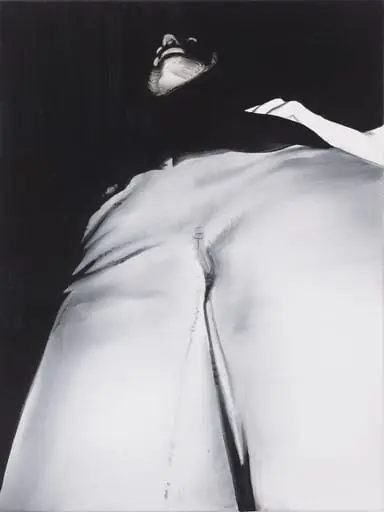 Untitled
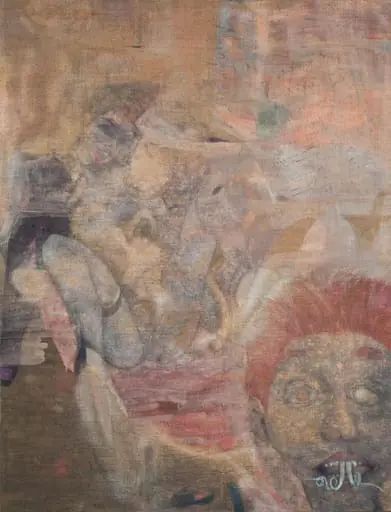 Untitled
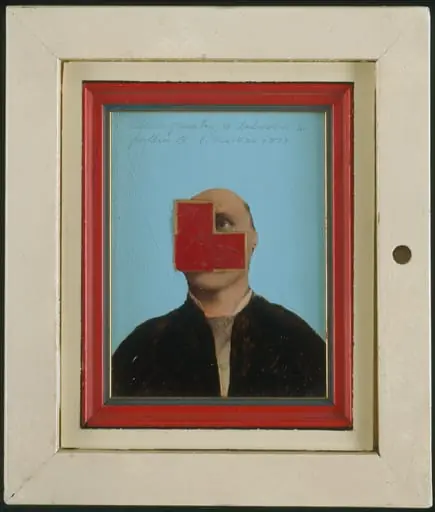 Untitled
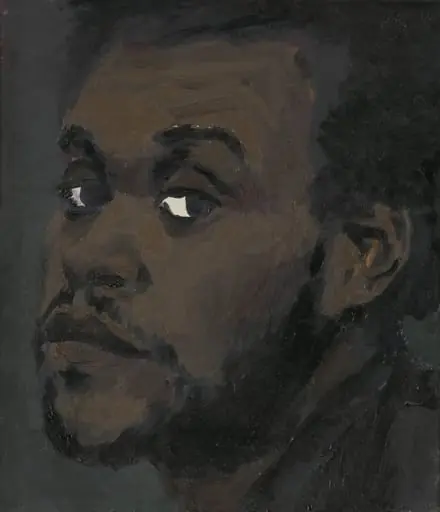 Untitled
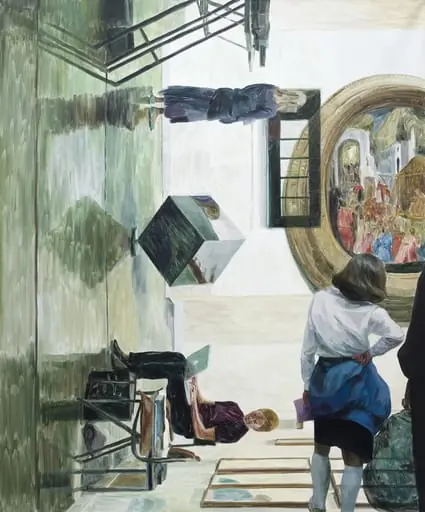 Untitled
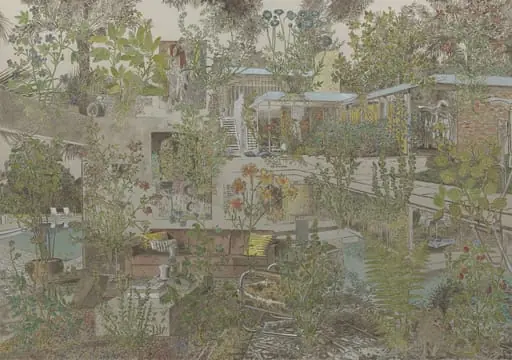 Untitled
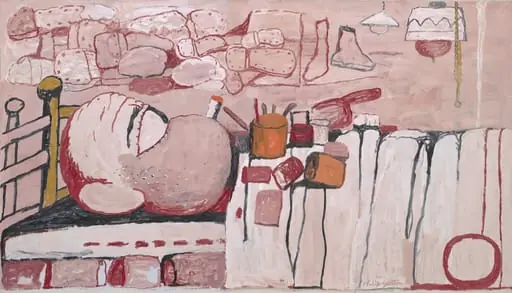 Untitled
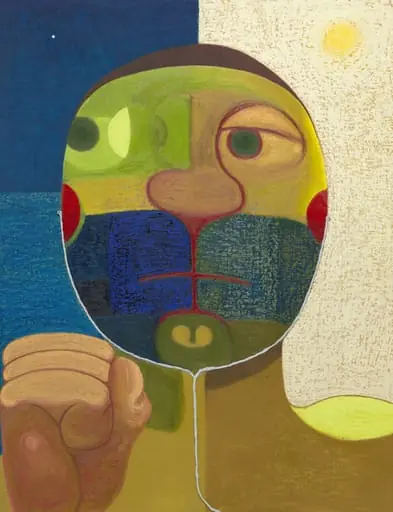 Untitled
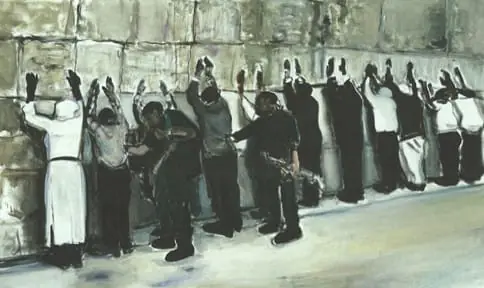 Untitled
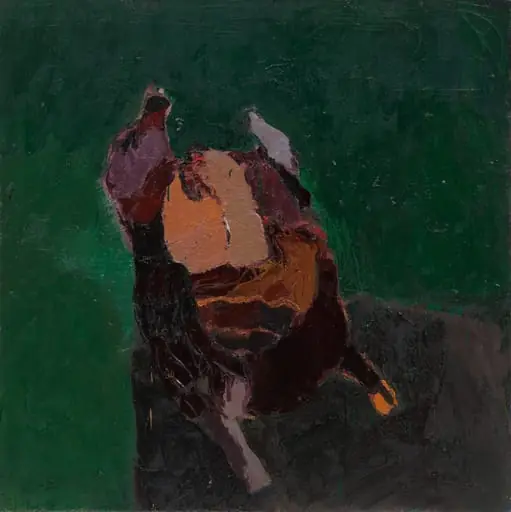 Untitled
 Untitled
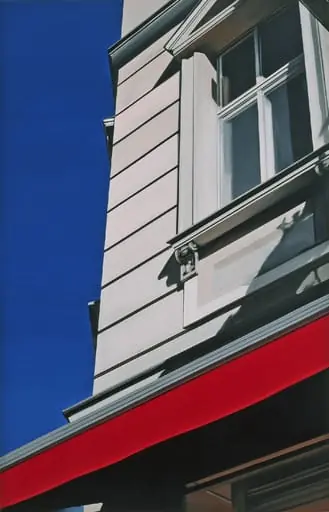 Untitled
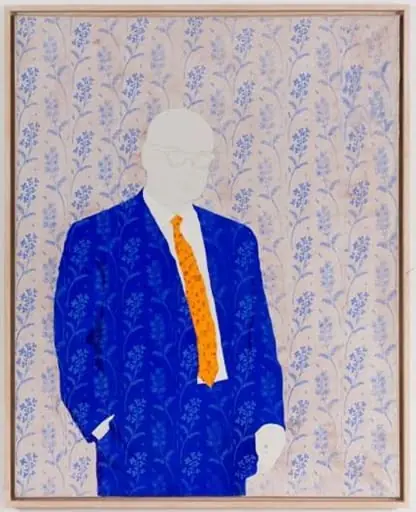 Untitled
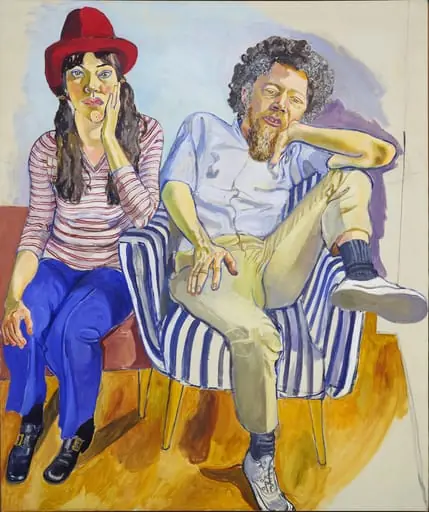 Untitled
 Untitled
 Untitled
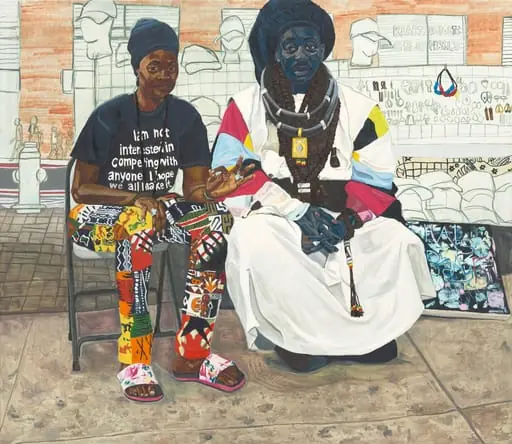 Untitled
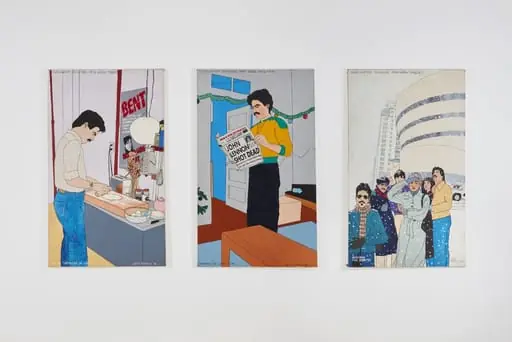 Untitled
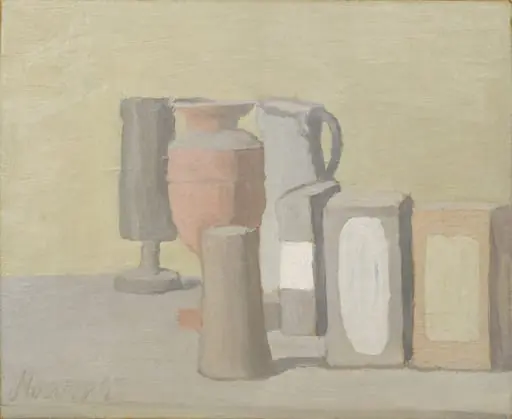 Untitled
 Untitled
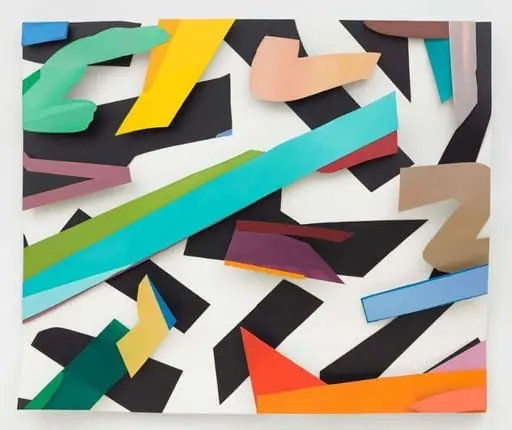 Untitled
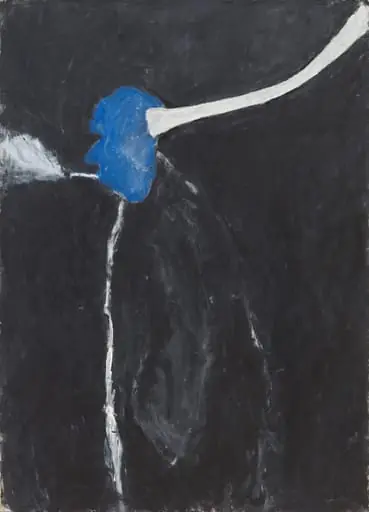 Untitled
 Untitled
 Untitled
 Untitled
 Untitled
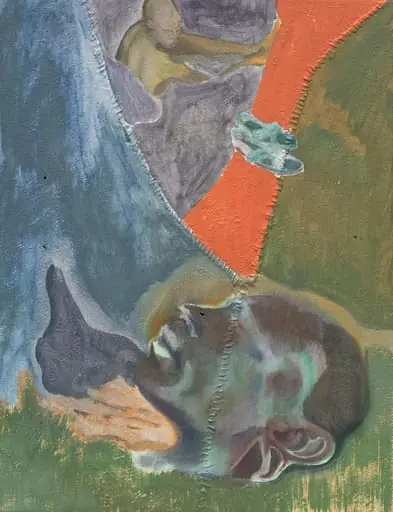 Untitled
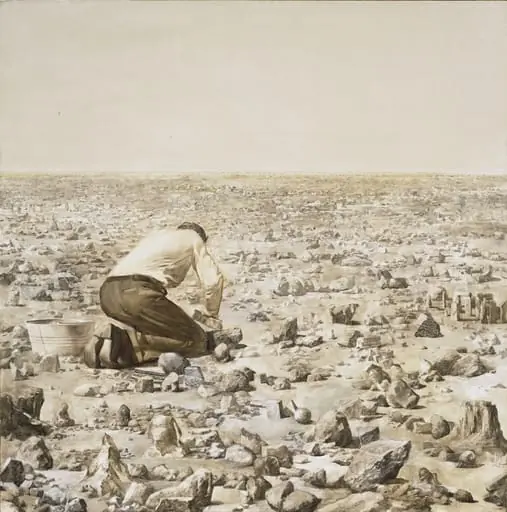 Untitled
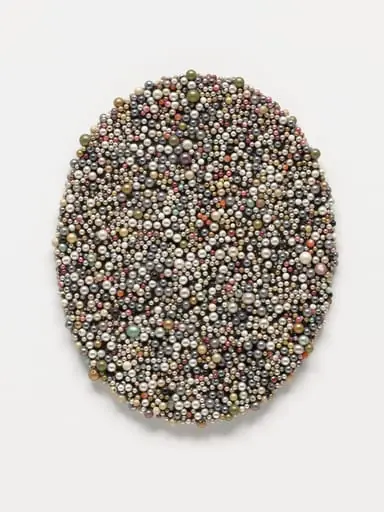 Untitled
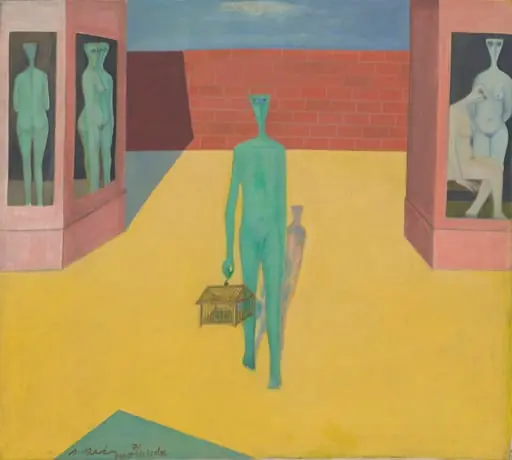 Untitled
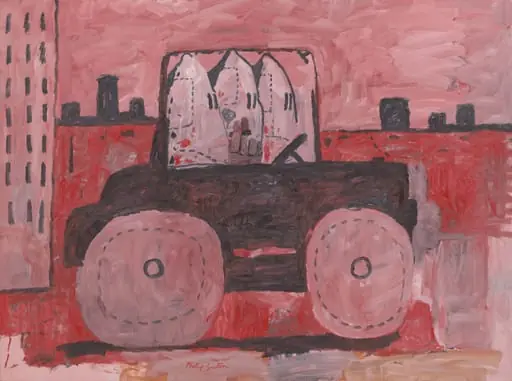 Untitled
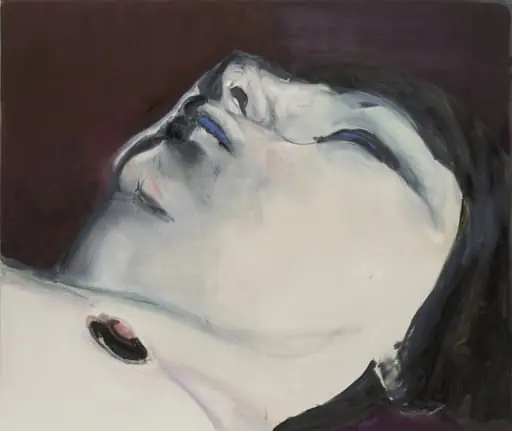 Untitled
 Untitled
 Untitled
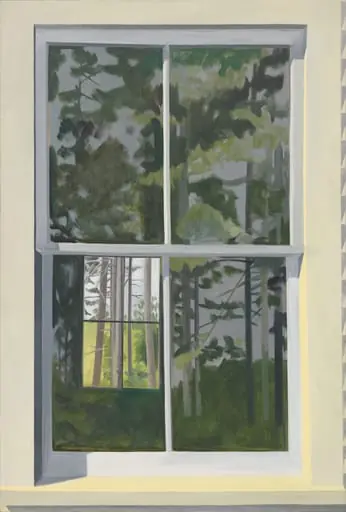 Untitled
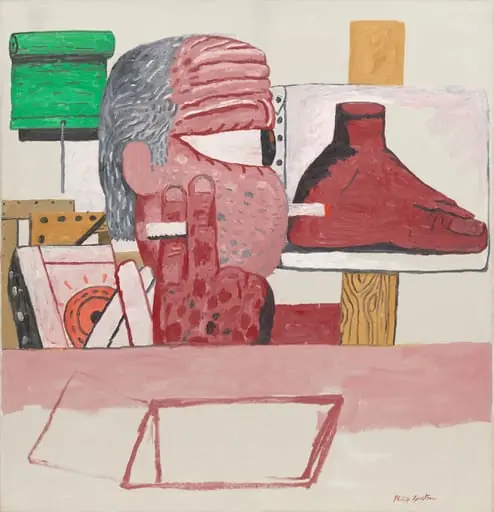 Untitled
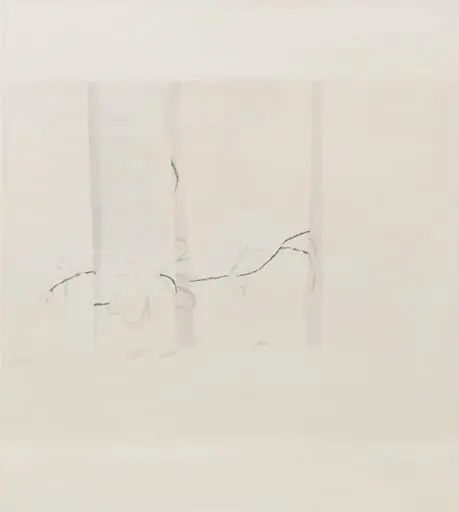 Untitled
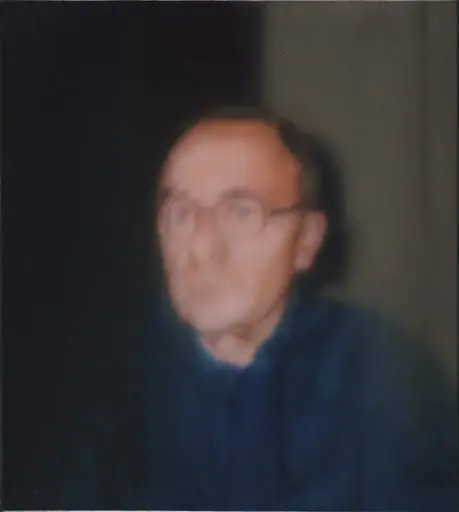 Untitled
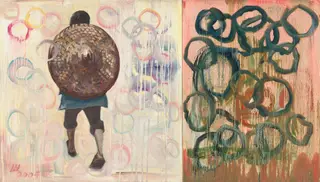 Untitled
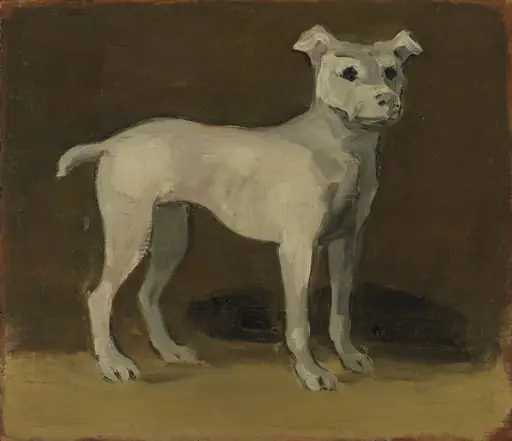 Untitled
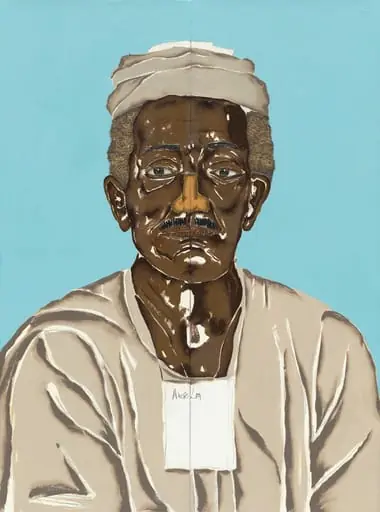 Untitled
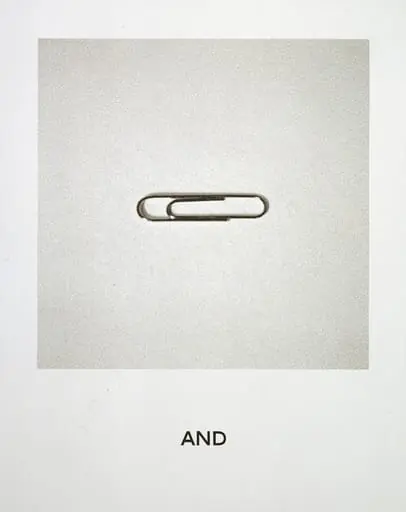 Untitled
 Untitled
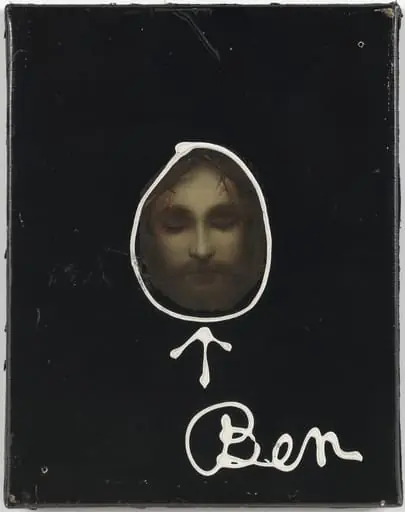 Untitled
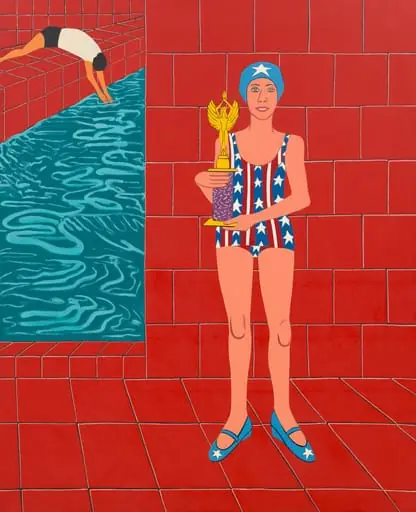 Untitled
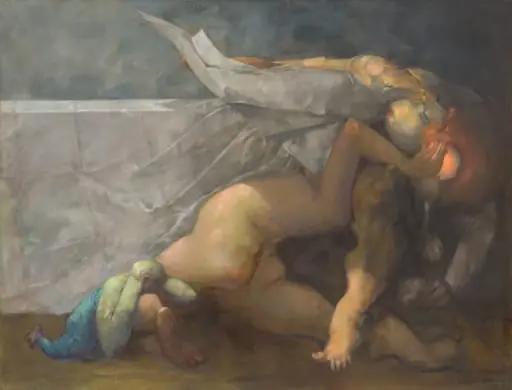 Untitled
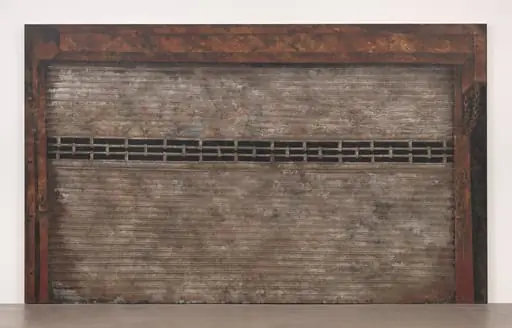 Untitled
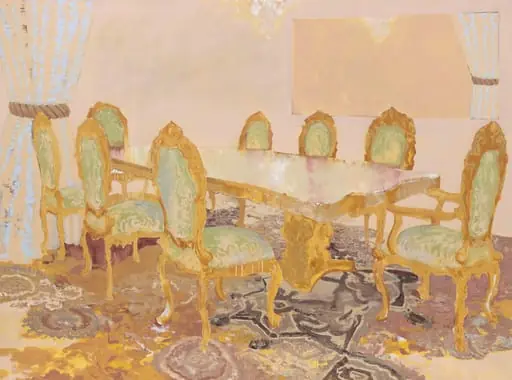 Untitled
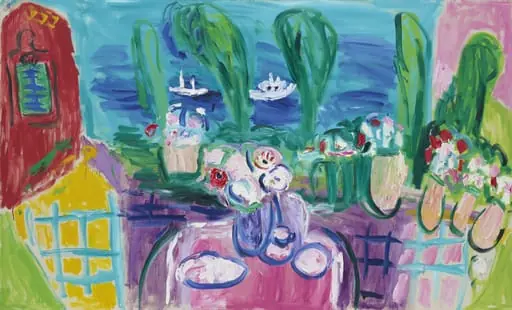 Untitled
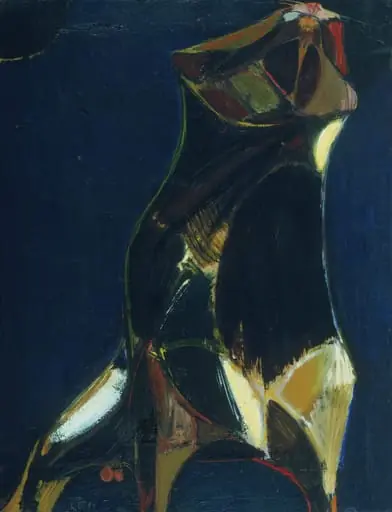 Untitled
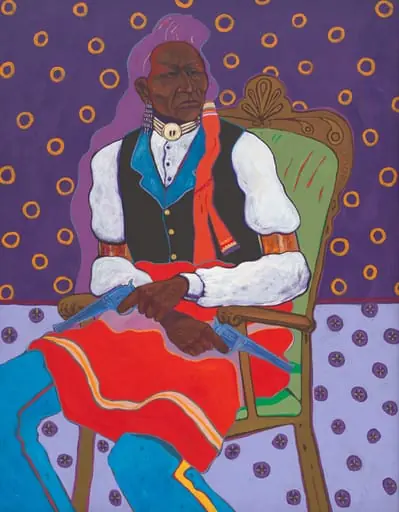 Untitled
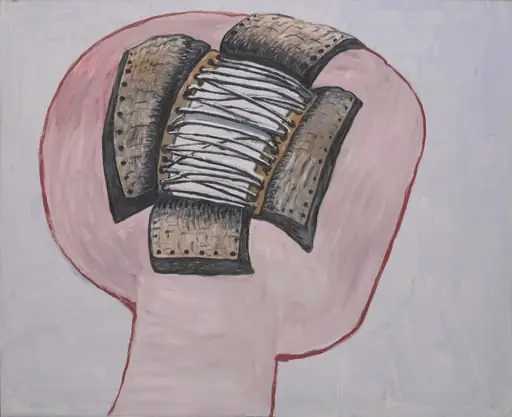 Untitled
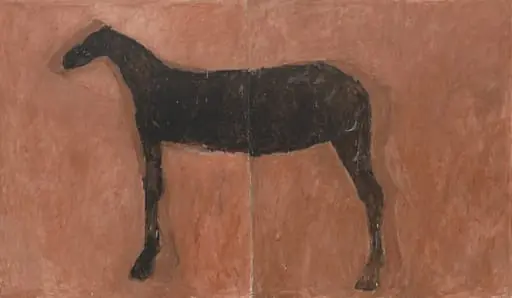 Untitled
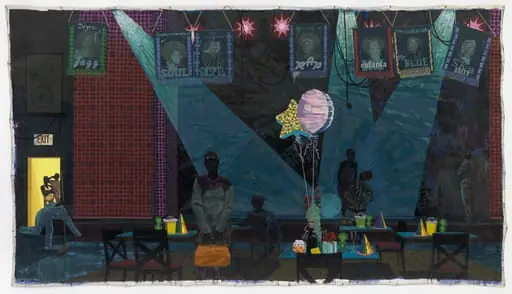 Untitled
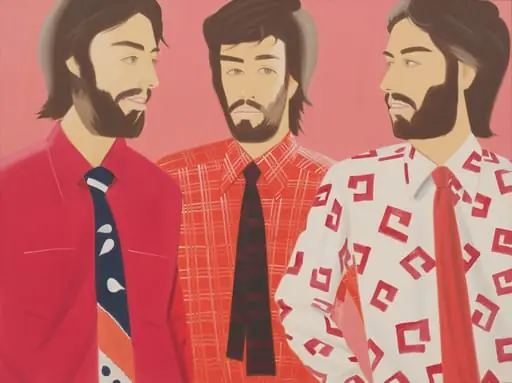 Untitled
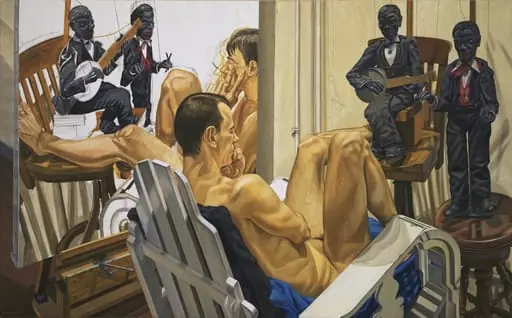 Untitled
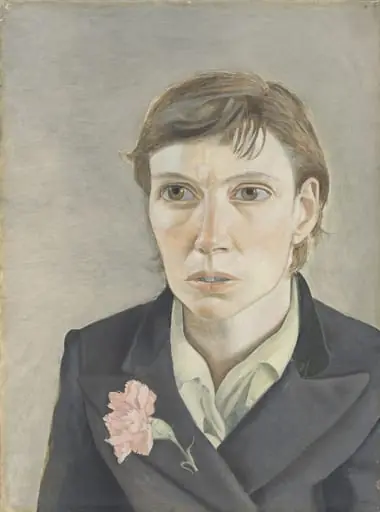 Untitled
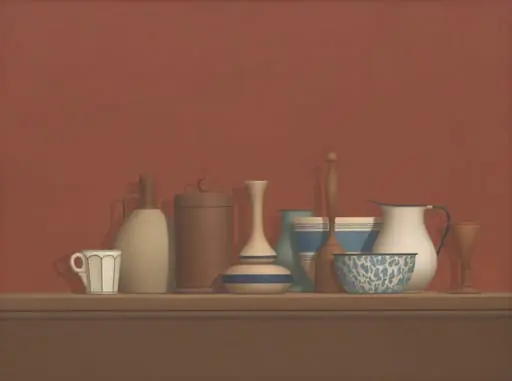 Untitled
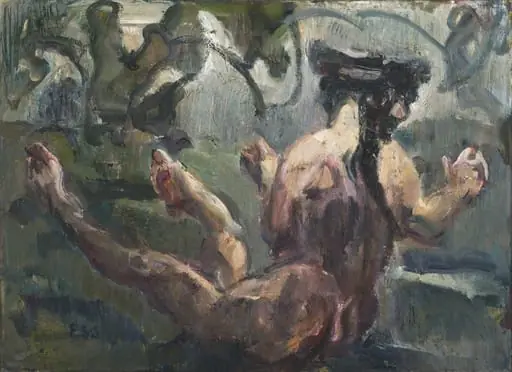 Untitled
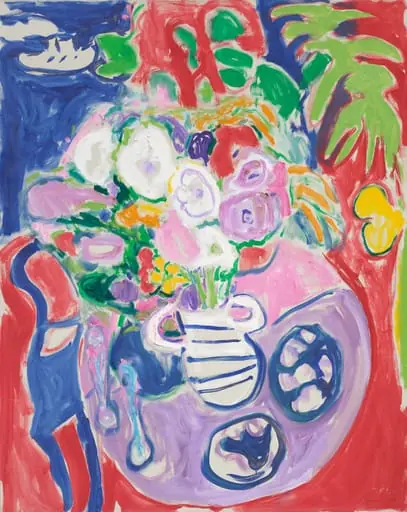 Untitled
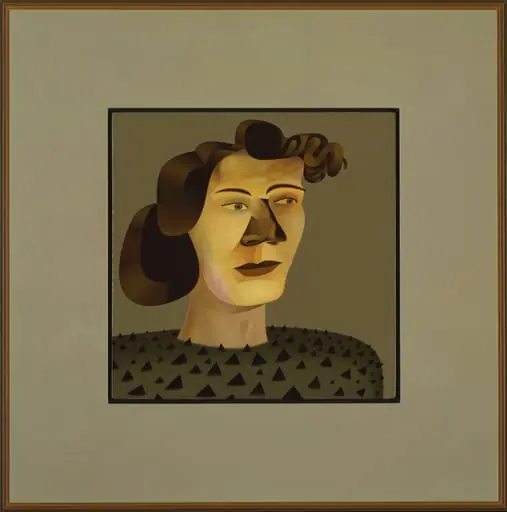 Untitled
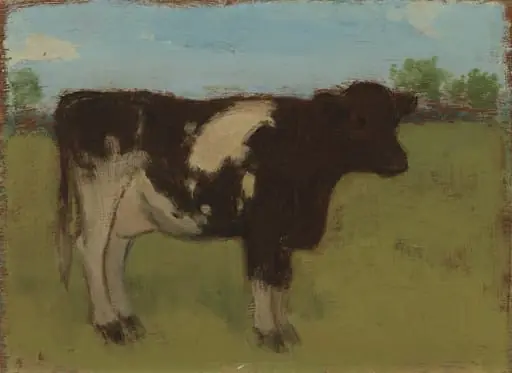 Untitled
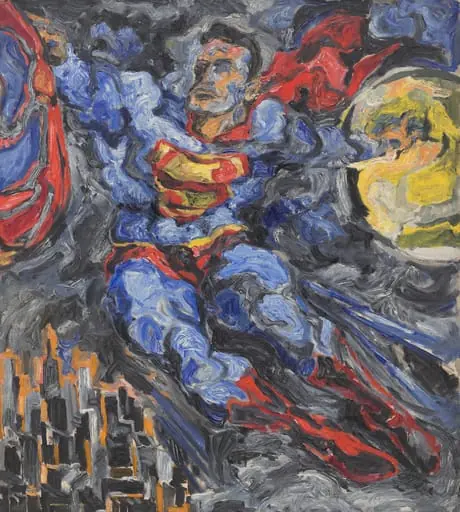 Untitled
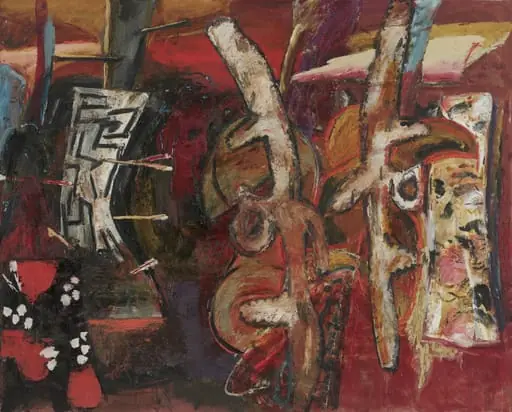 Untitled
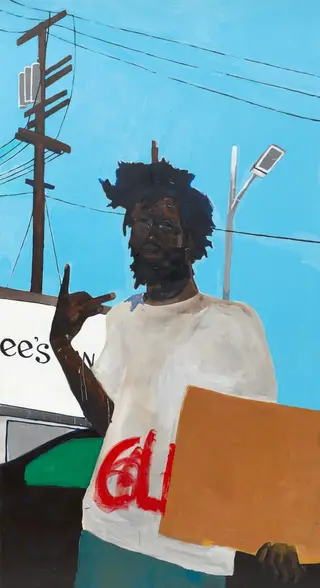 Untitled
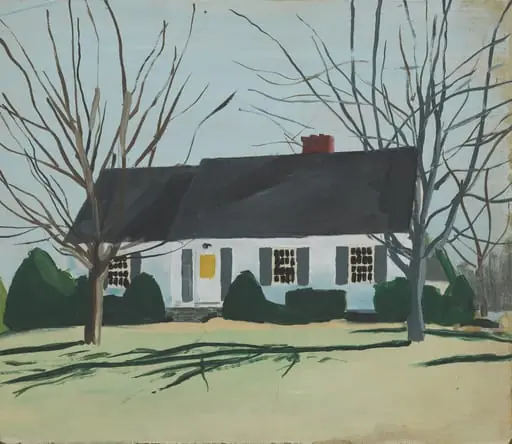 Untitled
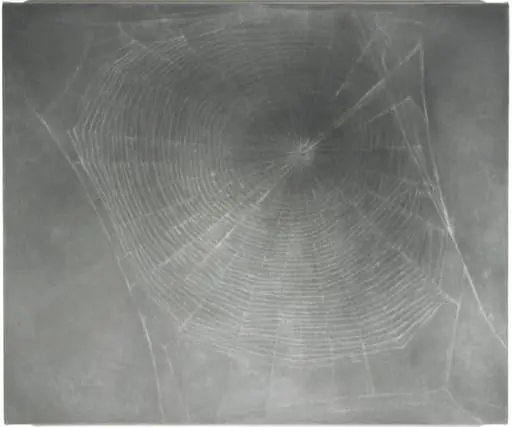 Untitled
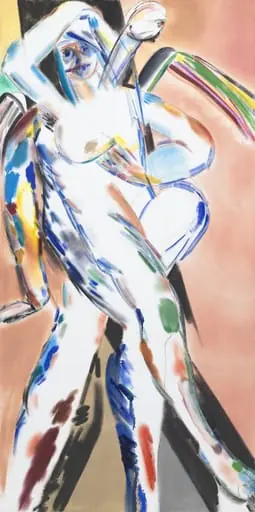 Untitled
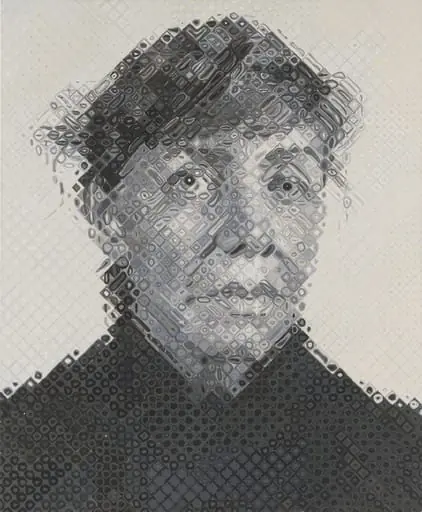 Untitled
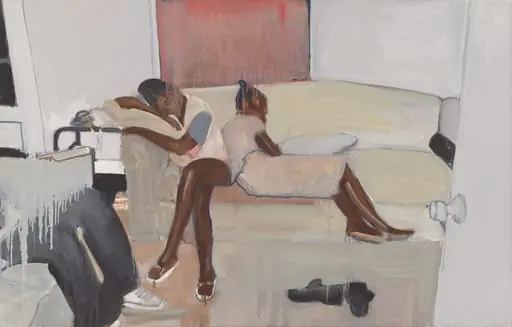 Untitled
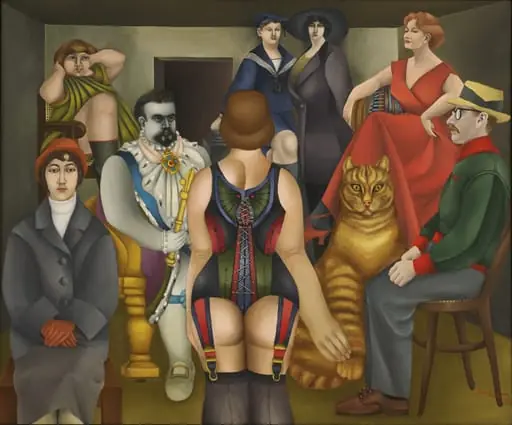 Untitled
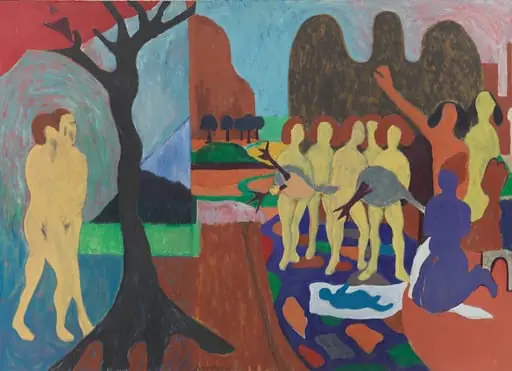 Untitled
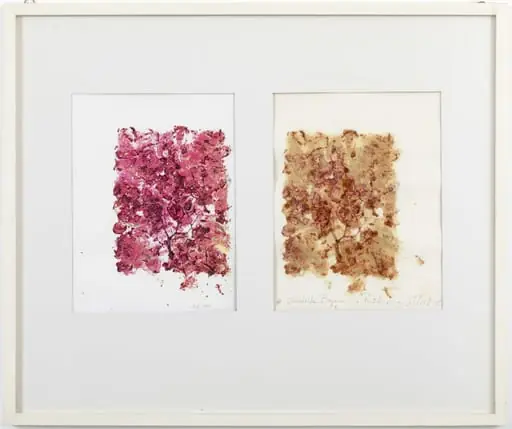 Λουλούδια
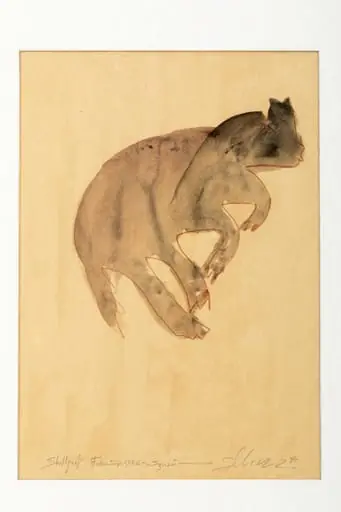 Γάτα Κ2
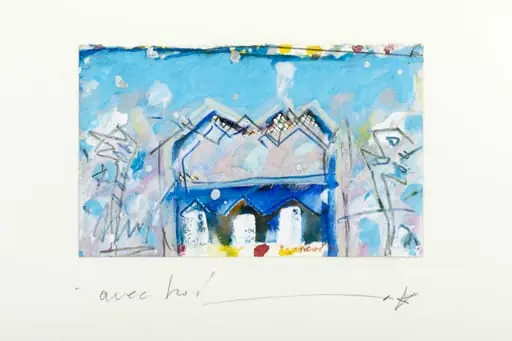 Avec Moi (Μαζί μου)
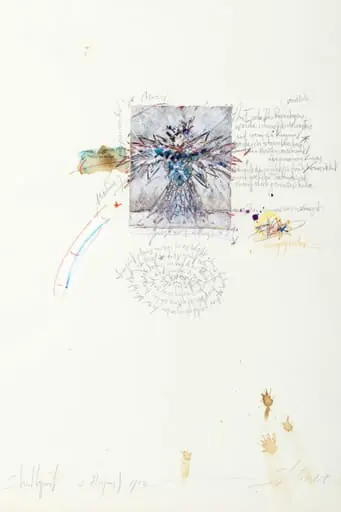 Stuttgart (Στουτγκάρδη)
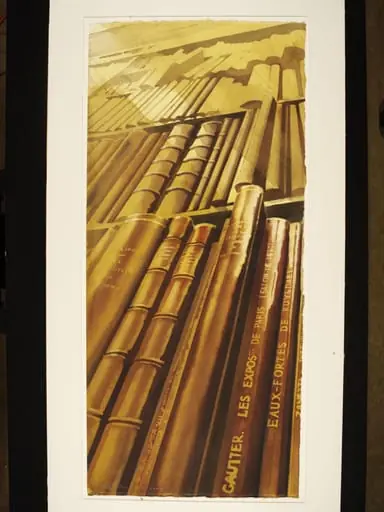 Eaux Fortes de Ruysdael
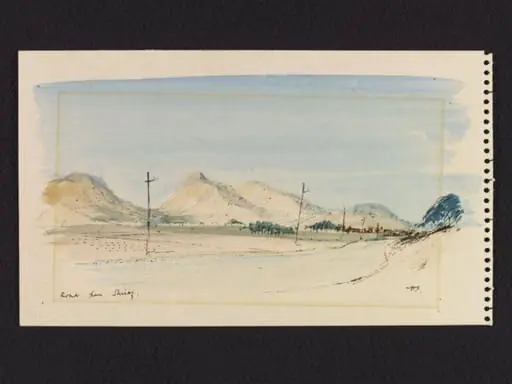 Road from Shiraz
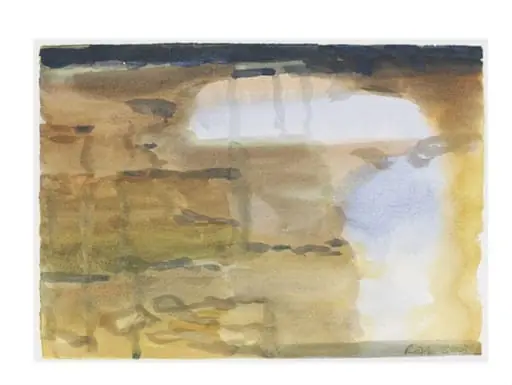 Water and ruins, Tivoli
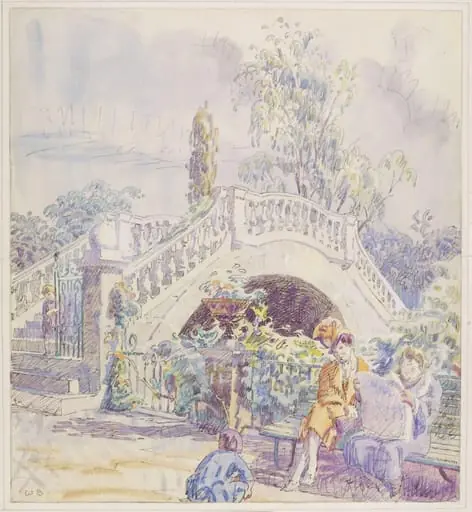 The Garden, York House, Twickenham
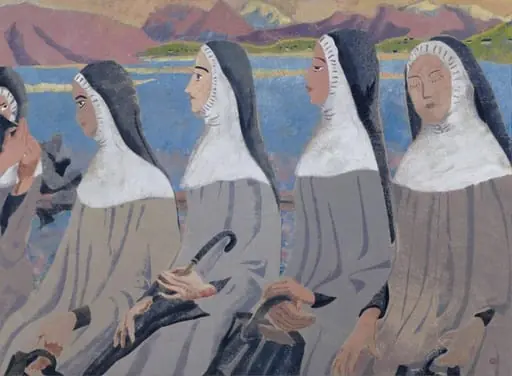 Nuns In A Boat Bound for Los Diaz Hernanos
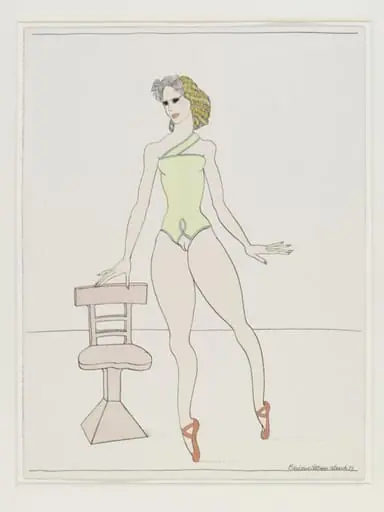 WomanGirl with Snood
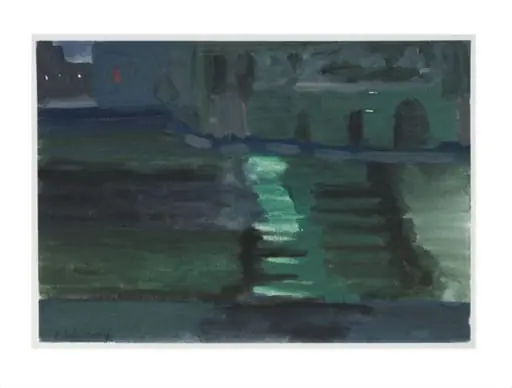 Ghetto
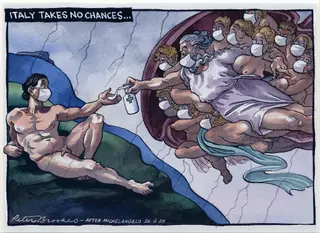 Italy takes no chances
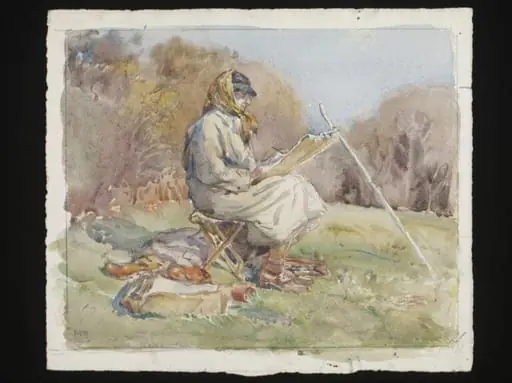 'J' painting 'Long Shadows' above Yeo Vale, Devon, November 1949
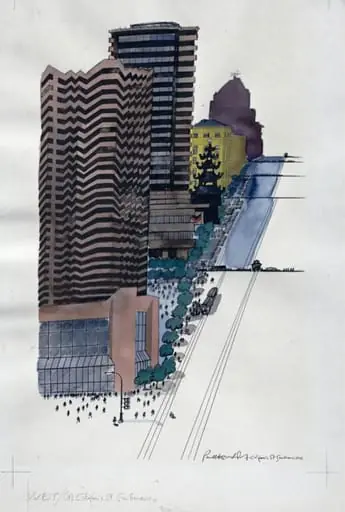 California St, San Francisco
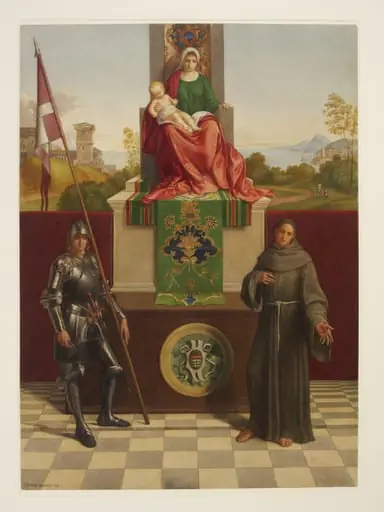 Copy after the painting Virgin and Child with Saints (Castelfranco Altarpiece) by Giorgione in S. Liberale, Castelfranco
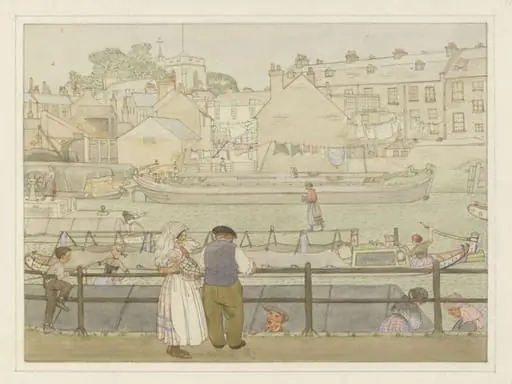 Barges going through the Lock, Brentford
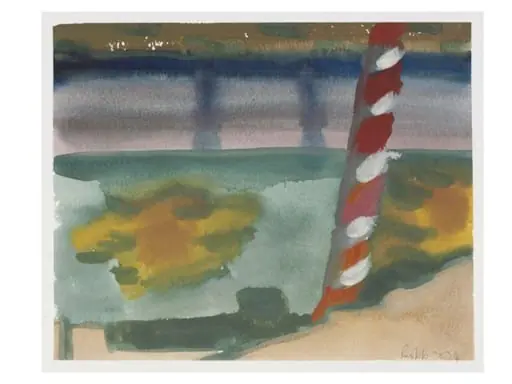 Gondola stand
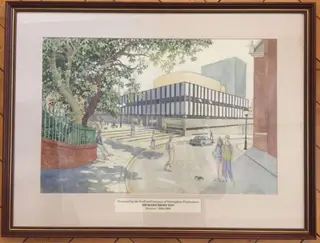 Nottingham Playhouse
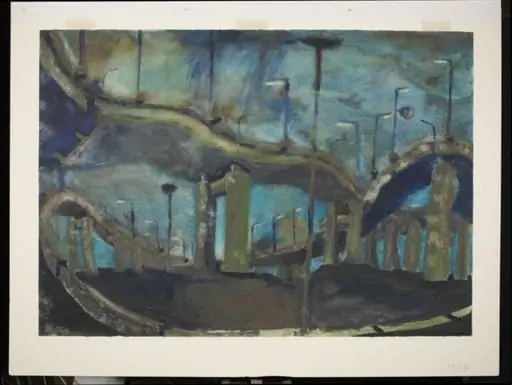 Overheads
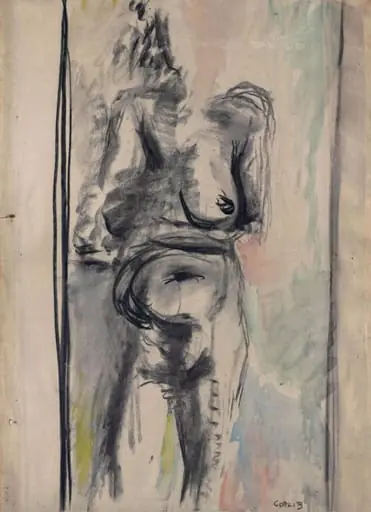 Standing Nude
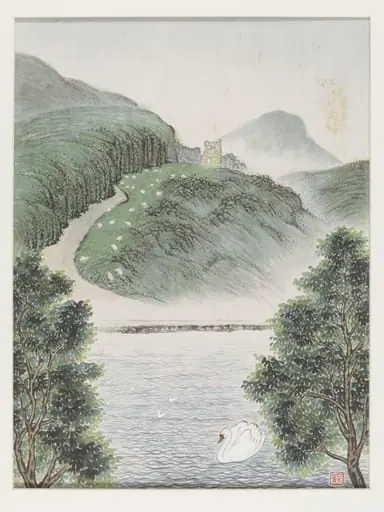 St Anthony's Chapel and St Margaret's Loch after the rain
 Work Boot
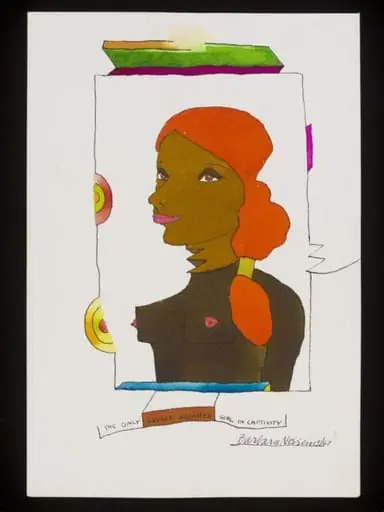 The Only Square Breasted Girl in Captivity
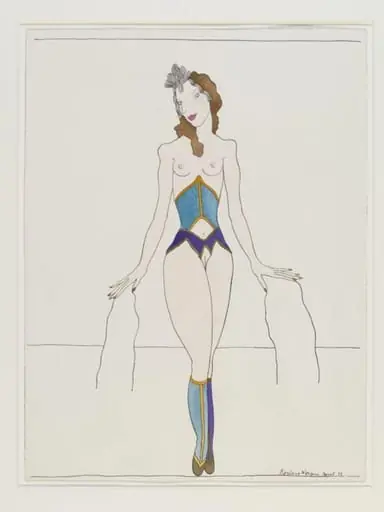 WomanGirl with Matching Boots
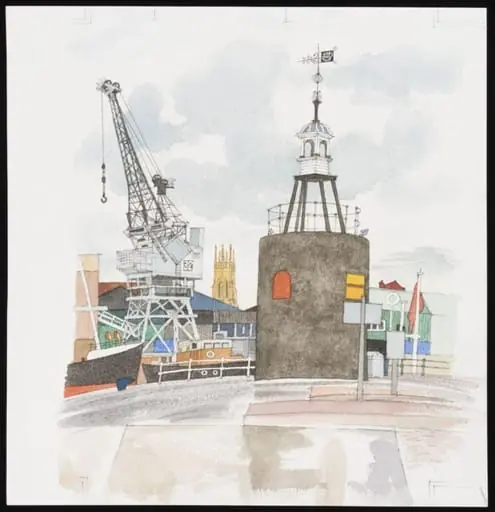 Bristol Docks 1
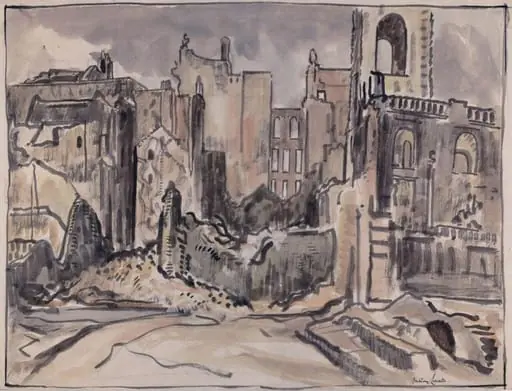 St. Nicholas, Cole Abbey, Queen Victoria Street
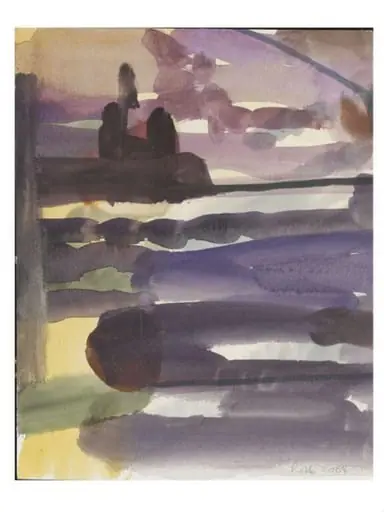 Santa Maria della Salute
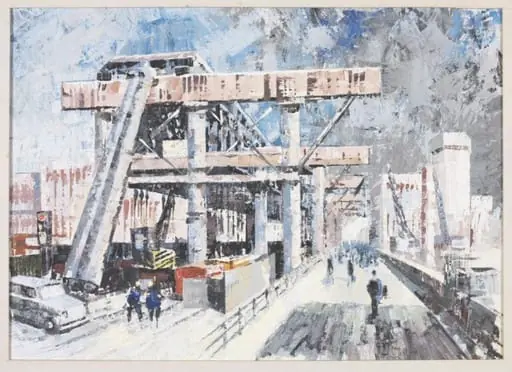 View across a bridge to a modern city
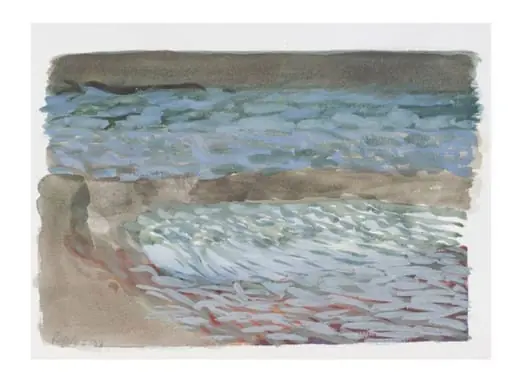 Blue Veneto river
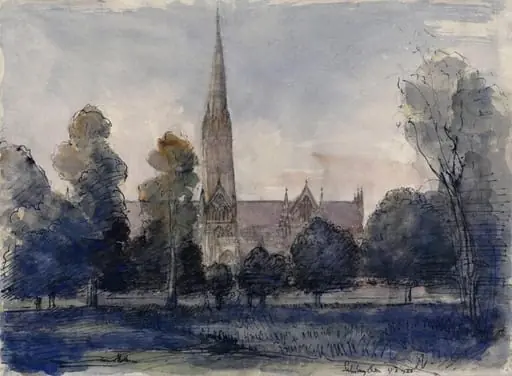 Salisbury Close
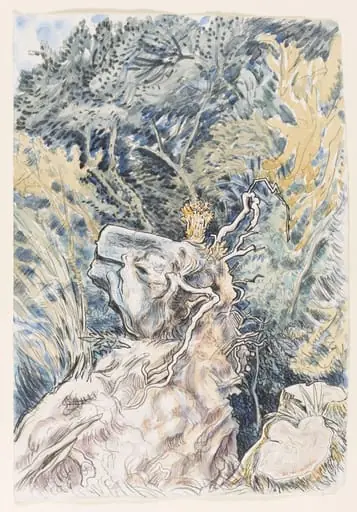 After the Hurricane
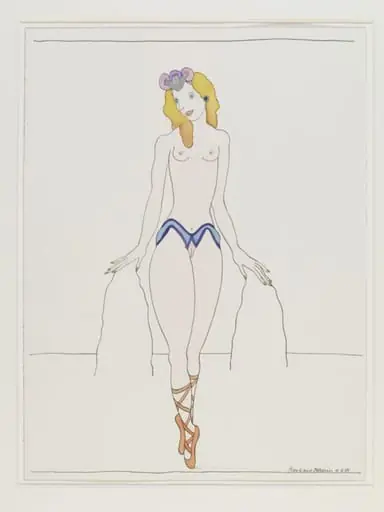 WomanGirl with Turquoise and Purple Panty
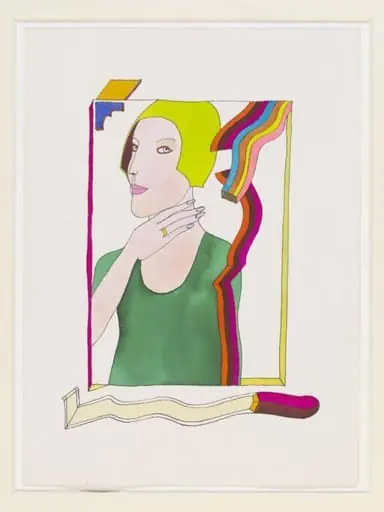 Woman in a Green Hat
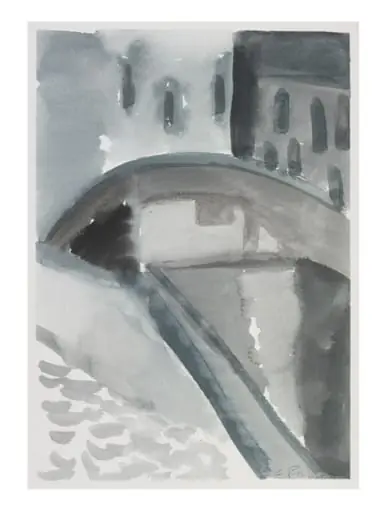 Ponte delle Turchette
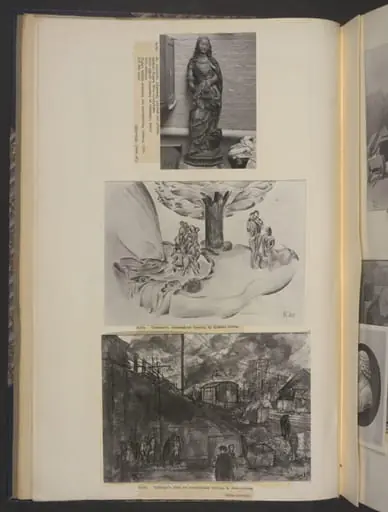 Sidings
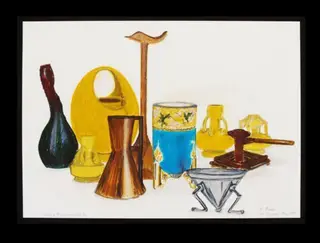 Contribution to V&A's 150th anniversary album
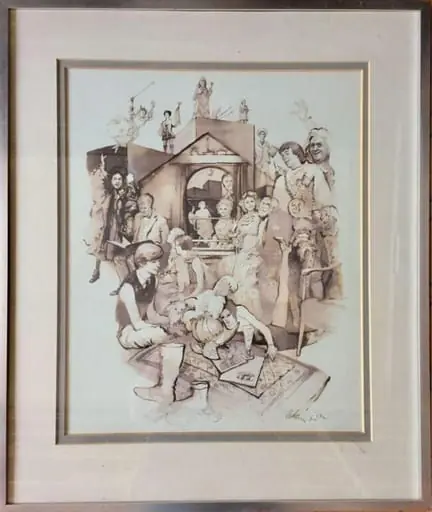 Northcott Theatre, Exeter
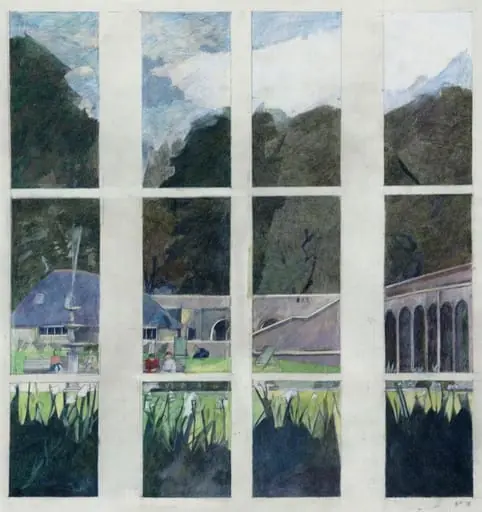 Holland Park
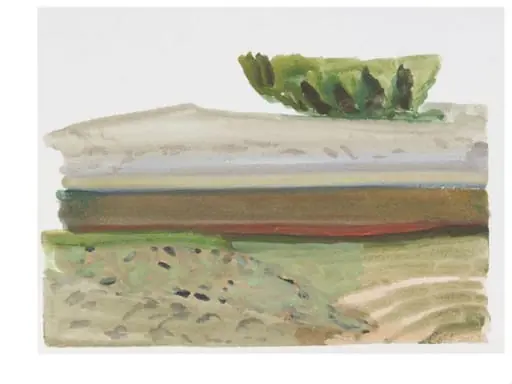 Stream in the Veneto
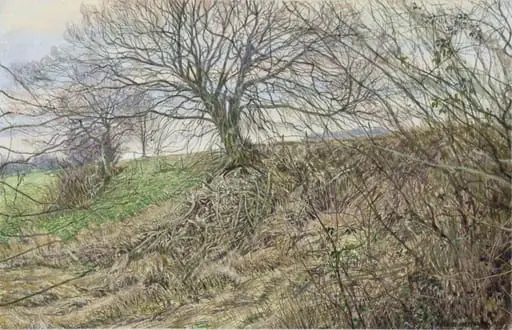 Ridge and Ditch, Kent
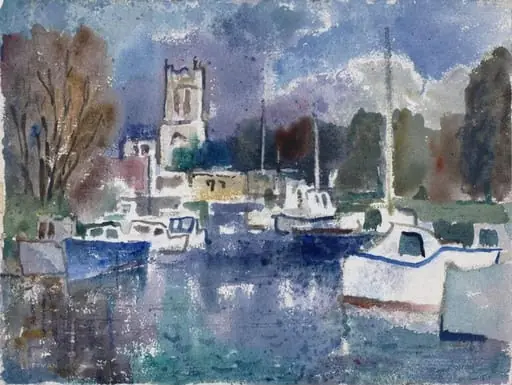 Christchurch, Hampshire
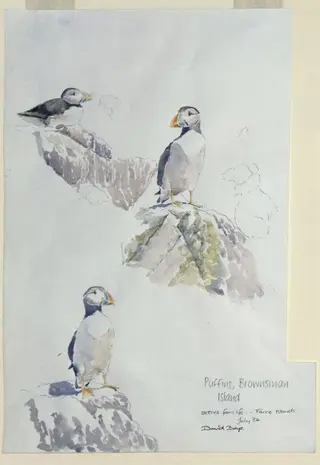 Field Sketches of Puffins
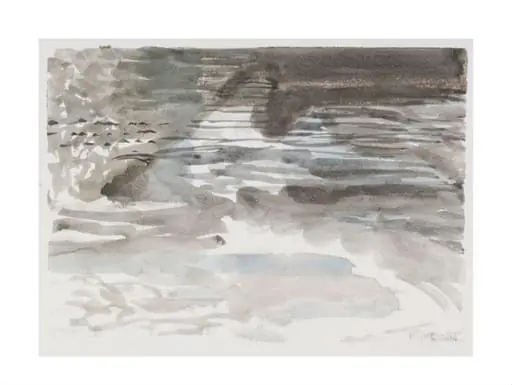 River currents, Veneto
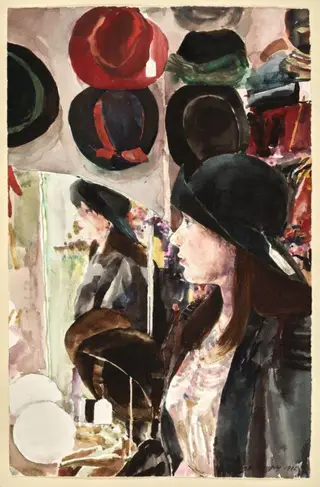 Girl in a Hat Shop
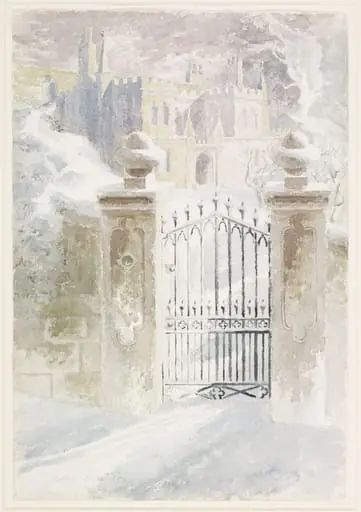 Sion Cottage, Sion Hill, Bath
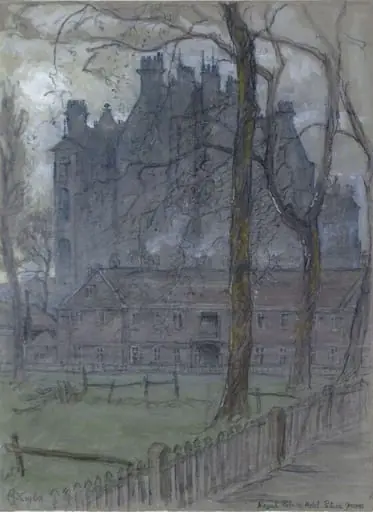 Royal Palace Hotel, Palace Green
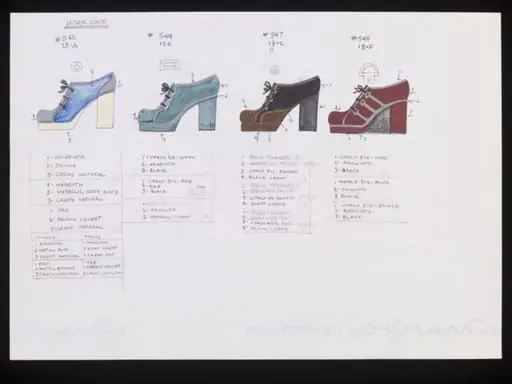 Work Shoe
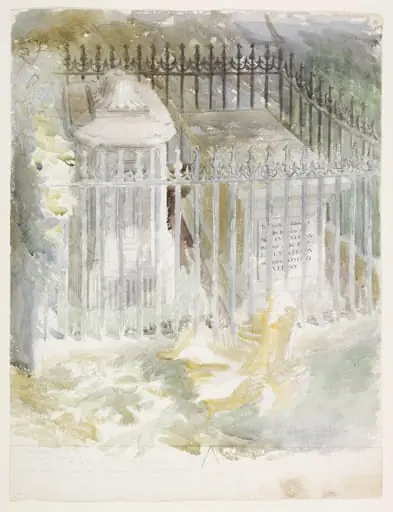 Tomb of Miss Ann Nelson, sister of Horatio Nelson, Bathford churchyard, Bath
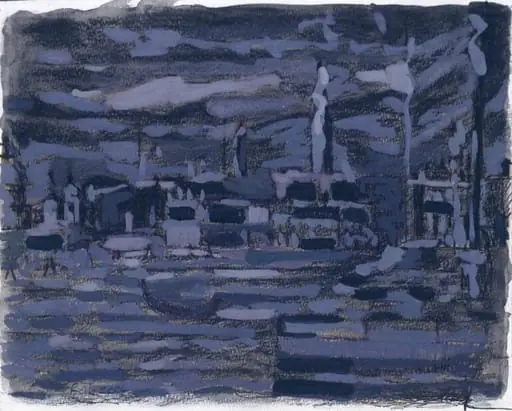 San Marco from the Biennale
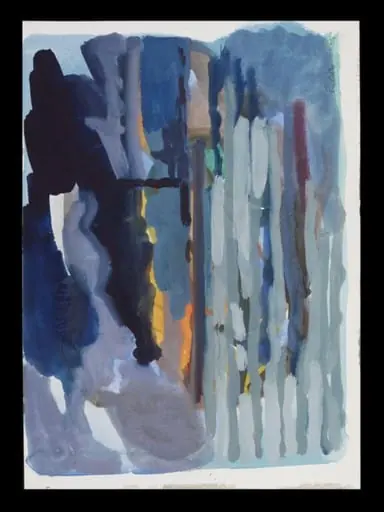 Bacino di San Marco
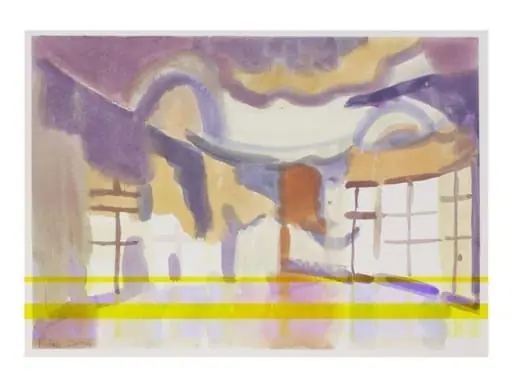 Palazzo Ca' d'Oro, interior
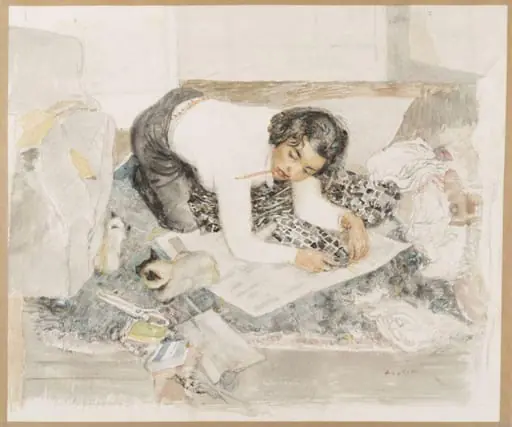 'Three friends'
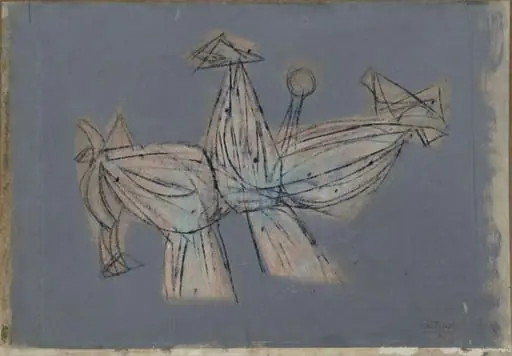 Onion Plant
Frequently asked questions
What is Contemporary Realism?
Contemporary Realism is an art movement. Representational painting that engages with the present-day world through traditional techniques — figure, still life, landscape — without nostalgia.
How many Contemporary Realism works does Artifact World Gallery have?
Artifact World Gallery holds 204 public-domain Contemporary Realism works, all free to view and download.
Who are the key Contemporary Realism artists?
Key Contemporary Realism artists in the collection include Henricus Rol, Albert Van Dyck and David Griffiths.
When did Contemporary Realism take place?
Contemporary Realism dates from 1960–1970.
Where can I see Contemporary Realism works?
Contemporary Realism works in the collection are held by Museum of Modern Art, Victoria and Albert Museum and Metropolitan Organisation of Museums of Visual Arts of Thessaloniki – MOMus.