Artwork
The beheading of John the Baptist
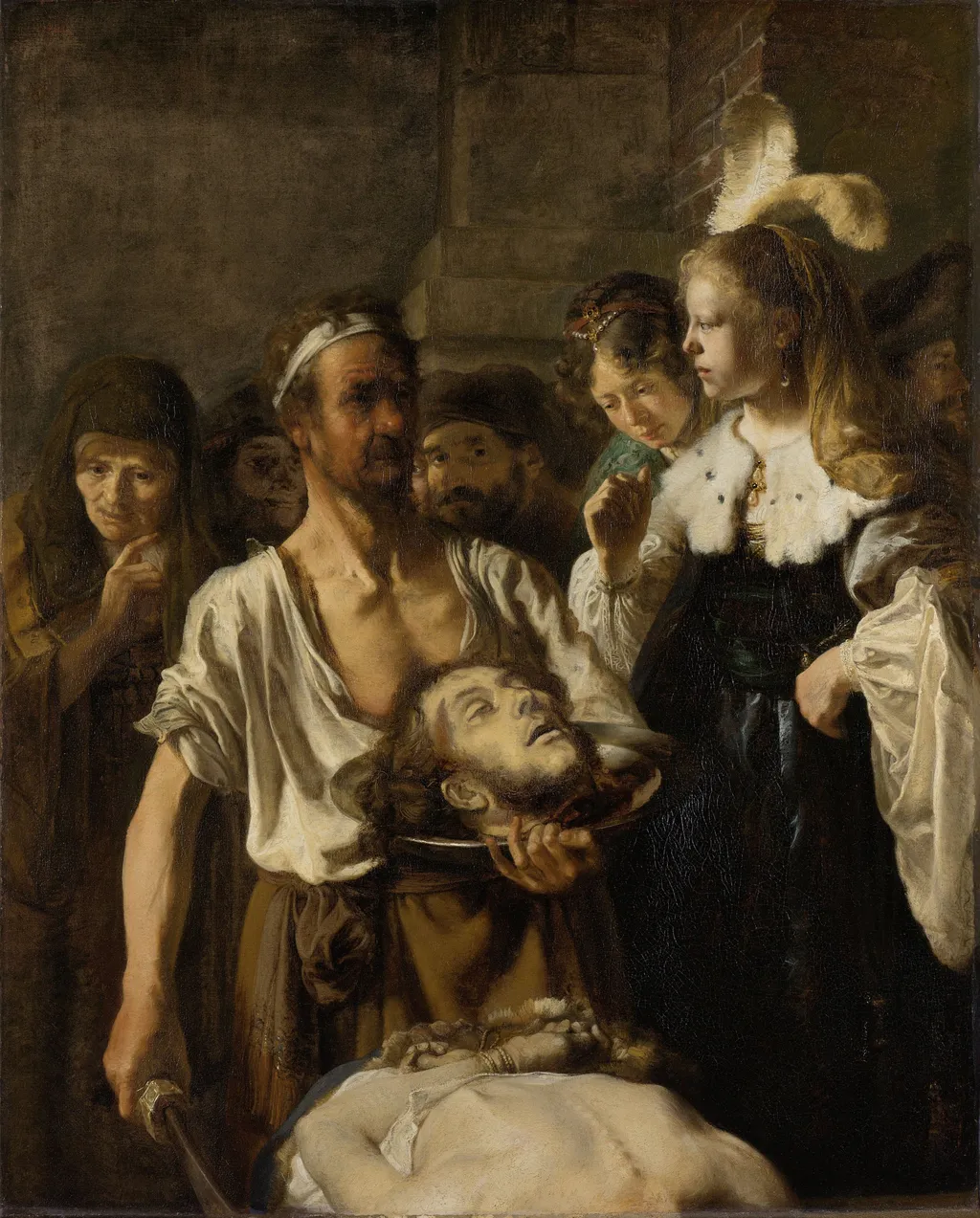
The beheading of John the Baptist is an oil painting. It dates from 1640 and is held in the collection of the Rijksmuseum.
About this work
Subject & Meaning
Symbolically, the work conveys themes of martyrdom, divine justice, and the cost of moral integrity under tyranny.
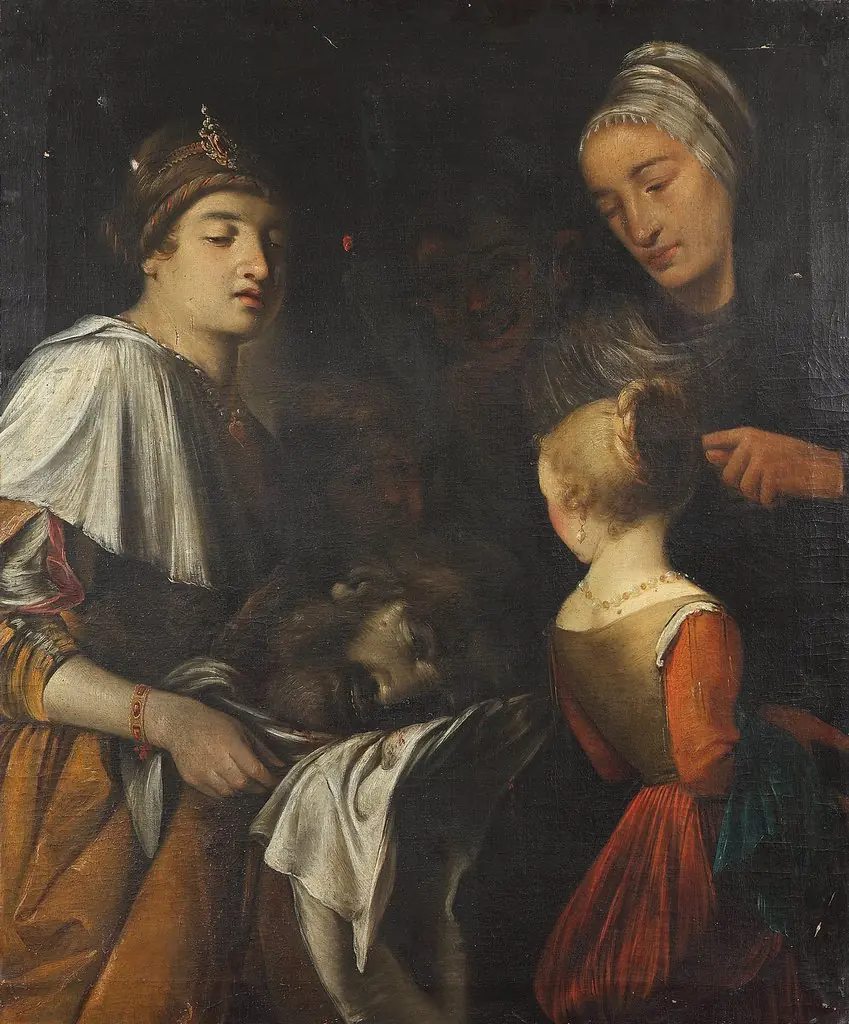
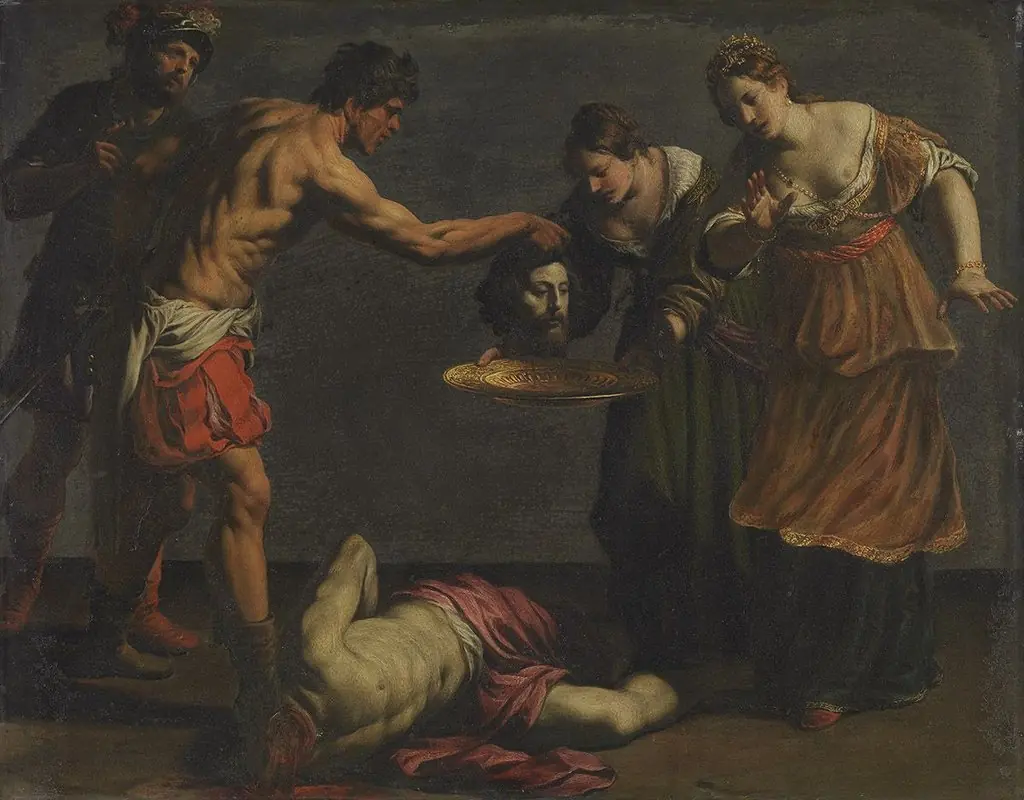
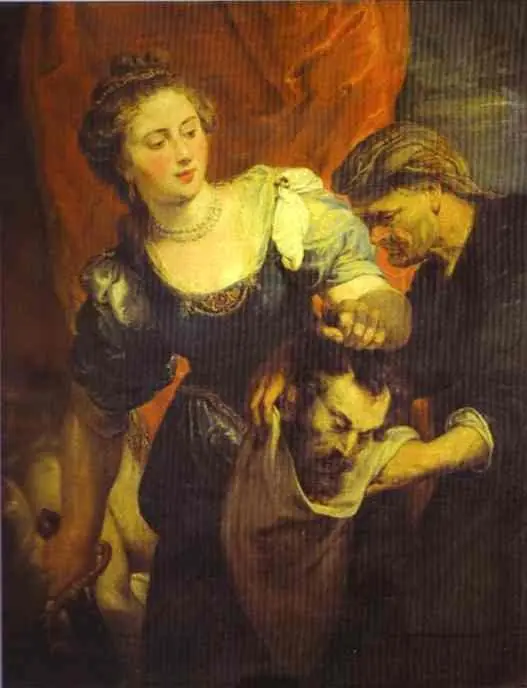
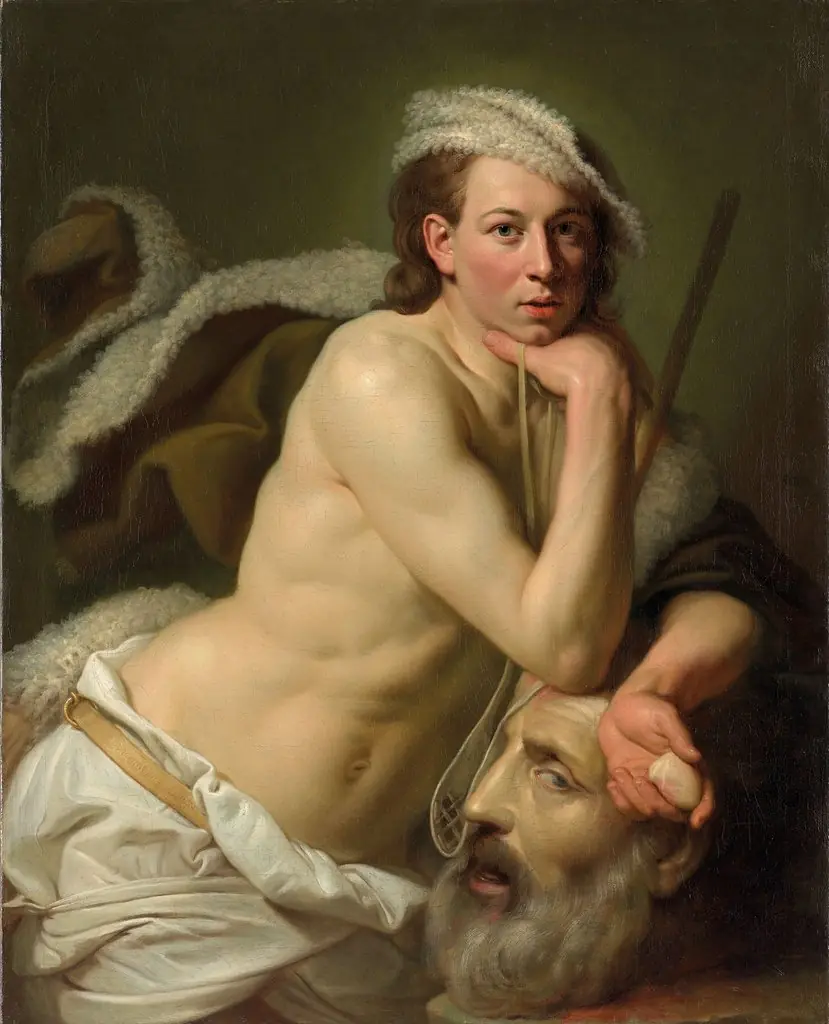
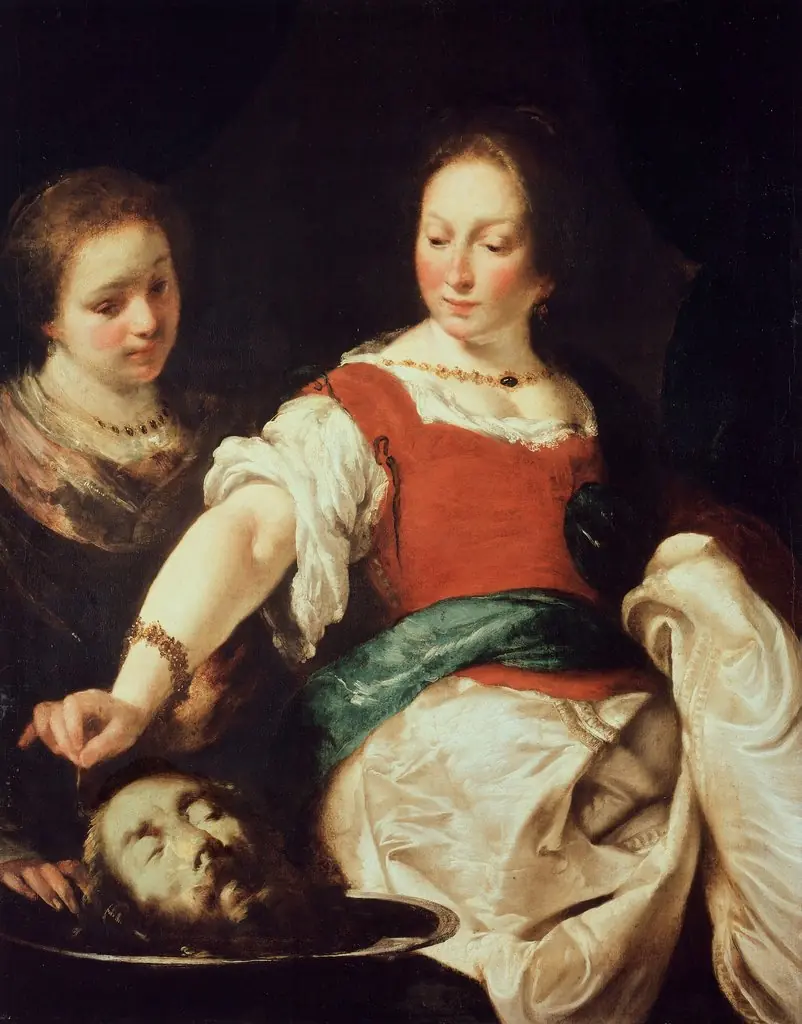
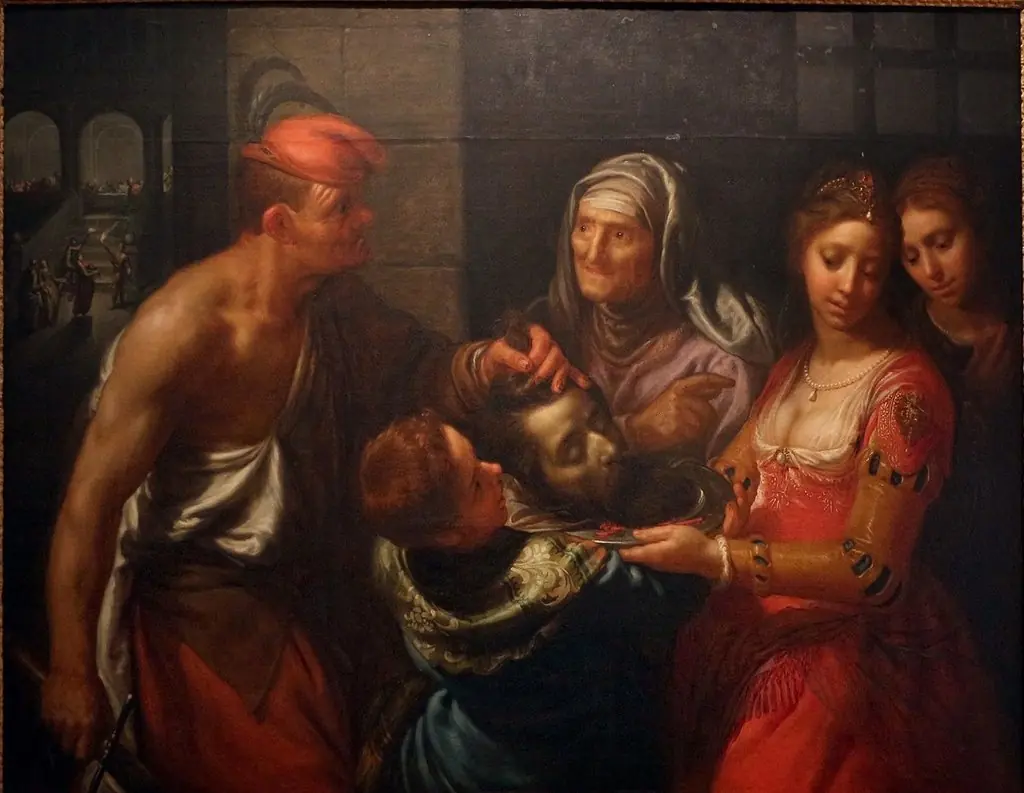
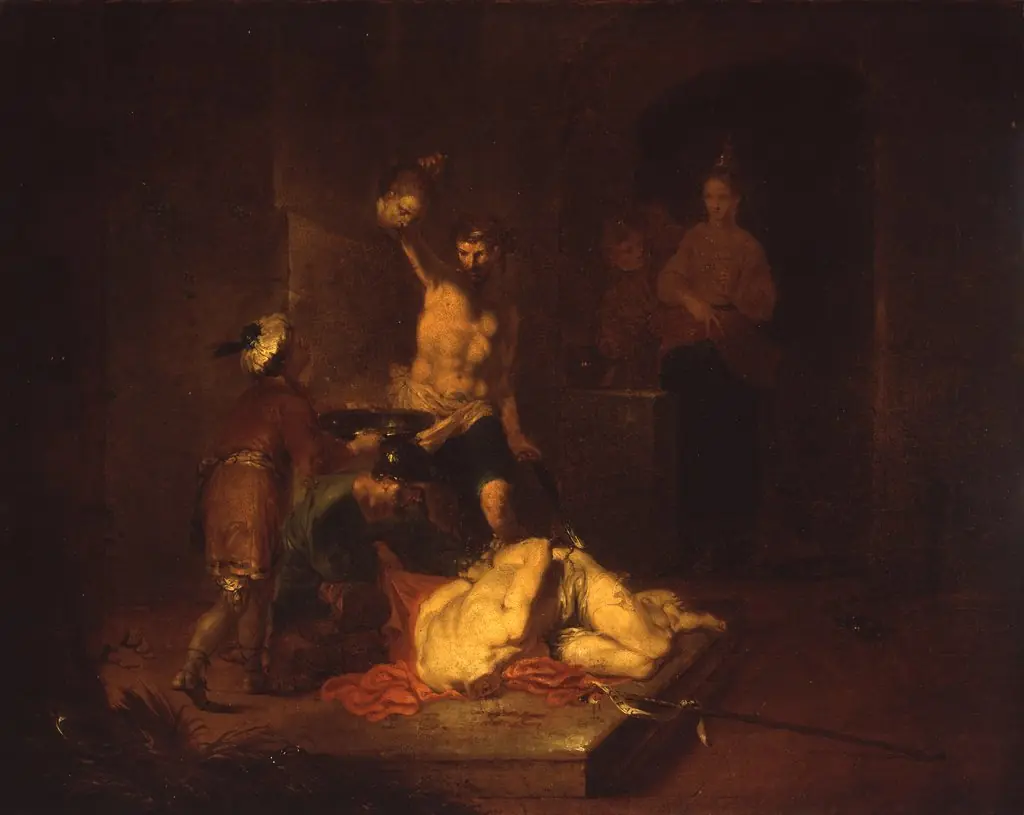
The painting depicts the biblical episode of the beheading of John the Baptist, a scene drawn from the New Testament in which Salome requests the execution of John the Baptist at the instigation of her mother, Herodias. The composition centers on the moment of decapitation, with the executioner holding the sword over the prone saint while a soldier presents the severed head on a platter to Salome.
Symbolically, the work conveys themes of martyrdom, divine justice, and the cost of moral integrity under tyranny. The stark lighting and dramatic staging heighten the gravity of the event, aligning with contemporary Dutch religious painting’s emphasis on moral and spiritual reflection.
Technique & Style
Created in 1640, this religious painting is executed in oil paint on a canvas support. Measuring 149 cm in height and 121 cm in width, the work depicts the beheading of John the Baptist as its central subject. The piece is attributed to an anonymous pupil of Rembrandt van Rijn and is currently held in the collection of the Rijksmuseum, National Art Gallery of the Netherlands.
History & Provenance
The work was created in 1640 as an oil painting on canvas. It was produced by an anonymous pupil of Rembrandt van Rijn and originally entered the collection of the Rijksmuseum in Amsterdam. The composition depicts the beheading of John the Baptist, a subject drawn from religious tradition. The painting measures 149 cm in height by 121 cm in width.
Context
The work is recognized as an anonymous pupil's painting derived from Rembrandt van Rijn's circle, reflecting the religious genre prevalent in 17th-century Dutch art. It is housed in the Rijksmuseum and National Art Gallery of the Netherlands, where it is studied as an example of biblical narrative rendered in oil on canvas. Scholarship situates the composition within the broader context of Dutch Golden Age depictions of martyrdom, emphasizing its role in the evolution of narrative painting prior to Rembrandt's own treatments of the subject.
The piece's stylistic analysis contributes to understanding workshop practices and the transmission of biblical themes in mid-17th-century Amsterdam.
Overview
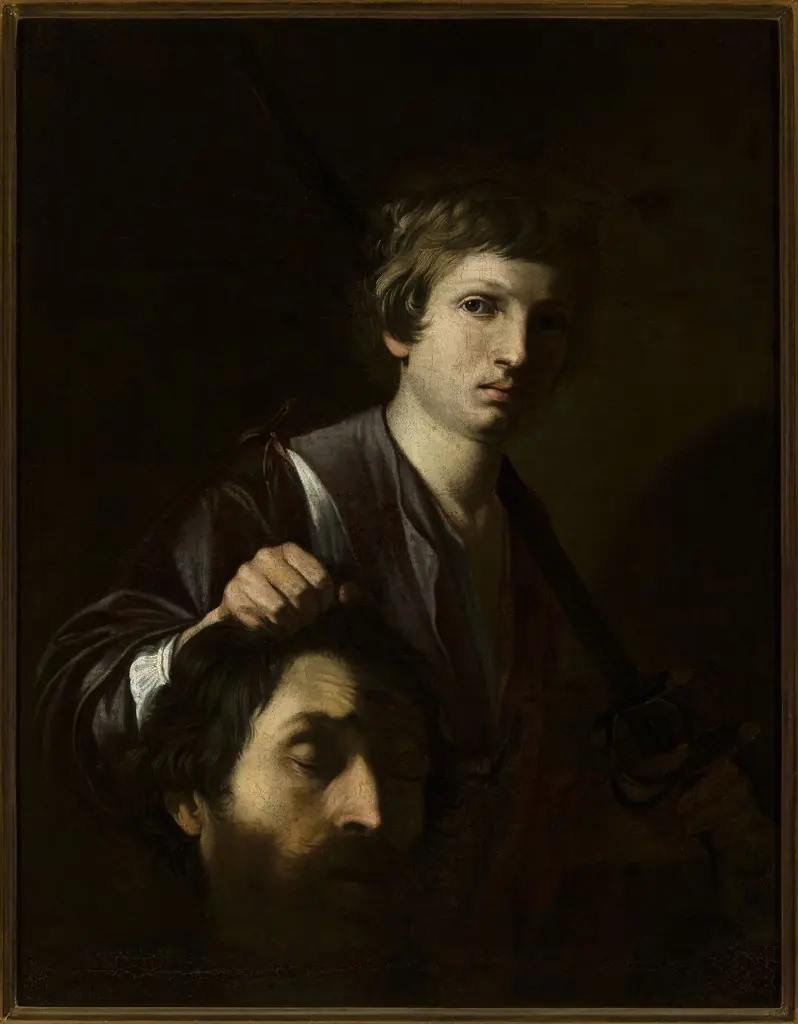
The oil painting titled The Beheading of John the Baptist captures a tense episode from the biblical narrative. A group of figures surrounds a prone man, while another figure holds a severed head aloft. The composition is dominated by a low-key lighting scheme that accentuates the solemn expressions and the stark gestures of the participants.
Legacy
While specific details of the painting’s provenance are scarce, its use of strong chiaroscuro and its emotive portrayal of a biblical episode have influenced subsequent depictions of martyrdom in Western art. The composition continues to be studied for its psychological depth and its skillful manipulation of light to convey narrative tension.
Artist & collection