Artwork
The Calling of Saint Matthew
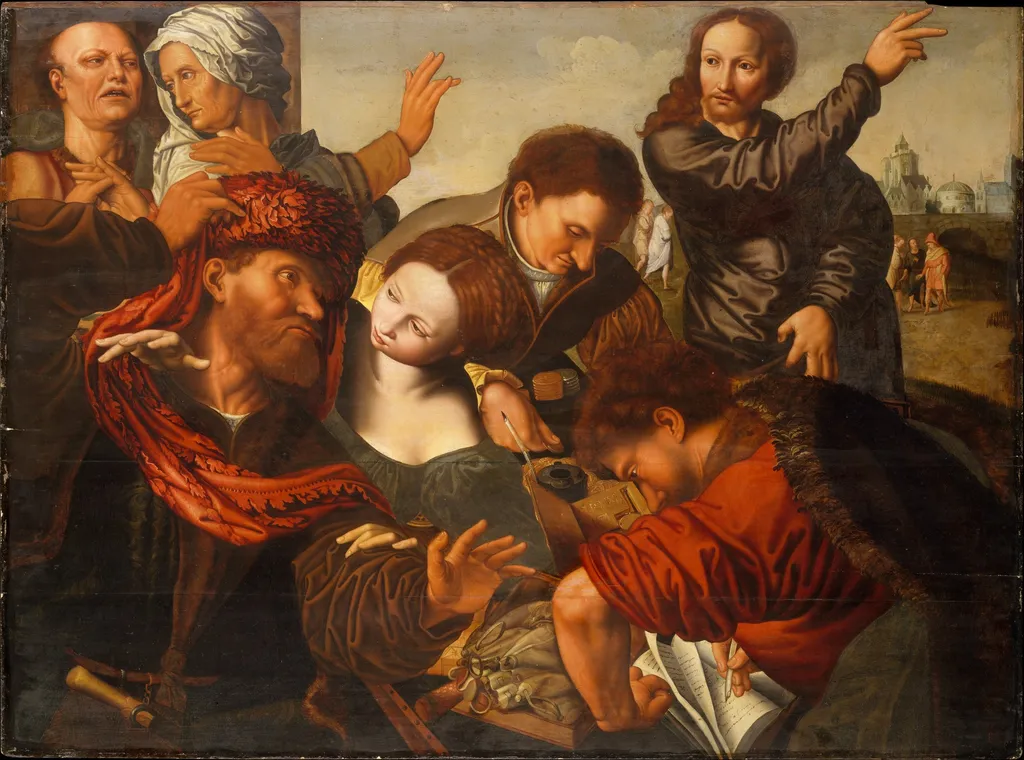
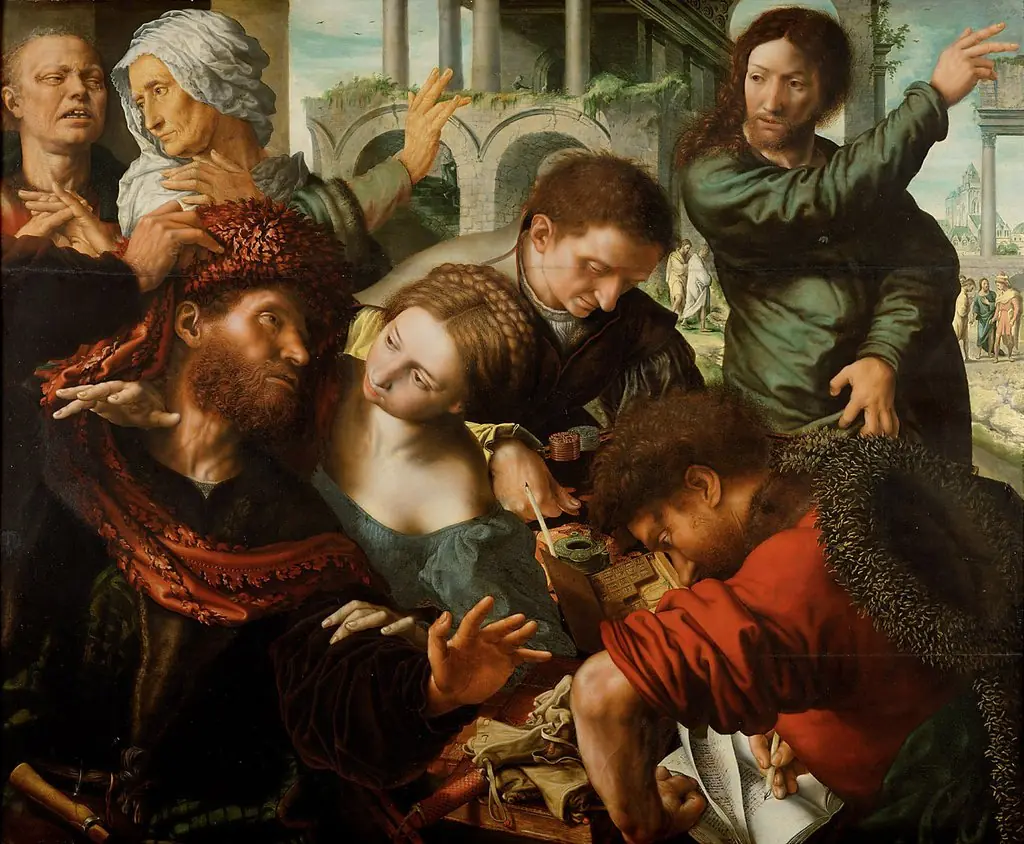
The Calling of Saint Matthew is an oil painting. It dates from 1600 and is held in the collection of the Metropolitan Museum of Art.
About this work
Subject & Meaning
Additional figures, a woman and a man, observe the scene, and the act of writing underscores Matthew’s former occupation.
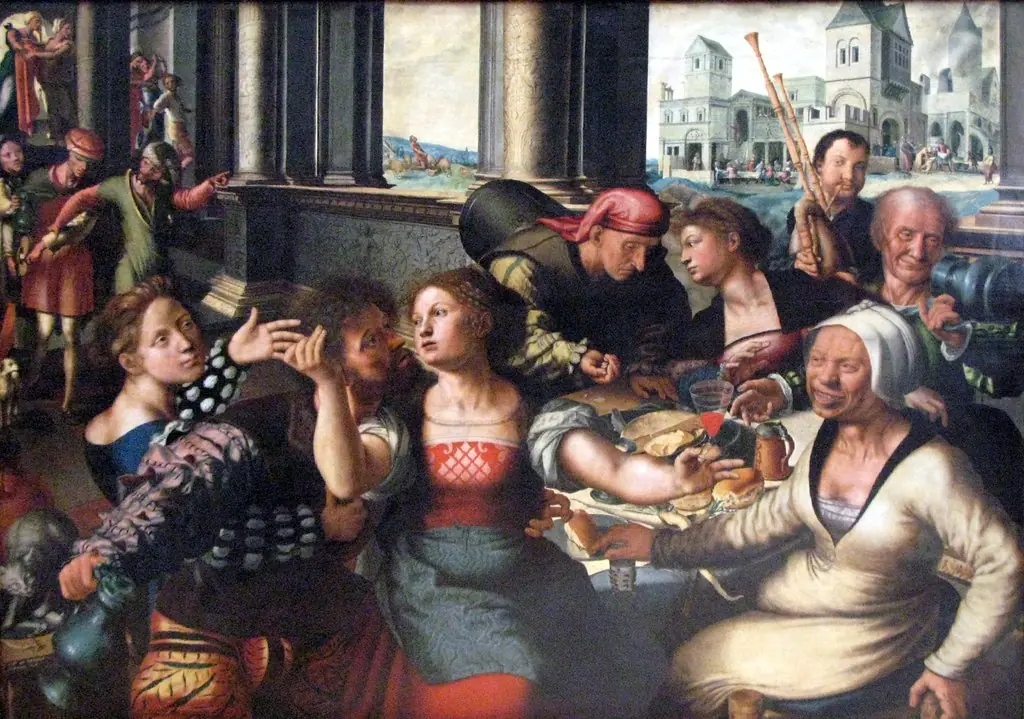
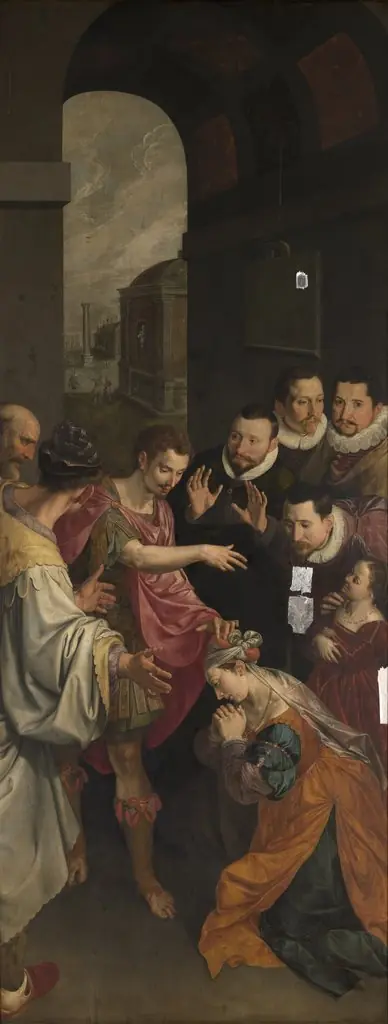
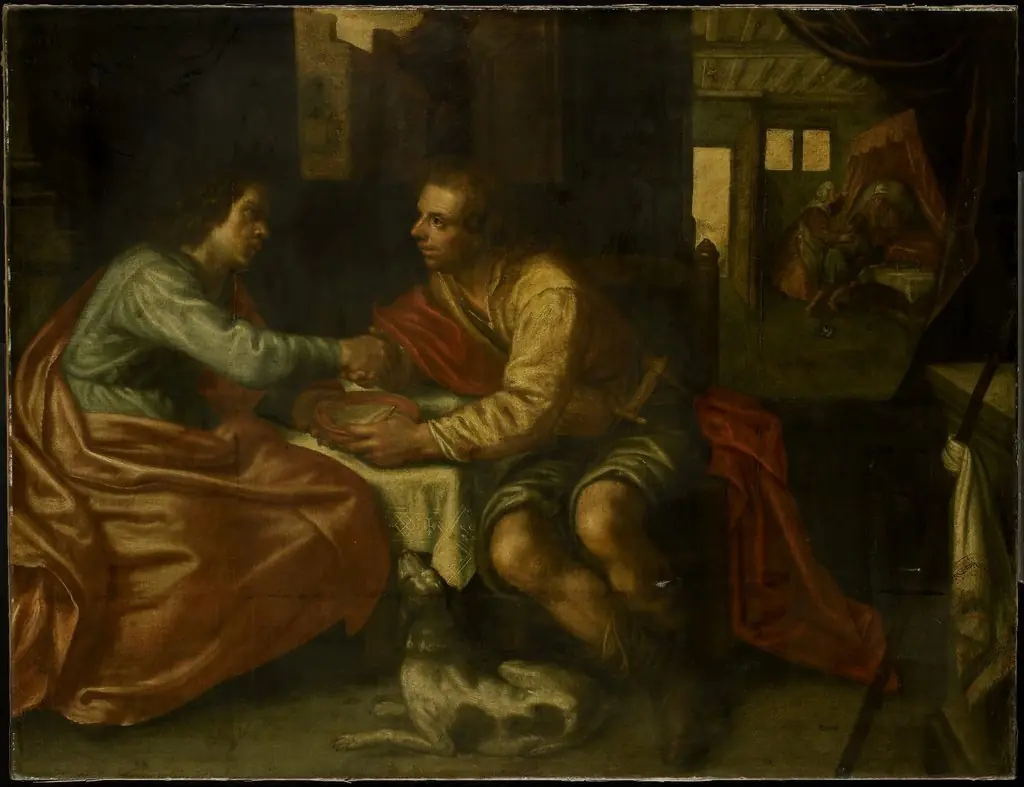
The painting illustrates the biblical moment when Jesus calls Matthew to discipleship. Matthew is shown at a table surrounded by a ledger, book, and pen, indicating his work as a tax collector, while Jesus extends a hand toward him from the doorway of a modest interior building. Additional figures, a woman and a man, observe the scene, and the act of writing underscores Matthew’s former occupation.
The juxtaposition of worldly tools with the divine gesture symbolizes the transition from secular life to spiritual vocation, conveying the theme of grace and the transformative power of Christ’s invitation.
History & Provenance
The Calling of Saint Matthew is held in the collection of the Metropolitan Museum of Art. Prior to its institutional ownership, the painting was owned by William T. Blodgett, who is recorded in its provenance. The work, executed in oil on panel, dates to 1600.
No specific accession number, gallery location within the museum, or exhibition history is documented in the available sources.
Legacy
The Metropolitan Museum of Art's Calling of Saint Matthew is an oil-on-panel painting associated with the workshop of Jan Sanders van Hemessen. Measuring approximately 111.4 by 151.1 cm, it depicts Matthew seated at a table with a ledger, book, and pen as Jesus calls him, accompanied by additional figures including a woman and a man. The work was historically owned by William T. Blodgett, an early benefactor whose holdings helped form the museum's collection. It remains a representative example of Northern European treatments of the subject.
Overview
The Calling of Saint Matthew is an oil painting depicting a scene of profound human interaction within a dimly lit interior. The composition centers on five male figures, enveloped by warm red tones and deep shadows, suggesting a moment of quiet drama. The work captures a specific narrative from the Gospels, presenting a pivotal encounter that alters the course of one man's life.
Technique & Style
A defining characteristic of this work is its dramatic use of chiaroscuro, a technique employing strong contrasts between light and dark. This method illuminates key figures and elements while plunging others into deep shadow, enhancing the scene's emotional intensity and three-dimensionality. The interplay of light and obscurity draws the viewer's eye to the central interaction, emphasizing the spiritual revelation occurring within the otherwise mundane setting.
Artist & collection