Artwork
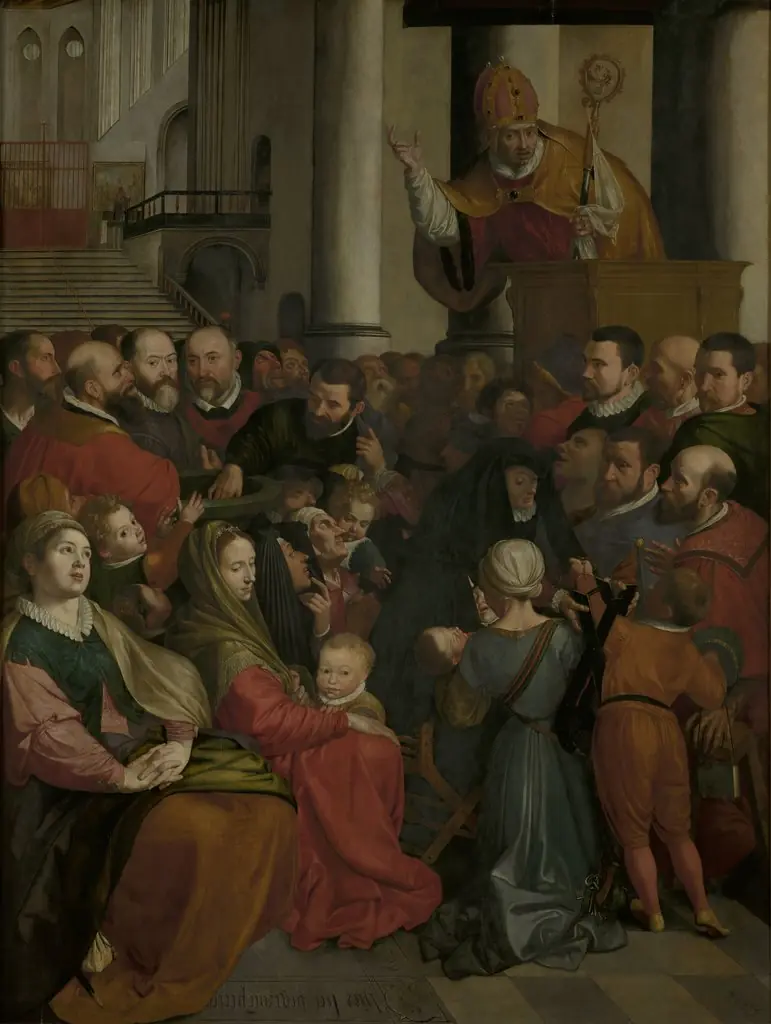
Miraculous Healing of Zoë
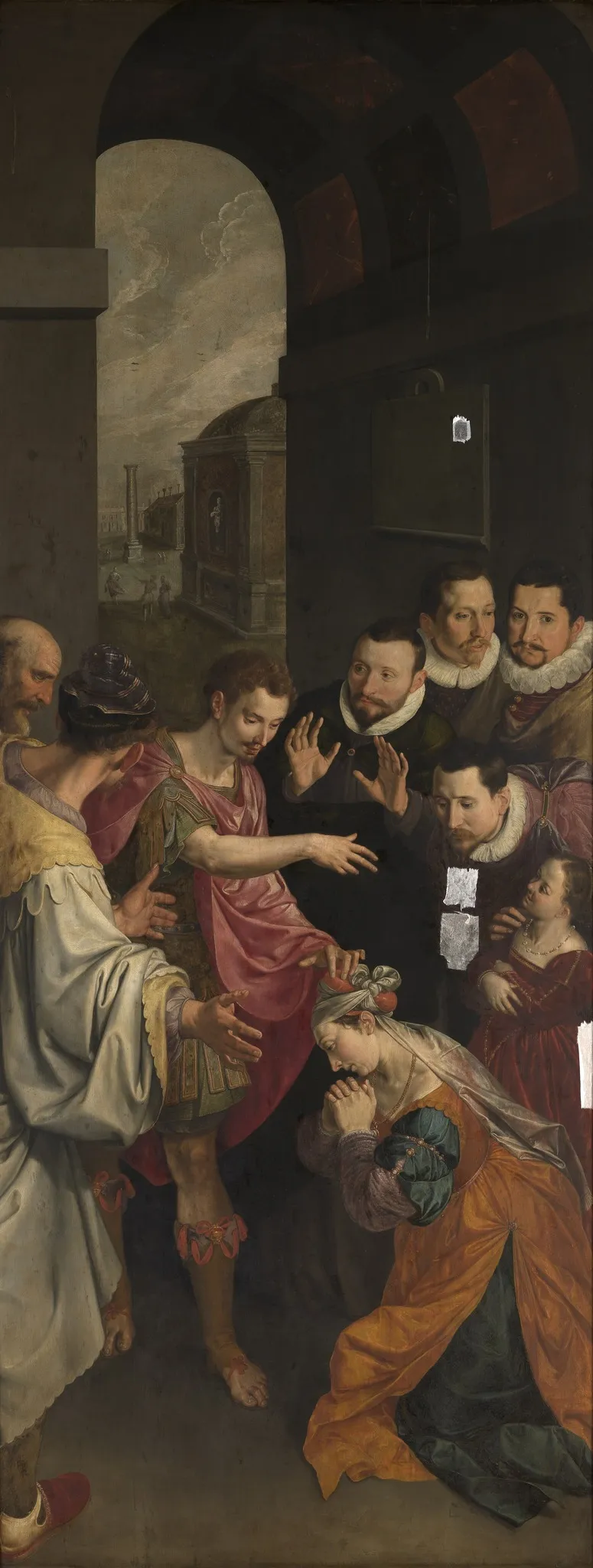
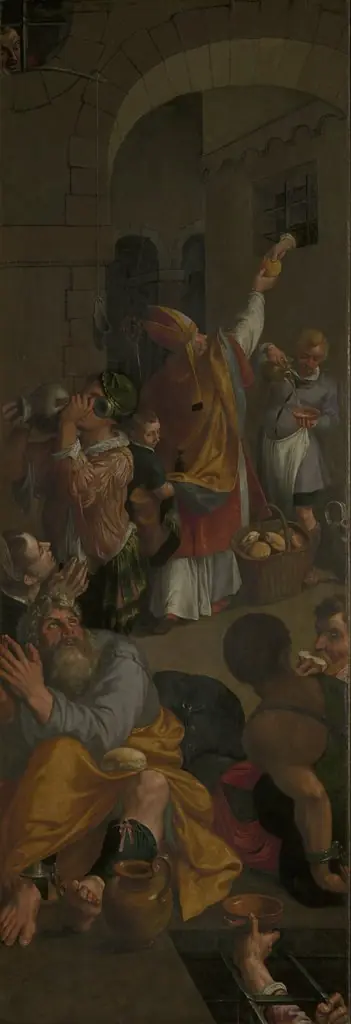
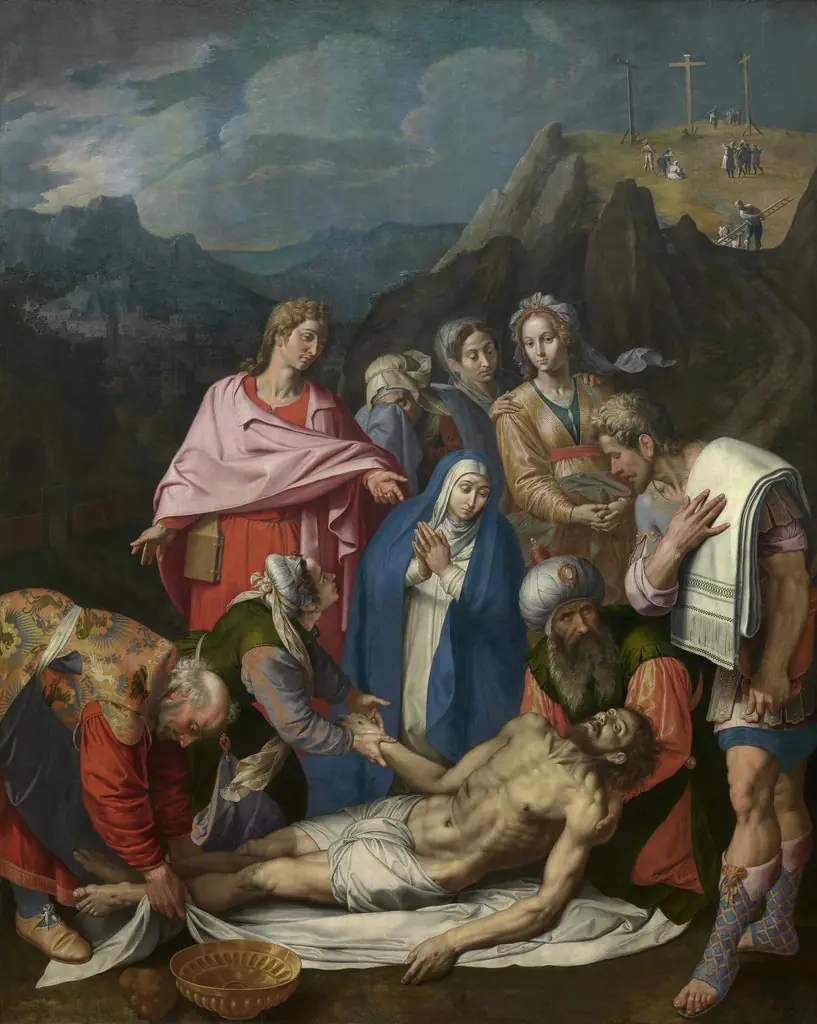
Miraculous Healing of Zoë is an oil painting by the Early Baroque Italian artist Ambrosius Francken I. It dates from 1575 and is held in the collection of the Onze-Lieve-Vrouwekathedraal.
About this work
Overview
The painting is part of a broader tradition of Counter-Reformation imagery, intended to reinforce faith through vivid biblical episodes.
Painted in 1575 by Ambrosius Francken I, this oil on panel work depicts a moment of divine intervention. Francken, a Flemish artist from a prominent artistic lineage, specialized in religious narratives. The painting is part of a broader tradition of Counter-Reformation imagery, intended to reinforce faith through vivid biblical episodes.
It resides today in the Royal Museum of Fine Arts Antwerp, where it remains a key example of late 16th-century Flemish devotional art.
Subject & Meaning
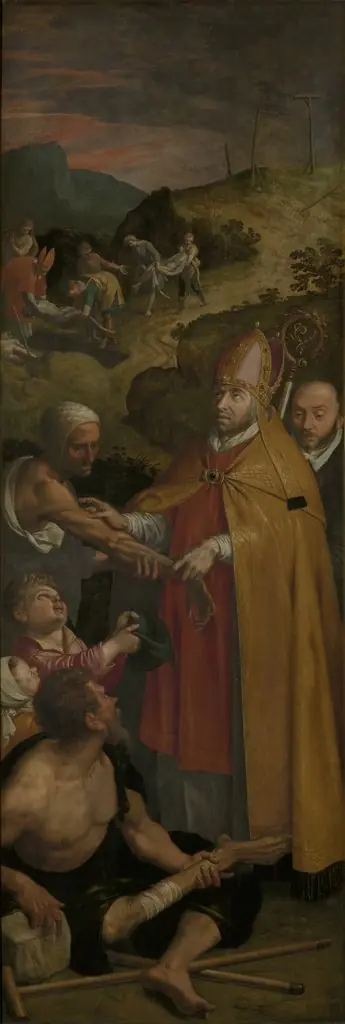
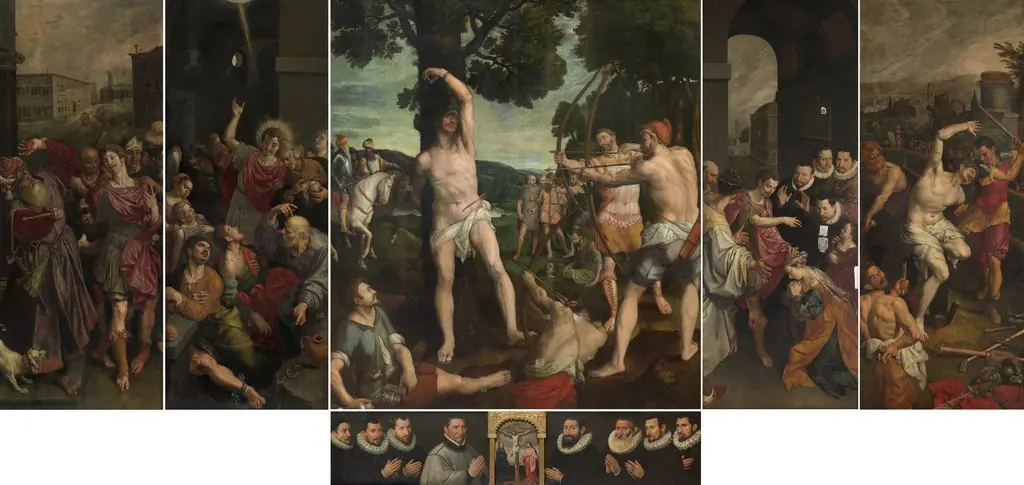
The scene illustrates the healing of a woman named Zoë, likely referencing a biblical or hagiographic miracle. A group of onlookers surrounds her as she lies prone, one figure gesturing toward her in a gesture of supplication or command, suggesting divine power channeled through human agency. The composition emphasizes communal witness and the tension between human frailty and spiritual intervention, aligning with Catholic teachings on faith and miraculous grace.
Technique & Style
Francken employed oil paint to achieve subtle tonal transitions and a restrained palette dominated by earth tones and muted hues. Chiaroscuro is used to model forms and direct focus toward the central figure, enhancing emotional gravity. The figures are rendered with elongated proportions and precise drapery, reflecting late Mannerist conventions, while the architectural backdrop introduces spatial depth without overwhelming the intimate narrative.
History & Provenance
Created during Francken’s early career, the painting was likely commissioned for a private chapel or religious institution in Antwerp. It remained within Flemish collections through the centuries, eventually entering the Royal Museum of Fine Arts Antwerp’s holdings. Its survival through periods of iconoclasm and political upheaval underscores its perceived value as both devotional object and artistic achievement.
Context
In the decades following the Protestant Reformation, Catholic regions like Flanders emphasized visual narratives of miracles to reaffirm doctrinal authority. Francken’s work responds to this climate, aligning with the Council of Trent’s call for clear, emotionally resonant religious imagery. The painting’s setting, a cityscape visible through an archway, grounds the supernatural in the familiar urban environment, reinforcing its immediacy for contemporary viewers.
Legacy
Though less widely known than later Baroque painters, Francken’s work contributed to the evolution of Flemish religious painting. His synthesis of Mannerist form and emerging naturalism influenced regional artists and helped bridge stylistic transitions before the full emergence of the Baroque. The painting remains a documented example of how faith, art, and civic identity intertwined in post-Reformation Antwerp.
Artist & collection
Artist
Ambrosius Francken I (1544/45–October 1618) was a Flemish painter known for his religious works and historical allegories painted in a late Mannerist style.

- The Calling of Saint Matthew
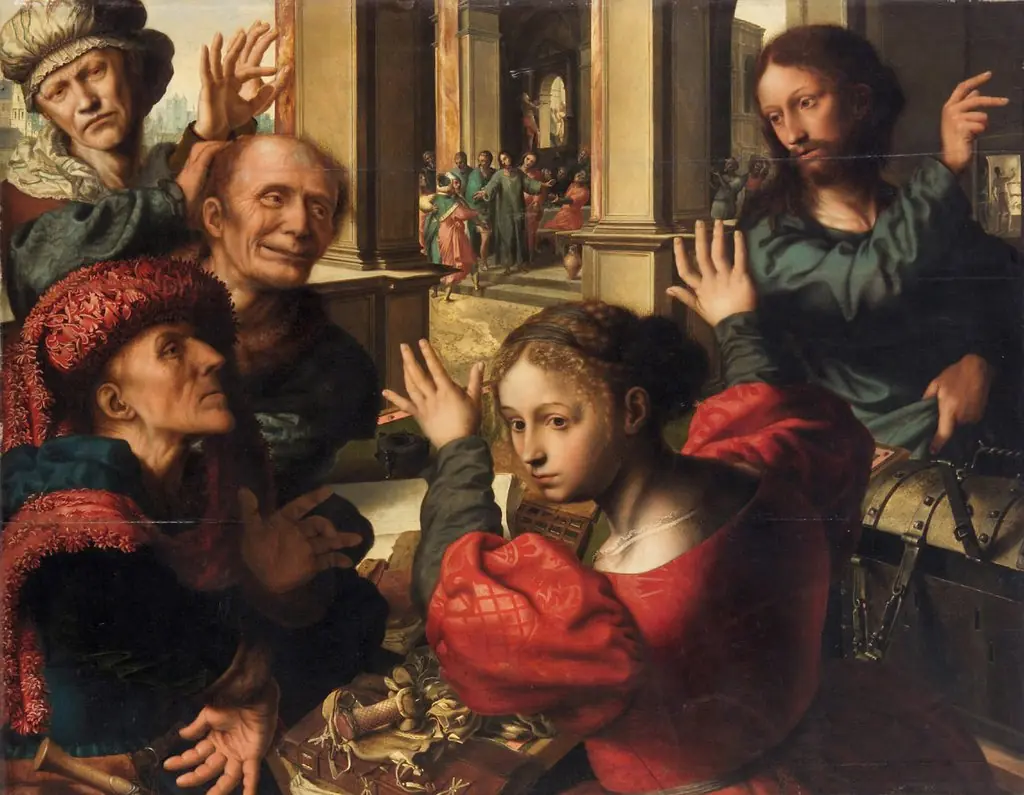 The Calling of Saint Matthew
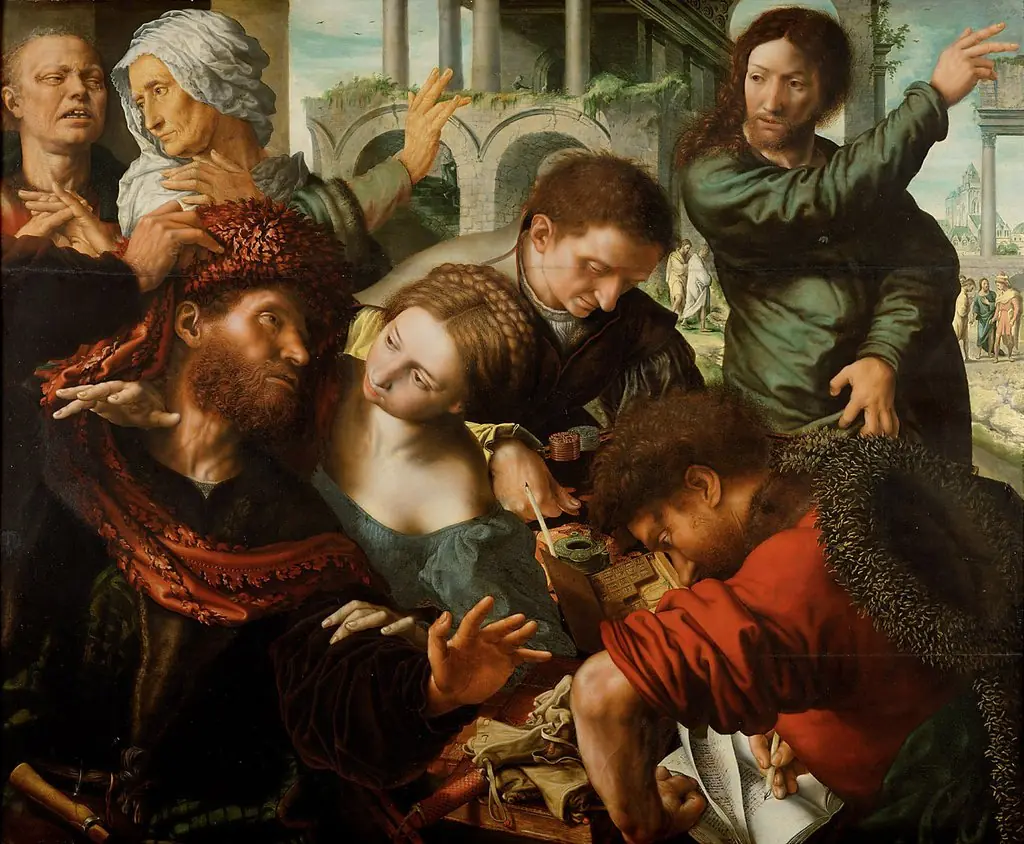 The Calling of Saint Matthew
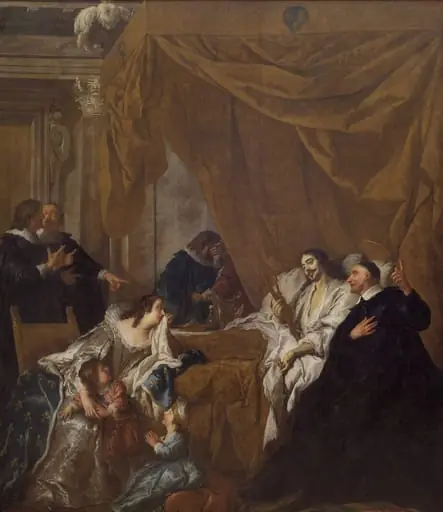 St Vincent de Paul at the Deathbed of Louis XIII
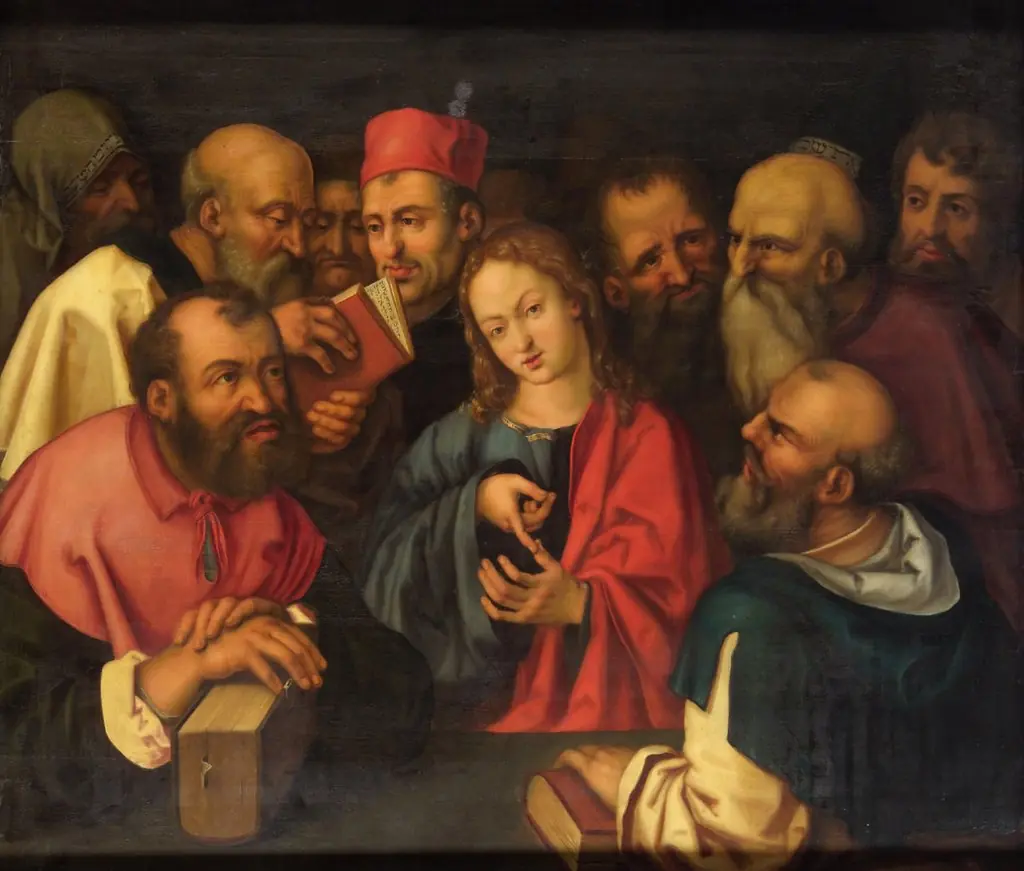 Christus unter den Schriftgelehrten
 St Vincent de Paul at the Deathbed of Louis XIII
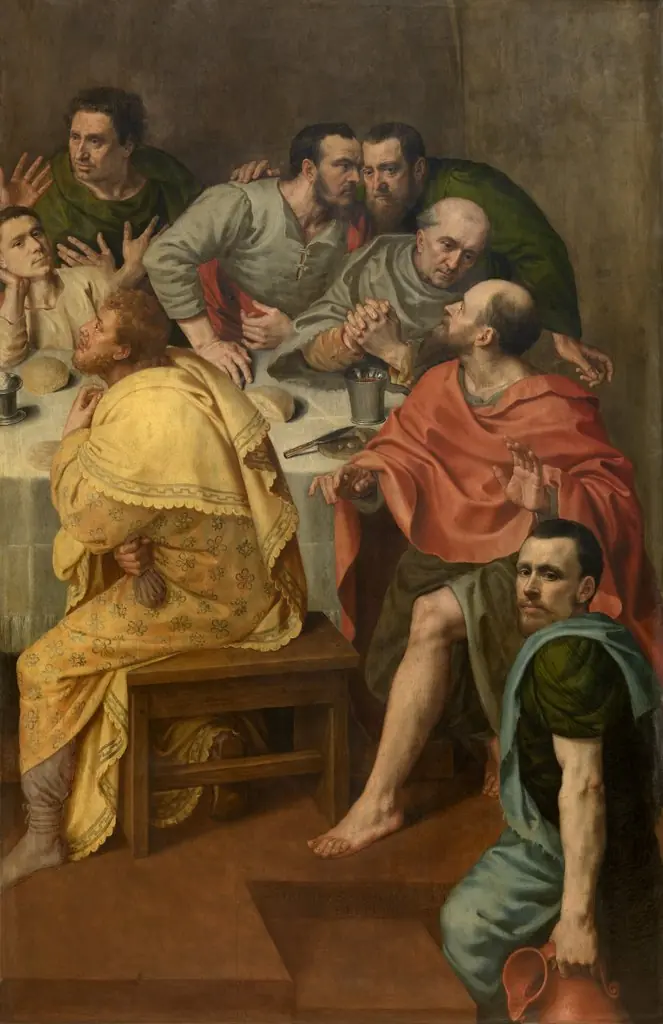 The Last Supper
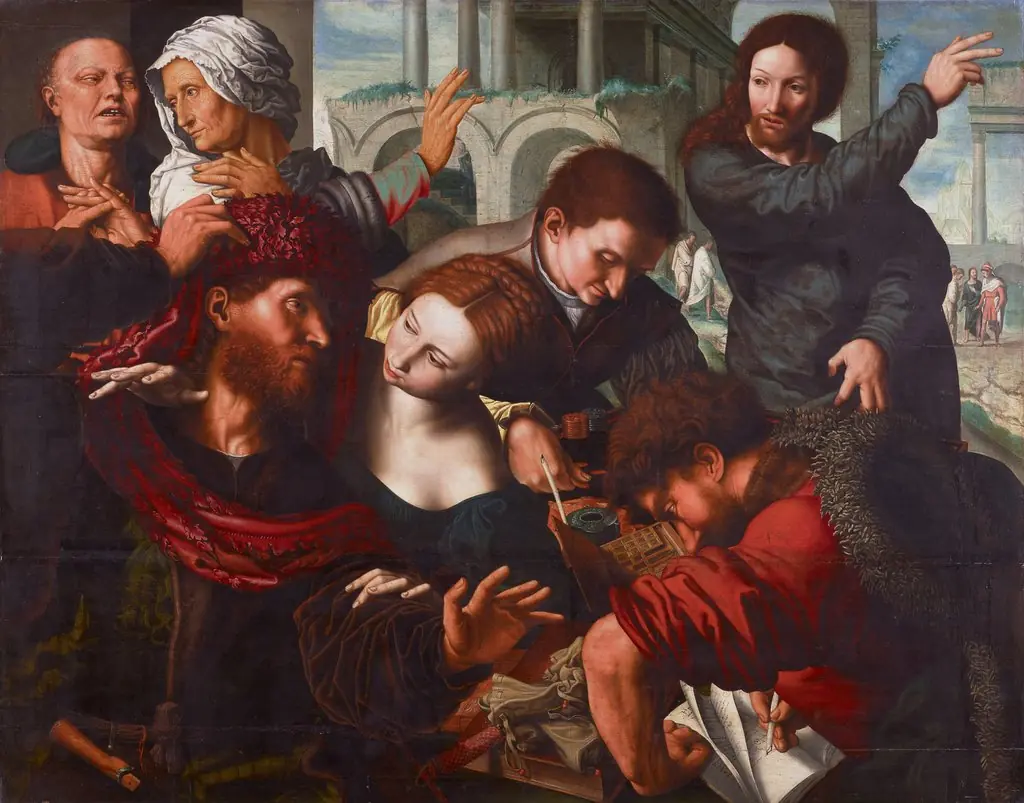 The Calling of Saint Matthew
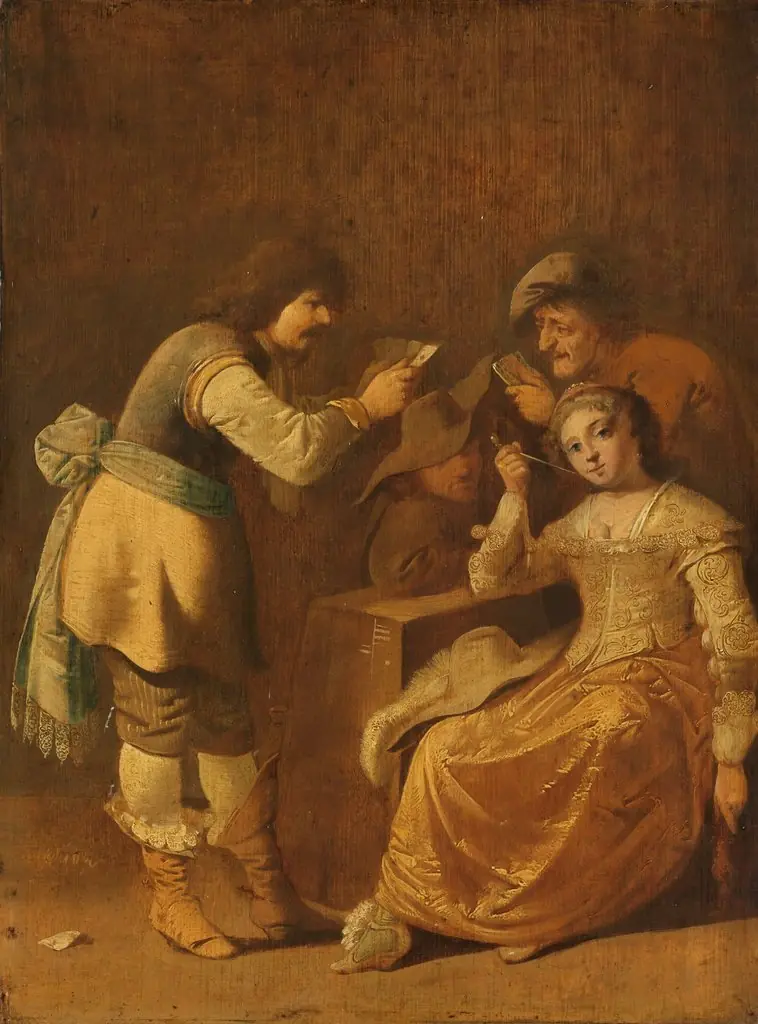 Kaartspelers met een pijprokende vrouw
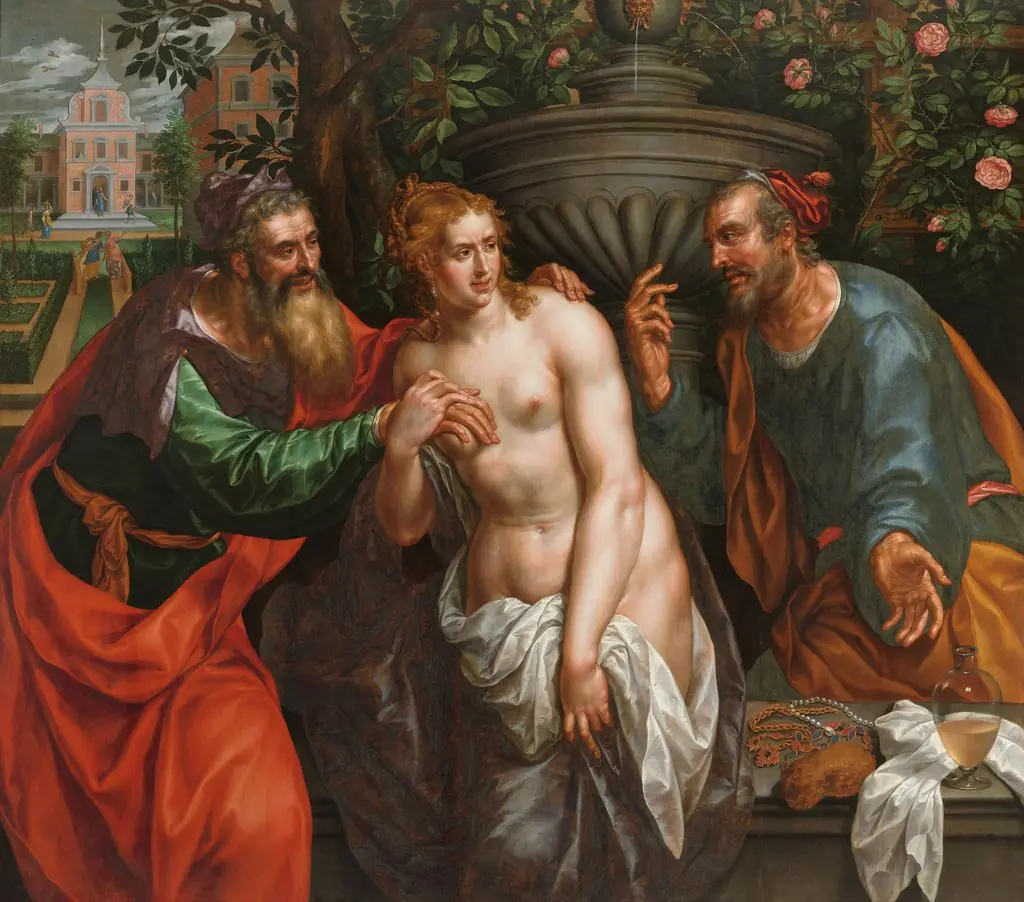 Susanna and the elders
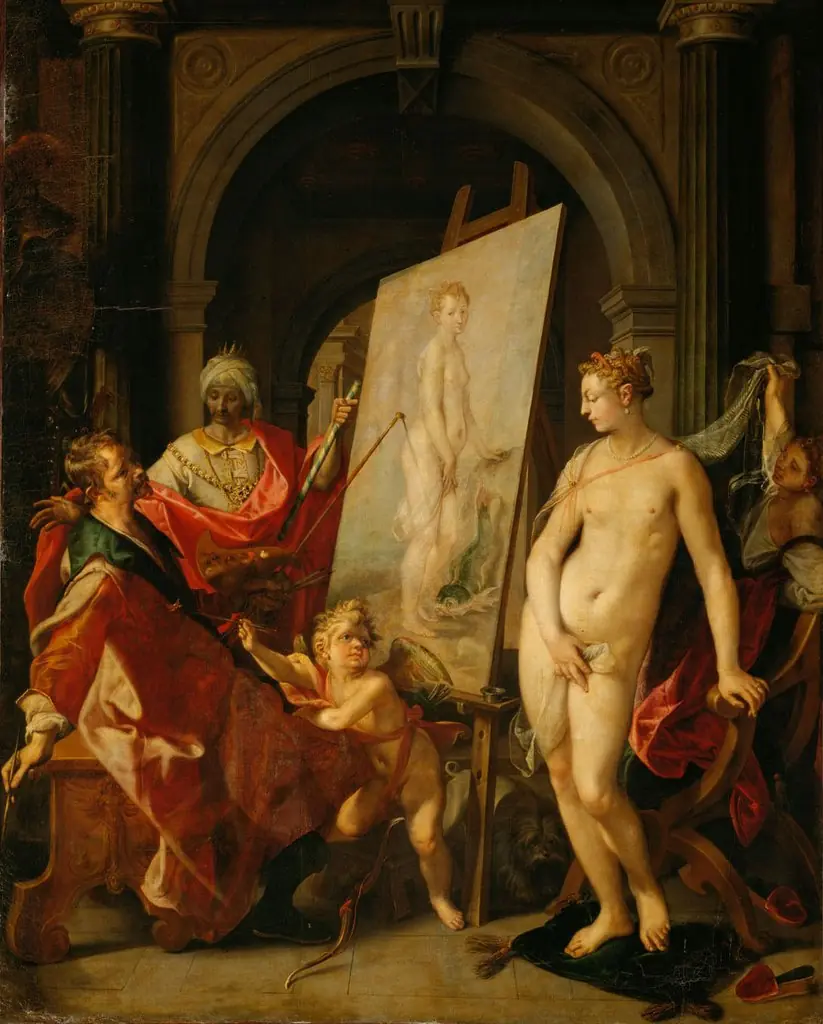 Apelles malt Kampaspe
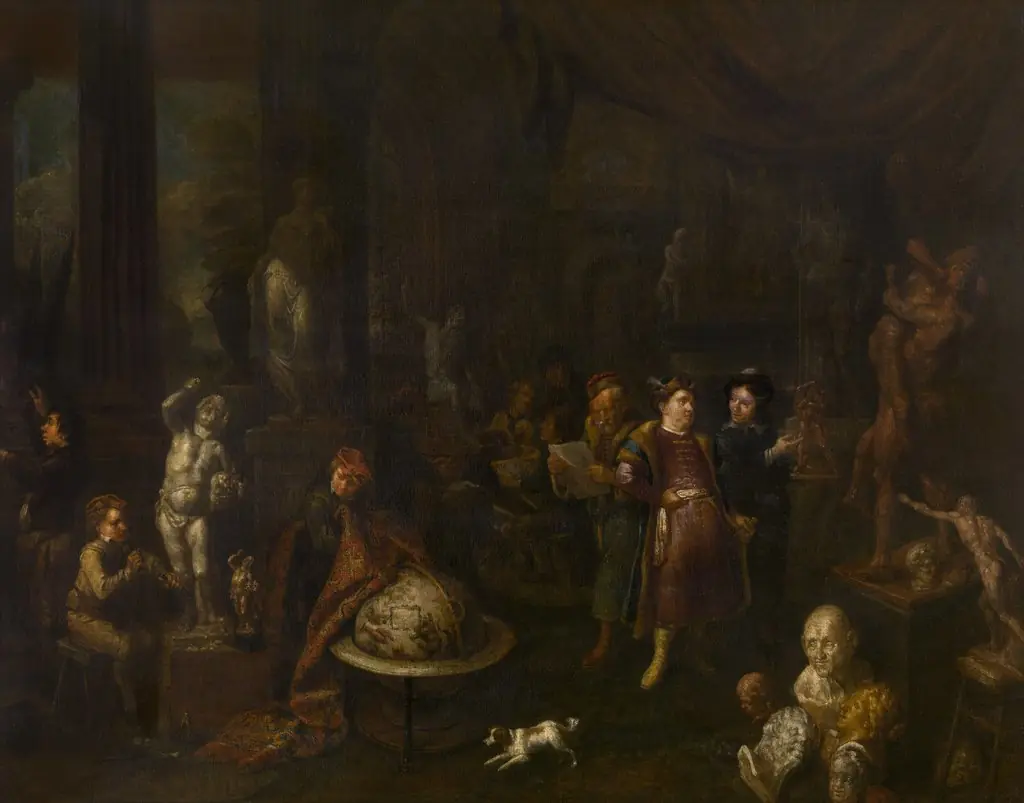 The Sculptors' Workshop