Artwork
The Triumph of Bacchus
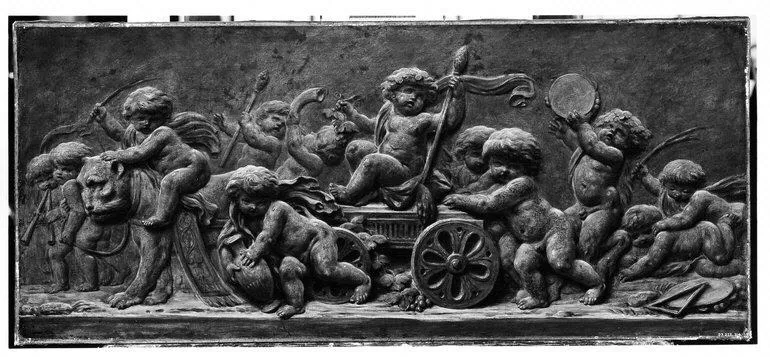
The Triumph of Bacchus is an oil painting. It dates from 1790 and is held in the collection of the Metropolitan Museum of Art.
About this work
Subject & Meaning
The inclusion of the chariot signifies the god's triumphant entry, while the presence of putti reinforces the festive and celestial nature of the event.
The work depicts the mythological narrative of the Triumph of Bacchus and Ariadne, a scene central to classical mythology. The composition features the god Bacchus as the main subject, accompanied by a chariot and putti, which are traditional iconographic elements associated with his processional celebrations. As a mythological painting, the piece utilizes these figures to represent themes of divine revelry and the apotheosis of Ariadne.
The inclusion of the chariot signifies the god's triumphant entry, while the presence of putti reinforces the festive and celestial nature of the event. This visual program aligns with the genre of mythological painting, focusing on the legendary journey and celebration of the wine god and his bride.
Technique & Style
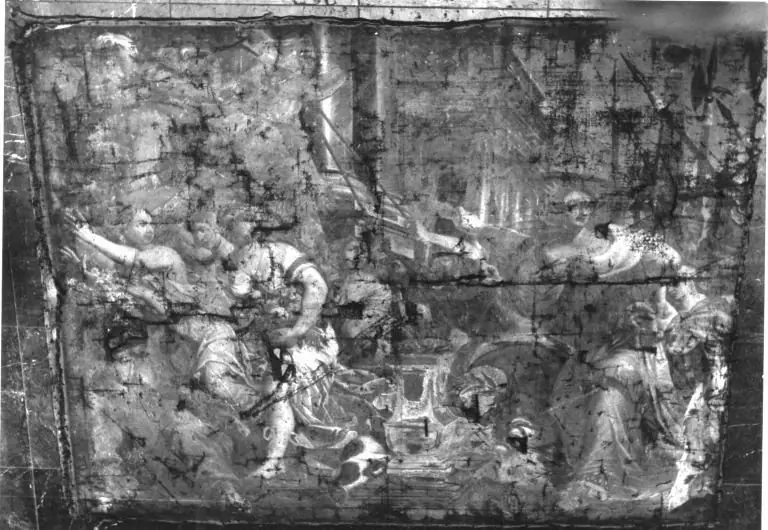
Painted in oil on canvas circa 1780 by the workshop of Piat Joseph Sauvage, the work measures 35.6 cm in height and 83.5 cm in width. The composition is executed in a fluid, decorative manner, typical of late eighteenth-century mythological scenes, with Bacchus enthroned in a gilded chariot drawn by feline followers. Putti populate the foreground, contributing to the festive atmosphere through lively gestures and drapery folds that catch and reflect light.
The handling combines smooth modeling of flesh and drapery with feathery, rapid brushwork in the background foliage, suggesting a workshop-trained approach that prioritizes narrative clarity and decorative effect over textural illusionism.
History & Provenance
The Triumph of Bacchus, a mythological oil‑on‑canvas painting measuring 35.6 × 83.5 cm, was executed circa 1780 in the workshop of Piat Joseph Sauvage. The work entered the collection of the Metropolitan Museum of Art, where it remains on view. Its creation is documented only by its 1780 inception date and workshop attribution; no contemporary records of a specific commission survive.
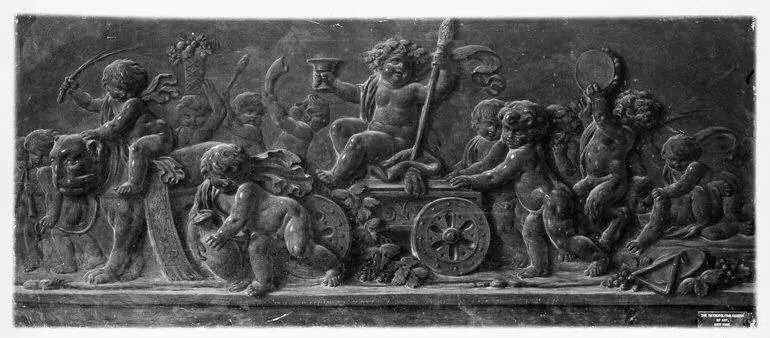
The painting depicts Bacchus in a chariot accompanied by a putto, reflecting the mythological genre common in late‑18th‑century art.
The painting The Triumph of Bacchus, created in 1780 by the workshop of Piat Joseph Sauvage, is held in the collection of the Metropolitan Museum of Art in New York. The work, executed in oil on canvas, measures 35.6 cm in height and 83.5 cm in width. While the sources confirm its current location and inclusion in the museum's holdings, they do not provide a specific accession or inventory number. Furthermore, the available documentation does not list any specific exhibitions where this piece has been displayed.
Overview
A dynamic oil painting titled The Triumph of Bacchus depicts a vibrant procession centered around a grand chariot. This vehicle, propelled by a lion and a leopard, carries a multitude of putti. The composition captures a moment of lively celebration and movement, characteristic of the subject matter, rendered with oil paint to convey its energetic narrative.
Artist & collection

 Decoratiestuk met drie putti
 Allegory of charity
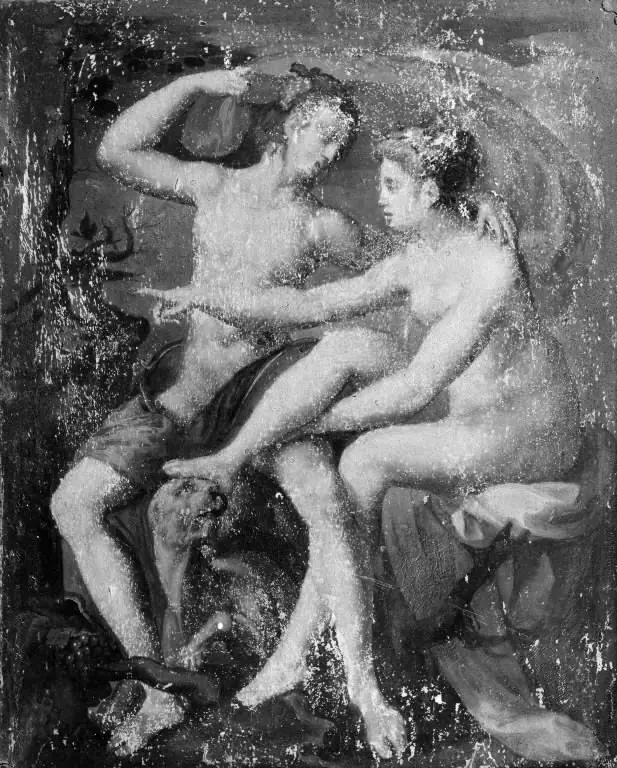 Bacchus and Ariadne
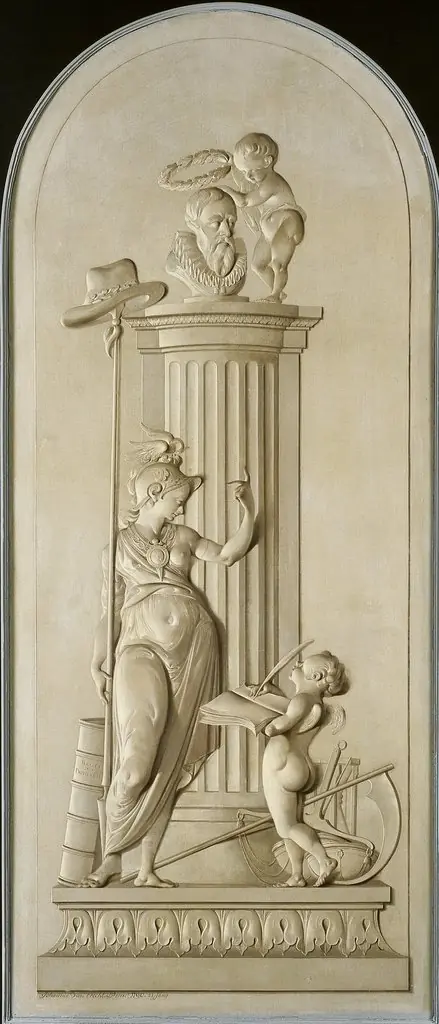 Allegory of Freedom
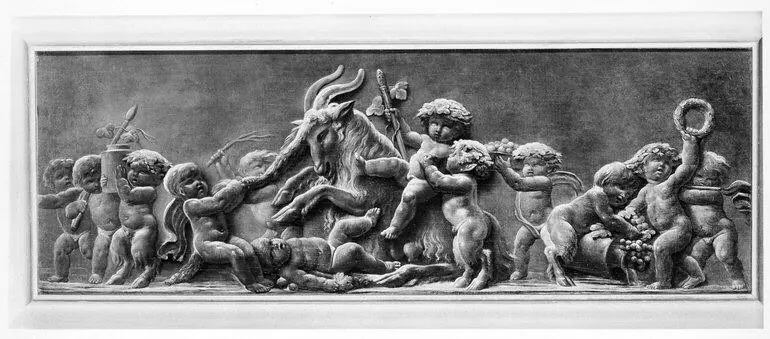 Infant Bacchanal
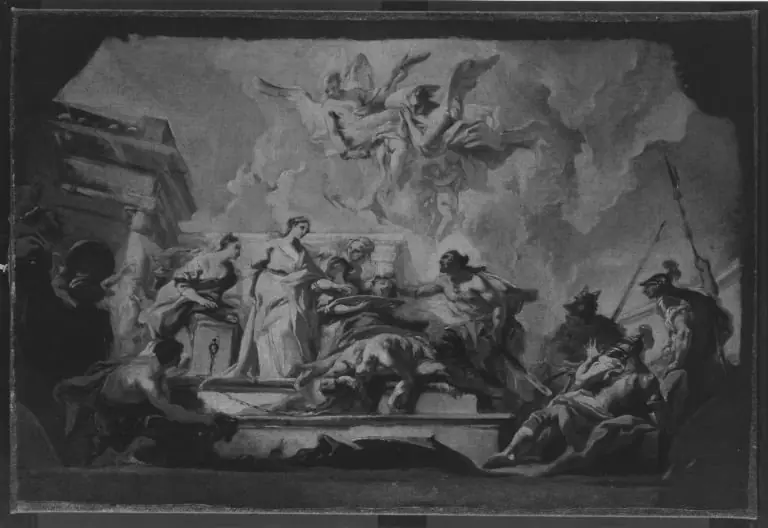 Enthauptung Johannes des Täufers
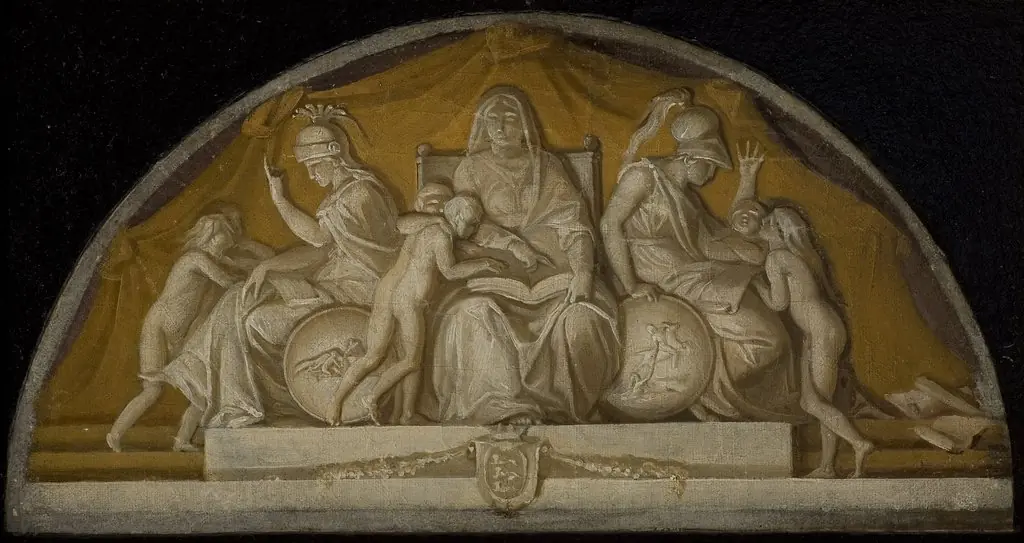 The Establishment of Schools
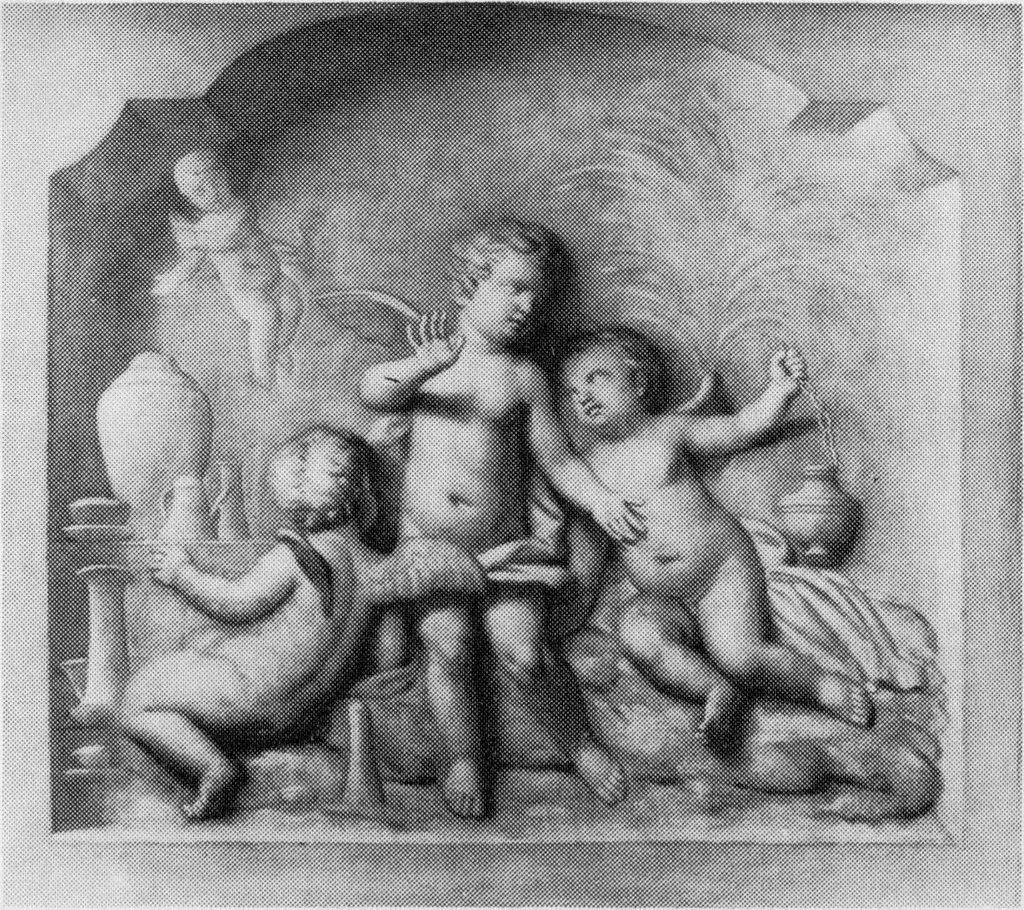 Decoratiestukken met drie putti
 Achilles and the Daughters of Lycomedes
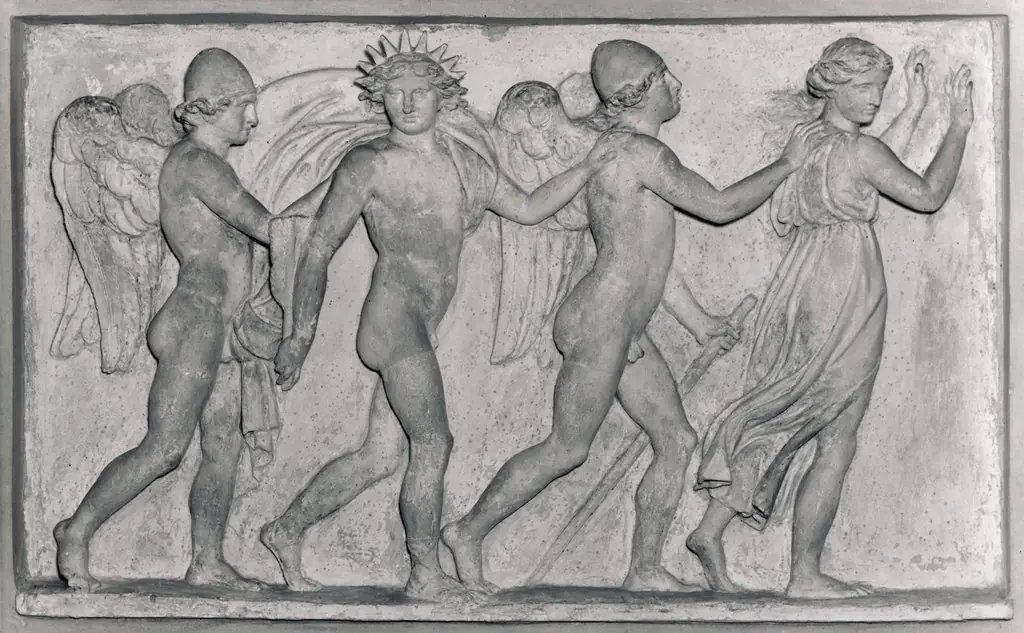 Døgnets tider. Symboliseret ved fire vingede skikkelser
 Niobe lässt die Bildsäule der Diana niederreißen
- The Triumph of Bacchus