Artwork
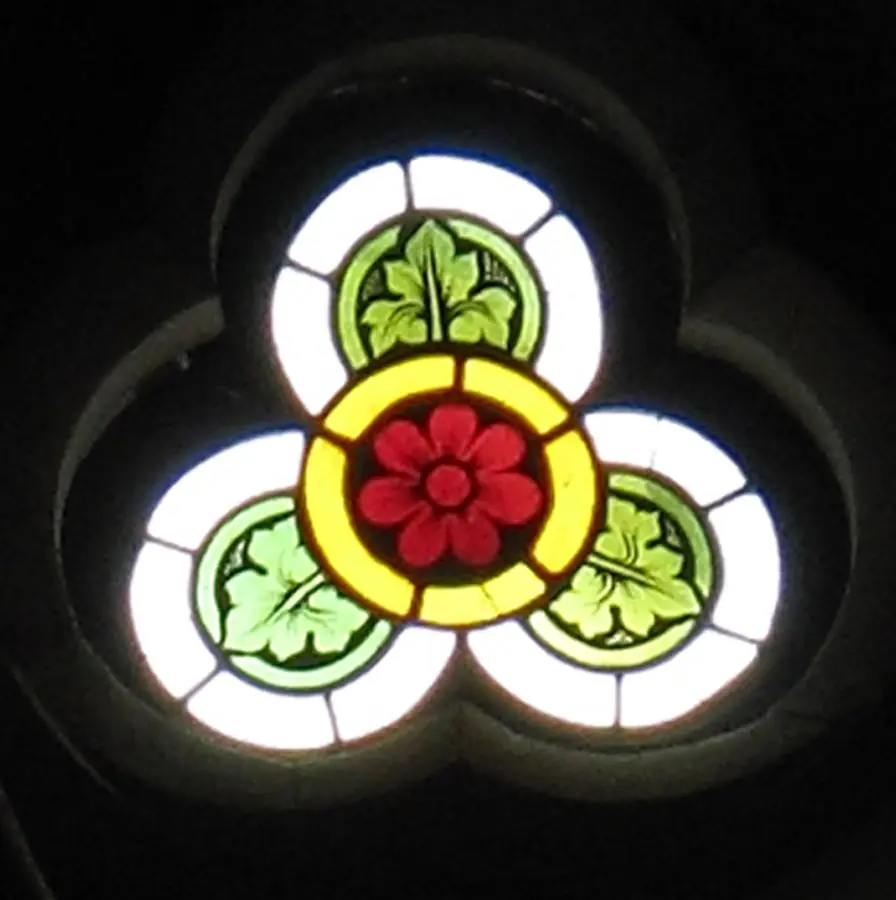
Tracery Light
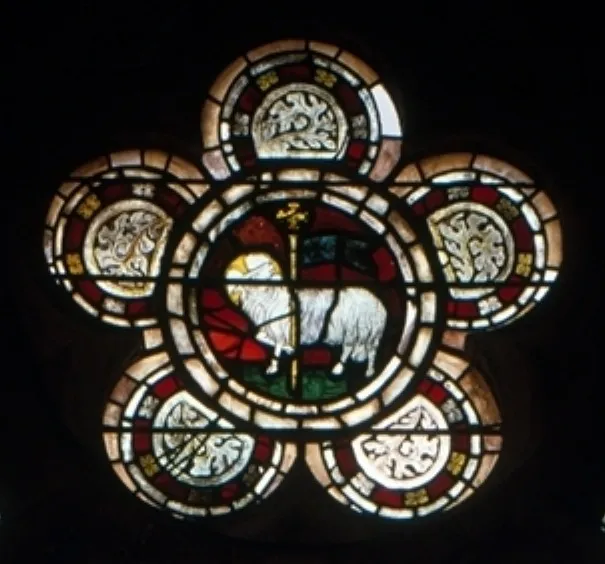
Tracery Light is an unspecified painting. It dates from 1350 and is held in the collection of the Metropolitan Museum of Art.
About this work
Overview
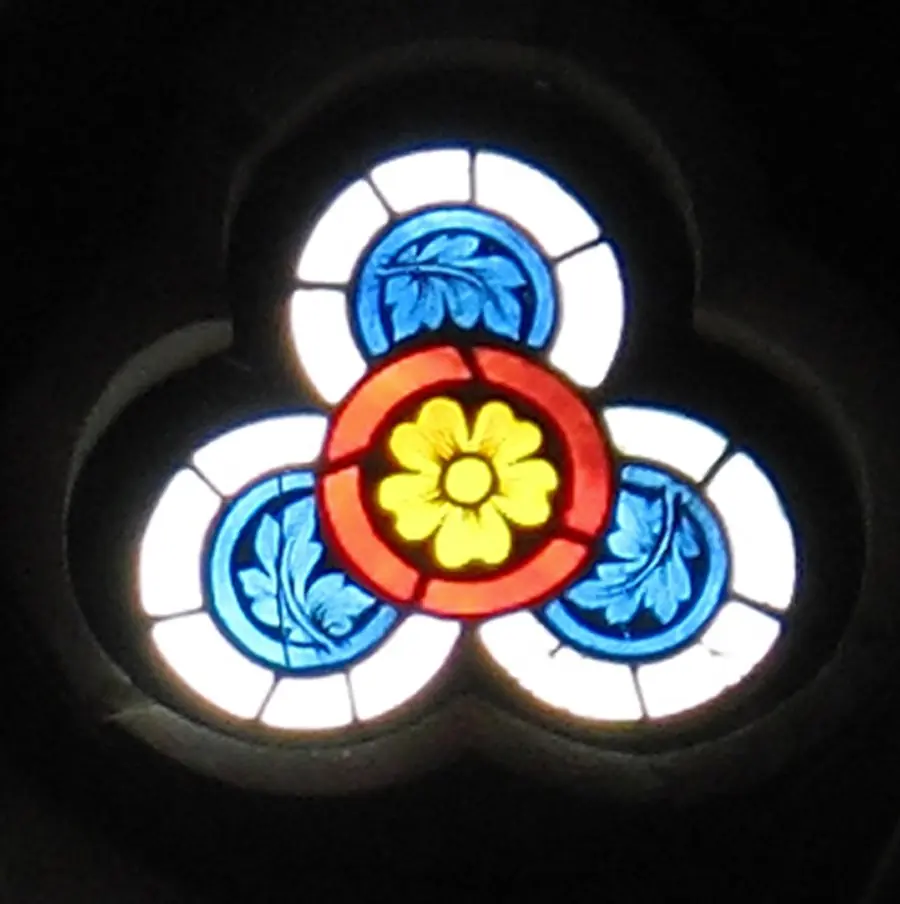
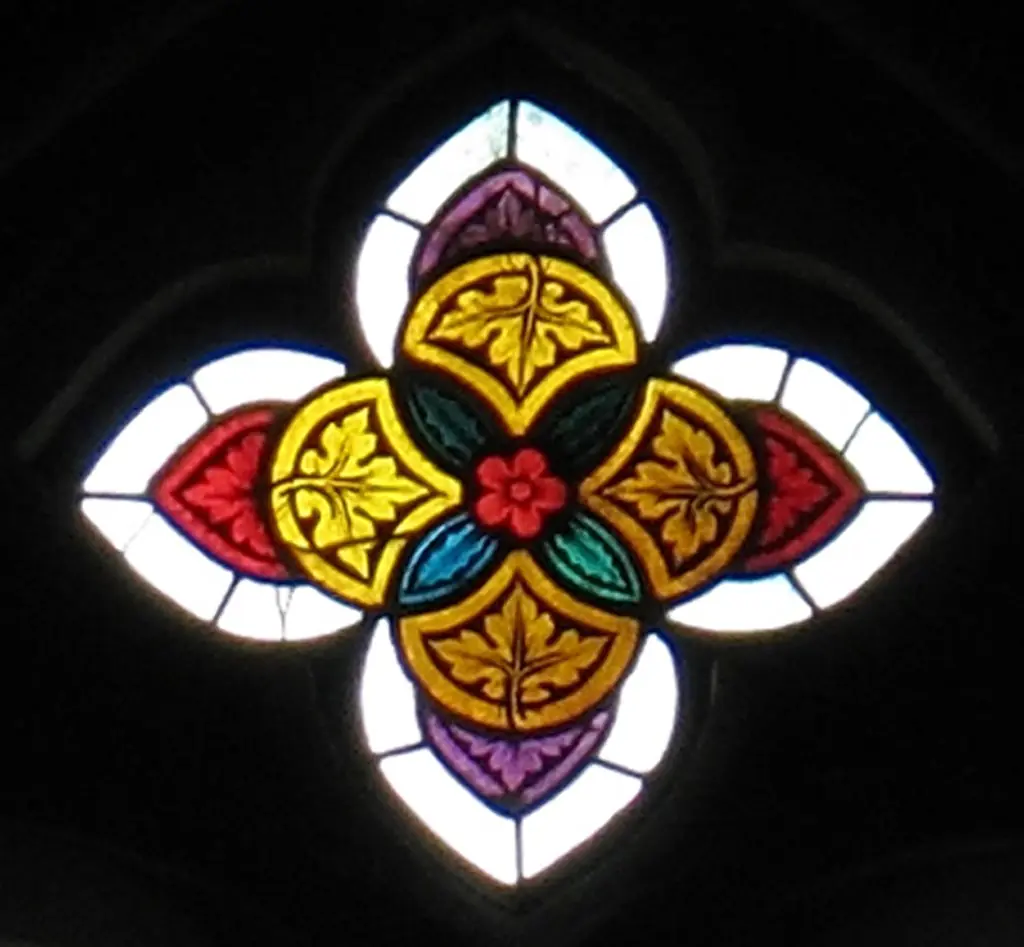
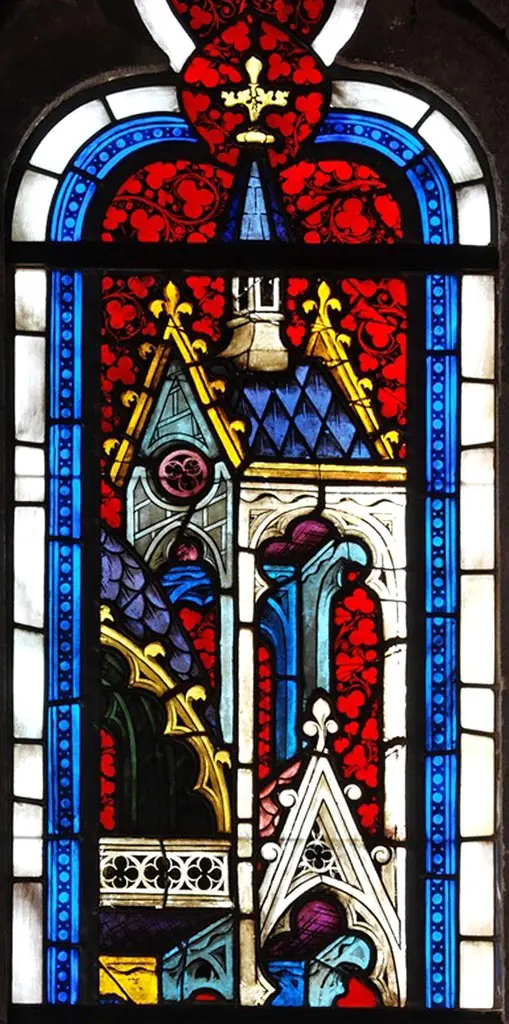
Tracery Light is a stained‑glass composition arranged in a six‑petaled floral form. Each petal contains a compact vignette populated by figures, animals and emblematic motifs, while the central panel presents a lamb poised on a verdant hill beneath a radiant yellow sun. The palette is dominated by saturated reds, deep blues and luminous golds, delineated by bold black lead cames.
Subject & Meaning
The central lamb functions as a conventional Christian symbol for Christ, echoing the biblical association of the lamb with sacrifice and redemption. The surrounding scenes, though varied, reinforce a narrative of pastoral serenity and spiritual allegory, linking the natural world to theological themes.
Technique & Style
The work employs traditional stained‑glass methods, with colored glass pieces cut to shape and joined by thick, dark lead strips that emphasize each compartment. The heavy cames create a pronounced outline reminiscent of medieval tracery, while the vivid coloration and simplified figures suggest a synthesis of historic iconography and modern decorative sensibility.
History & Provenance
Specific details regarding the creation date, artist and original commission of Tracery Light are not provided in the source material. Consequently, its provenance remains undocumented within the available records.
Context
Stained‑glass panels featuring lamb imagery have long served liturgical purposes, often installed in churches to convey Christological symbolism. The floral, six‑petal configuration aligns with ornamental motifs common in Gothic and Renaissance window designs, situating the piece within a broader tradition of devotional glass art.
Artist & collection