Artwork
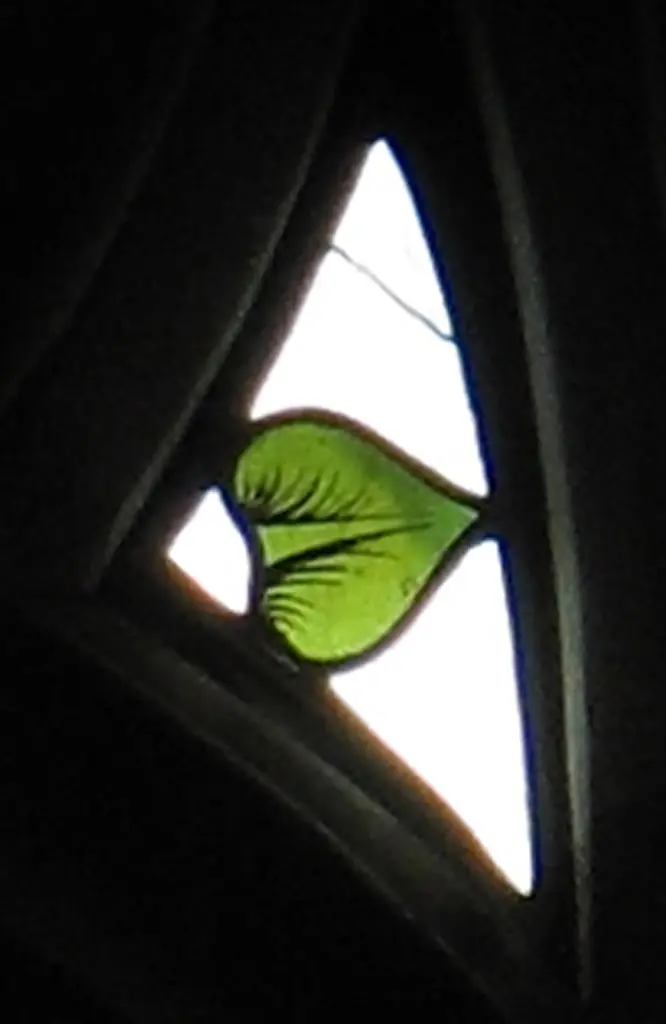
Triangular-shaped Tracery Light
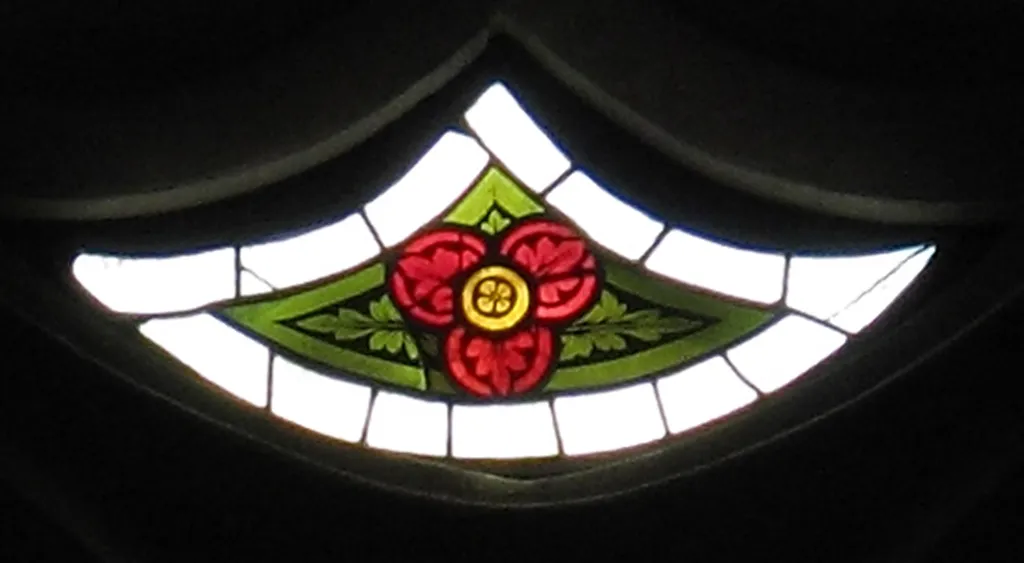
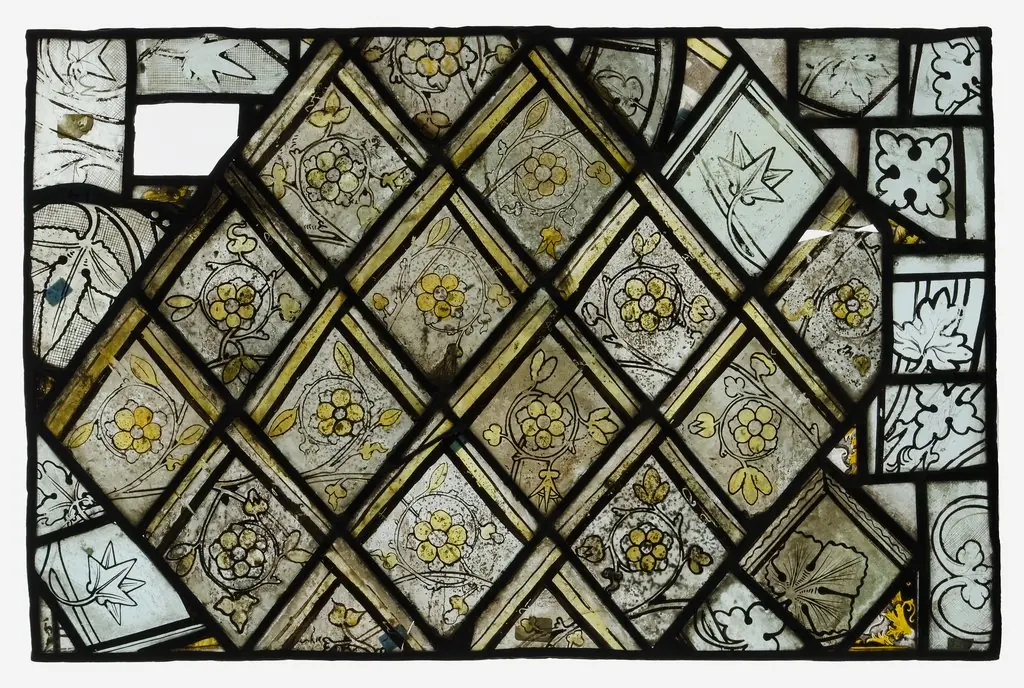
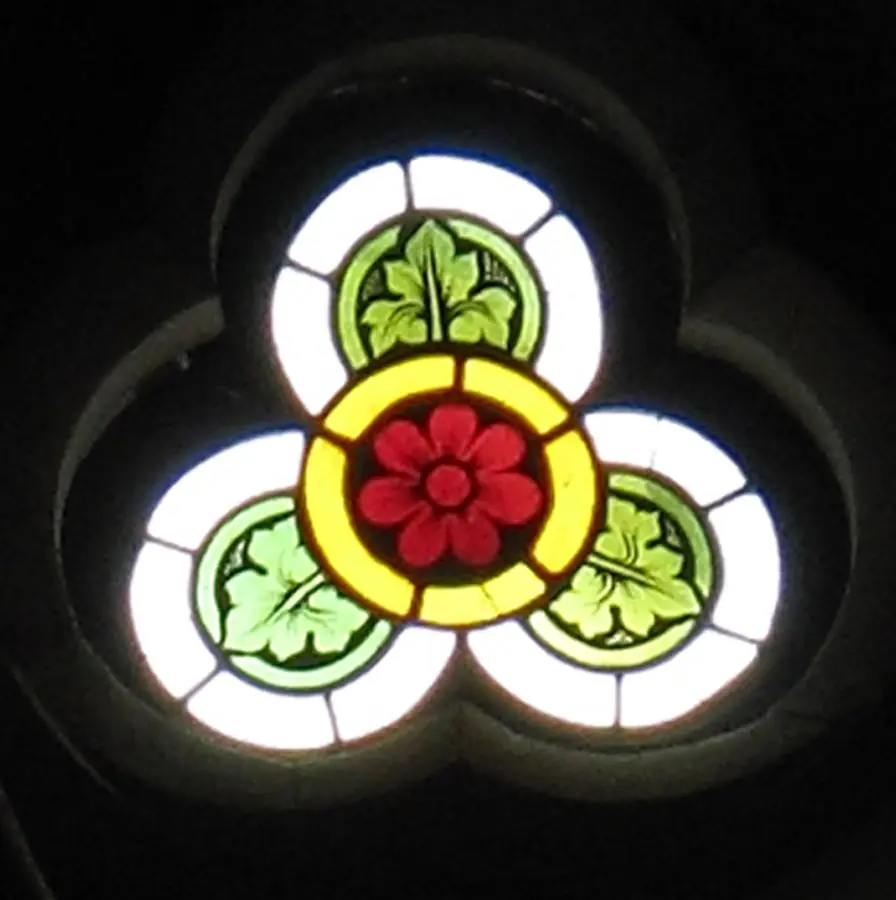
Triangular-shaped Tracery Light is an unspecified painting. It dates from 1350 and is held in the collection of the Metropolitan Museum of Art. The work is a stained‑glass panel featuring a stark white triangular field that tapers to a point.
About this work
Subject & Meaning
Its presence in the Metropolitan Museum of Art underscores its significance within the museum’s collection of early European paintings.
The work portrays a stylized leaf, a motif often associated with renewal and the natural world in medieval symbolism. Created circa 1350, the triangular composition emphasizes vertical ascent, suggesting spiritual elevation. The leaf’s delicate rendering reflects the International Gothic emphasis on elegant line and refined naturalism, conveying themes of transience and divine order.
Its presence in the Metropolitan Museum of Art underscores its significance within the museum’s collection of early European paintings.
History & Provenance
The painting is housed in the Metropolitan Museum of Art in New York. Its accession number is 68.224.9, and it has been part of the museum's collection since its acquisition. The work was included in the exhibition "The Art of the Middle Ages," which was presented at the Metropolitan Museum of Art in 1975.
Overview
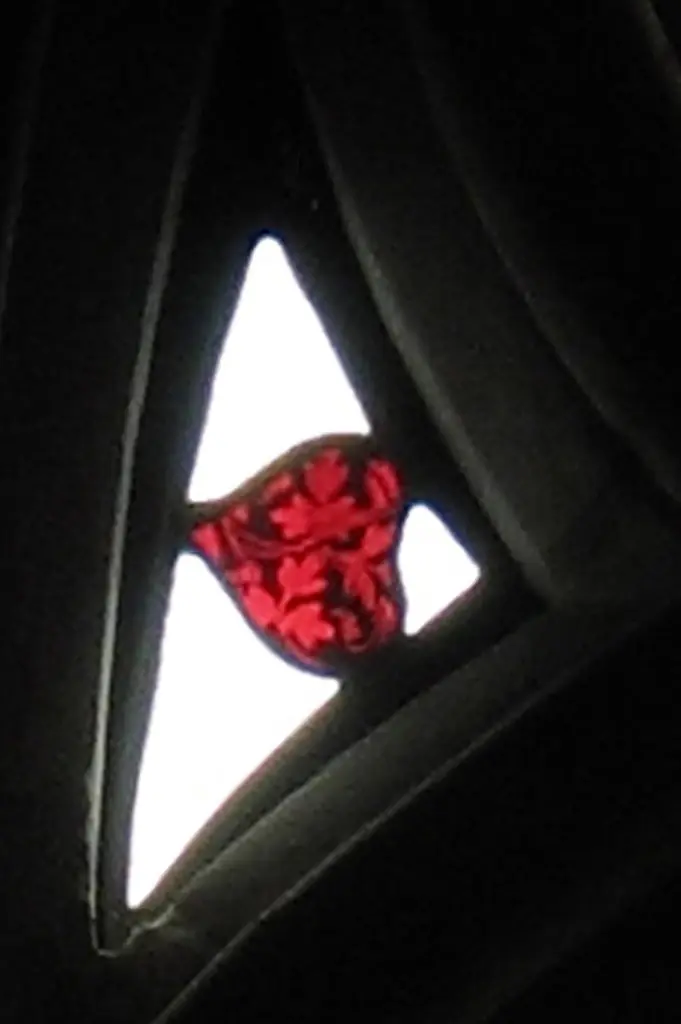
The work is a stained‑glass panel featuring a stark white triangular field that tapers to a point. Within the triangle a green shield bears three stylized red roses surrounding a central yellow disc, which contains a modest radiating star motif. The surrounding darkness intensifies the vivid hues of the shield and its charges.
Technique & Style
Executed in stained glass, the piece relies on the contrast between transparent colored glass and the opaque white triangle to achieve visual impact. The green field, red roses, and yellow disc are delineated by lead cames, and the simple star pattern is rendered through punched or painted detailing, typical of medieval glazing methods.
Context
During the medieval period, stained glass served both decorative and didactic functions, conveying religious narratives and heraldic identities. The use of a triangular shape and bold color scheme aligns with the visual language of the era, where symbolic clarity was paramount for viewers in dimly lit interiors.
Legacy
Pieces like this illustrate the enduring appeal of medieval iconography within modern museum settings, offering insight into the material culture of glassmaking and the symbolic vocabulary that shaped communal and personal identities in the Middle Ages.
Artist & collection