Artwork
Quatrefoil-shaped Tracery Light
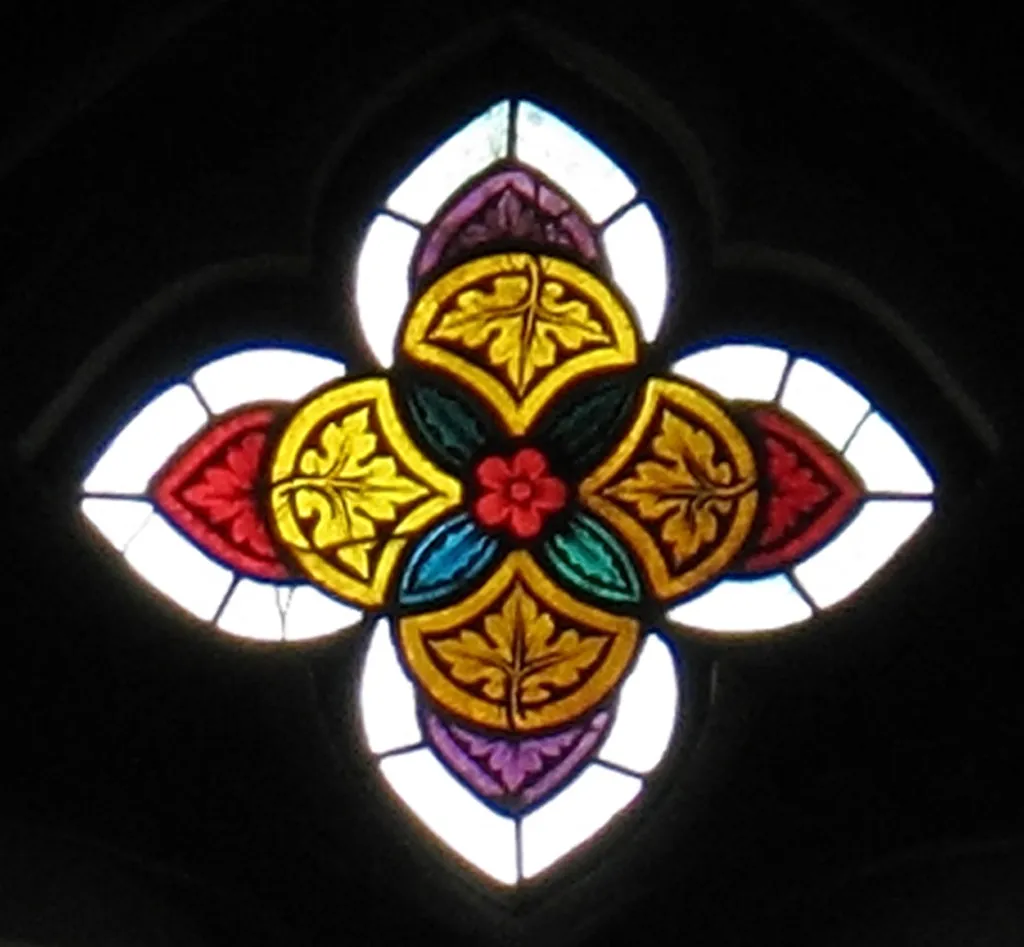
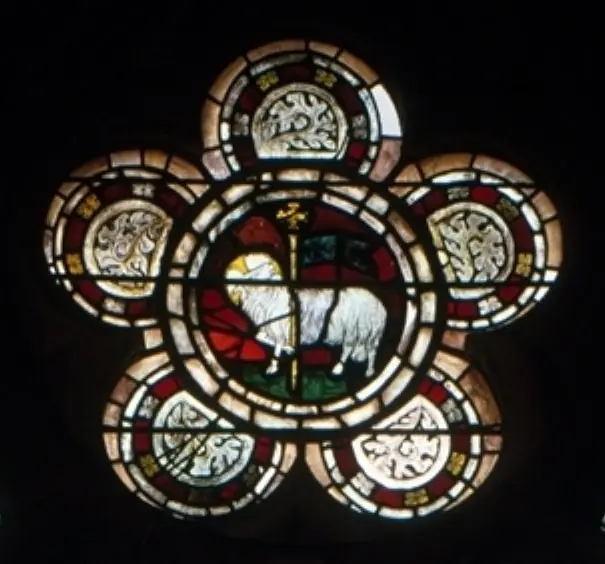
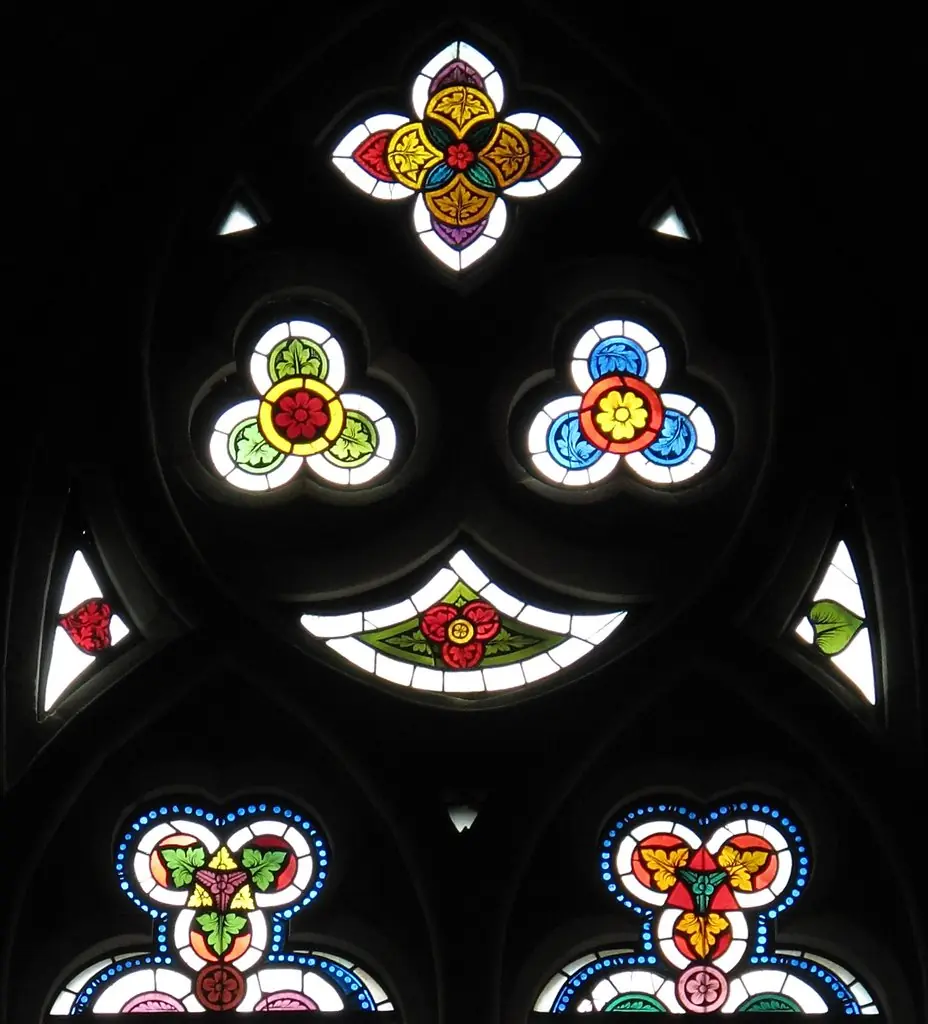
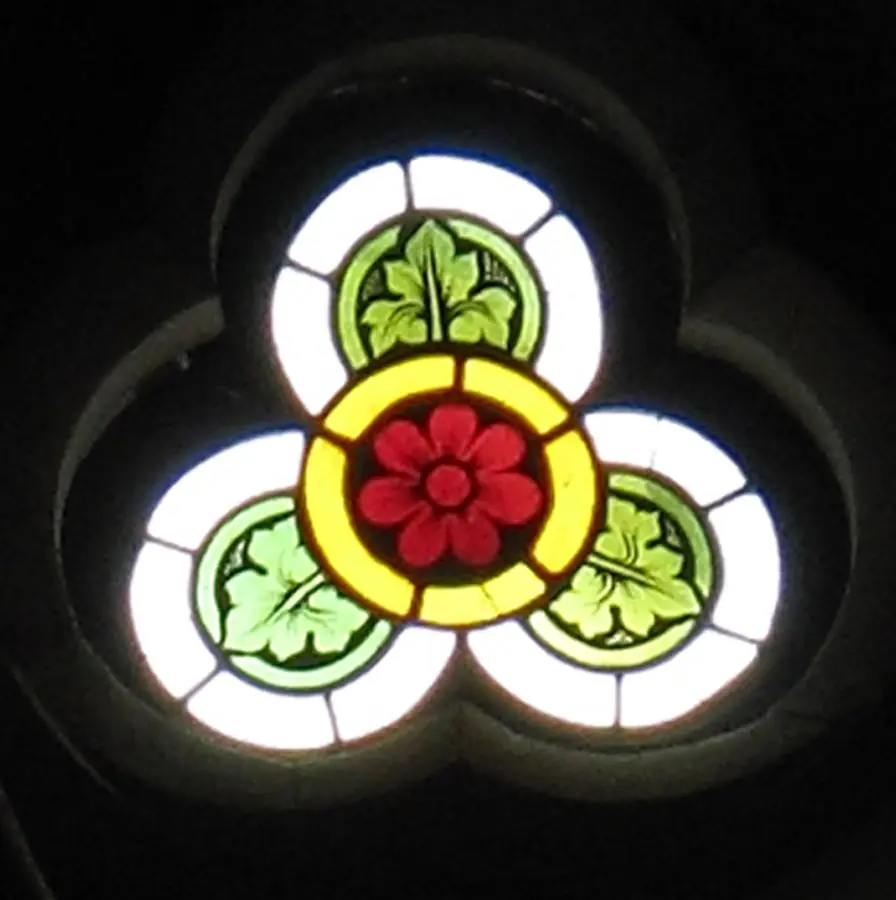
Quatrefoil-shaped Tracery Light is an unspecified painting. It dates from 1350 and is held in the collection of the Metropolitan Museum of Art. The work is a stained‑glass panel fashioned in a quatrefoil, or four‑leaf clover, shape.
About this work
History & Provenance
The available records confirm its location at the museum but do not provide a specific accession number or document any past exhibitions.
Created around 1350, this quatrefoil-shaped tracery light is an anonymous painting. The work's early history, including any specific commission or original ownership, remains undocumented in available records. It is currently held in the collection of the Metropolitan Museum of Art, where it is classified as a painting measuring 26 by 26 units.
The Quatrefoil-shaped Tracery Light is held in the collection of the Metropolitan Museum of Art. Created circa 1350, this anonymous painting measures 26 by 26 centimeters. The available records confirm its location at the museum but do not provide a specific accession number or document any past exhibitions.
Overview
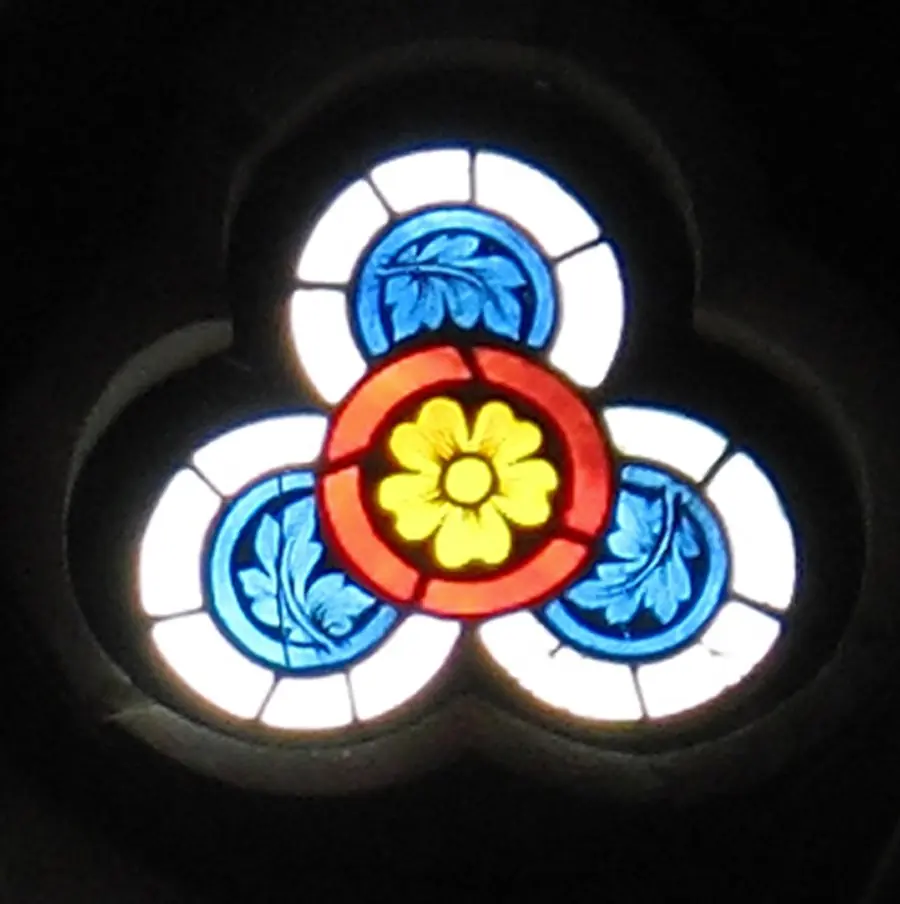
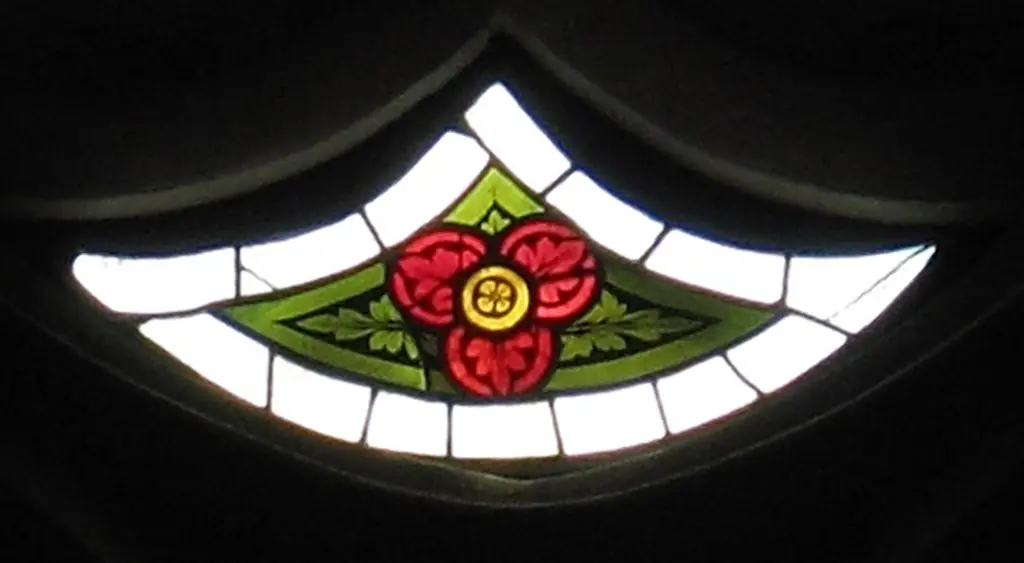
The work is a stained‑glass panel fashioned in a quatrefoil, or four‑leaf clover, shape. Its central motif features a red flower set against a green field, flanked by vivid yellow leaves. Extending outward are four pointed lobes filled with red, purple and blue forms outlined in white, all separated by fine black lead cames.
Subject & Meaning
The composition presents a stylized botanical theme, with the central flower possibly symbolizing life or devotion, while the surrounding colored segments create a rhythmic visual balance. The use of bright, contrasting hues suggests an intention to animate interior spaces with shifting colored light.
Technique & Style
The panel is assembled from numerous small pieces of colored glass, each cut to shape and joined by slender lead strips. Thin black lines delineate individual panes, enhancing the geometric clarity of the quatrefoil outline. The overall effect relies on transmitted light, which softens the edges and brings the colors to life.
Context
The panel reflects a broader tradition of integrating decorative glass into sacred architecture, a practice that dates back to medieval cathedrals. By employing a simplified yet vivid palette, the work bridges historic stained‑glass motifs with more modern aesthetic sensibilities.
Artist & collection