Artwork
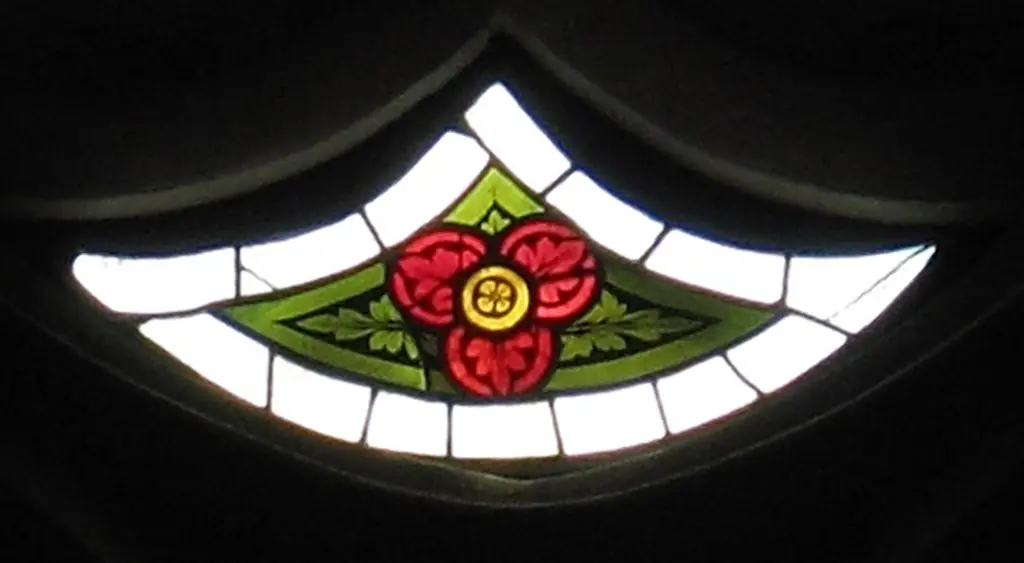
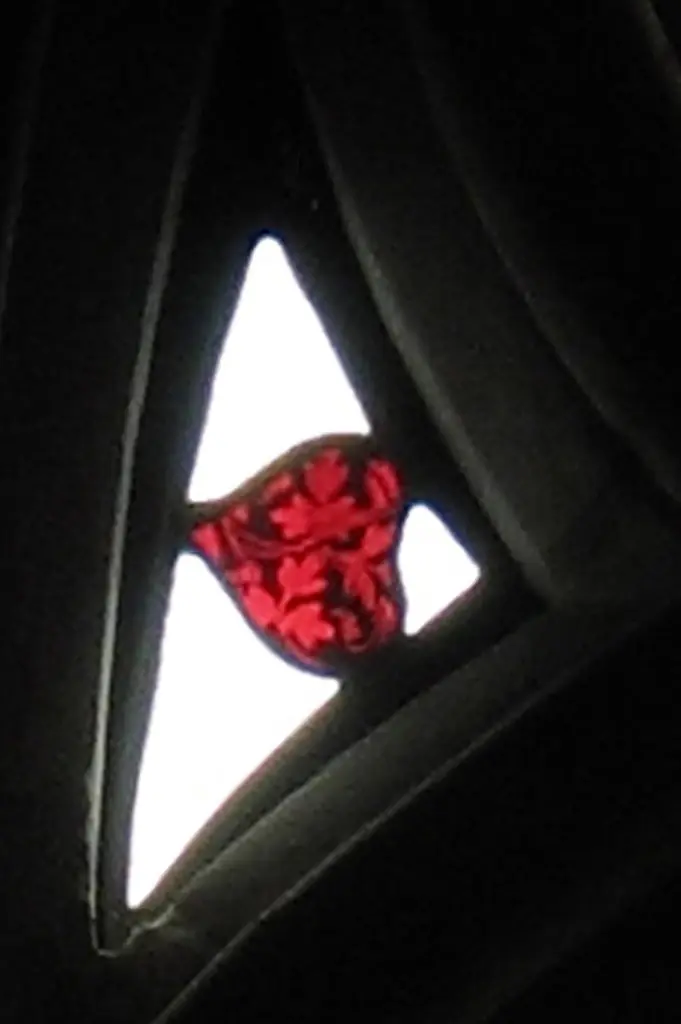
Triangular-shaped Tracery Light
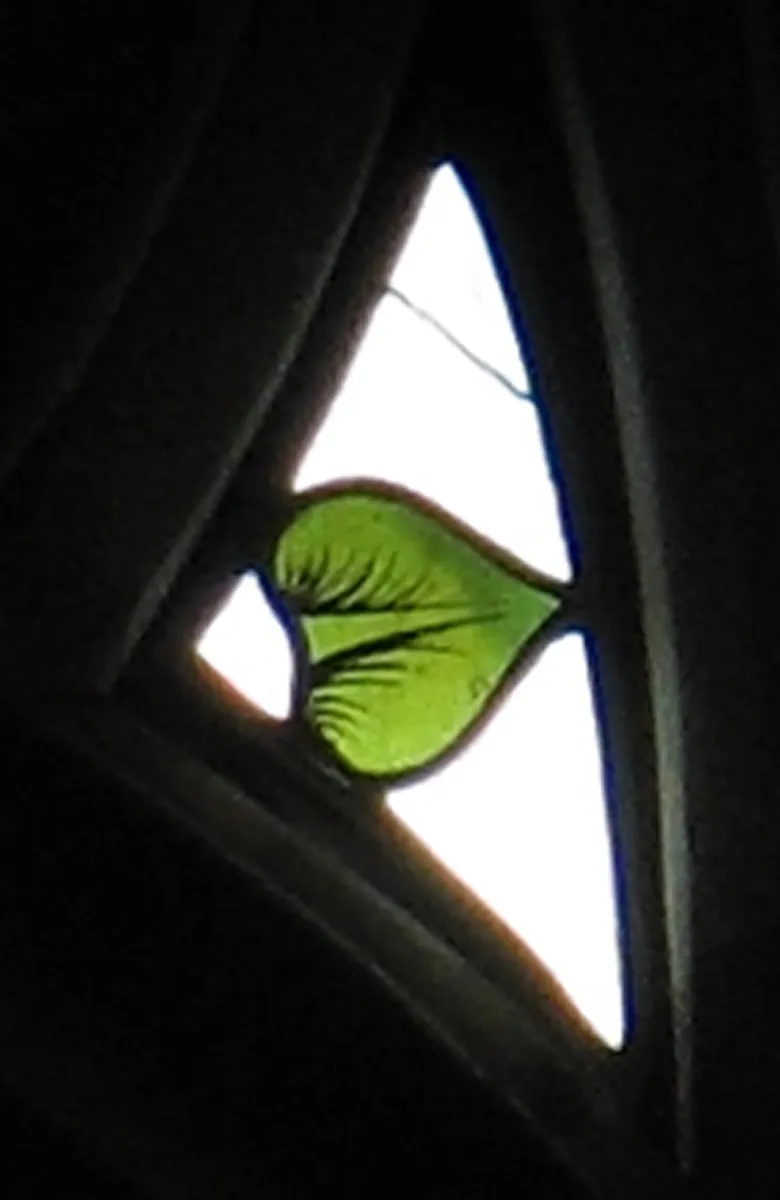
Triangular-shaped Tracery Light is an unspecified painting. It dates from 1350 and is held in the collection of the Metropolitan Museum of Art.
About this work
Technique & Style
Created around 1350, this work is classified as a painting executed on a support that forms a distinct triangular shape, characteristic of a tracery light.
Created around 1350, this work is classified as a painting executed on a support that forms a distinct triangular shape, characteristic of a tracery light. The piece measures 27.6 cm in height and 11.4 cm in width. Attributed to an anonymous artist, the object's formal qualities are defined by its narrow, pointed geometry, which was likely designed to fit within the architectural framework of a Gothic window. The work is currently held in the collection of the Metropolitan Museum of Art.
History & Provenance
The work was created in 1350 as an anonymous painting now held in the collection of the Metropolitan Museum of Art. It was acquired directly by the museum and remains on public view there. No record of a specific commission or subsequent ownership transfer is provided in the available documentation.
The Triangular-shaped Tracery Light is held in the collection of the Metropolitan Museum of Art. The work was accessioned under the inventory number 68.224.10. Dating to approximately 1350, this painting is attributed to an anonymous artist within the museum's holdings.
Overview
The work titled “Triangular-shaped Tracery Light” presents a solitary green leaf positioned within a dark, sharply edged triangular aperture. The leaf dominates the composition, its delicate veins barely discernible against a luminous backdrop, while a subtle spill of light suggests an external source above the frame.
Subject & Meaning
By isolating a single leaf against a stark, window‑like opening, the painting emphasizes the contrast between vitality and darkness. The green hue of the leaf draws the eye, evoking themes of renewal or natural resilience within an otherwise muted environment.
Context
The visual language of the painting aligns with historic church stained‑glass traditions, where colored panes were used to admit and modulate light. By translating this aesthetic into a painted medium, the work bridges decorative religious art and modern representational practice.
Artist & collection