Artwork
Virgin and Child
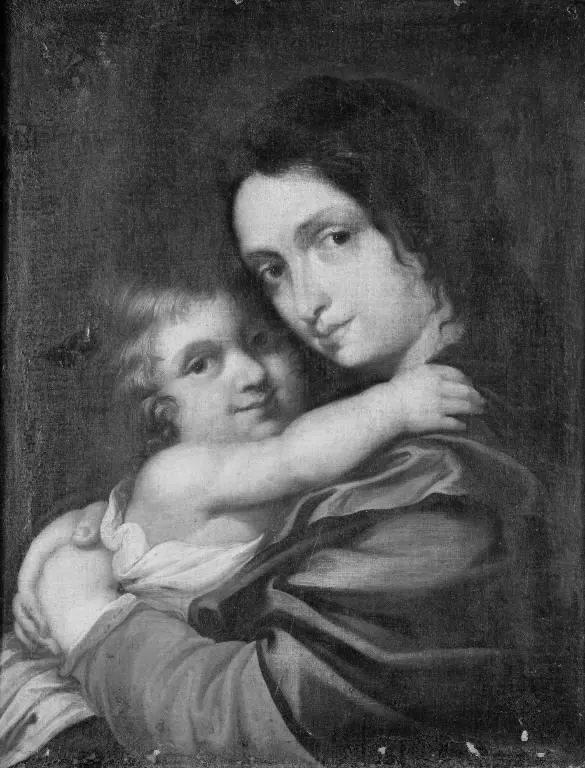
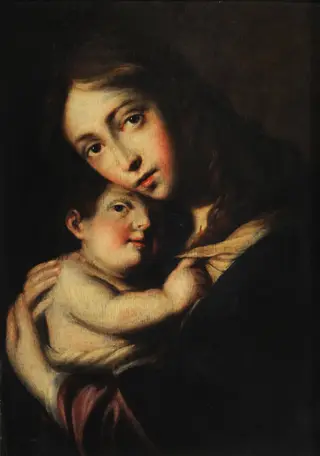
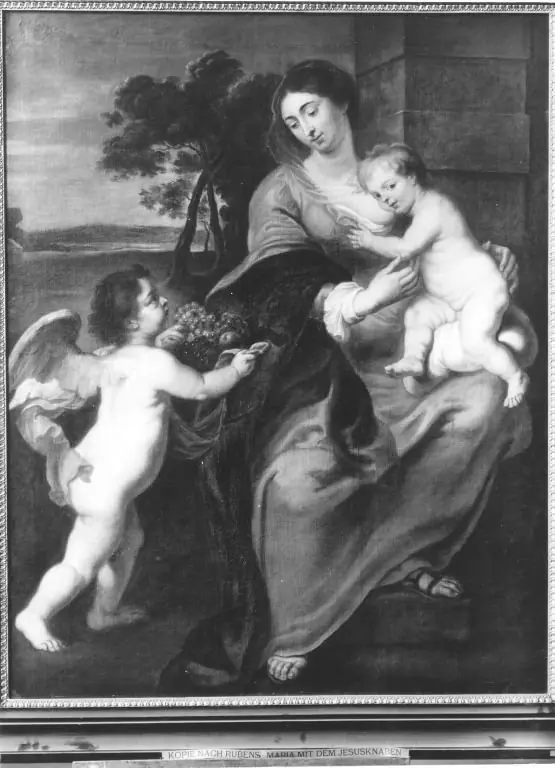
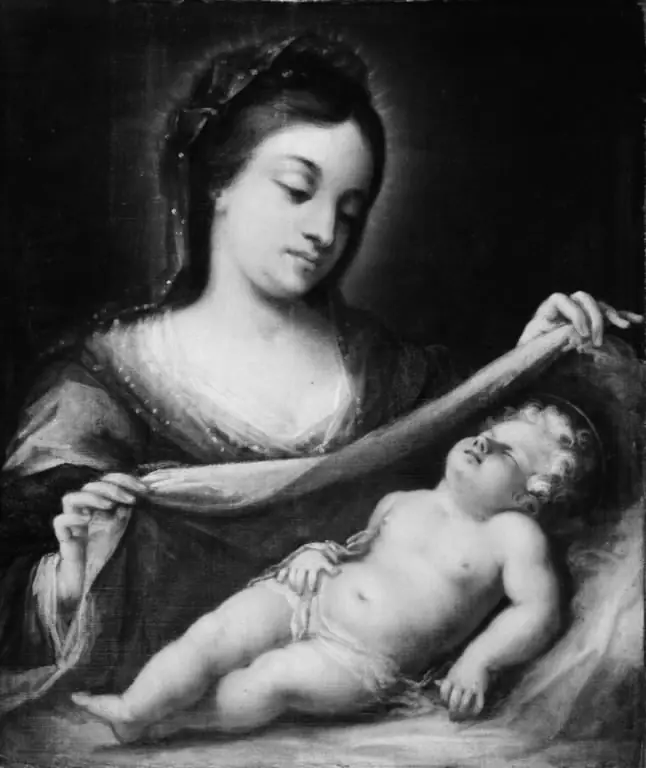
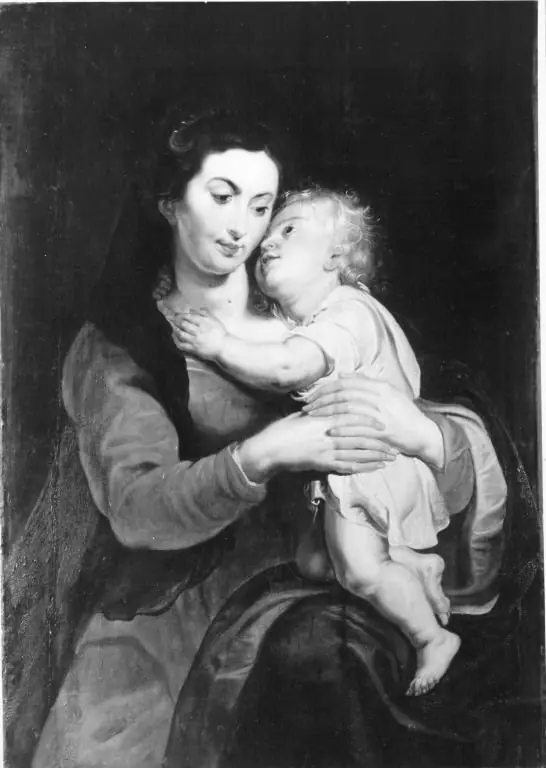
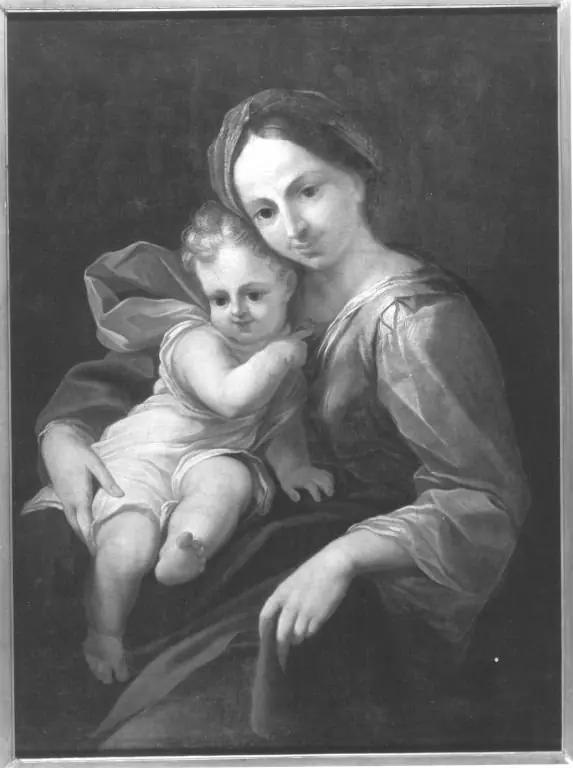
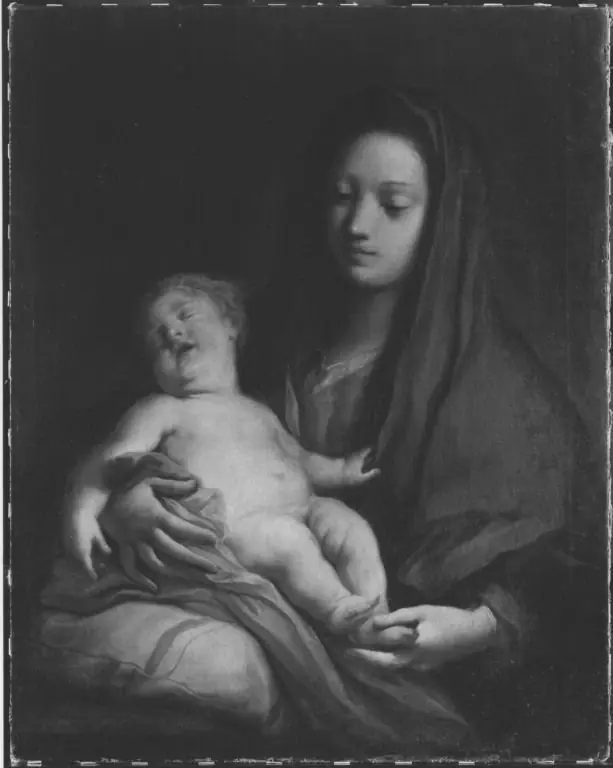
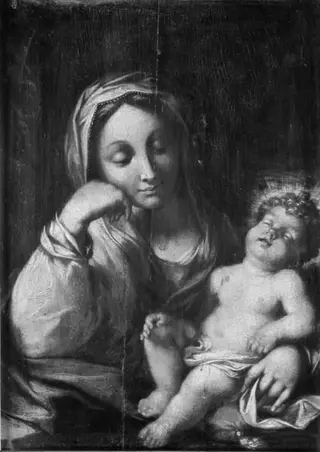
Virgin and Child is an oil painting. It dates from 1636 and is held in the collection of the Statens Museum for Kunst. The work depicts a seated woman cradling a young child, their bodies turned toward one another.
About this work
Subject & Meaning
The work portrays the Virgin Mary holding the infant Christ, embodying the traditional Madonna and Child motif central to Catholic devotional imagery.
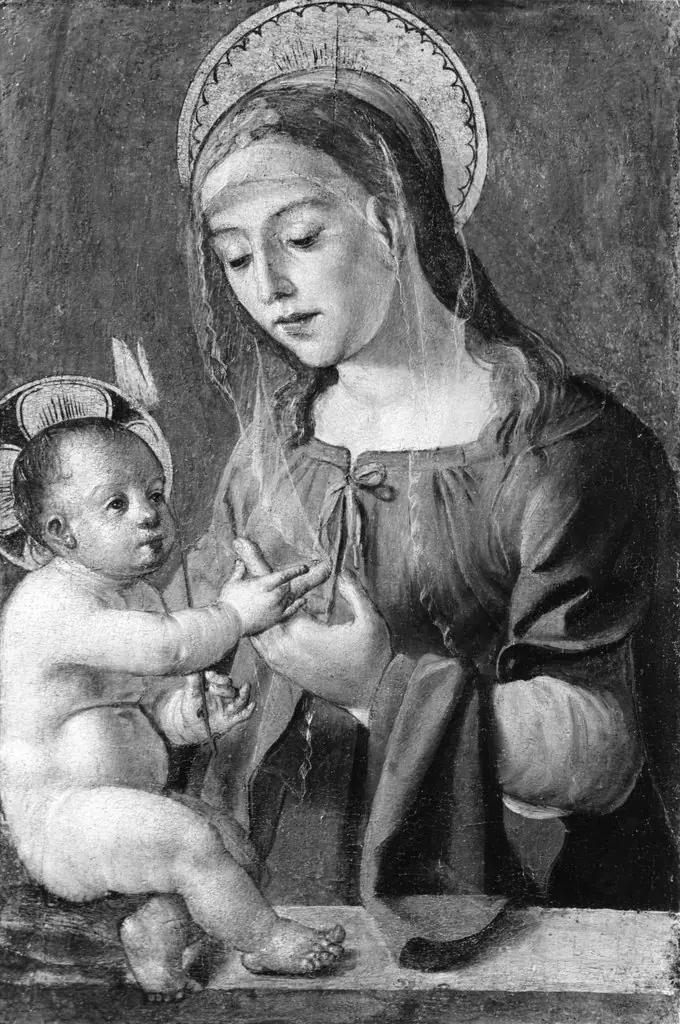
The work portrays the Virgin Mary holding the infant Christ, embodying the traditional Madonna and Child motif central to Catholic devotional imagery. The composition emphasizes maternal tenderness through the close physical connection between figures, reflecting Counter-Reformation ideals of personal piety and spiritual intimacy. Symbolically, Mary's role as intercessor and protector is reinforced through her protective embrace, while the Christ Child's gesture of blessing signifies his divine authority from an early age.
Technique & Style
The work is executed in oil paint on canvas, a standard support for seventeenth-century Italian devotional paintings. According to the catalogue record, the medium is classified simply as oil paint, with canvas serving as the support. The painting measures 630 mm in height by 495 mm in width, giving it a tall, vertically oriented format suited to the Madonna and Child subject.
Stylistically, it belongs to the tradition of Italian religious art of the period, depicting the Virgin Mary with the Christ Child as its main subject. No further details regarding handling, brushwork, condition, or stylistic attribution are recorded in the available sources.
History & Provenance
The work titled Virgin and Child, attributed to an unknown artist, was created in 1636 using oil paint on canvas. It measures 630.0 cm in height by 495.0 cm in width and depicts the Madonna and Child. The painting is part of the collection at the Statens Museum for Kunst, where it remains on display.
Its provenance and creation history are documented through its classification as a 17th-century religious artwork, with its inception recorded in 1636.
The piece was produced in the mid-17th century as part of a religious artistic tradition, reflecting devotional practices of the period. Its authorship remains unidentified, consistent with numerous works of the era that prioritized iconographic expression over individual attribution. The work was formally cataloged within the museum's collection under the designation KMS3032, affirming its institutional recognition and preservation.
Overview
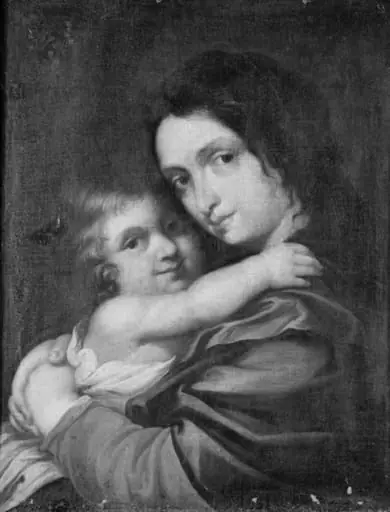
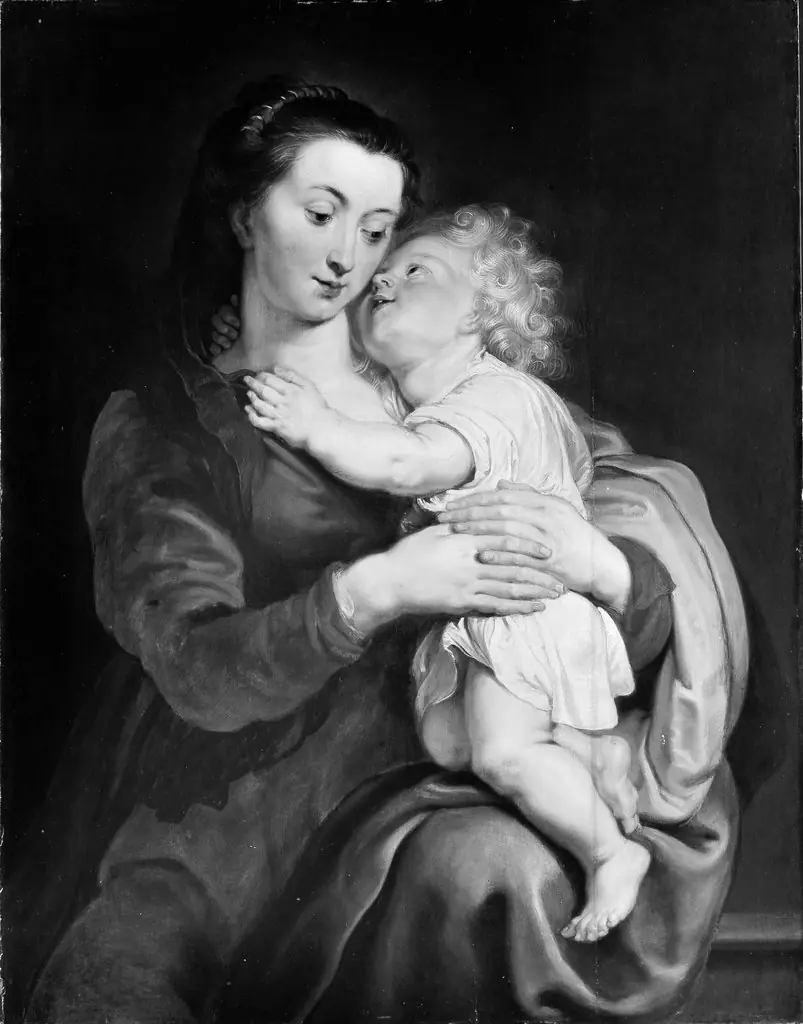
The work depicts a seated woman cradling a young child, their bodies turned toward one another. The woman's arm encircles the child's back, and both figures are illuminated against a deep, shadowed backdrop, which accentuates the calm expression on the woman's face and the gentle gaze of the child.
Context
The painting belongs to a tradition of devotional imagery that foregrounds the human connection between mother and child. Its restrained palette and emphasis on light and shadow align it with Baroque sensibilities, where dramatic illumination serves to draw attention to emotional depth rather than ornamental detail.
Artist & collection