Artwork
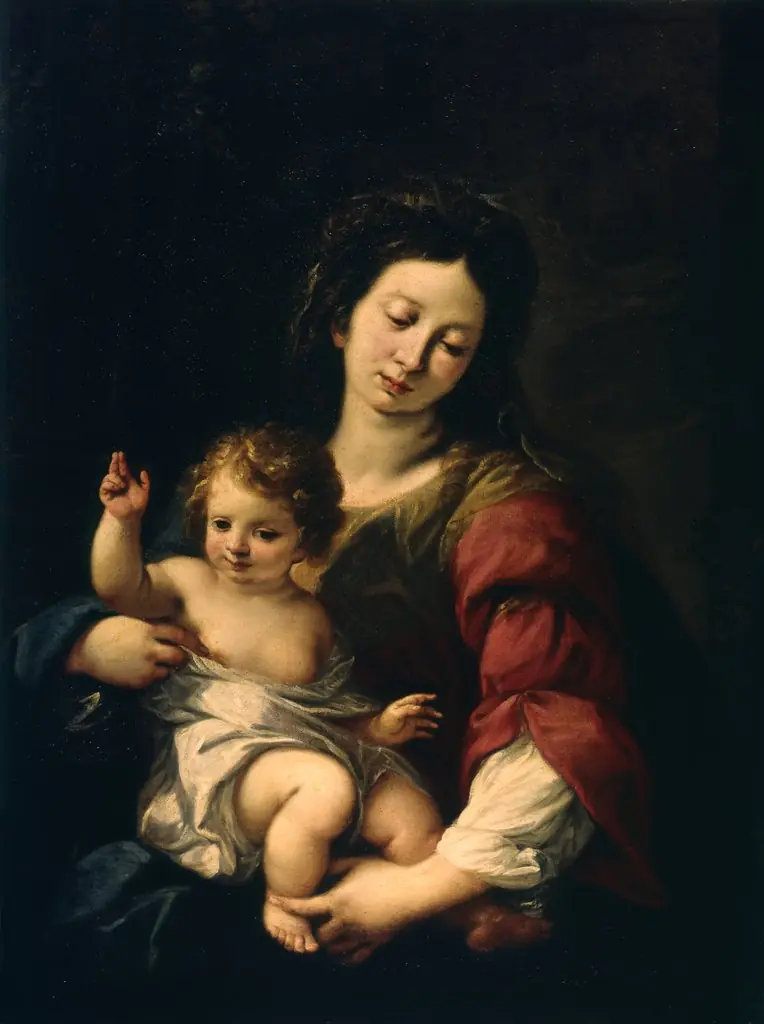
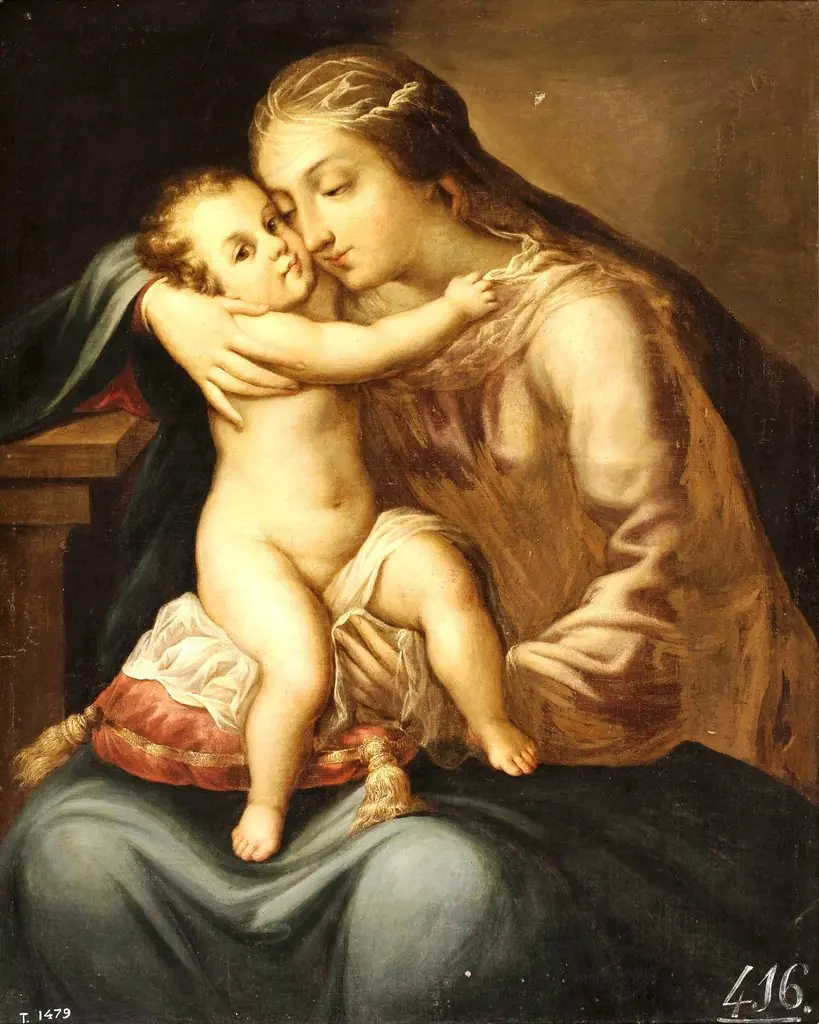
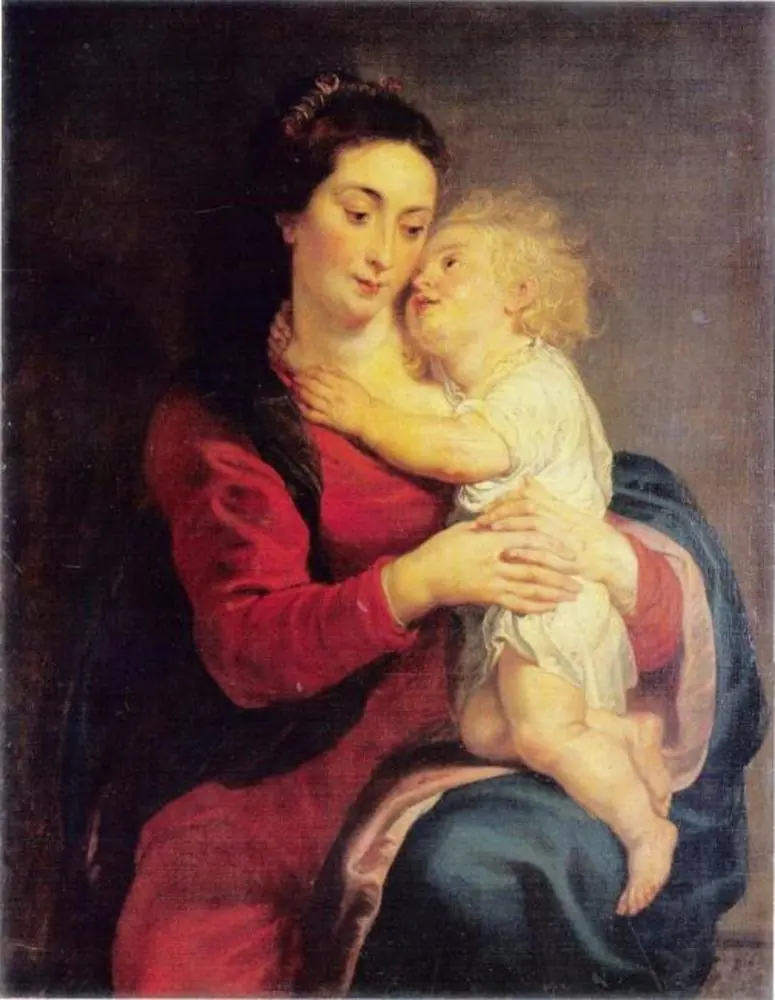
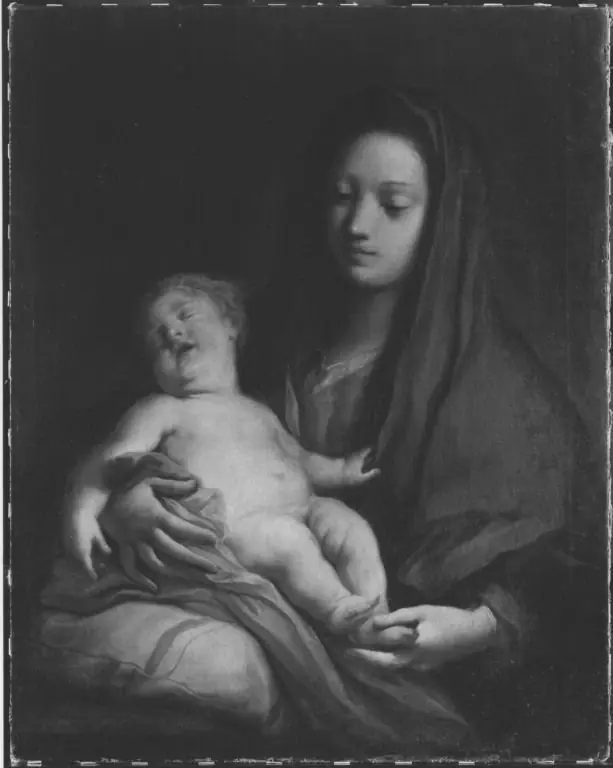
Virgin and Child
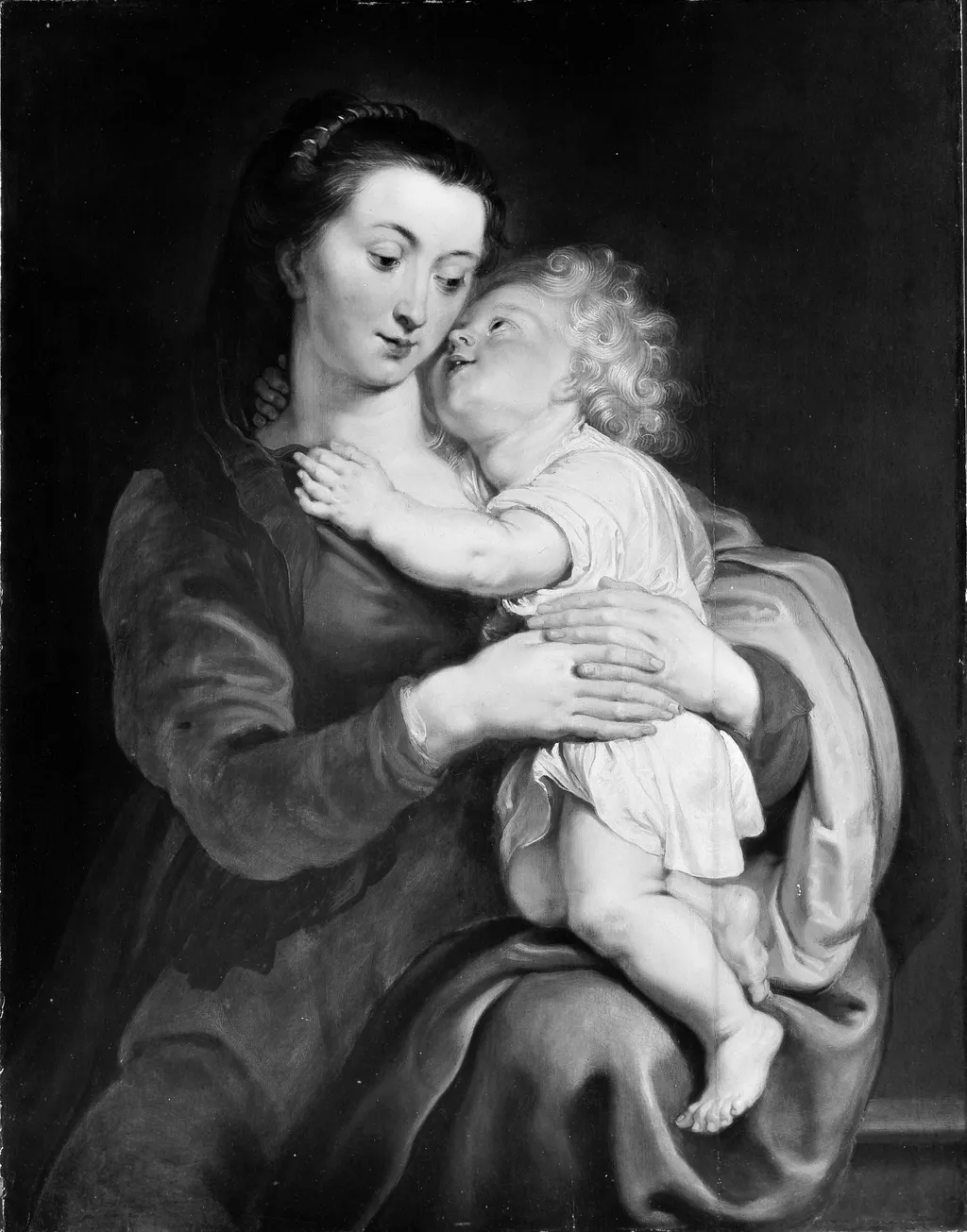
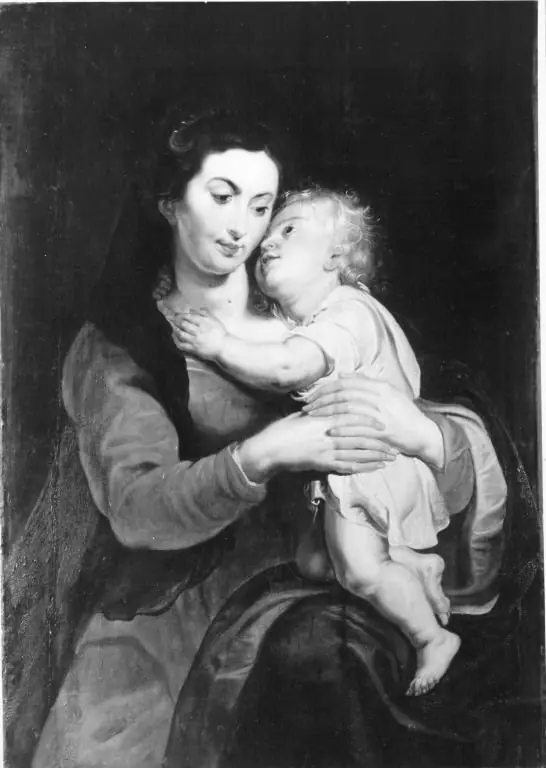
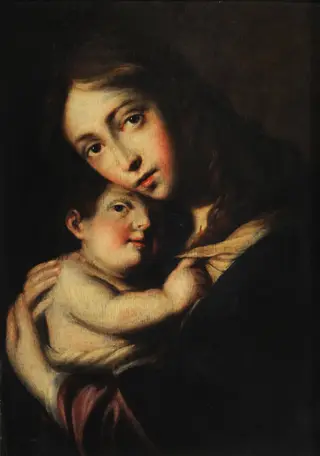
Virgin and Child is an oil painting by the Early Baroque Italian artist Peter Paul Rubens. It dates from 1618 and is held in the collection of the Metropolitan Museum of Art.
About this work
Subject & Meaning
According to the cataloguing, the work portrays Mary and the Christ Child, rendered in oil on wood by Peter Paul Rubens in 1618.
The painting depicts the Madonna and Child, a devotional subject central to Christian religious art. According to the cataloguing, the work portrays Mary and the Christ Child, rendered in oil on wood by Peter Paul Rubens in 1618. Its main subject is identified as the Madonna and Child, and the imagery belongs to the tradition of religious art focused on the Virgin's maternal role and the Incarnation.
The composition presents the Virgin with the infant Jesus, an iconographic pairing that traditionally signifies divine motherhood, the humanity of Christ, and maternal tenderness, themes that resonated across Counter-Reformation devotional painting of the early seventeenth century.
Technique & Style
The work is an oil painting executed on a wooden panel, as indicated by the material description in the Wikidata entry, which lists 'oil paint, wood' and identifies the work as a painting. Its support is therefore a wood panel. The painting measures 101 cm in height by 77.2 cm in width and was created in 1618. It portrays the Virgin and Child in a conventional devotional composition, classified as religious art.
History & Provenance
The Virgin and Child was produced in 1618, executed in oil on wood and attributed to Peter Paul Rubens, with the Wikidata entry also describing it as a work of the Workshop of Peter Paul Rubens. The documented ownership chain begins with Bernard du Bus de Gisignies, after which the panel passed through the collections of Charles Sedelmeyer, Maurice Kann, and Michael Friedsam before entering the Metropolitan Museum of Art as part of the Michael Friedsam Collection. Its exhibition history includes The Michael Friedsam Collection and the Loan Exhibition of Forty-three Paintings by Rubens and Twenty-five Paintings by Van Dyck, as well as later displays such as Old Masters from the Metropolitan, European Masters of the XVII and XVIII Centuries, and Metropolitan Museum Masterpieces.
Legacy
The work's enduring reputation stems from its inclusion in prominent museum displays and scholarly catalogues. After its creation in 1618, the painting entered the collection of Michael Friedsam and later passed through several notable owners before accession by the Metropolitan Museum of Art, where it has been featured in multiple exhibitions, including the Michael Friedsam Collection loan show and various Old Masters presentations. These exhibitions, alongside its classification as a Rubens religious work, have reinforced its status as a benchmark of early Baroque Marian imagery and continue to shape its legacy in art historical discourse.
Overview
Peter Paul Rubens, a prominent Flemish artist, completed Virgin and Child in 1618. This painting, executed on wood, presents the traditional subject of the Madonna and Christ Child. It exemplifies the early Baroque style, characterized by its dramatic intensity and emotional depth, reflecting Rubens's significant contributions to the Flemish Baroque tradition. The work is held in the collection of The Metropolitan Museum of Art.
Context
As a leading figure in the Flemish Baroque, Rubens frequently engaged with both classical and Christian narratives, aligning his art with the Counter-Reformation's call for emotionally resonant religious imagery. His diplomatic career also broadened his artistic horizons, contributing to a style that synthesized Italian Baroque grandeur with Northern European realism. This painting reflects the period's emphasis on accessible and moving devotional art.
Own this work as a print
Artist & collection
Artist
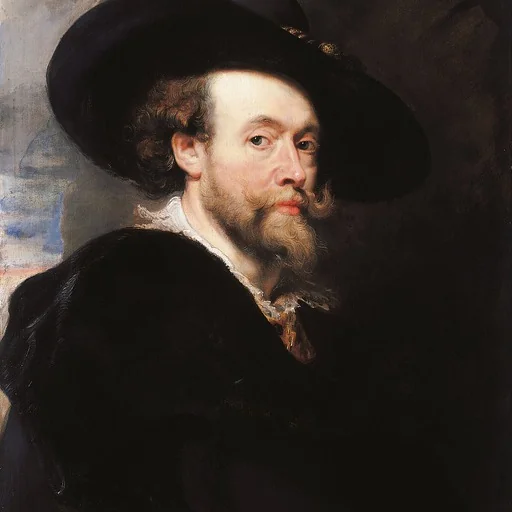
Sir Peter Paul Rubens ( ROO-bənz; Dutch:; 28 June 1577 – 30 May 1640) was a Flemish artist and diplomat.