Artwork
Vrouw uit Graft
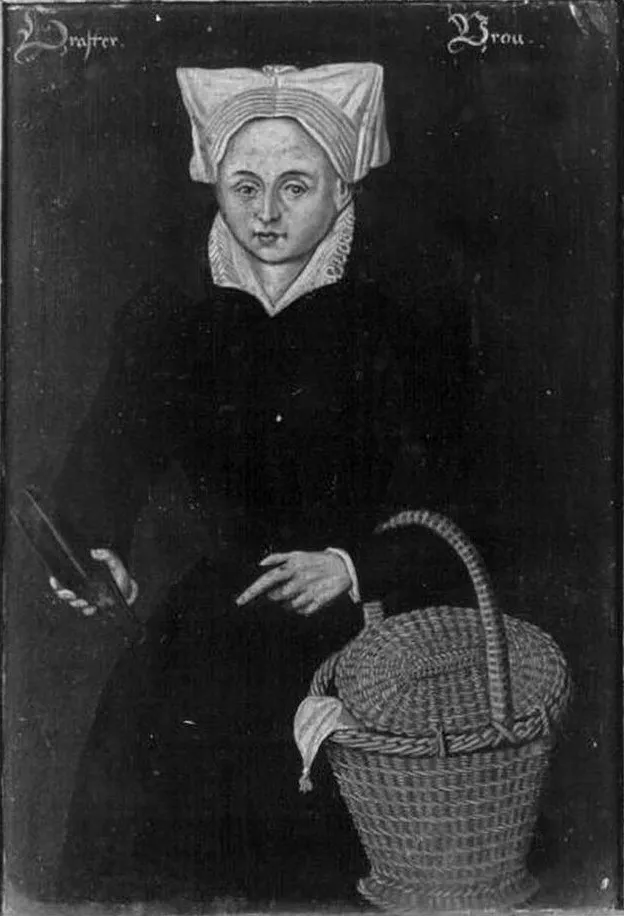
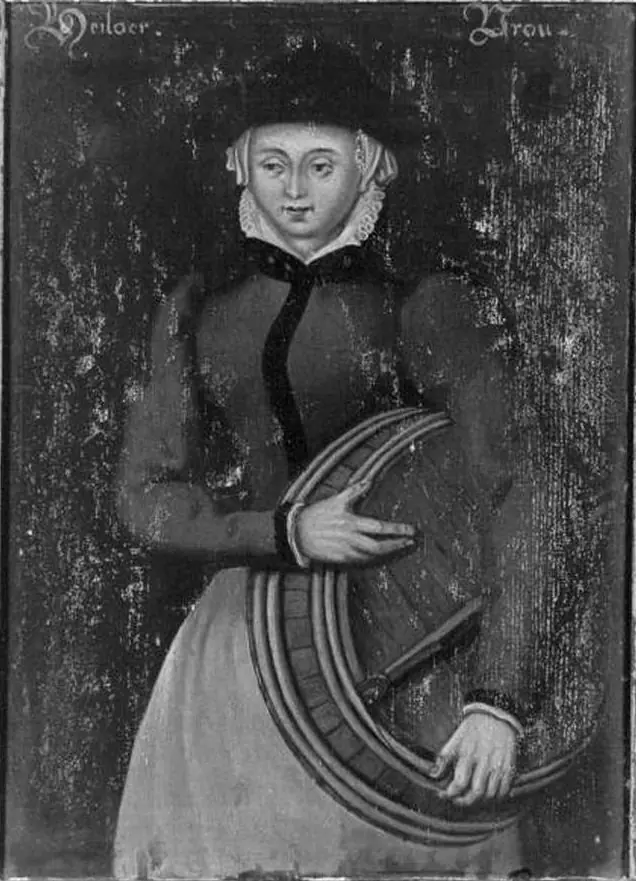
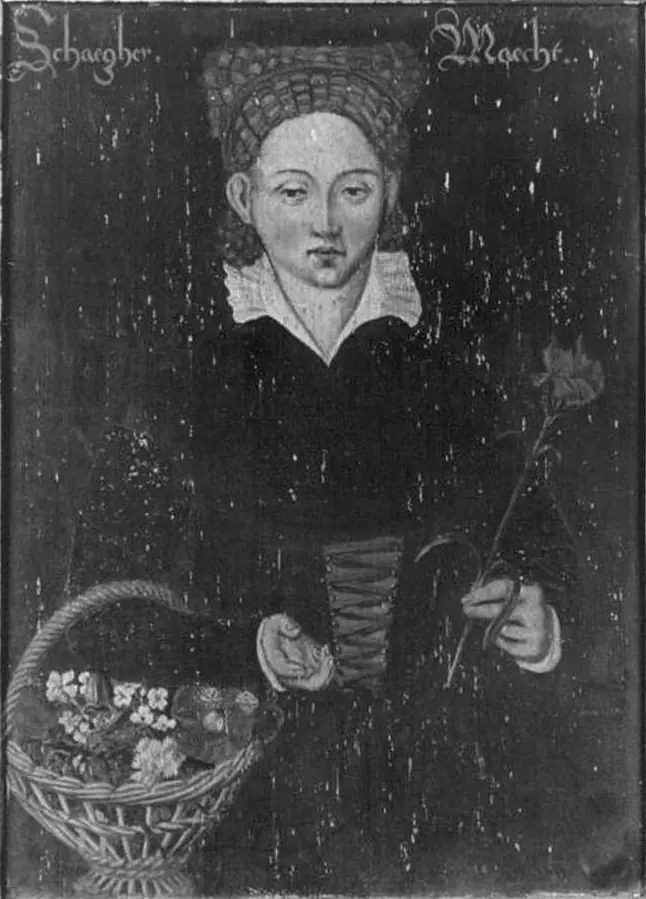
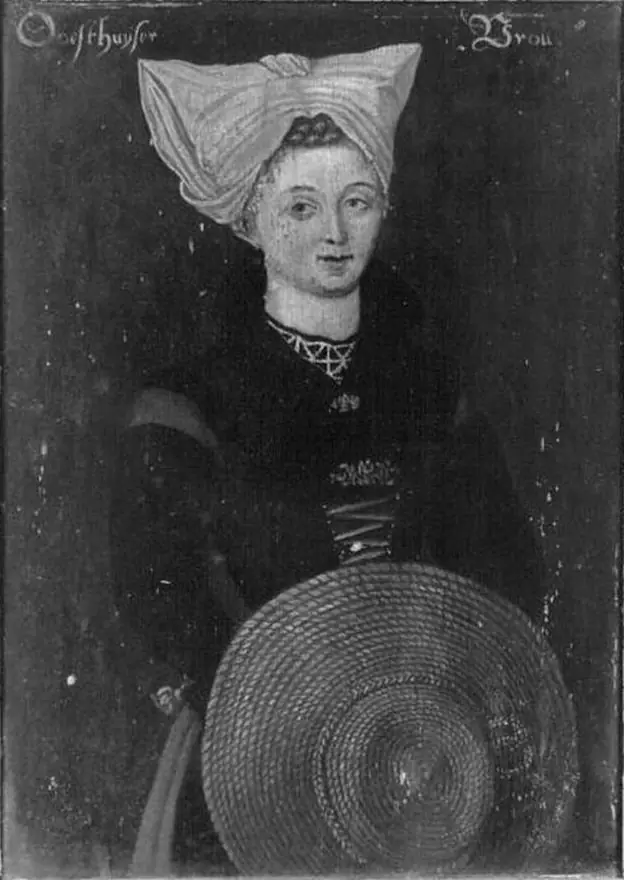
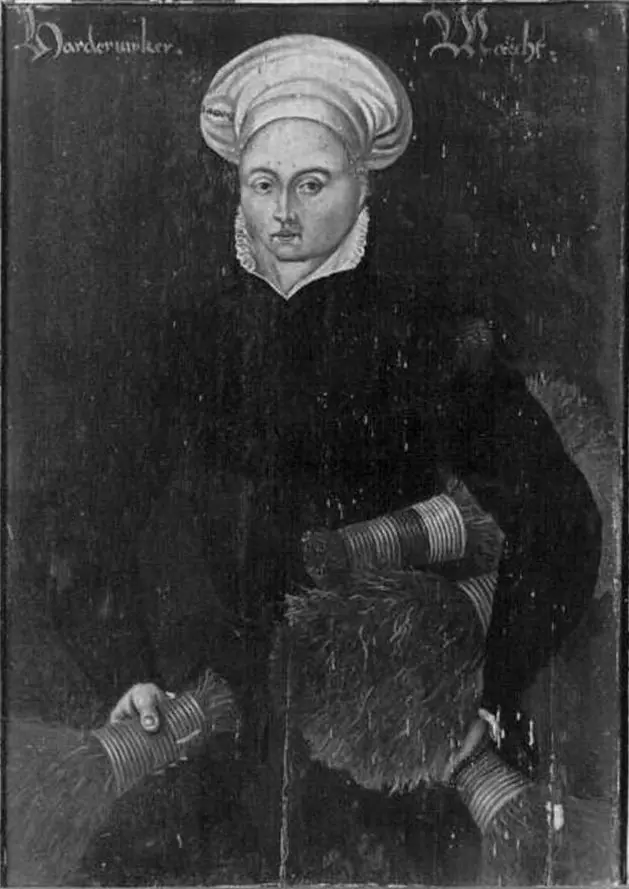
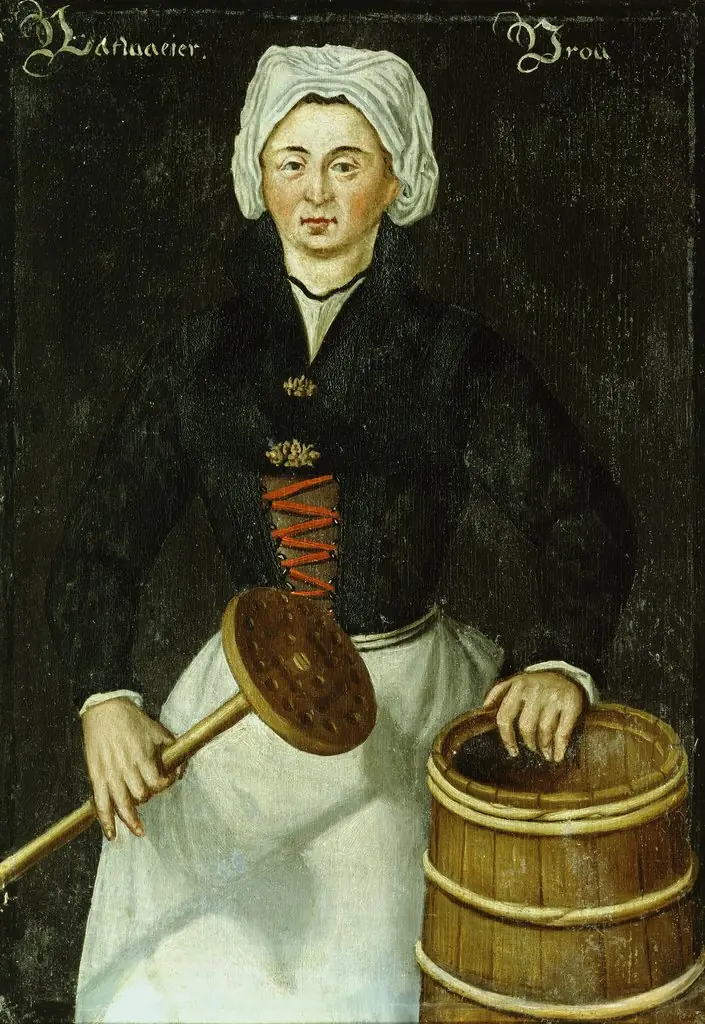
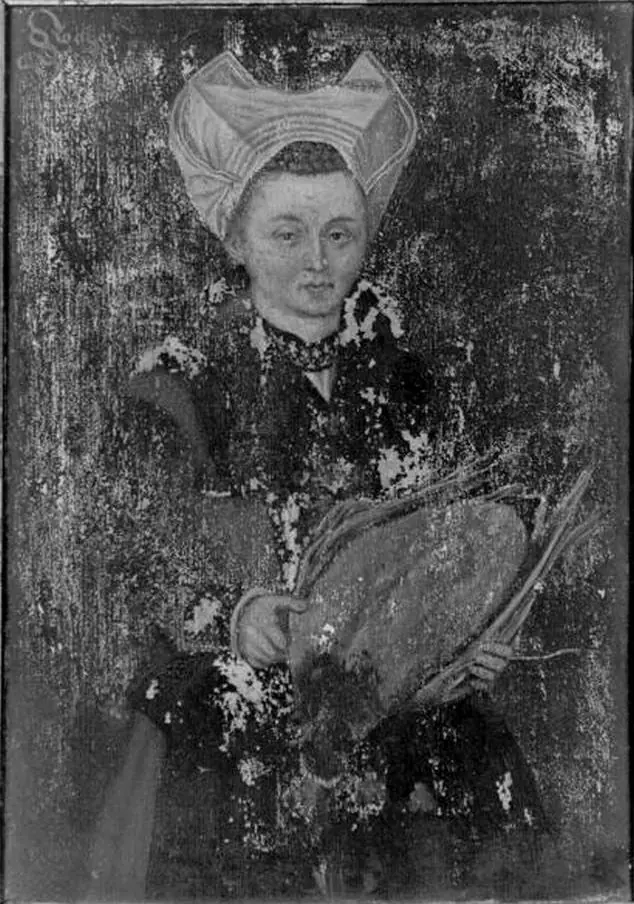
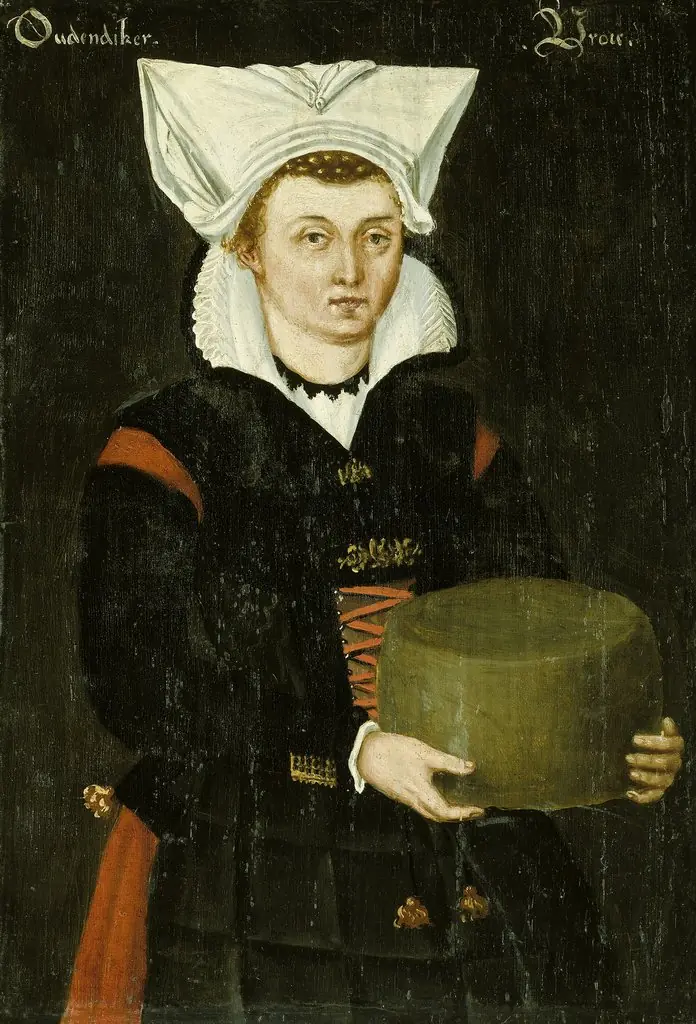
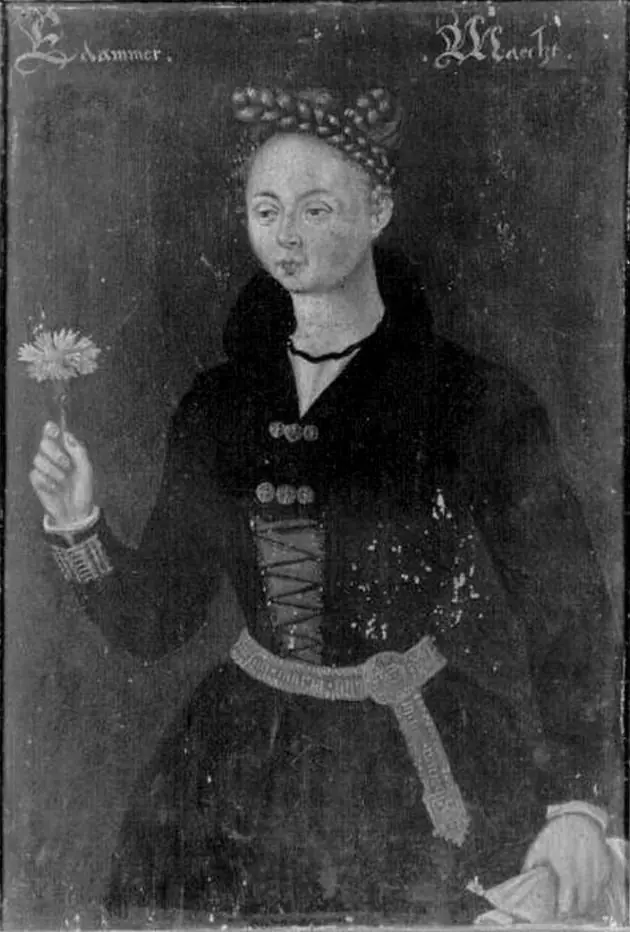
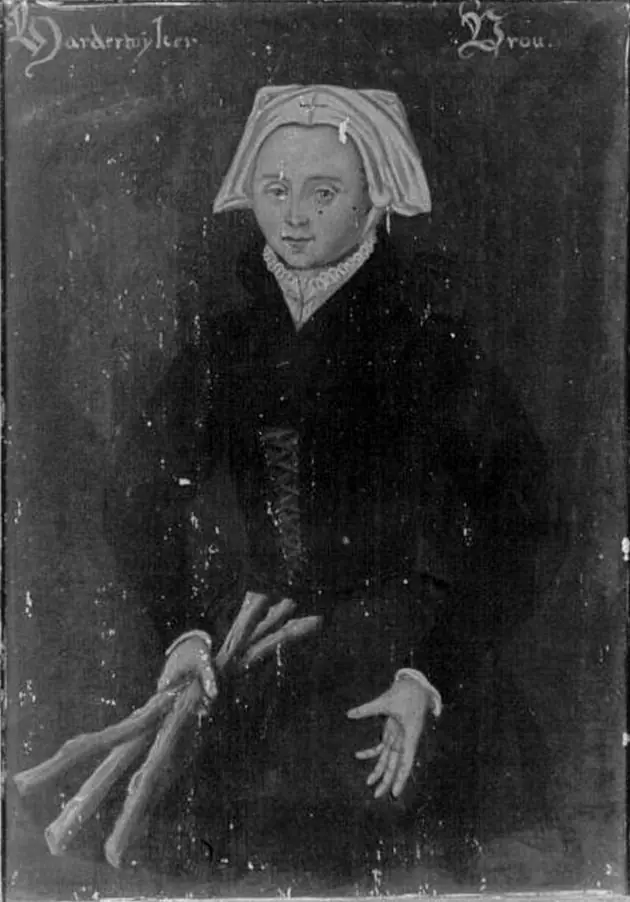
Vrouw uit Graft is an oil painting. It dates from 1550 and is held in the collection of the Rijksmuseum. The oil painting depicts a Dutch woman in traditional attire, standing before a dark backdrop.
About this work
Technique & Style
The composition remains centered on the bust, emphasizing the frontal pose and direct gaze typical of portrait conventions of the period.
The work is an oil painting on panel, measuring 42 cm in height and 29 cm in width.
The handling is consistent with 16th‑century Northern European portraiture, showing fine brushwork in rendering the sitter’s traditional Dutch costume and restrained modeling of the face. The palette is subdued, with earth tones dominating the attire and a muted background that directs attention to the figure. The composition remains centered on the bust, emphasizing the frontal pose and direct gaze typical of portrait conventions of the period.
History & Provenance
The painting Vrouw uit Graft was created in 1550 as an anonymous oil-on-panel portrait. It depicts a woman wearing traditional Dutch clothing from the region of Graft. The work is currently held in the collections of both the Rijksmuseum and the Bavarian State Painting Collections. No specific commission details or intermediate ownership records are provided in the available documentation.
Overview
The oil painting depicts a Dutch woman in traditional attire, standing before a dark backdrop. She holds a book in her right hand and gestures toward a wicker basket with her left, which bears a handle and a piece of cloth draped over it. The composition is illuminated by a focused light that highlights her figure against the surrounding gloom.
Subject & Meaning
The figure’s attire, a square white headpiece with a lace collar and a high‑necked, long‑sleeved dress, identifies her as a woman of modest, perhaps rural, Dutch society. The presence of a book suggests literacy or piety, while the basket may allude to domestic duties or the provision of goods, underscoring everyday life themes.
Context
The painting reflects 17th‑century Dutch genre conventions that focused on ordinary subjects rendered with meticulous detail. Such works often served both decorative and didactic purposes, illustrating moral virtues through everyday scenes. The dark background aligns with contemporary practices that isolate the main figure, drawing the viewer’s attention to the narrative elements.
Artist & collection