Artwork
Vrouw uit Oosterleek
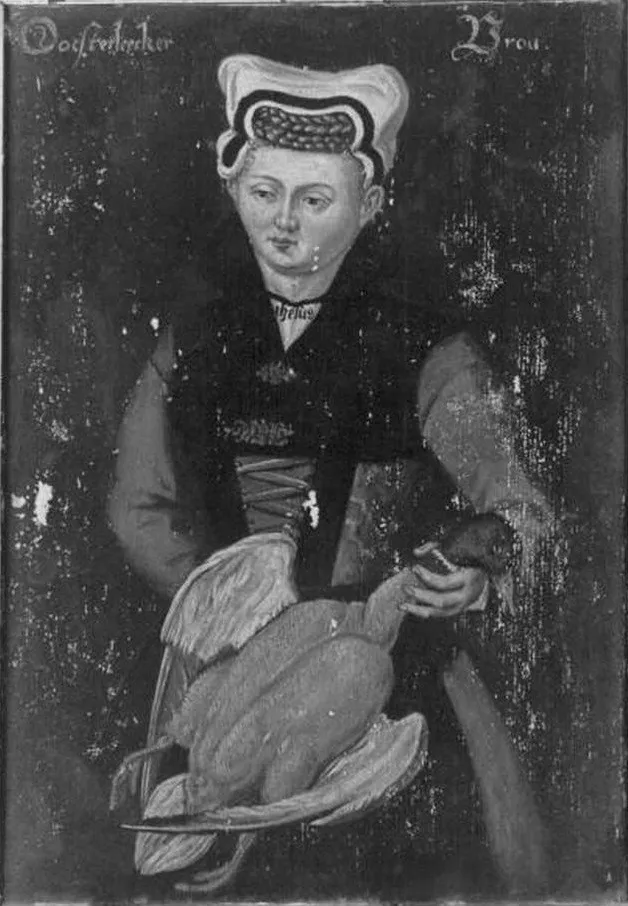
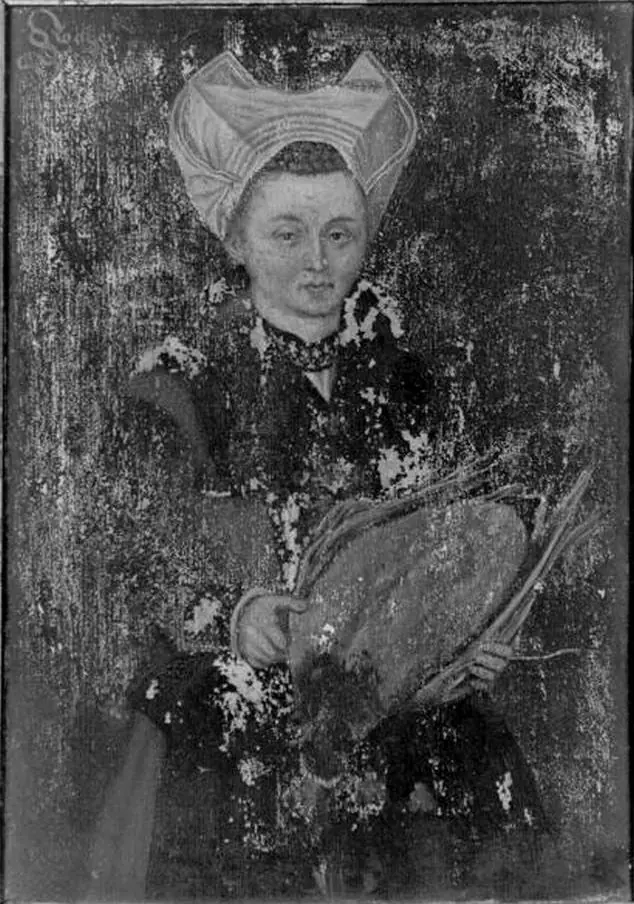
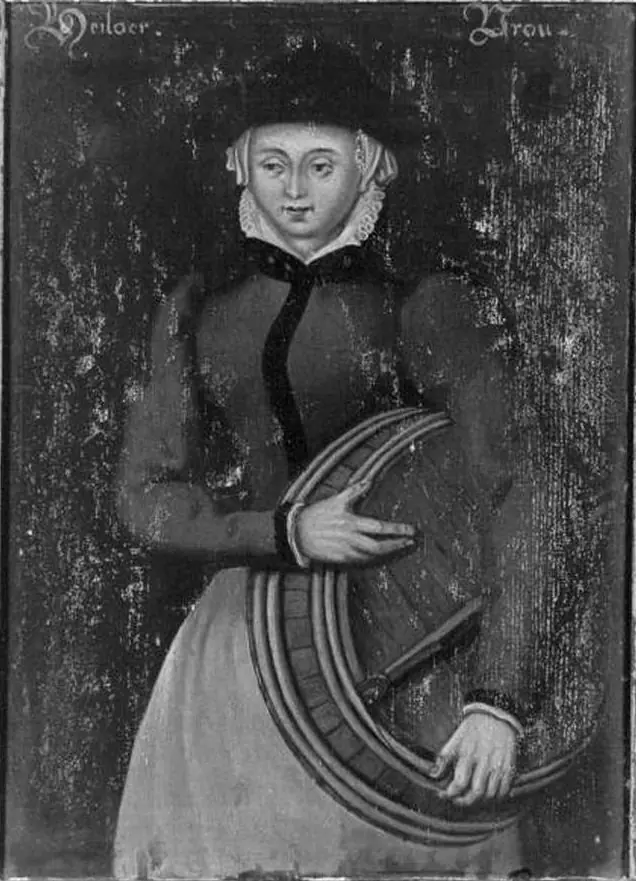
Vrouw uit Oosterleek is an oil painting. It dates from 1550 and is held in the collection of the Rijksmuseum. The canvas portrays a seated woman, positioned rigidly on a chair against a dark, unadorned backdrop.
About this work
Subject & Meaning
The subject is presented in a straightforward manner, emphasizing the distinctive attire associated with her cultural context.
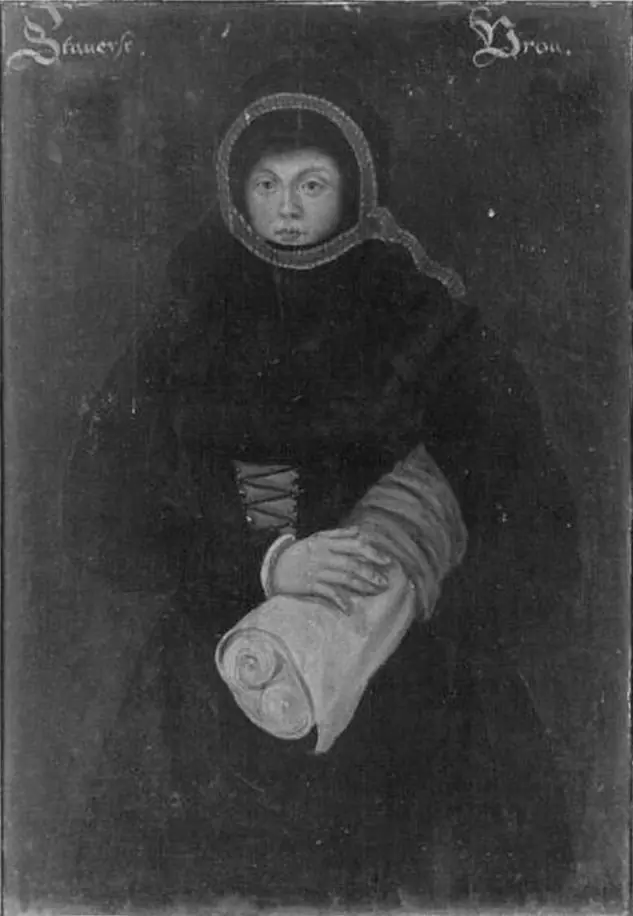
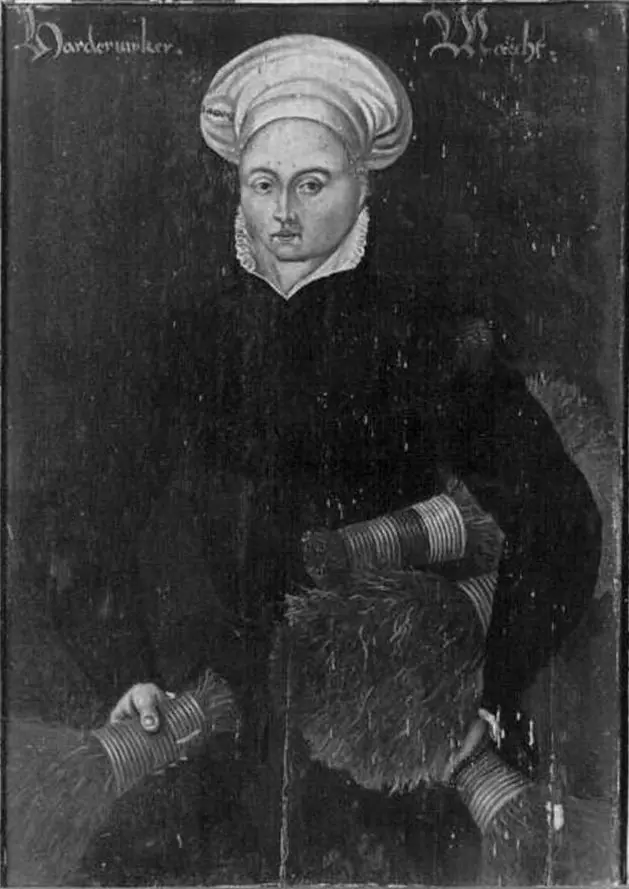
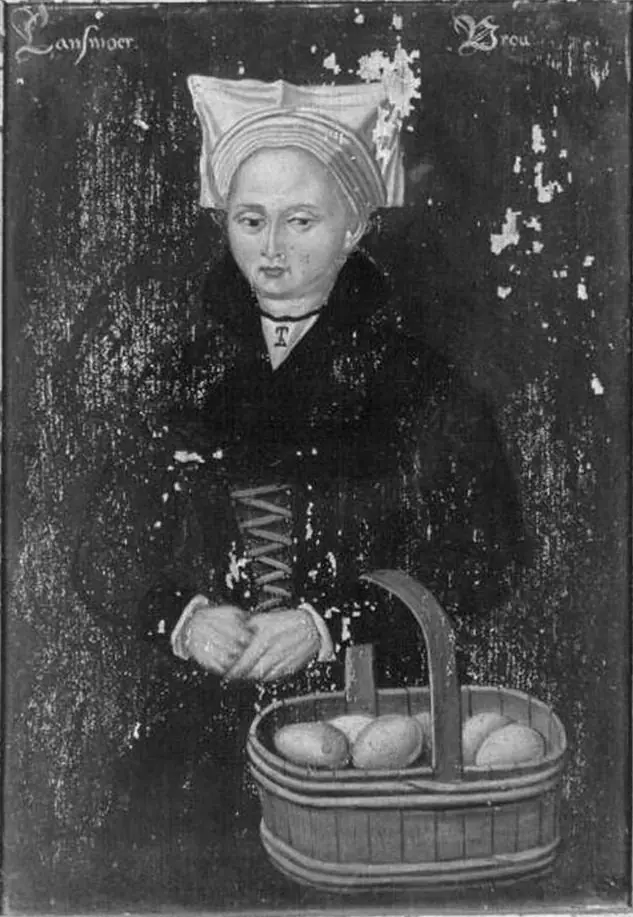
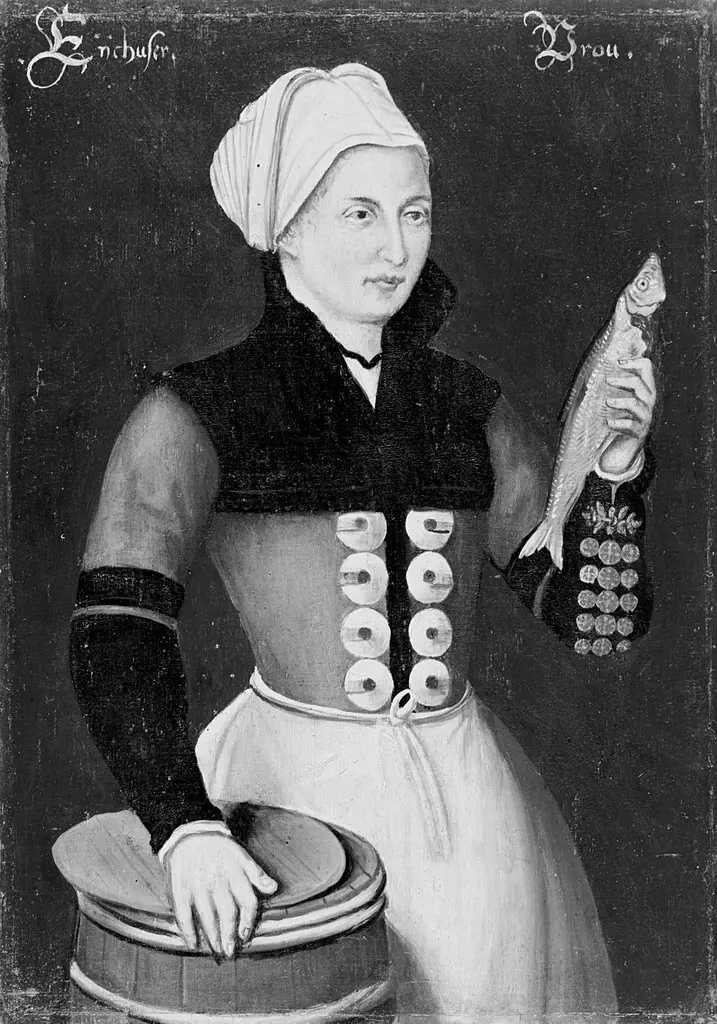
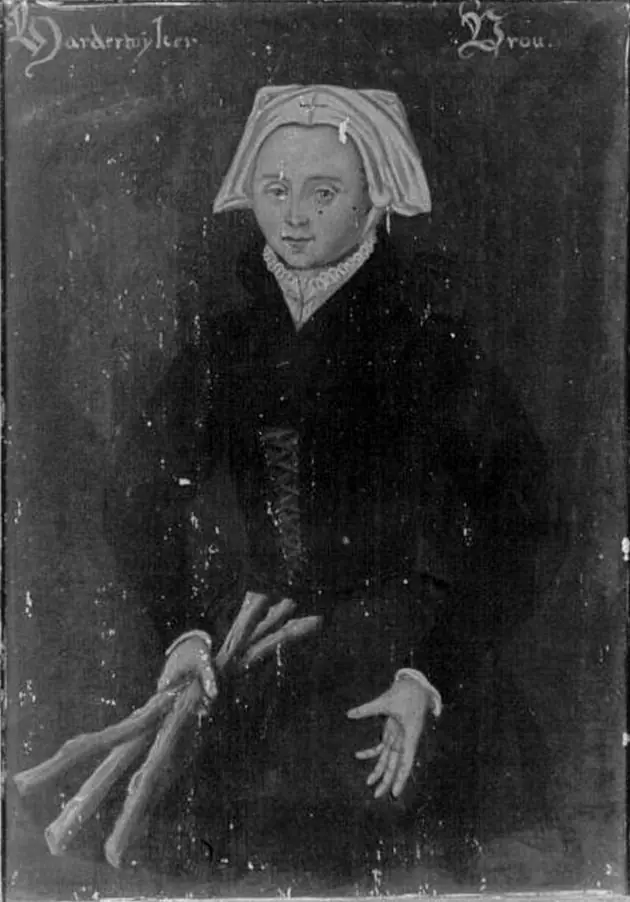
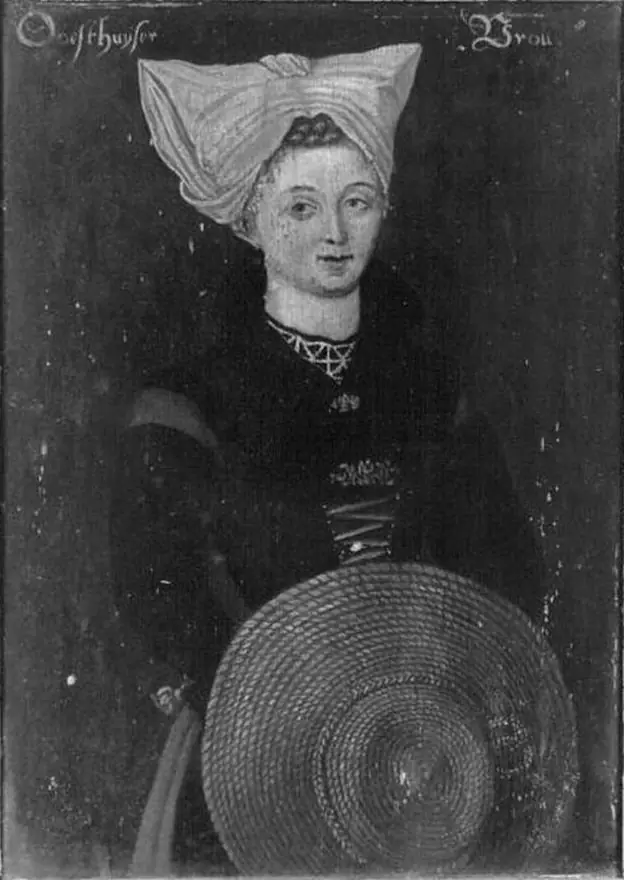
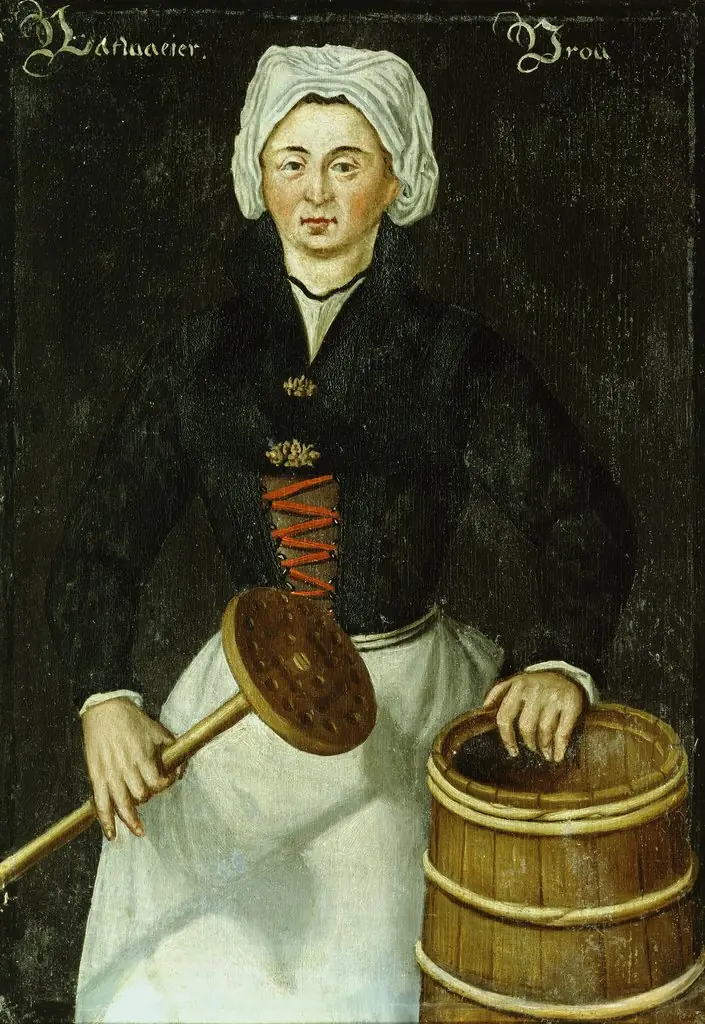
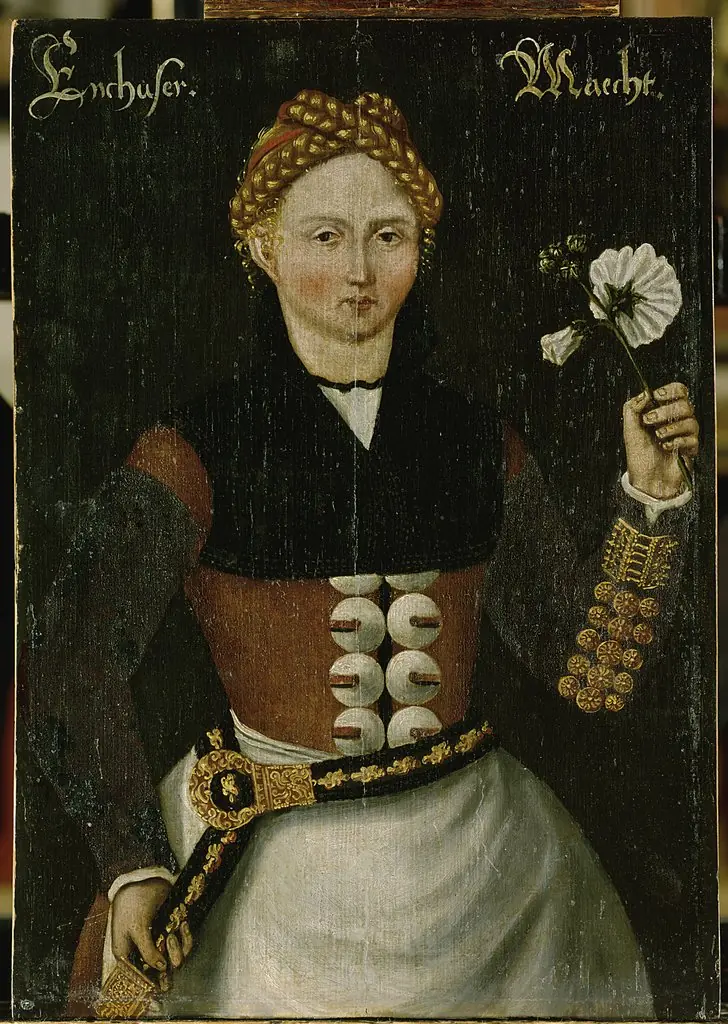
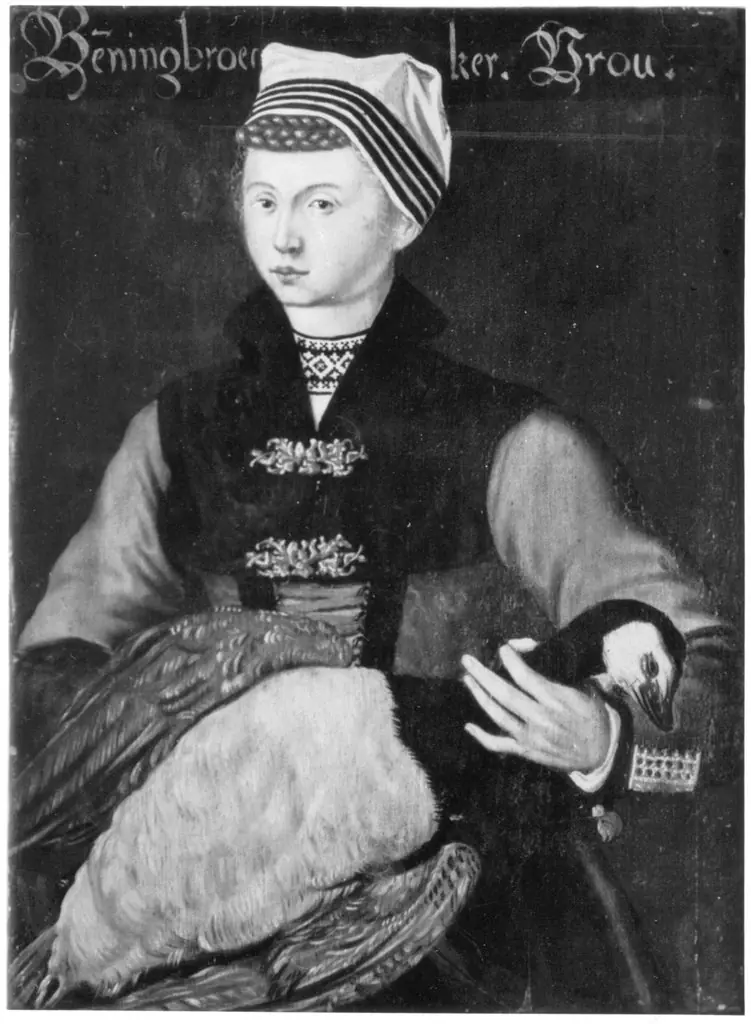
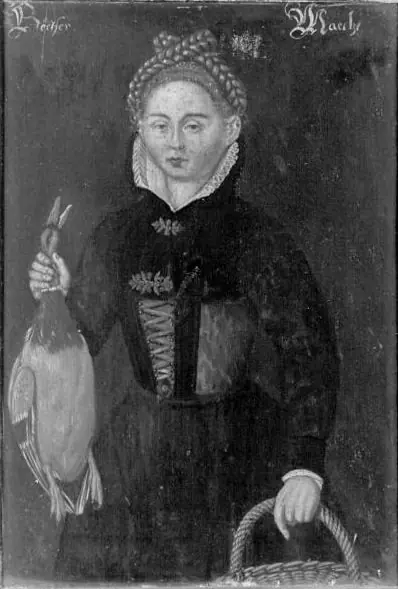
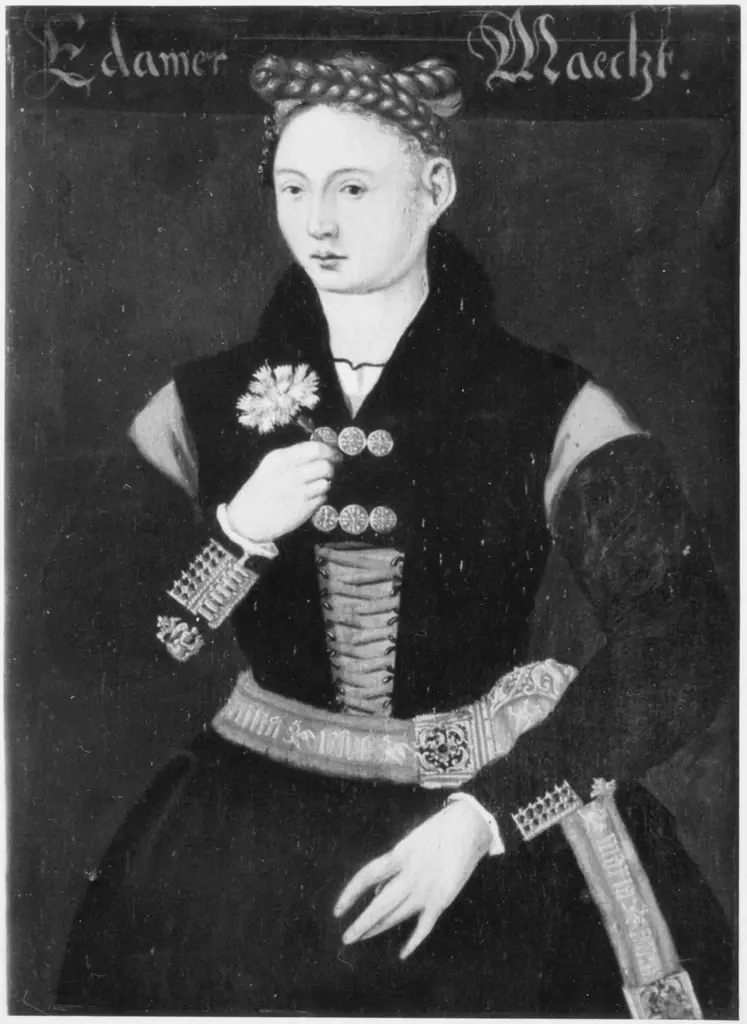
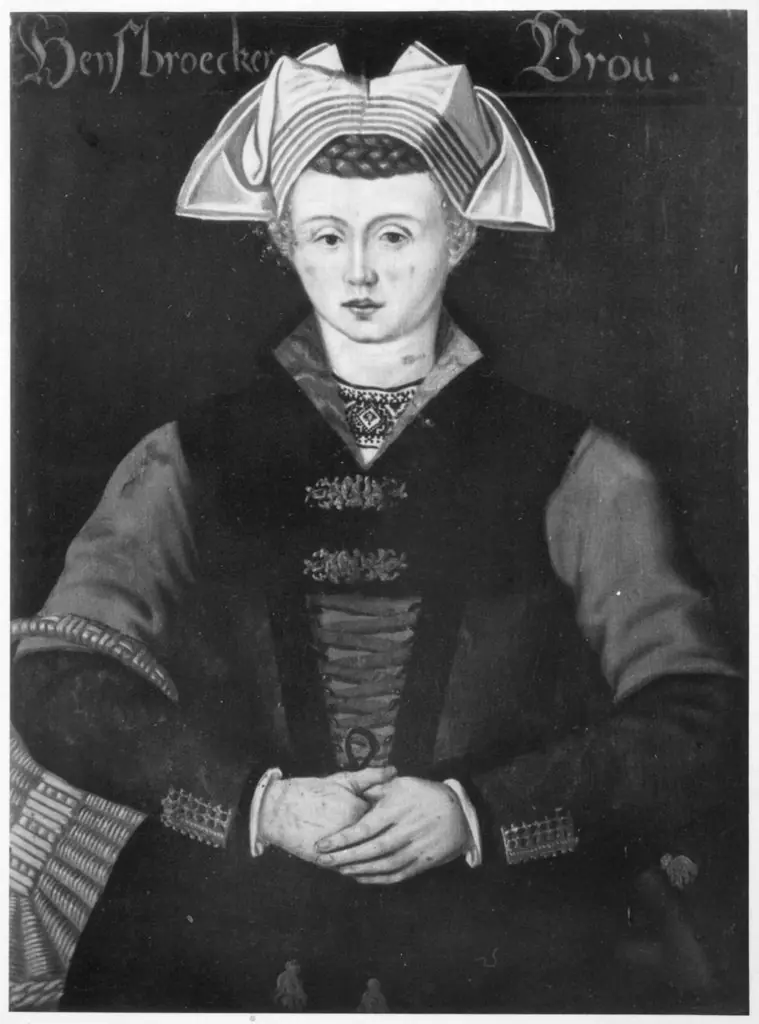
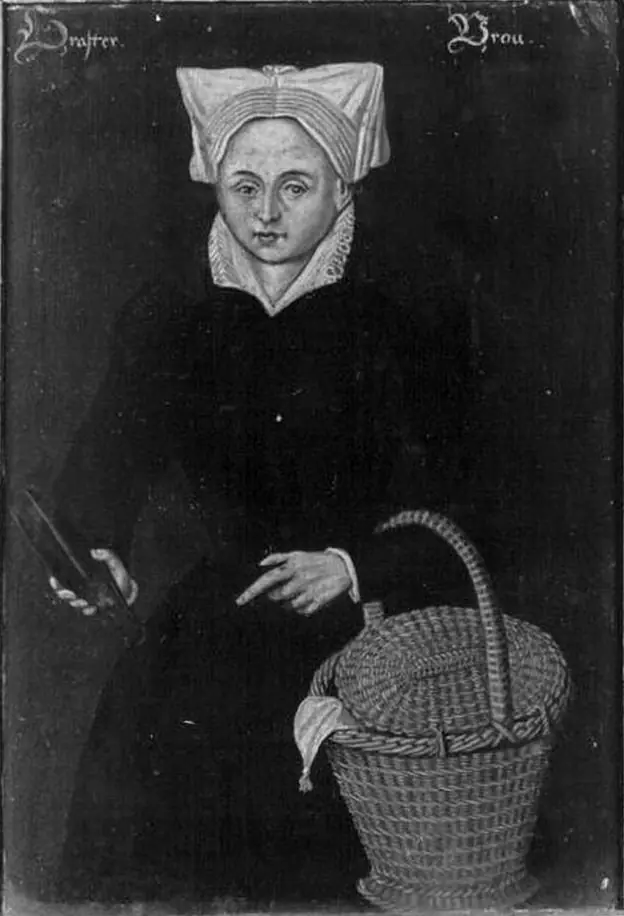
The work is a portrait depicting a woman wearing the traditional clothing of the Netherlands. Created around 1550, the painting serves as a visual record of regional dress from that period rather than focusing on a specific named individual, as the artist remains anonymous. The subject is presented in a straightforward manner, emphasizing the distinctive attire associated with her cultural context. This focus on costume highlights the significance of local identity and fashion in sixteenth-century Dutch society.
Technique & Style
Vrouw uit Oosterleek is an anonymous oil painting created in 1550 on a wooden panel support. The artwork measures 42 cm in height and 29 cm in width. Executed in the portrait genre, the piece depicts a figure wearing traditional Dutch clothing.
The medium consists of oil paint applied to the panel, a standard technique for portraiture of this period in the Netherlands.
History & Provenance
Vrouw uit Oosterleek is an anonymous portrait dated to 1550, executed in oil on panel. The work depicts a woman wearing traditional Dutch clothing from the region of Oosterleek. No information is available regarding its commission, original patron, or early ownership history.
The painting is recorded as being held jointly by the Rijksmuseum in Amsterdam and the Bavarian State Painting Collections (Bayerische Staatsgemäldesammlungen) in Munich. No further details concerning its acquisition, transfer between these institutions, or prior provenance chain are documented in the available sources.
Overview
The canvas portrays a seated woman, positioned rigidly on a chair against a dark, unadorned backdrop. She dons a sizable dark hat topped with a white veil, a high‑collared black dress, and fur‑trimmed sleeves. One hand clutches a small object while the other rests on her lap, her expression solemn. The overall composition isolates the figure, emphasizing her attire and posture.
Context
The attire, high‑collared black dress, fur‑trimmed sleeves, and veiled hat, aligns with Dutch upper‑class fashion of the 17th to 18th centuries, when such garments signified wealth and propriety. The somber coloration and restrained setting reflect contemporary aesthetic preferences for modesty and formality in portraiture.
Legacy
Although the artist remains unidentified, the painting serves as a visual document of regional dress and social conventions. Its condition, marked by paint loss, offers insight into the material challenges of preserving oil paintings from this period, informing conservation approaches for similar works.
Artist & collection