Artwork
Meisje uit Harderwijk
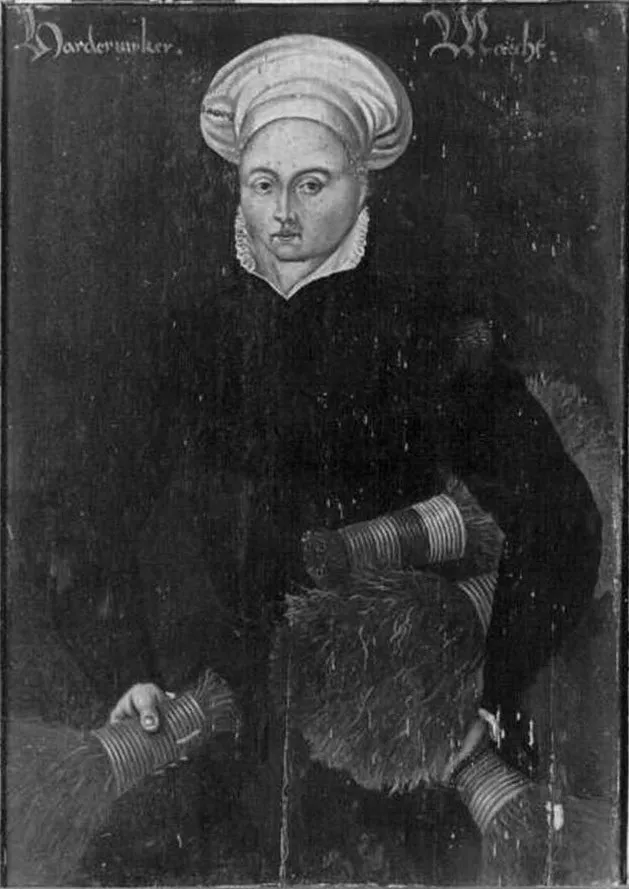
Meisje uit Harderwijk is an oil painting. It dates from 1550 and is held in the collection of the Rijksmuseum.
About this work
Subject & Meaning
The portrait emphasizes her modest, frontal presentation, suggesting a focus on personal identity rather than allegorical or narrative content.
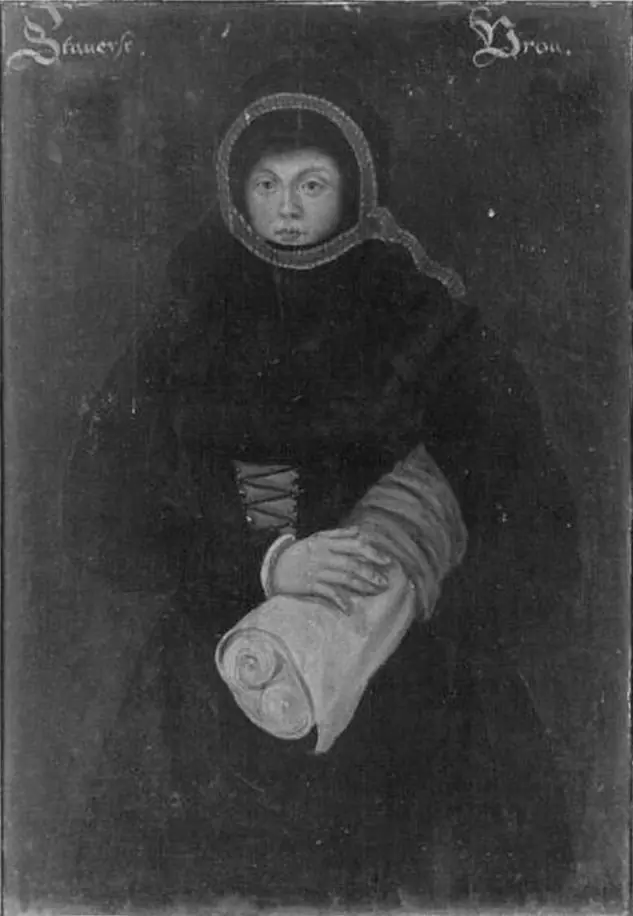
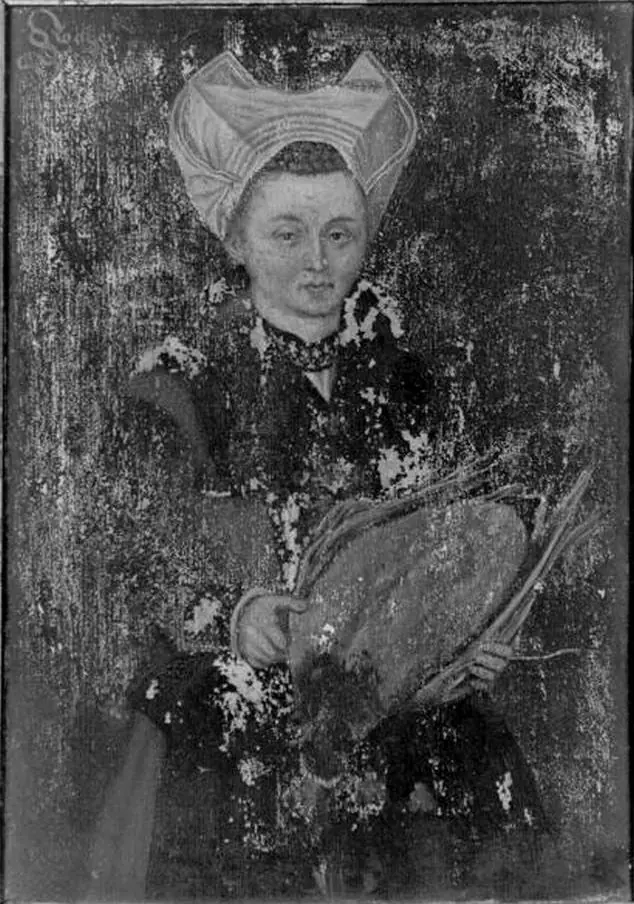
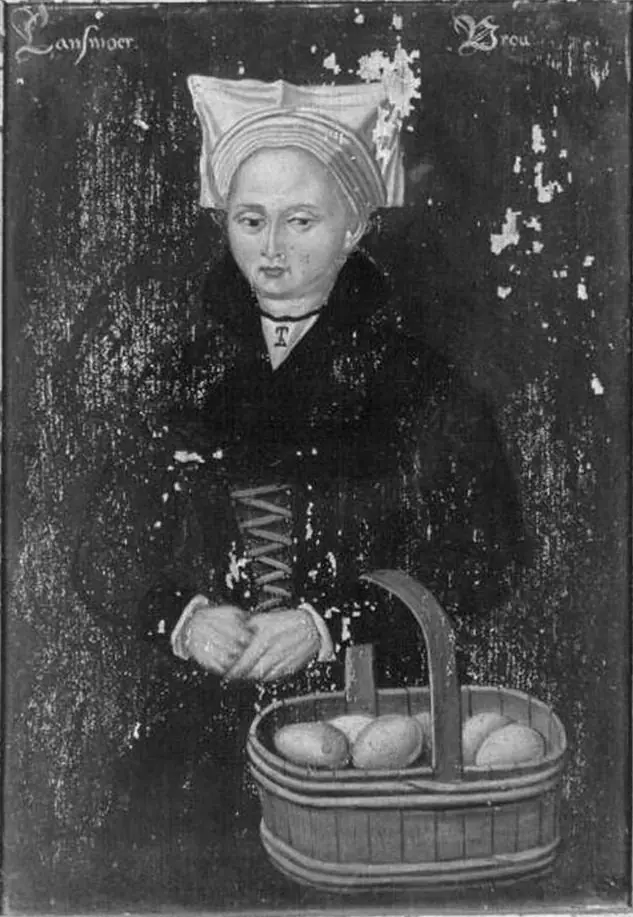
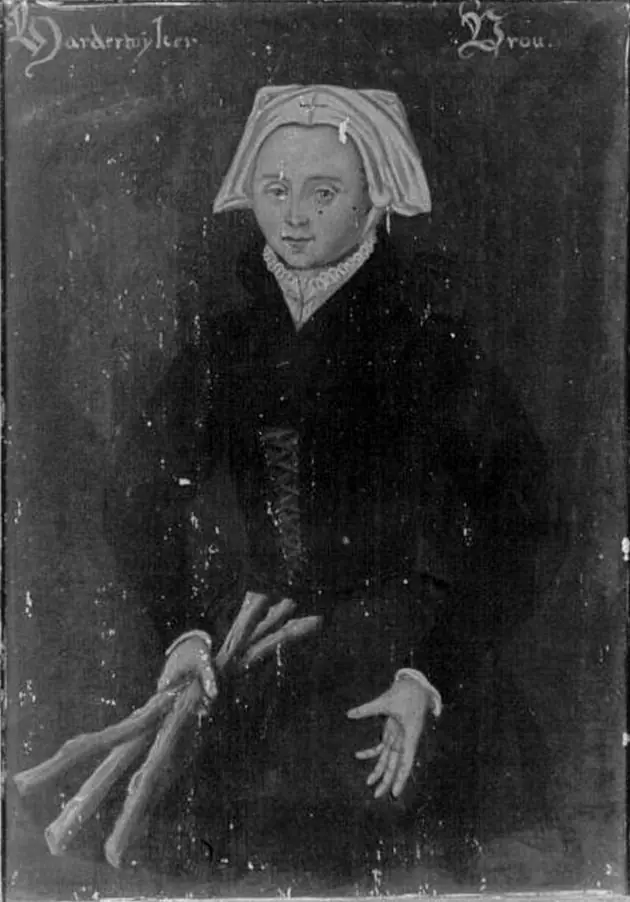
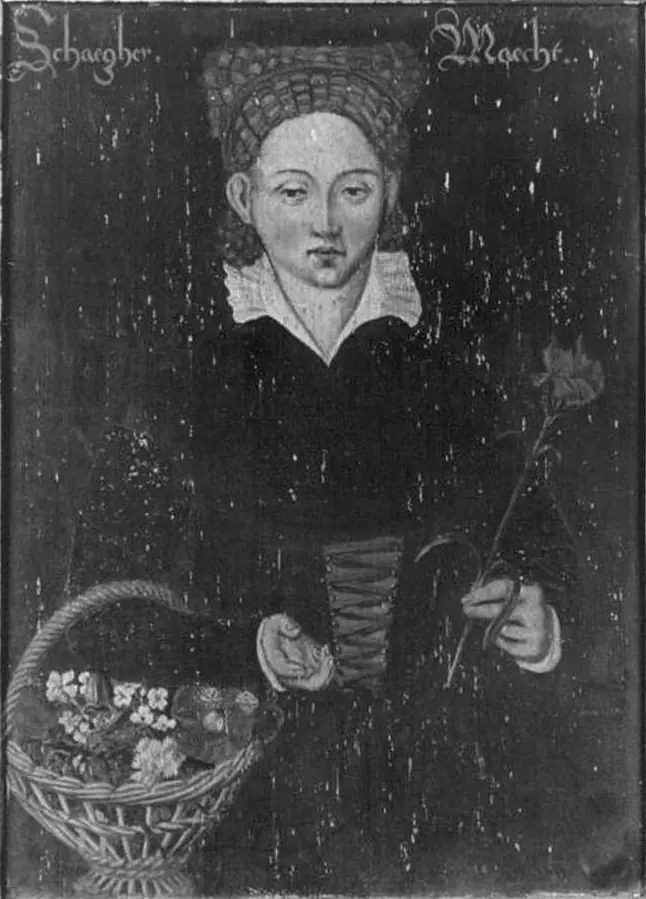
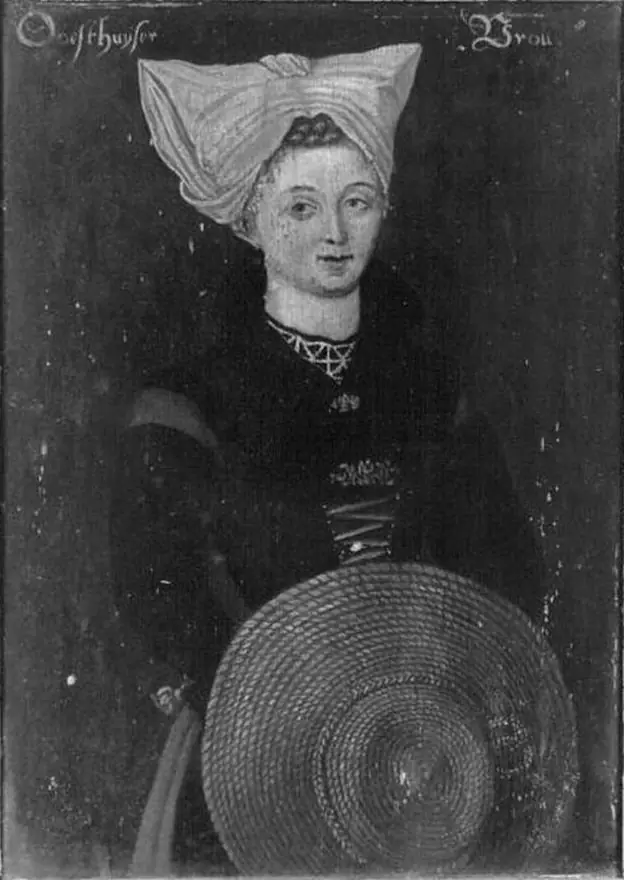
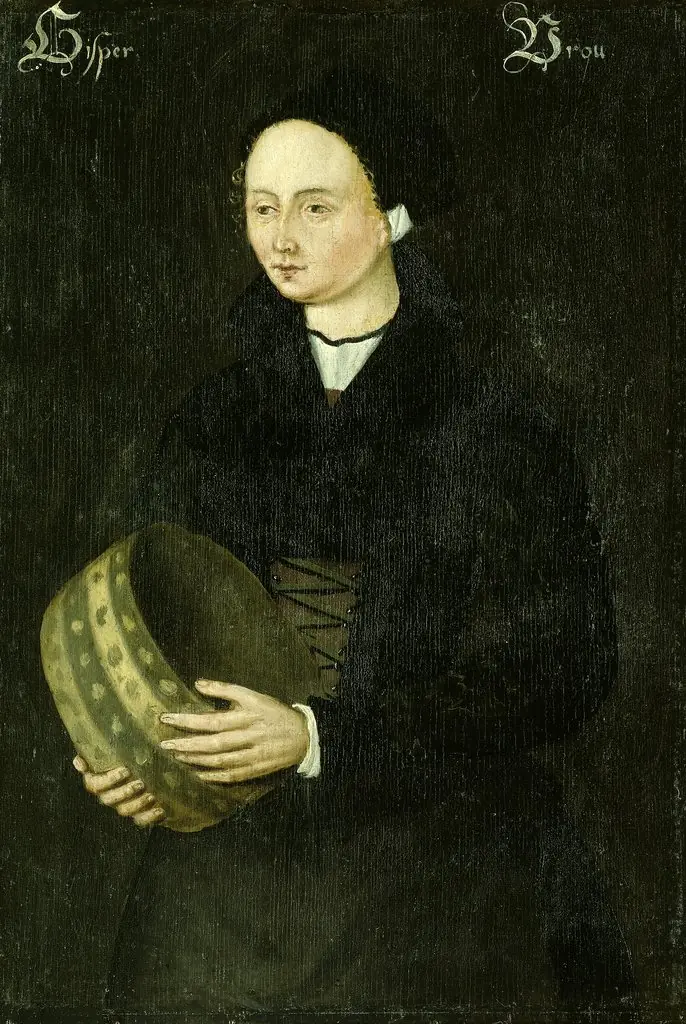
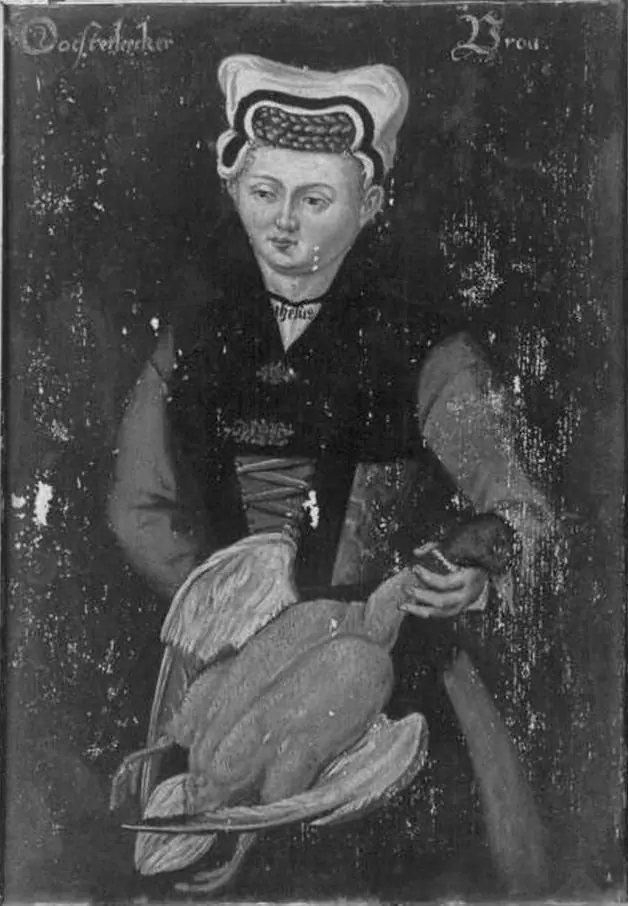
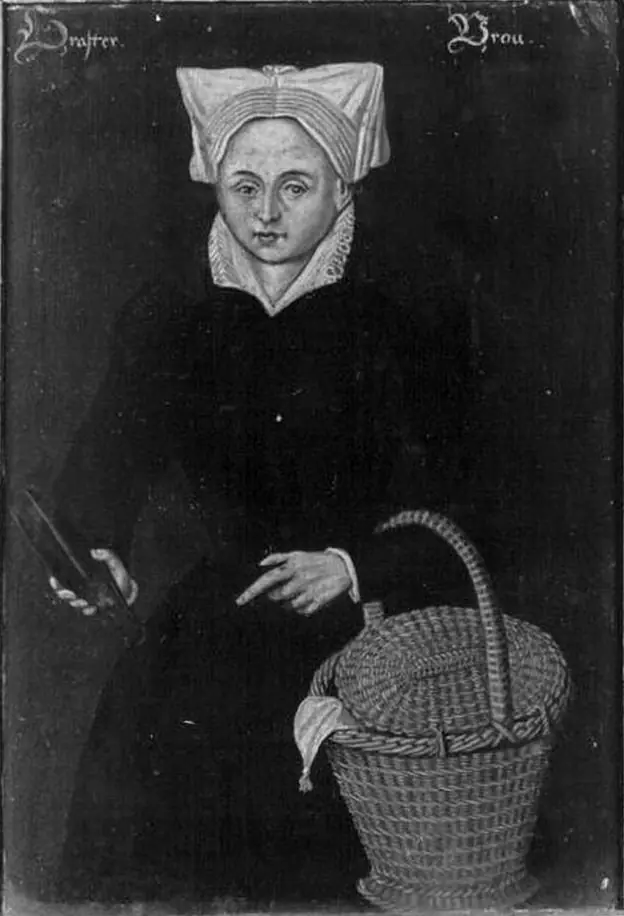
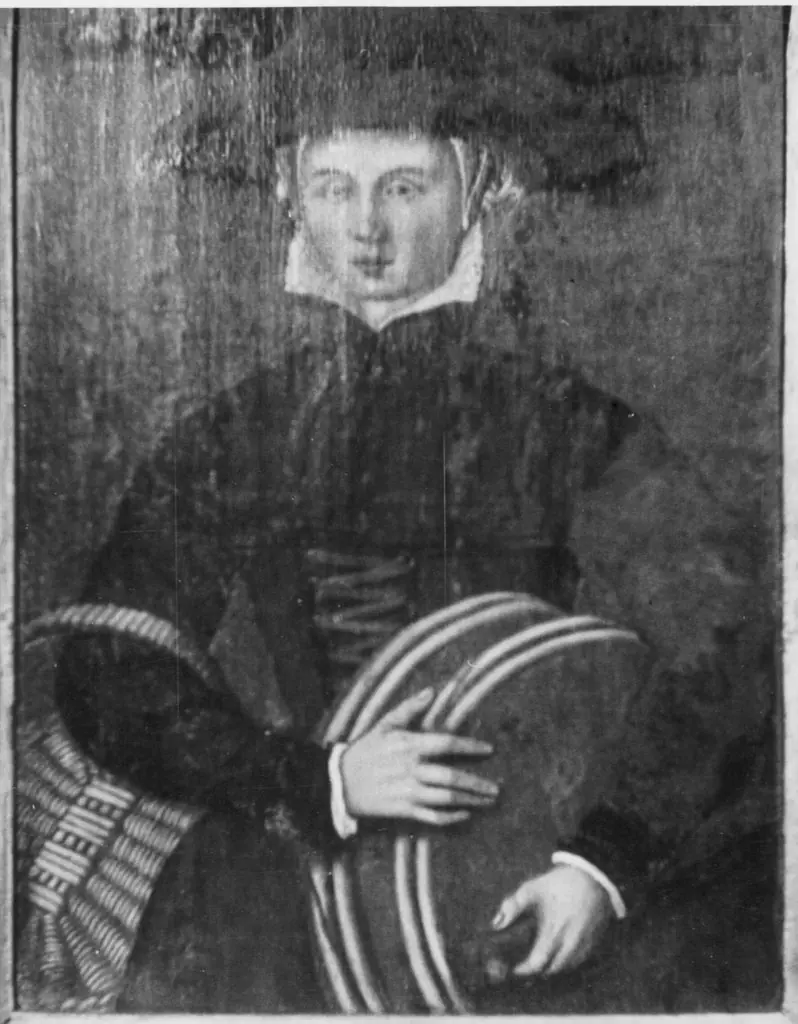
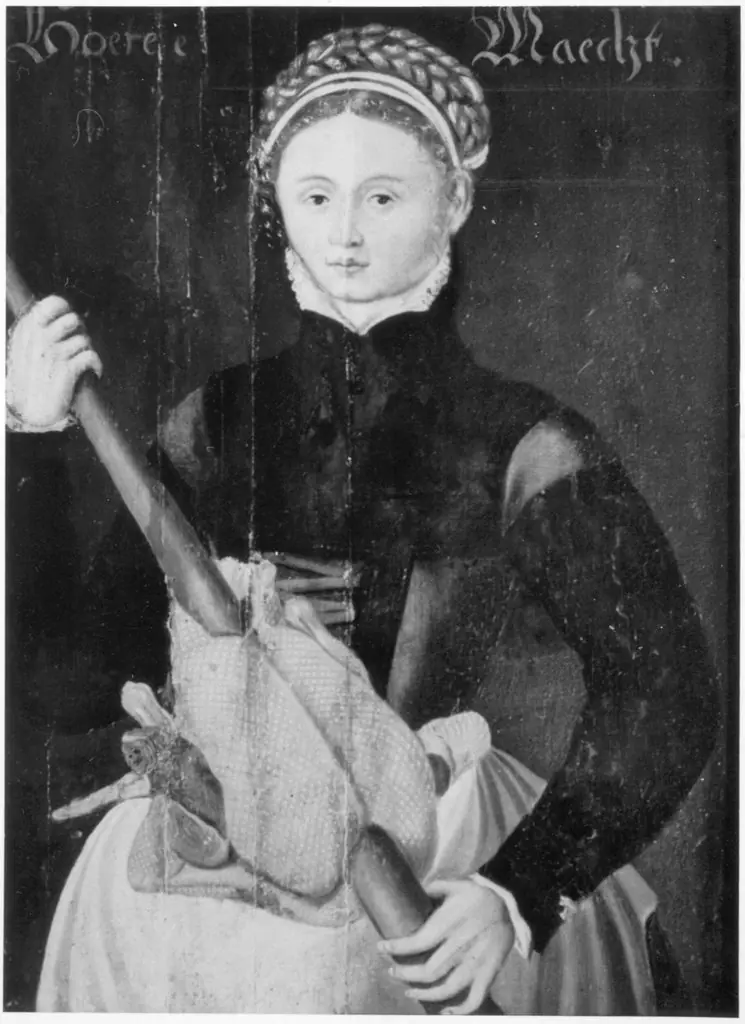
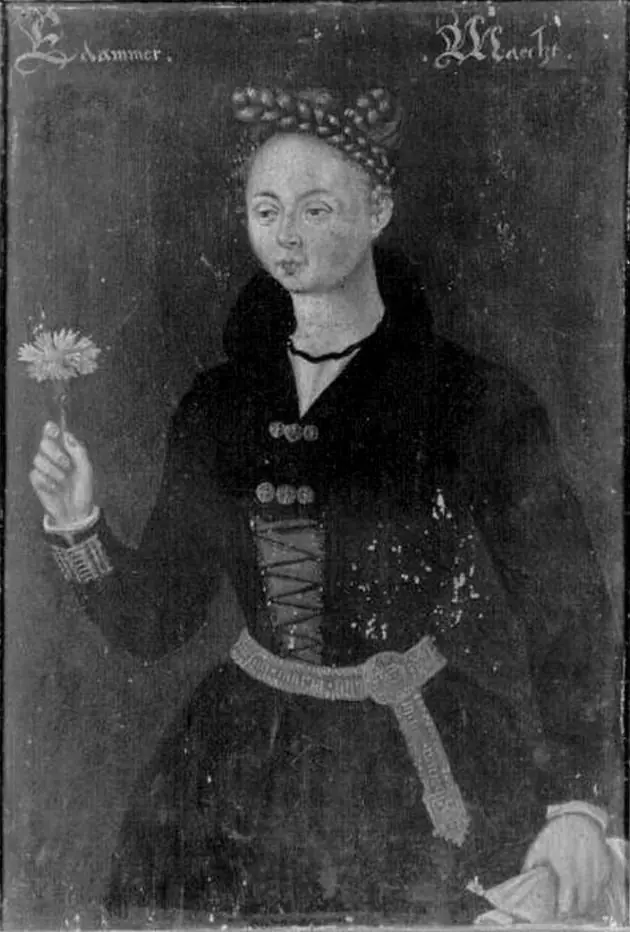
The work portrays a young girl dressed in contemporary Dutch attire from the mid-sixteenth century. She wears a dark dress with a white collar and a patterned overdress, typical of the period’s Netherlandish fashion. The portrait emphasizes her modest, frontal presentation, suggesting a focus on personal identity rather than allegorical or narrative content.
The painting’s restrained composition and clothing indicate a straightforward depiction of a local subject, likely intended as a portrait of an individual rather than a symbolic representation.
Technique & Style
Meisje uit Harderwijk is an anonymous portrait executed in oil paint on a panel support, created circa 1550. The work measures 42 cm in height and 29 cm in width. As a formal stylistic choice, the painting depicts a subject wearing traditional Dutch clothing, characteristic of the genre's focus on regional attire. The piece is currently associated with collections in the Rijksmuseum and the Bavarian State Painting Collections.
History & Provenance
Created in 1550, this oil painting on panel depicts a young girl in traditional Dutch attire. The work is currently held in the collections of the Rijksmuseum and the Bavarian State Painting Collections. While the specific original commissioner and early ownership history remain undocumented in available records, the piece is attributed to an anonymous artist from the mid-16th century.
Overview
The work titled Meisje uit Harderwijk is an oil painting depicting a solitary figure rendered in monochrome tones. The sitter is dressed in dark attire, topped by a tall, pointed hat and a high collar, and is positioned with one hand resting on a fur‑lined sleeve while the other holds a small object, possibly a glove or a quill.
Context
The work reflects a tradition of Dutch portraiture that emphasizes realism and modesty, aligning with the 17th‑century aesthetic of focusing on the individual’s presence rather than elaborate settings. Its subdued coloration and emphasis on tonal contrast are characteristic of the period’s interest in naturalistic representation through controlled lighting.
Artist & collection