Artwork
Vrouw uit Oosthuizen
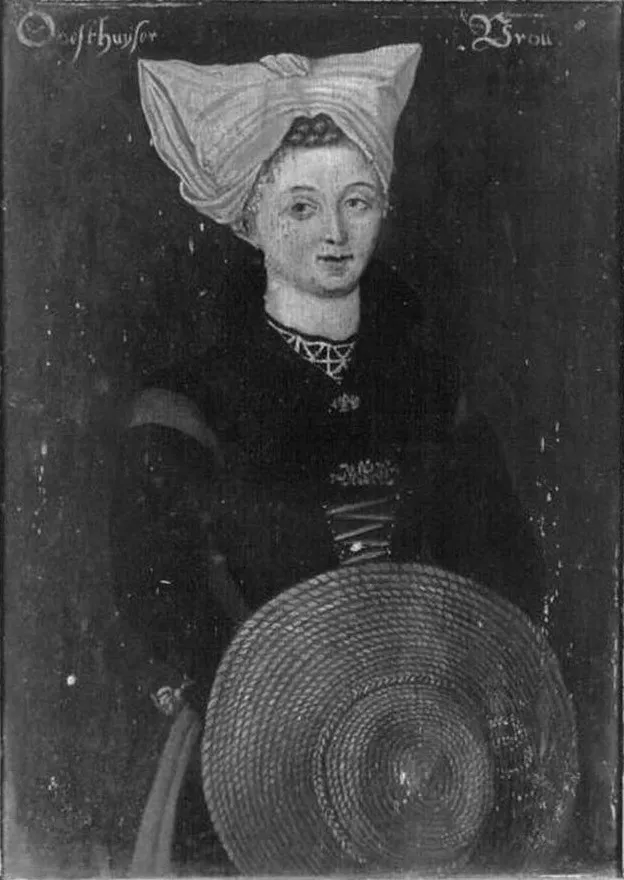
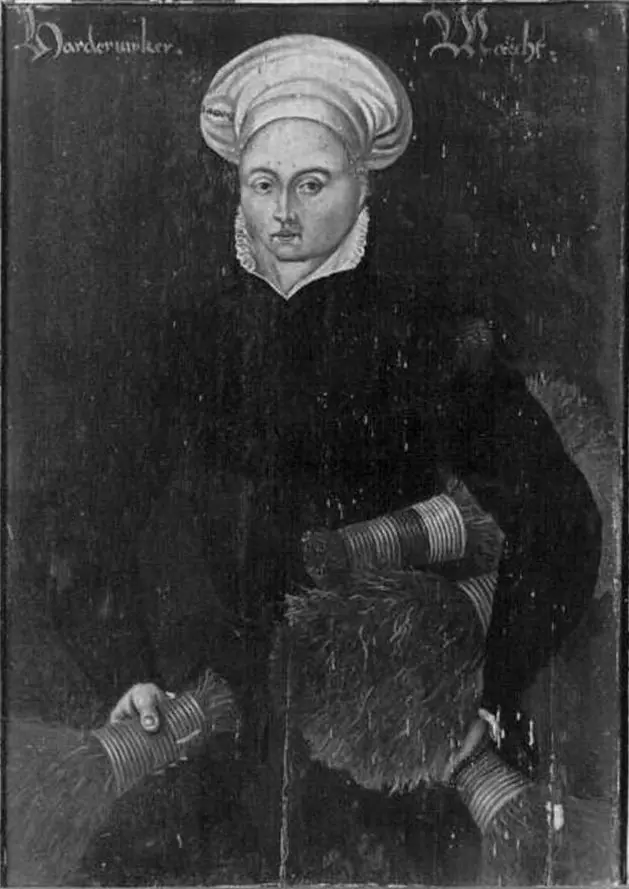
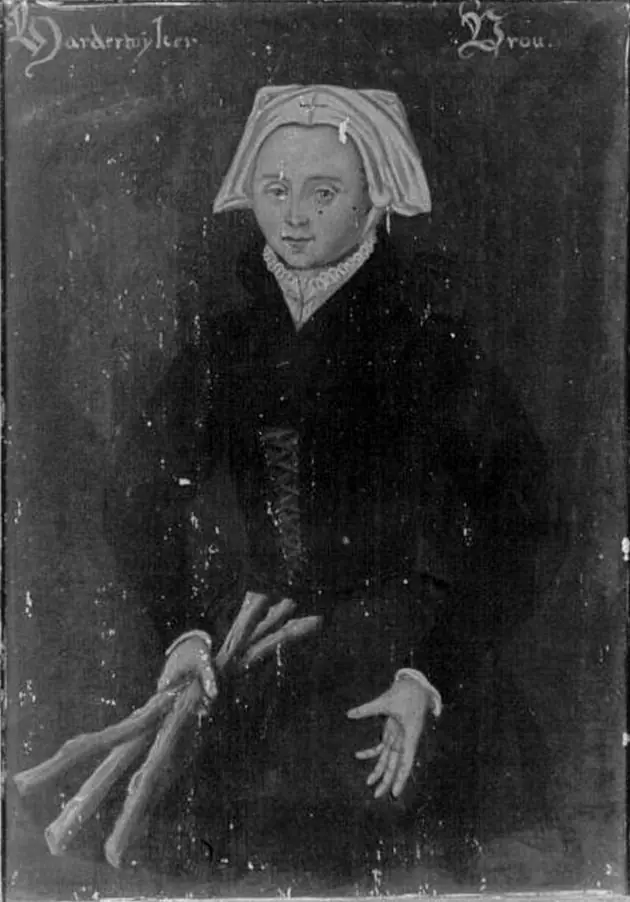
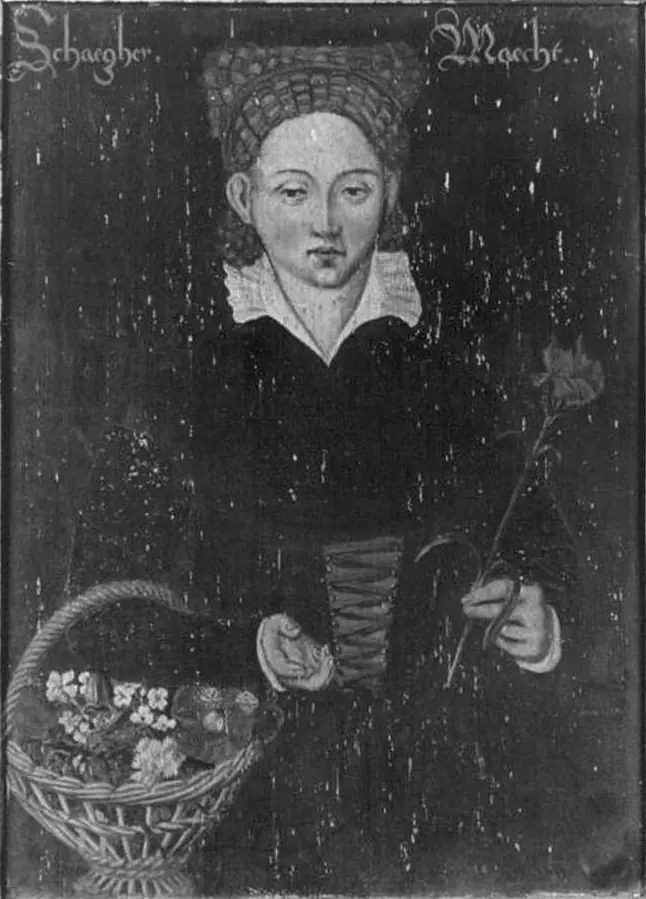
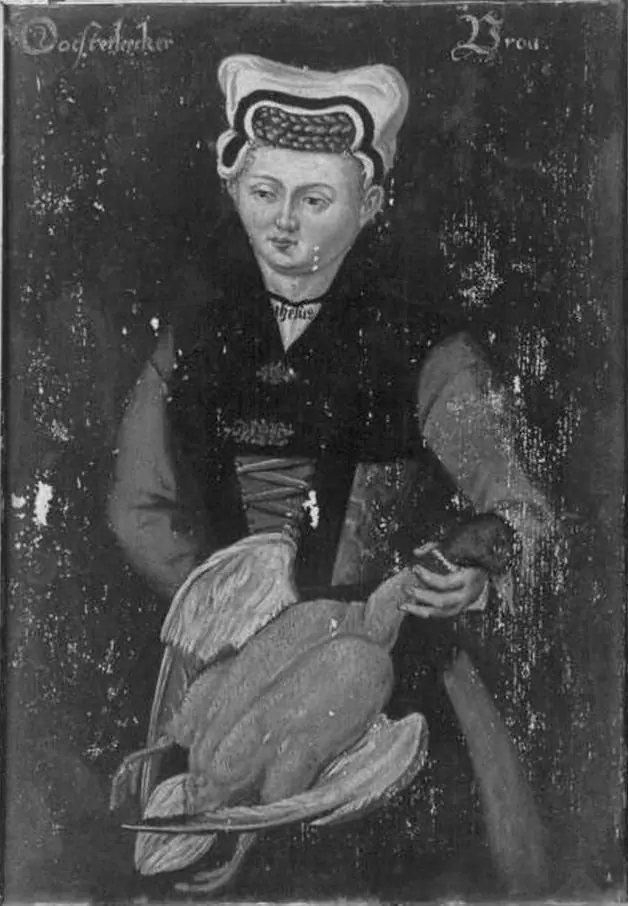
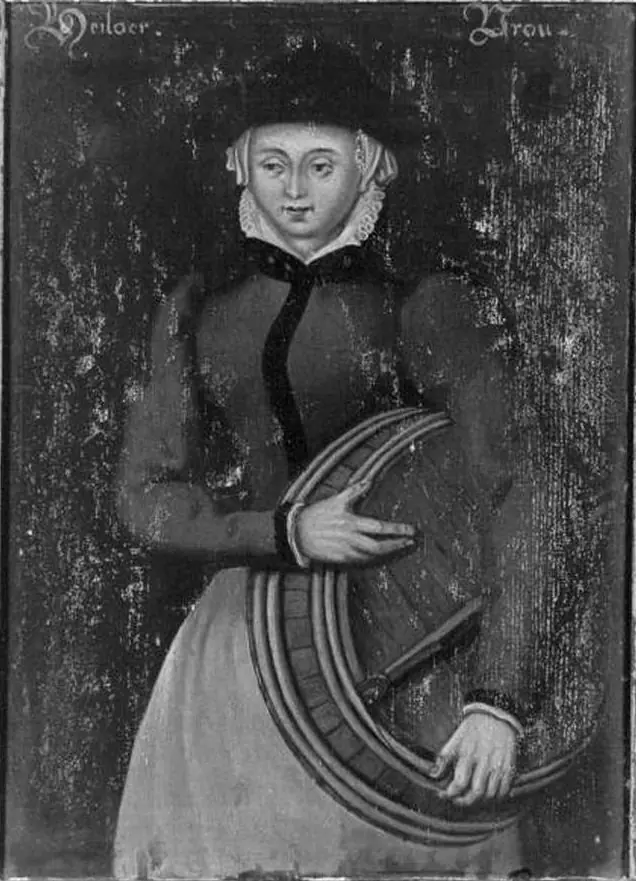
Vrouw uit Oosthuizen is an oil painting. It dates from 1550 and is held in the collection of the Rijksmuseum. The work is an oil painting portraying a woman in a dark dress and a prominent white hat with a large bow.
About this work
The background of the painting is dark, which makes the woman and the object she is holding stand out.
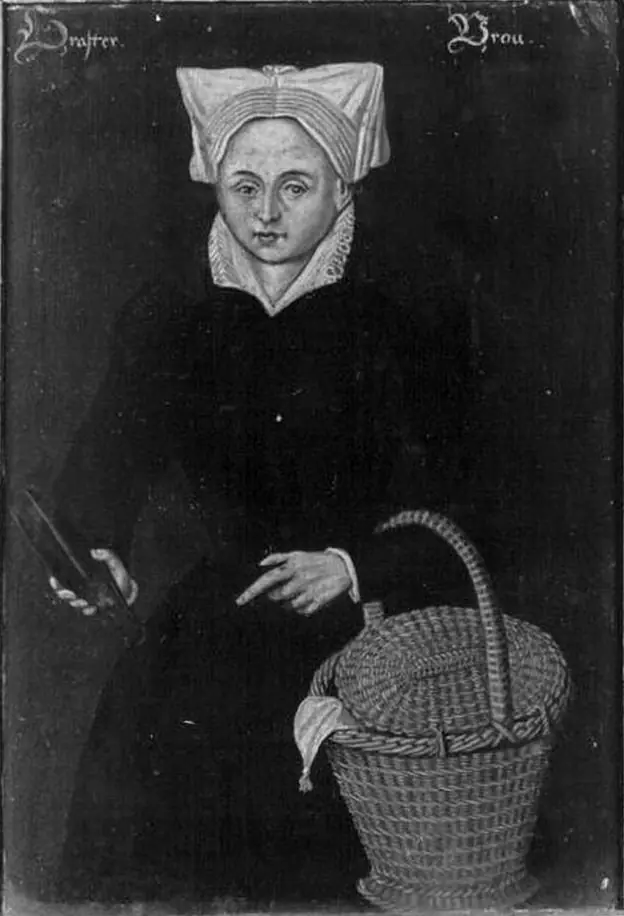
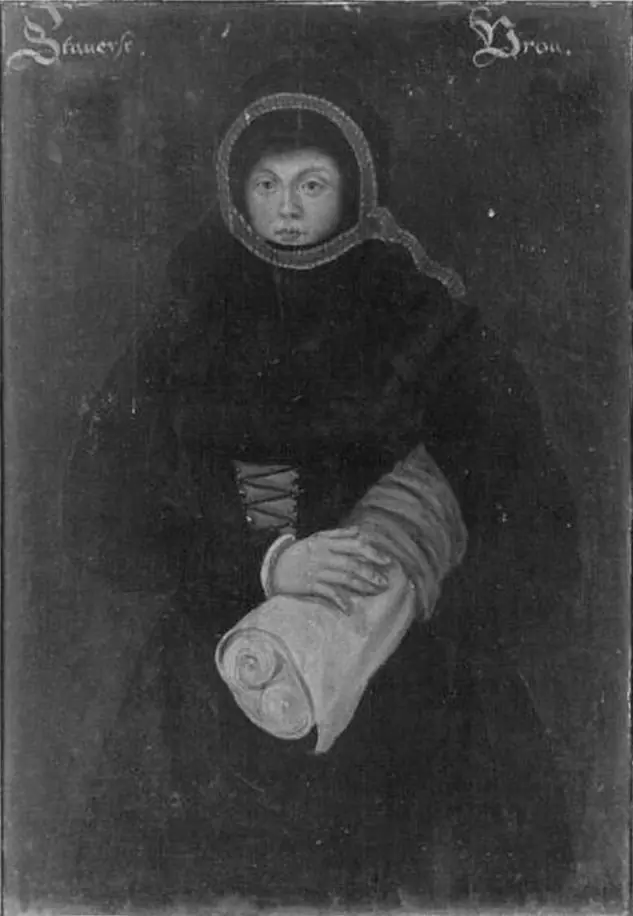
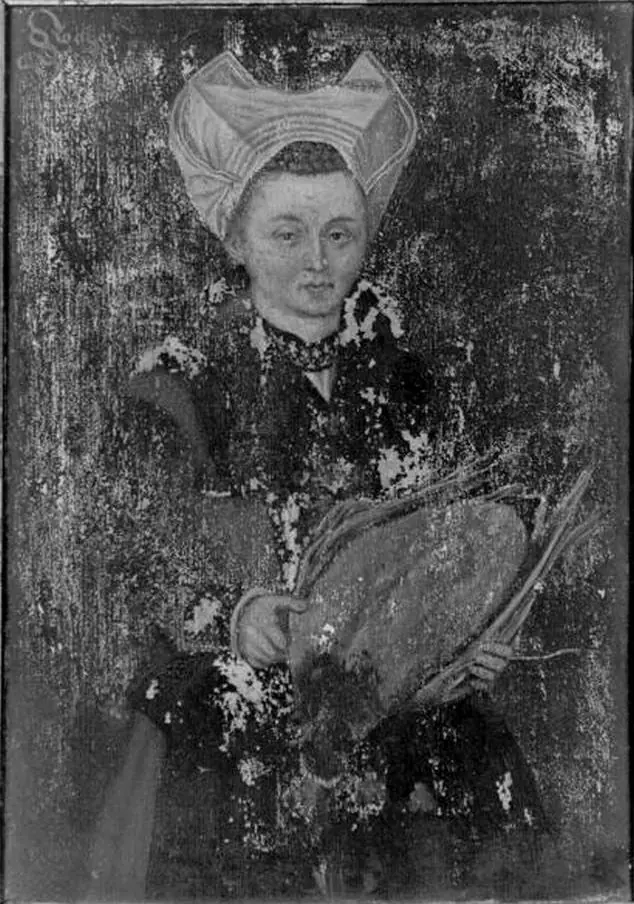
This painting shows a woman wearing a large, triangular hat and a dark dress. She is holding a round, woven object in front of her. The woman's hat is white and has a large bow on top.
Her dress is dark and has a high neckline. The woven object she is holding is round and has a spiral pattern. The background of the painting is dark, which makes the woman and the object she is holding stand out.
The painting is done in oil paint and has a detailed, realistic style. It is an example of a portrait from the 16th century.
Subject & Meaning
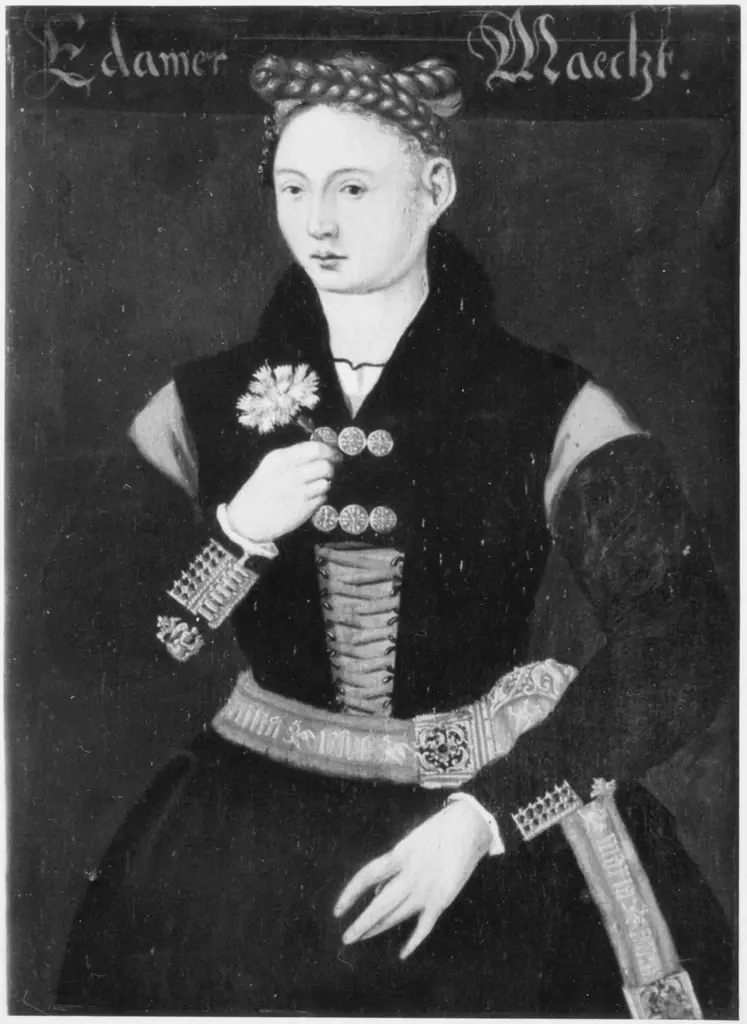
The painting portrays a woman in traditional Dutch attire, reflecting contemporary regional dress of the mid-sixteenth century. Its iconography centers on the sitter’s clothing, which serves as a visual marker of local identity and social standing. The work is interpreted as a conventional portrait that documents the fashion and cultural context of the Netherlands during the 1550s.
The subject is situated within the broader tradition of Dutch portraiture, where attire functions as symbolic representation of heritage and personal identity. The composition emphasizes the sitter’s clothing rather than individual character traits, aligning with genre conventions of the period.
Technique & Style
Vrouw uit Oosthuizen is executed in oil paint on panel, a standard support for mid-sixteenth-century Netherlandish portraiture. The work measures 42 cm in height by 29 cm in width, giving it a modest, intimate scale suited to a private likeness. Stylistically, the painting belongs to the tradition of anonymous Northern portraiture of c. 1550, focusing on a sitter depicted in traditional Dutch clothing.
History & Provenance
The portrait titled Vrouw uit Oosthuizen was created in 1550 using oil paint on a panel. The work is attributed to an anonymous artist and depicts a subject wearing traditional Dutch clothing. While the specific commission details and the original ownership chain are not documented in the available records, the painting's history is marked by its presence in two major institutions. It is currently held in the collections of both the Rijksmuseum and the Bavarian State Painting Collections.
Vrouw uit Oosthuizen is held jointly by the Rijksmuseum and the Bavarian State Painting Collections, as recorded in its collection and location data. The panel, measuring 42 cm in height by 29 cm in width, is dated to 1550 and depicts a woman in traditional Dutch dress. No specific inventory or accession number, nor any exhibition history, is documented in the available sources.
Context
The painting Vrouw uit Oosthuizen is recognized as an anonymous portrait from 1550, reflecting traditional Dutch clothing and executed in oil on panel. It is held in major institutional collections including the Rijksmuseum and the Bavarian State Painting Collections, underscoring its significance within early Netherlandish portraiture and the broader context of 16th-century Dutch art. Scholarship emphasizes its role as part of the corpus of anonymous works from this period, contributing to understanding of artistic practice and regional identity in the Netherlands.
Overview
The work is an oil painting portraying a woman in a dark dress and a prominent white hat with a large bow. She holds a round, woven object featuring a spiral motif, set against a deep background that accentuates her figure. The realistic rendering and attention to detail place the piece within the portrait tradition of the sixteenth century.
Artist & collection