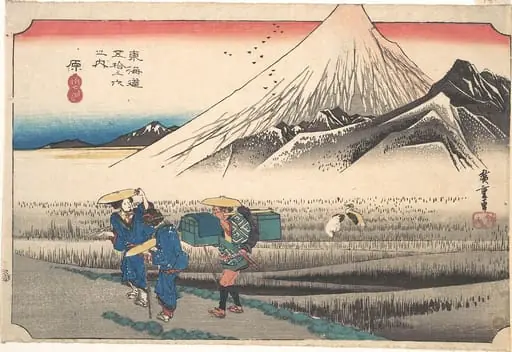
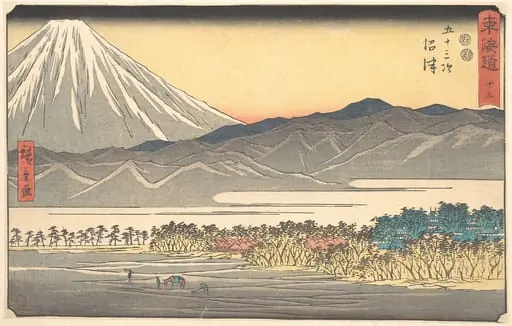
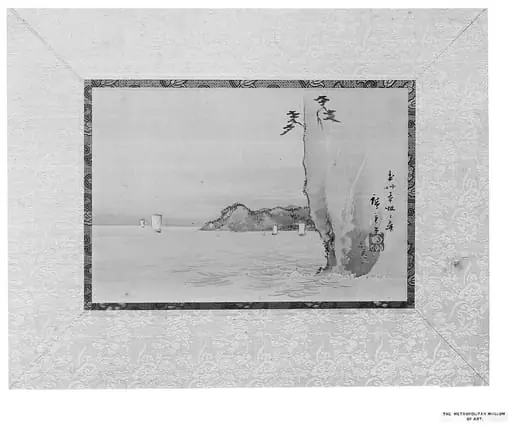
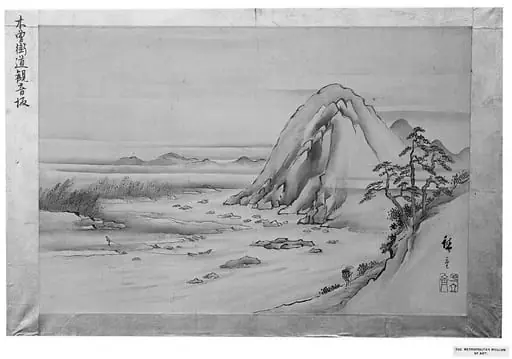
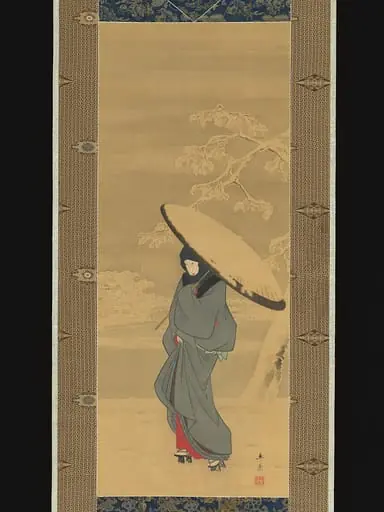
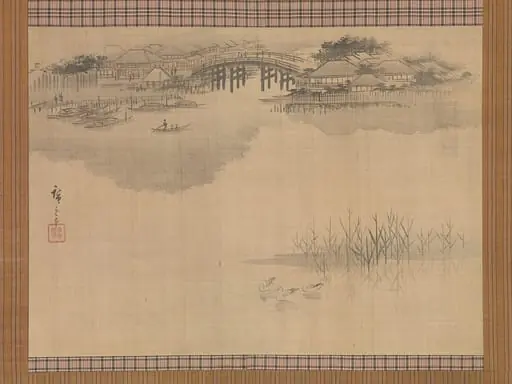
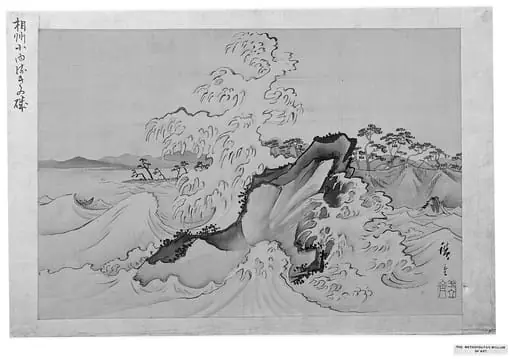
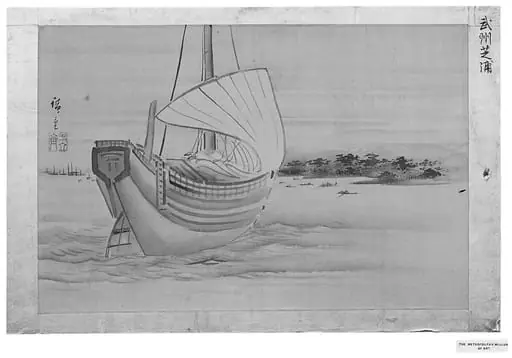
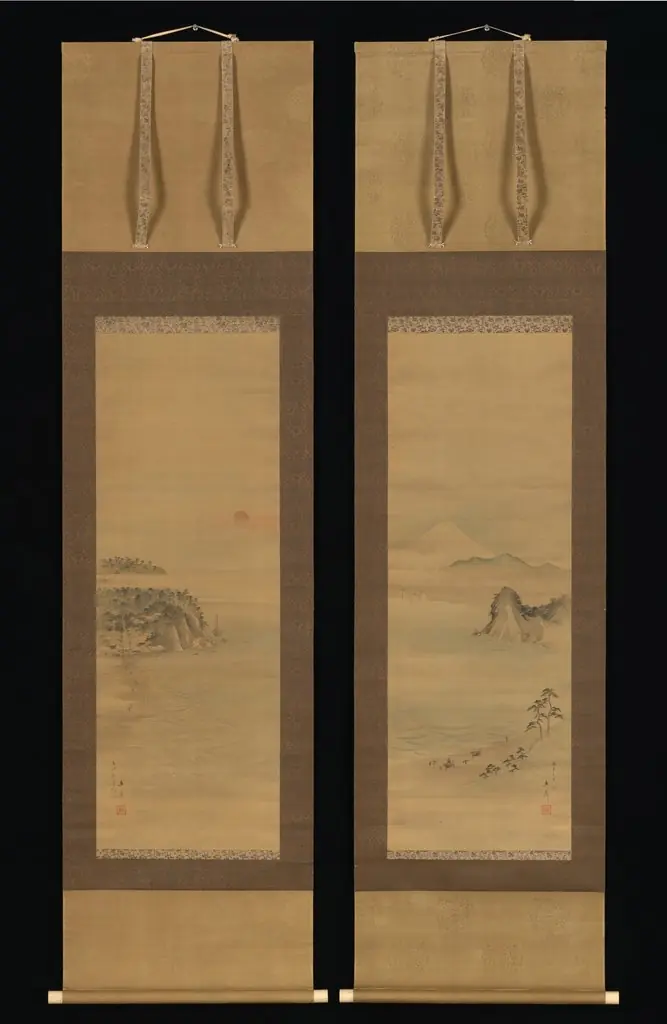
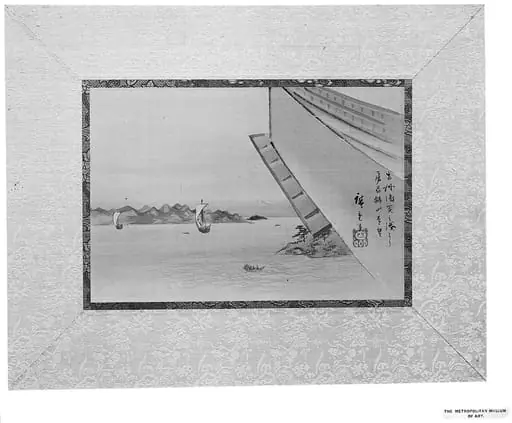
歌川広重画 東海道 十四 五十三次 原|Hara, Number 14, from the series Fifty-Three Stations of the Tōkaidō Road (Tōkaidō gojūsan tsugi), also known as the Clerical Script Tōkaidō (Reisho Tōkaidō)
1850
ink
From the collection of Metropolitan Museum of Art
1850
ink
From the collection of Metropolitan Museum of Art
歌川広重画 東海道 十四 五十三次 原|Hara, Number 14, from the series Fifty-Three Stations of the Tōkaidō Road (Tōkaidō gojūsan tsugi), also known as the Clerical Script Tōkaidō (Reisho Tōkaidō) is a 1850 ink by Utagawa Hiroshige, a Romanticism work, depicting Mountain, held at Metropolitan Museum of Art.
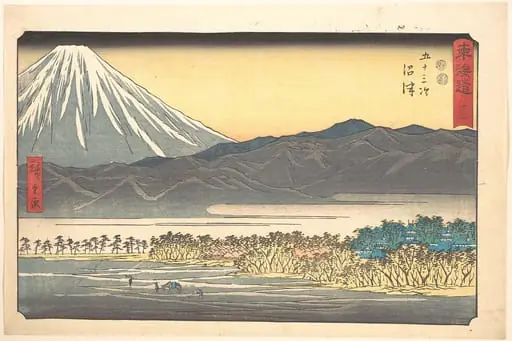
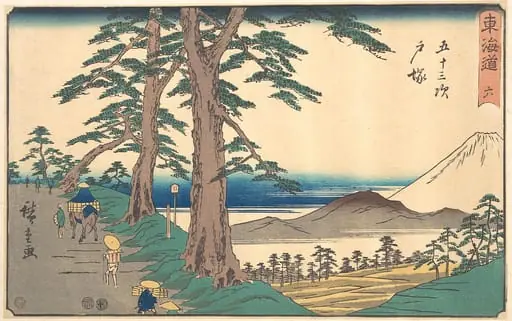
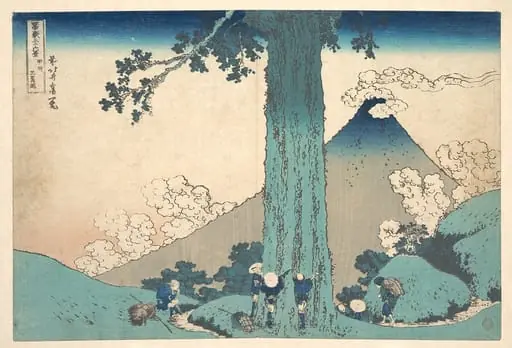
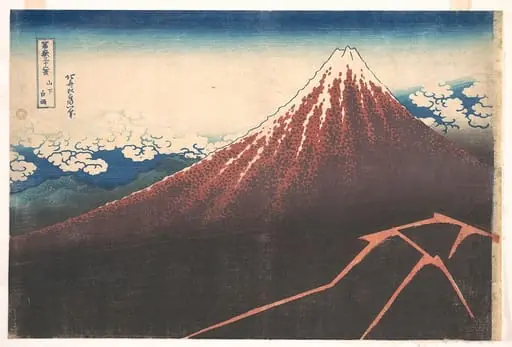
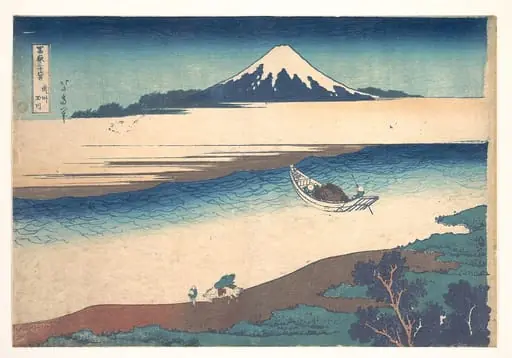
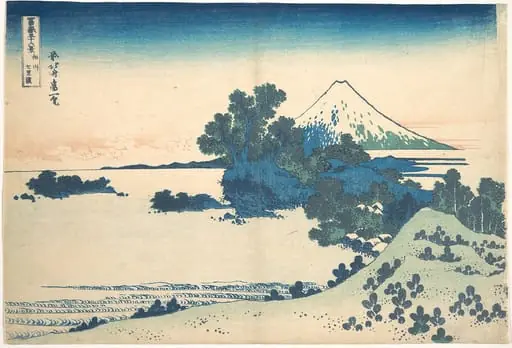
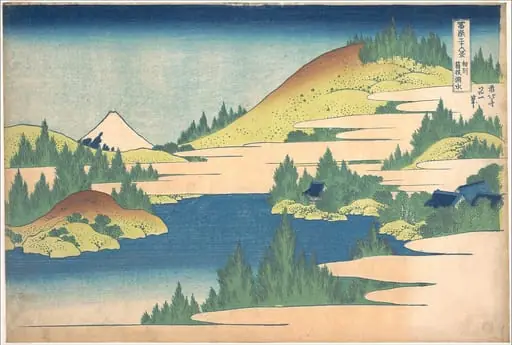
This print shows a tall, snowy mountain with straight lines cutting through the sky like rain. Below it, a flat plain stretches out with small trees and fields. A few tiny figures walk along a road near the bottom, and a fence runs along the edge of the land. The mountain looks like it’s covered in fresh snow, but the artist used simple, bold lines to show the shape. The colors are mostly blues, whites, and earthy tones. Look up Utagawa Hiroshige next to see how he painted other famous landscapes.
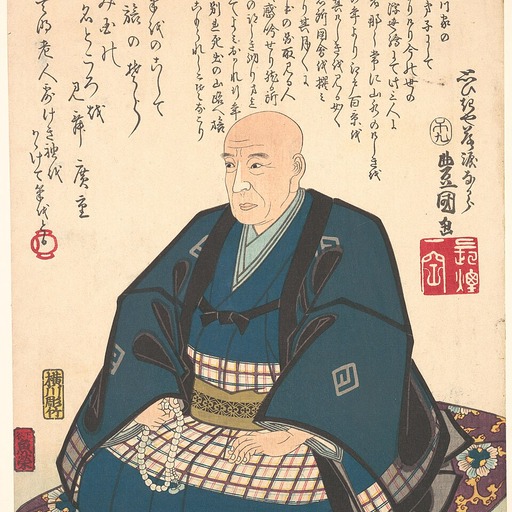
Utagawa Hiroshige (歌川 広重) or Andō Hiroshige (安藤 広重), born Andō Tokutarō (安藤 徳太郎; 1797 – 12 October 1858), was a Japanese ukiyo-e artist, considered the last great master of that tradition.
See the richer artist pageYour cart is empty
Explore artworks →