Artwork
歌川広重画 東海道 十三 五十三次 沼津|Numazu, Number 13, from the series Fifty-Three Stations of the Tōkaidō (Tōkaidō gojūsan tsugi)
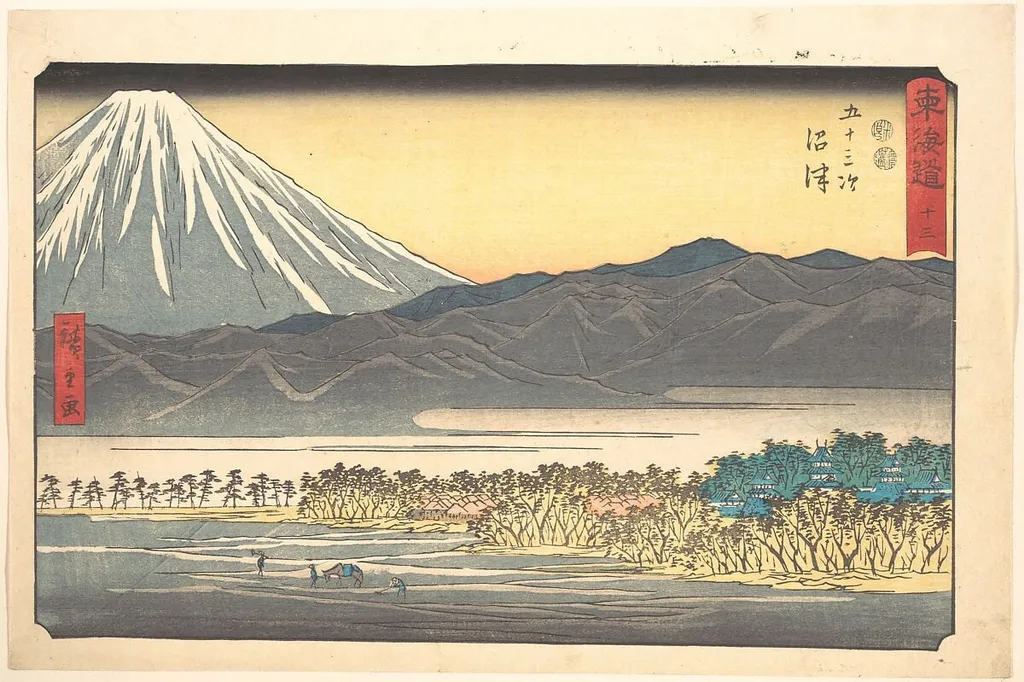
歌川広重画 東海道 十三 五十三次 沼津|Numazu, Number 13, from the series Fifty-Three Stations of the Tōkaidō (Tōkaidō gojūsan tsugi) is an ink print by the Romanticist artist Utagawa Hiroshige. It dates from 1850 and is held in the collection of the Metropolitan Museum of Art.
- Accession no.
- JP2875
- Credit line
- Henry L. Phillips Collection, Bequest of Henry L. Phillips, 1939
About this work
Overview
This 1850 woodblock print, Numazu, Number 13, is part of Utagawa Hiroshige's renowned Fifty-Three Stations of the Tōkaidō series, documenting the stations along the historic route between Edo and Kyoto.
Subject & Meaning
The print captures a serene winter scene at Numazu, the 13th station, contrasting a snowy mountain with a misty, flat plain, and a winding road with travelers and a grazing horse, evoking tranquility.
Technique & Style
Hiroshige employed simple, expressive lines and a muted color palette to convey peacefulness, juxtaposing the mountain's snow with darker, cooler tones in the foreground, characteristic of his landscape-focused ukiyo-e style.
History & Provenance
Created in 1850, during Japan's late Edo period, this work is a notable example of Hiroshige's departure from traditional ukiyo-e subjects, instead emphasizing natural beauty along the Tōkaidō.
Context
As part of the Fifty-Three Stations series, Numazu reflects Hiroshige's contribution to the popularization of the Tōkaidō's scenic attractions, catering to the growing interest in travel and regional identity among Edo's populace.
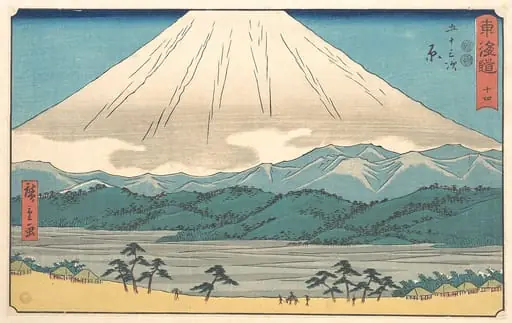
Artist & collection
Artist
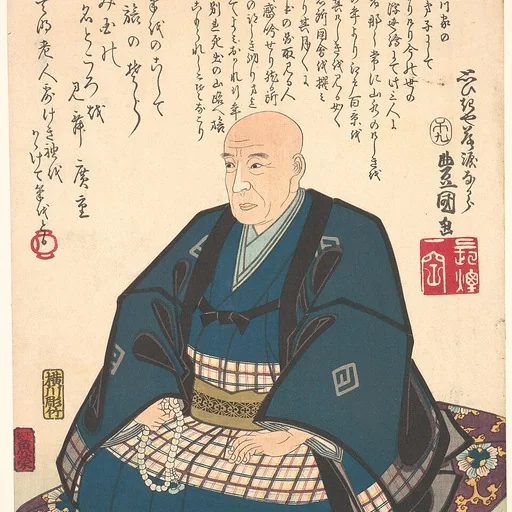
Utagawa Hiroshige (歌川 広重) or Andō Hiroshige (安藤 広重), born Andō Tokutarō (安藤 徳太郎; 1797 – 12 October 1858), was a Japanese ukiyo-e artist, considered the last great master of that tradition.

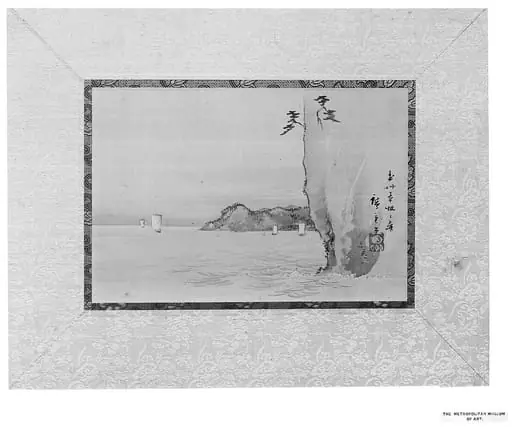
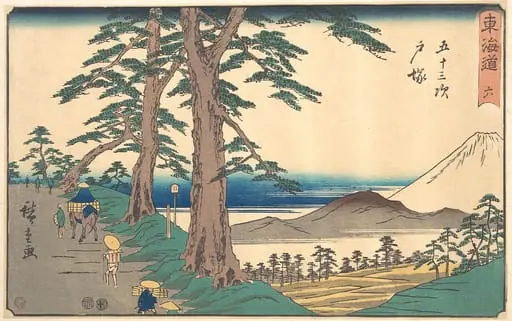 東海道五十三次 戸塚|Totsuka
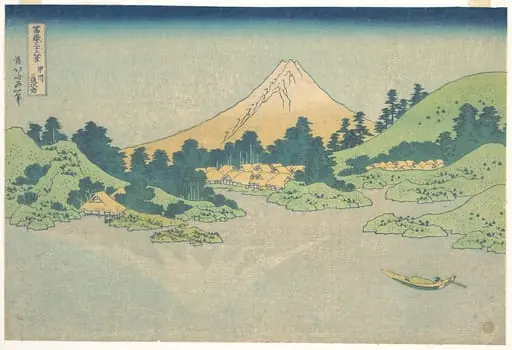 冨嶽三十六景 甲州三坂水面|Reflection in Lake at Misaka in Kai Province (Kōshū Misaka suimen), from the series Thirty-six Views of Mount Fuji (Fugaku sanjūrokkei)
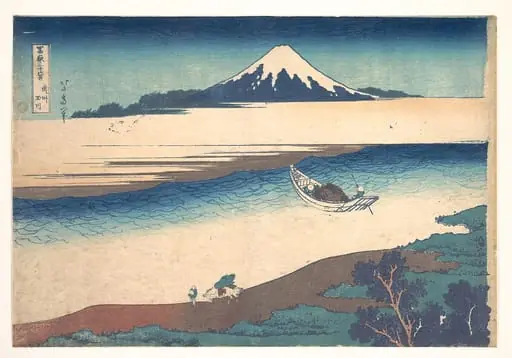 冨嶽三十六景 武州玉川|Tama River in Musashi Province (Bushū Tamagawa), from the series Thirty-six Views of Mount Fuji (Fugaku sanjūrokkei)
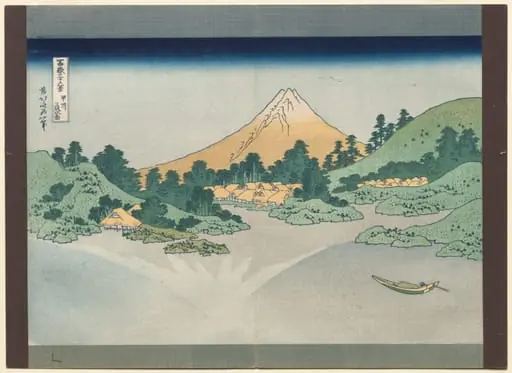 Thirty-Six Views of Mt. Fuji: The Surface of Lake Misaka in Kai Province
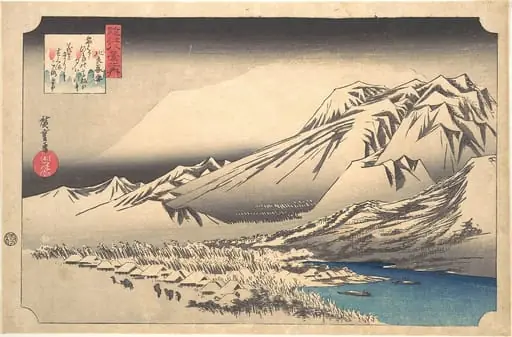 Hira no Bosetsu|近江八景の内 比良暮雪|Evening Snow on Mount Hira
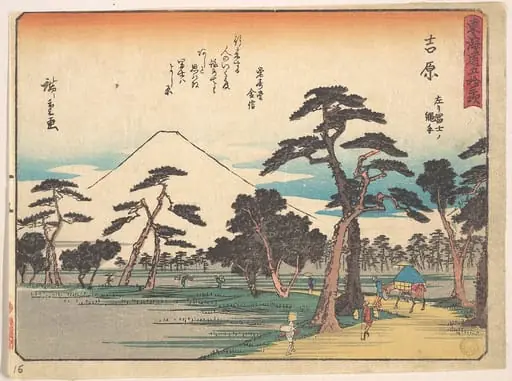 東海道五十三次 吉原 左リ富士ノ縄手|Yoshiwara
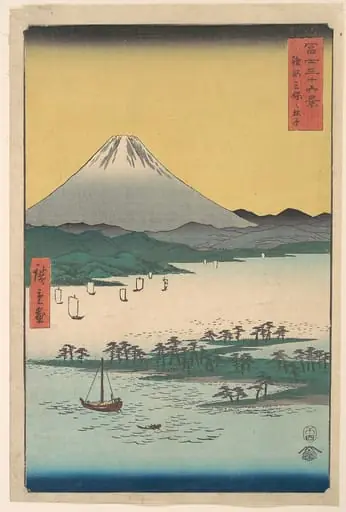 富士三十六景 駿河三保の松原|Pine Groves of Miho in Suruga Province