Artwork
Shichirigahama and Enoshima
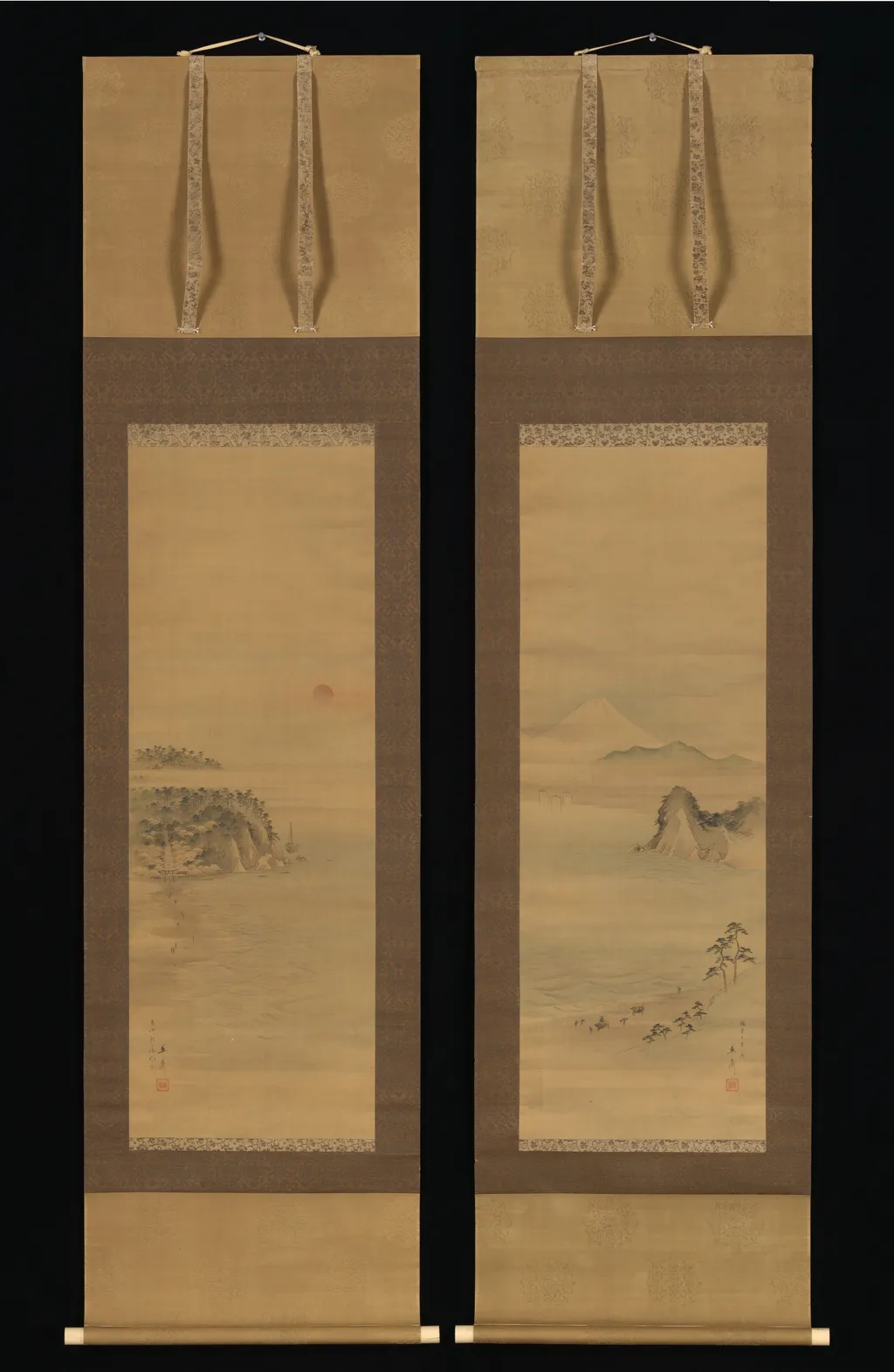
Shichirigahama and Enoshima is an unspecified painting by the Ukiyo-e artist Utagawa Hiroshige. It dates from 1851 and is held in the collection of the Metropolitan Museum of Art.
About this work
Subject & Meaning
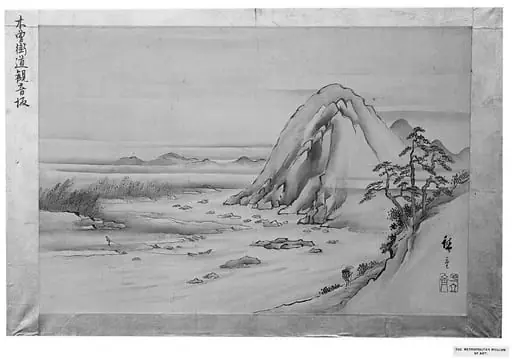
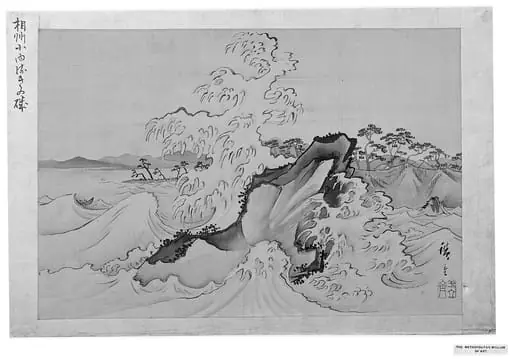
The work depicts the coastal scenery of Shichirigahama with Enoshima Island in the background, capturing a recognizable locale on the eastern approaches to Edo.
The work depicts the coastal scenery of Shichirigahama with Enoshima Island in the background, capturing a recognizable locale on the eastern approaches to Edo. Hiroshige emphasizes the expansive sky and rippling sea to convey the tranquil atmosphere of the spot, a motif that symbolizes the fleeting beauty of nature in ukiyo-e landscape imagery. The painting belongs to the artist’s series of views of Edo’s outskirts and reflects contemporary interest in scenic travel destinations during the mid‑19th century.
The composition combines naturalistic detail with stylized patterning, where the distant silhouette of Enoshima serves as a landmark and the shoreline functions as a visual guide for travelers. This imagery resonated with Edo audiences as both a record of a celebrated view and an invitation to appreciate seasonal change, reinforcing the cultural value placed on pilgrimage and leisurely excursions along the coast.
History & Provenance
Utagawa Hiroshige painted Shichirigahama and Enoshima in 1851, a work classified as a landscape painting. The artwork entered the collection of the Metropolitan Museum of Art, where it remains on display. Its creation is documented in Japan, and the painting is attributed to Hiroshige within the landscape genre.
The painting Shichirigahama and Enoshima is part of the Metropolitan Museum of Art's collection, recorded under its accession number within the museum's holdings. It was originally created in Japan in 1851 as a landscape painting by Utagawa Hiroshige. The work has been featured in exhibitions at the Metropolitan Museum of Art, highlighting its significance within the institution's display of Japanese art.
Overview
Created in 1851 by the Edo‑period printmaker Utagawa Hiroshige, this two‑panel work depicts a tranquil coastal landscape titled Shichirigahama and Enoshima. Executed in the woodblock tradition of ukiyo‑e, the image presents a quiet scene of sea, shore and distant hills, rendered in a restrained palette that emphasizes atmosphere over detail.
Technique & Style
Hiroshige employed the characteristic ukiyo‑e method of carving separate colour blocks, using muted blues, greens and earth tones to achieve a soft, almost misty effect. The composition balances verticality with expansive negative space, allowing the viewer’s eye to glide between the intimate boat scene and the broader vista of bridge and hill.
Own this work as a print
Artist & collection
Artist
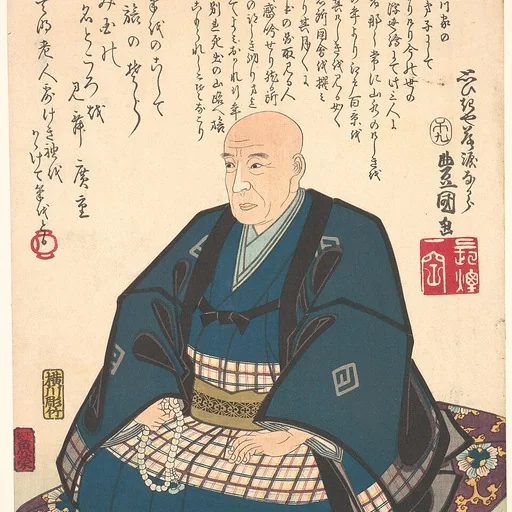
Utagawa Hiroshige (歌川 広重) or Andō Hiroshige (安藤 広重), born Andō Tokutarō (安藤 徳太郎; 1797 – 12 October 1858), was a Japanese ukiyo-e artist, considered the last great master of that tradition.

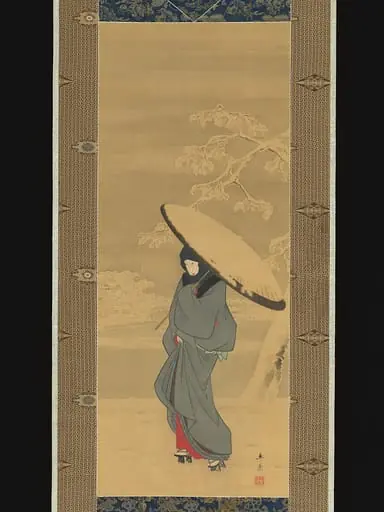
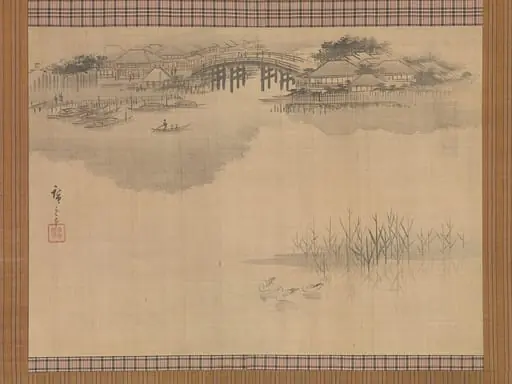
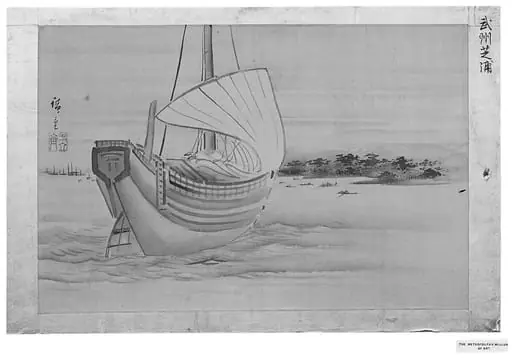
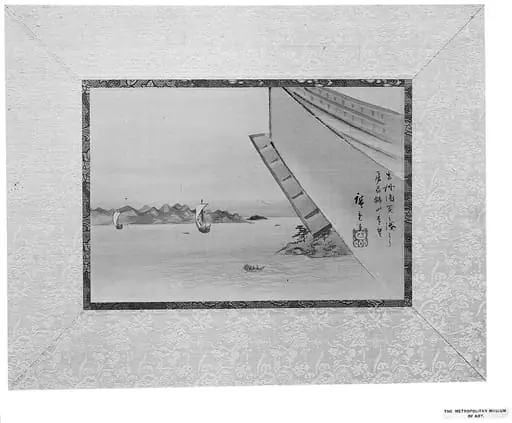
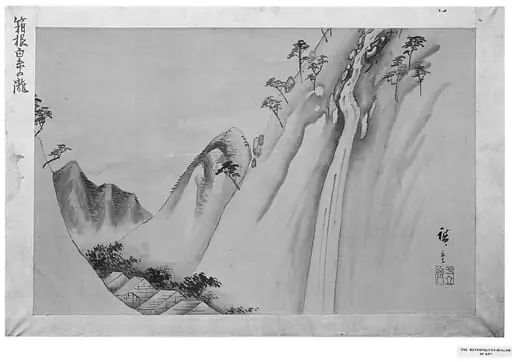
- Eight Views of Xiao and Xiang
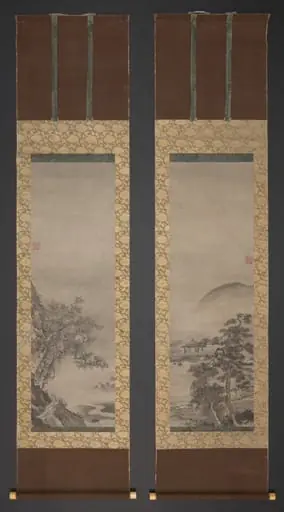 Landscapes with Figures
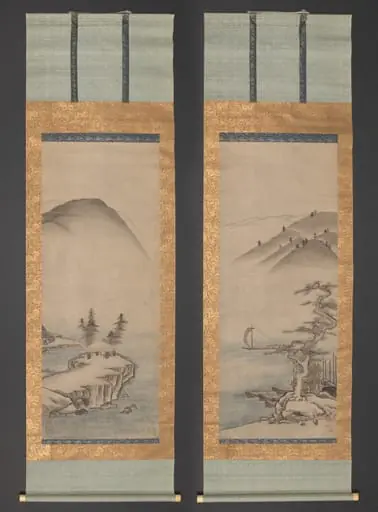 Landscapes
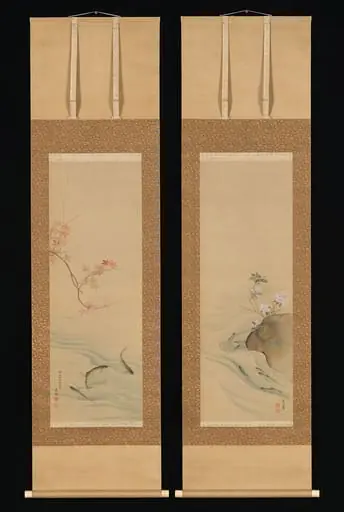 Untitled
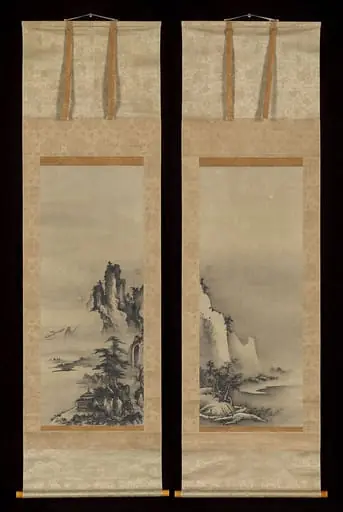 秋冬景山水図|Landscapes of Autumn and Winter
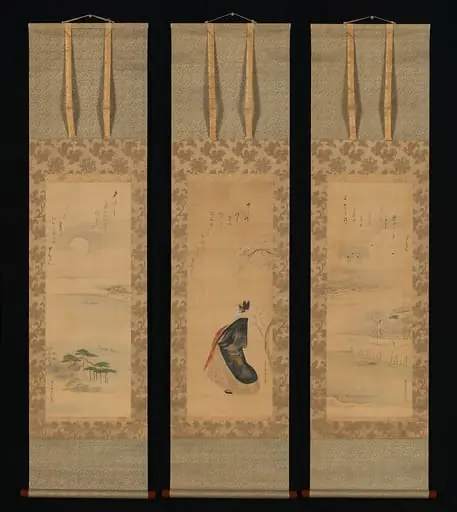 蜀山人(大田 南畝)賛 雪・月・花図 |Snow, Moon, and Cherry Blossoms (Yoshiwara in Three Seasons)
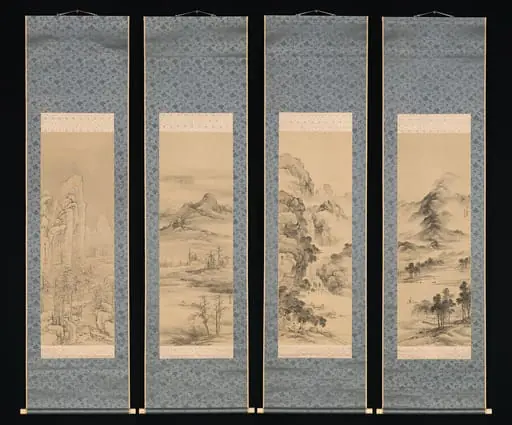 山本梅逸筆 四季山水図|Landscapes of the Four Seasons
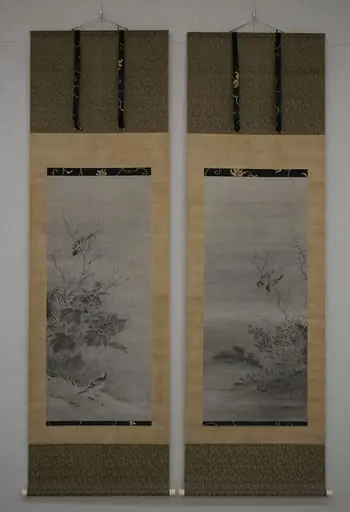 伝狩野之信筆 花鳥図|Birds and Flowers
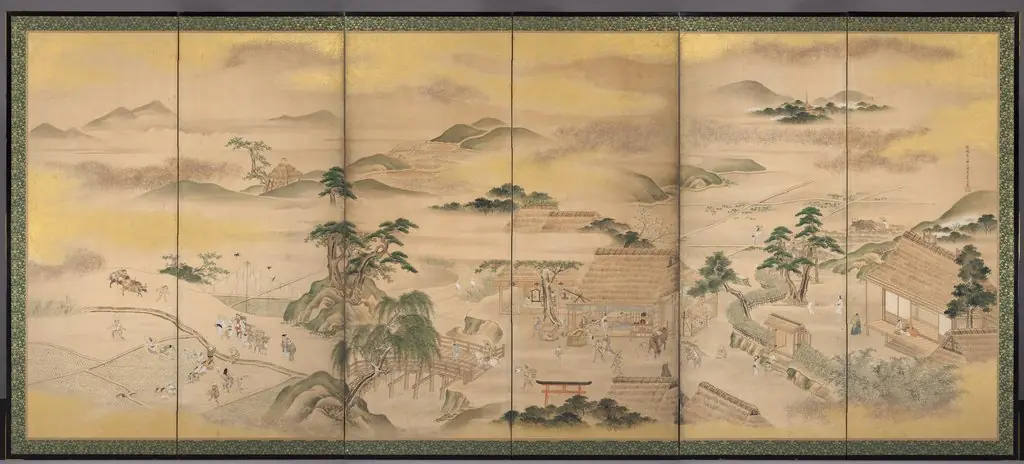 Spring and Autumn Farming (Spring)
 Spring and Autumn Farming (Spring)
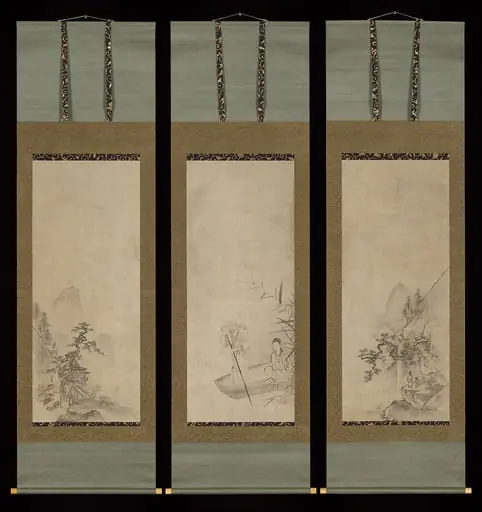 Untitled
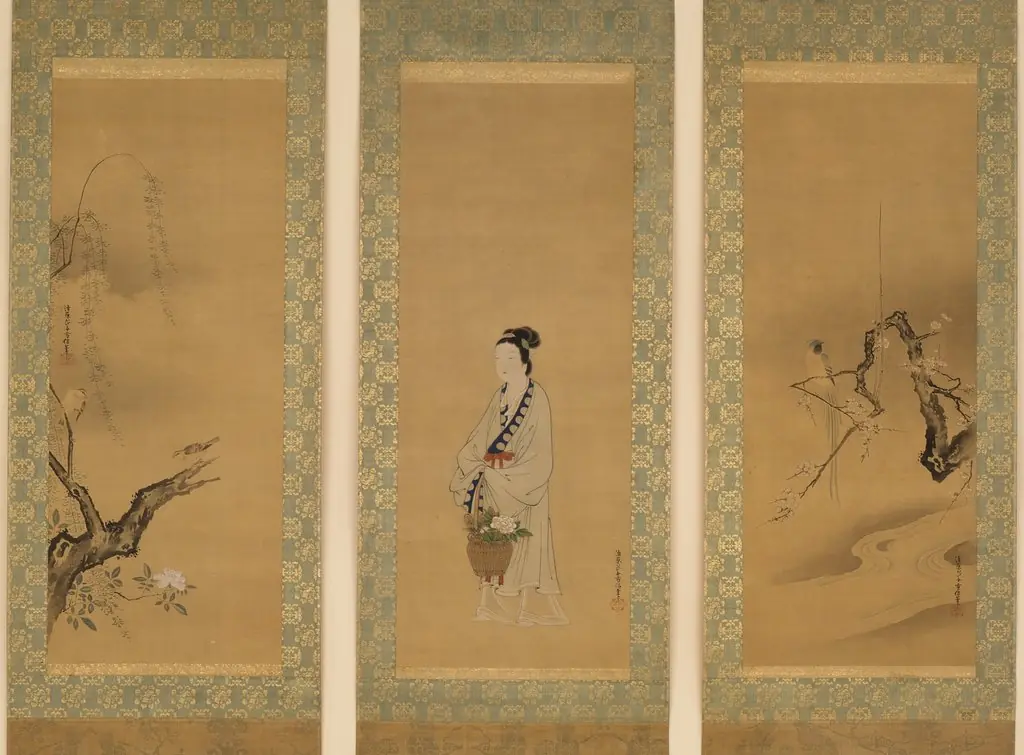 Reishō: Paragon of Filiel Piety; Chinese Blue Magpie with Flowering Plum; Sparrows, Willow, and Rose