Artwork
歌川広重画 「名所江戸百景 深川洲崎十万坪」|“Jūmantsubo Plain at Fukagawa Susaki,” from the series One Hundred Famous Views of Edo
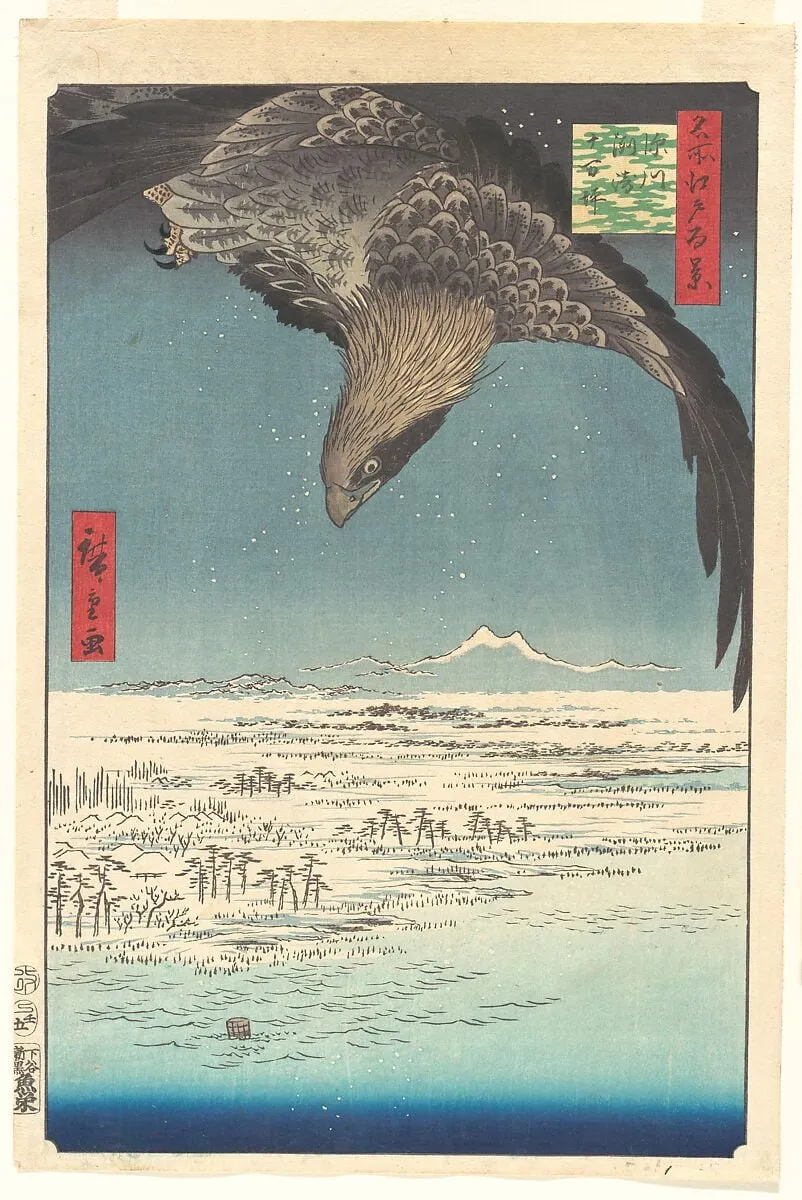
歌川広重画 「名所江戸百景 深川洲崎十万坪」|“Jūmantsubo Plain at Fukagawa Susaki,” from the series One Hundred Famous Views of Edo is an ink print by the Impressionist artist Utagawa Hiroshige. It dates from 1856 and is held in the collection of the Metropolitan Museum of Art.
About this work
Overview
Utagawa Hiroshige's "Jūmantsubo Plain at Fukagawa Susaki" is a vertical ōban woodblock print from 1856, part of the series One Hundred Famous Views of Edo. Executed in ink and color on paper, it is now in The Metropolitan Museum of Art's collection.
Subject & Meaning
The print captures a nocturnal coastal scene at Fukagawa Susaki, emphasizing the vast expanse of Jūmantsubo Plain. A prominently featured large bird in flight dominates the landscape, set against a dark blue star-filled sky, with a serene river, scattered trees, and a distant moonlit mountain below.
Technique & Style
Hiroshige employed bold black outlines and flat colors to create visual contrast. The bird's feathers are detailed with sharp lines, while the overall composition balances dynamic elements (the bird's flight) with serene nocturnal landscapes. The bird's oversized appearance adds drama.
History & Provenance
Created in 1856 by Utagawa Hiroshige (1797-1858), a renowned ukiyo-e artist known for innovating landscape prints beyond traditional urban themes. The work is part of The Metropolitan Museum of Art's collection.
Context
Part of One Hundred Famous Views of Edo, this print reflects Hiroshige's contribution to ukiyo-e's shift towards landscape art, diverging from the typical focus on Edo's pleasure quarters.
Artist & collection
Artist
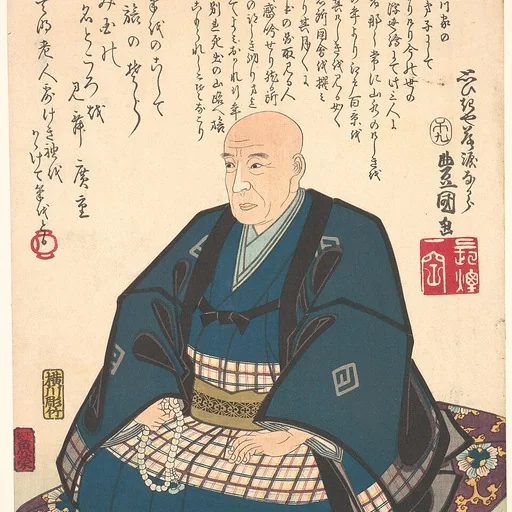
Utagawa Hiroshige (歌川 広重) or Andō Hiroshige (安藤 広重), born Andō Tokutarō (安藤 徳太郎; 1797 – 12 October 1858), was a Japanese ukiyo-e artist, considered the last great master of that tradition.

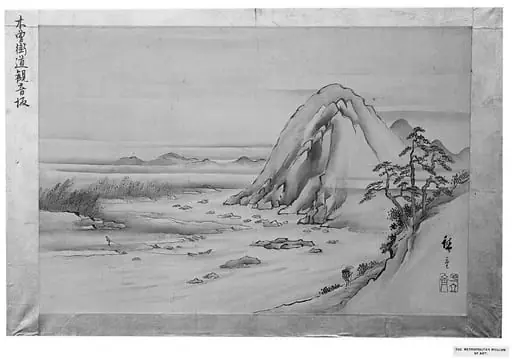
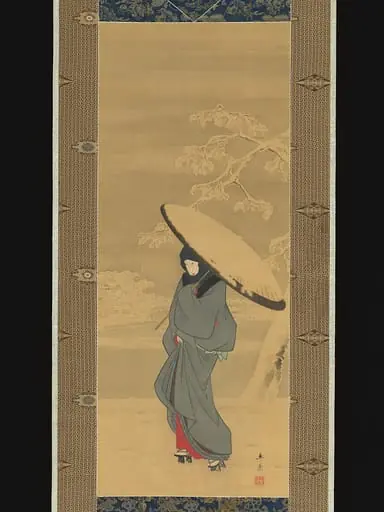
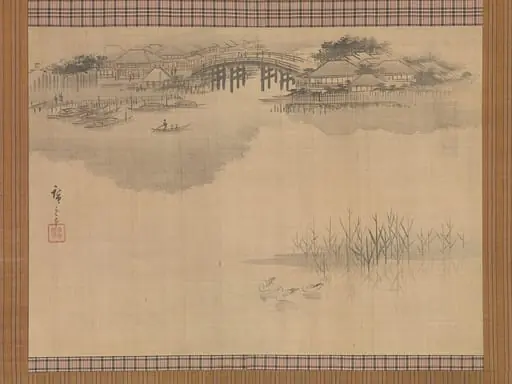
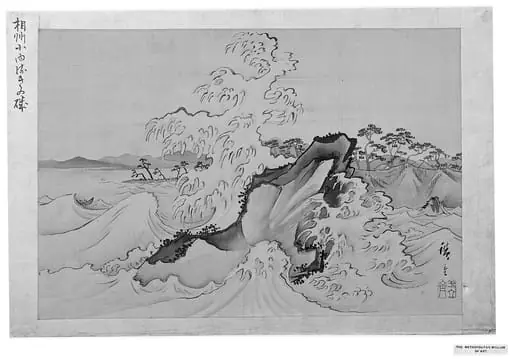
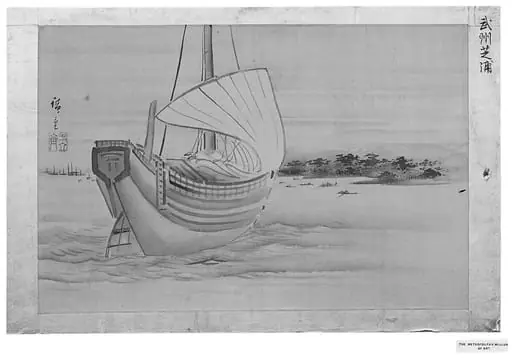
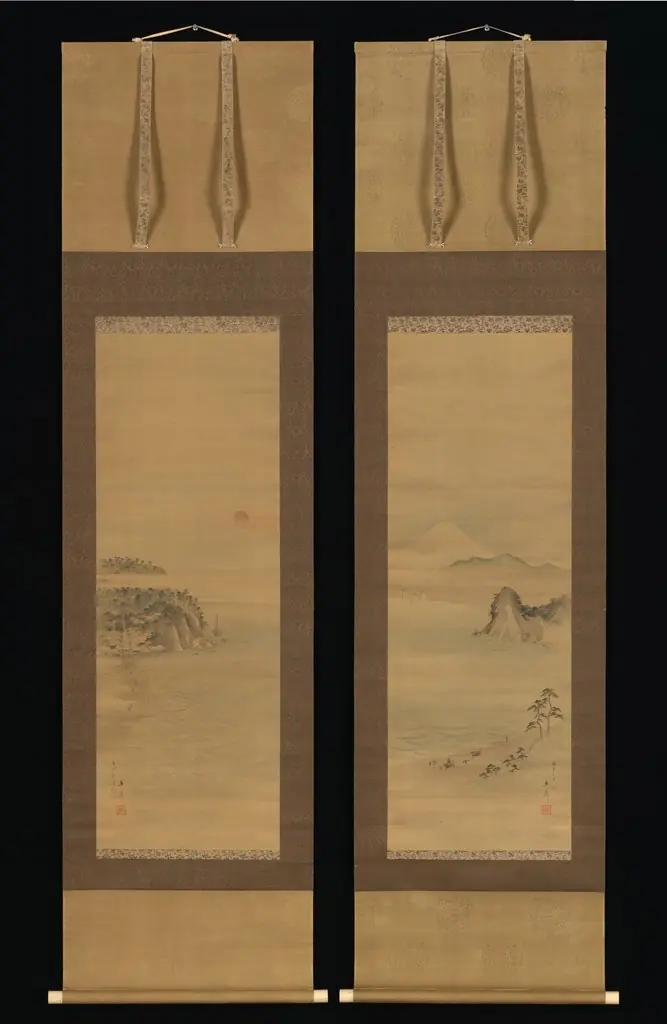
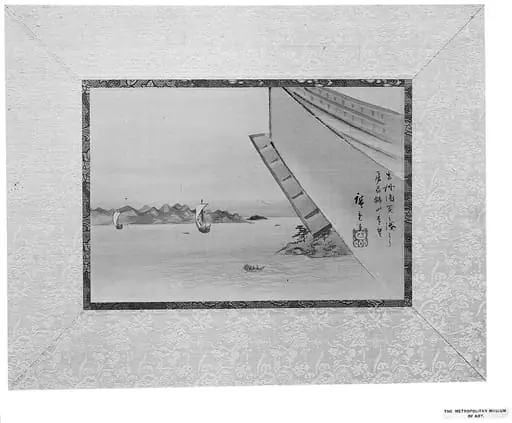
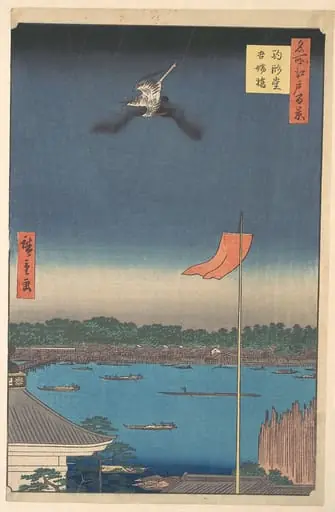
- 歌川広重画 「名所江戸百景 駒形堂吾嬬橋」|“Azuma Bridge from Komagatadō Temple,” from the series One Hundred Famous Views of Edo (Meisho Edo hyakkei, Komagatadō Azumabashi)
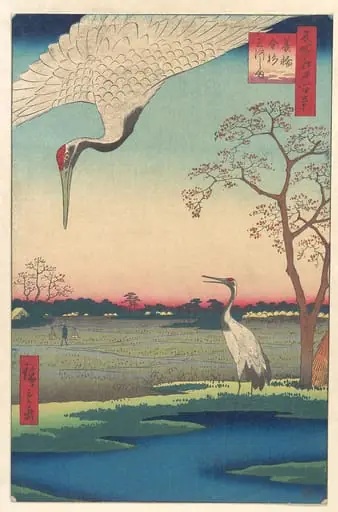 「名所江戸百景 蓑輪 金杉 三河しま」|“Minowa, Kanasugi at Mikawashima,” from the series One Hundred Famous Views of Edo (Meisho Edo hyakkei, Minowa Kanasugi, Mikawashima)
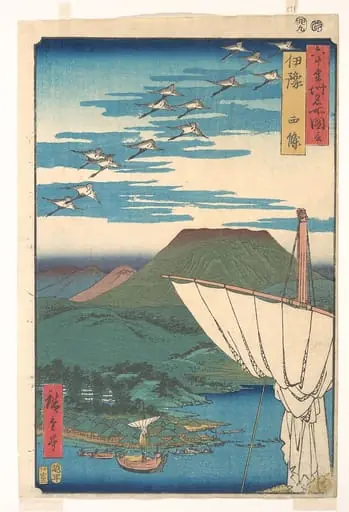 「六十余州名所図絵 伊予 西条」|“Iyo Province, Saijō ,” from the series Views of Famous Places in the Sixty-odd Provinces (Rokujū yoshū meisho zu-e, Iyo, Saijō)
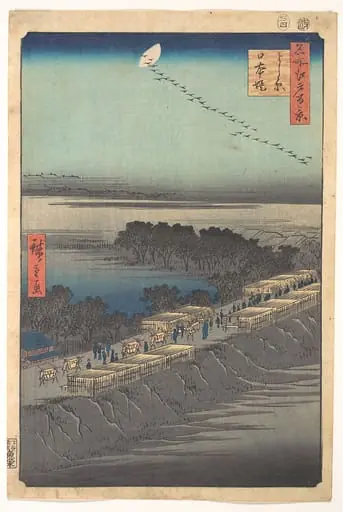 「名所江戸百景 よし原 日本堤」|“Nihon Embankment at Yoshiwara,” from the series One Hundred Famous Views of Edo (Meisho Edo hyakkei, Yoshiwara, Nihonzutsumi)
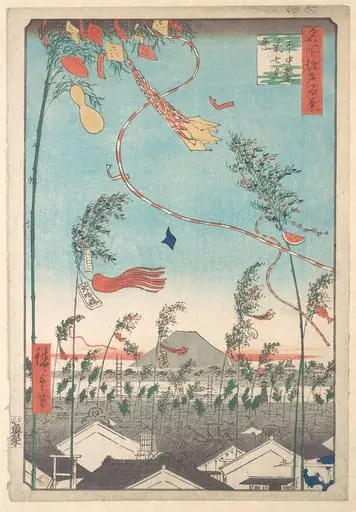 名所江戸百景 市中繁栄七夕祭|The Tanabata Festival, from the series One Hundred Famous Views of Edo
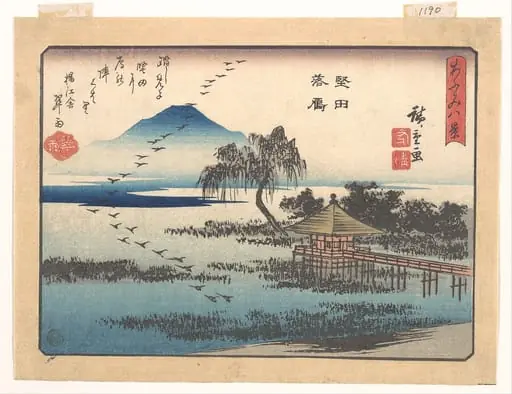 歌川広重画 「あふみ八景 堅田落雁」|Descending Geese at Katada, from the series Eight Views of Ōmi (Ōmi hakkei)
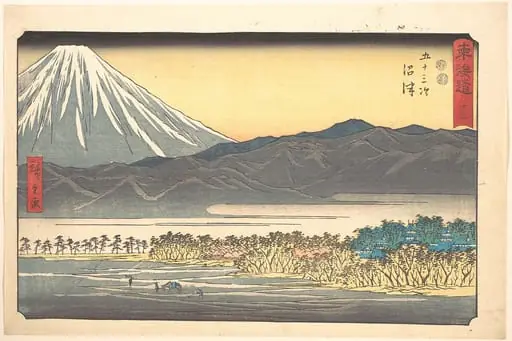 歌川広重画 東海道 十三 五十三次
沼津|Numazu, Number 13, from the series Fifty-Three Stations of the Tōkaidō (Tōkaidō gojūsan tsugi)
歌川広重画 東海道 十三 五十三次
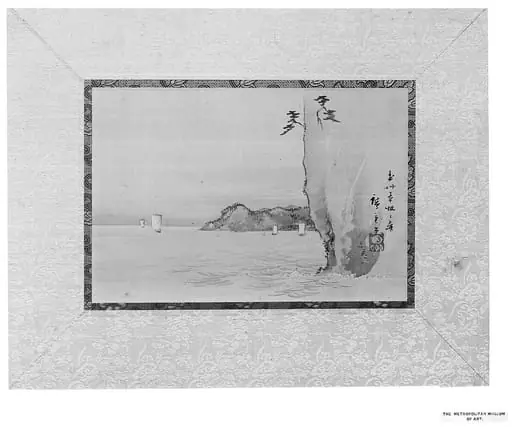
沼津|Numazu, Number 13, from the series Fifty-Three Stations of the Tōkaidō (Tōkaidō gojūsan tsugi)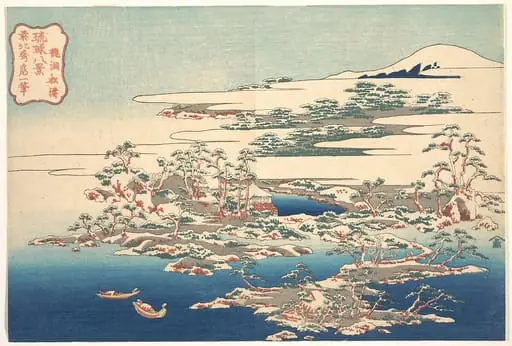 琉球八景 龍洞松濤|Pines and Waves at Ryūtō (Ryūtō shōtō), from the series Eight Views of the Ryūkyū Islands (Ryūkyū hakkei)