Artwork
Night Rain at the Azuma Shrine (from the series Eight Views of the Environs of Edo)
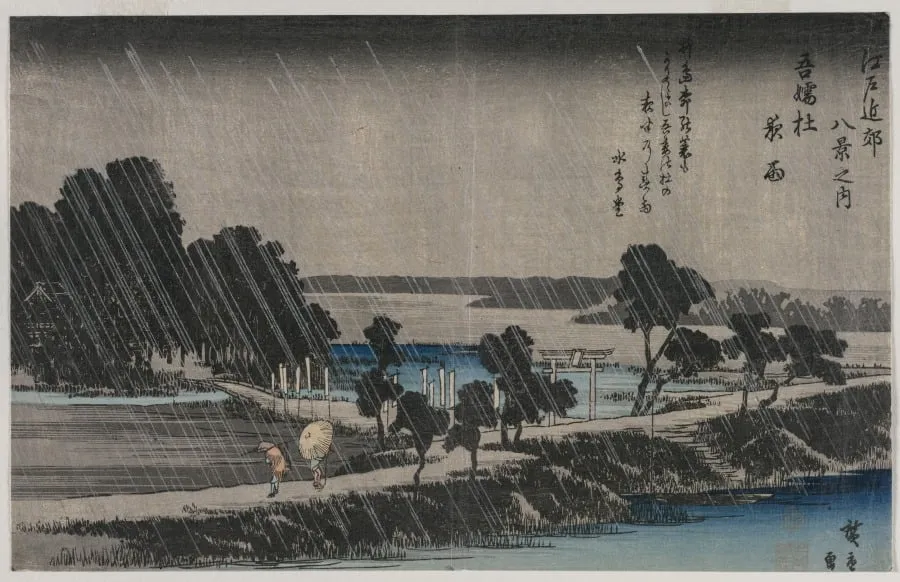
Night Rain at the Azuma Shrine (from the series Eight Views of the Environs of Edo) is a print by the Romanticist artist Utagawa Hiroshige. It dates from 1834 and is held in the collection of the Cleveland Museum of Art.
- Accession no.
- 1942.145
- Credit line
- Gift of Mrs. Henry S. Upson
About this work
You see travelers walking under umbrellas near a shrine gate while rain slants across a dark blue night.
You see travelers walking under umbrellas near a shrine gate while rain slants across a dark blue night.
Hiroshige swapped a Chinese river scene for a Tokyo suburb. The bright blue pigment was new, imported from Europe and suddenly everywhere in Japan. Those ruler-straight white lines are just ink, but they make the rain feel real.
Look up japan, edo period (1615–1868) to see more of these quiet city nights.
Overview
This woodblock print is part of Hiroshige’s series depicting eight scenes around Edo, reimagining the classical Chinese Eight Views of Xiaoxiang. Rather than portraying the Chinese river landscape, Hiroshige sets the scene at Azuma Shrine, a modest shrine in a suburban district of Edo. The composition captures a quiet, rain-soaked night, transforming a foreign poetic tradition into a distinctly Japanese moment of everyday life.
Subject & Meaning
Travelers move cautiously beneath umbrellas near the shrine’s gate, their forms softened by the downpour. The scene evokes solitude and transience, themes central to Japanese aesthetics. By substituting a local landmark for a distant Chinese one, Hiroshige anchors the poetic tradition in the familiar, inviting viewers to find beauty in their own surroundings rather than idealized foreign landscapes.
Technique & Style
Hiroshige employs fine, uniformly straight white ink lines to suggest the diagonal fall of rain, creating a sense of motion and texture without detail. The use of Prussian blue, a newly imported synthetic pigment, intensifies the night sky and ground, contrasting with the muted tones of the figures and architecture. The precision of the lines and the flatness of the planes reflect the conventions of ukiyo-e while enhancing atmospheric mood.
History & Provenance
Produced around 1830–1833, the print emerged during a period of growing interest in domestic tourism and print collecting in Edo. The synthetic blue pigment, known as Berlin blue or Prussian blue, had recently entered Japan through Dutch traders and revolutionized color use in woodblock prints. This work is among the earliest to exploit its vividness for nocturnal scenes, marking a technical shift in the genre.
Context
During the Edo period, urban dwellers increasingly sought cultural connection through art that reflected their daily lives. Hiroshige’s series responded to this trend by elevating ordinary suburban locations into subjects worthy of poetic contemplation. The adaptation of Chinese themes into Japanese settings mirrored broader cultural negotiations, honoring tradition while asserting local identity.
Legacy
The print exemplifies how Japanese artists reinterpreted foreign motifs to serve domestic sensibilities. Its use of synthetic pigments and atmospheric effects influenced later generations of printmakers and even Western artists like Van Gogh. By transforming a Chinese literary motif into a quiet Edo night, Hiroshige helped redefine the boundaries of landscape art in Japan.
Artist & collection
Artist
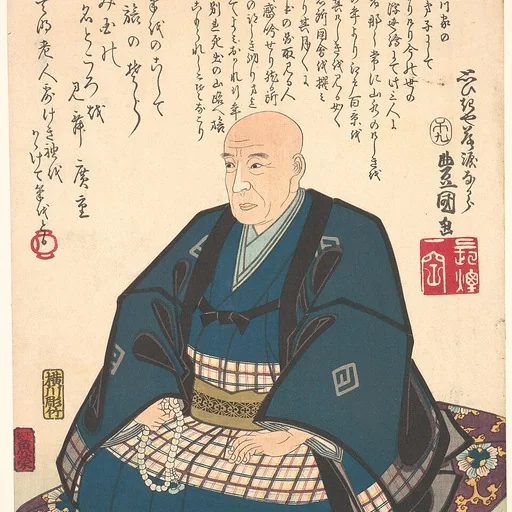
Utagawa Hiroshige (歌川 広重) or Andō Hiroshige (安藤 広重), born Andō Tokutarō (安藤 徳太郎; 1797 – 12 October 1858), was a Japanese ukiyo-e artist, considered the last great master of that tradition.

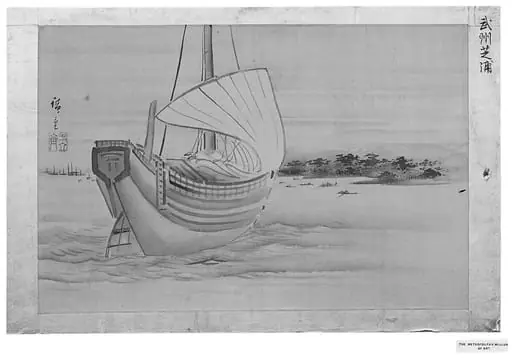
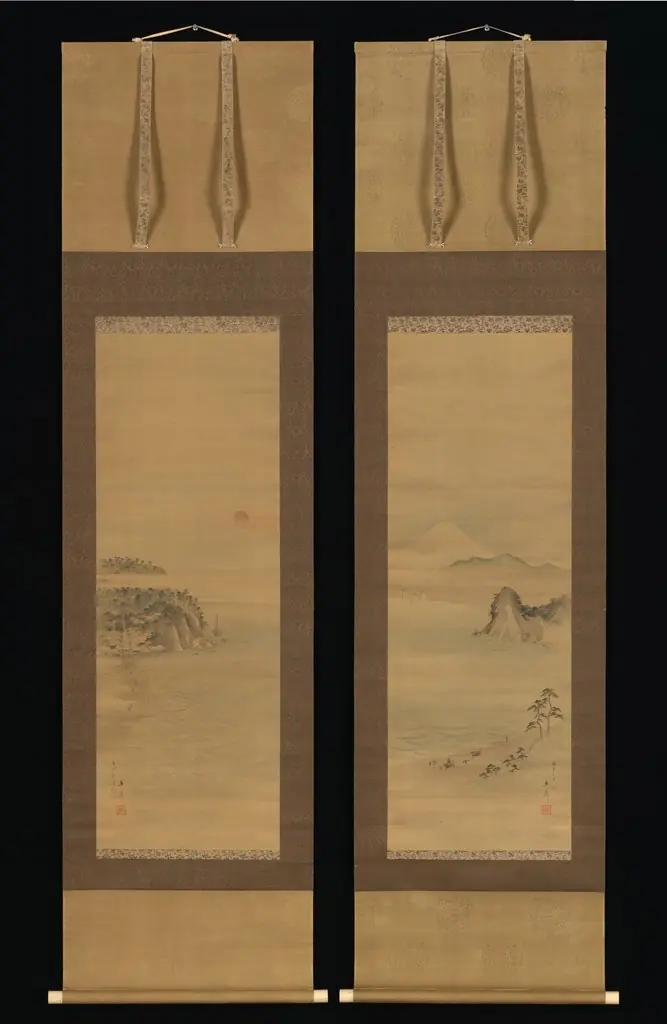
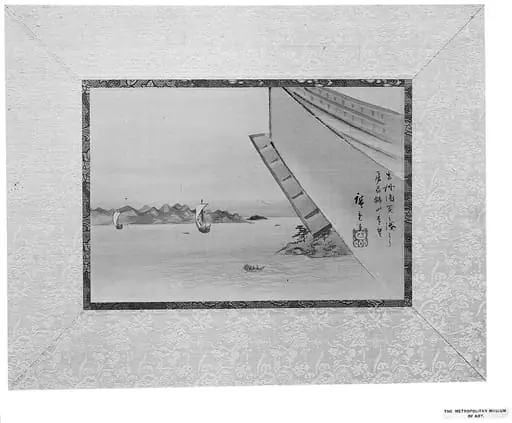
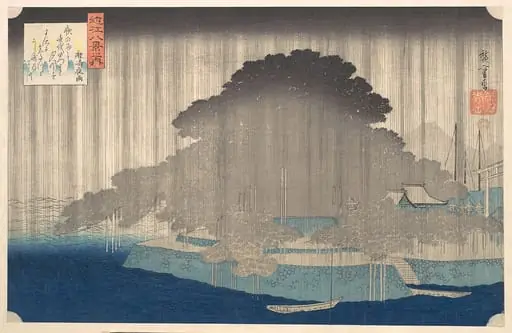
- 歌川広重画 「近江八景之内 唐崎夜雨」|Night Rain at Karasaki, from the series Eight Views of Ōmi (Ōmi hakkei no uchi)
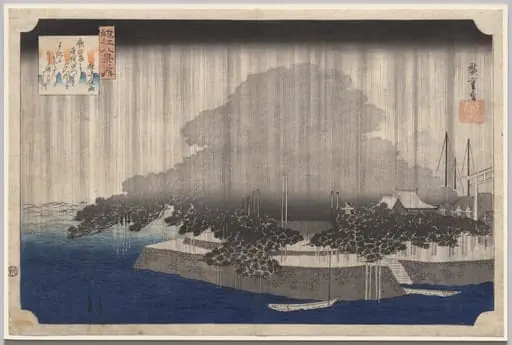 Night Rain at Karasaki, from Eight Views of Ōmi
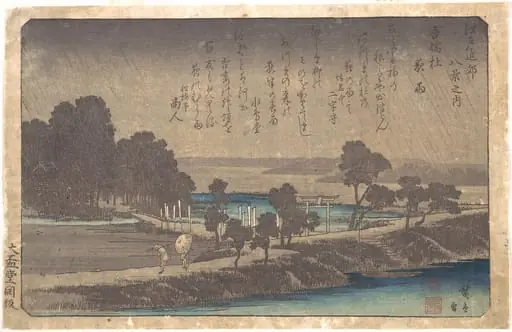 Azuma Mori Yau|江戸近郊八景之内 吾嬬杜夜雨|Evening Rain in Azuma Wood
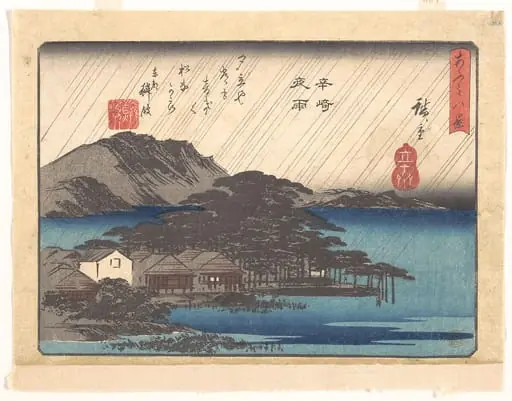 歌川広重画 「あふみ八景 辛崎夜雨」|Evening Rain at Karasaki, from the series Eight Views of Ōmi (Ōmi hakkei)
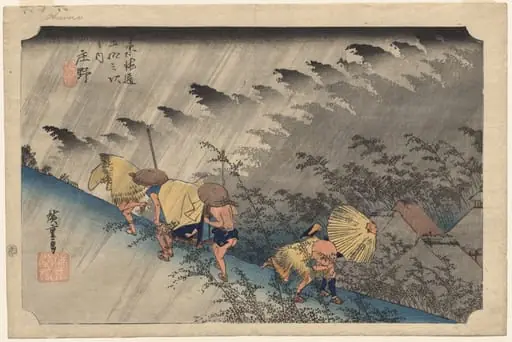 Driving Rain at Shōno, from Fifty-Three Stations of the Tokaidō
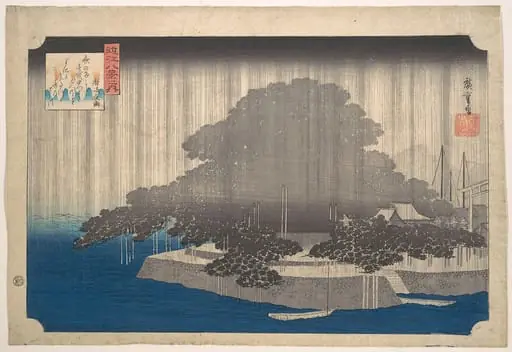 近江八景之内 唐崎夜雨|Evening Rain on the Karasaki Pine
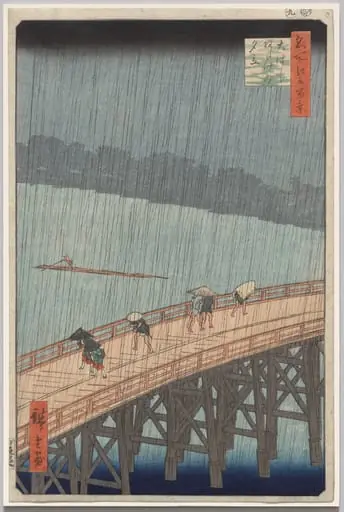 Sudden Shower over Shin-Ōhashi Bridge and Atake, from One Hundred Famous Views of Edo
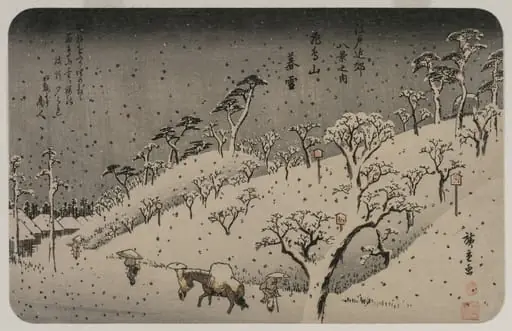 Evening Snow at Asuka Hill, from the series Eight Views of the Environs of Edo
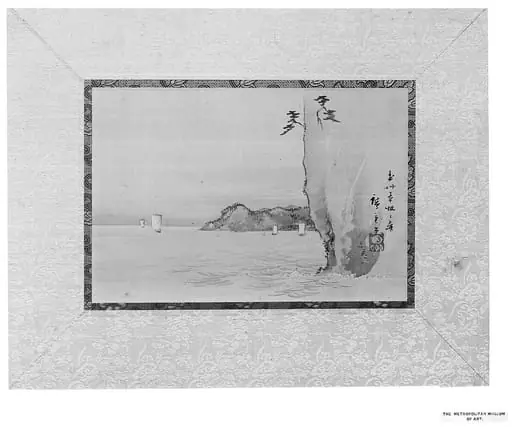
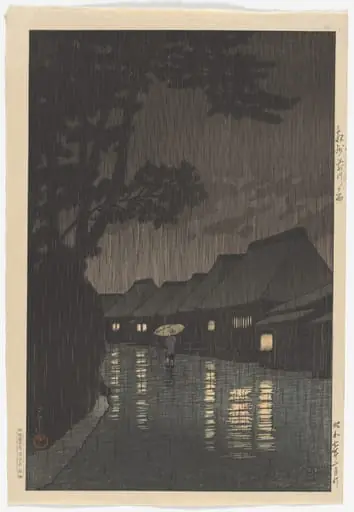 Untitled