Artwork
歌川国芳画 「高祖御一代略図 鎌倉霊山ヶ崎雨祈」|Concise Illustrated Biography of Monk Nichiren: Prayer for Rain Answered at Ryōzengasaki in Kamakura
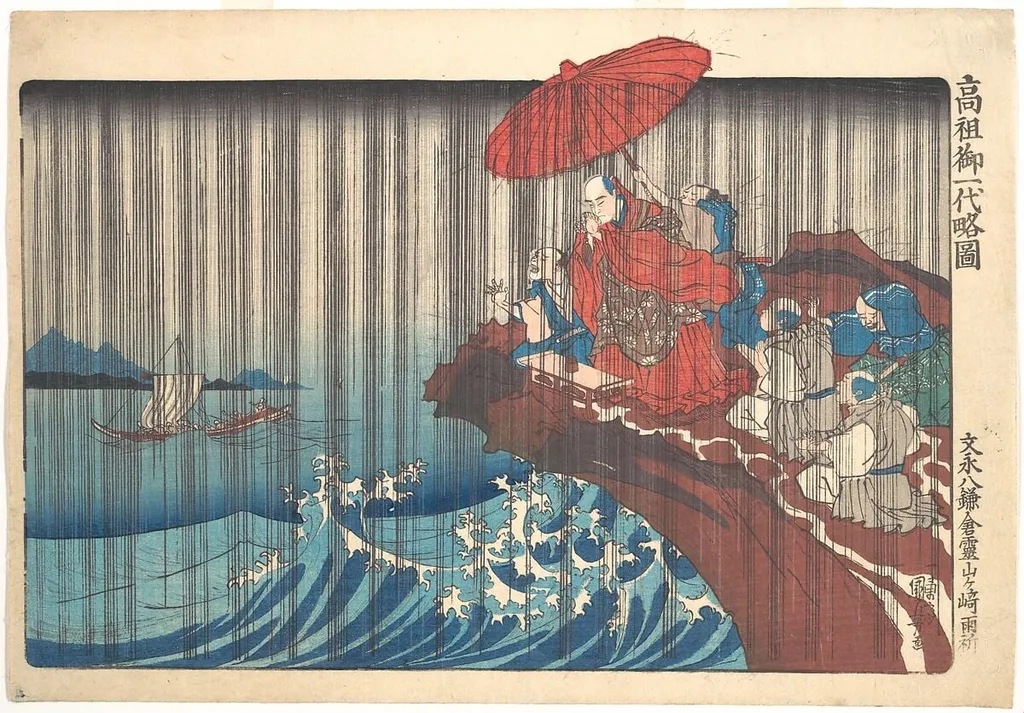
歌川国芳画 「高祖御一代略図 鎌倉霊山ヶ崎雨祈」|Concise Illustrated Biography of Monk Nichiren: Prayer for Rain Answered at Ryōzengasaki in Kamakura is an ink print by the Romanticist artist Utagawa Kuniyoshi. It dates from 1836 and is held in the collection of the Metropolitan Museum of Art.
- Accession no.
- JP2859
- Credit line
- Henry L. Phillips Collection, Bequest of Henry L. Phillips, 1939
About this work
Overview
Utagawa Kuniyoshi’s woodblock print, dated 1836, depicts a moment from the life of the Buddhist monk Nichiren. Executed in ink and color on paper, the work forms part of a series illustrating the monk’s biography, specifically the episode in which his prayer for rain is answered at Ryōzengasaki in Kamakura. The print is part of the collection of the Metropolitan Museum of Art.
Subject & Meaning
The scene captures a tempestuous shoreline where a group of figures confront a storm. Central to the composition is a man in a vivid red garment clutching a red umbrella, while others seek shelter beneath dark blue cloaks. The narrative emphasizes the monk’s intercessory power, suggesting that divine favor has calmed the sea enough for the stranded boat to survive.
Technique & Style
Kuniyoshi employs fine, intersecting lines to render the rain and churning waves, creating a textured surface through cross‑hatching. The contrast between the bright reds and deep blues enhances the dramatic tension, while the delicate ink work defines the rocky shore and turbulent water with a sense of immediacy characteristic of ukiyo‑e prints of the period.
History & Provenance
Created during the late Edo period, the print was produced as a devotional image for followers of Nichiren Buddhism. It entered the collection of the Metropolitan Museum of Art in the 20th century, where it remains catalogued as an example of Kuniyoshi’s religious series.
Context
The work belongs to a broader tradition of illustrated biographies (eiga) that visualized the lives of revered monks for popular consumption. In the 1830s, such prints served both as religious instruction and as entertainment, reflecting the era’s appetite for narrative art that combined spiritual themes with dynamic visual storytelling.
Artist & collection
Artist
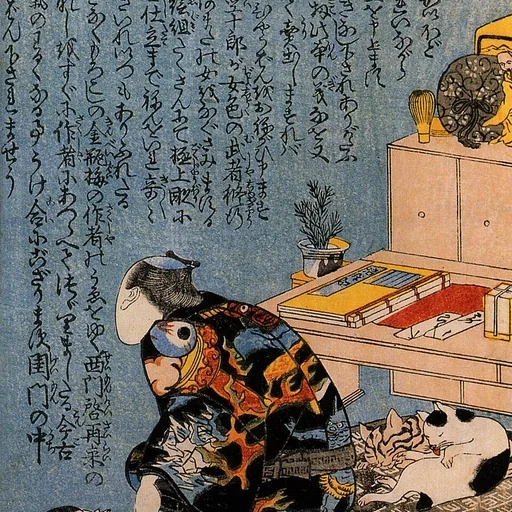
Kuniyoshi grew up in old Tokyo when the city was still called Edo. His dad ran a silk shop, but Kuniyoshi loved anything with pictures, scrolls, screens, comic books. He talked his way into the Utagawa school, a kind of…

 Untitled
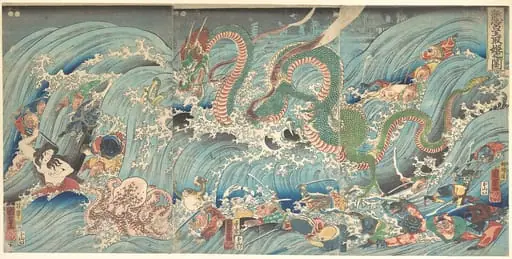 Ryugu Tamatori Hime no su|Recovering the Stolen Jewel from the Palace of the Dragon King
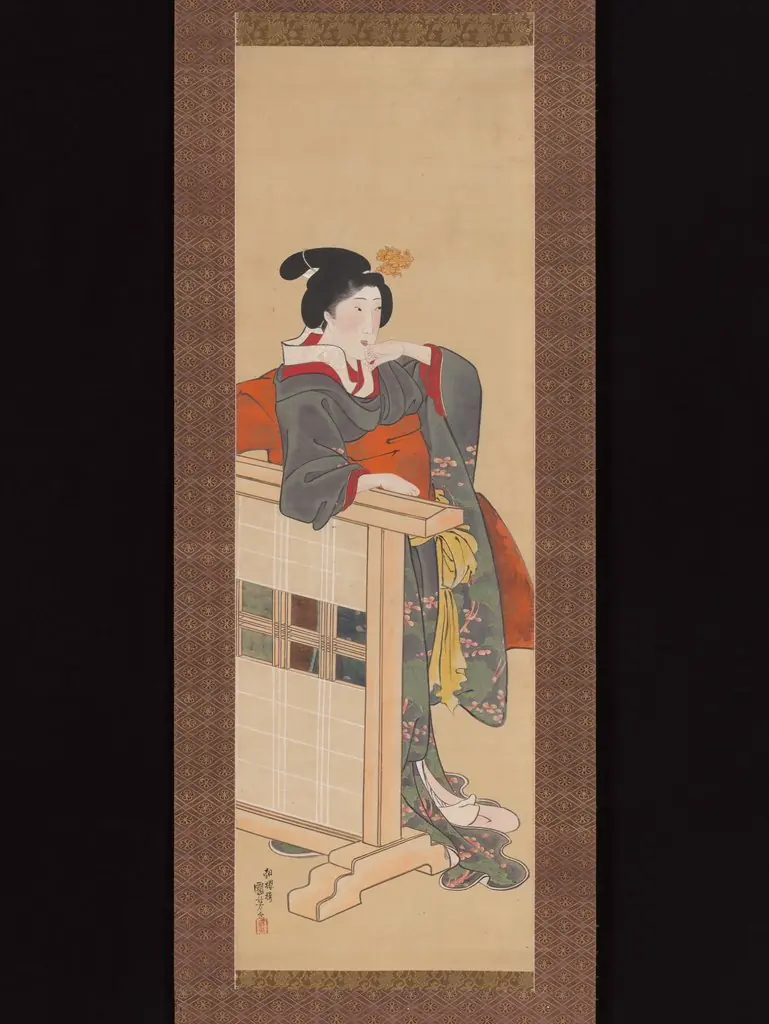 Lady-in-Waiting at Edo Castle
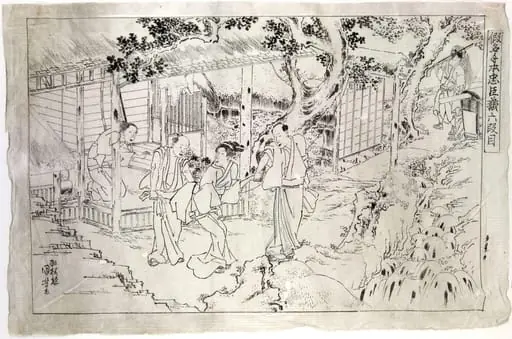 Treasury of the Forty-seven Loyal Retainers
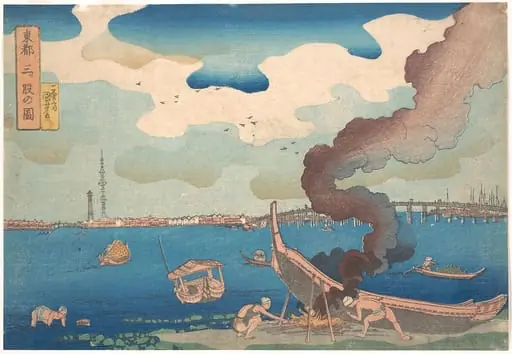 Toto Mitsumata no zu|Picture of Mitsumata
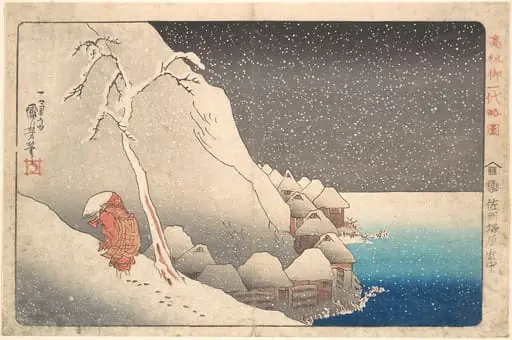 歌川国芳画 「高祖御一代略図 佐州塚原雪中」|Concise Illustrated Biography of Monk Nichiren: In Snow at Tsukahara on Sado Island
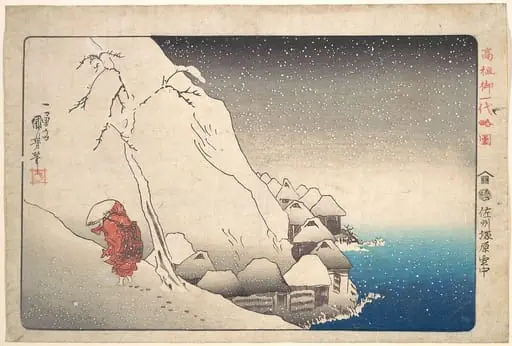 Sashu Tsukahara setchu|Nichiren in Snow at Tsukahara, Sodo Province
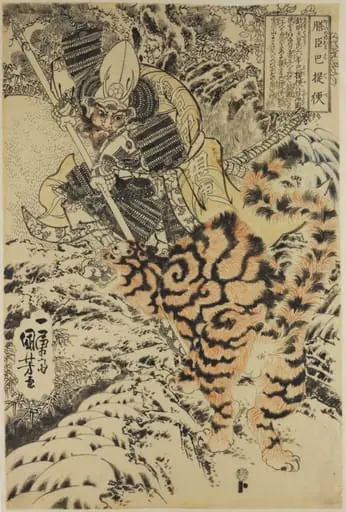 Kashiwade no Hatebe
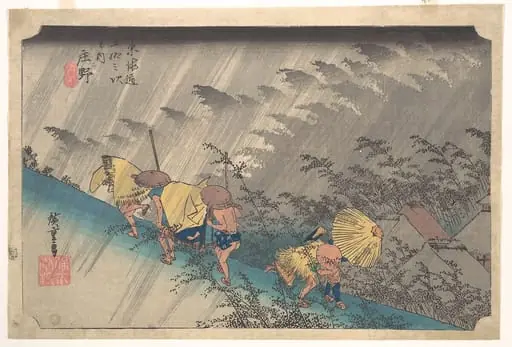 東海道五十三次・庄野 白雨|Sudden Shower at Shōno, from the series Fifty-three Stations of the Tōkaidō
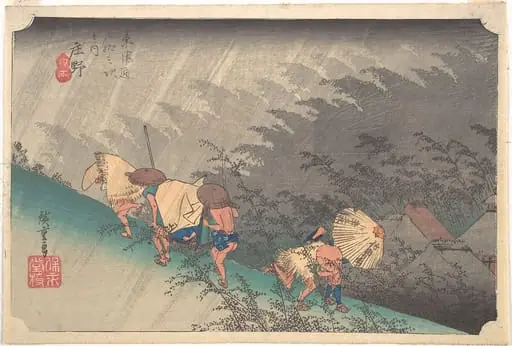 東海道五十三次之内 庄野 白雨|Sudden Shower in Shōno
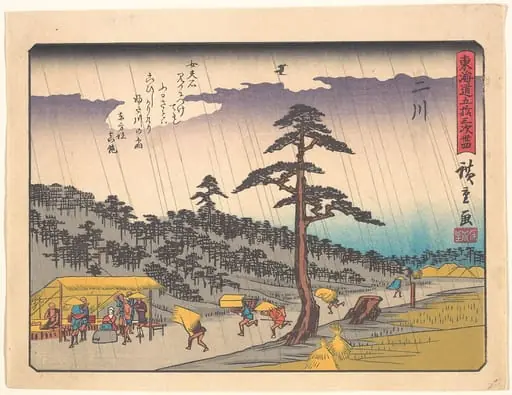 東海道五十三次 二川|Futakawa, from the series The Fifty-three Stations of the Tōkaidō Road
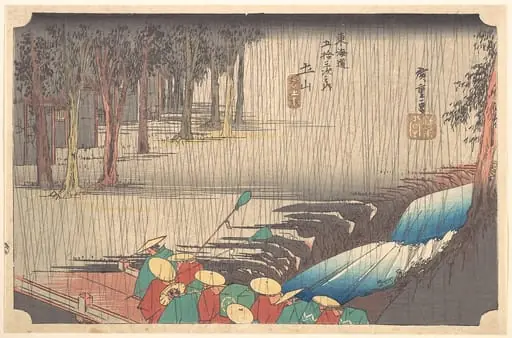 Tsuchiyama Haru no Ame|東海道五十三次之内 土山 春の雨|Spring Rain at Tsuchiyama (50th Station of the Tōkaidō)
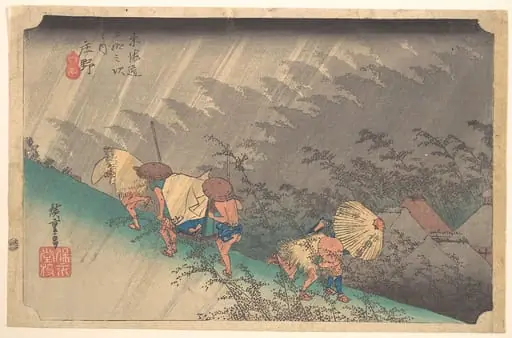 Shōno Hakuu|東海道五十三次之内 庄野 白雨|White Rain at Shōno
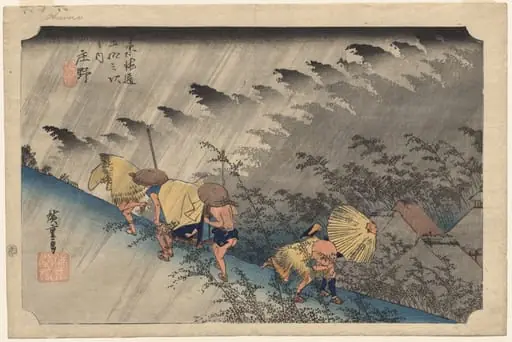 Driving Rain at Shōno, from Fifty-Three Stations of the Tokaidō
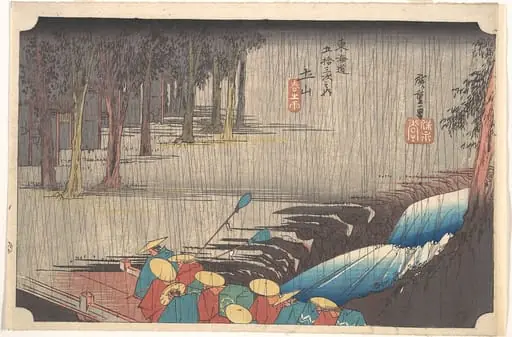 東海道五十三次 土山 春の雨|Spring Rain at Tsuchiyama, from the series Fifty-three Stations of the Tōkaidō
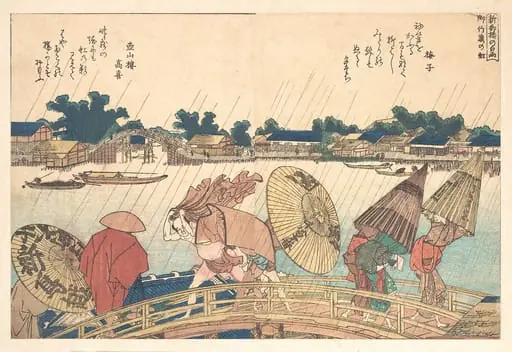 新柳橋の白雨|Shower at the New Yanagi Bridge