Artwork
The Three Graces
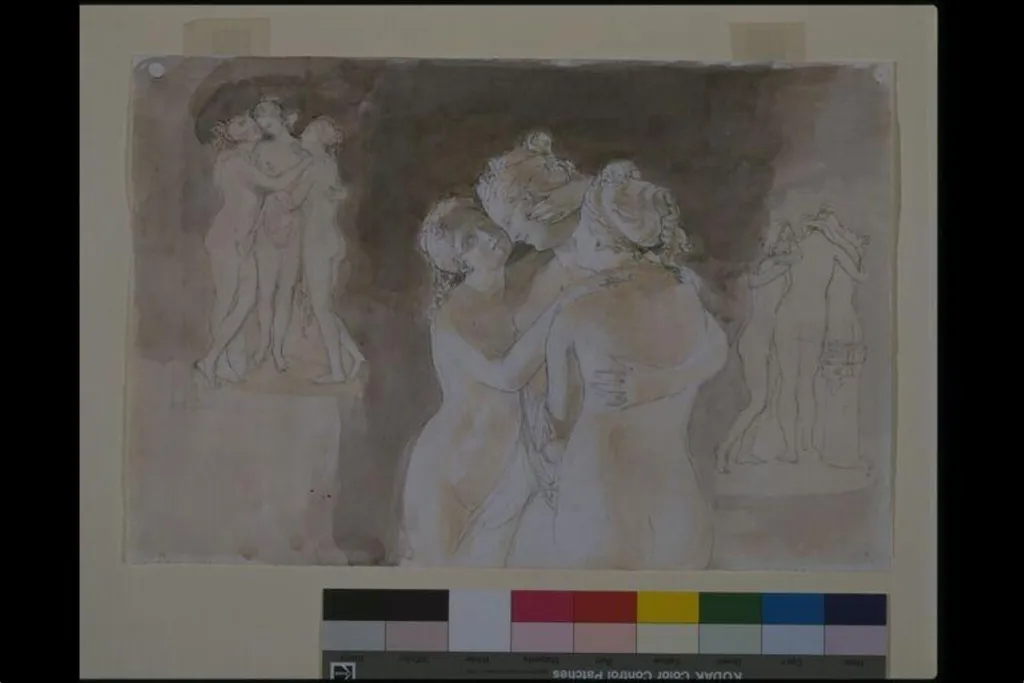
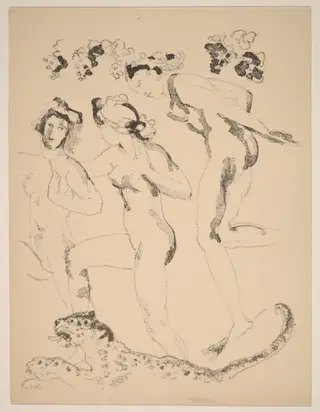
The Three Graces is a drawing by John Stanton Ward. It dates from 1995 and is held in the collection of the Victoria and Albert Museum.
About this work
Overview
Executed in loose, rapid strokes, the work captures multiple perspectives of the figures in a single composition.
John Stanton Ward created this pencil drawing as a study of Antonio Canova’s sculptural group, The Three Graces. Executed in loose, rapid strokes, the work captures multiple perspectives of the figures in a single composition. Its unfinished appearance suggests it was made for personal analysis rather than public display, serving as a visual tool to understand Canova’s spatial arrangement and anatomical harmony.
Subject & Meaning
The drawing depicts the three nude female figures as they appear in Canova’s marble sculpture: two turned inward, entwined in gentle embrace, and the third facing outward, her hand resting on the shoulder of the central figure. The composition reflects classical ideals of unity and grace, emphasizing interconnectedness through posture and proximity. Ward’s focus on their arrangement underscores the sculptural group’s symbolic representation of beauty, charm, and joy.
Technique & Style
Ward employed light, fluid pencil lines with minimal shading, using subtle cross-hatching to suggest volume without heavy definition. The background remains largely empty, drawing attention to the figures’ contours. The sketch’s spontaneity reveals an artist working through form in real time, prioritizing structural understanding over finish. The absence of detail reinforces its function as a working study rather than a polished composition.
History & Provenance
The drawing was produced as part of Ward’s preparatory work to engage with Canova’s sculpture, likely during a period of renewed interest in Neoclassical forms. It was later donated to the museum to aid in the acquisition of the original marble piece, functioning as both an artistic record and a persuasive document. Its presence in the collection links Ward’s practice to broader efforts to preserve and contextualize classical sculpture in the modern era.
Context
In the 19th century, artists frequently studied classical sculptures to refine their understanding of form and proportion. Ward’s sketch aligns with this tradition, reflecting a common practice among British draftsmen who used drawing to bridge historical models and contemporary practice. The emphasis on multiple viewpoints suggests a methodical approach, common among artists preparing to interpret or replicate sculptural works in other media.
Legacy
Though not a finished artwork, the drawing endures as a testament to the process of artistic engagement with classical antiquity. It reveals how later artists approached revered works not merely as objects to admire, but as systems of form to be analyzed and internalized. Its preservation highlights the value placed on preparatory studies as documents of artistic thought and historical continuity.
Artist & collection
Artist
John Stanton Ward CBE was an English portrait artist, landscape painter and illustrator. His subjects included British royalty and celebrities.

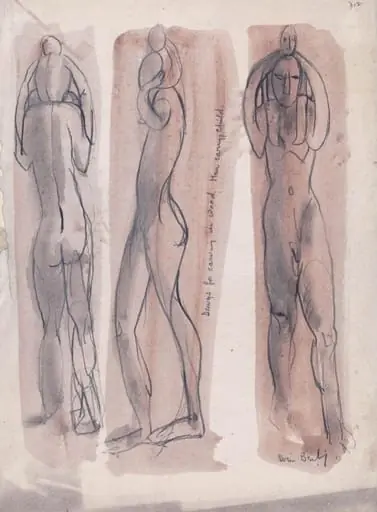
- Man carrying a child
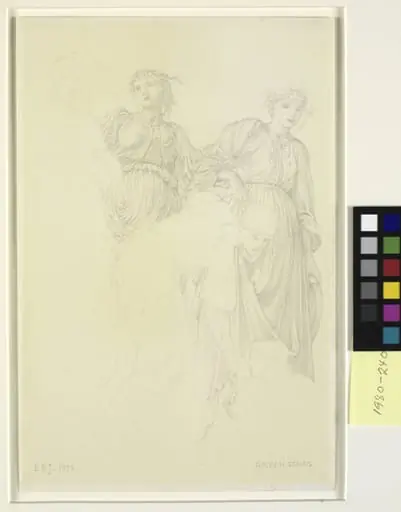 Group of women, Preliminary study for the painting, The Golden Stairs
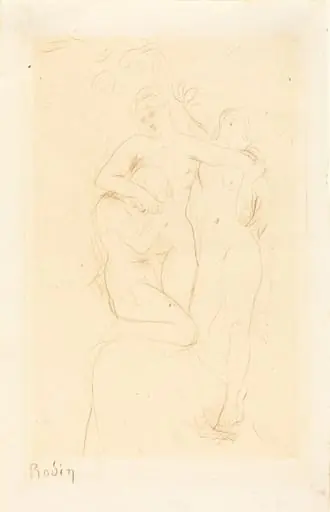 Ames du Purgatoire
 Three Women
 Study for "Classic and Romantic Art"
 Sheet of Studies, including a Man Battling a Centaur
 Sketch for Lot and His Daughters (verso)
 Studies of Female Nudes
 Rape II (Raub II, Weib halb)
 October
 Untitled
 Bacchantes