Subject
Couple
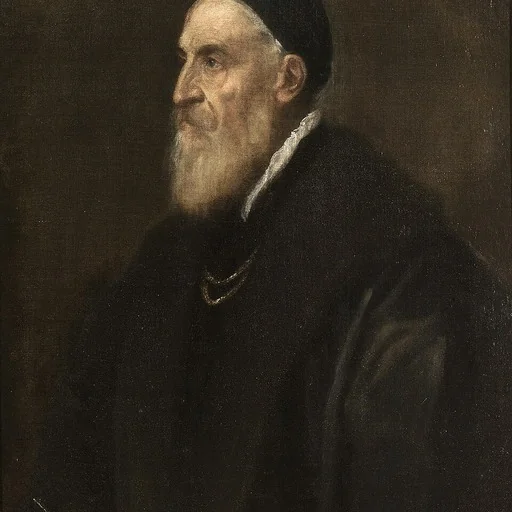
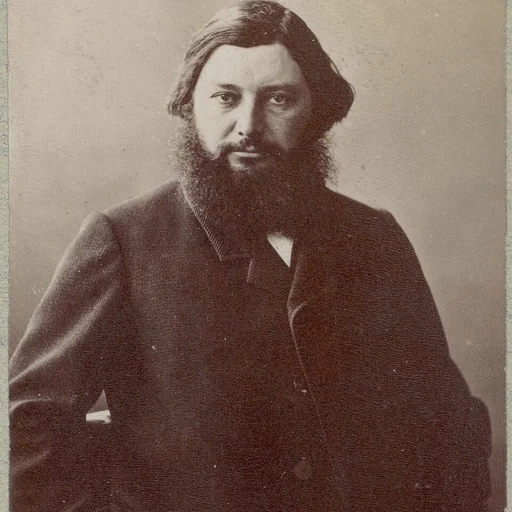
Couple is a subject in art. The gallery holds 142 works in this subject in art, including works by Titian, Paolo Veronese and Gustave Courbet.
The couple — two figures bound by love, desire, marriage, or kinship — is among the oldest and most persistent subjects in art, predating the easel painting by millennia. Ancient Egyptian sculptors carved paired statues of husbands and wives, such as the seated group of Memi and Sabu, to affirm union into eternity, while Greek and Roman art populated temples and frescoes with divine lovers. The theme answered a basic human need: to picture intimacy, to make permanent the fragile bond between two people. Across cultures it has carried freight far beyond romance — dynastic alliance, fertility, fidelity, and the social contract of marriage itself.
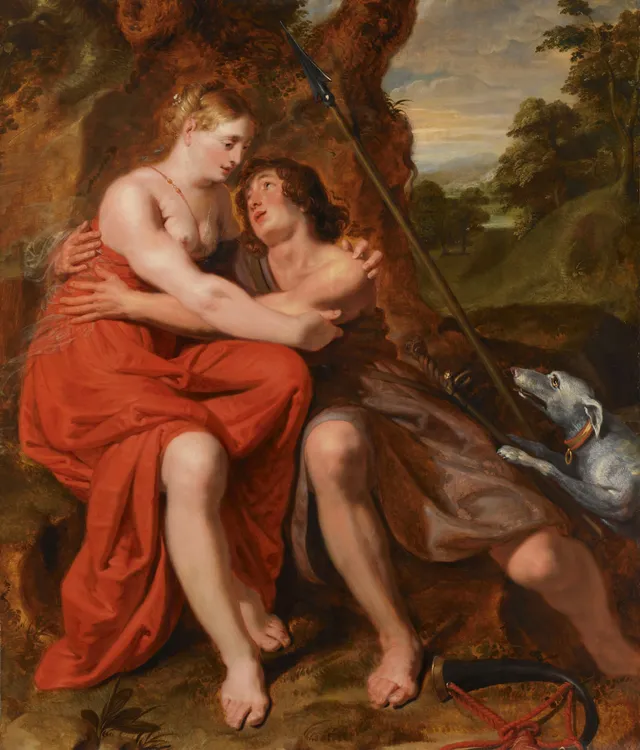
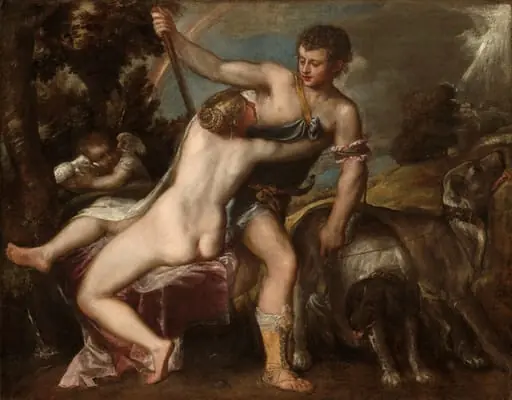
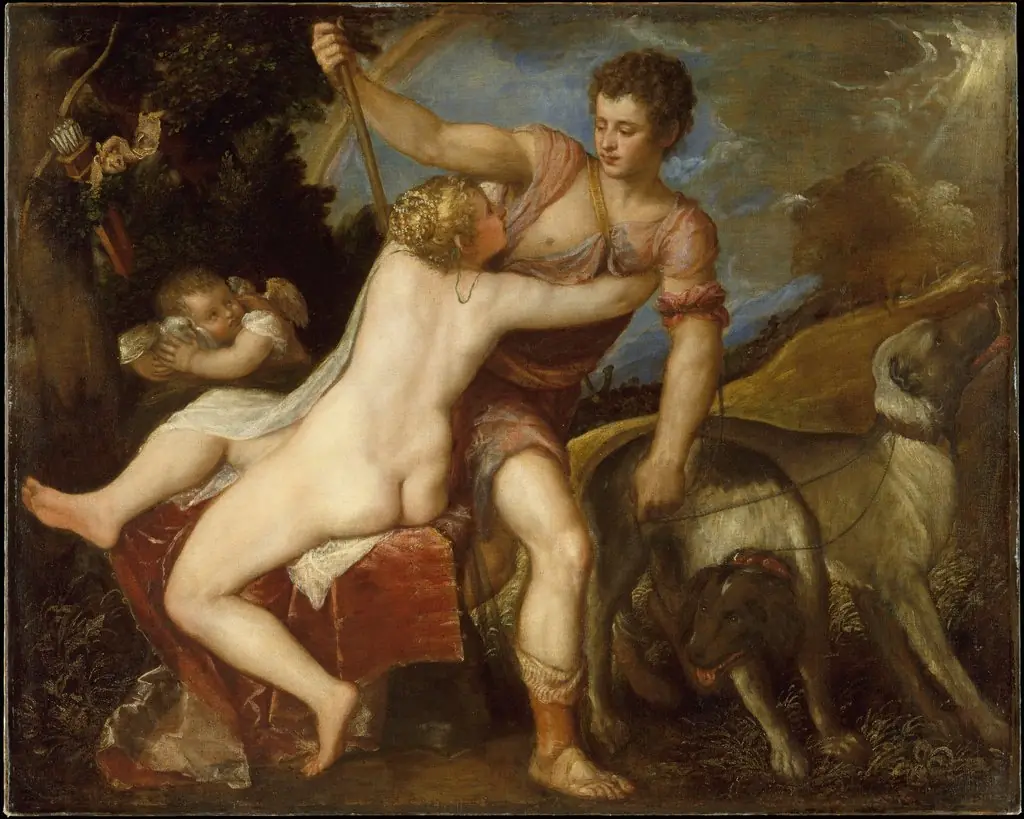
The couple acquired its enduring visual grammar in the Northern Renaissance. Jan van Eyck's *Arnolfini Portrait* (1434, National Gallery, London) shows a richly dressed man and woman in a Bruges bedchamber, their hands lightly joined, surrounded by symbols — a small dog for loyalty, a convex mirror reflecting two witnesses — that turned a double portrait into a meditation on fidelity and presence. In Renaissance Venice, Titian translated the couple into the language of myth: his *Venus and Adonis*, painted for Philip II of Spain around 1554 and repeated in some thirty versions, captures the goddess clinging to her departing mortal lover at dawn, fusing eroticism with the foreknowledge of loss.
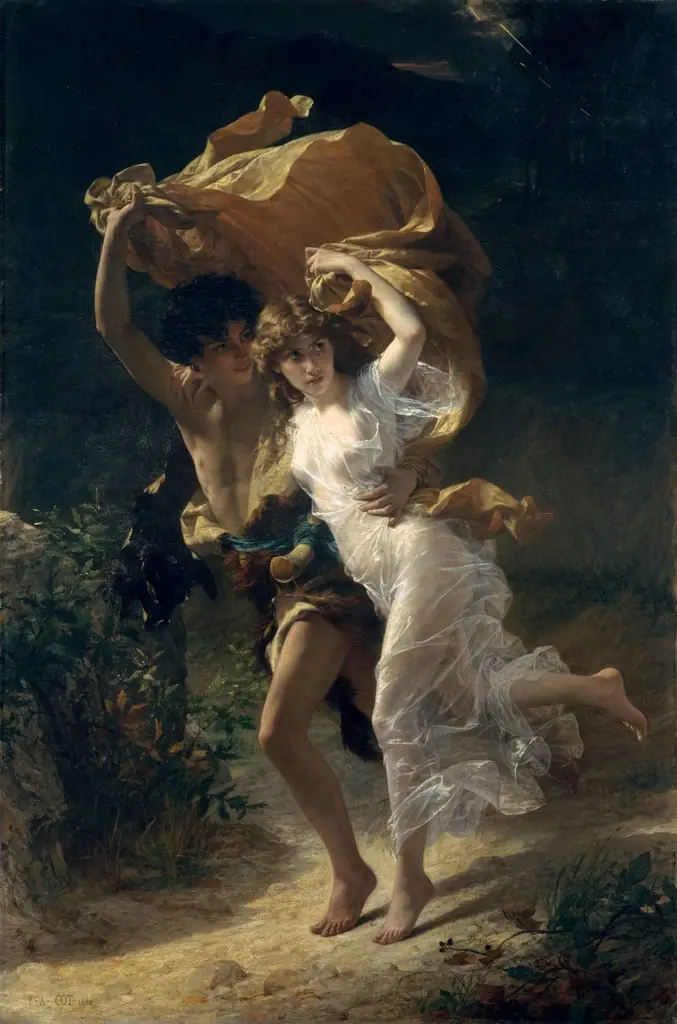
The nineteenth century made the couple a vehicle for sentiment and sensation. Pierre-Auguste Cot's *The Storm* (1880, Metropolitan Museum of Art), commissioned by Catharine Lorillard Wolfe, shows two young lovers fleeing a downpour beneath a billowing veil — a Salon triumph endlessly reproduced. American portraitists such as Cecilia Beaux reinvented the marital pairing; her *Mr. and Mrs. Anson Phelps Stokes* (1898) boldly foregrounds the wife while relegating the husband to shadow.
The theme's modern apotheosis came with Gustav Klimt's *The Kiss* (1907–08, Belvedere, Vienna), an oil enriched with gold leaf that dissolves two embracing figures into shimmering ornament, and Auguste Rodin's marble *The Kiss* (originally conceived 1880s), where intertwined bodies render desire in stone. Both works, indebted to Symbolism and the Vienna Secession, distilled centuries of couple imagery into pure feeling — and shaped how Munch, Chagall, and countless later artists would picture love.
Key artists

Overview
A couple, defined as a set of two people linked in a physical and emotional community, represents an interpersonal relationship characterized by emotional or physical closeness. This intimacy can encompass romantic or platonic love and sexual intimacy. The motif of the couple recurs throughout art history because it addresses one of the most consistent human characteristics across languages and cultures: the pursuit of love and partnership. Intimate relationships are inherently interdependent, with members mutually influencing each other over time. The bond between two people has served as a vital subject in art since antiquity, capturing the unique context, history, and emotional depth that builds between individuals.
Iconography & meaning
The iconography of the couple in art is deeply tied to the display of intimacy, vulnerability, and mutual affection. Physical intimacy, such as holding hands, embracing, or kissing, promotes connection and is a frequent visual marker of romantic love. Artists often use color and clothing to convey inner emotions and symbolic meaning, such as a red garment to indicate burning desire and a spotless white dress to signify purity. In some traditions, gold garments and surfaces are used to deify the figures, blending the human and the divine. The motif also carries meaning beyond romantic love, representing social and legal institutions like marriage, as well as broader concepts of cosmic balance, complementary energies, and the union of opposing forces such as love and wisdom or projective and receptive energies.
Across movements & periods
The treatment of the couple has evolved significantly across art movements, periods, and cultures. In ancient Egypt, royal couples like Nefertiti and Akhenaten were depicted in distinct artwork featuring elongated forms and intimate royal scenes. During the Italian Renaissance, artists employed realism and balanced light and shadow to emphasize the lovers, as seen in Francesco Hayez's 1859 work. The Academic style of the nineteenth century utilized striking realism and symbolic color contrasts to convey romantic narratives. French Impressionists like Pierre Auguste Renoir captured couples in casual, elegant embraces during social activities. At the turn of the century, Art Nouveau artists such as Gustav Klimt blended the human and the divine using golden, mosaic-like patterns that made the figures' bodies nearly indistinguishable from one another. Later, Abstract Expressionism found expression in the complex collaborations of artist couples, producing works marked by boundless energy, while American Realism captured the poetic solitude of everyday married life.
Notable depictions
Several canonical depictions of couples have become landmarks in art history. Gustav Klimt's 1907 painting The Kiss portrays two devoted lovers in a passionate embrace, their bodies entwined in golden robes, possibly depicting the Greek figures Orpheus and Eurydice. Rembrandt van Rijn's The Jewish Bride, also known as Portrait of a Couple as Isaac and Rebecca, captures a man lovingly embracing a woman, a work so powerful that Vincent Van Gogh reportedly wished to exchange ten years of his life to admire it for two weeks. Pierre-Auguste Cot's 1873 painting Le Printemps (Springtime) features two figures playfully embracing on a forest swing. Francesco Hayez's 1859 painting El Beso, widely considered the most popular romantic painting in history, depicts a secret, passionate kiss. Renoir's Danse a la Campagne offers an elegant portrait of a couple dancing. Beyond canvas, the collaborative output of artist couples like Frida Kahlo and Diego Rivera, and Camille Claudel and Auguste Rodin, represent the motif in modern sculpture and fresco.
Legacy
The legacy of the couple as an artistic and cultural subject extends beyond the canvas into the creative collaborations and personal lives of artists themselves. The romantic and creative partnerships of figures like Wassily Kandinsky and Gabriele Munter, Sonia Delaunay and Robert Delaunay, and Jeanne-Claude and Christo shaped global artistic landscapes, pushing the boundaries of abstract art, simultaneism, and conceptual art. The motif's influence also persists in cultural and philosophical thought regarding the afterlife, where the concept of married partners reuniting after death remains a common belief across many cultures. Theological frameworks, such as those of Emanuel Swedenborg, propose that truly united couples grow closer in heaven until they appear as a single person, whereas incompatible partners separate, underscoring a persistent human preoccupation with the endurance and spiritual validity of the intimate bond.
Works
 Venus and Adonis
 Venus and Adonis
 The Storm
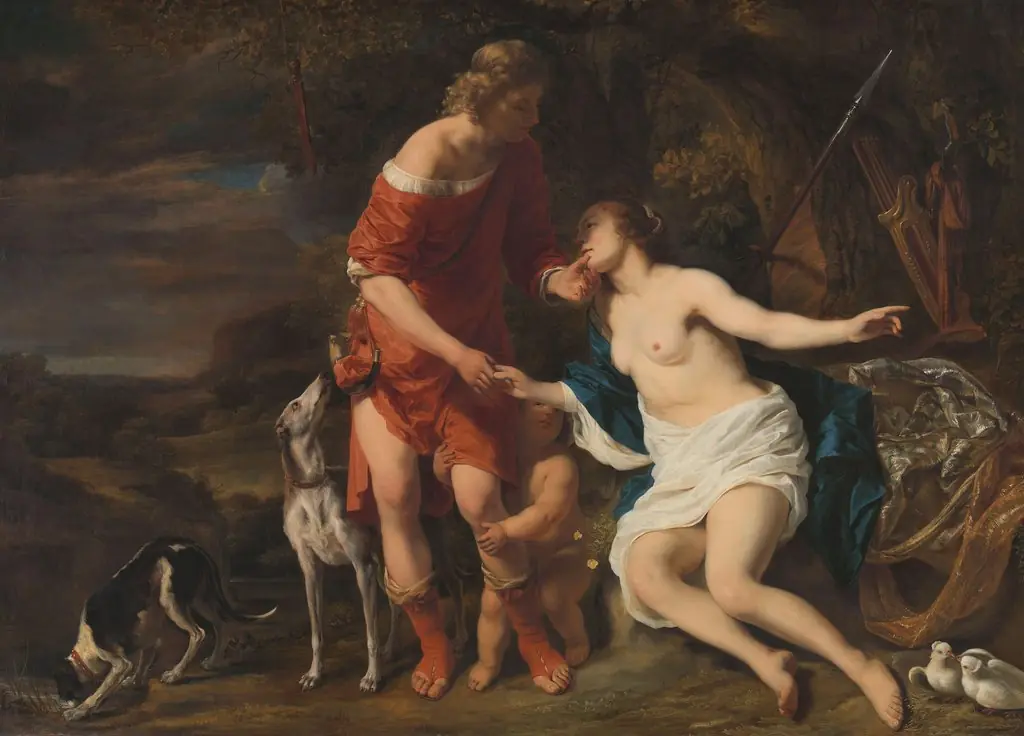 Venus and Adonis
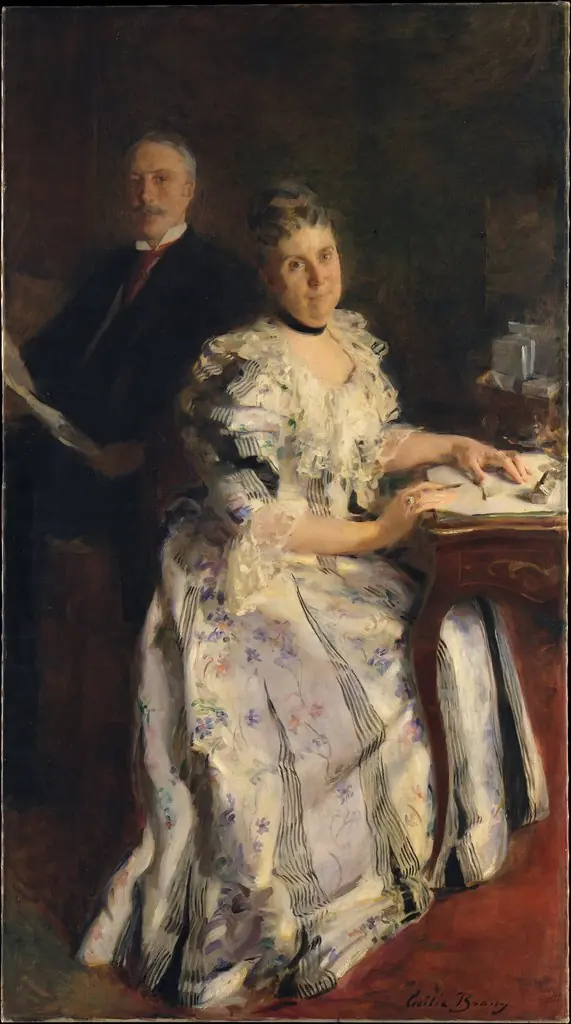 Mr. and Mrs. Anson Phelps Stokes
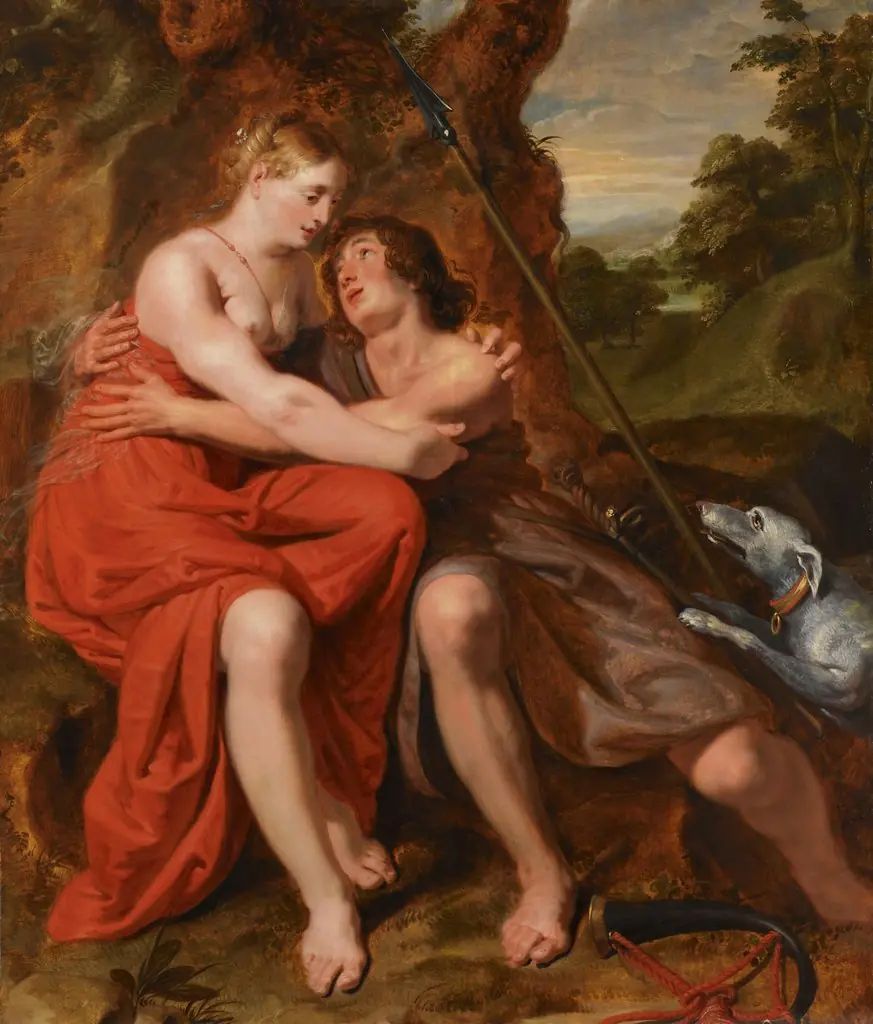 Venus and Adonis
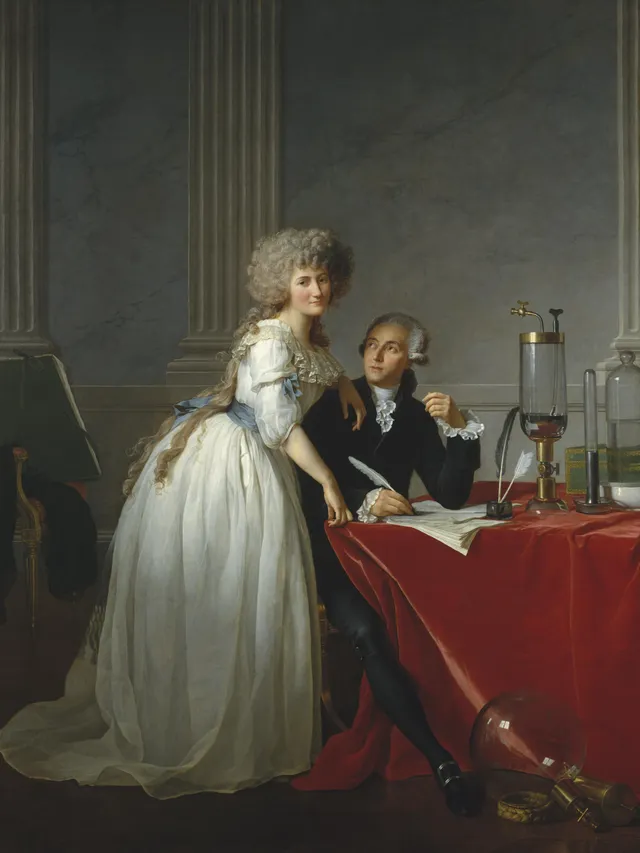
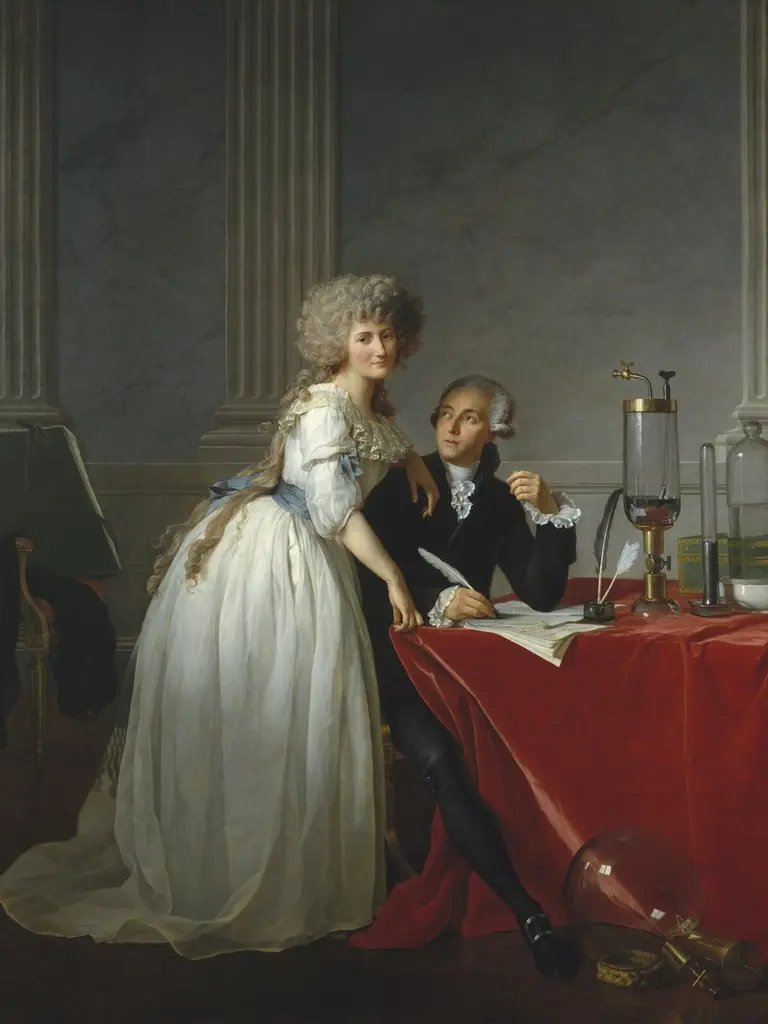 Portrait of Antoine-Laurent Lavoisier and his wife
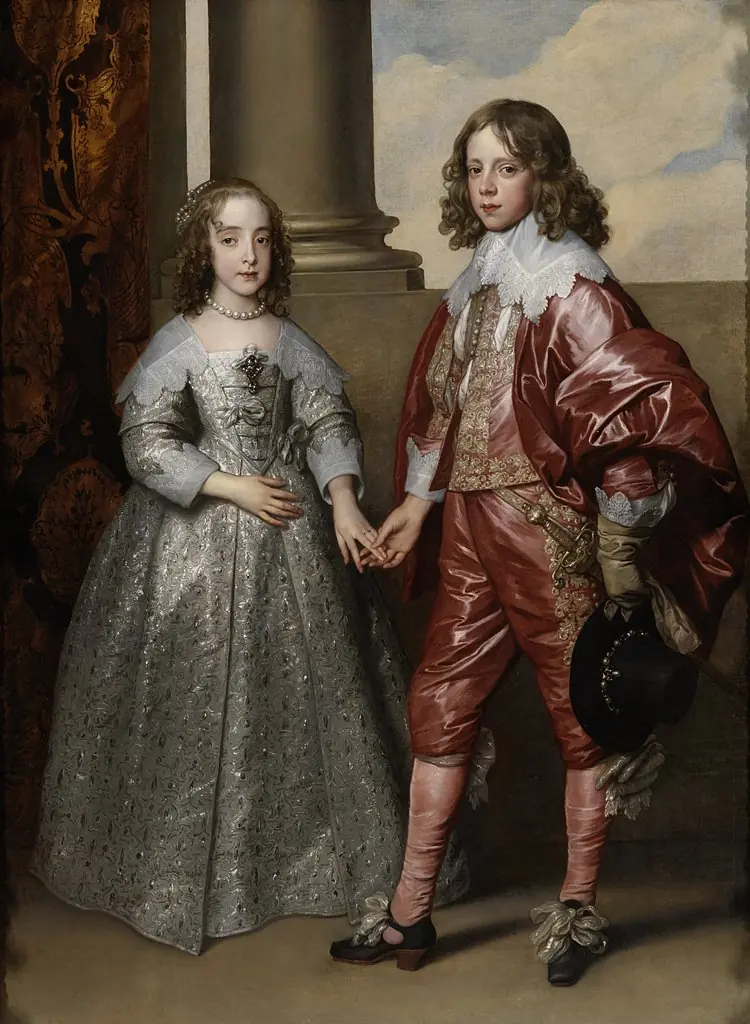 William II, Prince of Orange, and his Bride, Mary Stuart
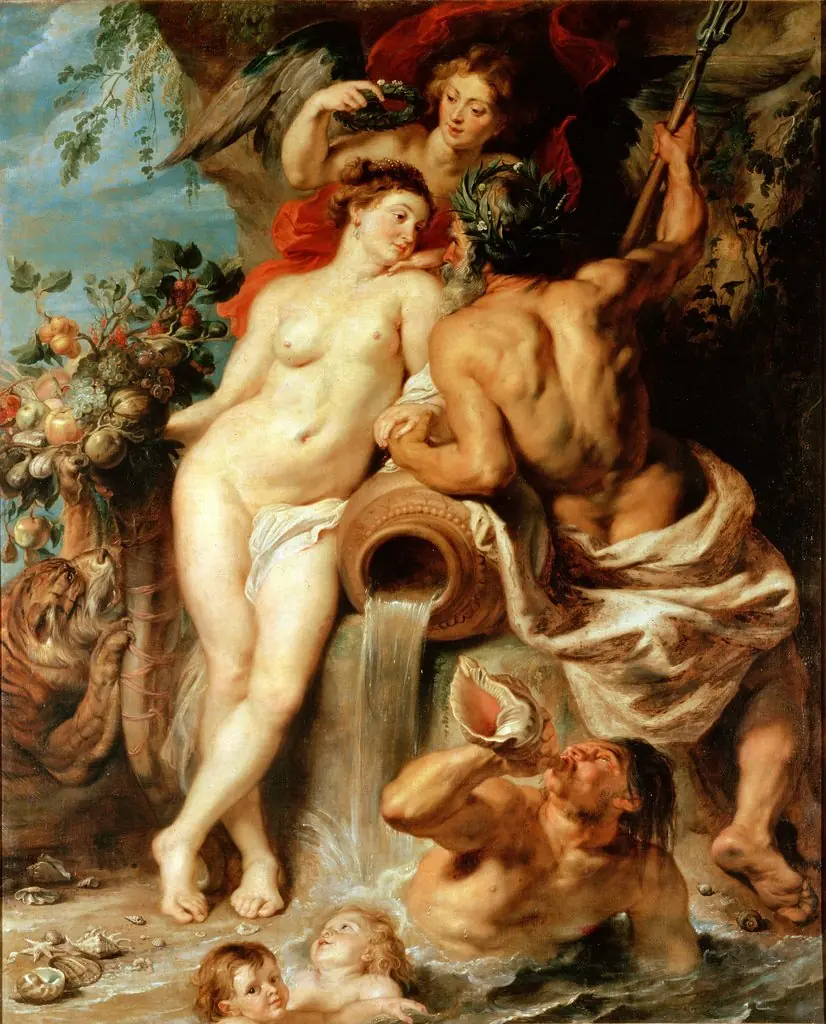 The Union of Earth and Water (Antwerp and the Scheldt)
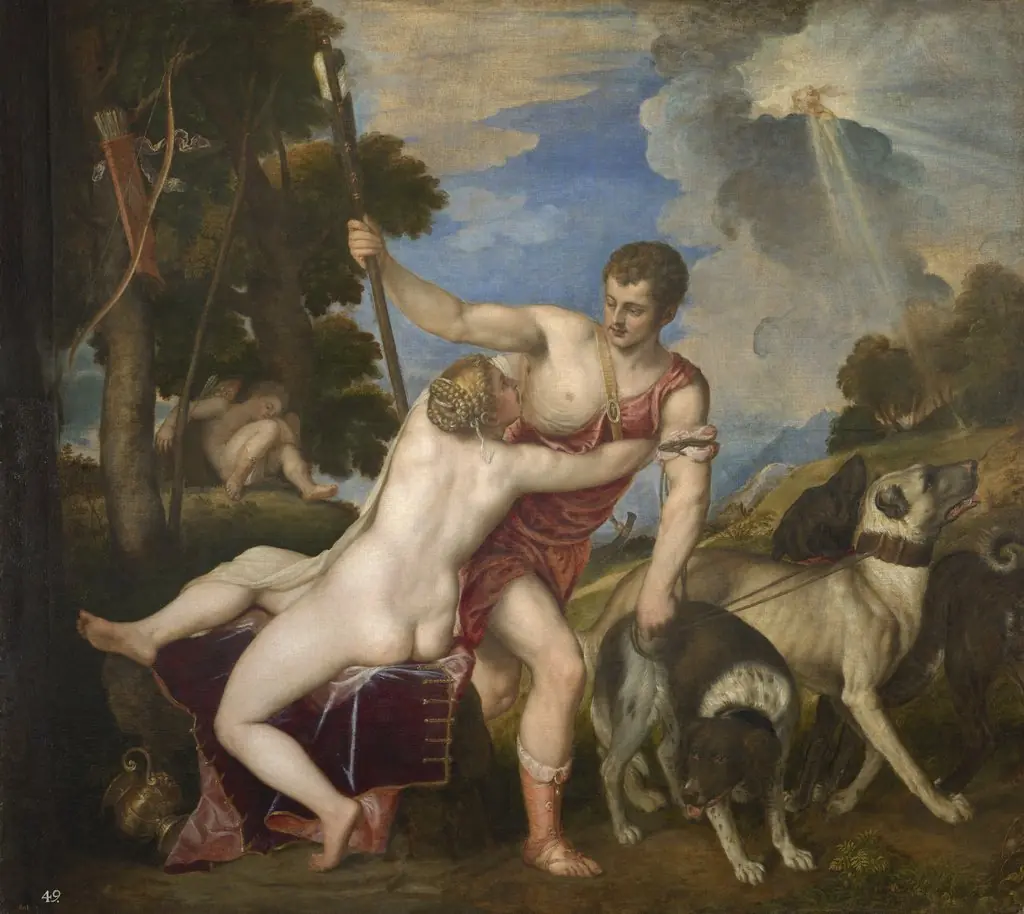 Venus and Adonis
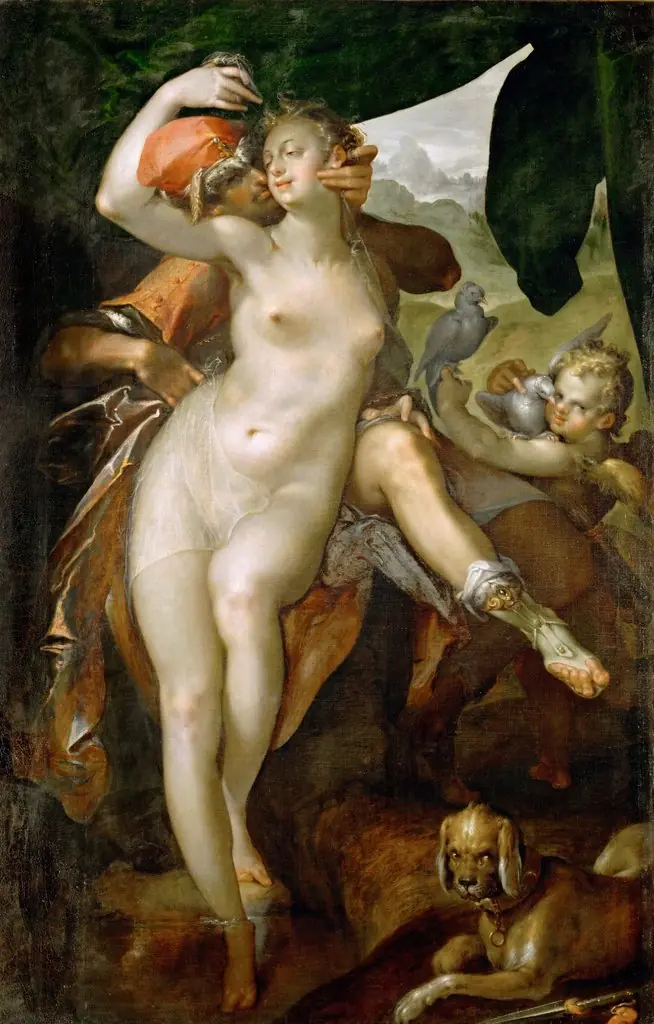 Venus and Adonis
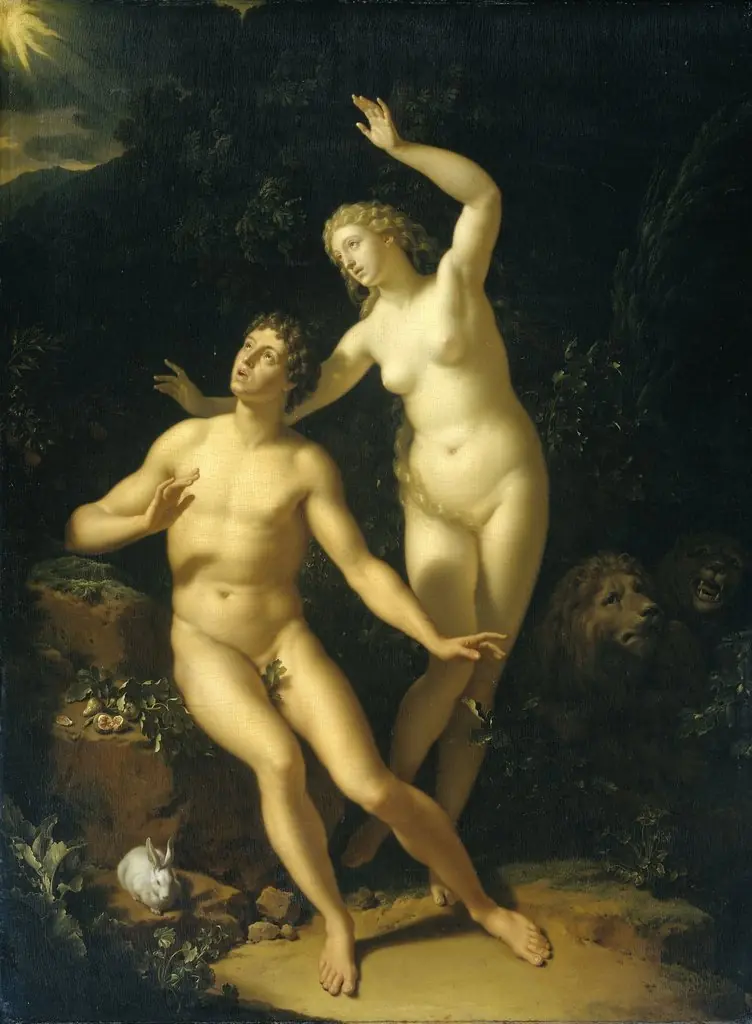 God Holds Adam and Eve Responsible
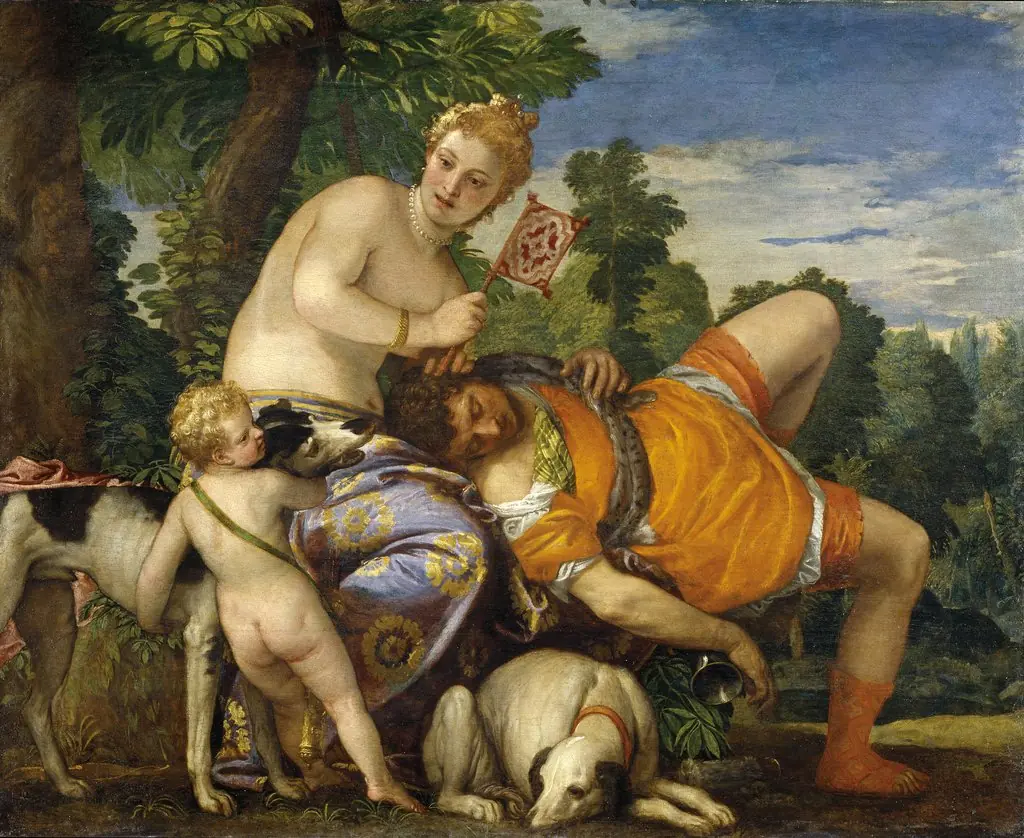 Venus and Adonis
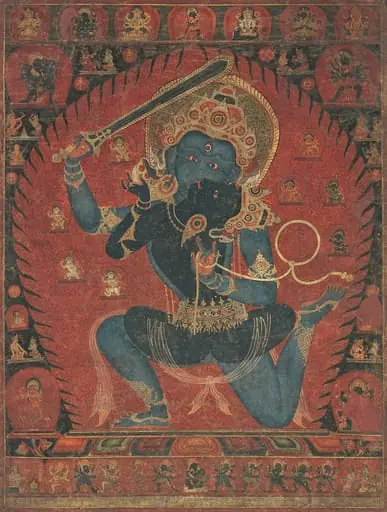 Untitled
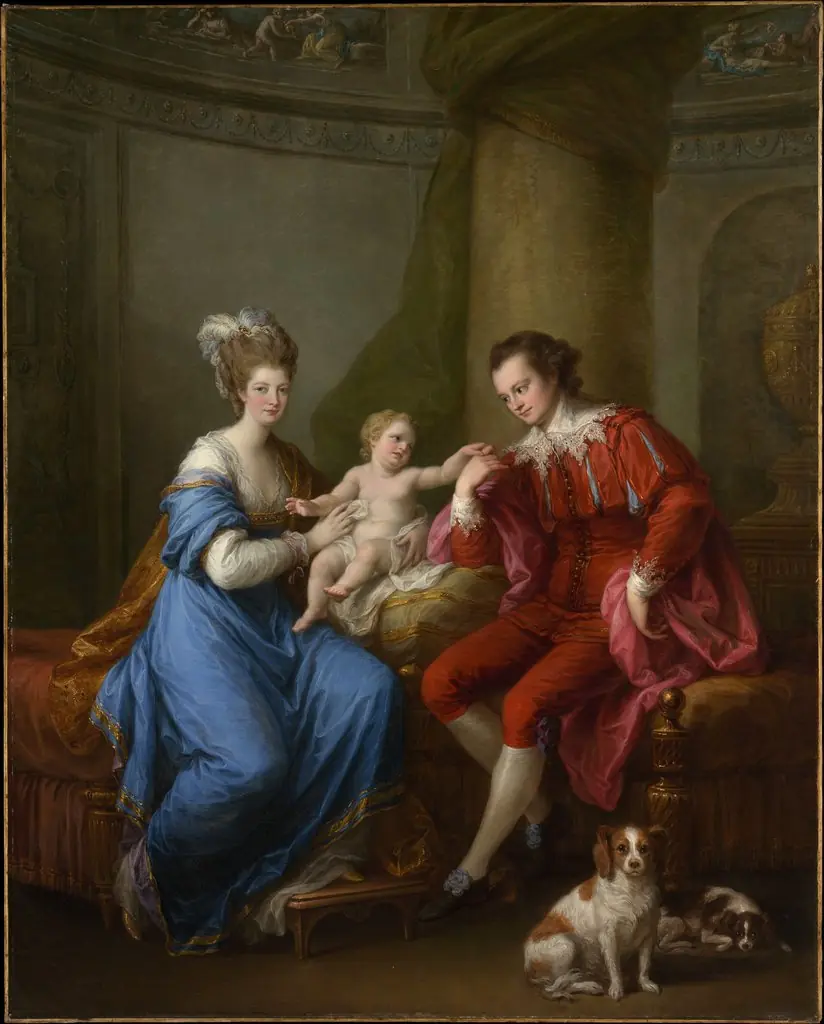 Edward Smith Stanley (1752–1834), Twelfth Earl of Derby, with His First Wife (Lady Elizabeth Hamilton, 1753–1797) and Their Son (Edward Smith Stanley, 1775–1851)
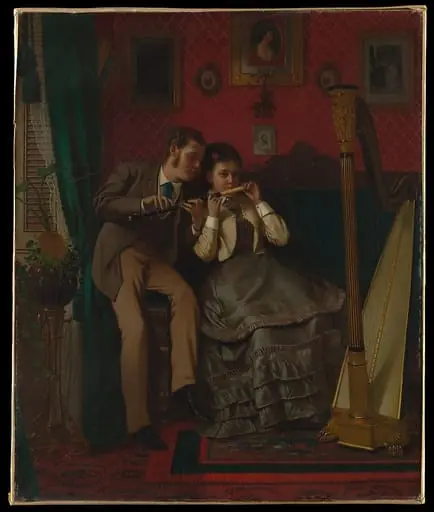 The Music Lesson
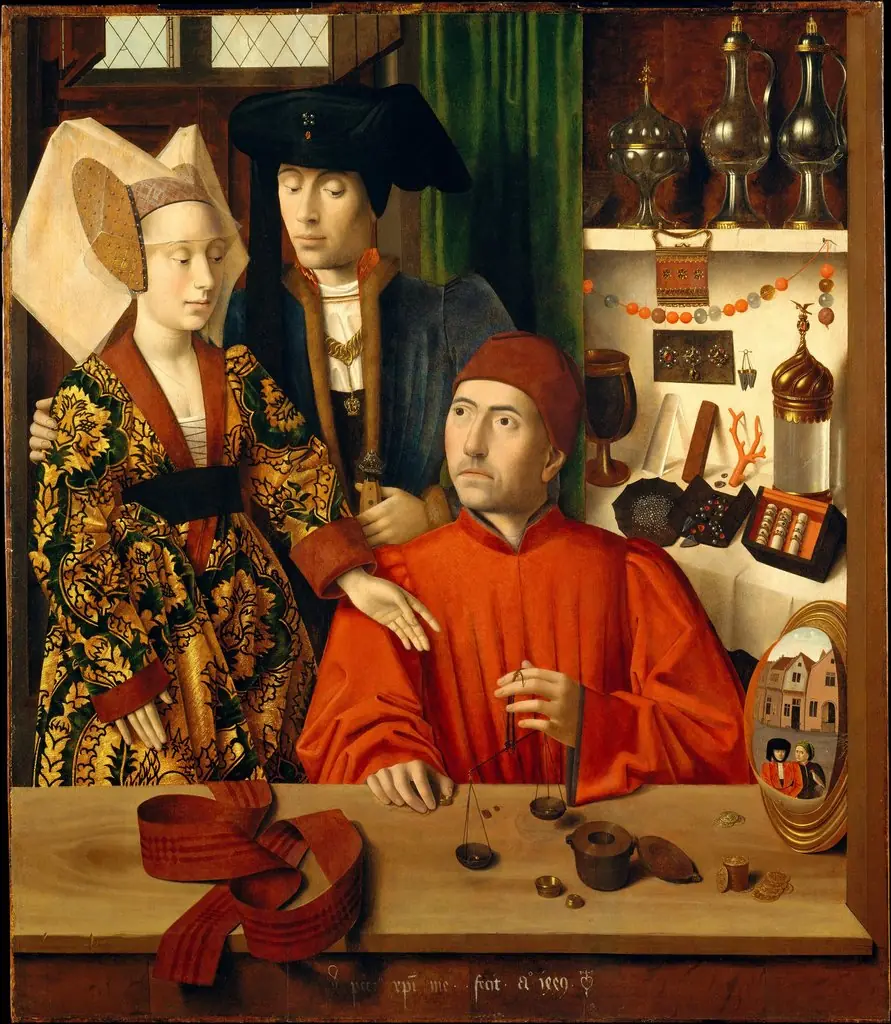 A Goldsmith in His Shop
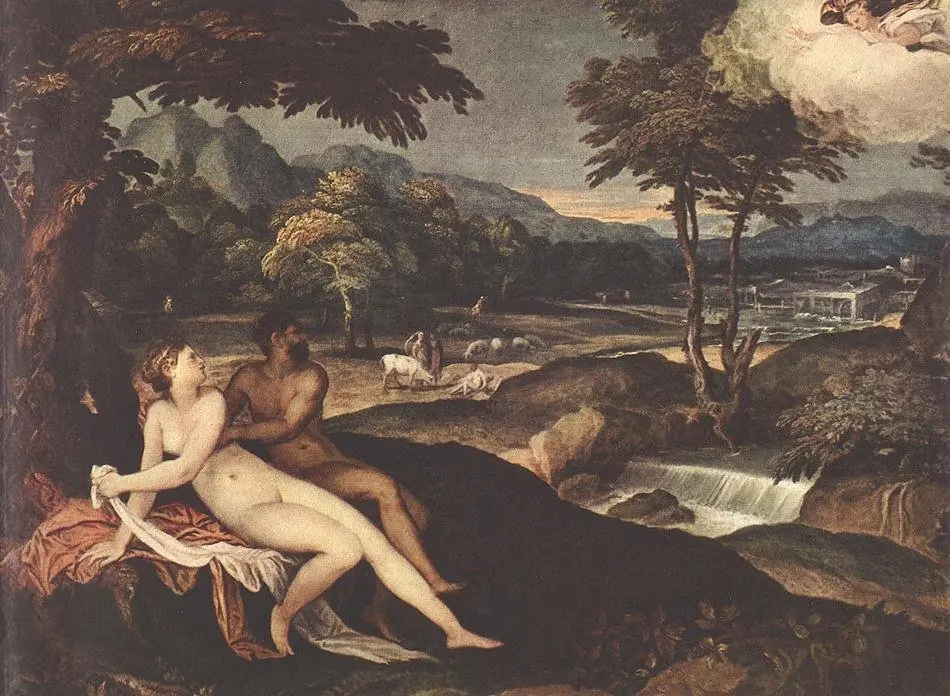 Landscape with Jupiter and Io
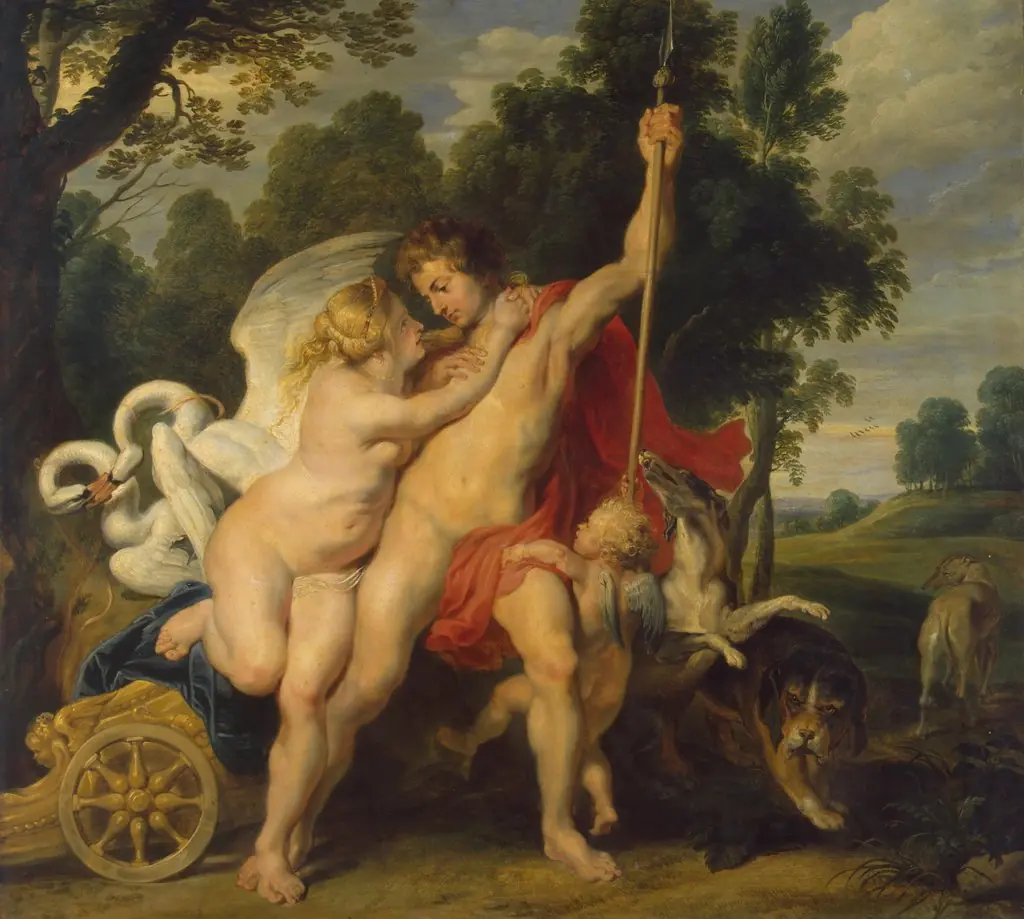 Venus and Adonis (Rubens, 1614)
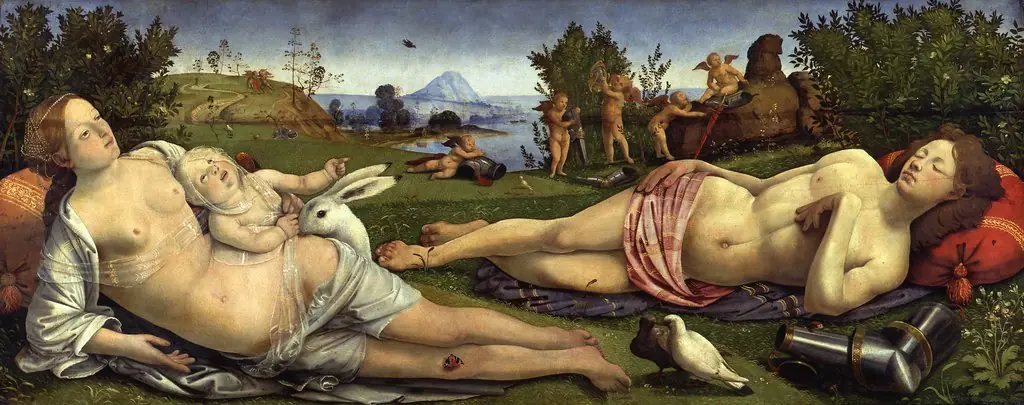 Venus, Mars and Cupid
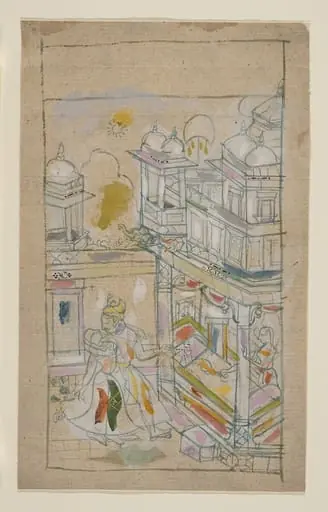 Untitled
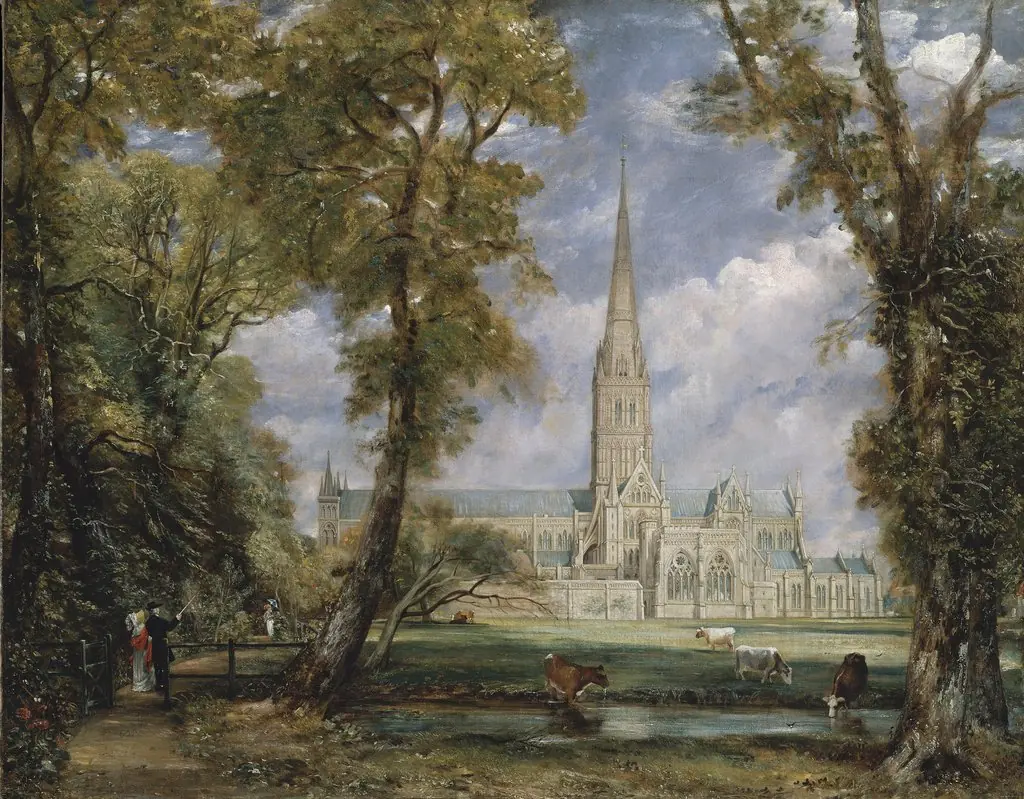 Salisbury Cathedral from the Bishop's Garden
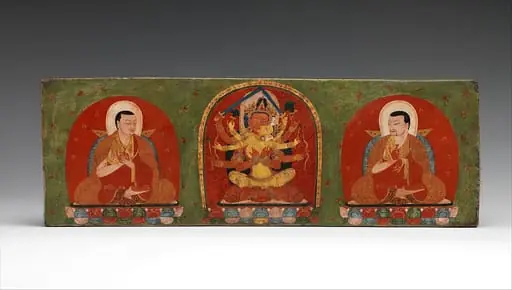 Untitled
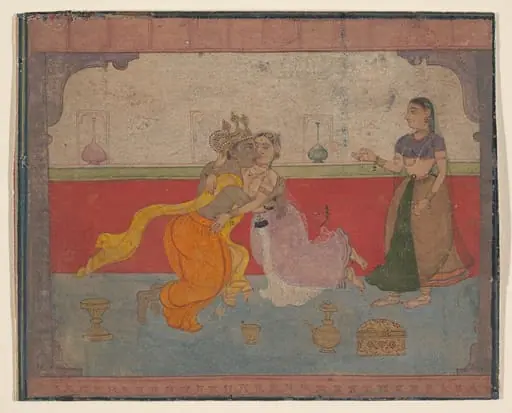 Untitled
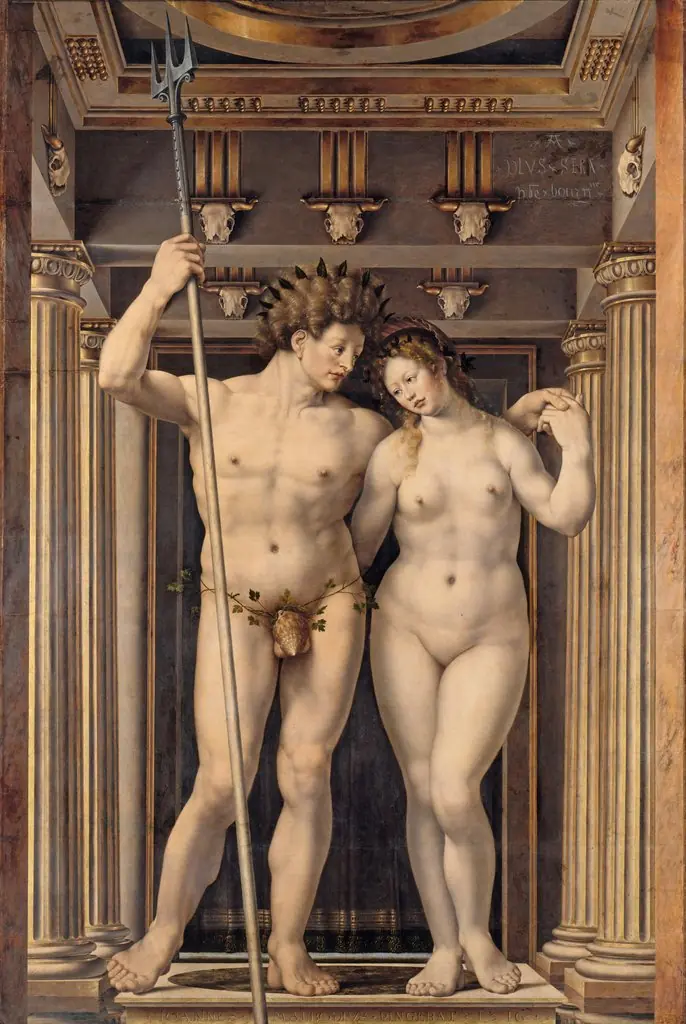 Neptune and Amphitrite
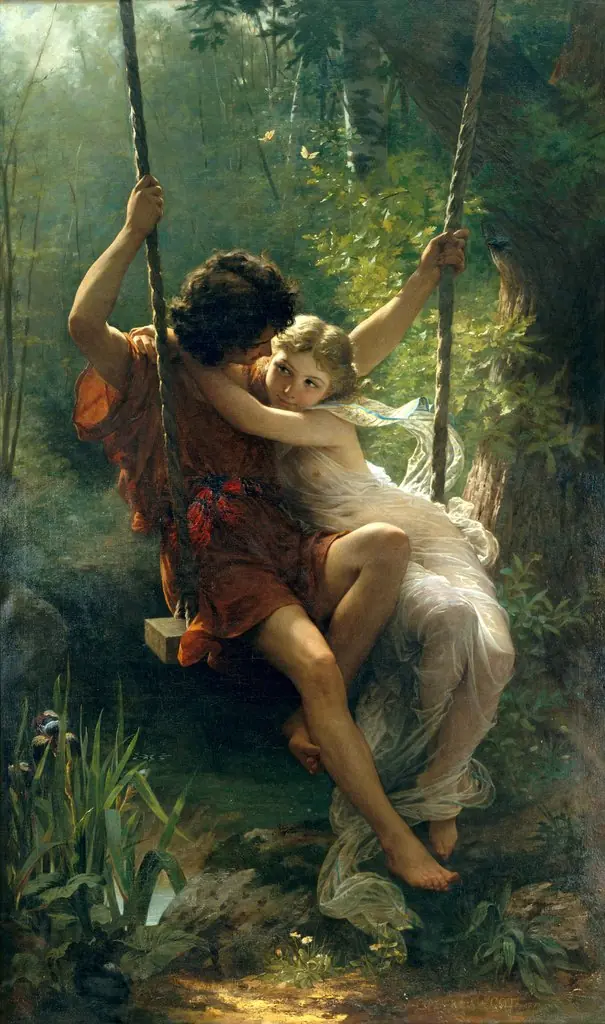 Springtime
 Untitled
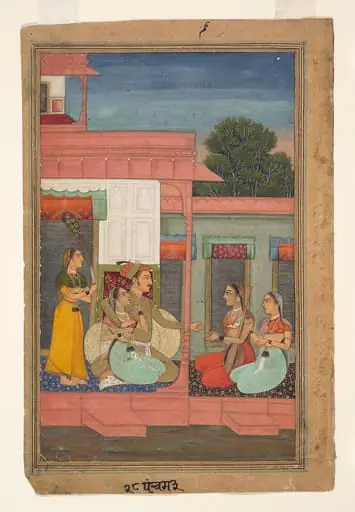 Untitled
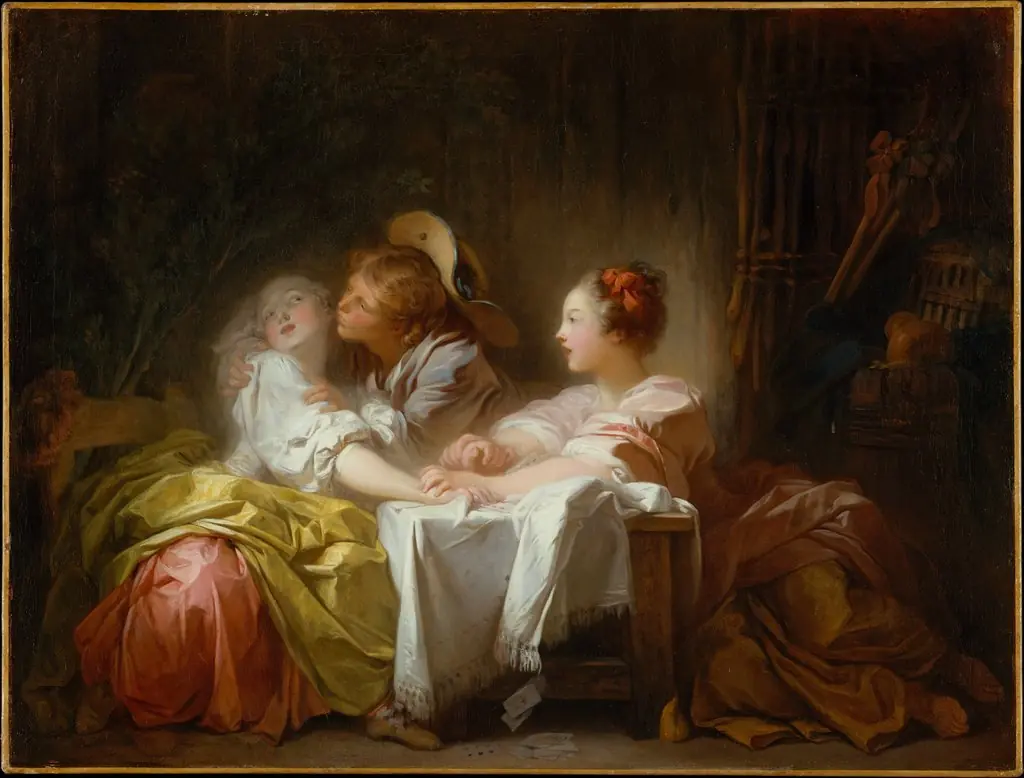 The Stolen Kiss
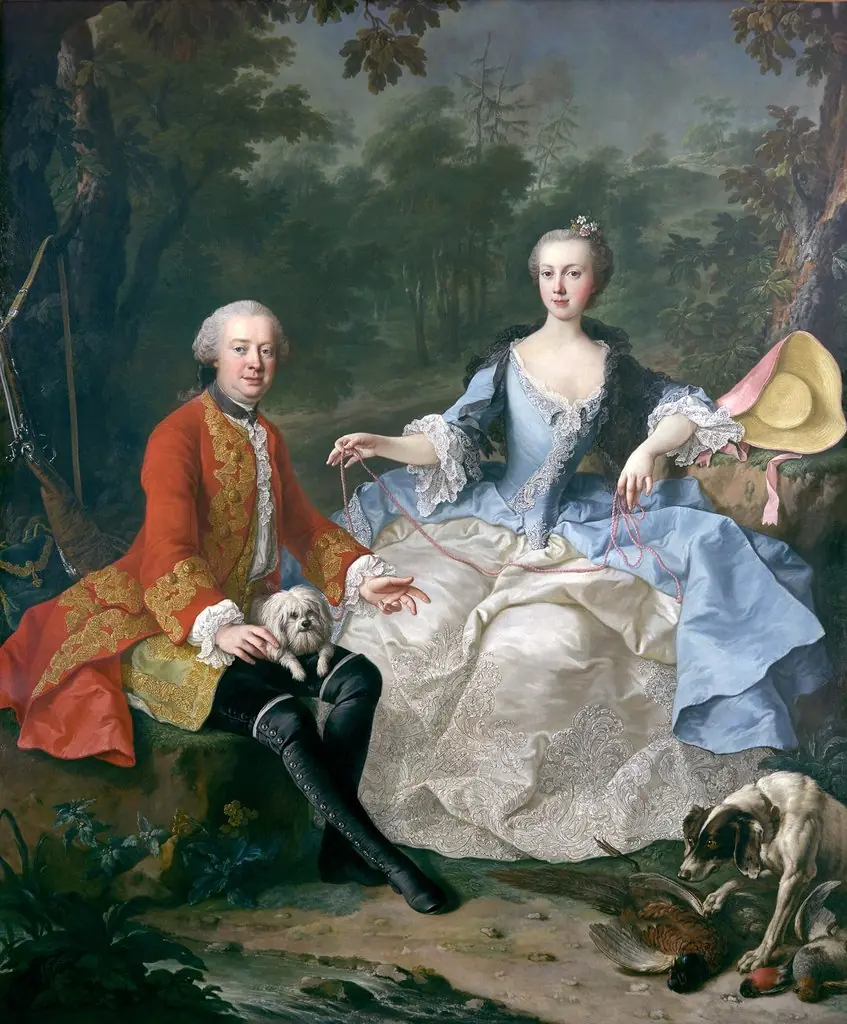 Count Giacomo Durazzo in the Guise of a Huntsman with His Wife
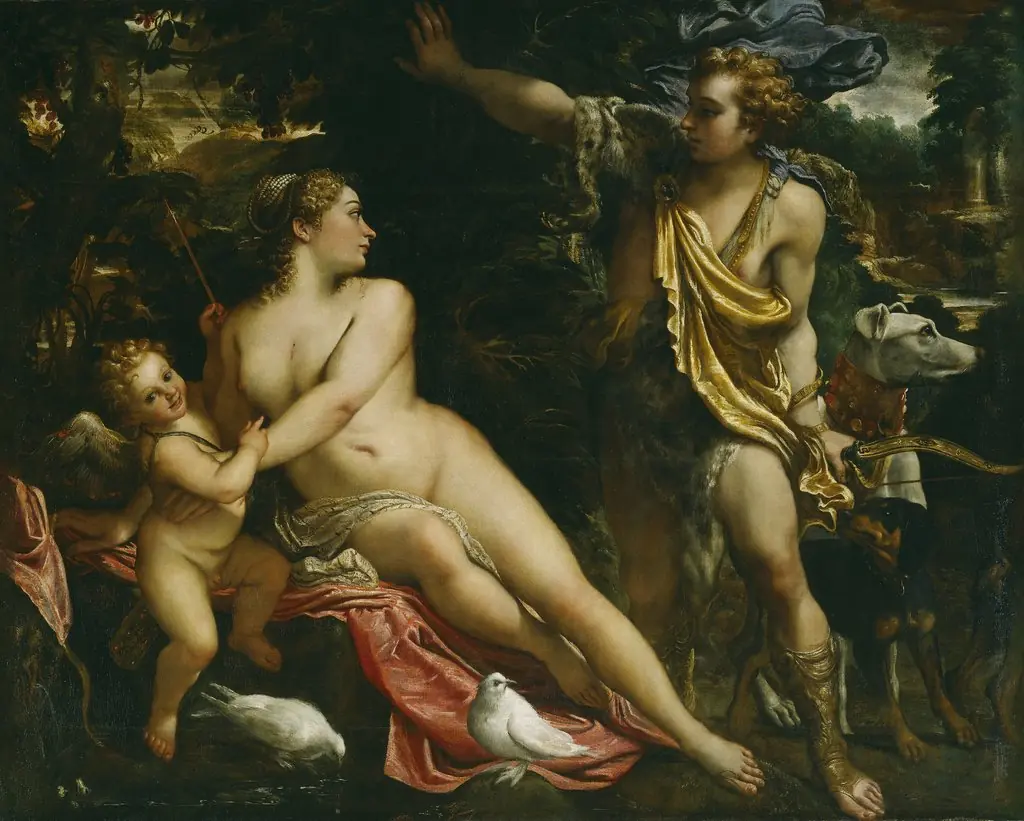 Venus, Adonis and Cupid
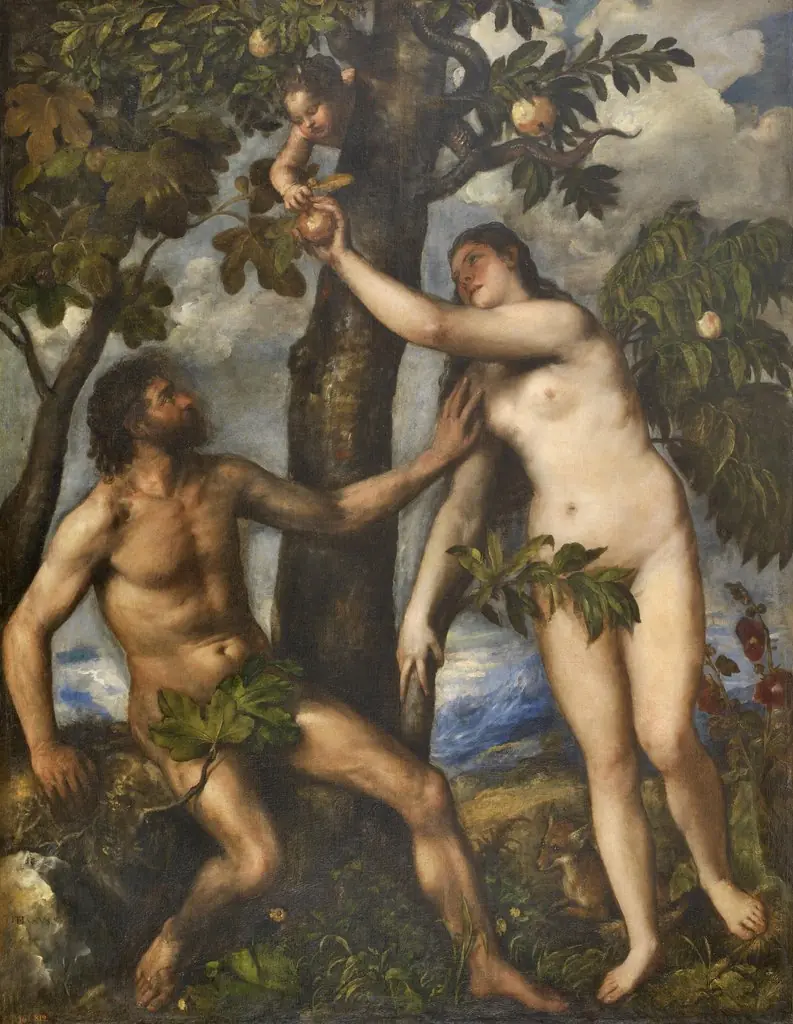 The Fall of Man
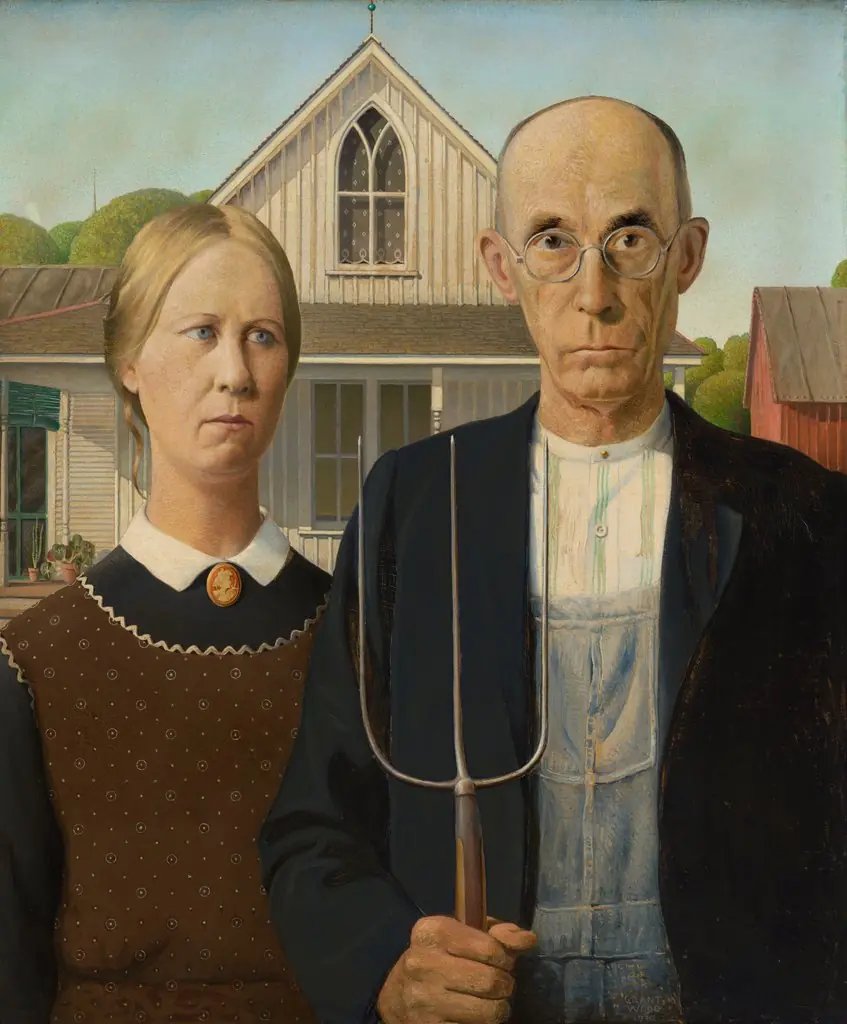 American Gothic
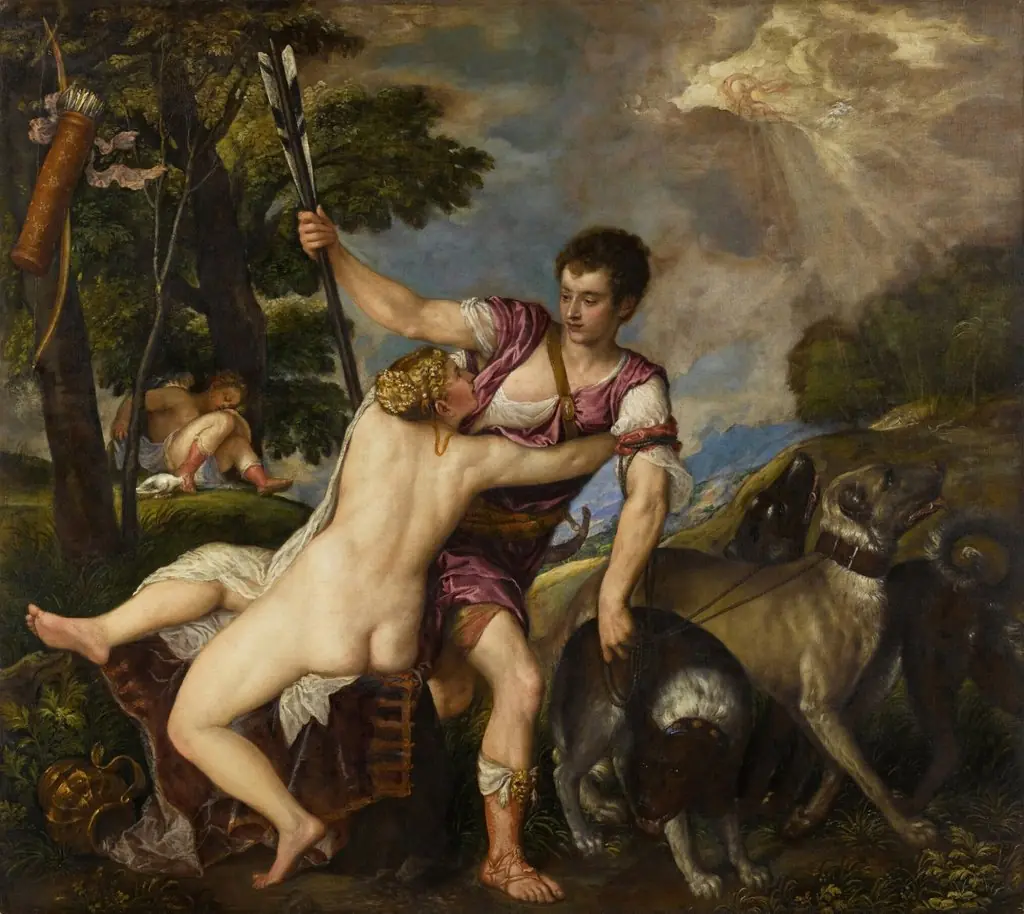 Venus and Adonis
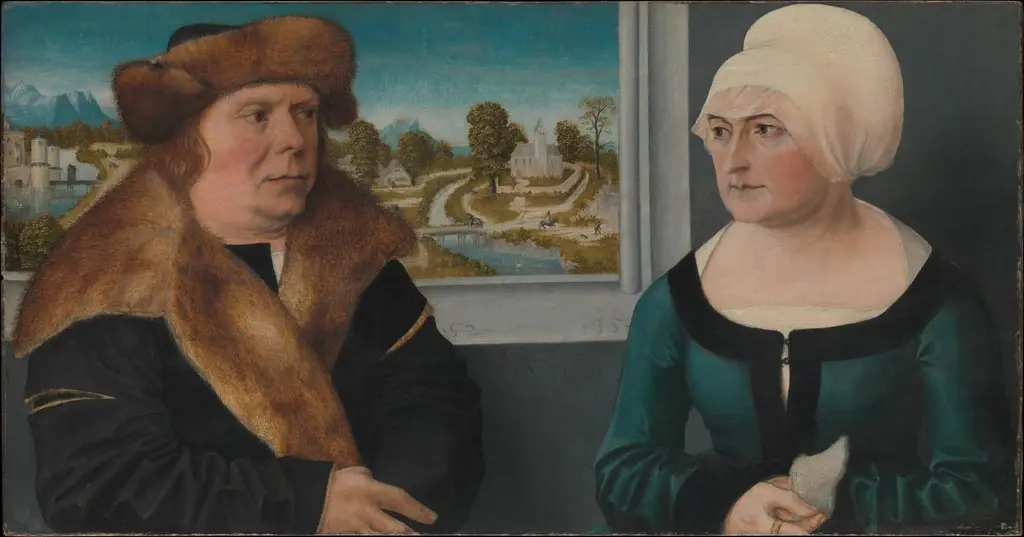 Portrait of a Married Couple (Lorenz Kraffter and Honesta Merz?)
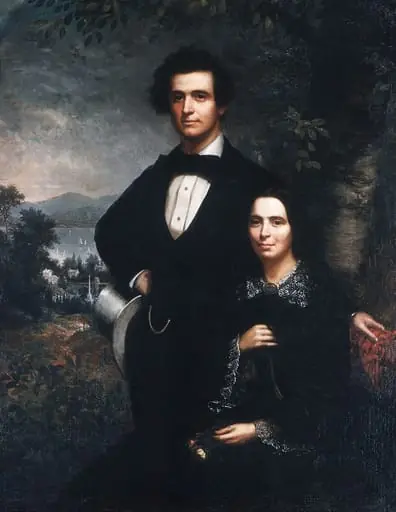 Mr. and Mrs. Daniel T. MacFarlan
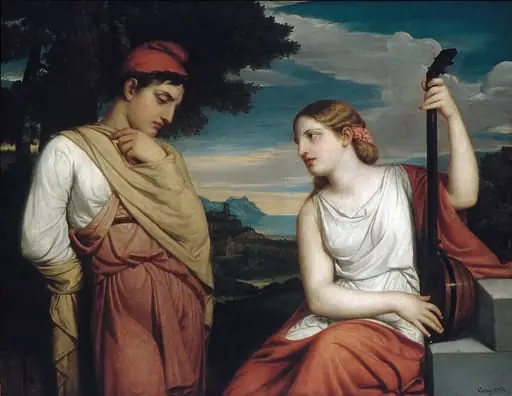 The Greek Lovers
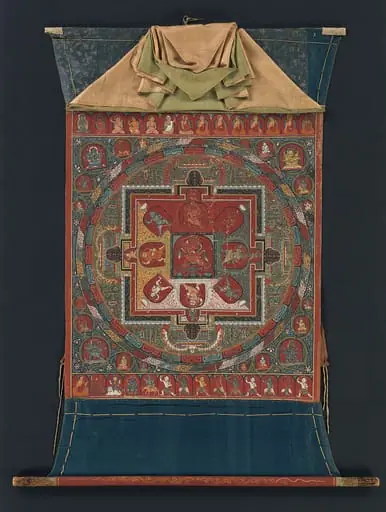 Untitled
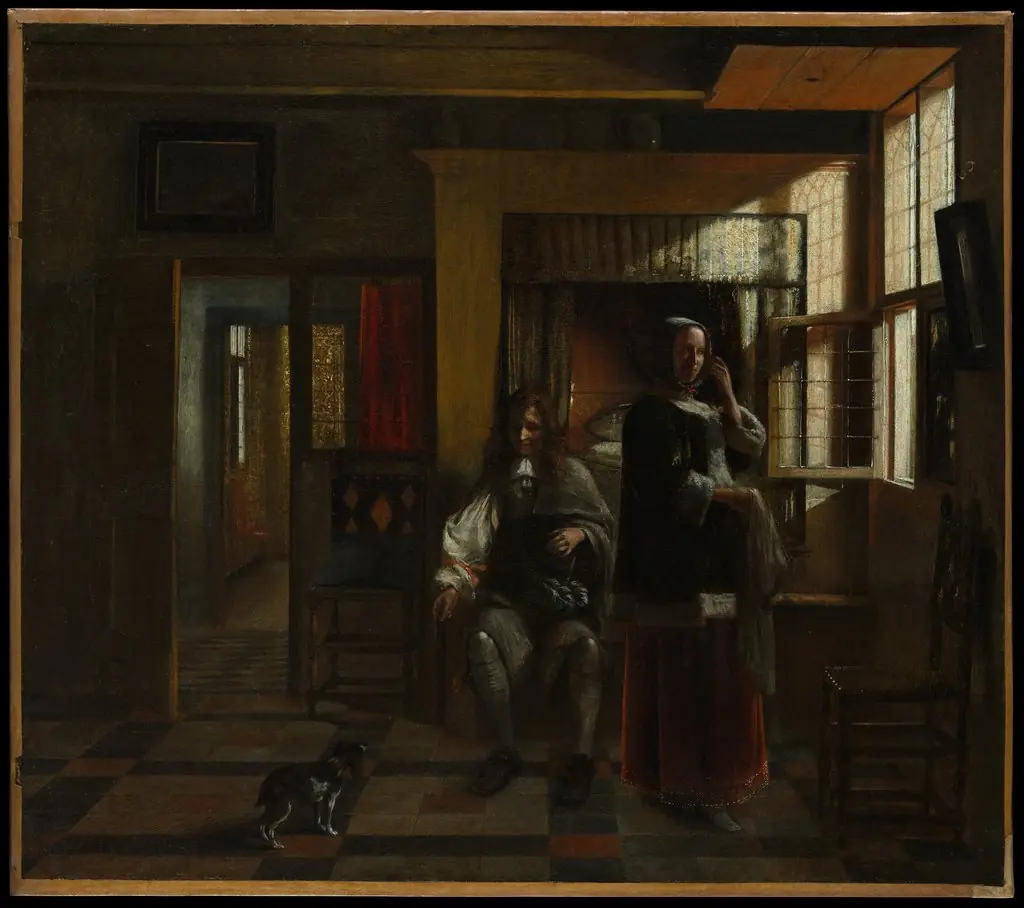 Interior with a Young Couple
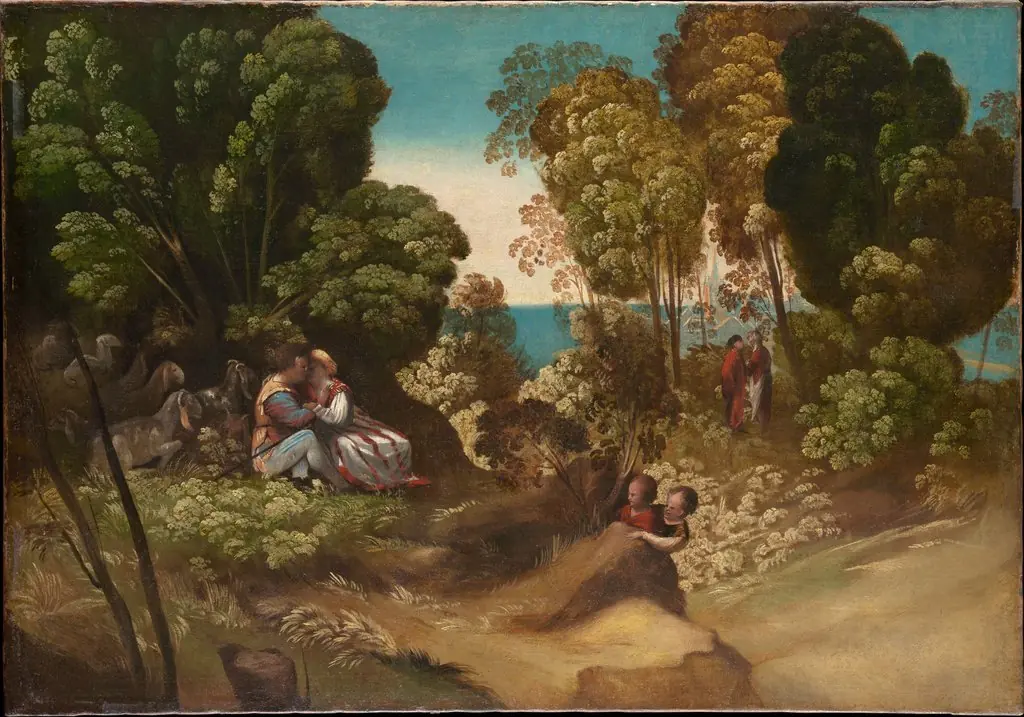 The Three Ages of Man
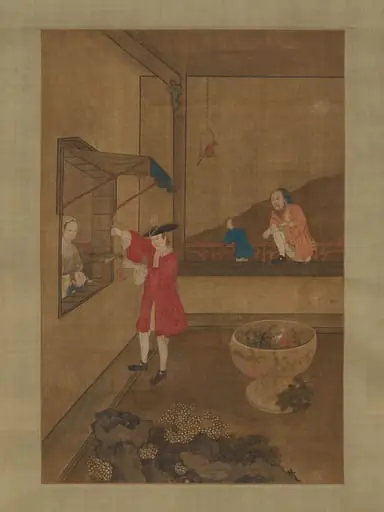 Untitled
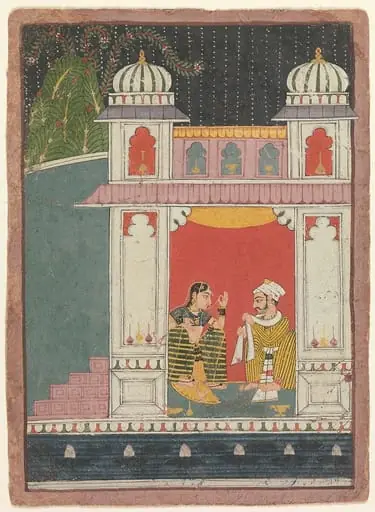 Untitled
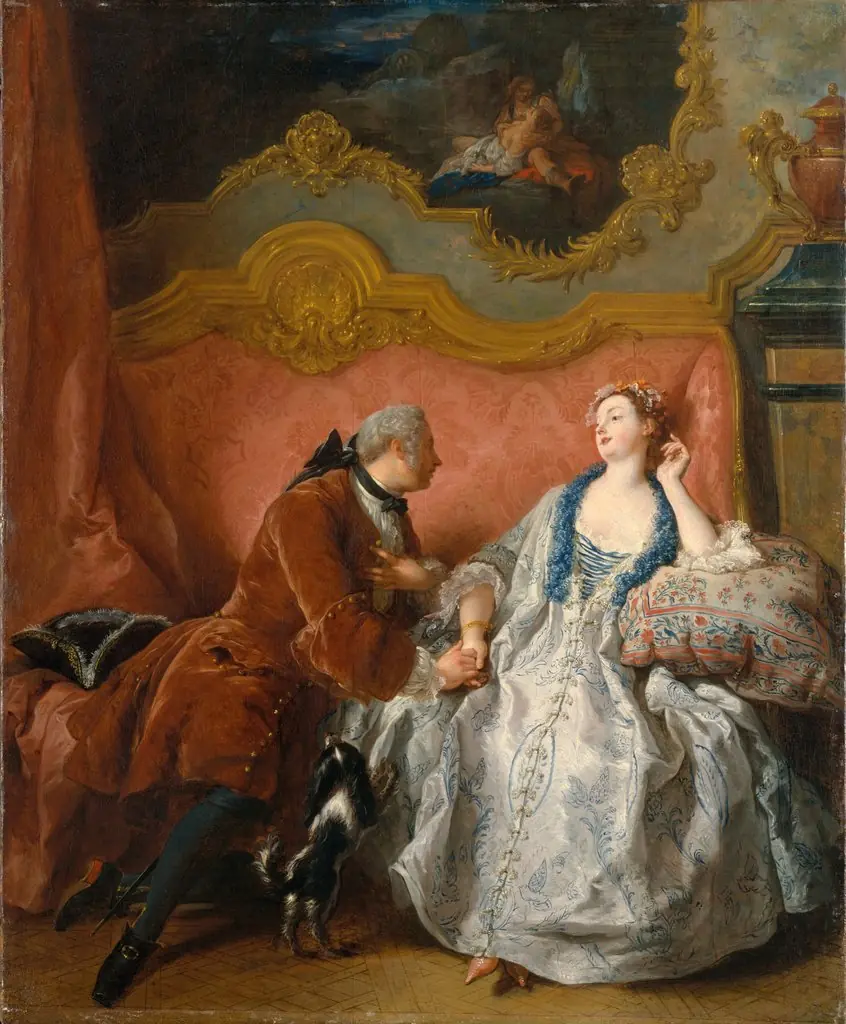 The Declaration of Love
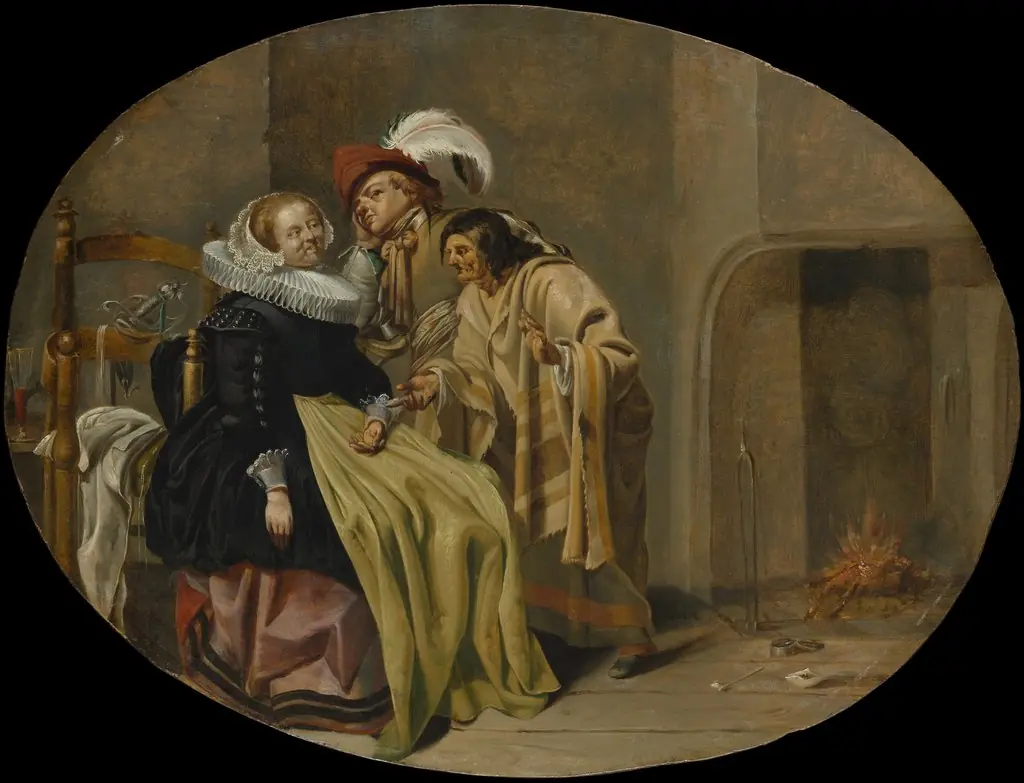 A Couple in an Interior with a Gypsy Fortune-Teller
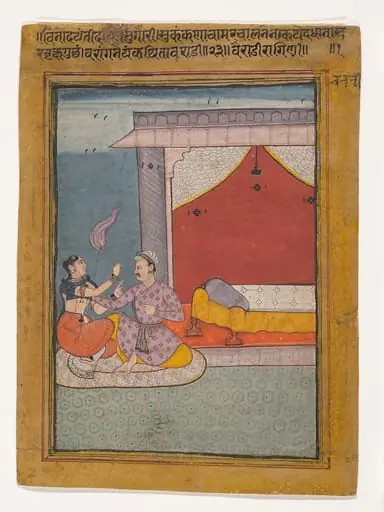 Untitled
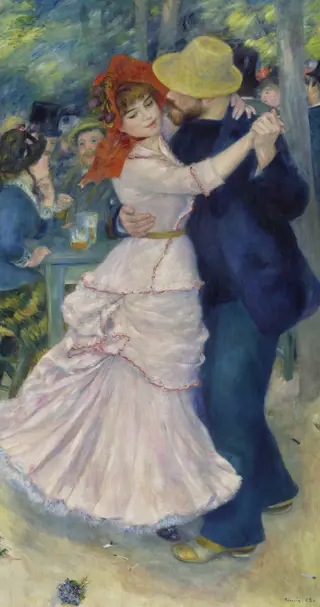 Dance at Bougival
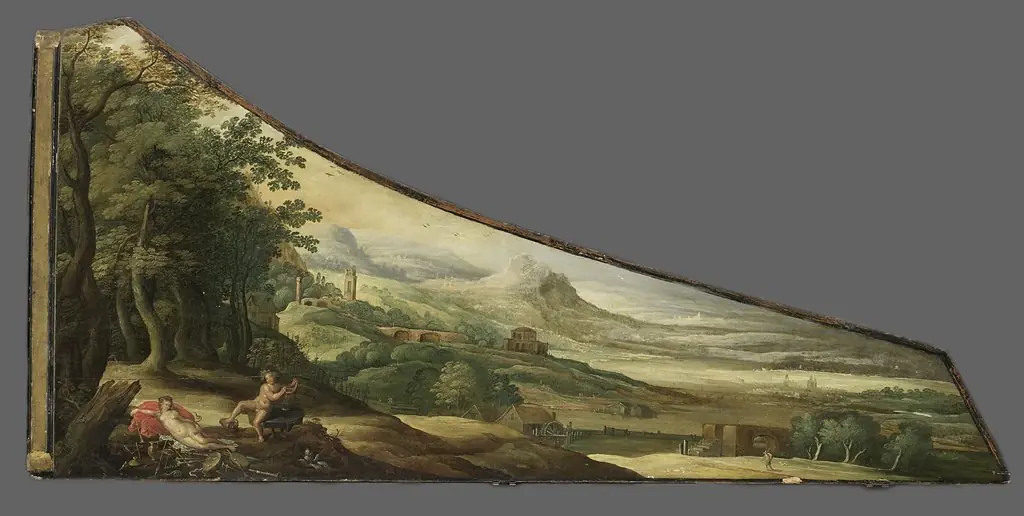 Death of Euridice
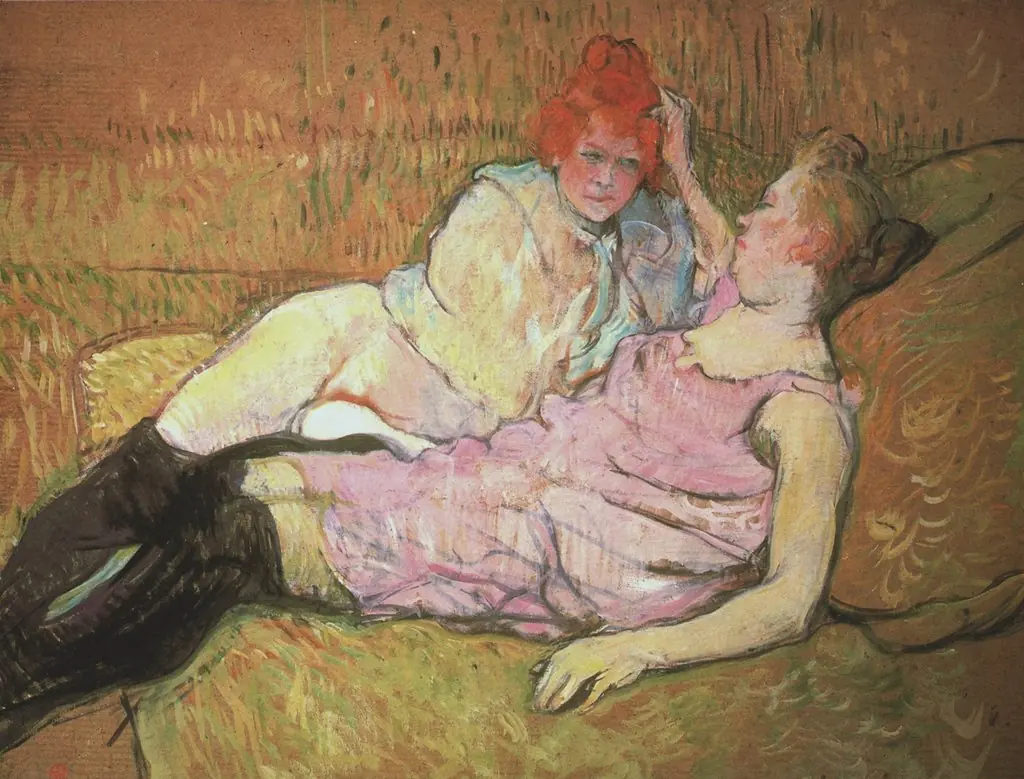 The Sofa
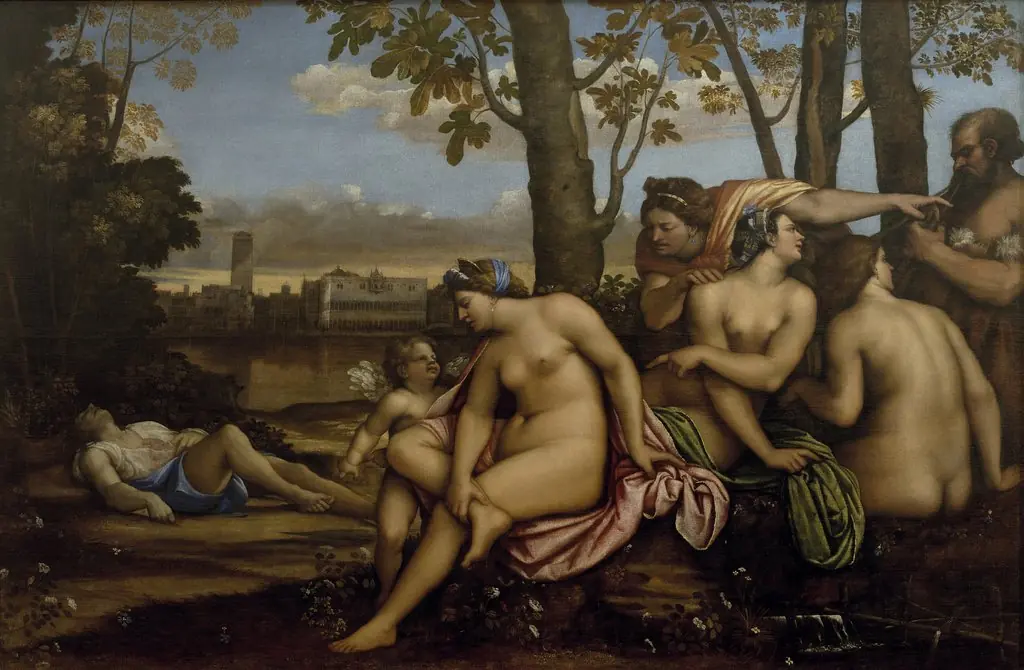 Death of Adonis
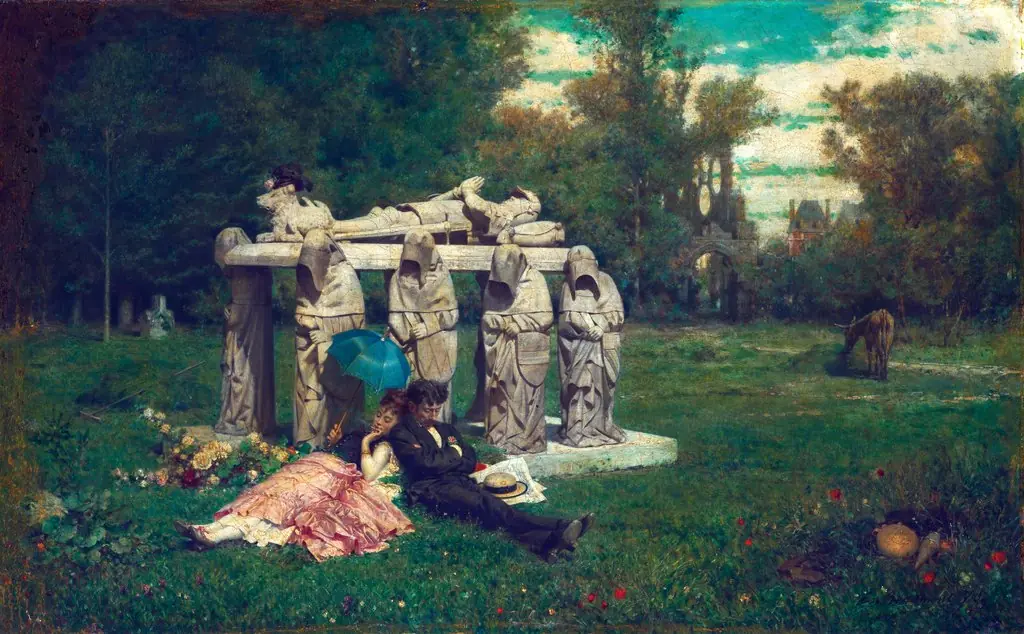 In the Sun
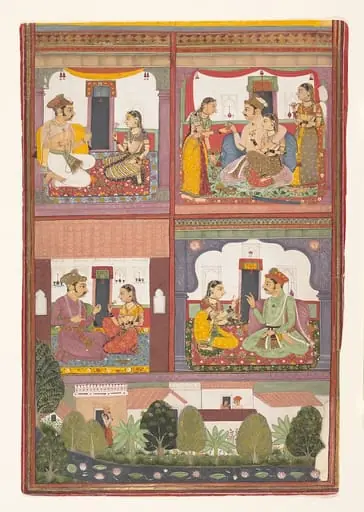 Untitled
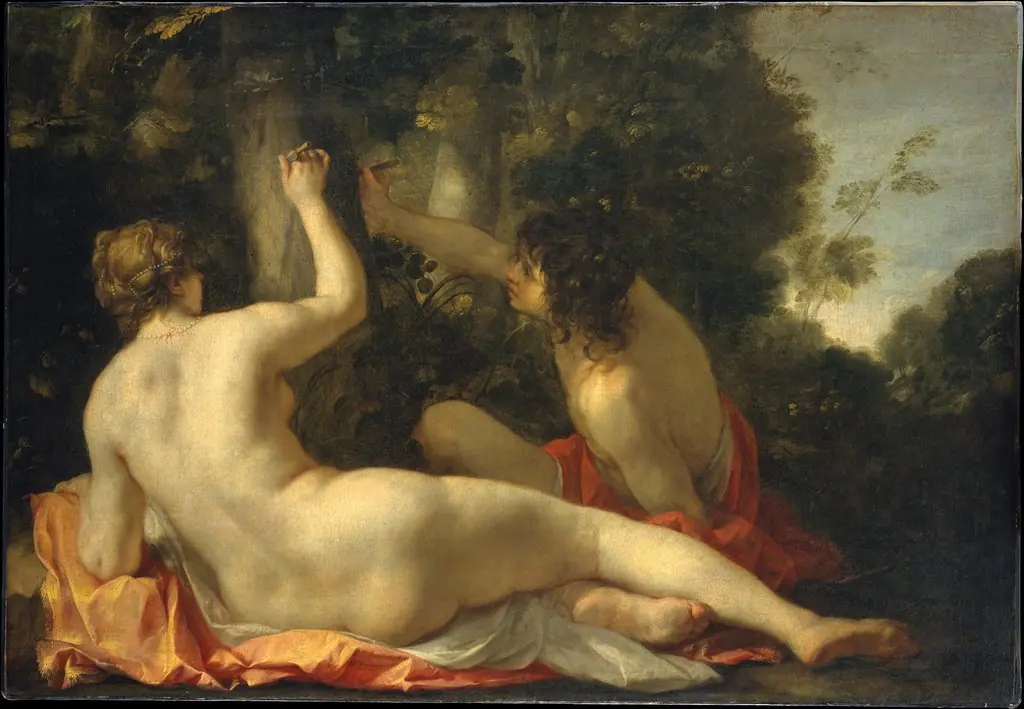 Angelica and Medoro
 Untitled
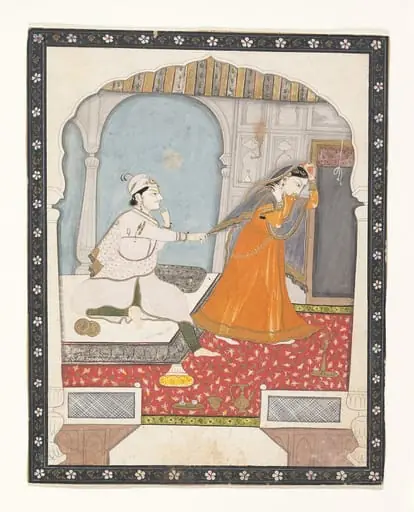 Untitled
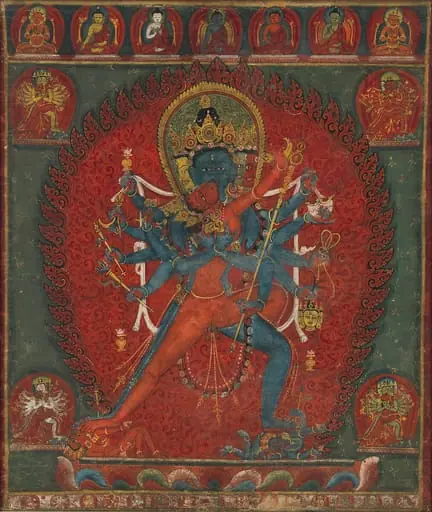 Untitled
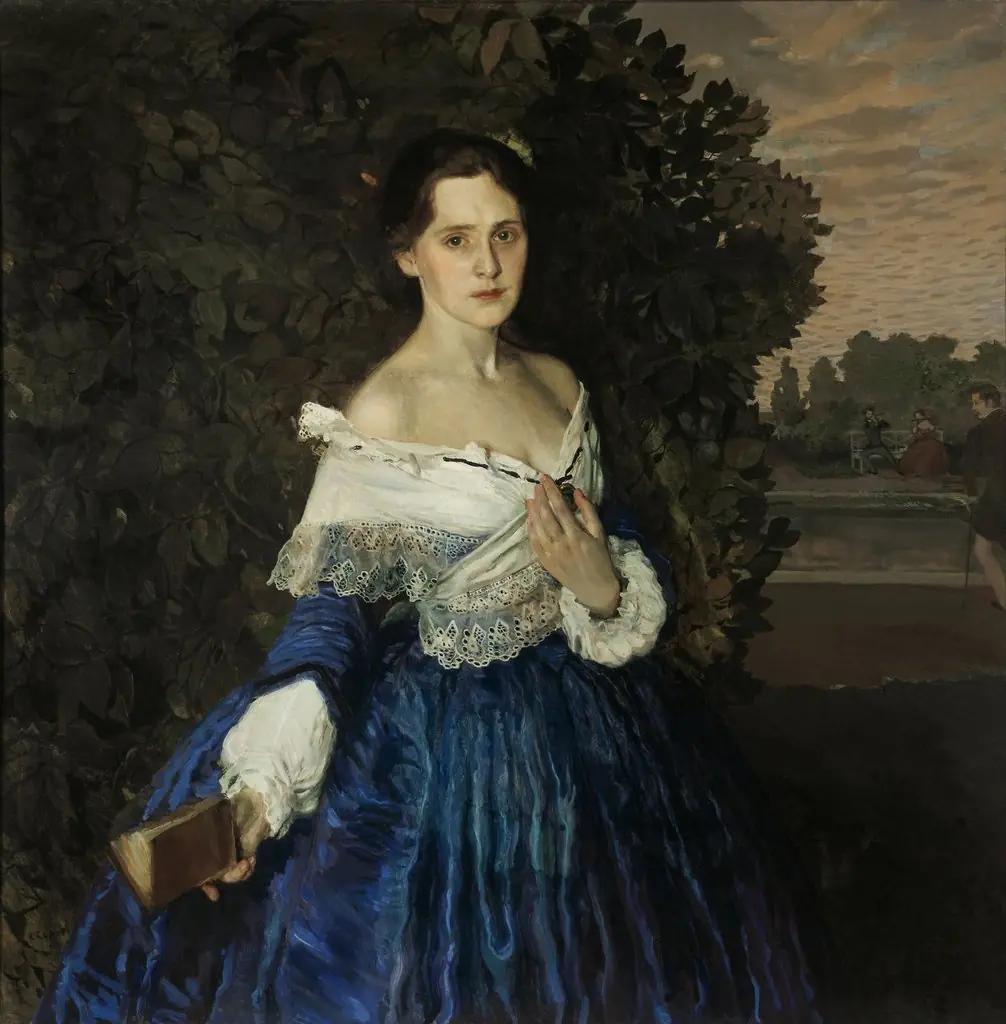 Lady in Blue
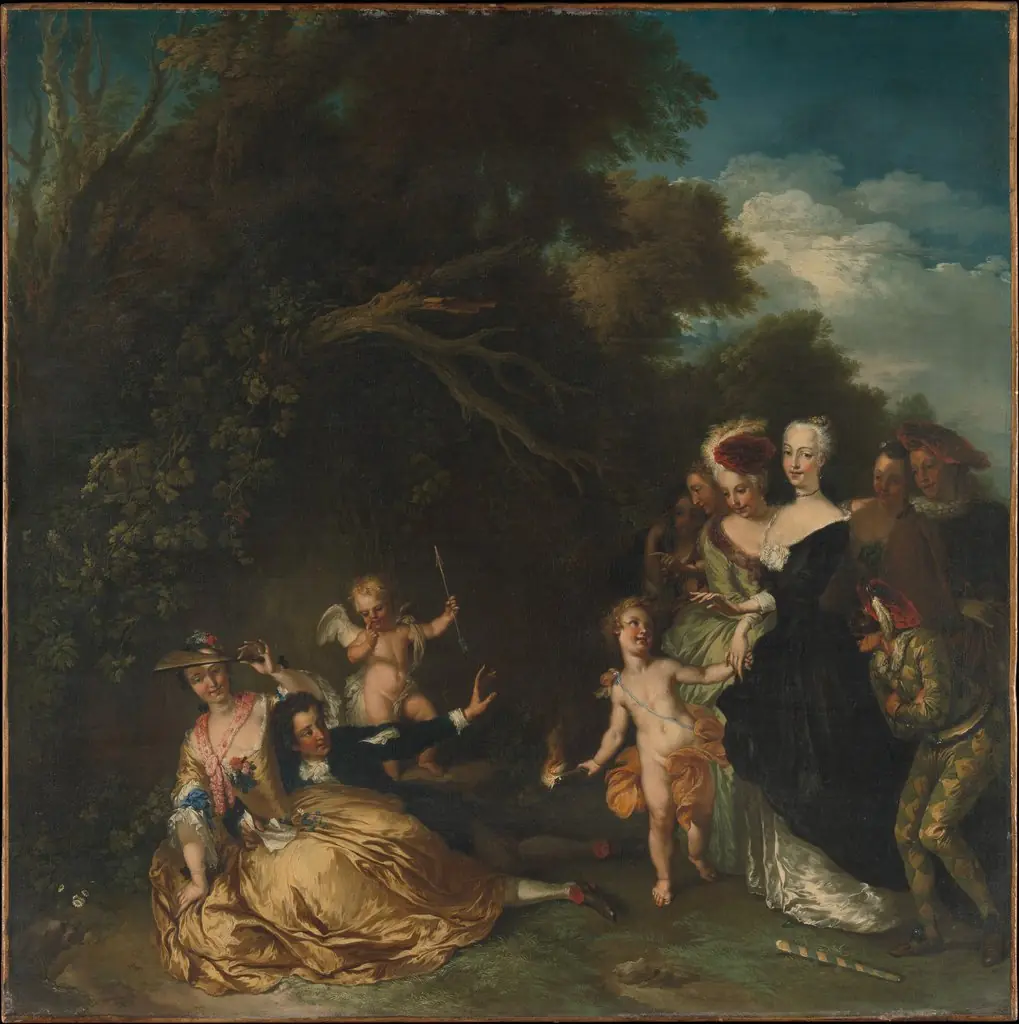 Surprised, or Infidelity Found Out
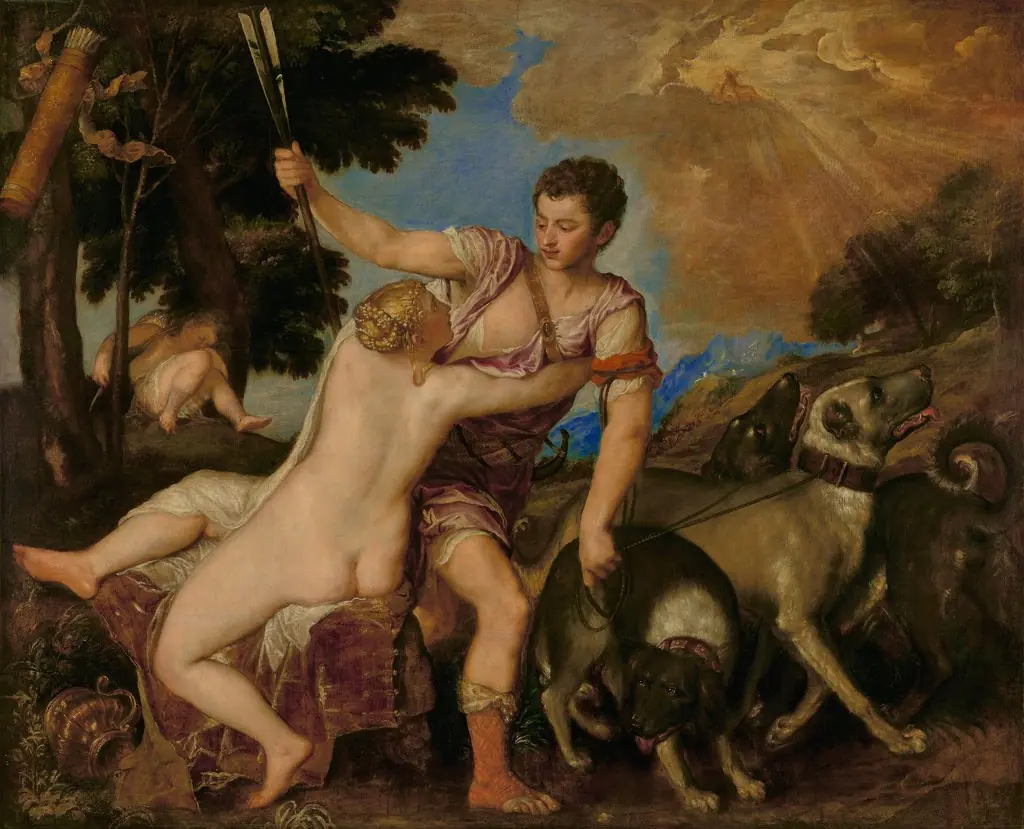 Venus and Adonis
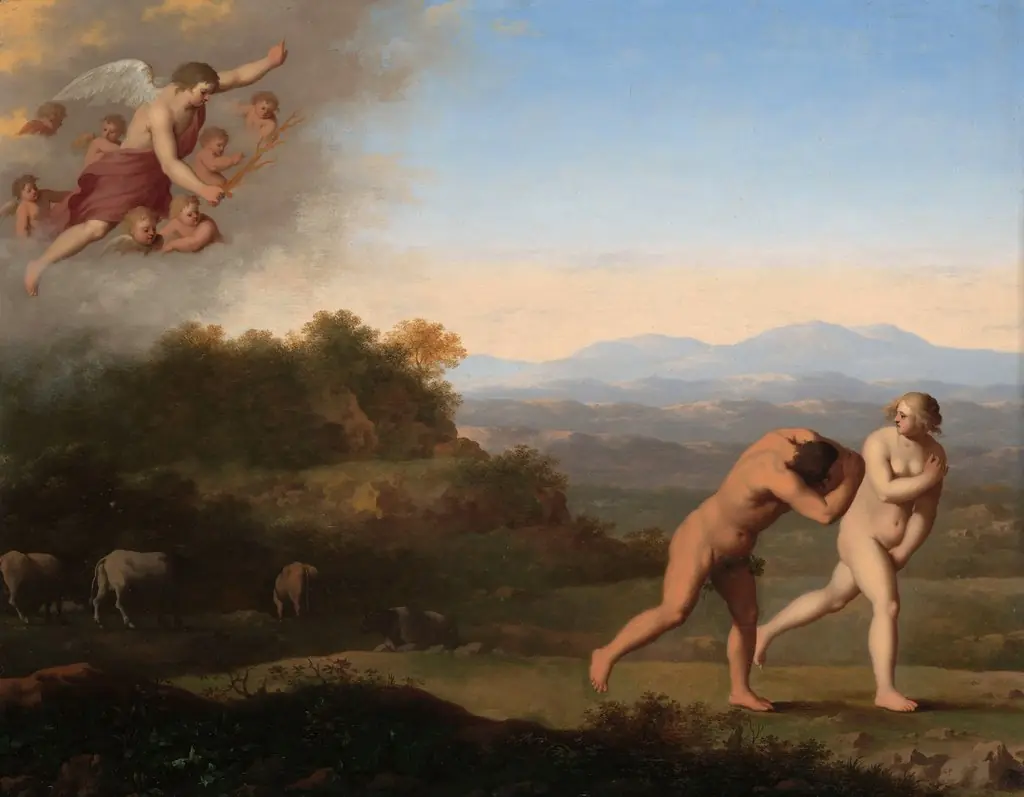 The Expulsion from Paradise
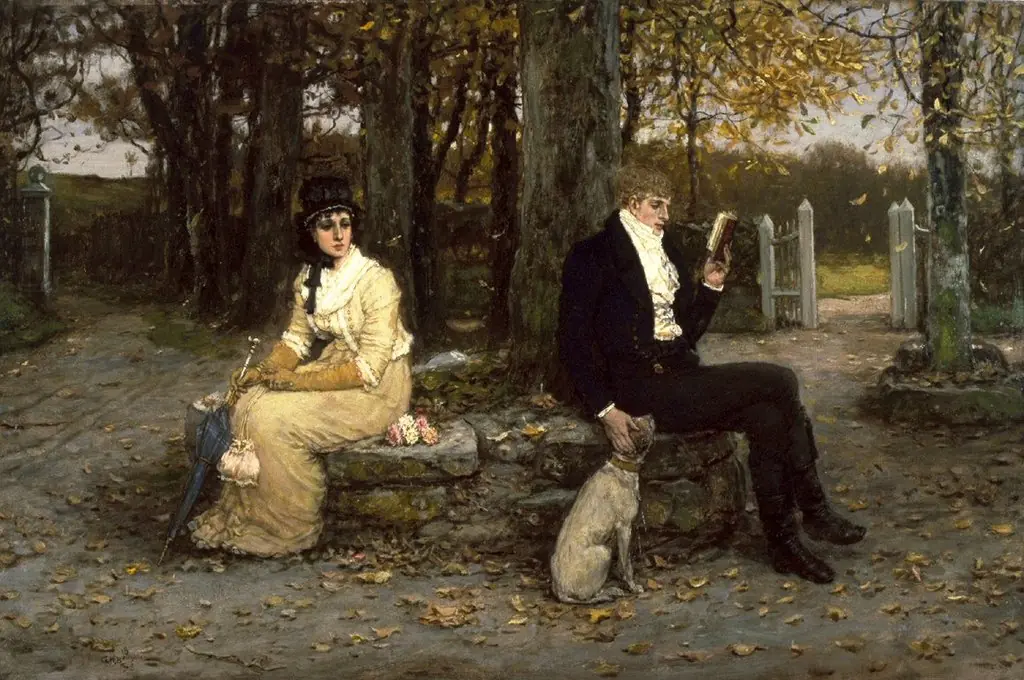 The Waning Honeymoon
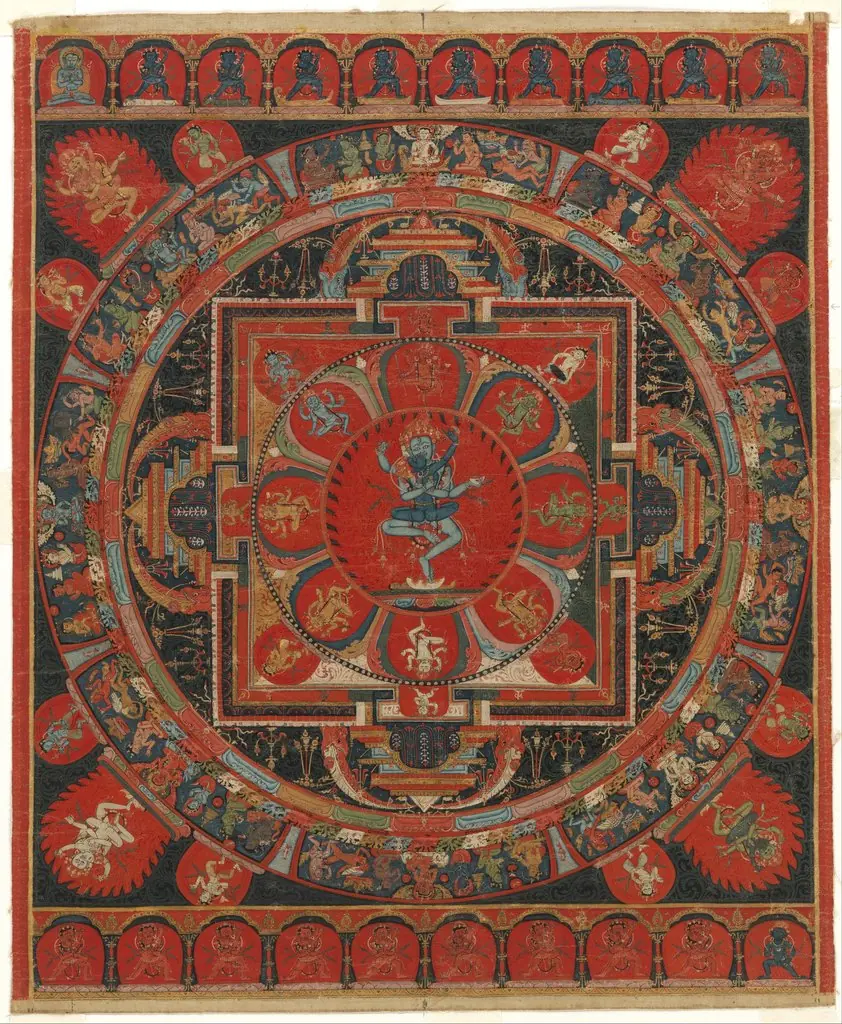 Hevajra Mandala
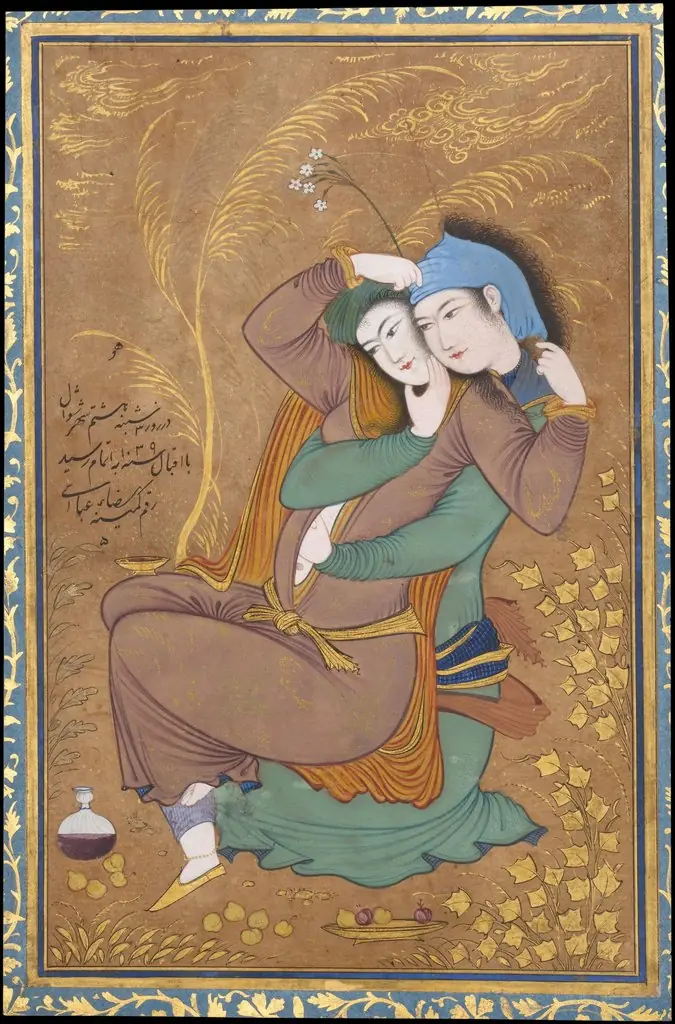 The Lovers
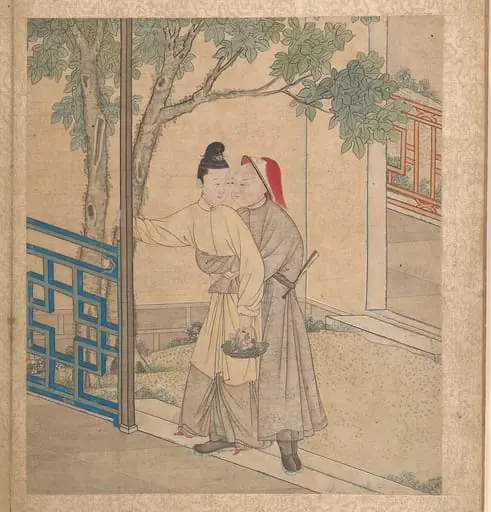 Untitled
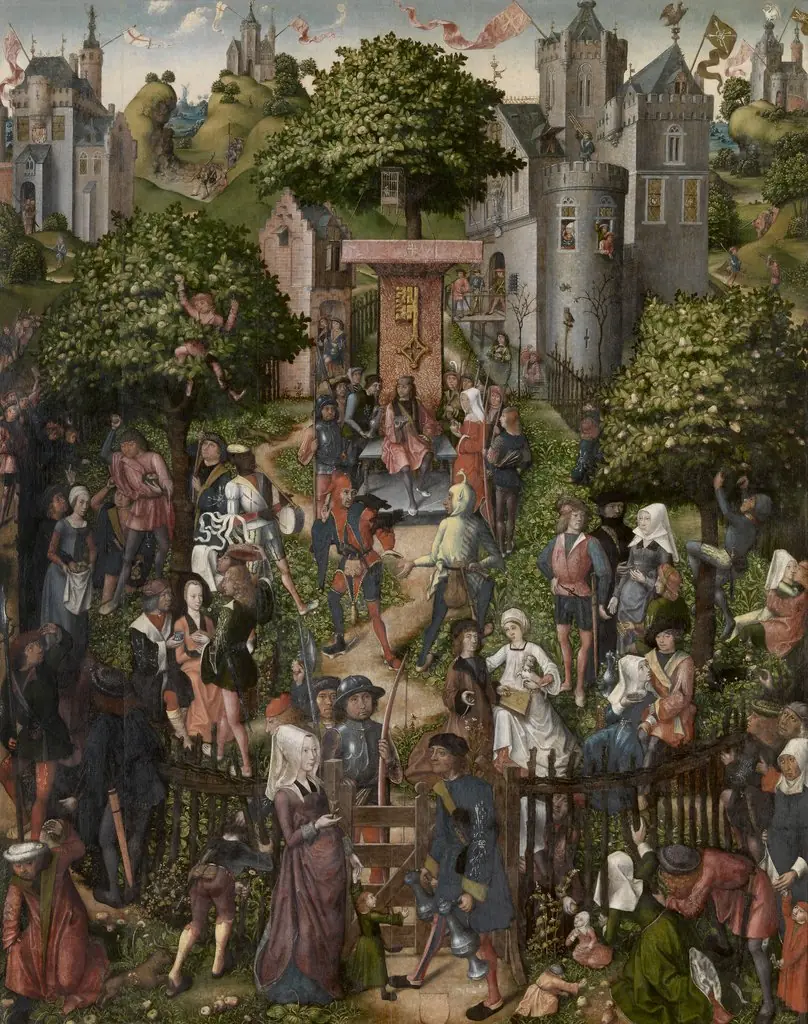 Festival of the Archers
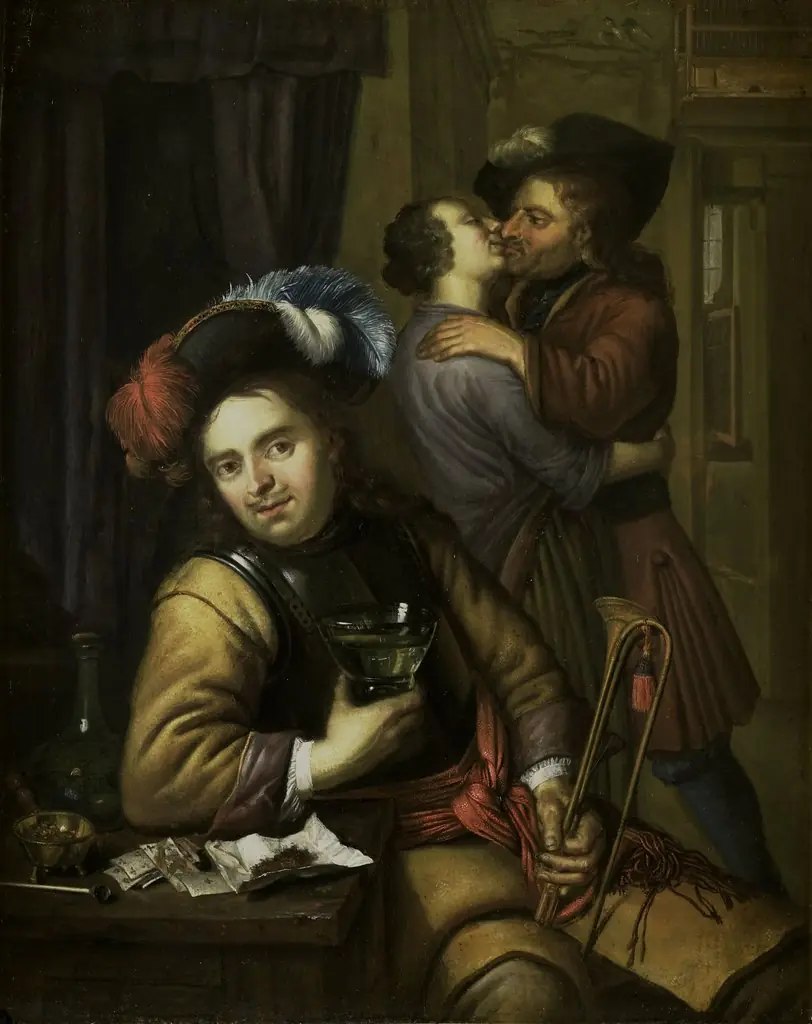 Soldier Scene
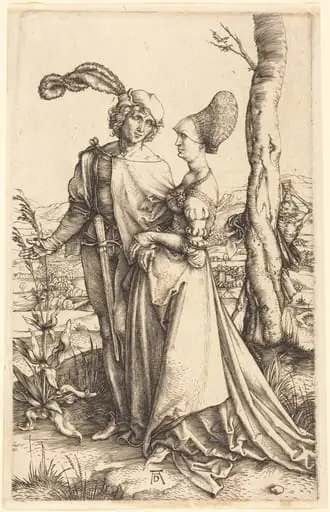 Promenade
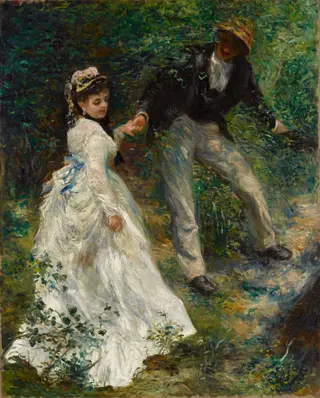 La Promenade
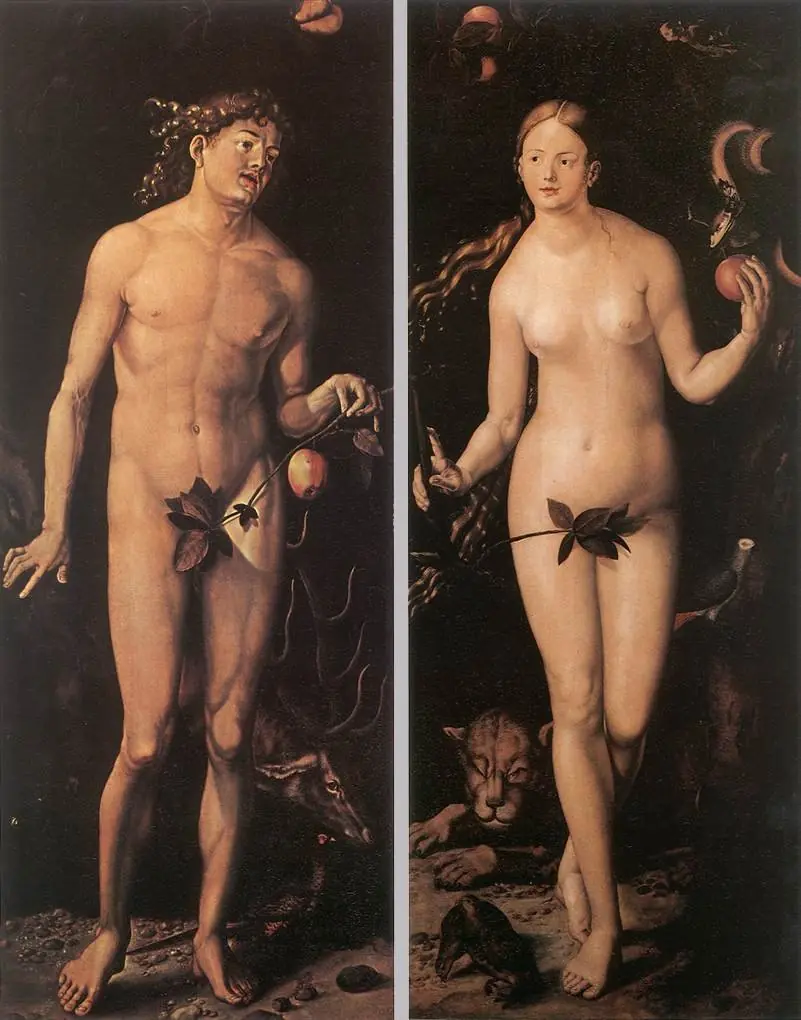 Adam and Eve
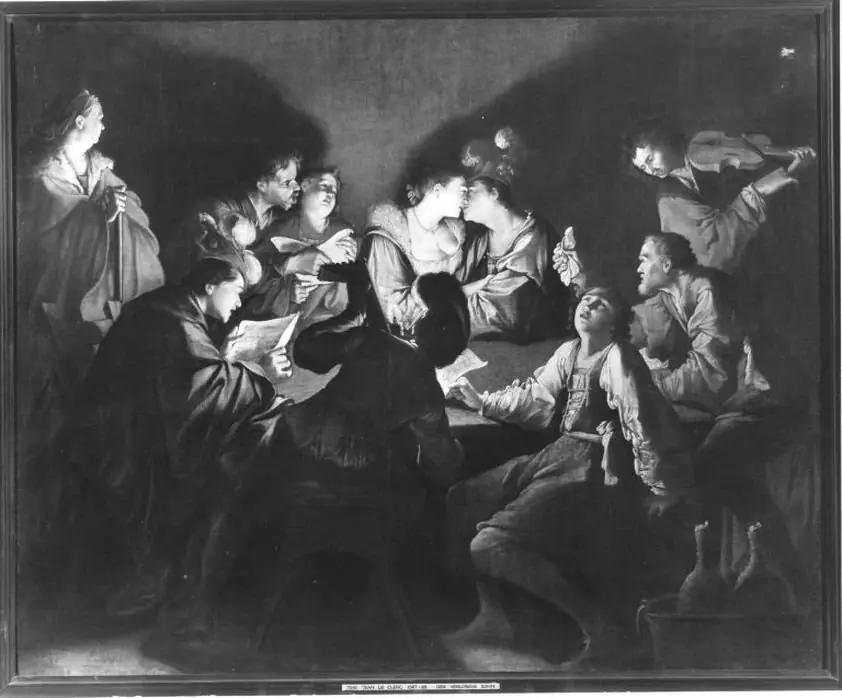 Singers
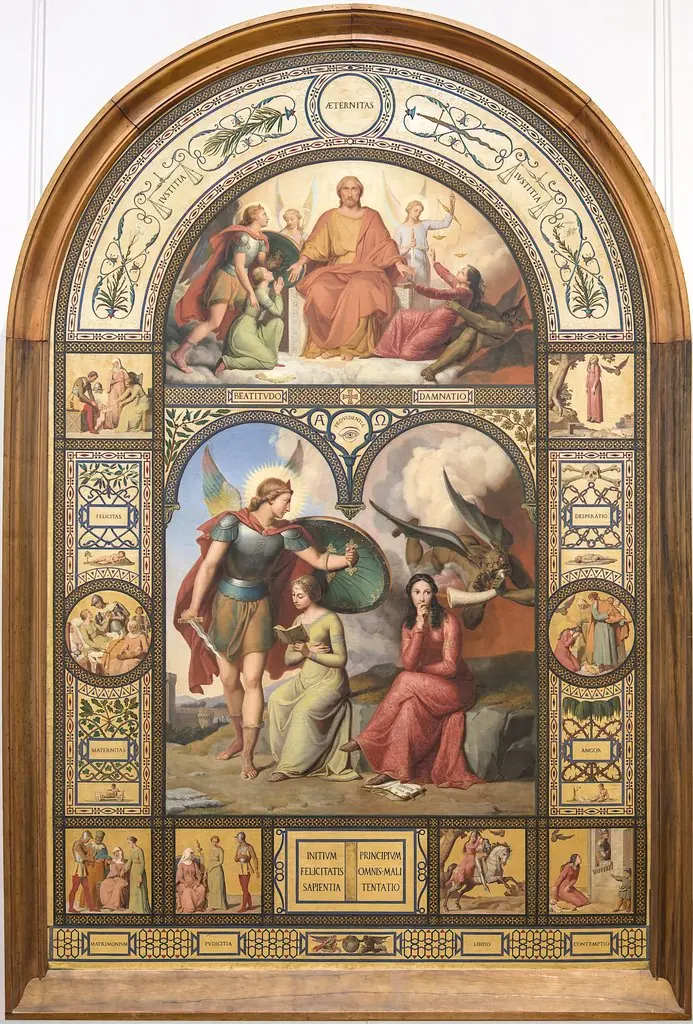 Good and Evil
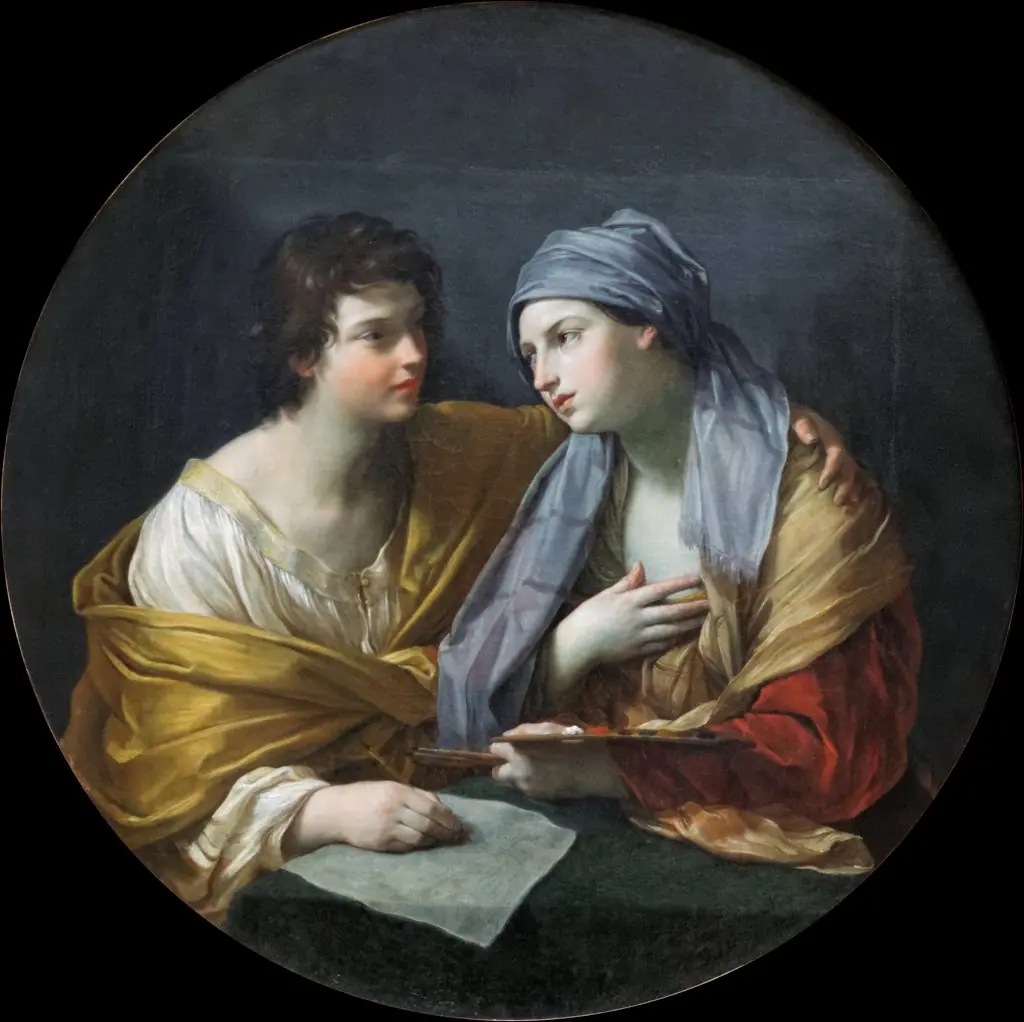 The Union of Drawing and Color
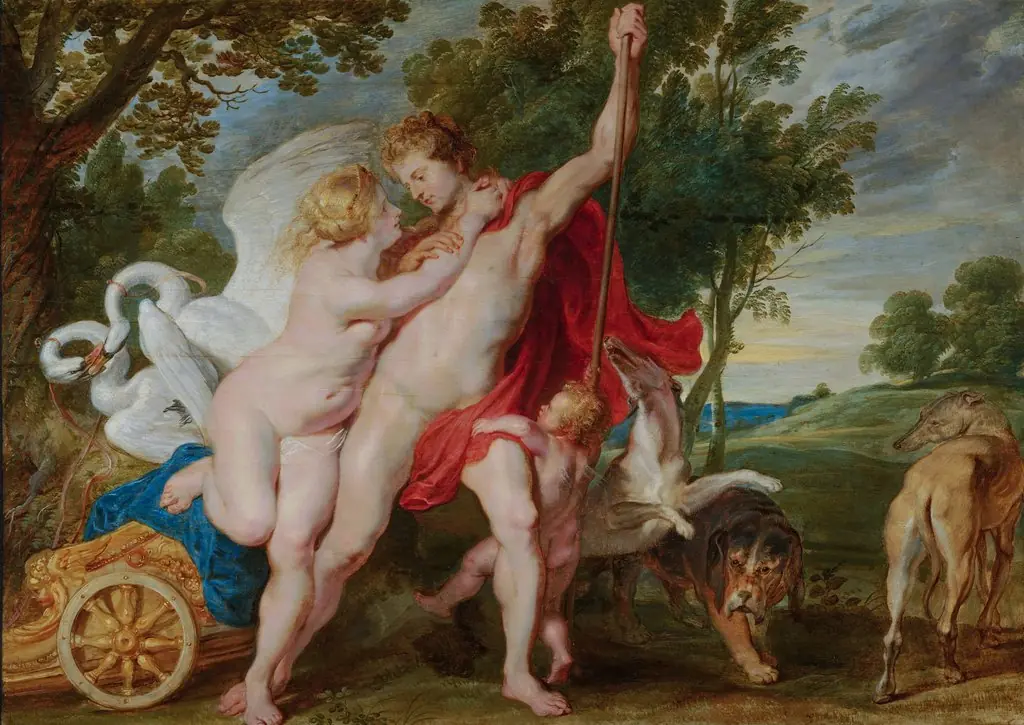 Venus trying to prevent Adonis from going hunting
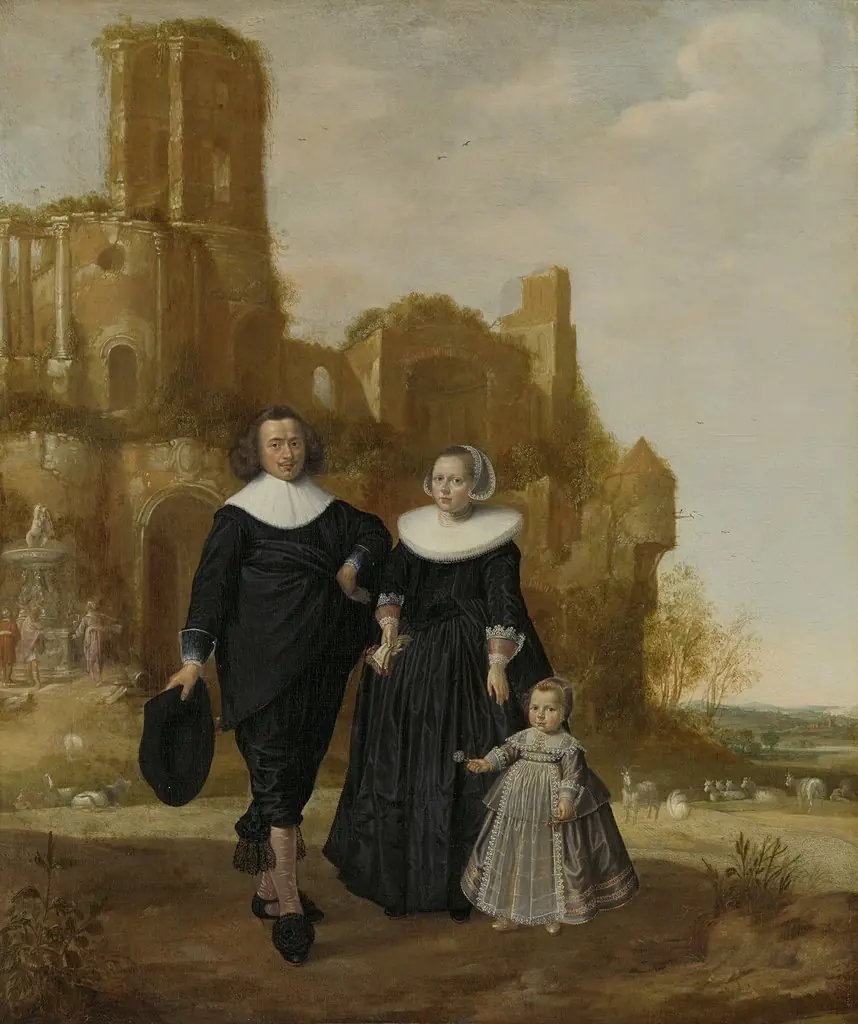 Portrait of a couple with their child in a landscape
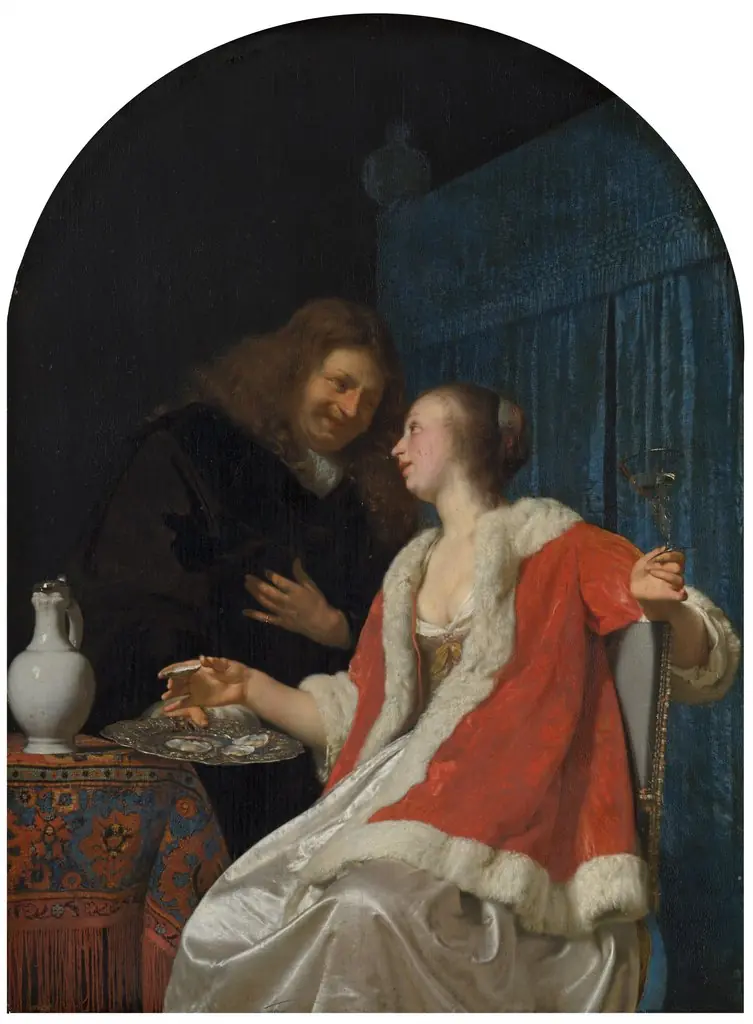 A Meal of Oysters
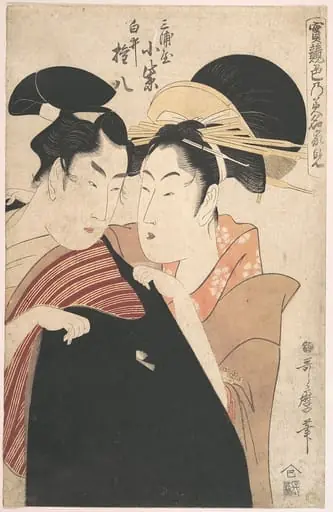 実競色乃美名家見 三浦屋小紫 白井権八|The Lovers Miura-ya Komurasaki and Shirai Gonpachi.
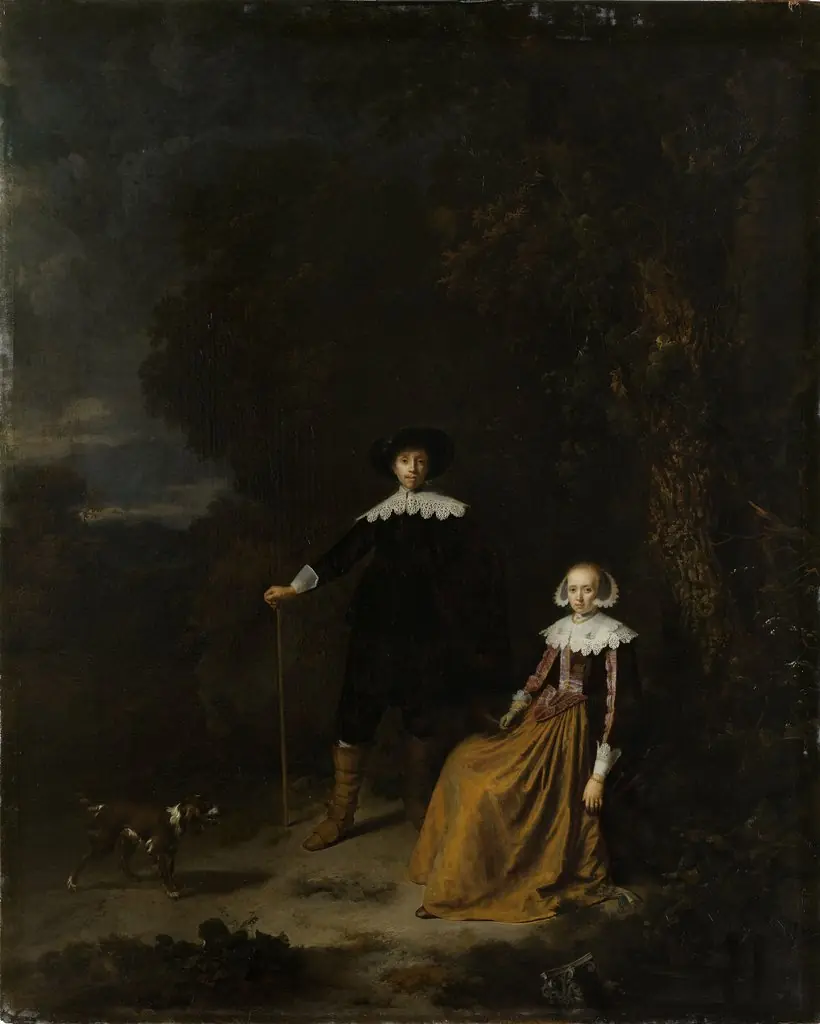 Portrait of a Couple in a Landscape
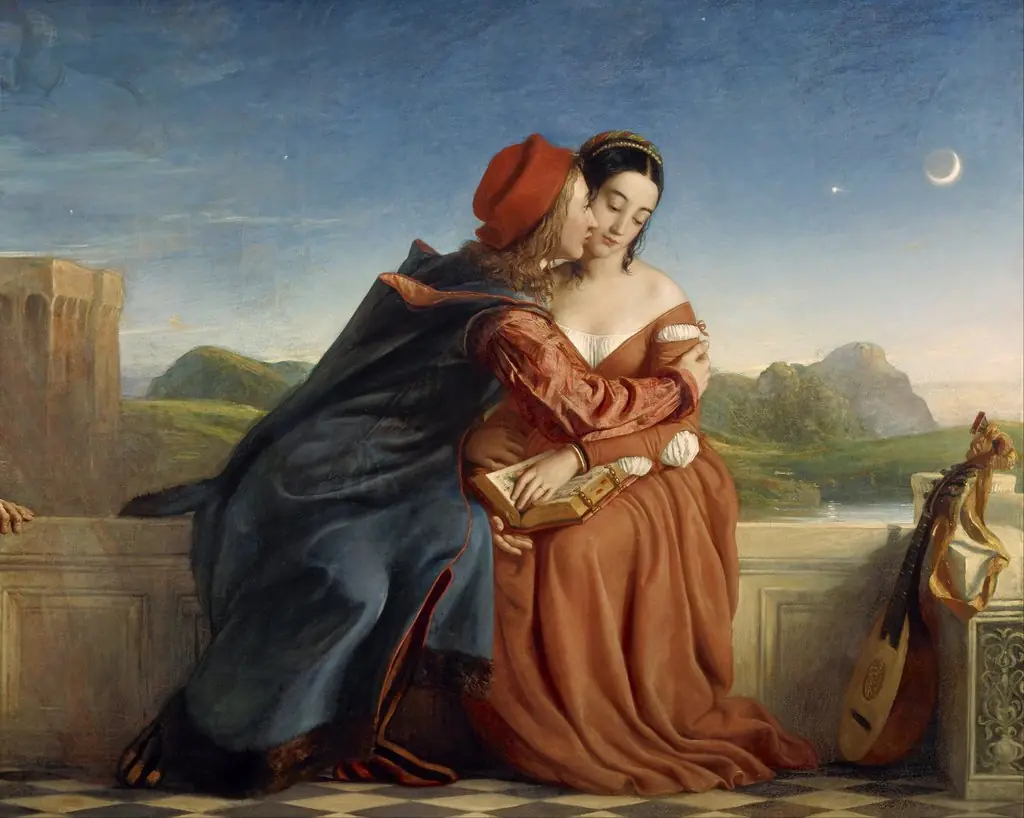 Francesca da Rimini
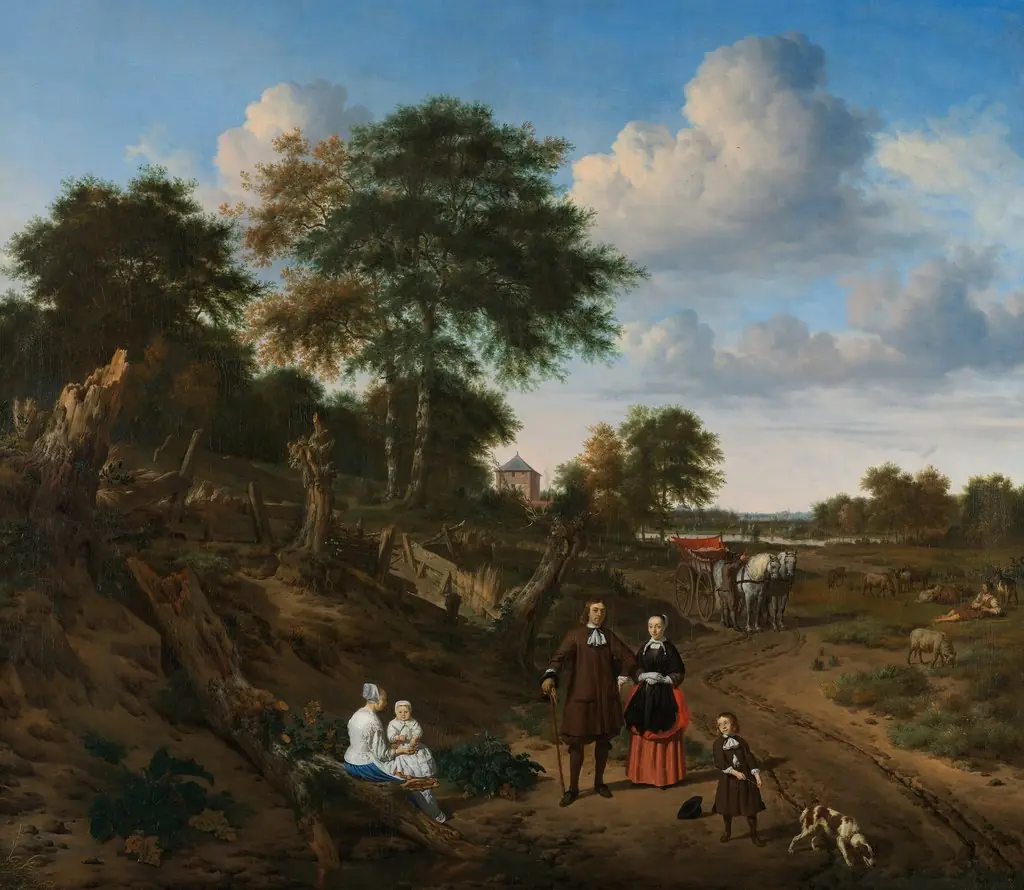 Couple in a Landscape
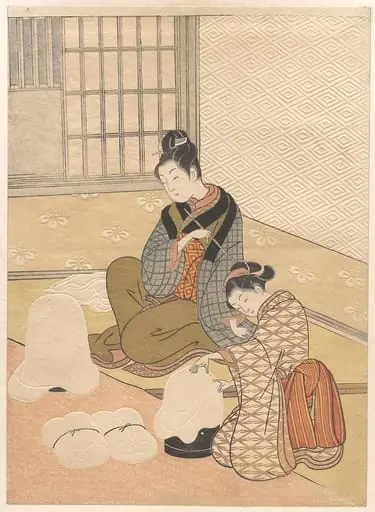 Untitled
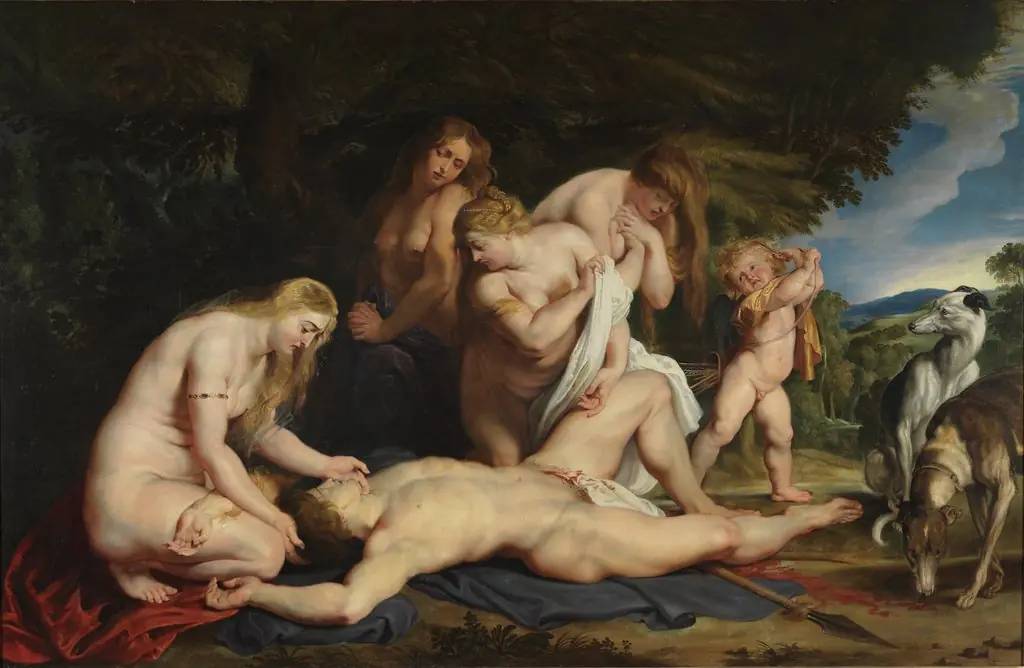 The Death of Adonis
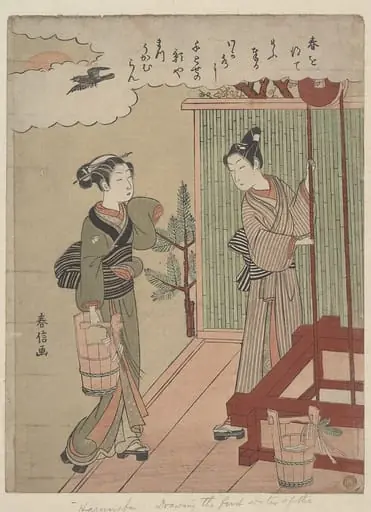 鈴木春信画 若水を汲む男女|Drawing the First Water of the New Year
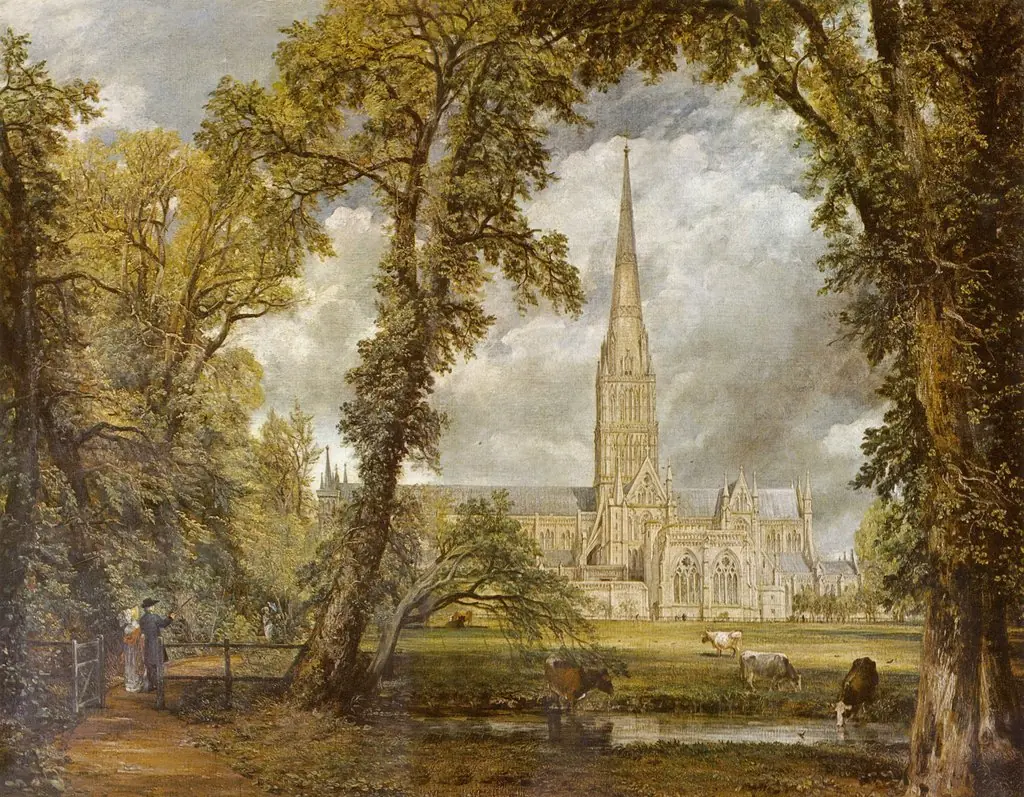 Salisbury Cathedral from the Bishop's Grounds
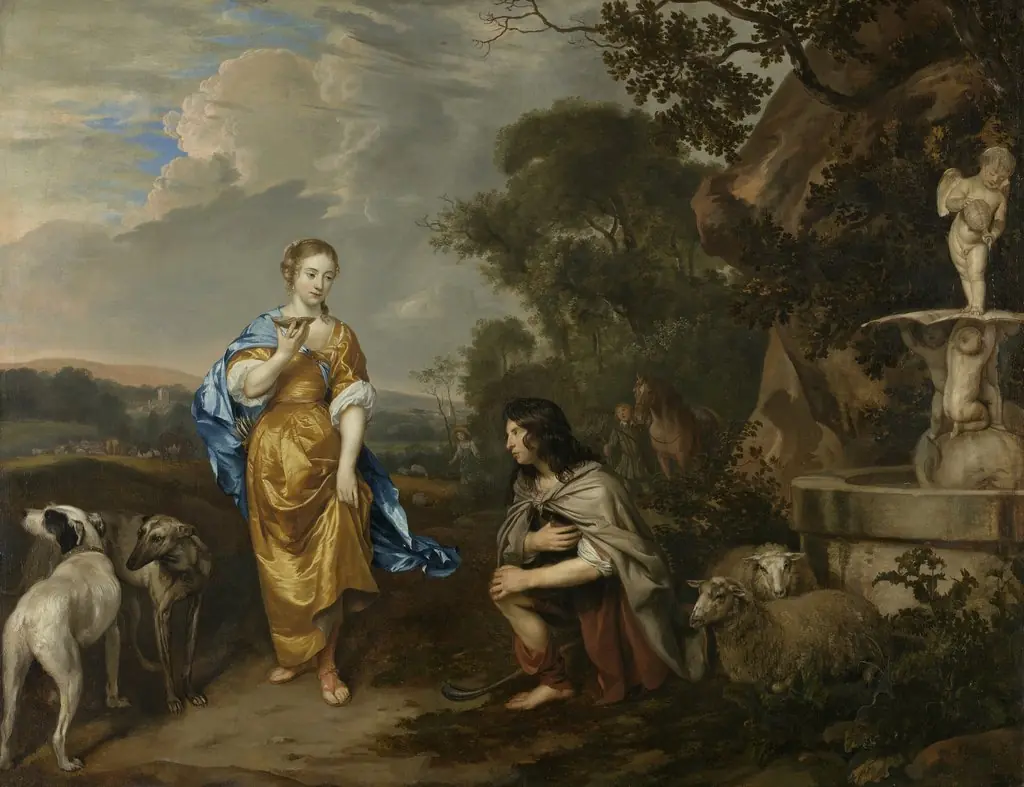 Double portrait of a young couple as Granida and Daiphilo
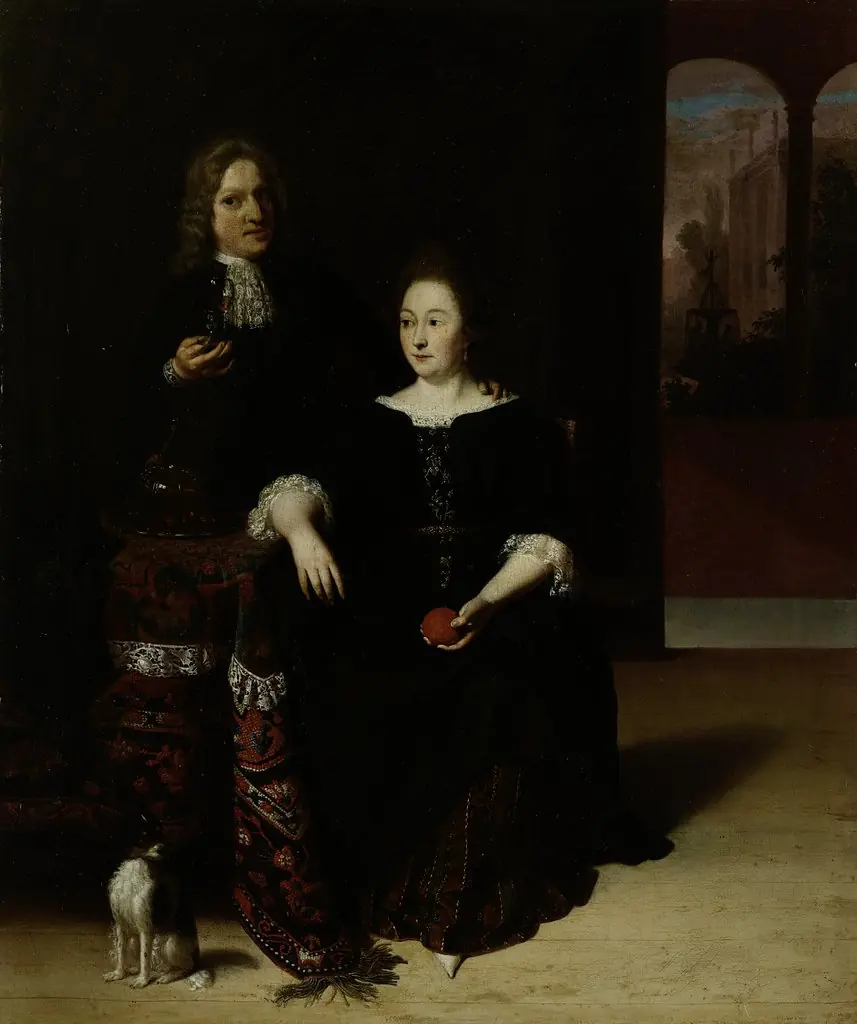 Portrait of a woman and a man in an interior
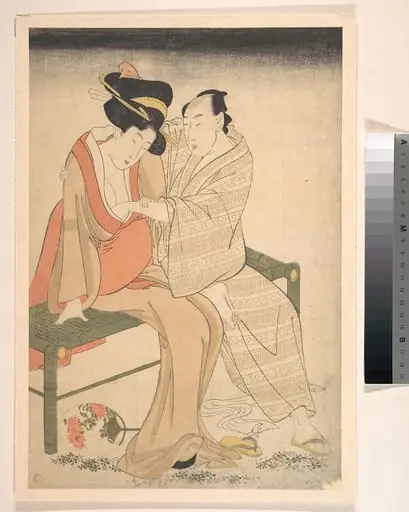 Untitled
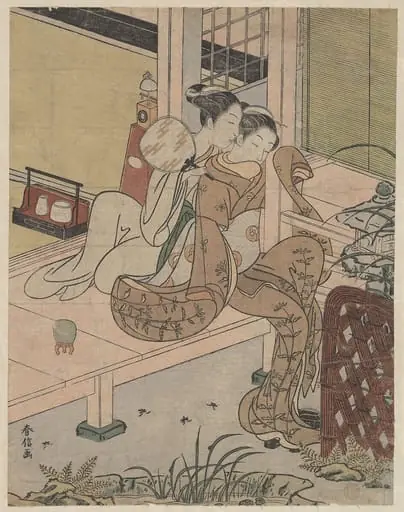 Untitled
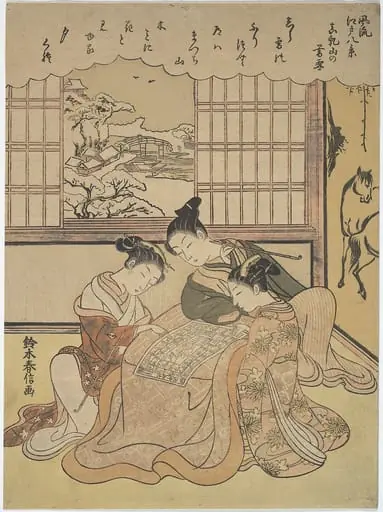 風流江戸八景 真乳山の暮雪|Evening Snow on Matsuchi Hilll, from the series Eight Fashionable Views of Edo (Furyu Edo hakkei)
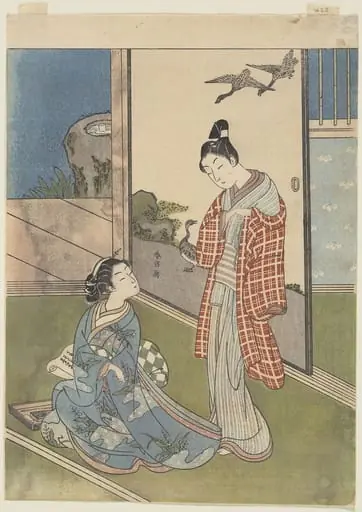 Untitled
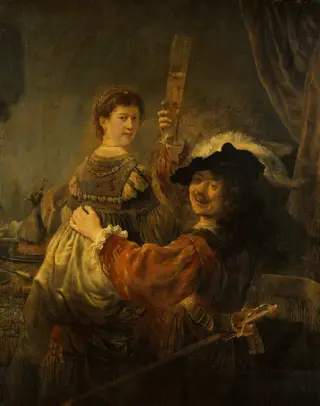 Rembrandt and Saskia in the parable of the Prodigal Son
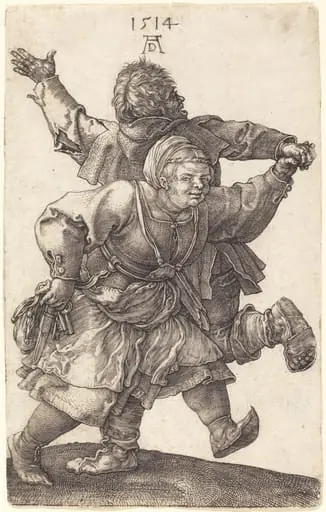 Peasant Couple Dancing
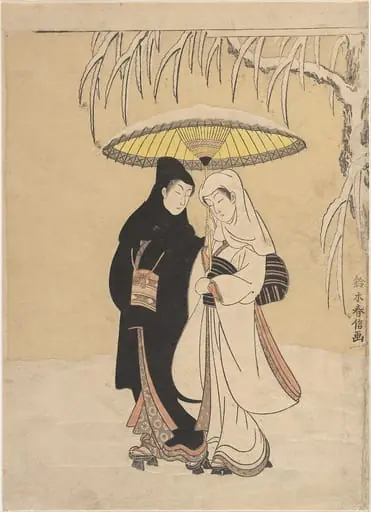 Untitled
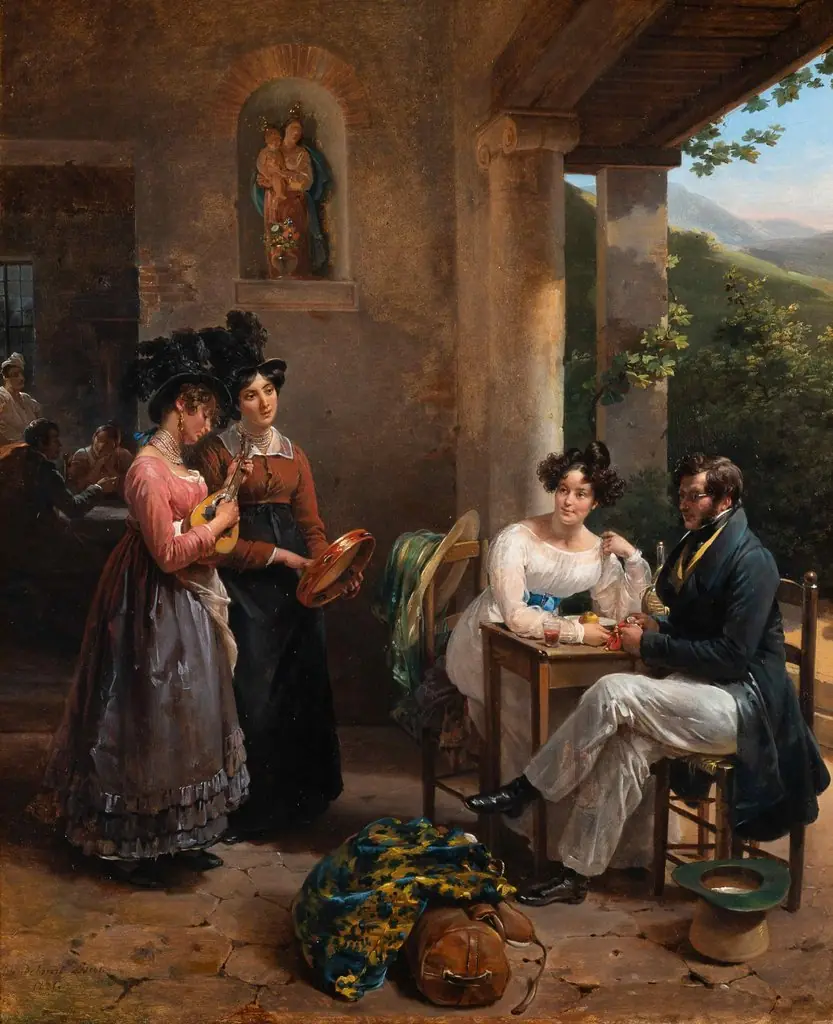 Self-Portrait of the Artist and Her Husband on Their Wedding Trip
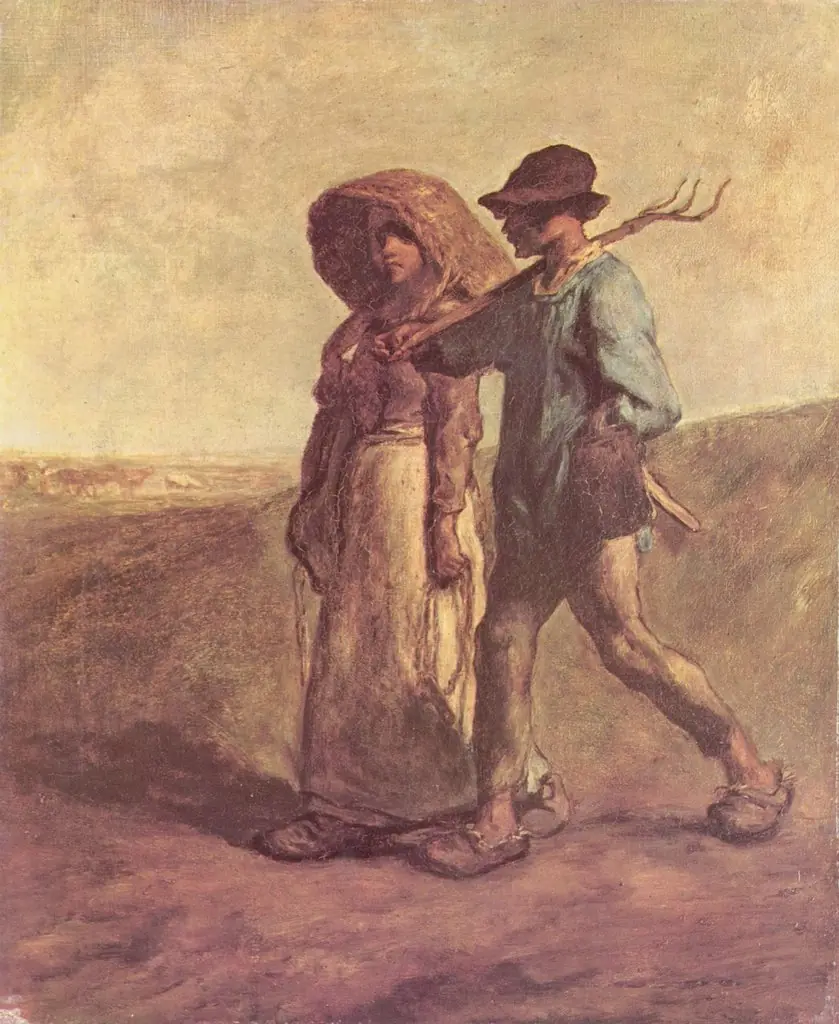 The Walk to Work
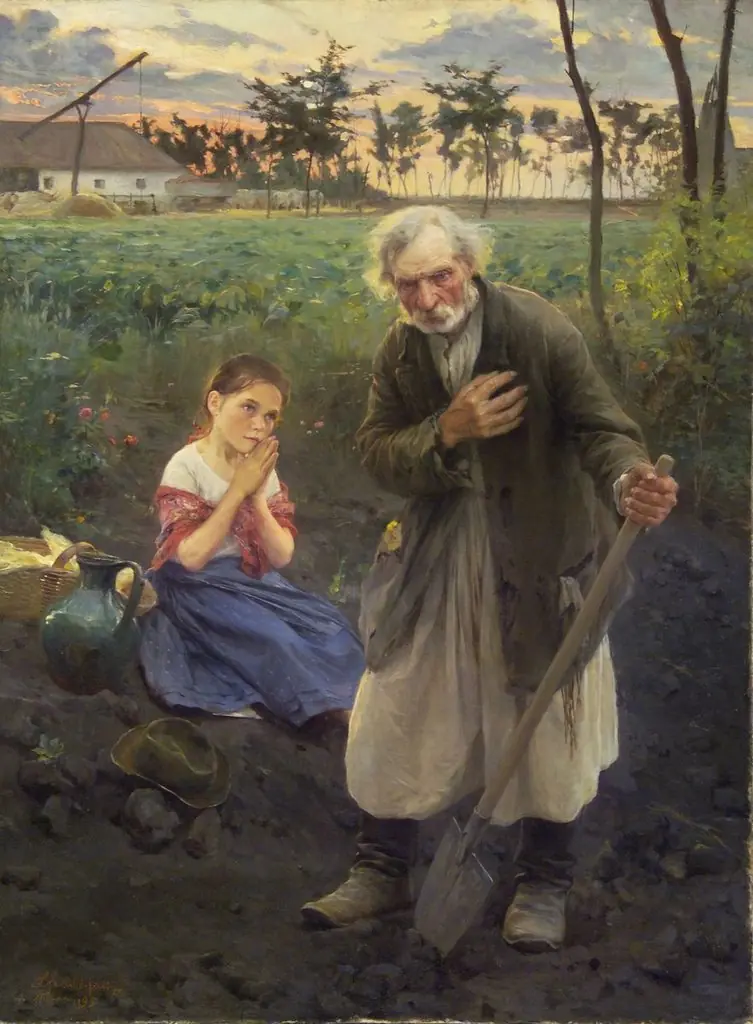 At Vesper Bell
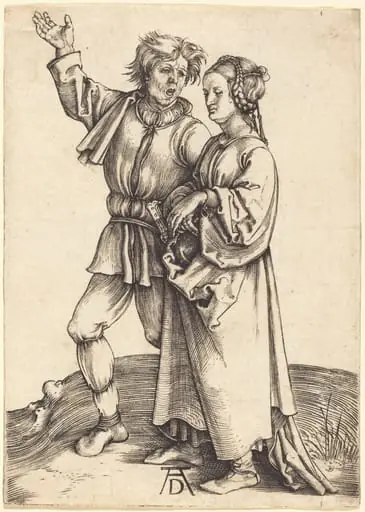 Peasant and His Wife
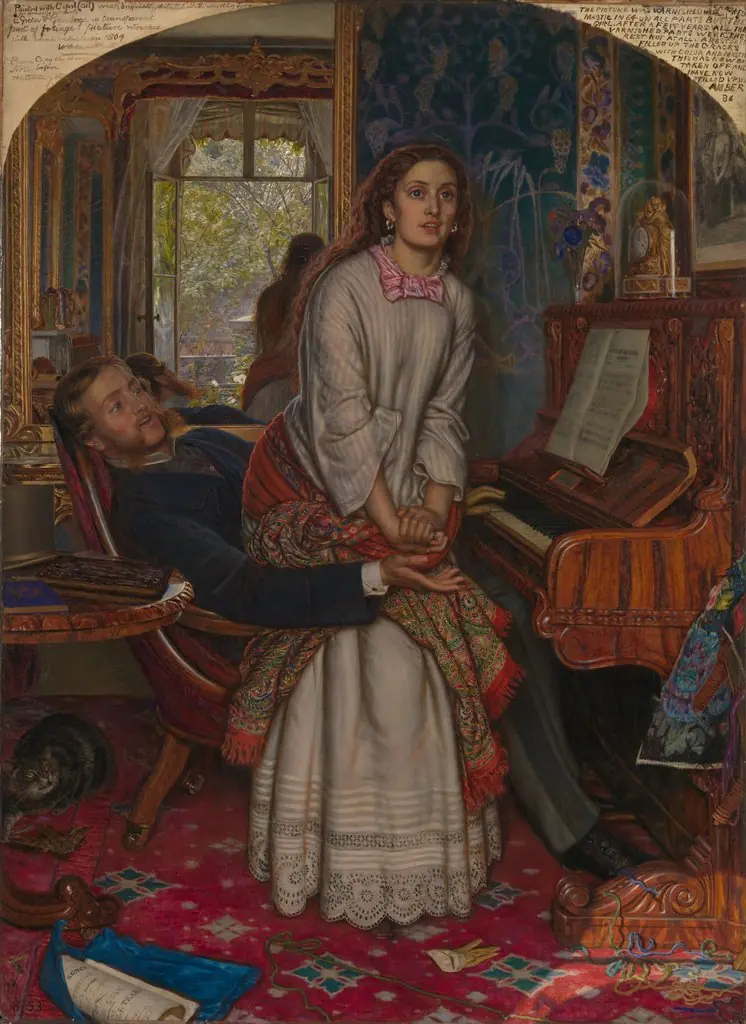 The Awakening Conscience
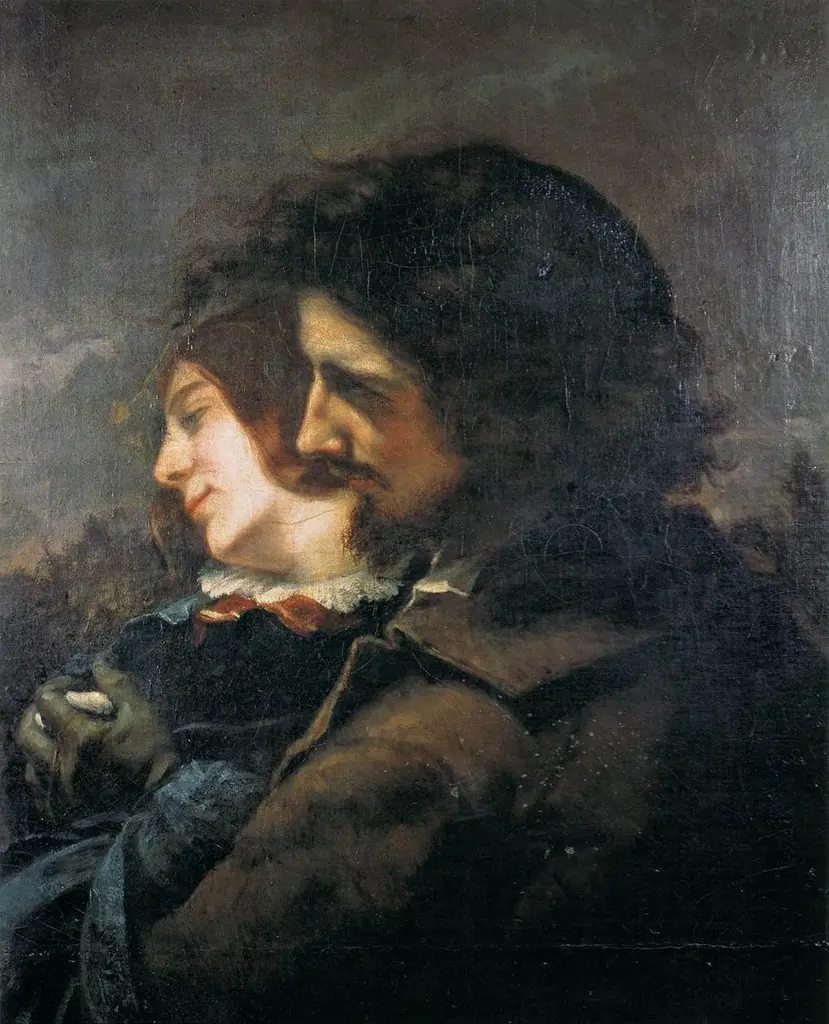 The Happy Lovers
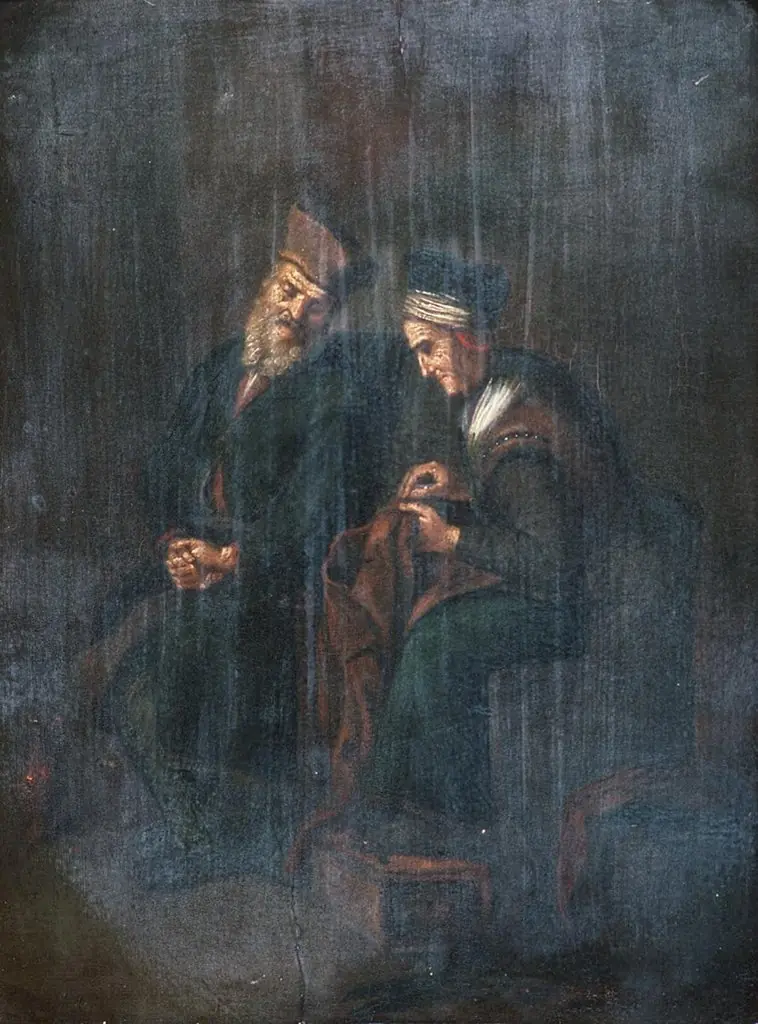 Old couple
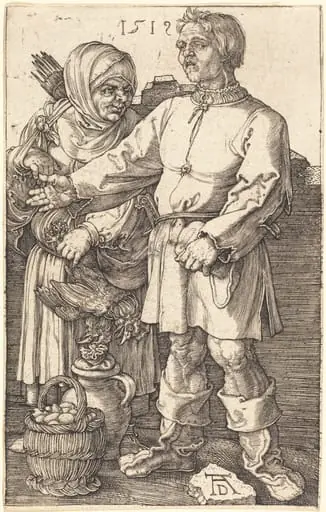 Peasant Couple at Market
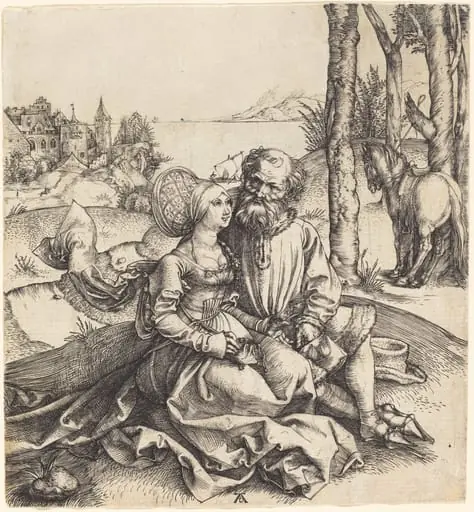 The Ill-Assorted Couple
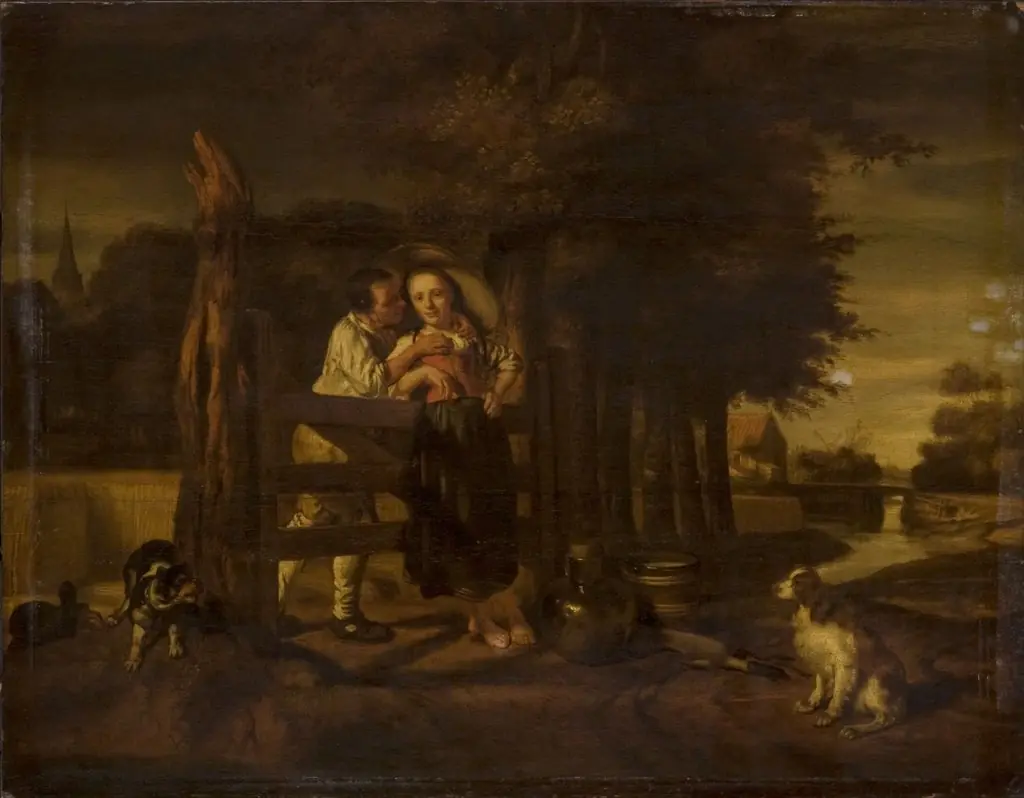 Lovers
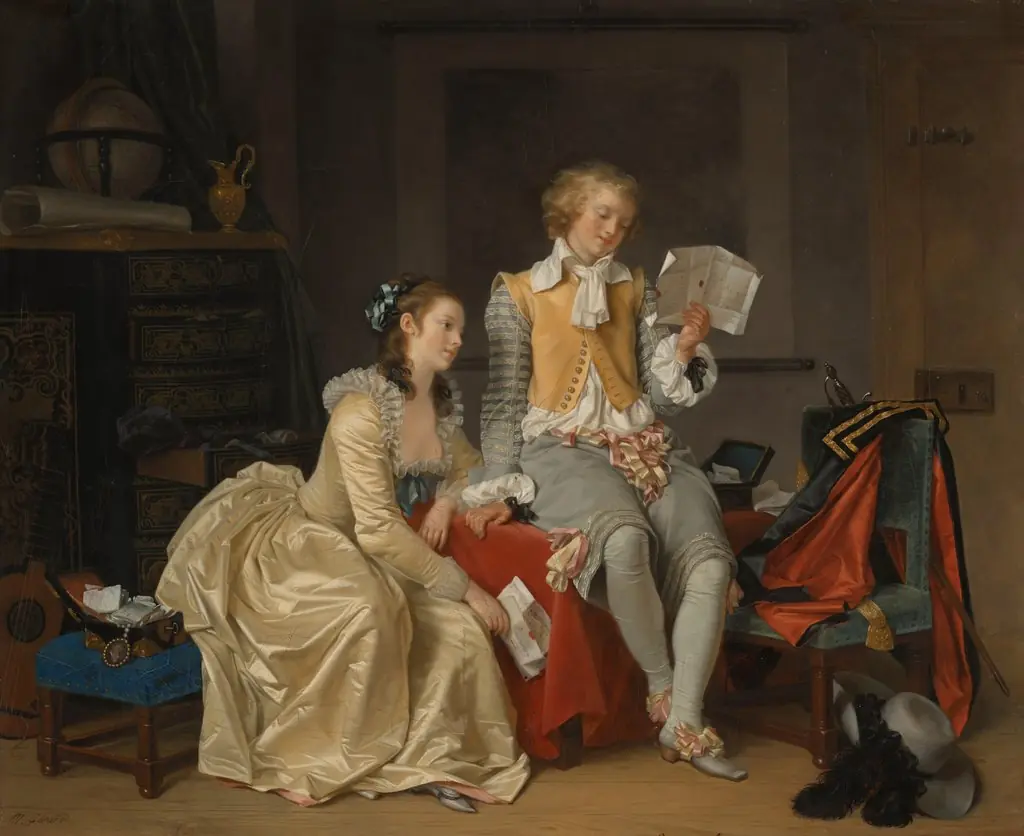 I Reread Them with Pleasure
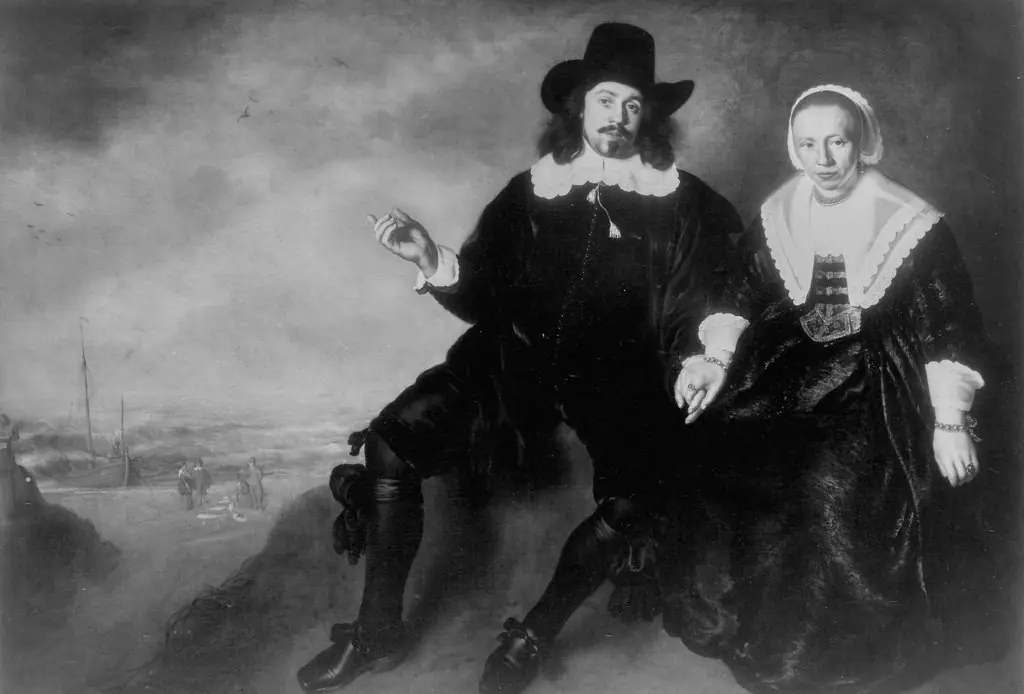 A shipowner and his wife
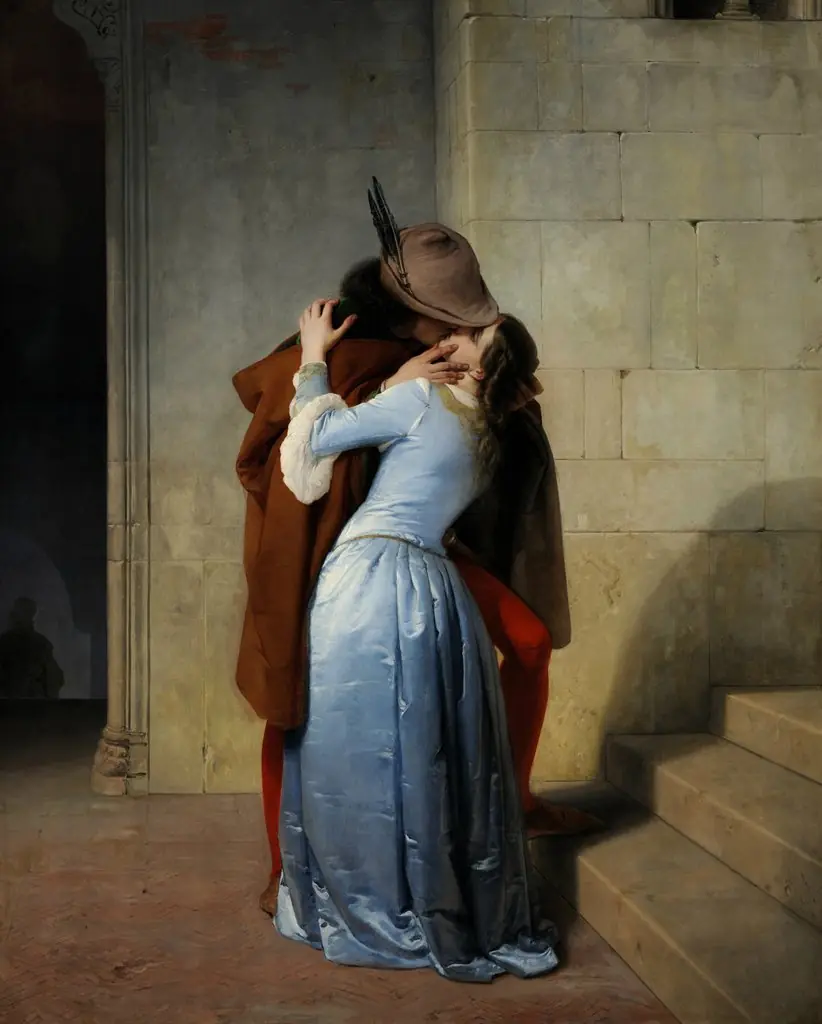 The Kiss
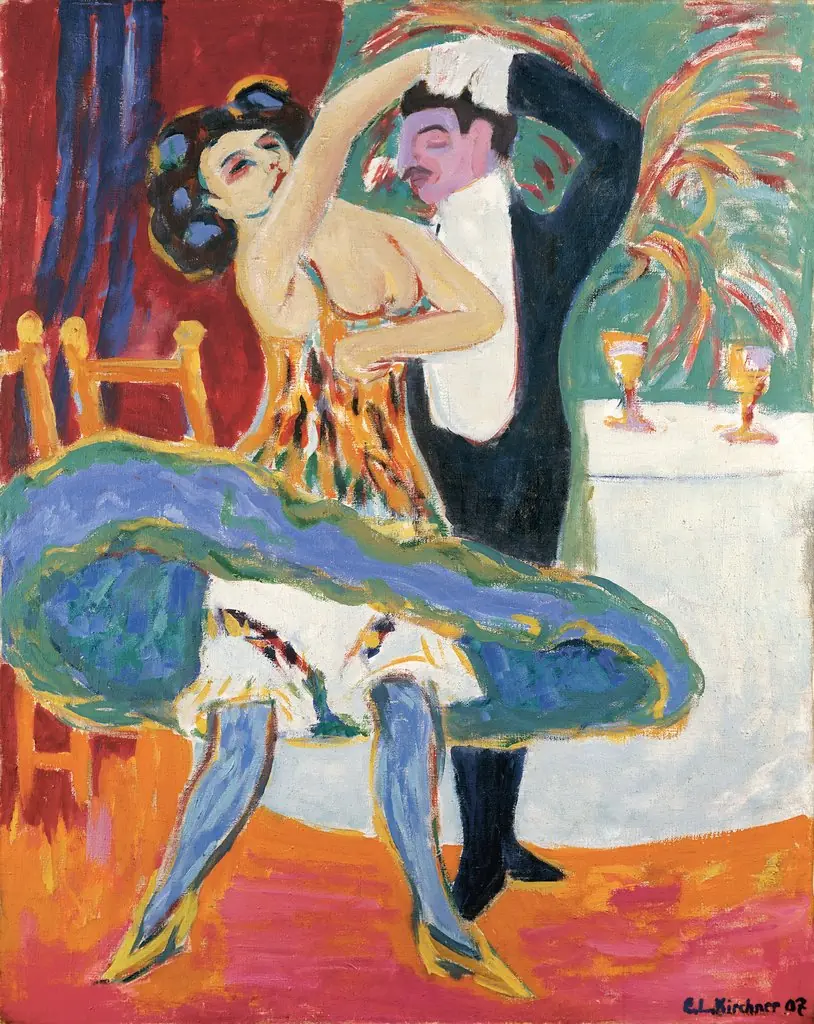 Varieté
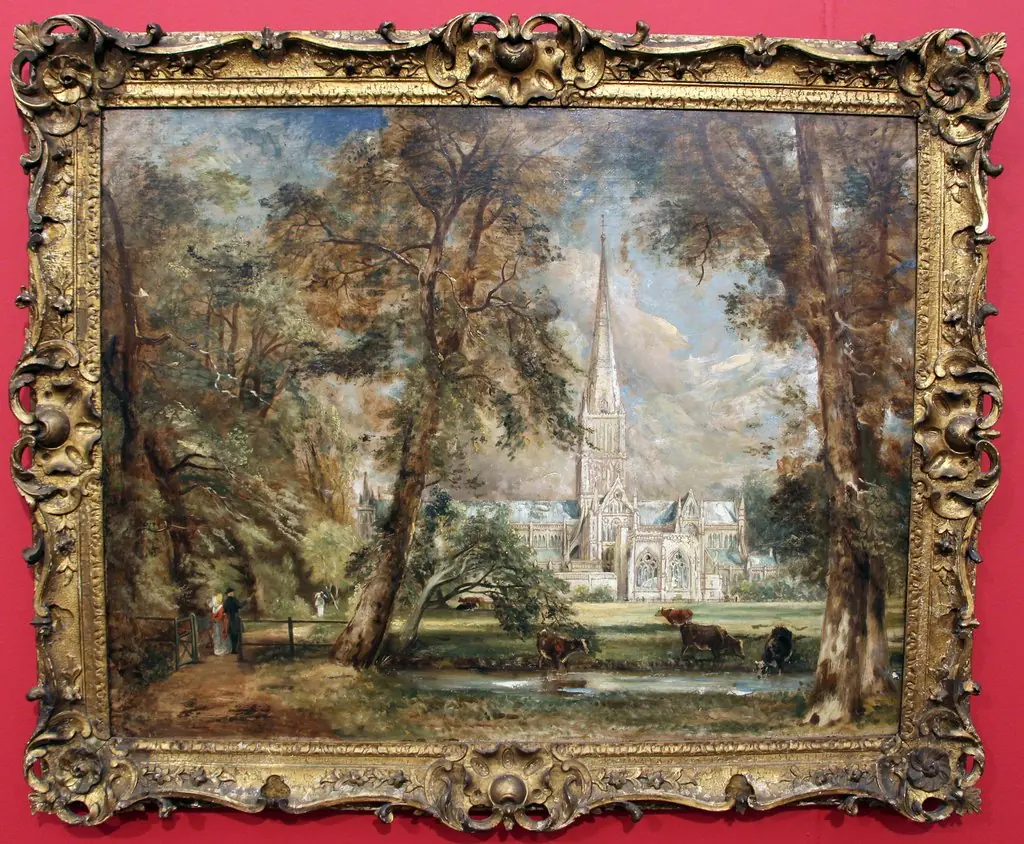 Salisbury Cathedral from the Bishop's Garden
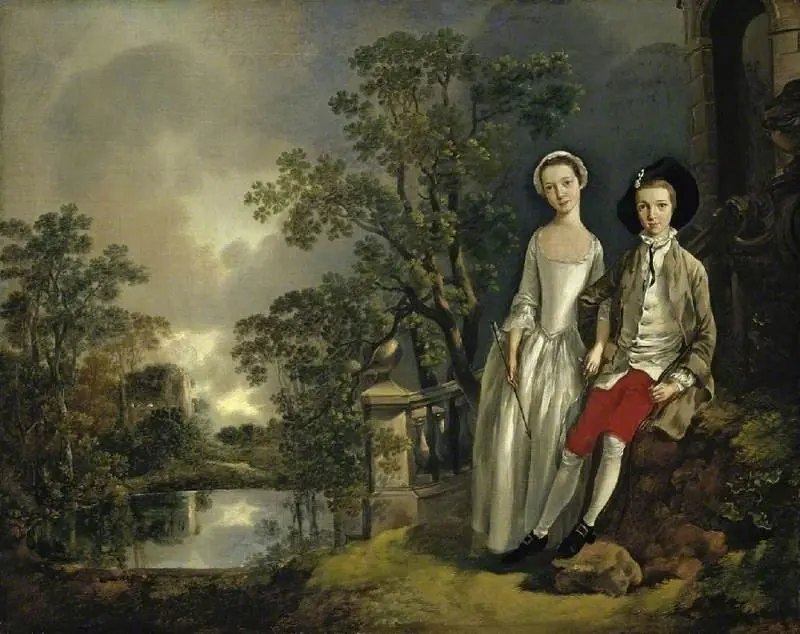 Heneage Lloyd and his Sister, Lucy
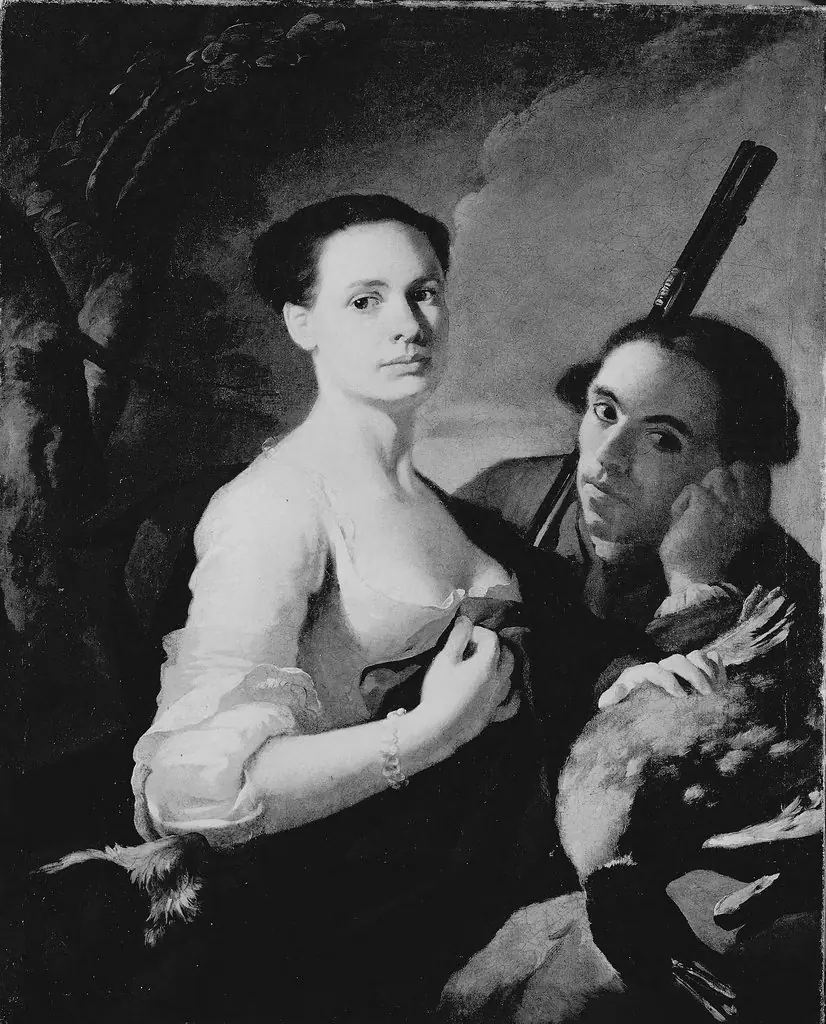 Young Woman with Hunter
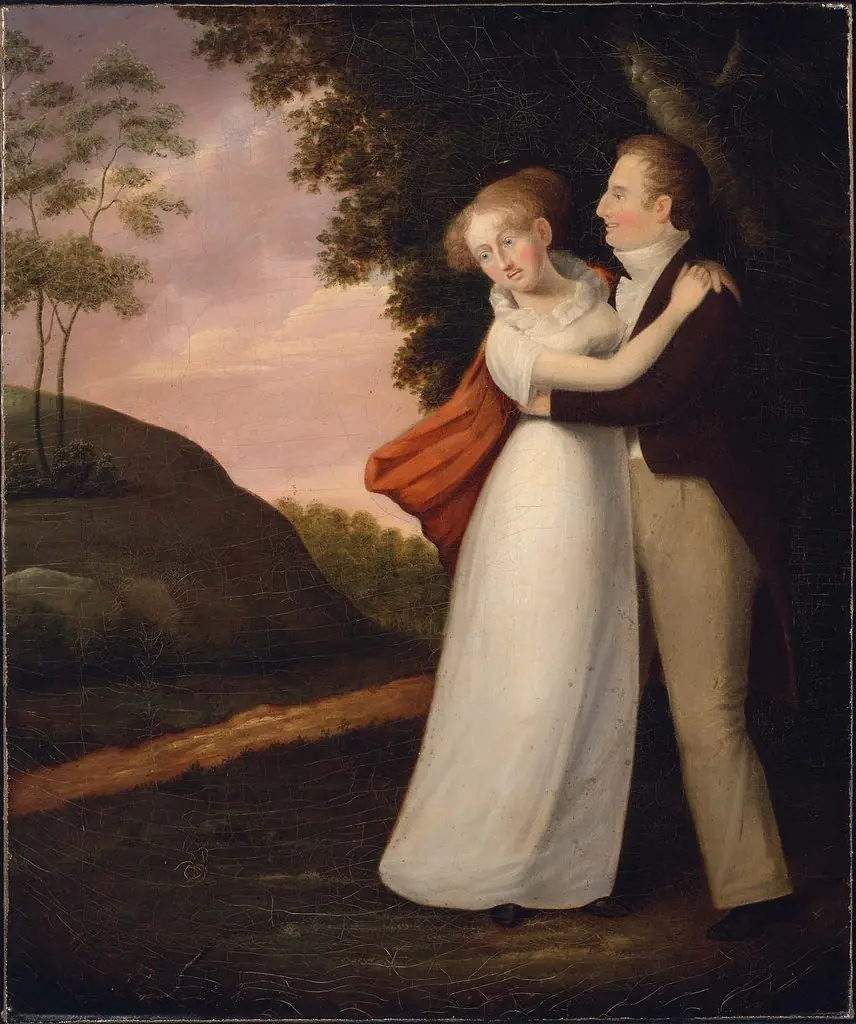 The Frightened Girl
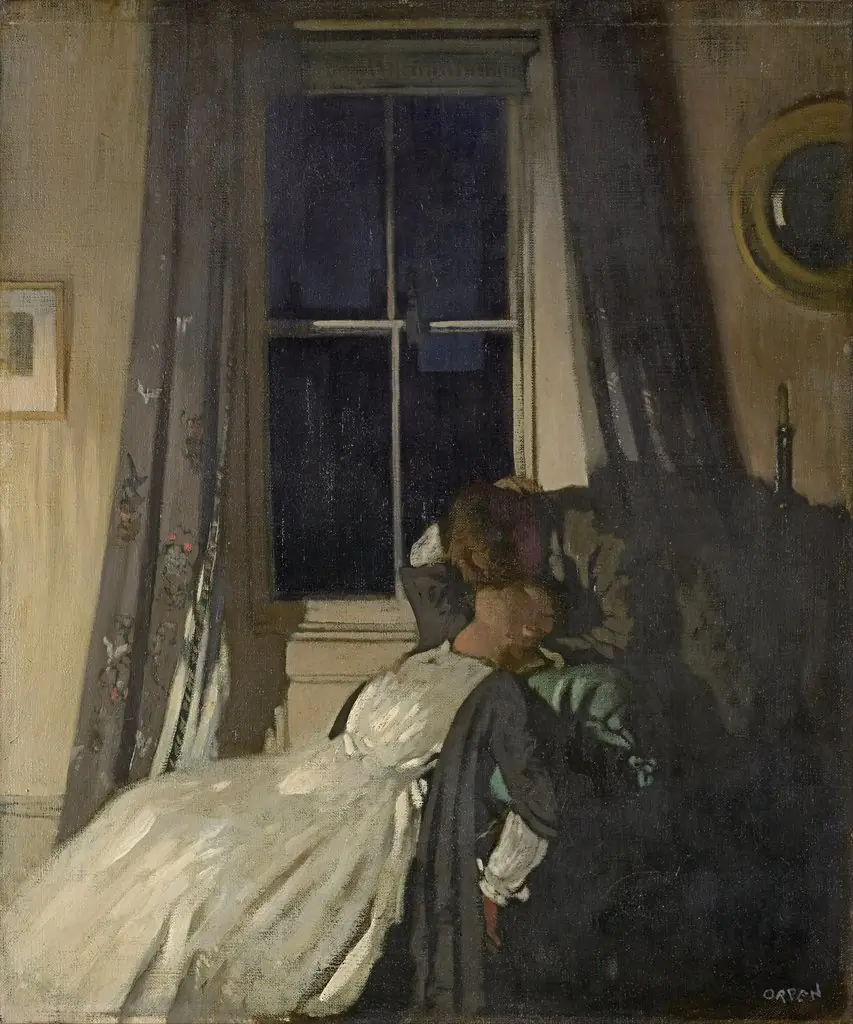 Night
Night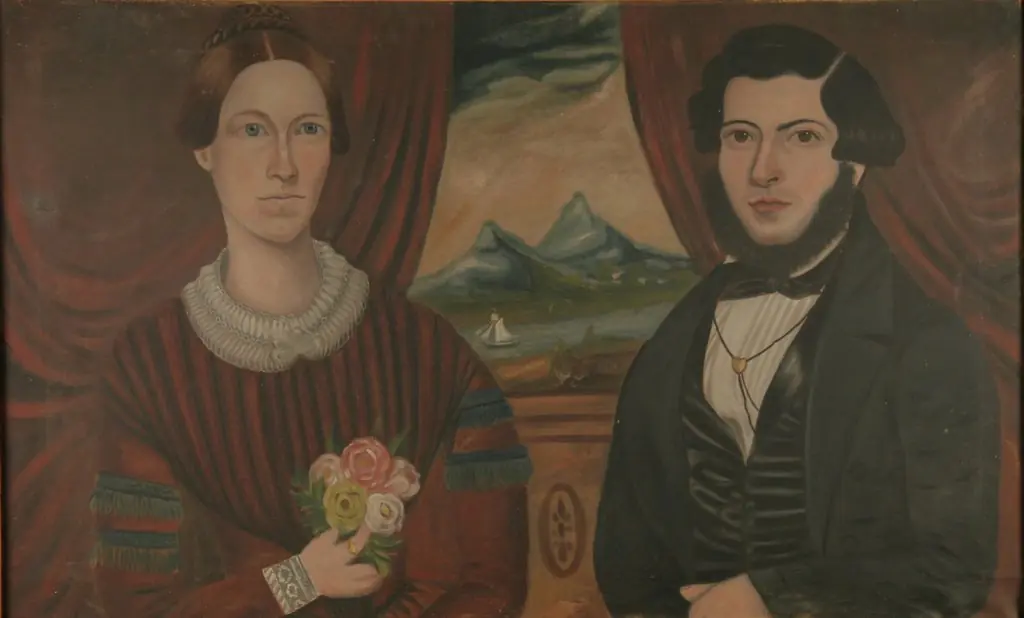 Mr. and Mrs. Gilbert Ide
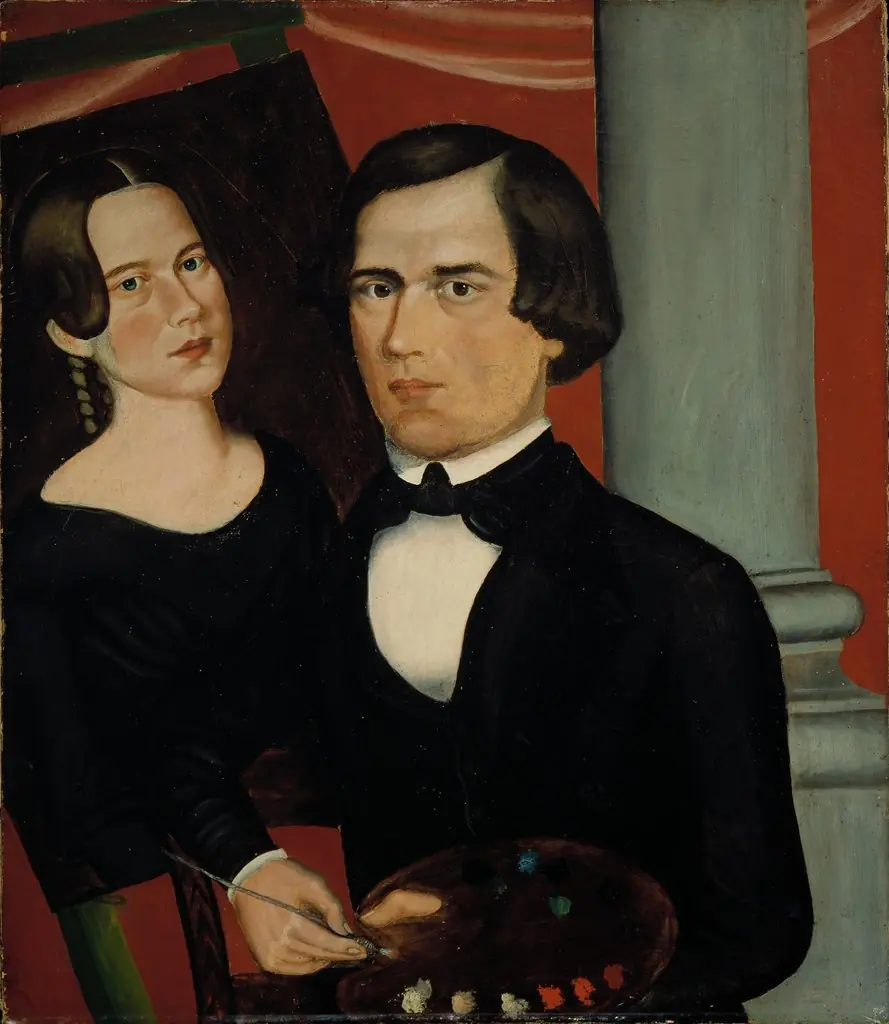 Artist and his Subject
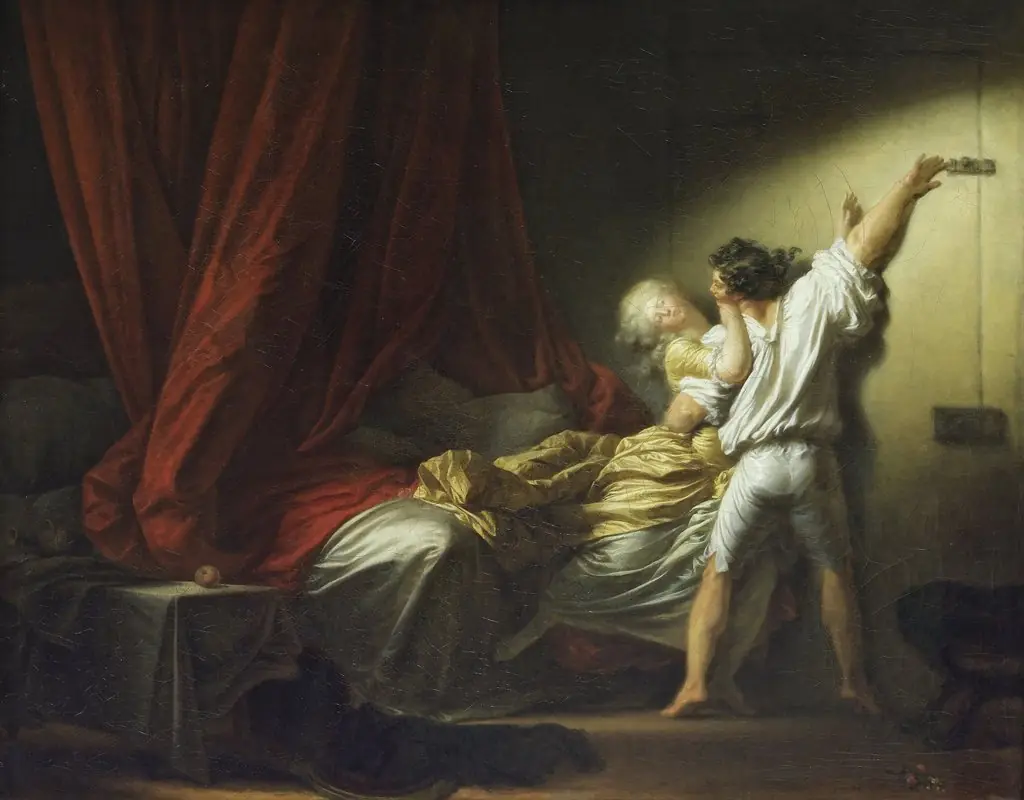 The Lock
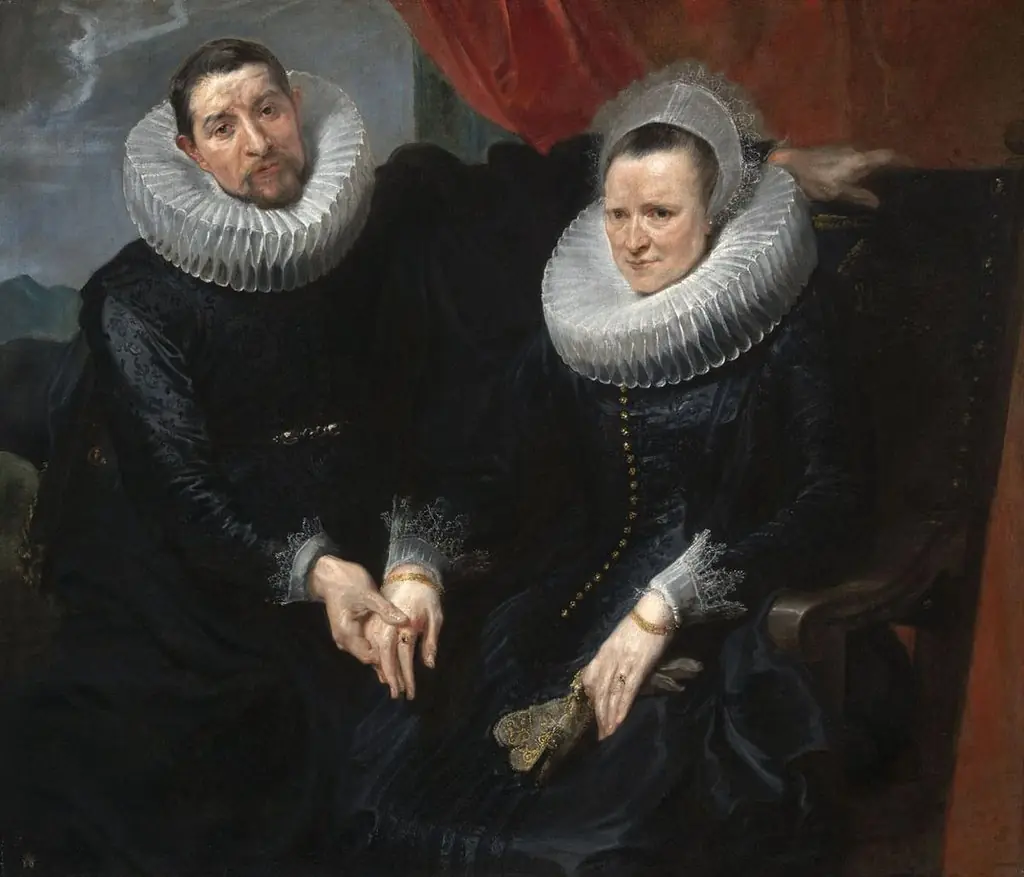 Portrait of a Married Couple
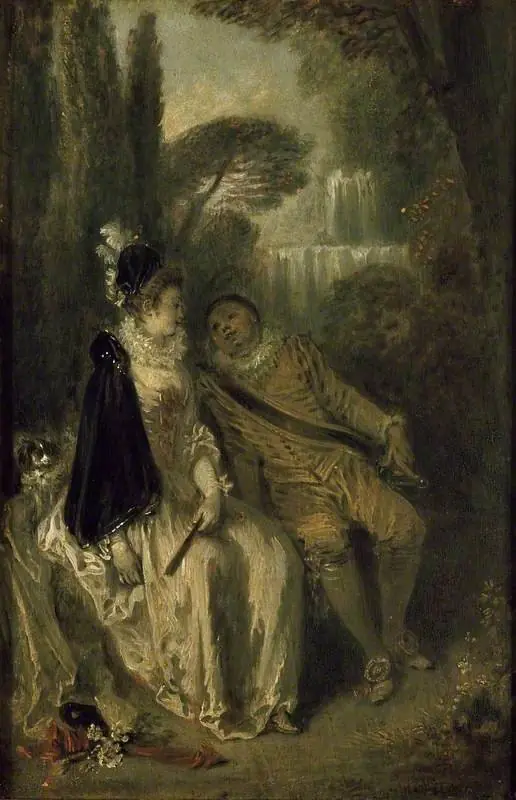 Le Repos Gracieux (The Graceful Rest)
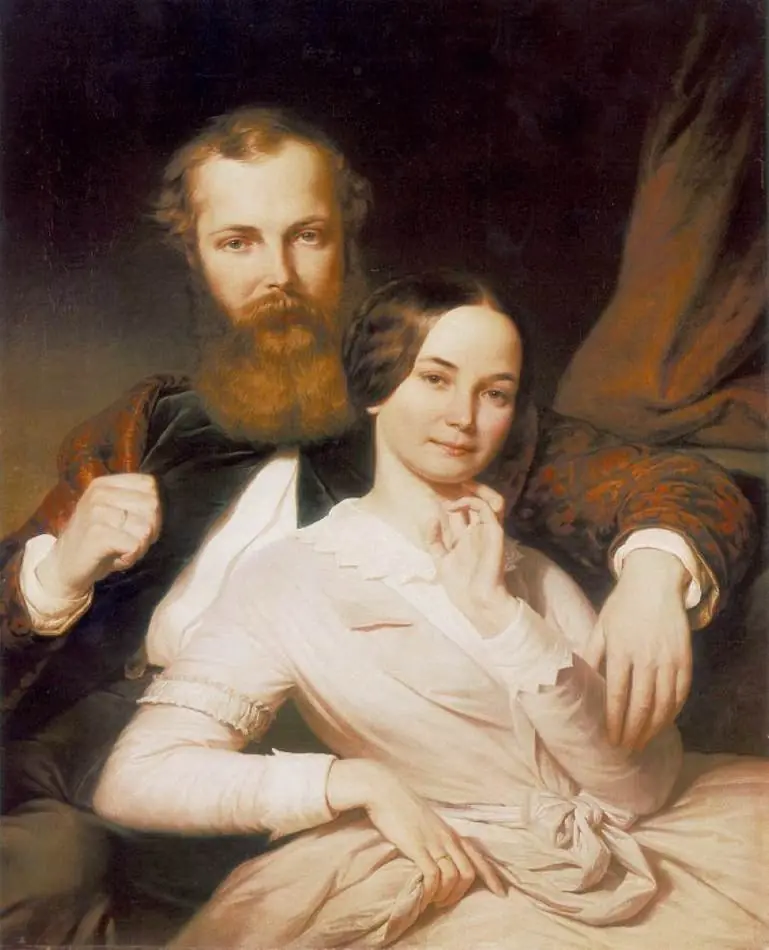 The Composer Mihály Mosonyi and His Wife
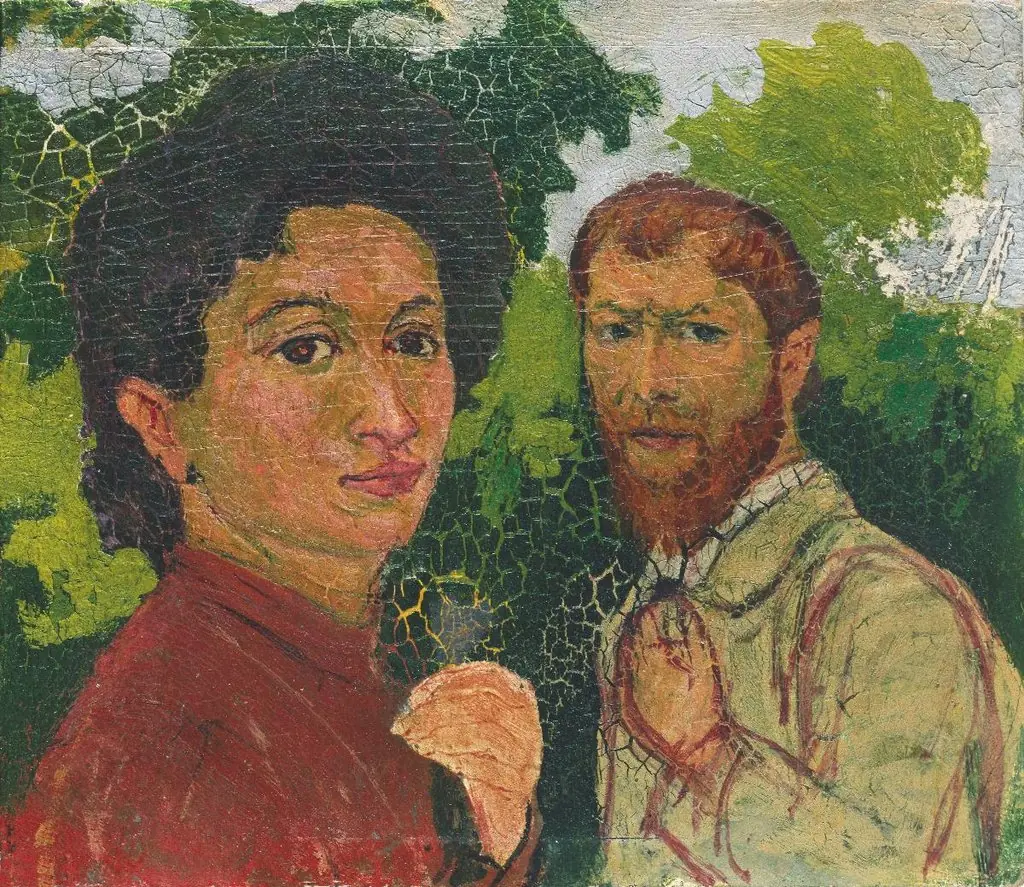 Annetta und Giovanni Giacometti
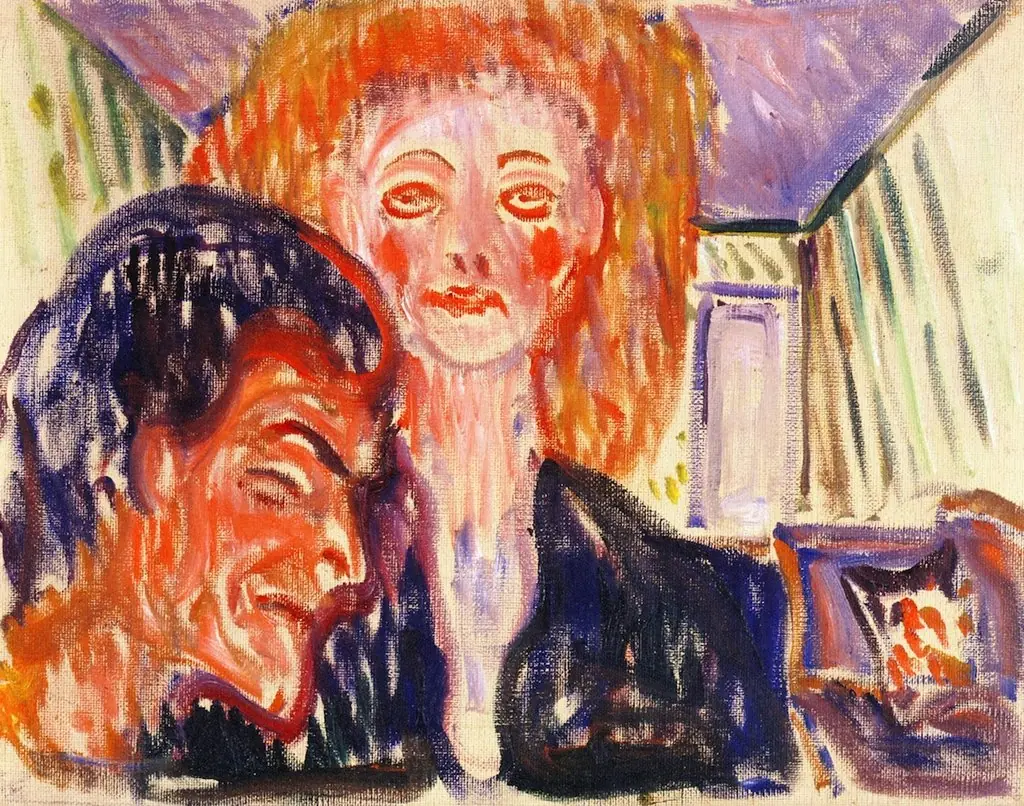 Hatred
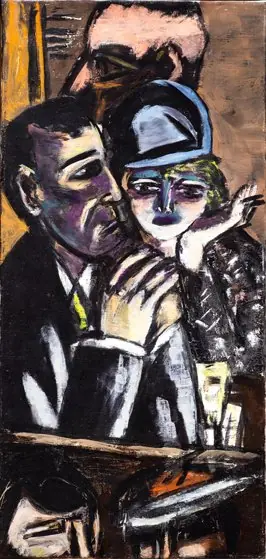 Bar, Brown
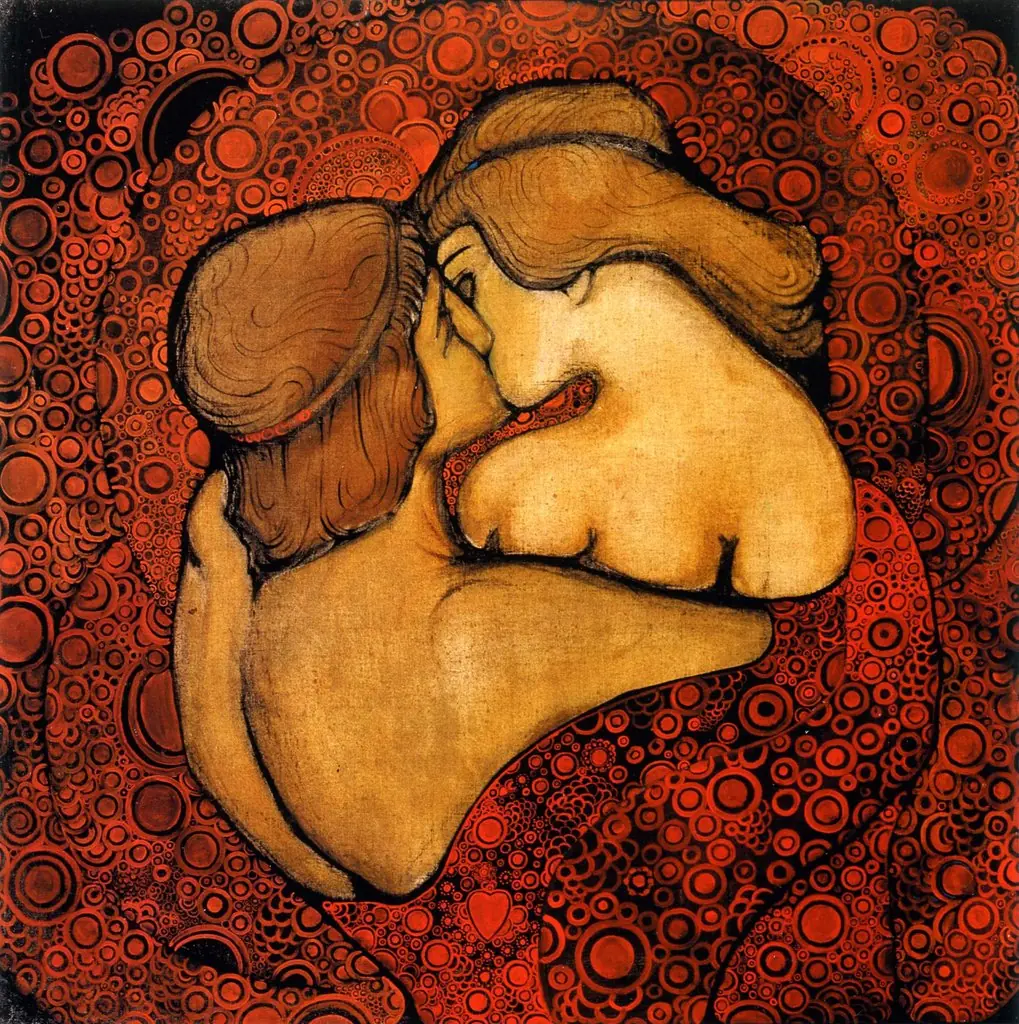 The Kiss
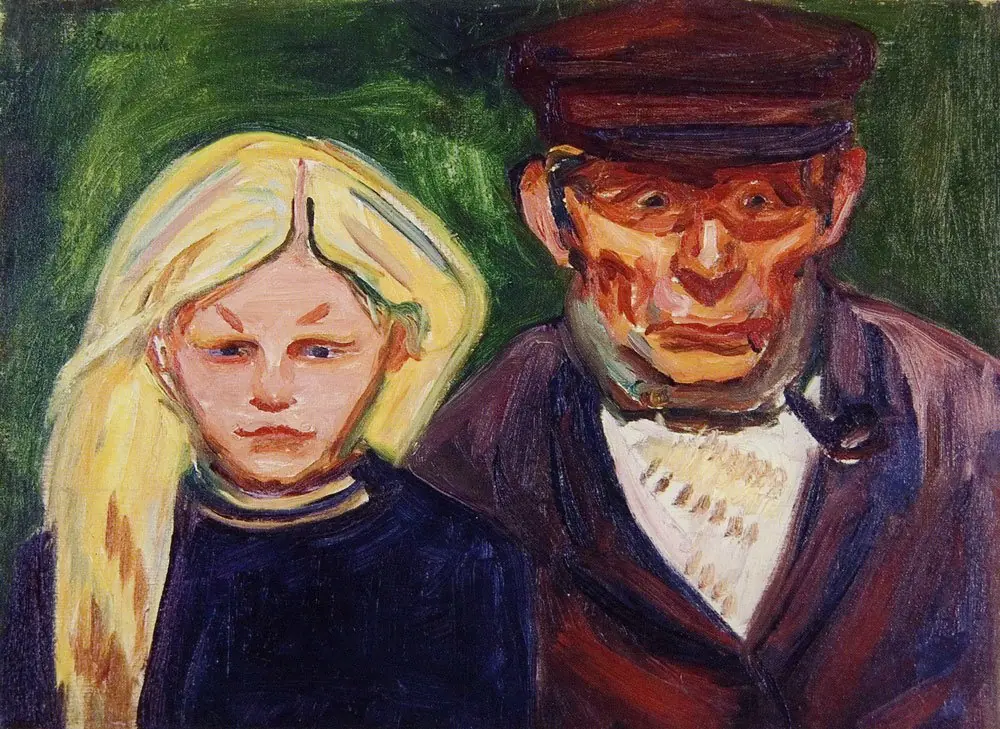 Old Fisherman and his Daughter
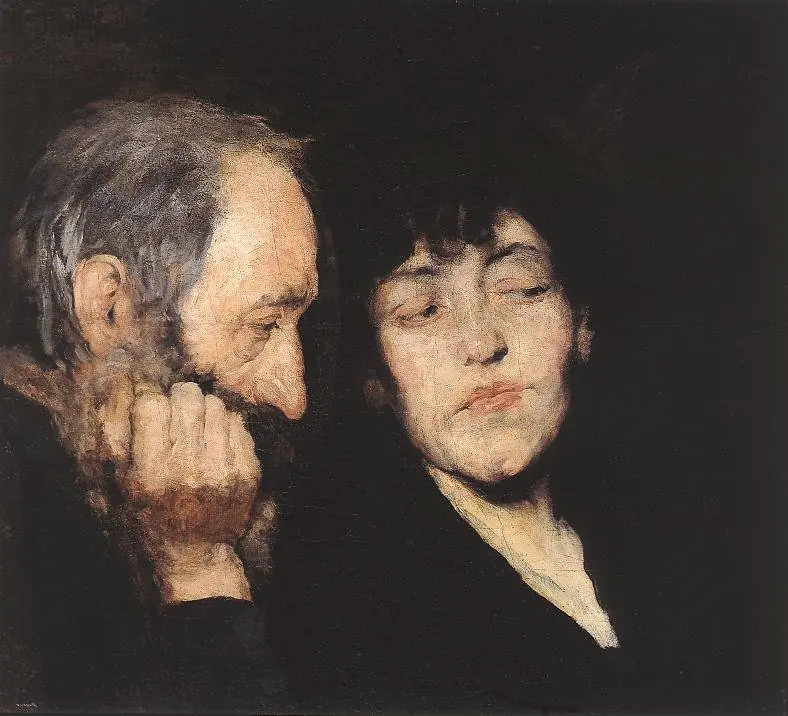 Youth and Old Age
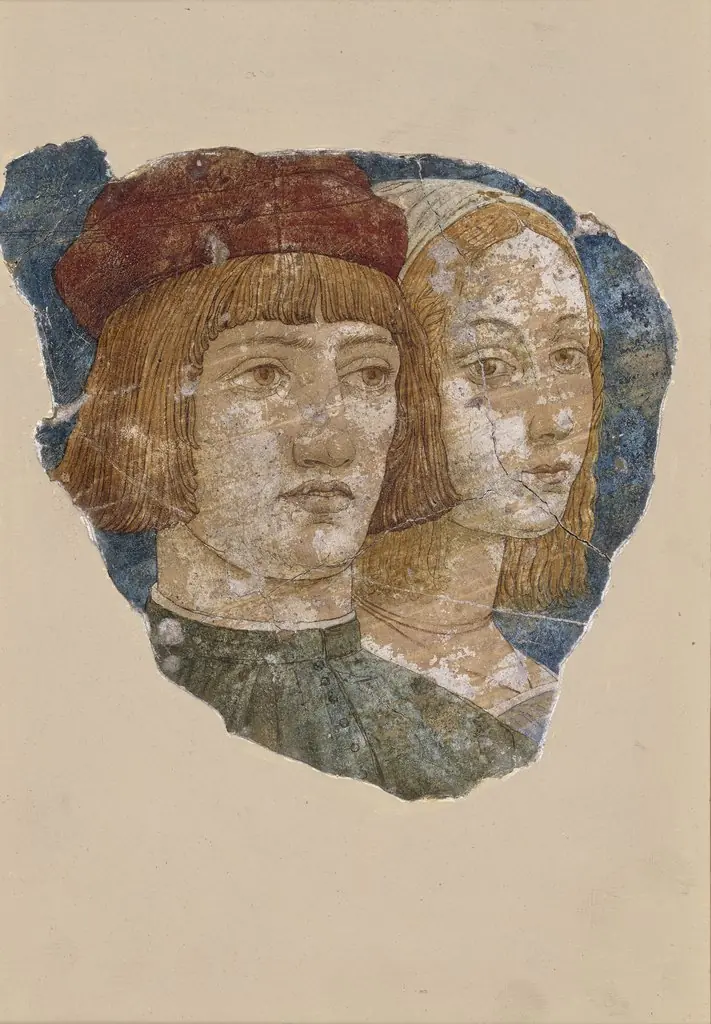 Fresco Fragment
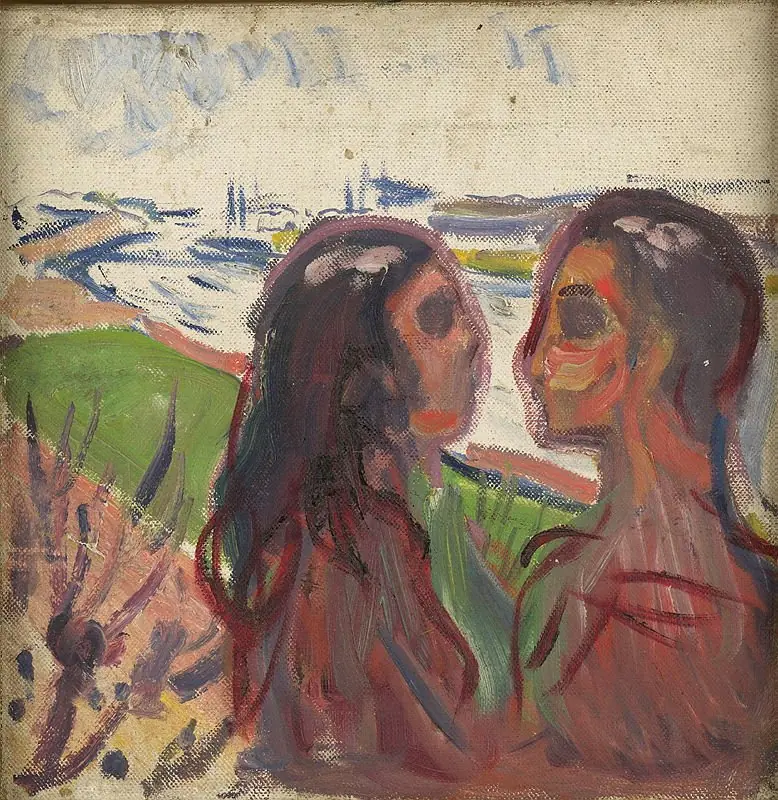 Attraction in the Landscape
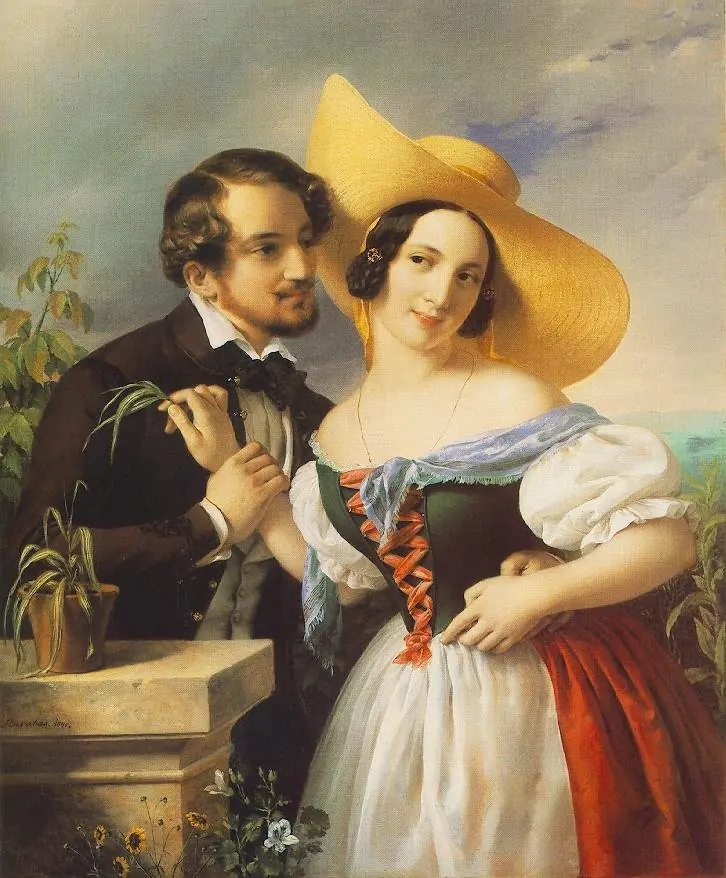 Flirting
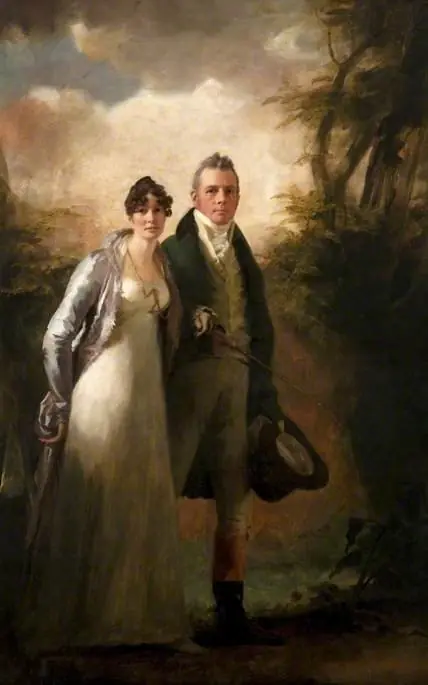 Mr and Mrs Robert N. Campbell of Kailzie
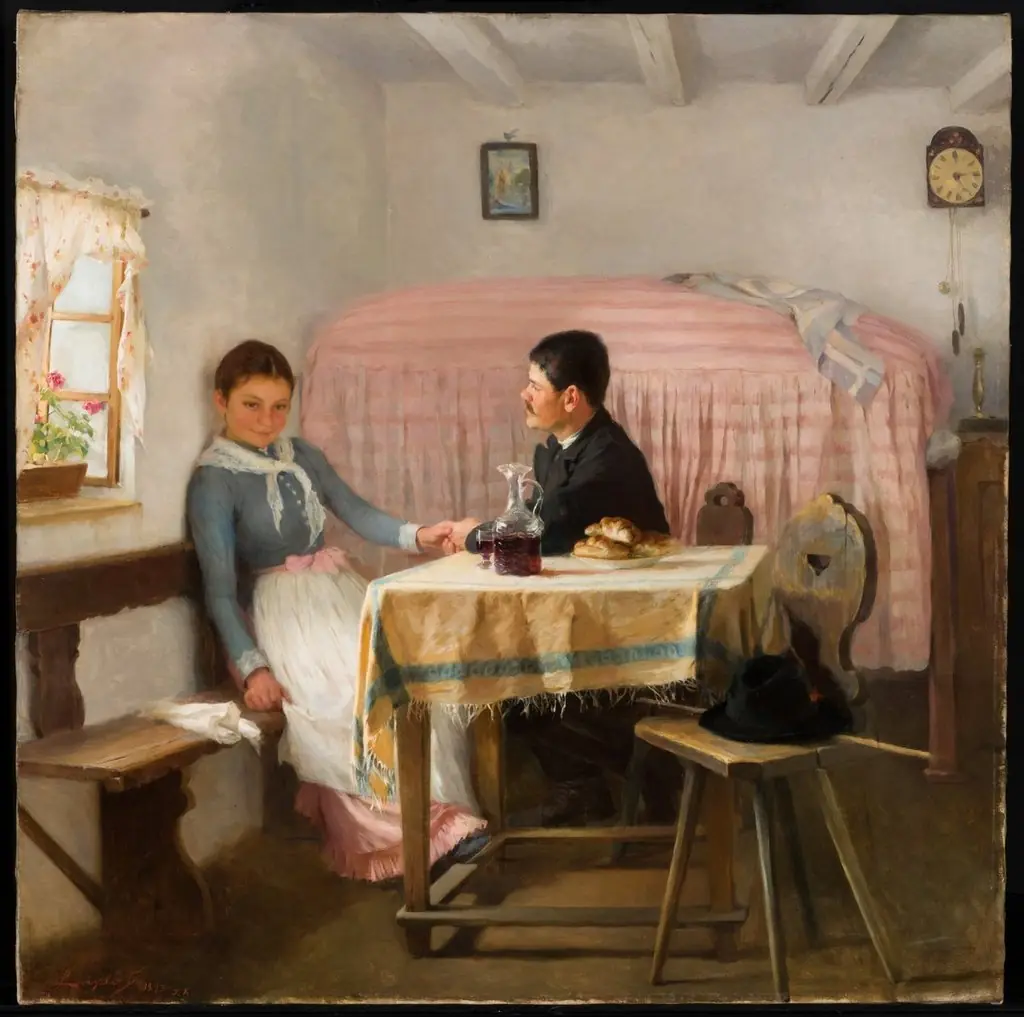 Serious Question
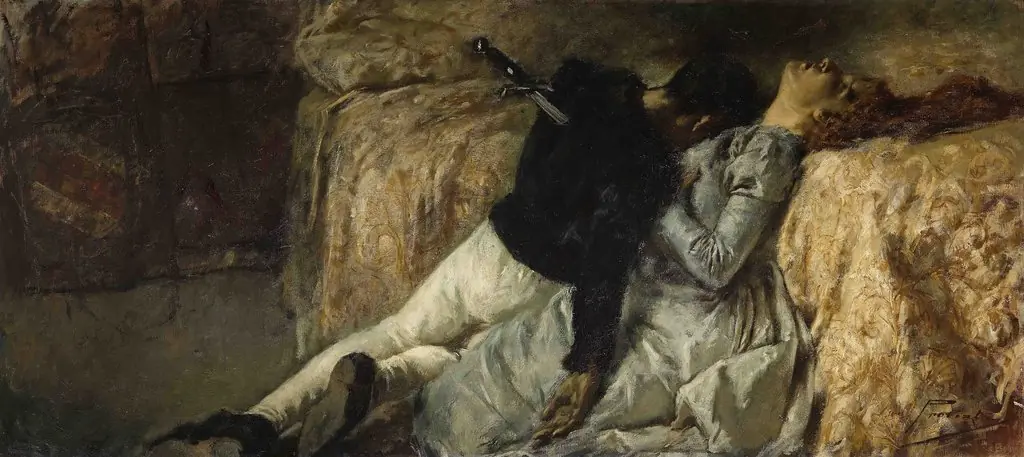 Death of Paolo and Francesca
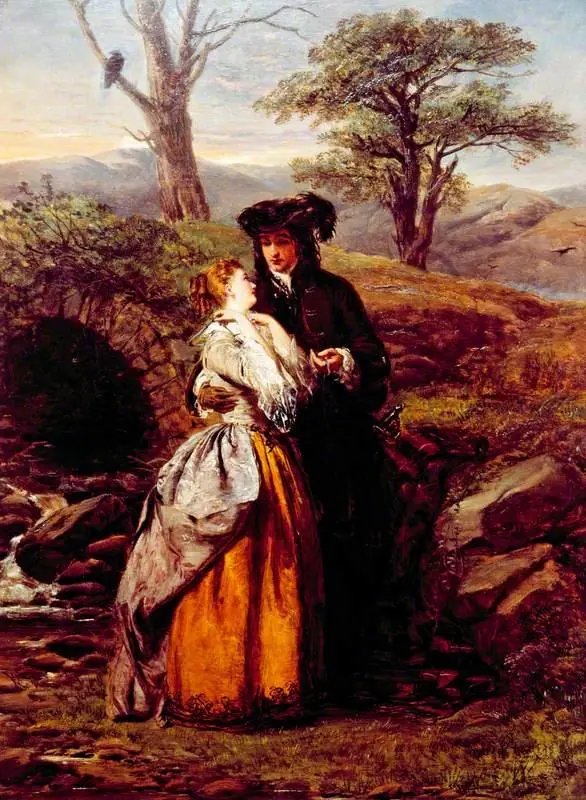 The Bride of Lammermoor (from Sir Walter Scott's novel)
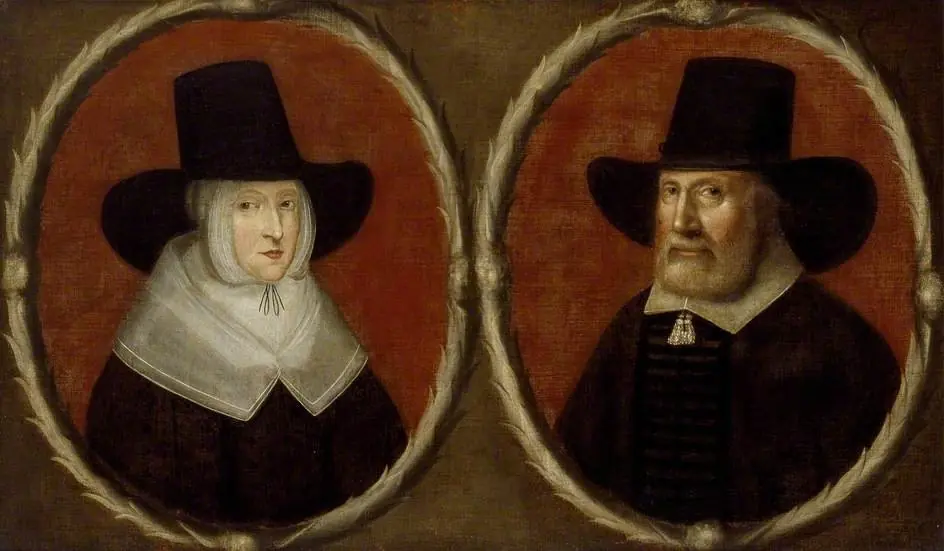 Portrait of a Couple, said to be John Tradescant the Elder and his Wife Elizabeth
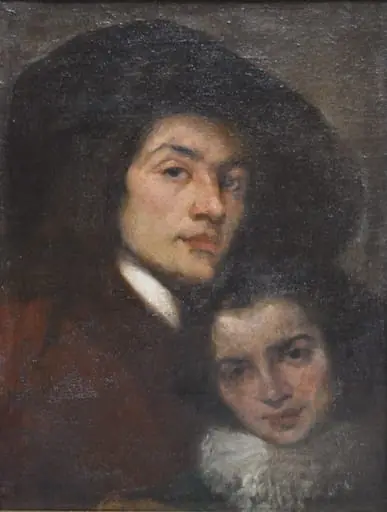 Portret (de) bărbat și copil
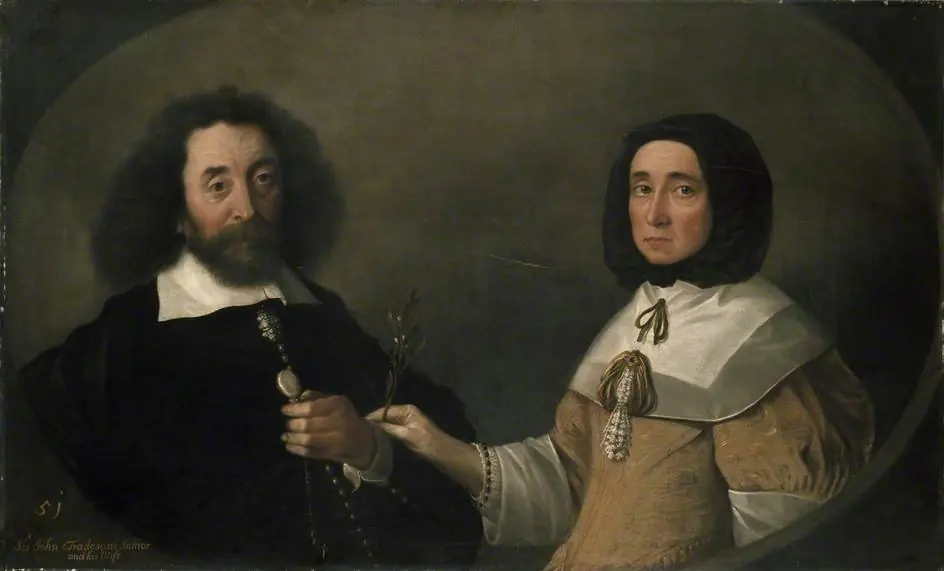 John Tradescant the Younger and Hester, his second Wife
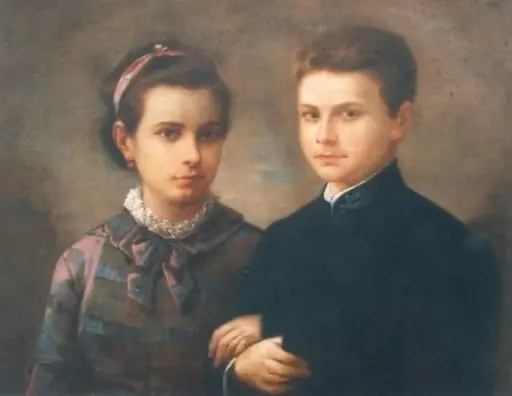 Copiii pictorului
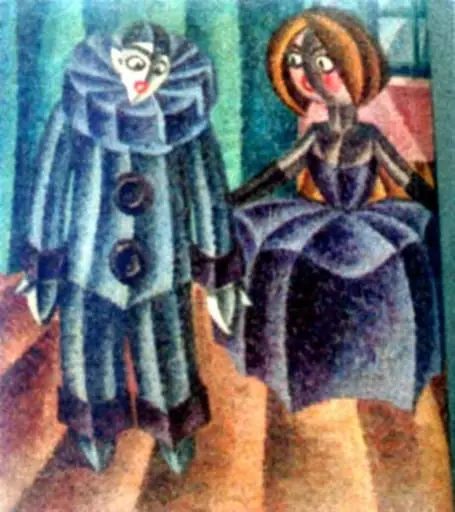 După bal (Păpuși)
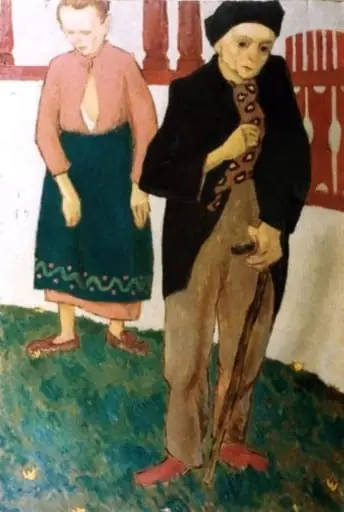 În azil
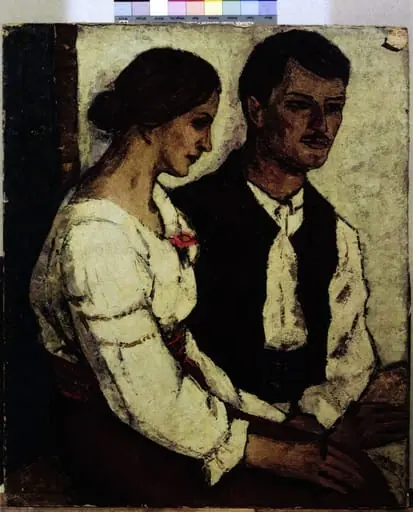 Pereche de țărani
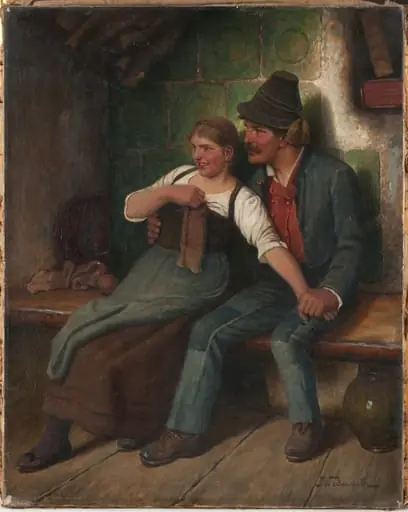 Junges Paar
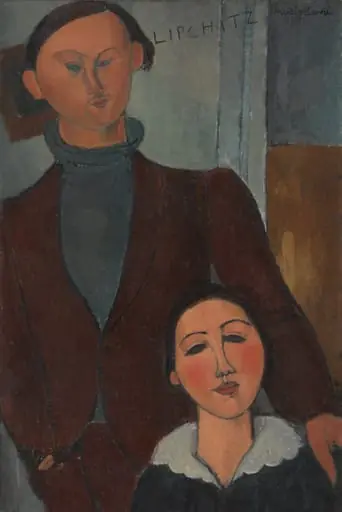 Jacques and Berthe Lipchitz
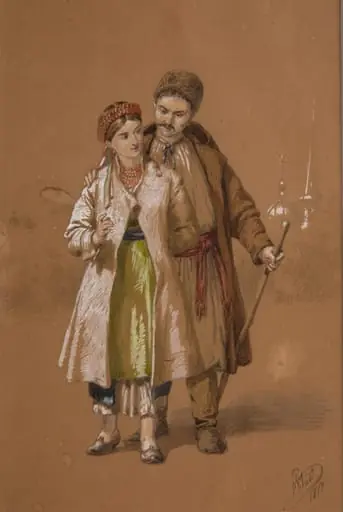 Venäläisiä kansallispukuja, (Mies ja nainen), luonnos
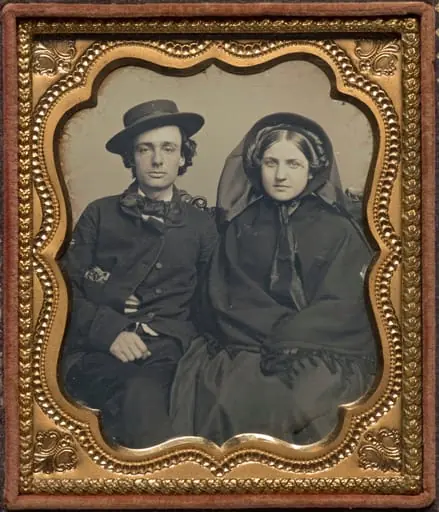 Seated couple in mourning attire
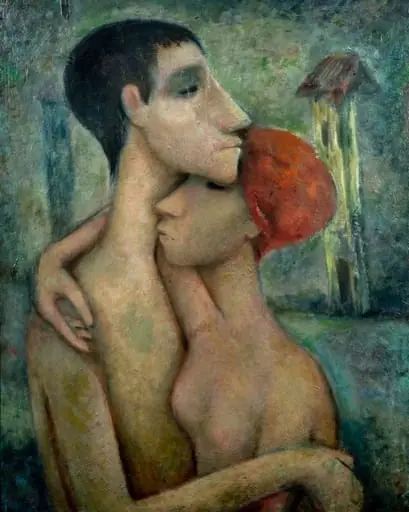 Îndrăgostiții
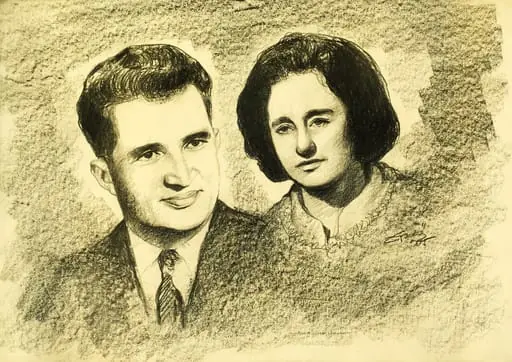 Tablou, desen în cărbune, ”Nicolae și Elena Ceaușescu”, semnat Erdoș și datat în partea dreaptă jos. Comandat și oferit de Comitetul Județean de Partid Satu Mare, 1975.
Frequently asked questions
What is Couple?
Couple is a subject in art. An intimate relationship is an interpersonal relationship that involves emotional or physical closeness between people and can include feelings of romantic or platonic love and sexual intimacy.
How many Couple works does Artifact World Gallery have?
Artifact World Gallery holds 142 public-domain Couple works, all free to view and download.
Who are the key Couple artists?
Key Couple artists in the collection include Titian, Paolo Veronese and Gustave Courbet.
Where can I see Couple works?
Couple works in the collection are held by Metropolitan Museum of Art, Rijksmuseum and Hungarian National Gallery.