
Subject
Kiss
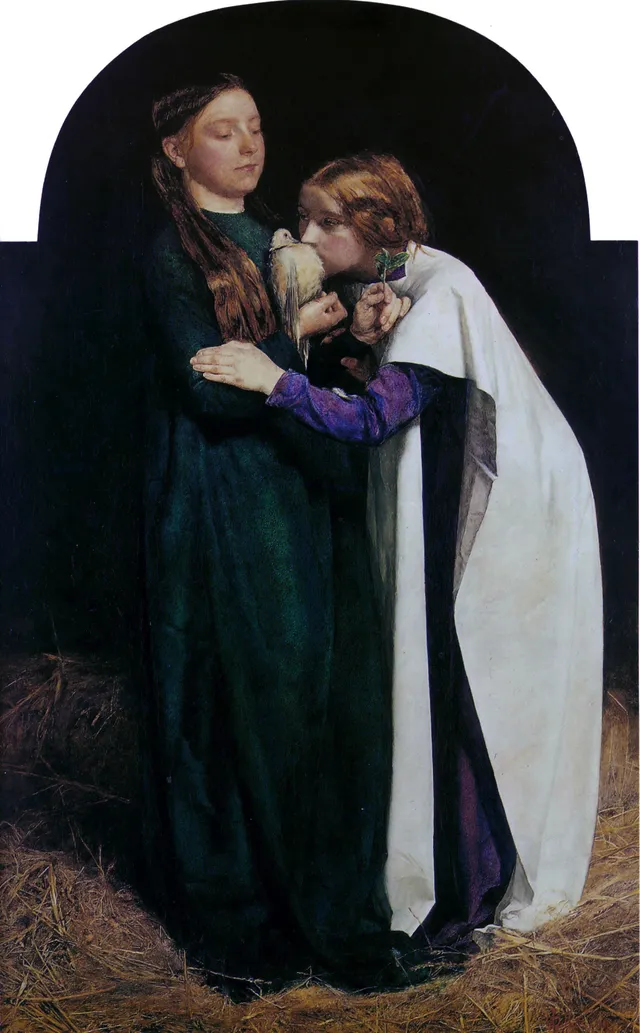
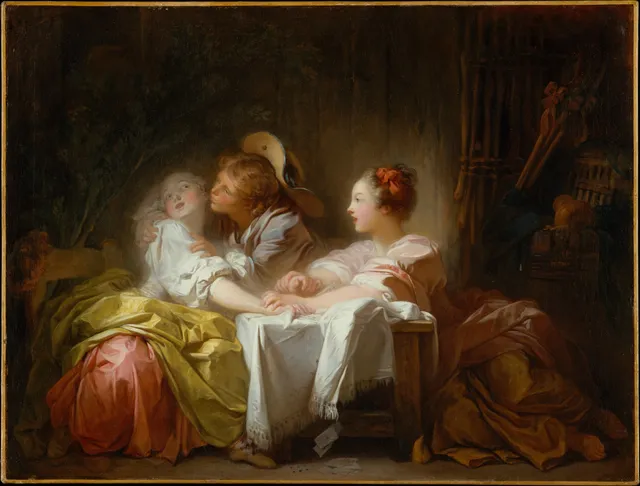
Kiss is a subject in art. The gallery holds 27 works in this subject in art, including works by Jean Honoré Fragonard, Jean Léon Gérôme and Jacopo Tintoretto.
Kiss (Hungarian pronunciation: ) is a very common Hungarian surname. Like Kis (surname), it was derived from kis, meaning "small" and applied as a nickname for a person of small stature or the younger of two bearers of the same personal name.
Key artists

Overview
The kiss is a recurring motif in art that carries layered meanings ranging from romantic passion and divine love to betrayal and death. Its depiction spans mythological narratives, religious scenes, and genre painting, making it one of the most symbolically charged gestures in visual culture. The motif appears in at least 28 works in the collection under discussion, drawn from subjects as diverse as Pygmalion and Galatea, Venus and Adonis, and Leda and the Swan. While the word "kiss" also functions as a common Hungarian surname derived from kis meaning "small," the artistic treatment of the kiss as a gesture operates within an entirely separate visual and symbolic tradition.
Iconography & meaning
The iconography of the kiss in art draws heavily on dual symbolic registers established in biblical and classical traditions. In biblical literature, the kiss functions as a multivalent signifier: the "holy kiss" of greeting among believers signals spiritual kinship and community unity, while Judas's kiss of betrayal in the Garden of Gethsemane transforms the gesture into an instrument of treachery and dissimulation. The kiss of peace in Christian liturgy and the kiss between Joseph and Jacob marking death and patriarchal succession further expand its range. In artistic practice, these registers translate into distinct visual types: the erotic kiss of lovers, the deceitful kiss of betrayal, the filial kiss of reconciliation, and the devotional kiss of worship. Auguste Rodin's sculpture The Kiss reworks Dante's Francesca and Paolo narrative, converting a hellish, adulterous kiss into a tribute to pure love, demonstrating how artists deliberately manipulate the ambiguity inherent in the gesture. The kiss also marks liminal moments between life and death, grace and loss, as seen in the parable of the Prodigal Son and in Egyptian-influenced biblical mourning rituals.
Across movements & periods
The treatment of the kiss across artistic movements reflects shifting cultural attitudes toward desire, propriety, and narrative drama. In classical and Renaissance traditions, the kiss within mythological subjects such as Venus and Adonis or Leda and the Swan served as a vehicle for exploring divine-human eroticism within accepted narrative frameworks. The Baroque period intensified the dramatic and emotional charge of the kiss, as in treatments of The Stolen Kiss where momentary transgression becomes the subject itself. The eighteenth and nineteenth centuries saw the kiss migrate into genre painting and social scenes, exemplified by Merrymaking at a Wayside Inn, where the gesture becomes part of broader narratives of leisure and social negotiation. Rodin's modernist reworking of The Kiss represents a pivotal transformation: extracting the kiss from narrative context to make it the autonomous subject of sculptural contemplation, thereby influencing how subsequent movements would treat the gesture as a vehicle for pure emotional or formal expression rather than story-telling alone.
Notable depictions
Among canonical depictions, Auguste Rodin's The Kiss stands as the most widely recognized modern treatment, reinterpreting Dante's tragic lovers Francesca and Paolo to create an ambiguous monument to desire that hovers between purity and profanity. Within the collection, specific notable works include Pygmalion and Galatea, which stages the kiss as the moment of divine animation; Cupid Kissing Venus (Venus Kissed by Amor), which inverts the expected erotic hierarchy by making the divine child the active agent; and The Stolen Kiss, which captures the kiss as furtive social transgression. The multiple treatments of Leda and the Swan demonstrate the persistence of mythological rape or seduction narratives in which the kiss or its equivalent gesture carries violent or coercive undercurrents. Soldier Scene suggests the kiss's appearance in military or homosocial contexts, expanding the motif beyond heterosexual or divine frameworks. The Deliverance of Arsinoe implies a narrative of rescue and gratitude in which the kiss functions as a sign of relief and restored order.
Legacy
The kiss as an artistic subject has maintained its power precisely because of its semantic instability. Rodin's extraction of the kiss from narrative to pure form influenced twentieth-century abstraction and expressionism, even as the motif continued to serve figurative and narrative artists. The biblical symbolism of the kiss, particularly the Judas kiss of betrayal and the holy kiss of community, has provided enduring material for artists engaging religious themes, just as the erotic kiss has remained central to representations of desire. The collection's concentration in mythological and genre subjects suggests a particular historical formation of taste that valued the kiss as a pretext for exploring bodily presence, emotional intensity, and social boundary. The motif's persistence across 28 works indicates its continued viability as a vehicle for artistic exploration, even as specific treatments respond to changing norms of display, propriety, and psychological complexity. The kiss remains a gesture that demands interpretation before judgment, as its meaning is never fully fixed but always emerges from the specific context of its depiction and reception.
Works
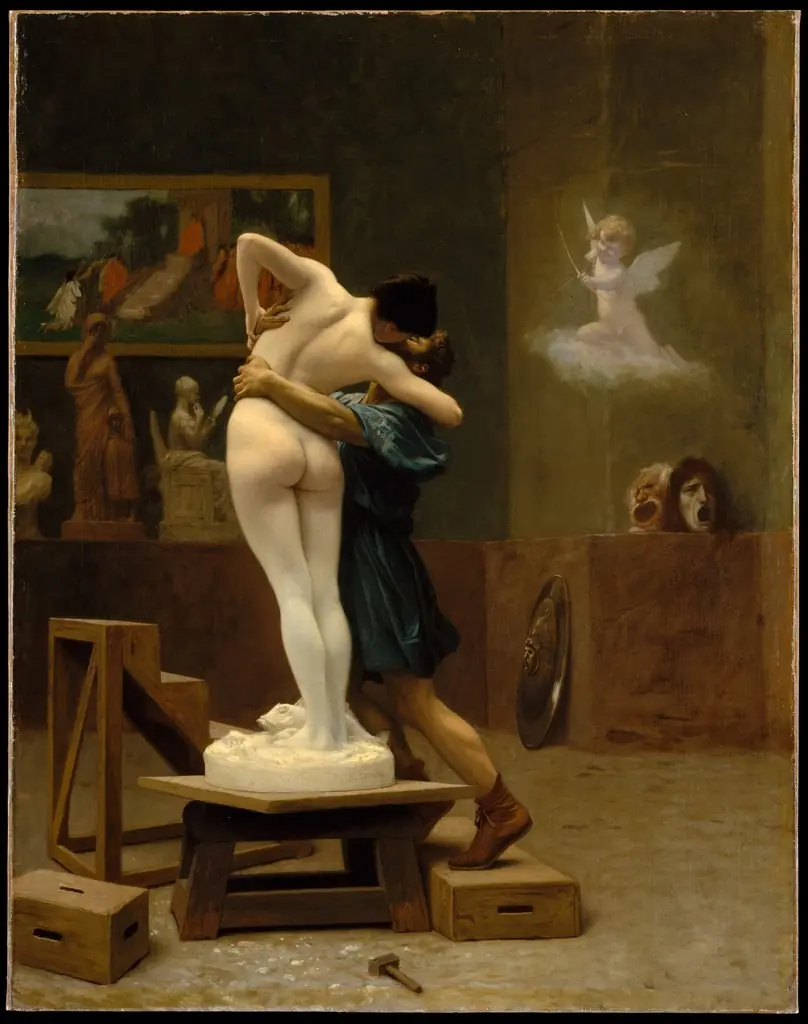 Pygmalion and Galatea
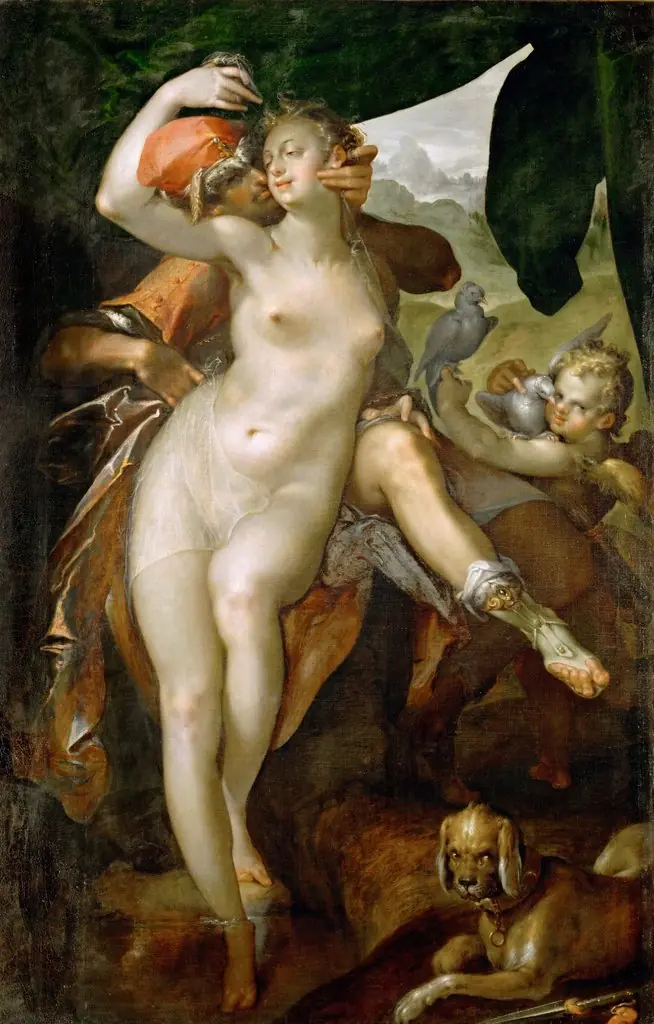 Venus and Adonis
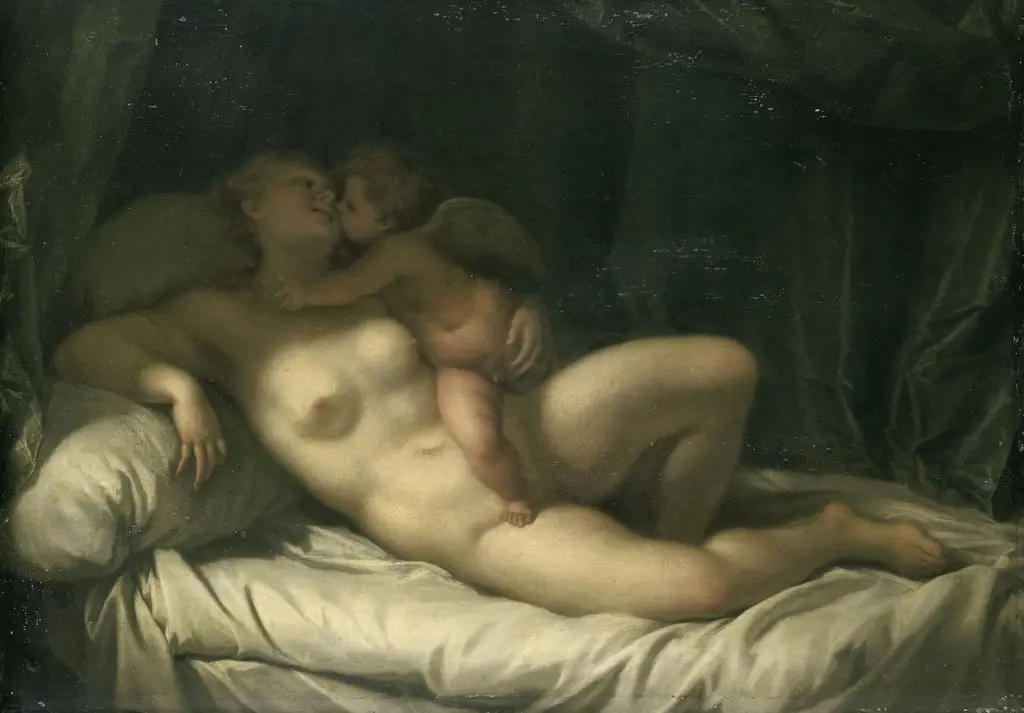 Cupid Kissing Venus (Venus Kissed by Amor)
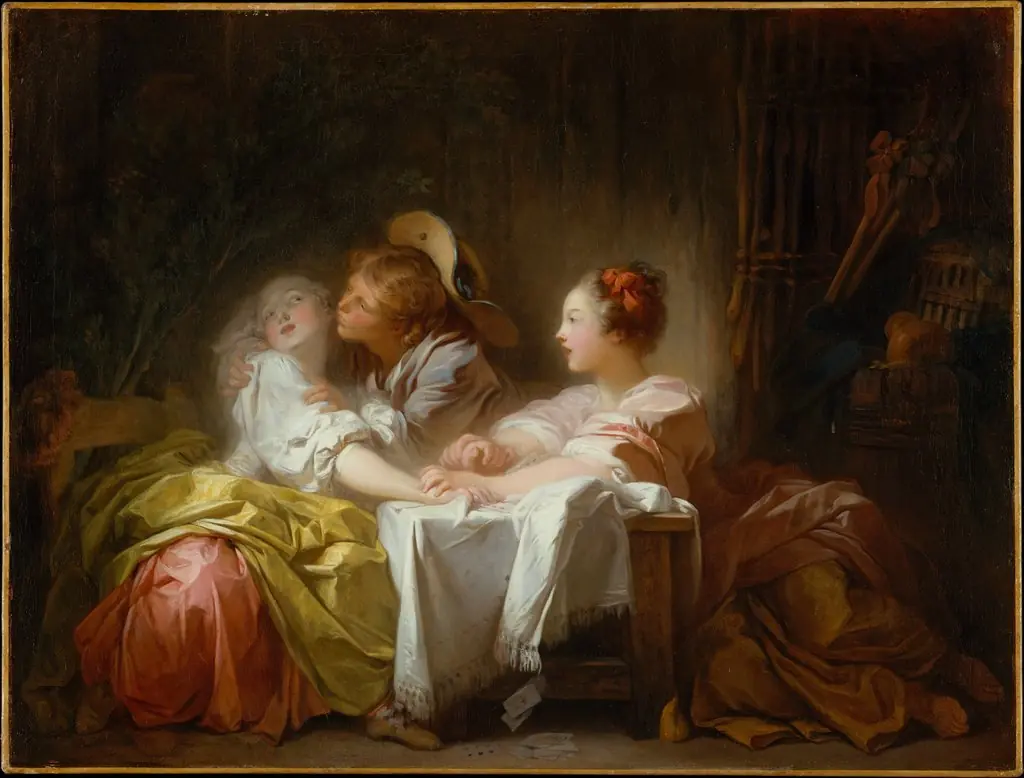 The Stolen Kiss
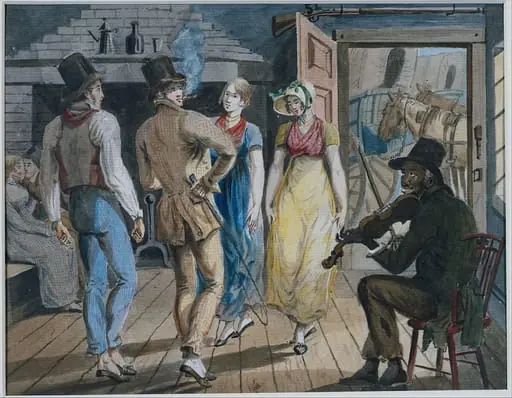 Merrymaking at a Wayside Inn
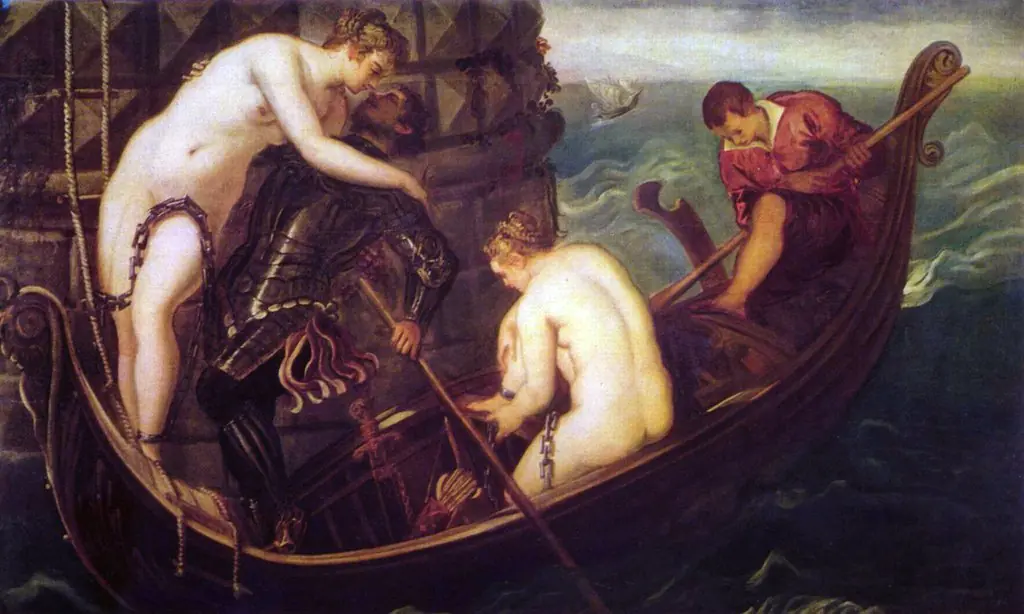 The Deliverance of Arsinoe
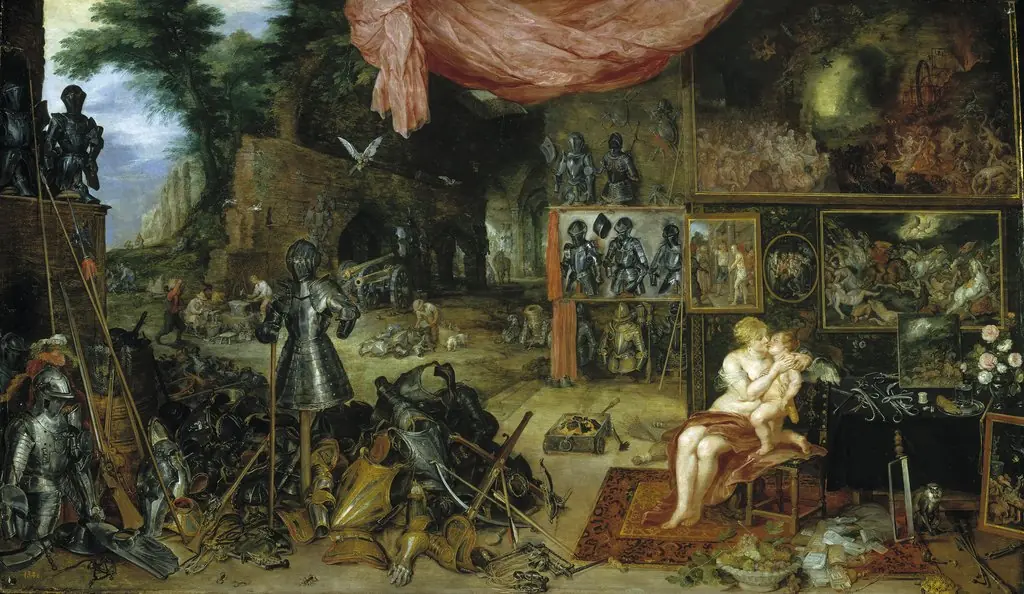 Touch
Touch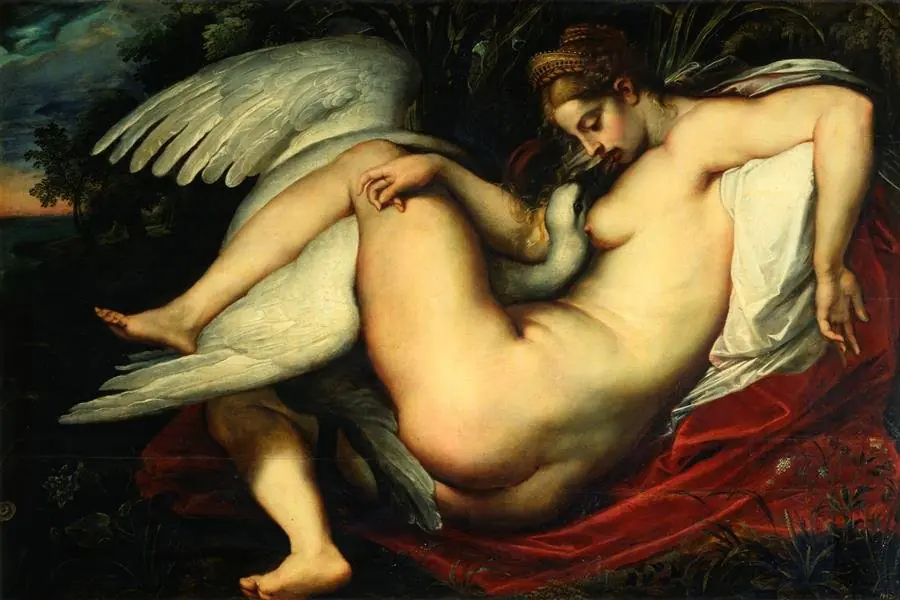 Leda and the swan
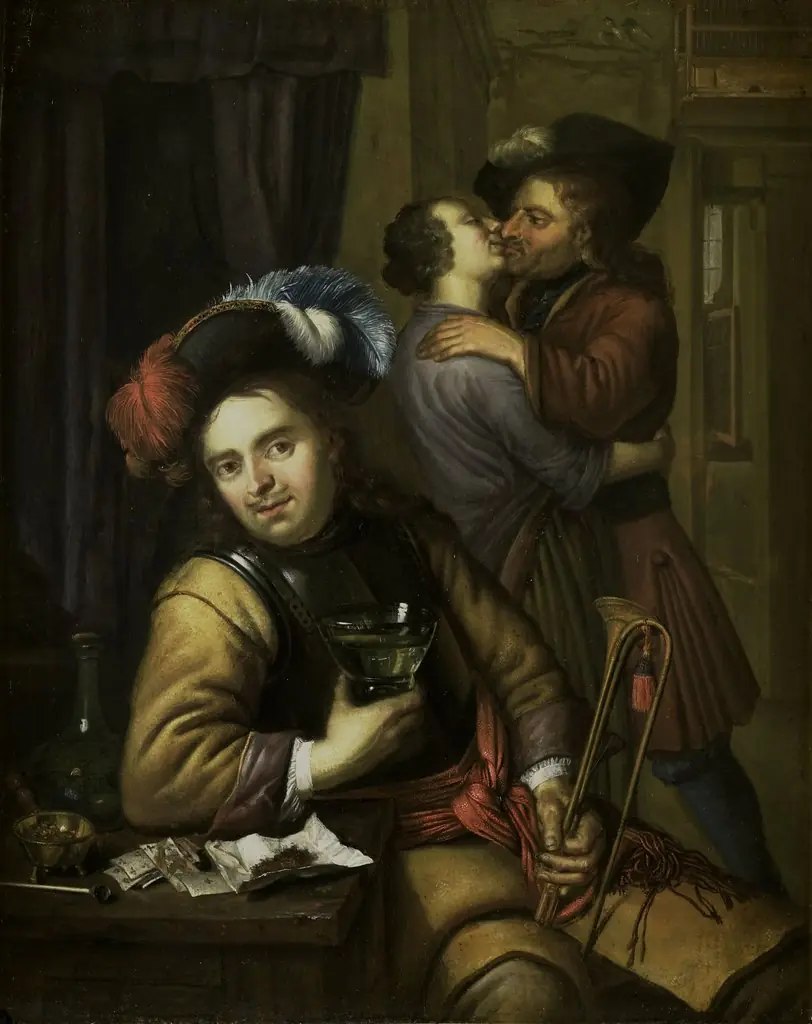 Soldier Scene
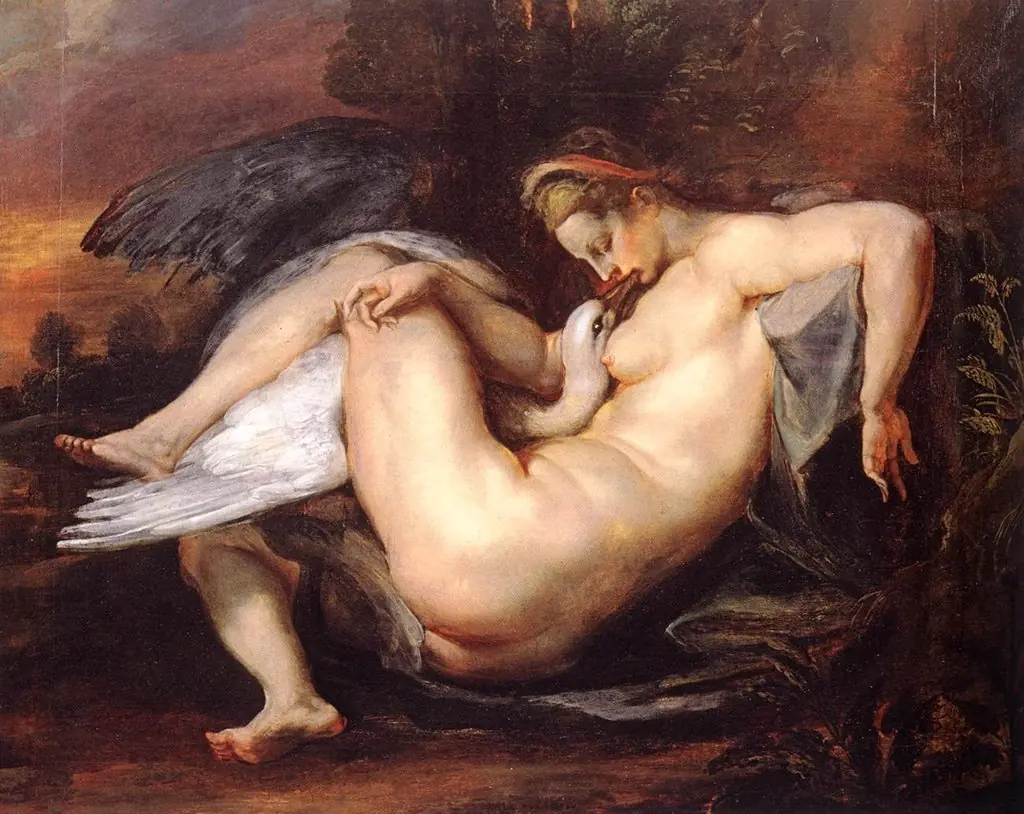 Leda and the Swan
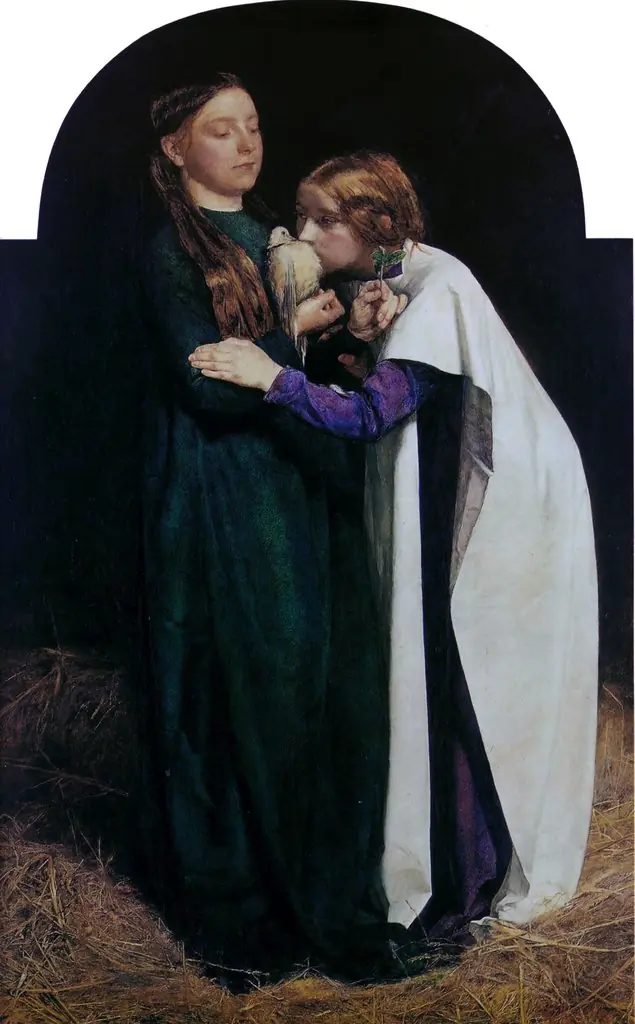 The Return of the Dove to the Ark
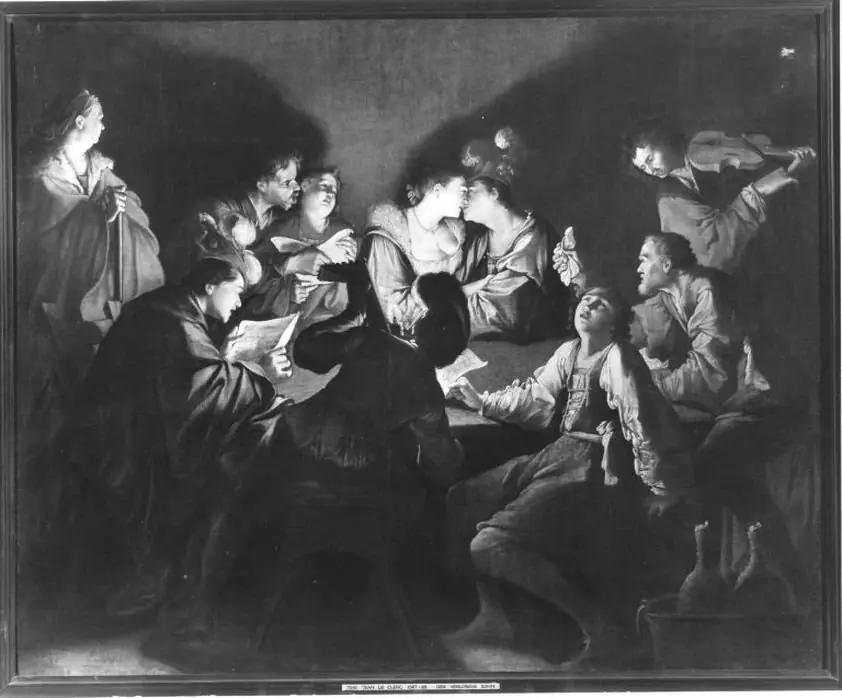 Singers
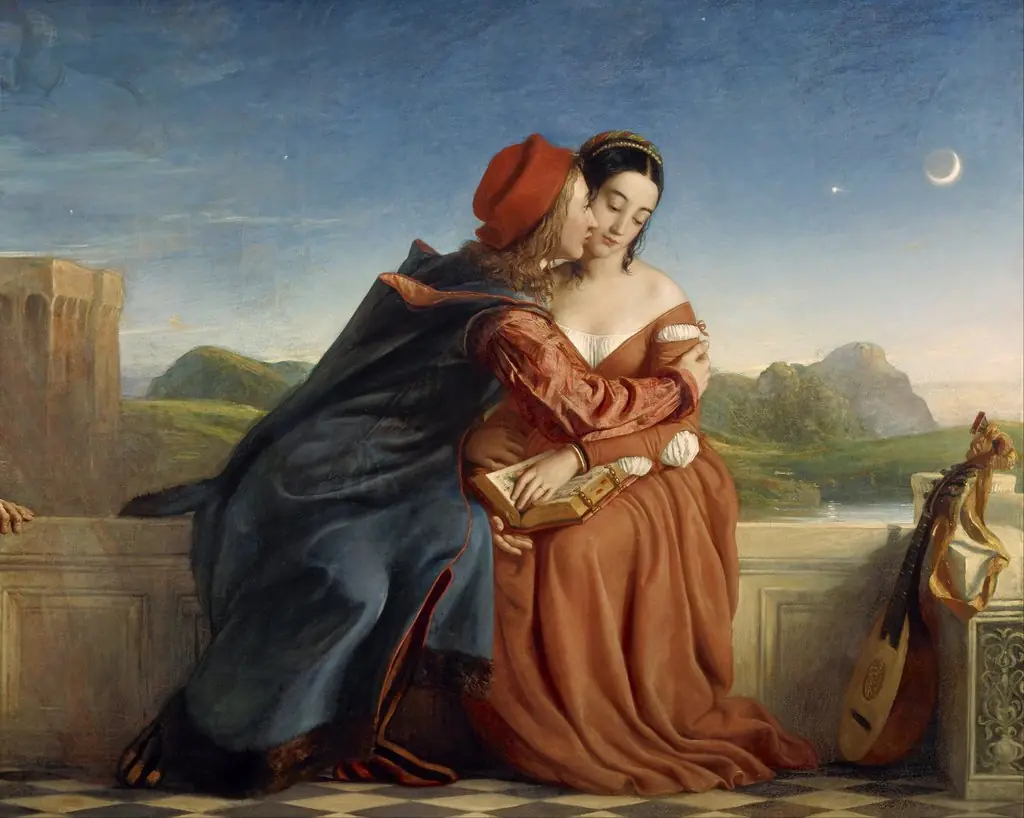 Francesca da Rimini
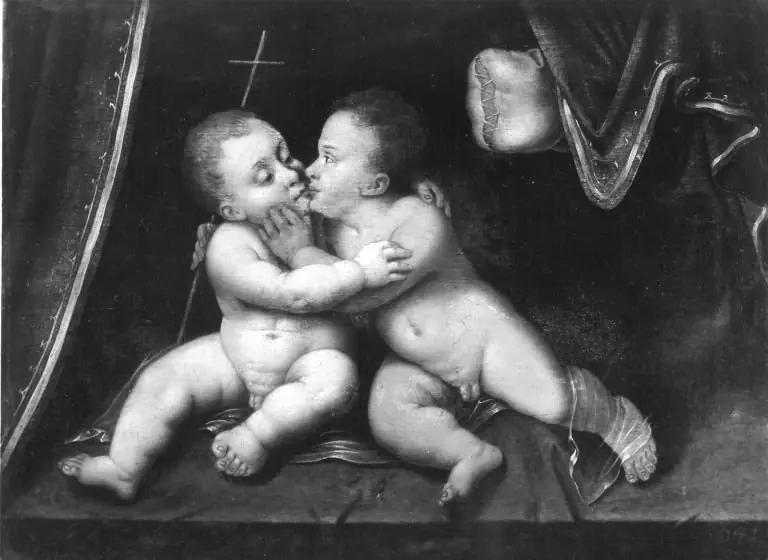 Holy Infants Kissing
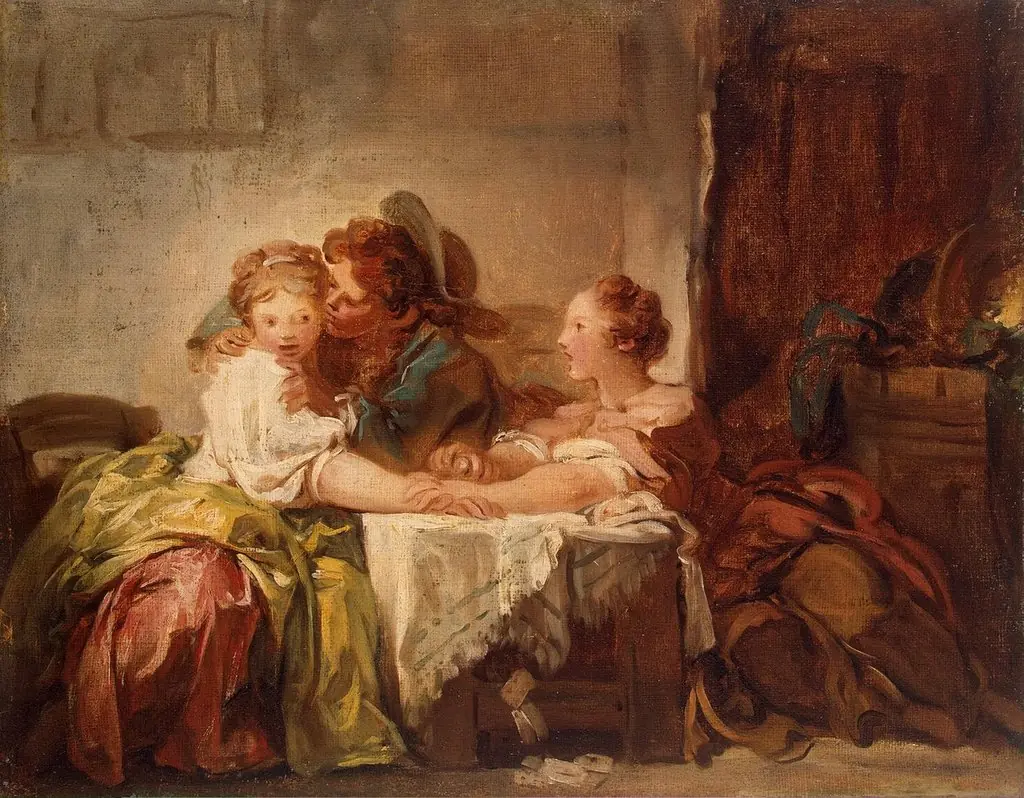 The Captured Kiss
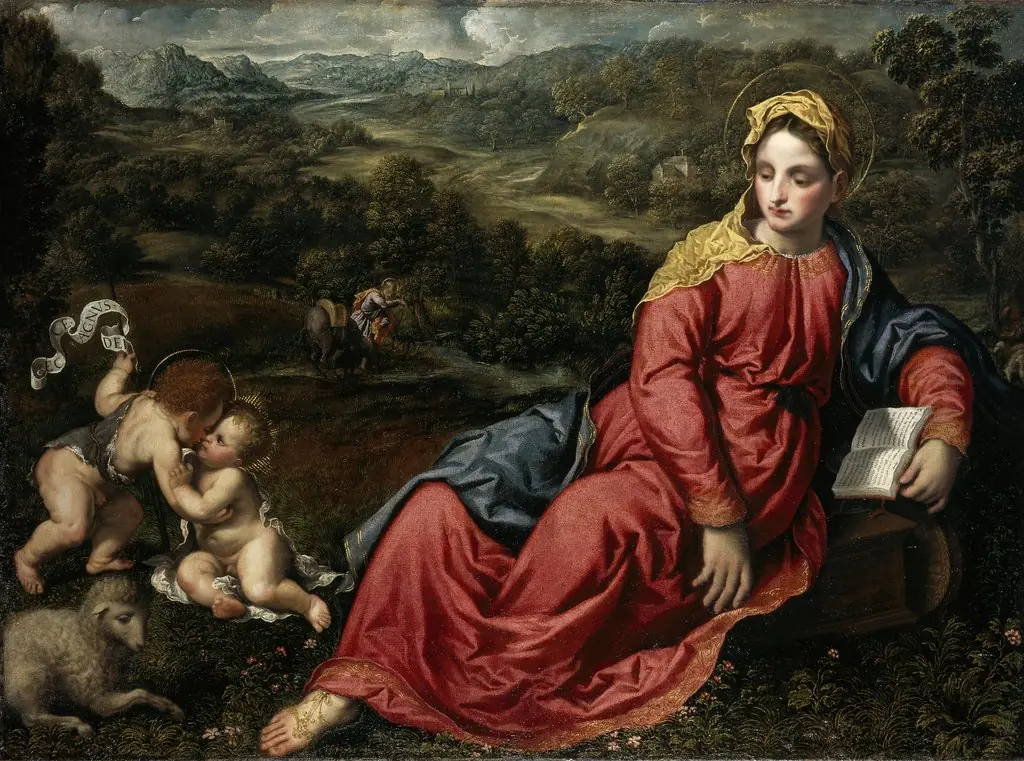 The Rest on the Return from Egypt
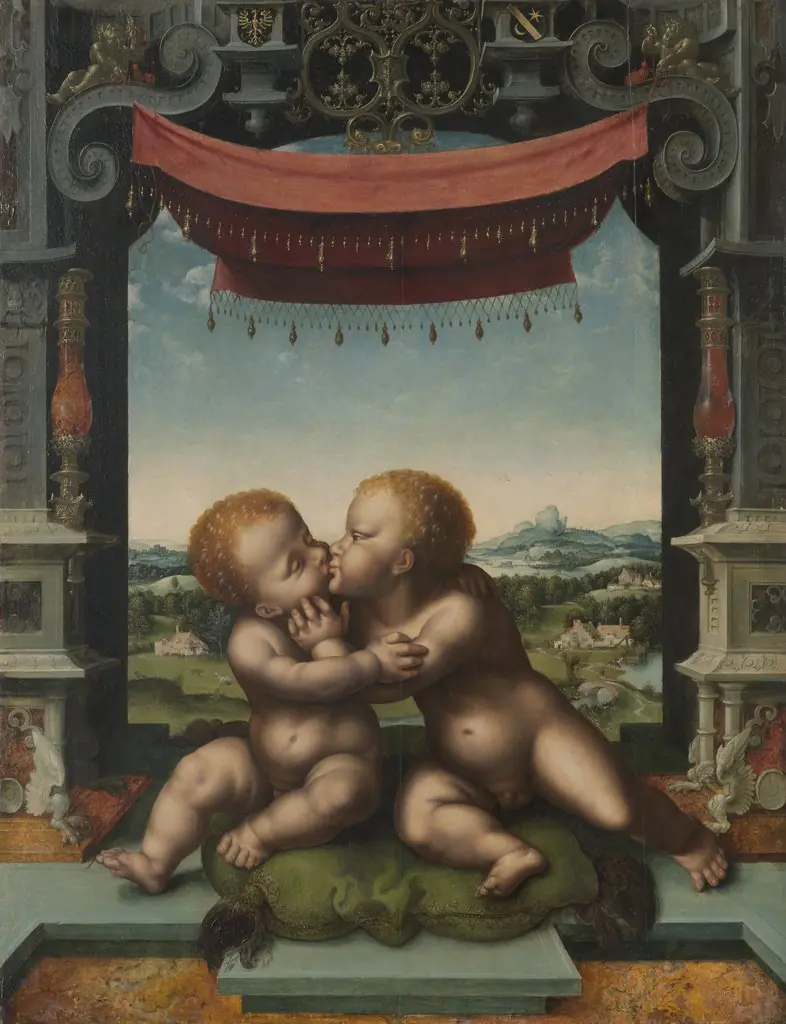 The Infants Christ and Saint John the Baptist Embracing
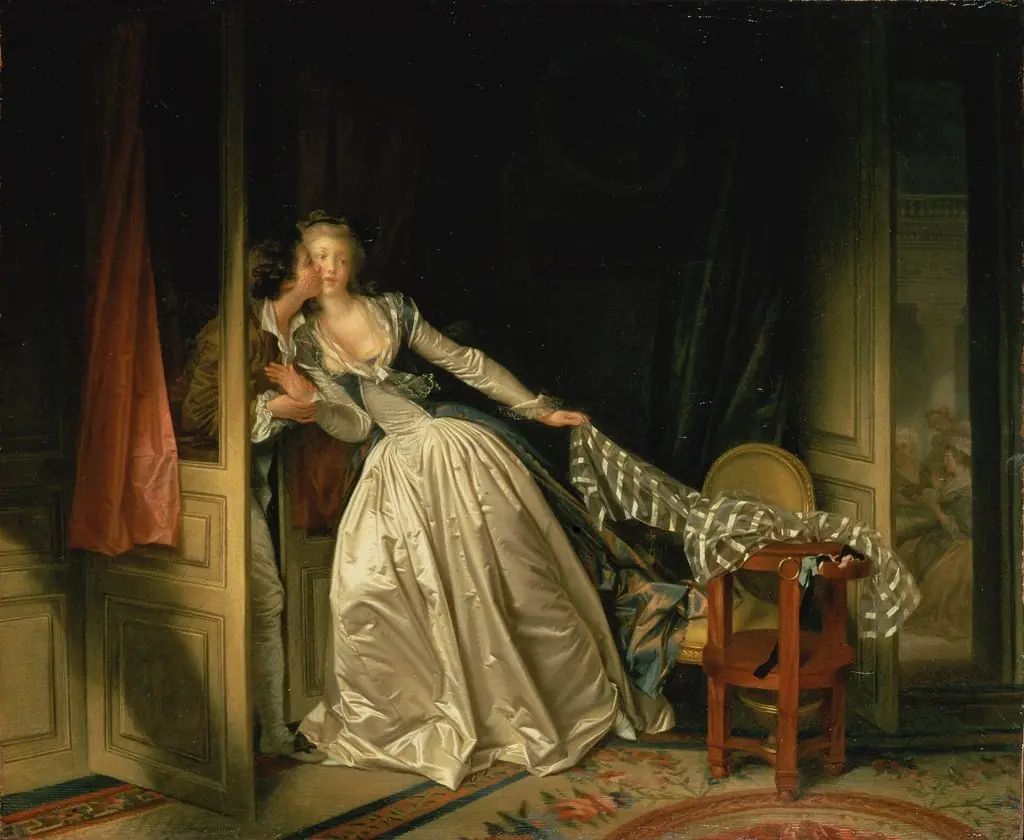 The Stolen Kiss
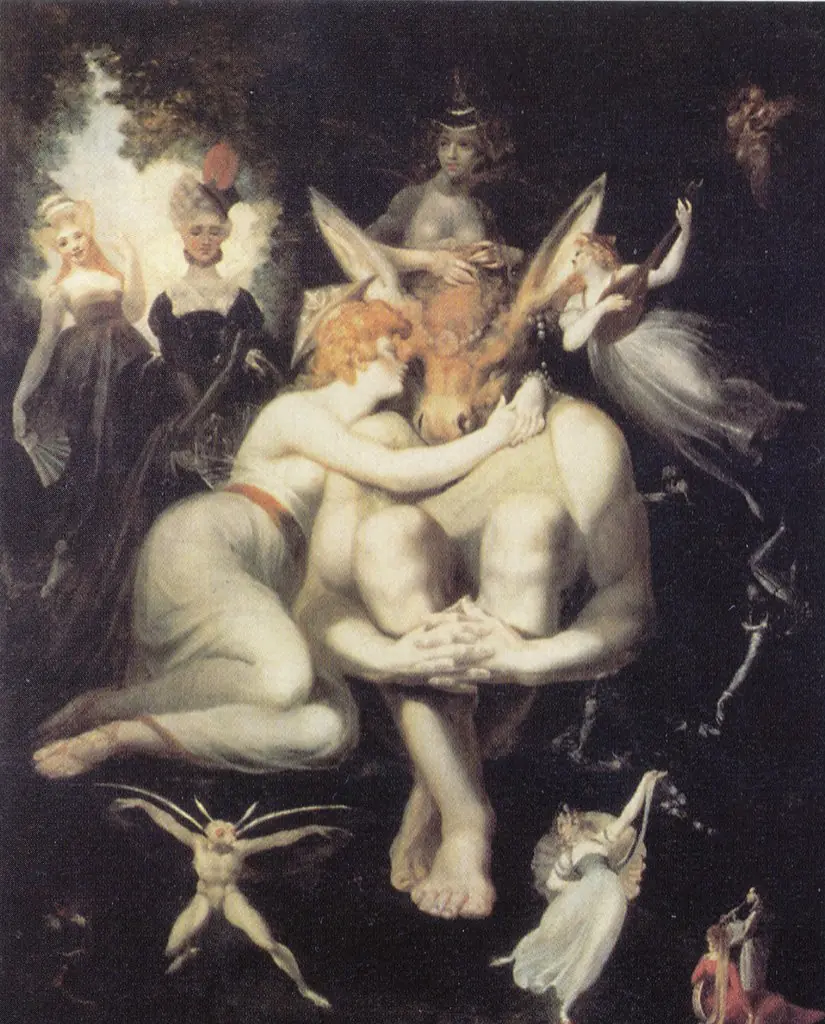 Titania, Bottom and the Fairies
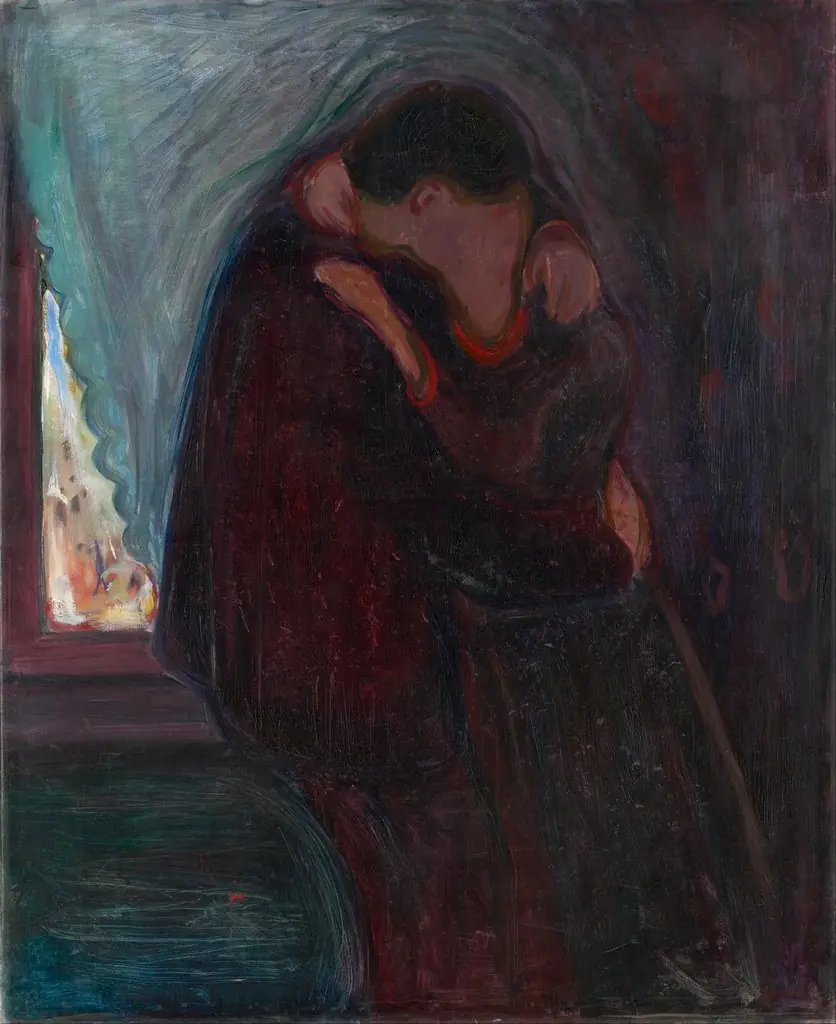 The Kiss
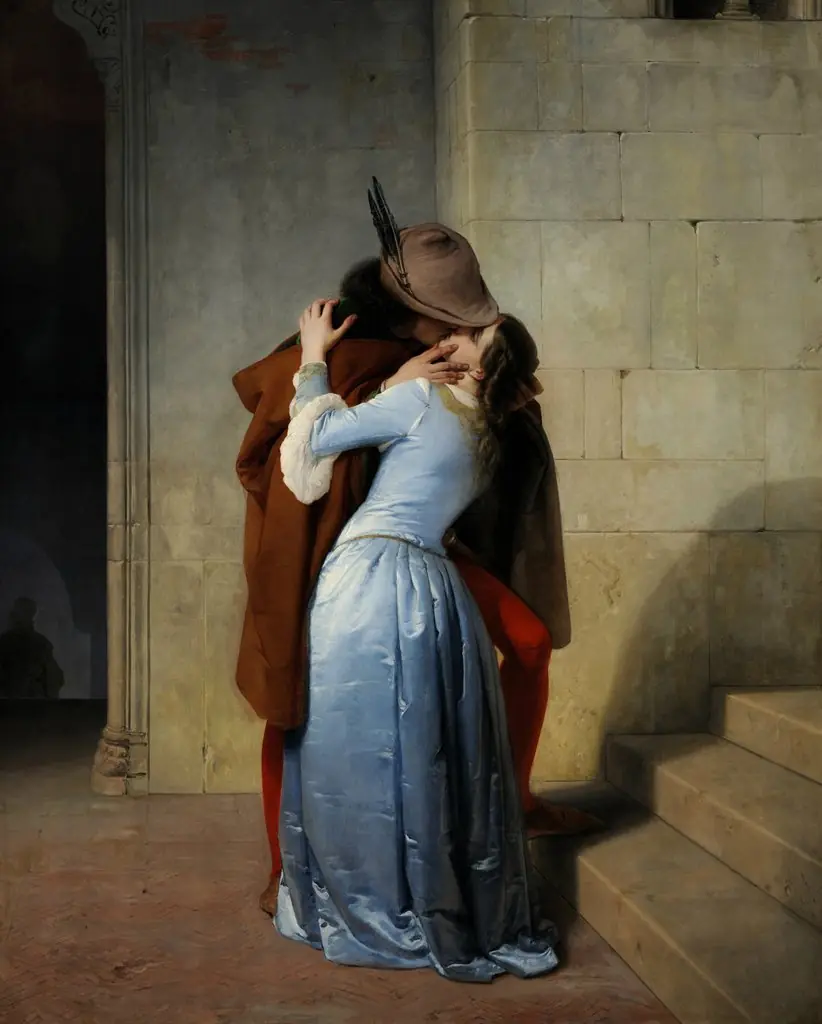 The Kiss
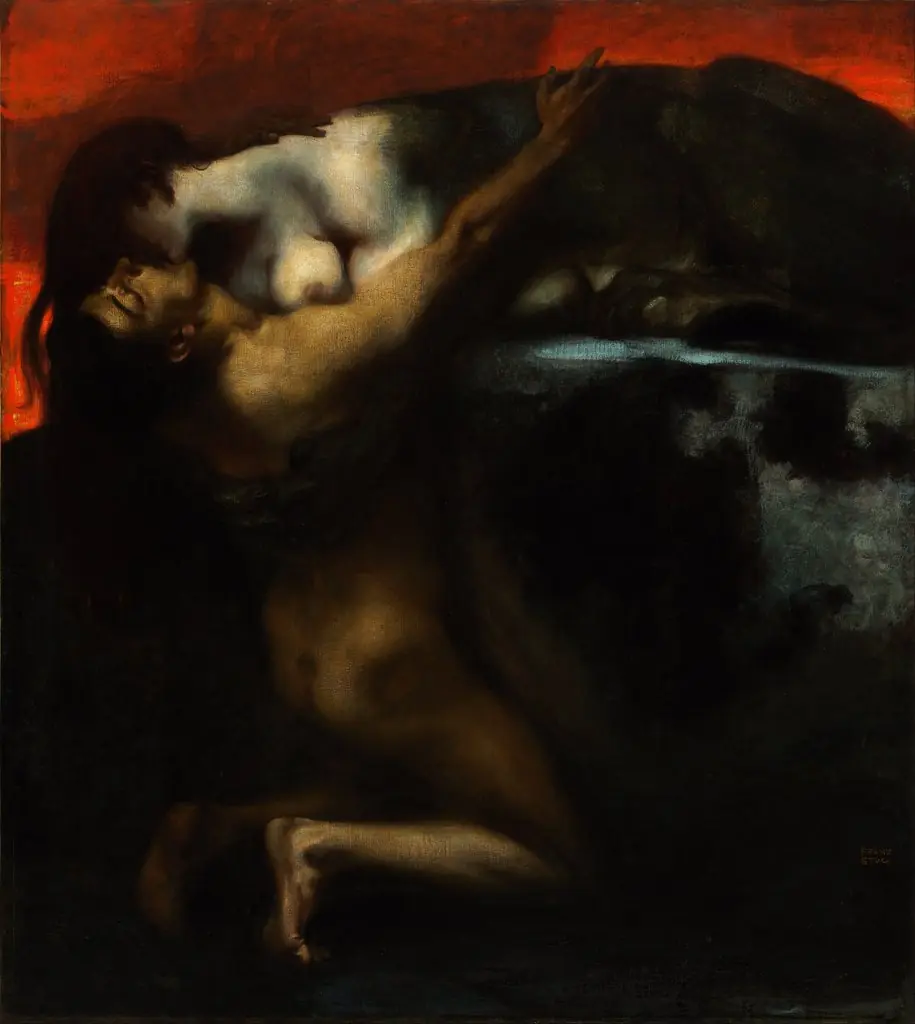 The Kiss of the Sphinx
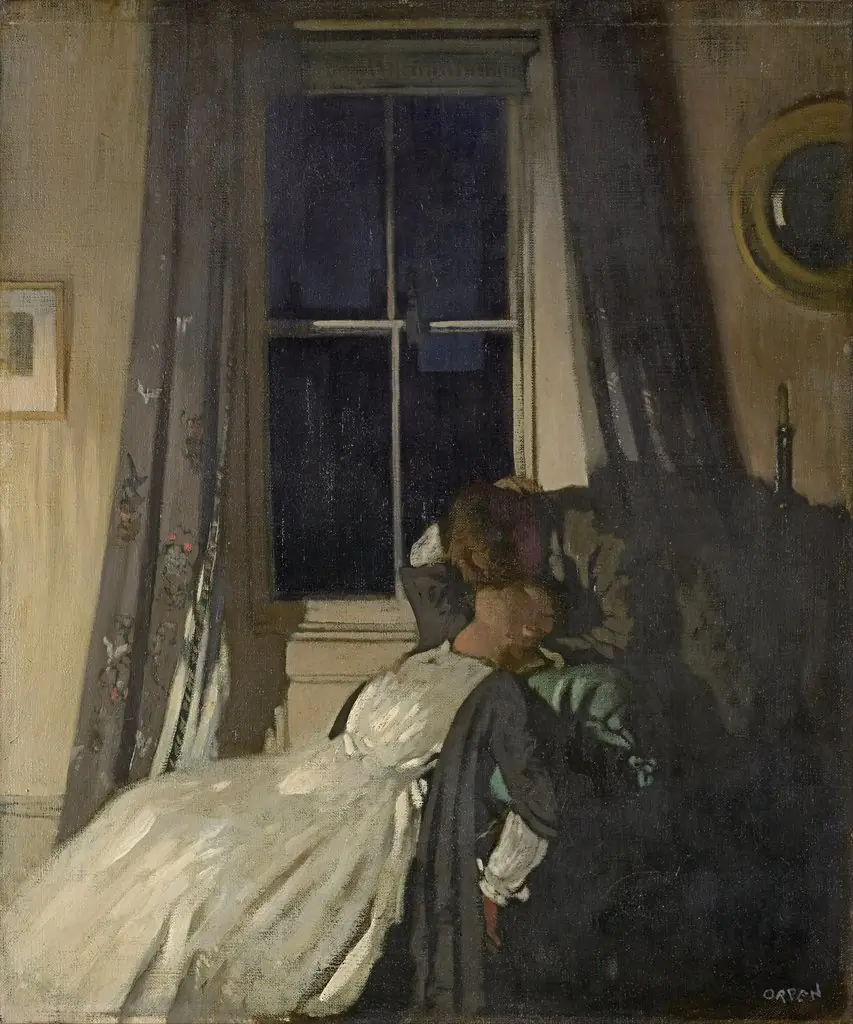 Night
Night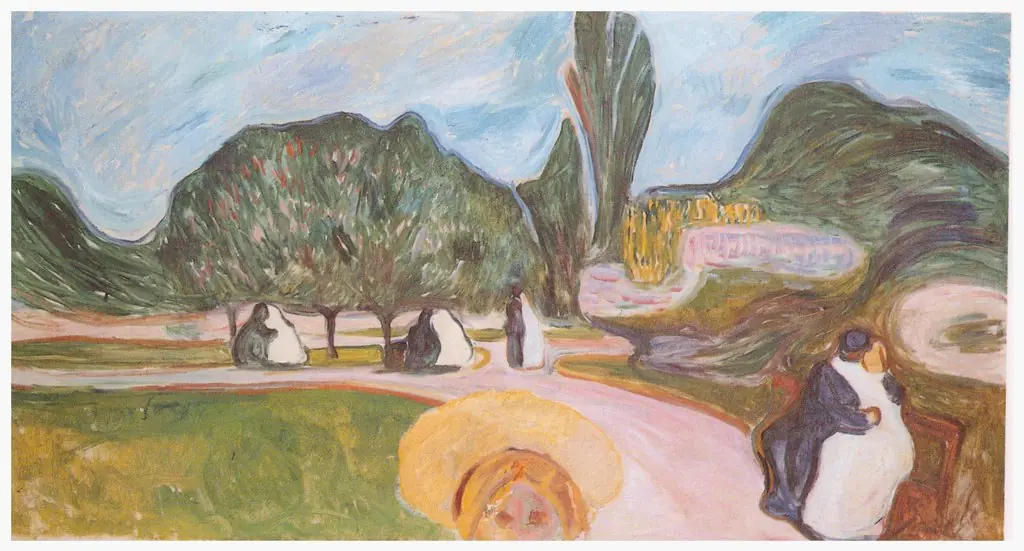 Kissing Couples in the Park (The Linde Frieze)
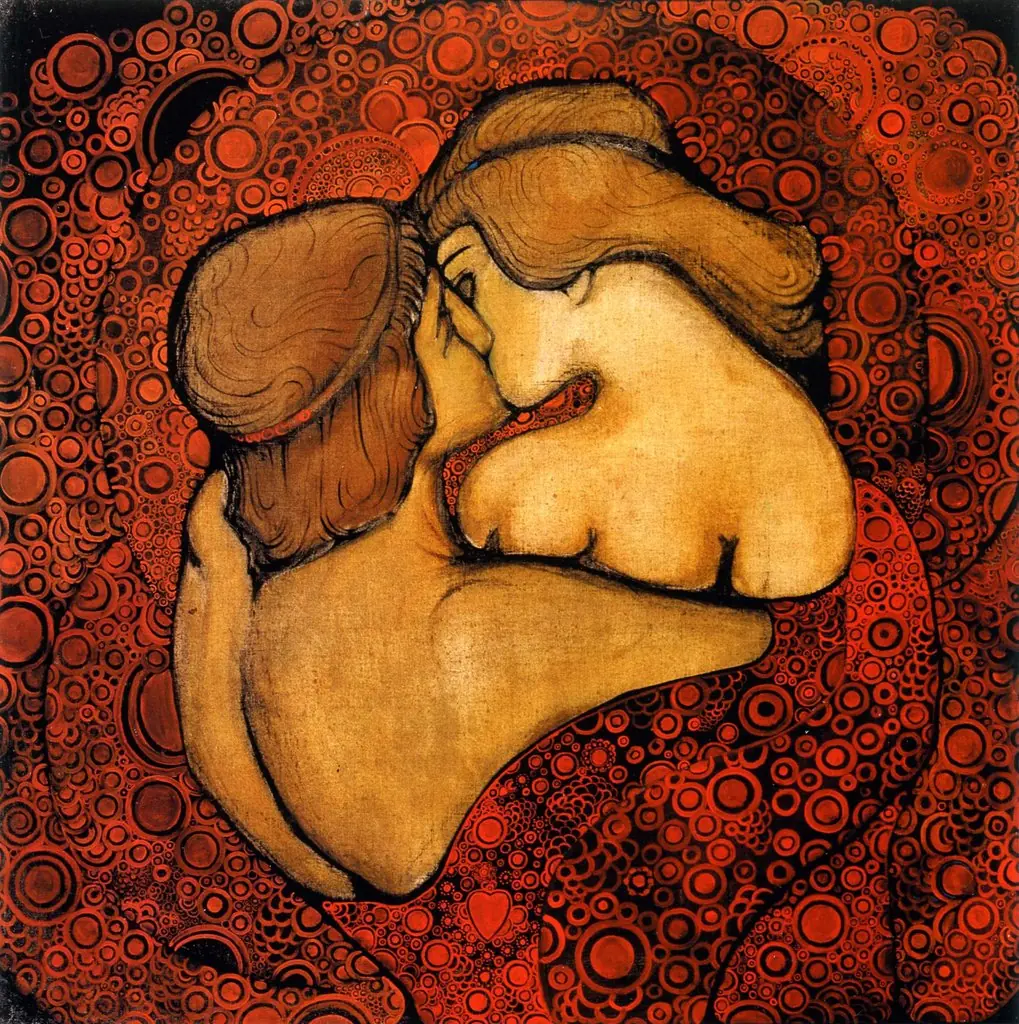 The Kiss
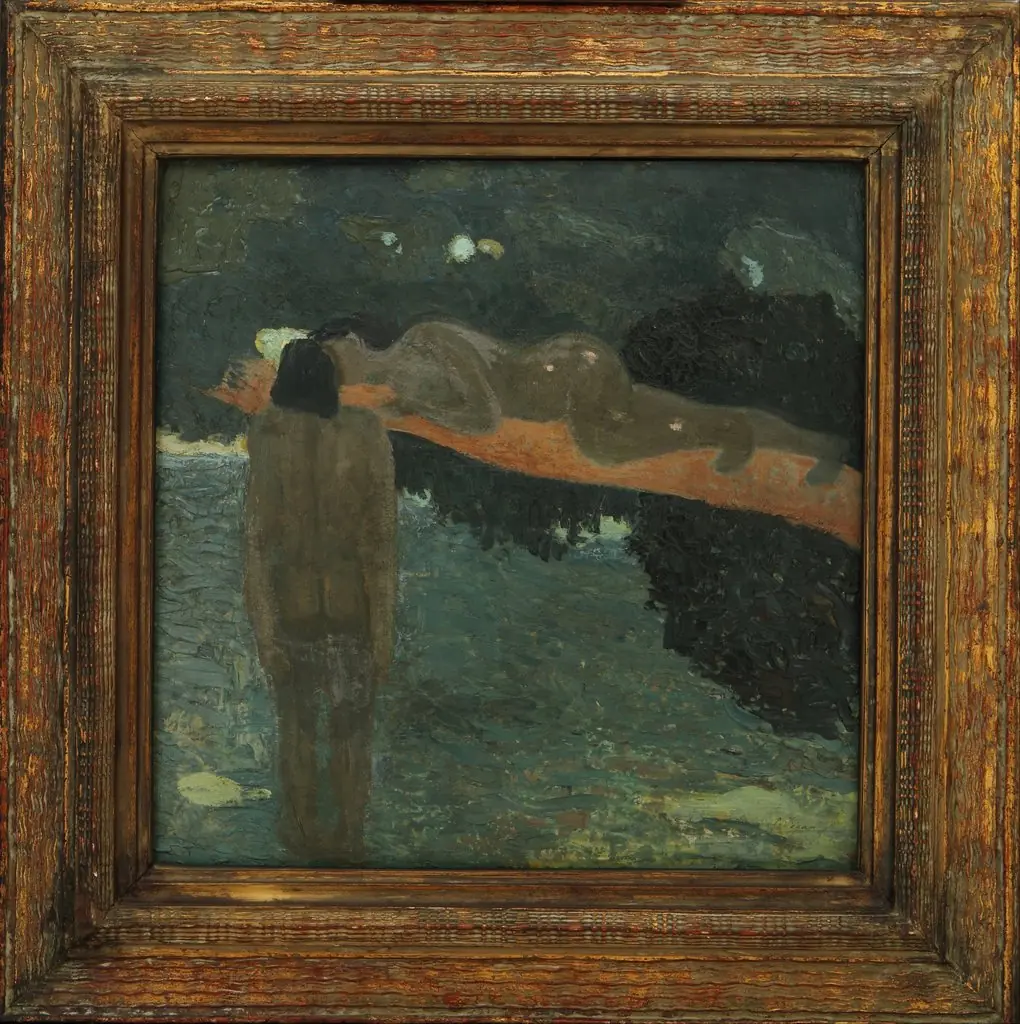 El beso
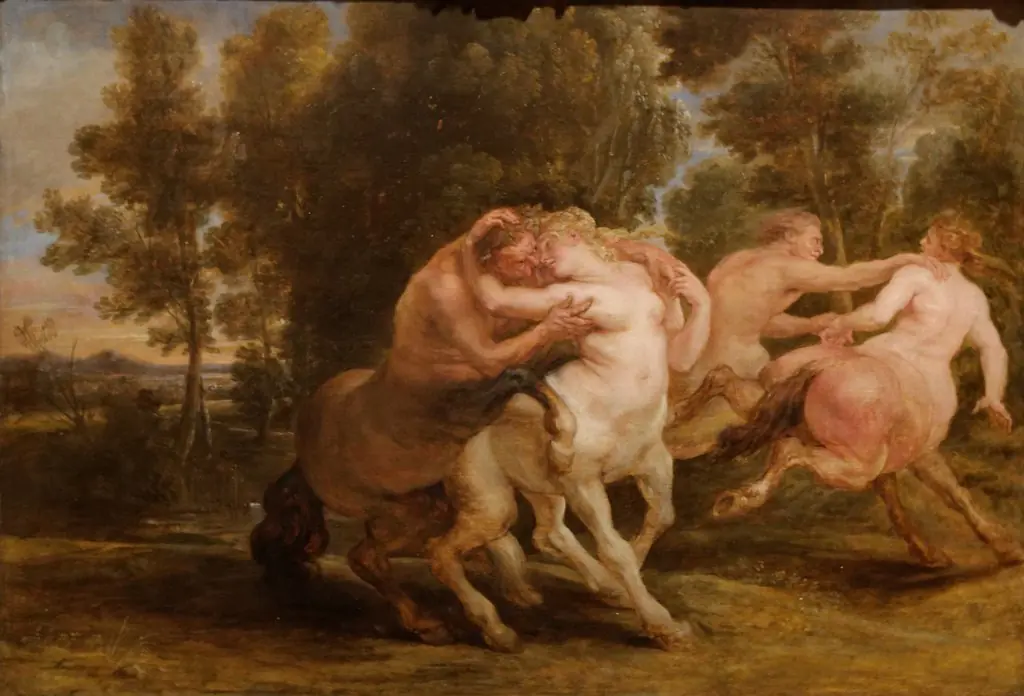 The Loves of the Centaurs
Frequently asked questions
What is Kiss?
Kiss (Hungarian pronunciation: ) is a very common Hungarian surname.
How many Kiss works does Artifact World Gallery have?
Artifact World Gallery holds 27 public-domain Kiss works, all free to view and download.
Who are the key Kiss artists?
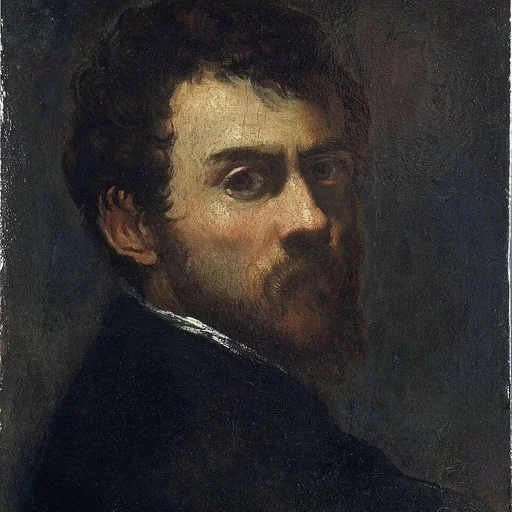
Key Kiss artists in the collection include Jean Honoré Fragonard, Jean Léon Gérôme and Jacopo Tintoretto.
Where can I see Kiss works?
Kiss works in the collection are held by Metropolitan Museum of Art, Munch Museum and Bavarian State Painting Collections.