Artwork
Wolfgang Wilhelm (1578-1653), count palatine of Neuburg, duke of Gulik and Berg
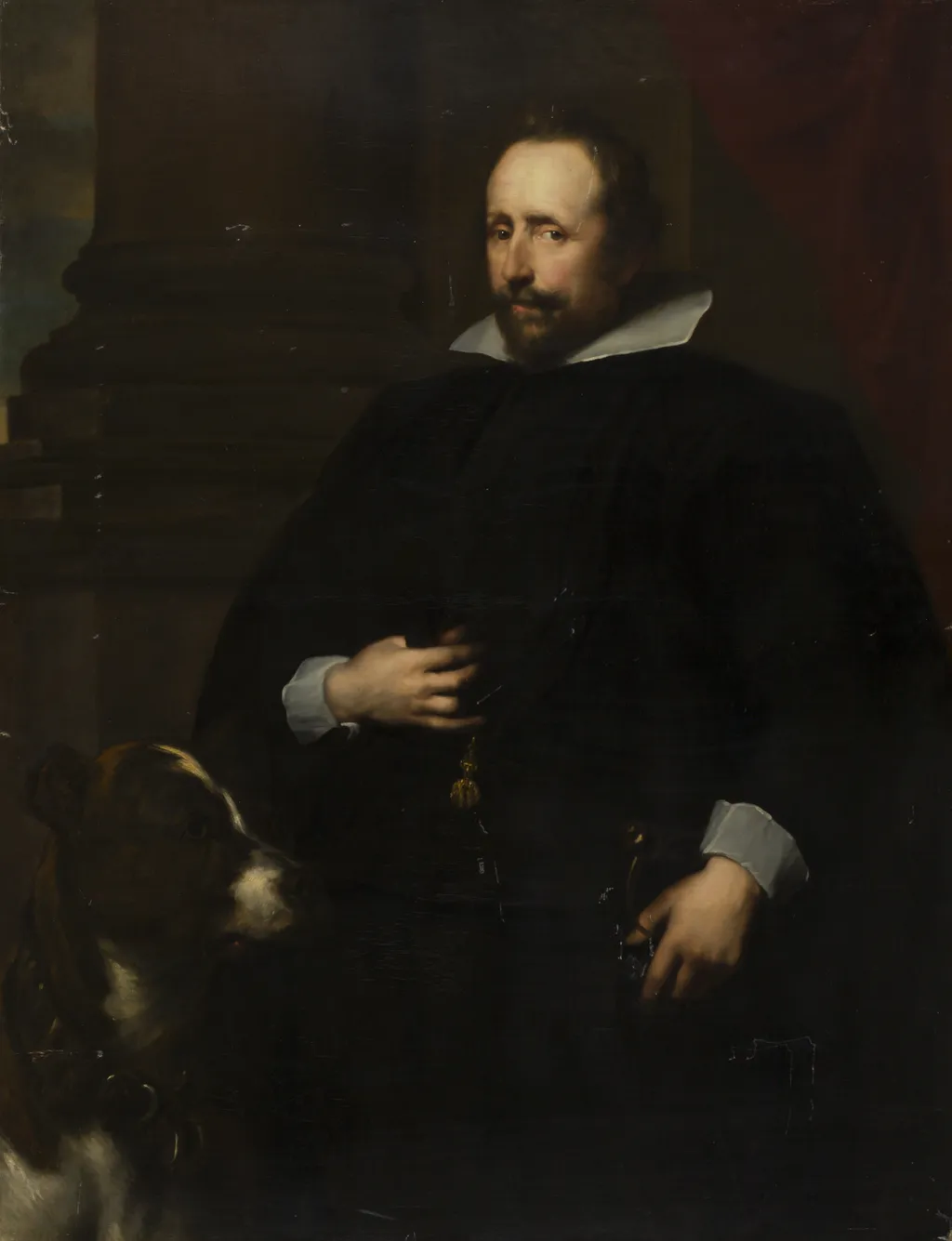
Wolfgang Wilhelm (1578-1653), count palatine of Neuburg, duke of Gulik and Berg is an oil painting by Willem Bartel van der Kooi. It dates from 1804 and is held in the collection of the Rijksmuseum.
About this work
Subject & Meaning
The painting depicts Wolfgang Wilhelm, Count Palatine of Neuburg and Duke of Gulik and Berg, presented as the sole main subject of the work.
The painting depicts Wolfgang Wilhelm, Count Palatine of Neuburg and Duke of Gulik and Berg, presented as the sole main subject of the work. Created in 1804 by Willem Bartel van der Kooi, the portrait focuses entirely on the historical figure's likeness without incorporating additional allegorical figures or complex narrative scenes. As a formal portrait, the work serves to document the appearance and status of the 17th-century nobleman, though the provided sources do not specify particular symbolic attributes, iconographic details, or deeper representational meanings beyond the identification of the sitter.
Technique & Style
The work is an oil painting executed on canvas, measuring 147 cm by 117 cm. It portrays Wolfgang William, Count Palatine of Neuburg, rendered in a formal portrait style characteristic of early 19th-century Dutch painting. The composition emphasizes dignified posture and precise detail, reflecting the sitter’s noble status. The surface condition appears stable, with no noted damage or restoration visible in the source documentation.
History & Provenance
The portrait was painted in 1804 by Willem Bartel van der Kooi for Wolfgang Wilhelm, count palatine of Neuburg, duke of Gulik and Berg. It entered the collection of the Rijksmuseum, Cultural Heritage Agency of the Netherlands Art Collection and remains in the museum's depot RCE. The work measures 147 cm by 117 cm and depicts its subject as a dignified figure in formal attire.
The painting was created during van der Kooi's period of service at the Dutch court and reflects the Neoclassical style popular in the early nineteenth century. Its provenance is documented through the Rijksmuseum's catalog, which notes its acquisition as part of the national art collection.
The portrait of Wolfgang Wilhelm by Willem Bartel van der Kooi is held within the Cultural Heritage Agency of the Netherlands Art Collection (RCE). It is currently stored in the depot of the Rijksmuseum rather than on public display. The work was created in 1804 and depicts the Count Palatine of Neuburg.
Overview
This oil painting, created in 1804 by Willem Bartel van der Kooi, portrays Wolfgang Wilhelm, a 17th-century nobleman who held the titles of Count Palatine of Neuburg, Duke of Gulik, and Duke of Berg. The work is part of the Rijksmuseum's collection.
Context
Given the time gap between the subject's life and the painting's creation, the work may reflect 19th-century interests in historical figures or a revival of styles from earlier centuries. However, specific contextual motivations for its creation are not provided.
Legacy
The painting's legacy is tied to its presence in the Rijksmuseum, contributing to the institution's collection of historical portraits. Its significance lies more in its representation of Wolfgang Wilhelm than in being a landmark of Dutch painting, given its late creation by an artist not as prominently recognized as others of the Dutch Golden Age.
Own this work as a print
Artist & collection
Artist
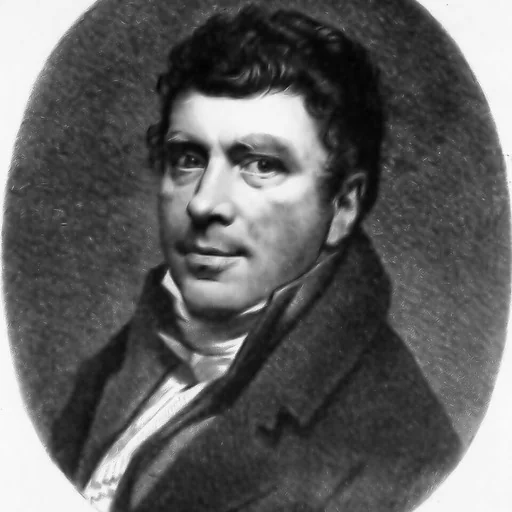
Willem Bartel van der Kooi (1768–1836) was an artist, born in Augustinusga.

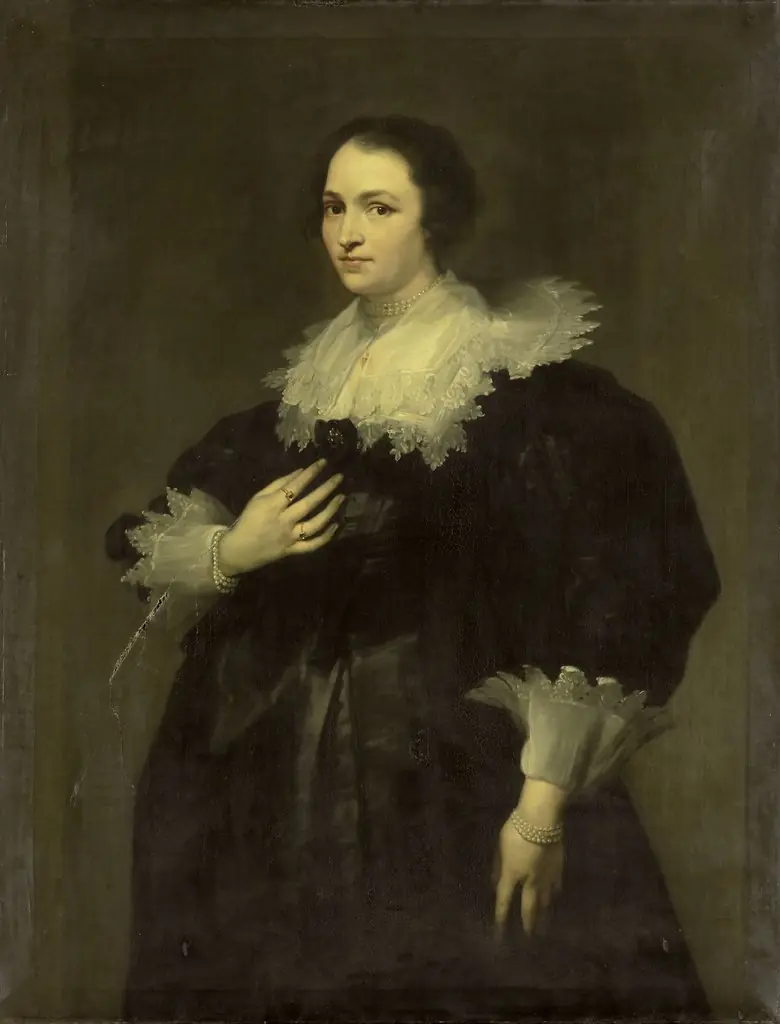 Wife of Sebastiaan Leerse
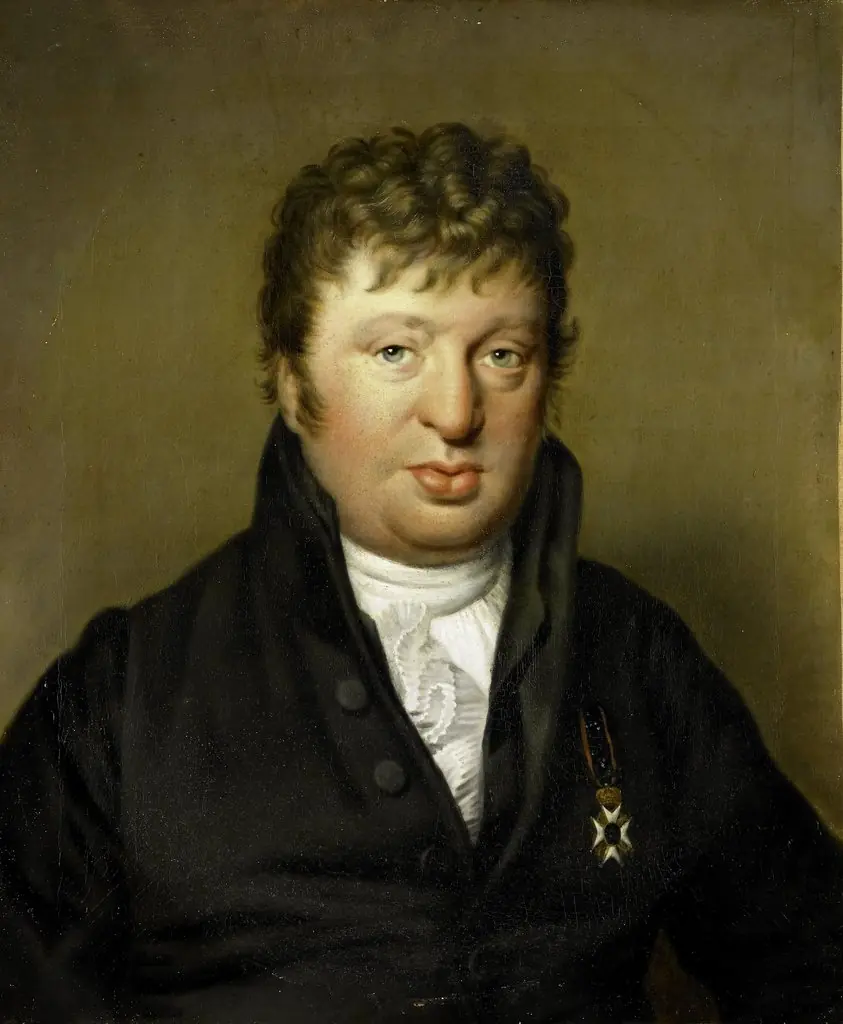 Portrait of Jacobus Scheltema, Historian
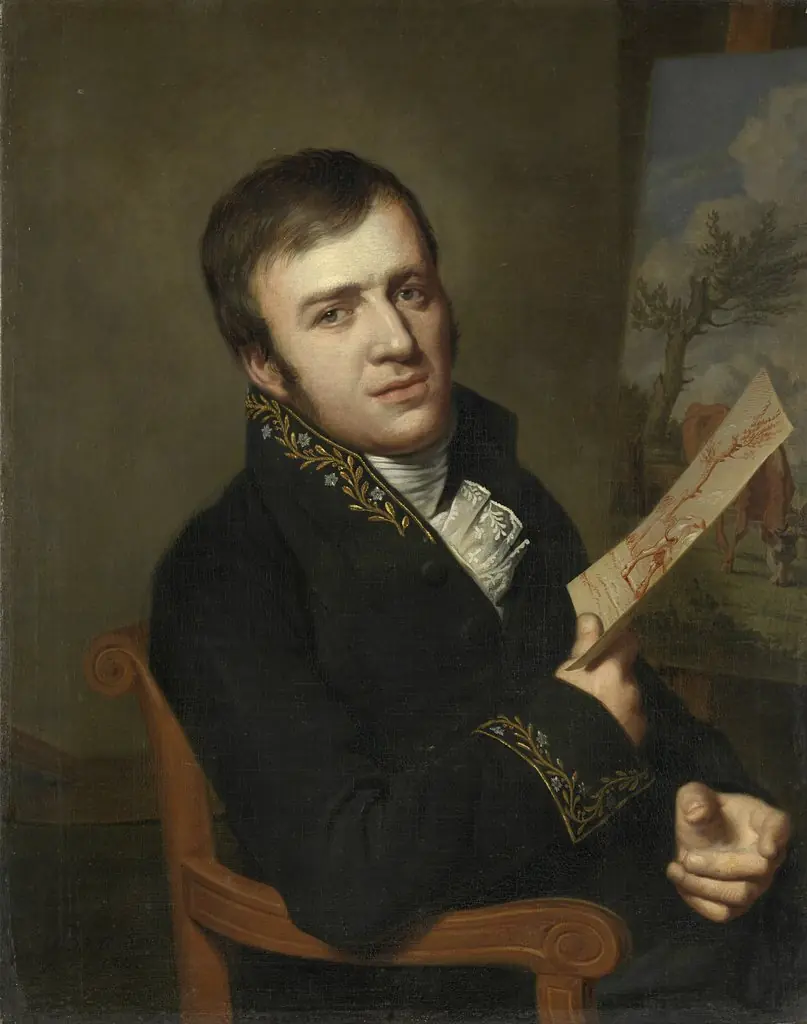 Jan Kobell II, Painter, in the Uniform of a Member of the Royal Institute of Sciences, Literature and Fine Arts
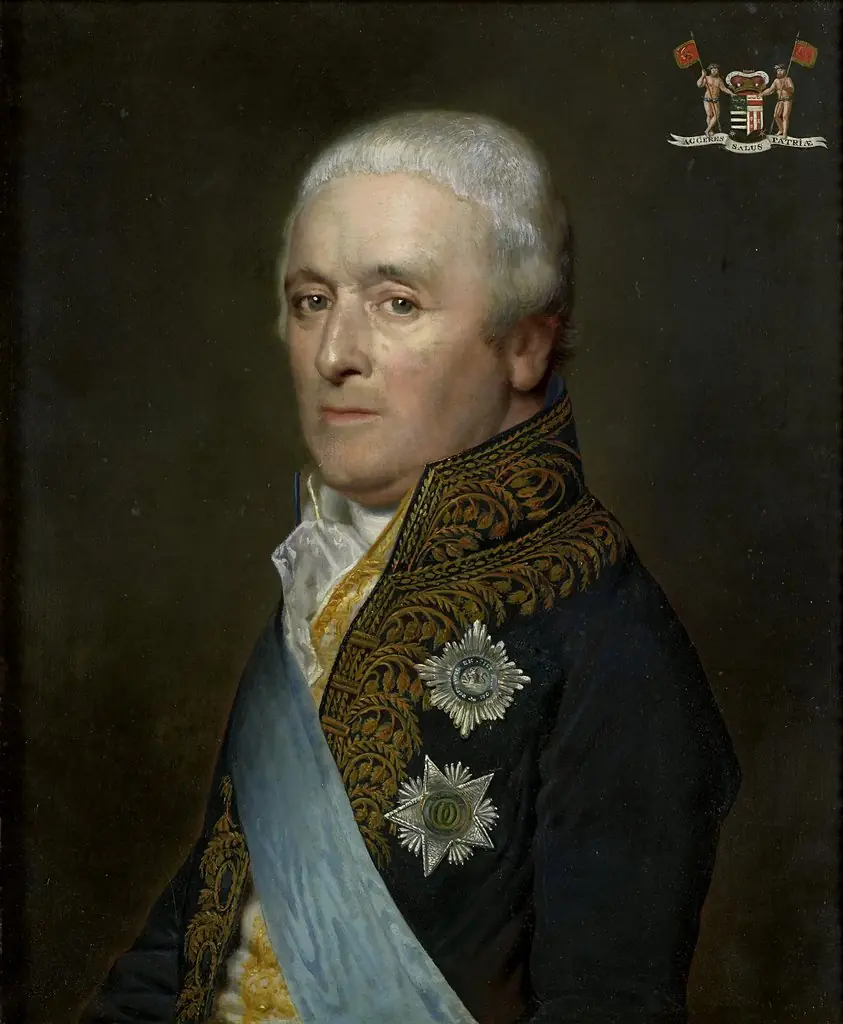 Portrait of Adriaen Pieter Twent, Count of Rosenburg, Minister of Public Works, Minister of the Interior, Chamberlain of King Louis Napoleon
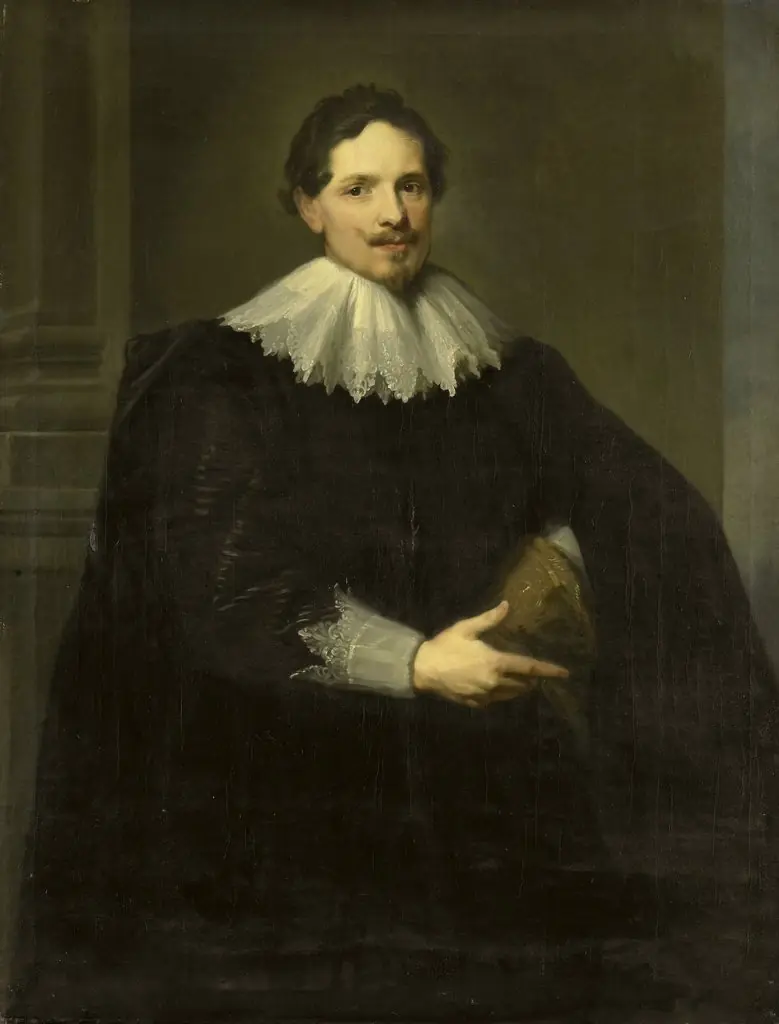 Sebastiaan Leerse, Antwerp Merchant
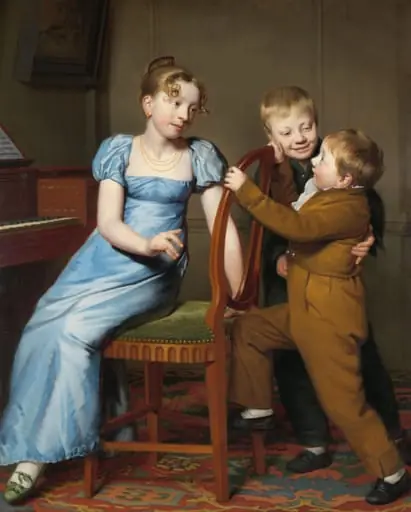 Het gestoorde pianospel
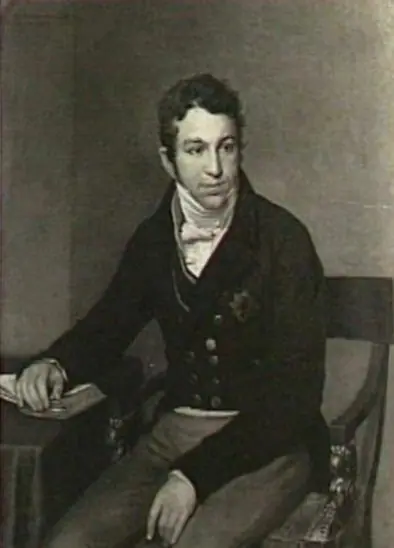 Portrait of Pierre Louis Servais van Gobbelschroy (1784-1850)
- Portrait of a Man
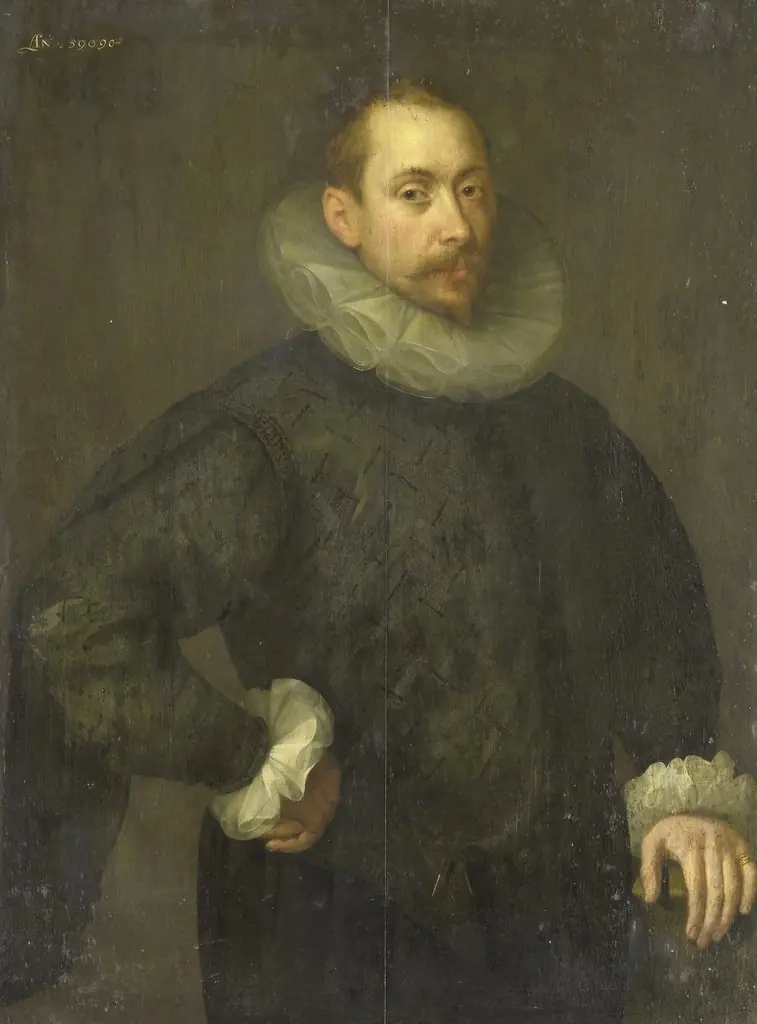 Portrait of Jean Fourmenois
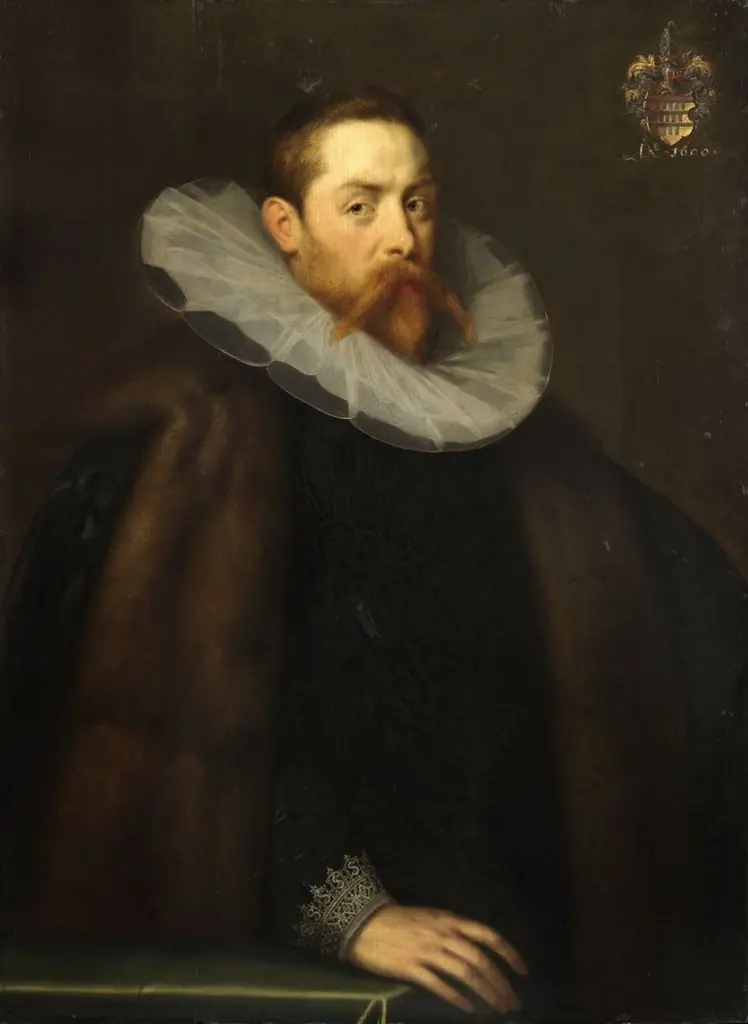 Portrait of a Member of the Lyskirchen Family
 Portrait of Laurens Reael
 Portrait of Laurens Reael
 Untitled
 Portrait of Rogier Le Witer (1591-1678), Merchant in Antwerp
 Portrait of Gottfried Hautappel
 Portrait of a Man with Gloves
 Portrait of the painter Theodor Rombouts
 Portrait of Cornelis van Aerssen (1545-1627)