Artwork
Untitled
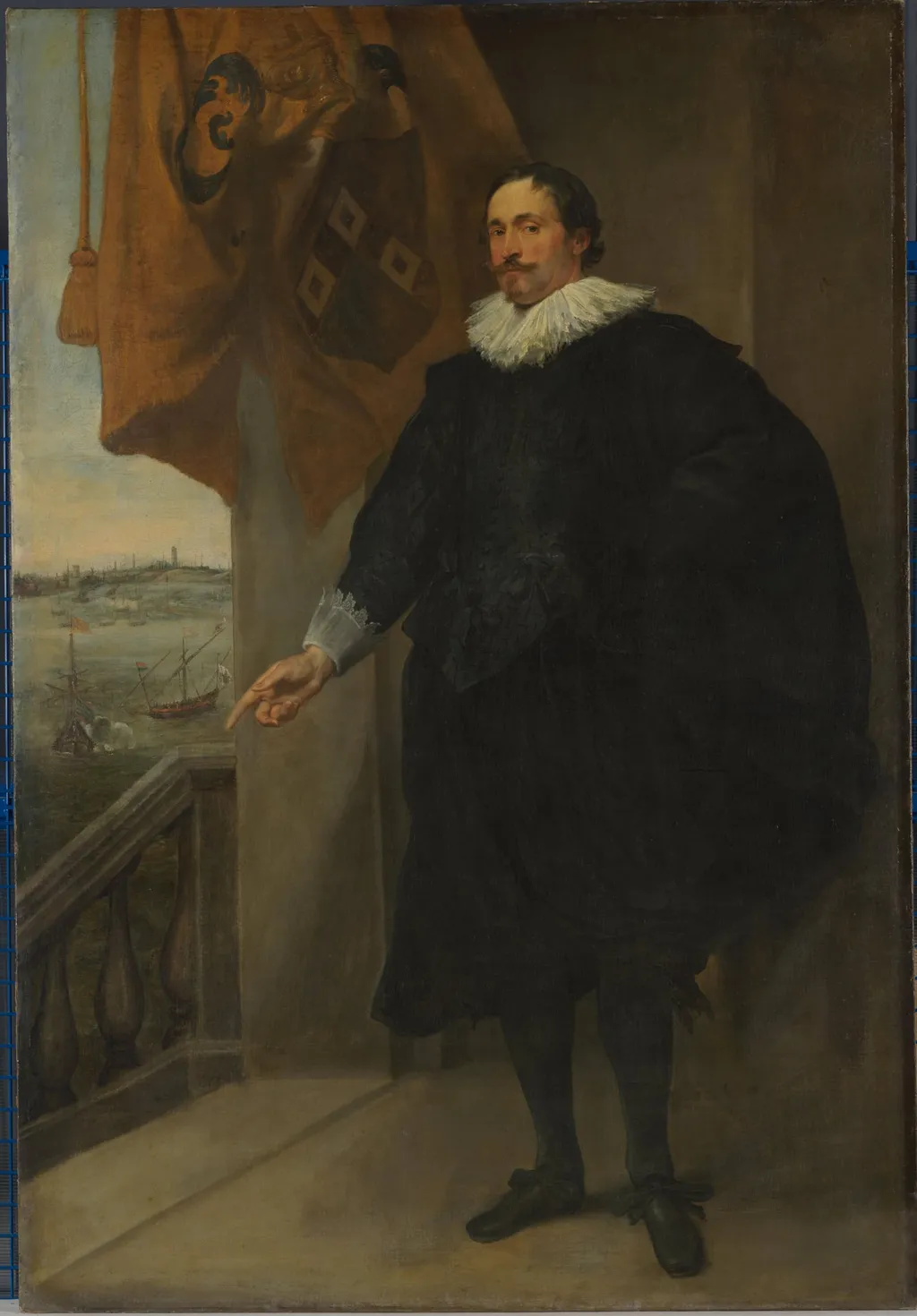
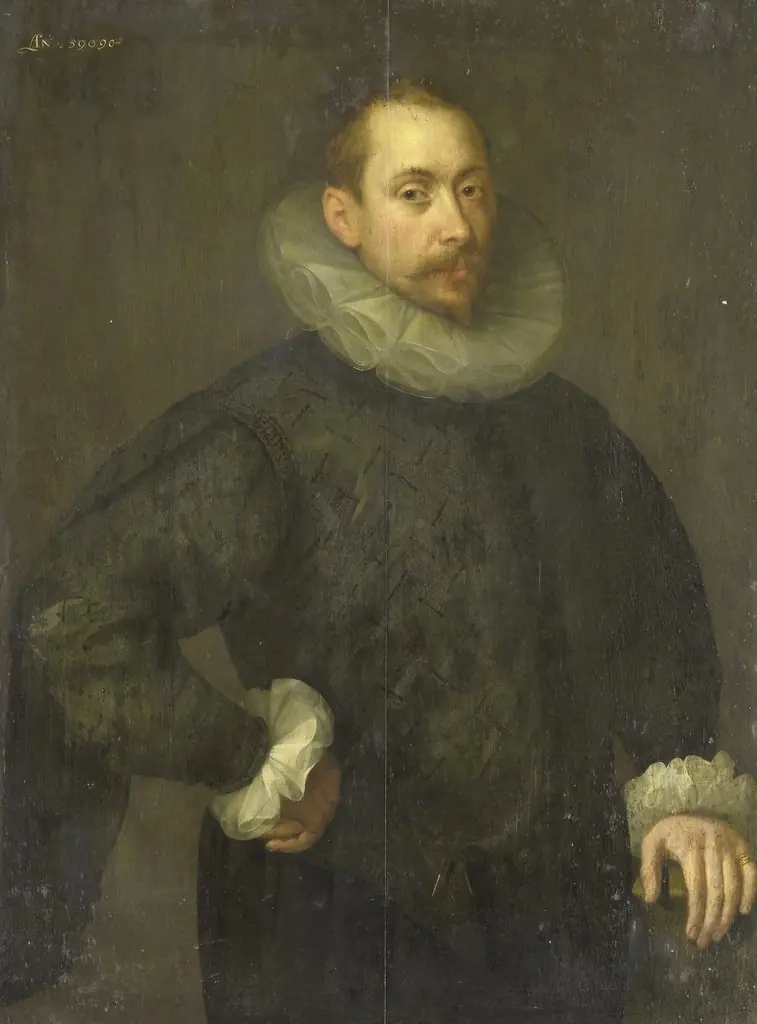
Untitled is an unspecified painting by the Baroque artist Anthony van Dyck. It dates from 1634 and is held in the collection of the Rijksmuseum.
About this work
Context
Art historically, van Dyck is recognized for transforming the genre through an elegant, relaxed style that departed from the formality of his predecessors.
As a leading Flemish Baroque artist, Anthony van Dyck revolutionized court portraiture, becoming the dominant influence on English portrait painting for over 150 years. His work, including the c. 1635 painting Untitled, reflects his status as the primary court painter to Charles I, a position he assumed in 1632 after successful periods in the Spanish Netherlands and Italy. Art historically, van Dyck is recognized for transforming the genre through an elegant, relaxed style that departed from the formality of his predecessors.
His artistic development was deeply shaped by his early association with Peter Paul Rubens, whom Rubens himself praised as his best pupil, and by his extensive study of Venetian masters like Titian and Veronese during his six-year Italian sojourn. While best known for aristocratic portraits, his wider context includes significant contributions to religious, mythological, and allegorical subjects, as well as innovations in etching and watercolor.
Legacy
Van Dyck’sUntitled (1634‑c.1635) cemented his reputation as the preeminent court portraitist, an influence that persisted for centuries. His elegant rendering of aristocratic subjects set a standard that English portraiture emulated well into the eighteenth century, a dominance noted by contemporary observers and later art historians. The distinctive “Van Dyke” beard, named after his characteristic facial presentation in self‑portraits, became a cultural reference point, underscoring his pervasive public image.
His techniques in watercolour, etching, and group portraiture were studied by later masters, reinforcing his lasting impact on both practice and perception of portraiture.
Overview
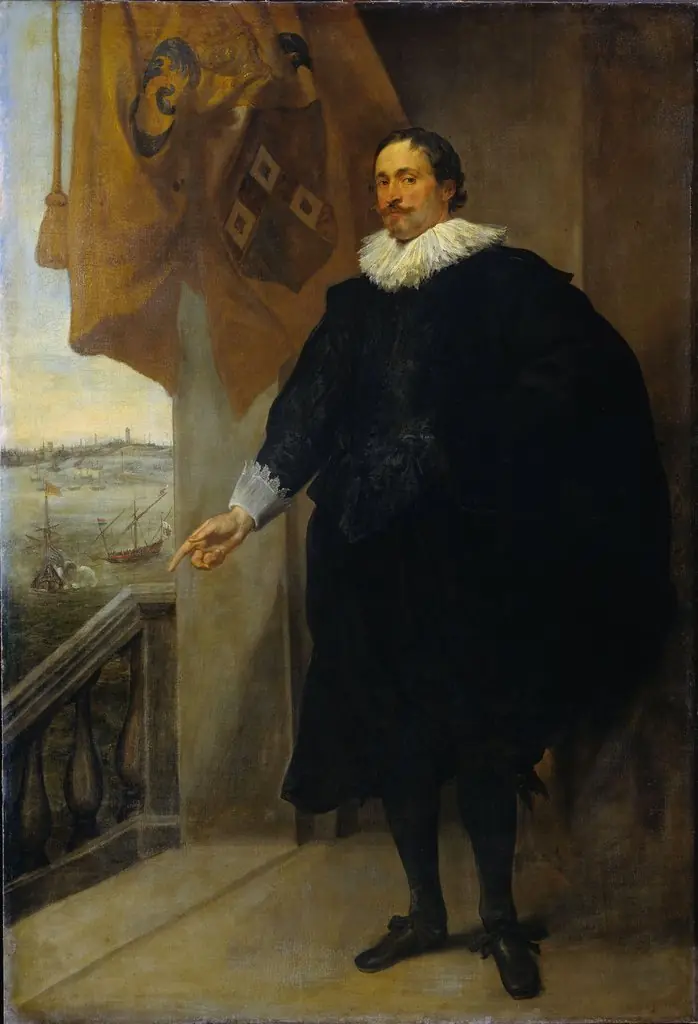
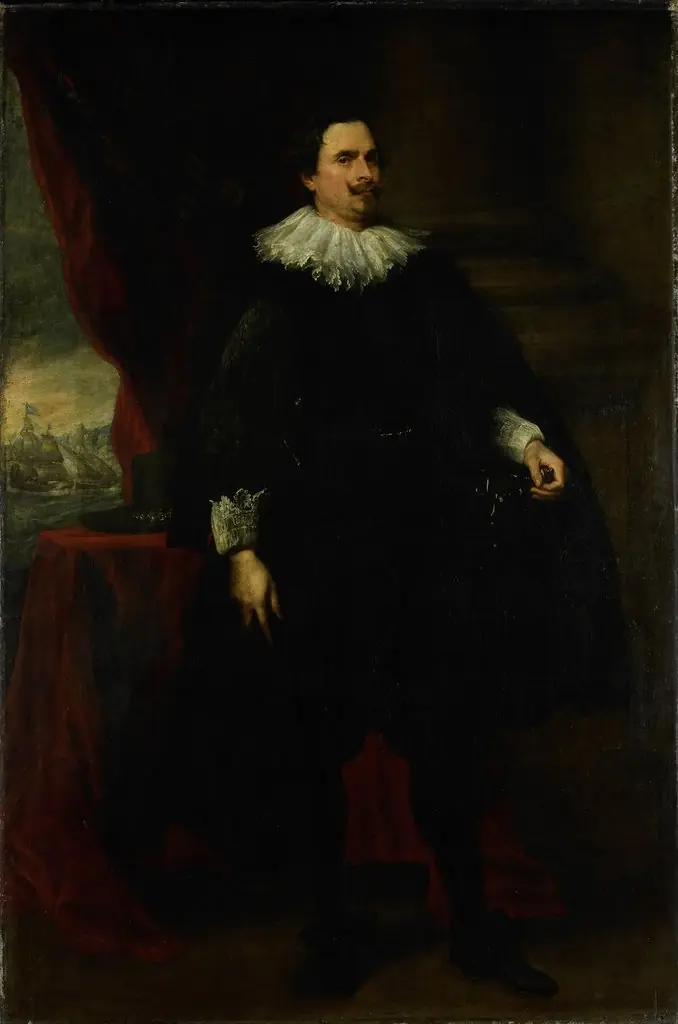
This painting, attributed to Anthony van Dyck and his workshop, depicts Nicolaes van der Borcht, an Antwerp merchant, around 1634-1635. The sitter is shown gesturing towards a dramatic naval engagement visible through a window. His pose and the background elements suggest his connection to maritime activities.
The work offers insight into the identity and potential professional interests of a prominent figure from 17th-century Antwerp.
Subject & Meaning
The painting identifies its subject as Nicolaes van der Borcht through the family crest displayed on the red drapery behind him. He directs attention to a tumultuous naval battle unfolding in the distance, featuring Spanish and Southern-Netherlandish privateers. The backdrop includes the city of Dunkirk, notorious in the 17th century for its privateering activities.
Van der Borcht's assertive gesture implies his personal or financial engagement in this lucrative, albeit risky, maritime enterprise.
Technique & Style
This portrait exemplifies the collaborative methods common in prominent 17th-century painting workshops. While Anthony van Dyck himself executed the sitter's head and hands, the remaining elements of the composition were completed by his studio assistants. Evidence of this process, and of artistic revision, is visible beneath the surface: faint traces of an earlier pose, specifically the subject's legs positioned further apart, can be discerned through the uppermost paint layers.
History & Provenance
The painting entered the collection in 1825. Its acquisition was part of an exchange agreement with the Mauritshuis, located in The Hague. This transaction reflects historical practices of institutional collection development and the movement of artworks between major European museums during the 19th century.
Own this work as a print
Artist & collection
Artist
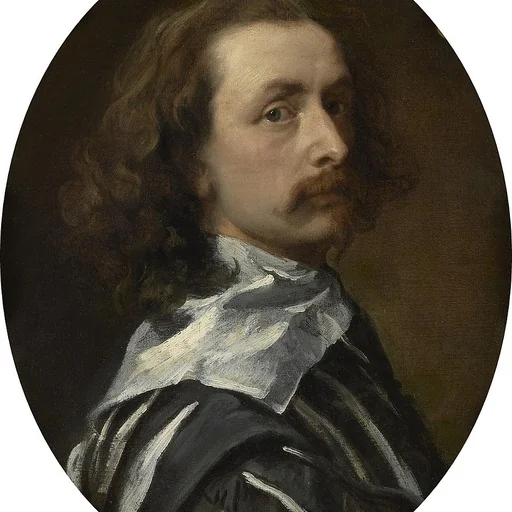
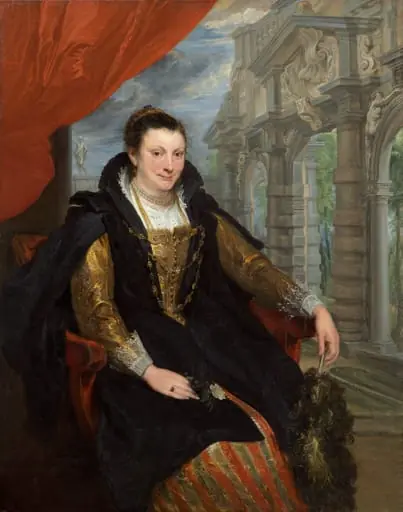
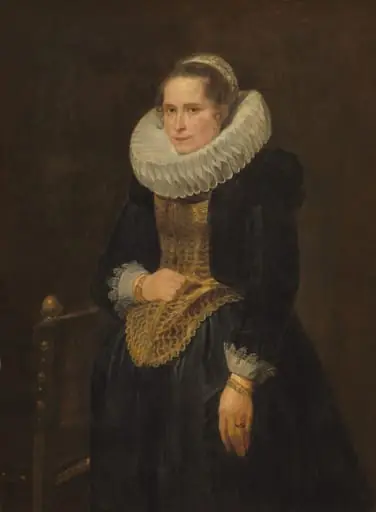
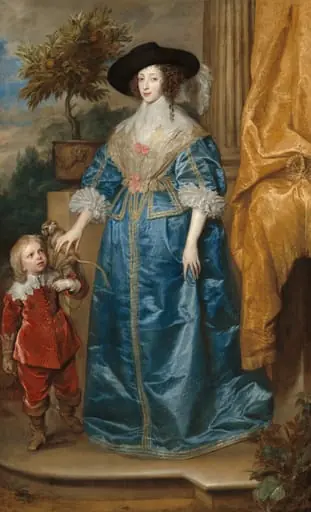
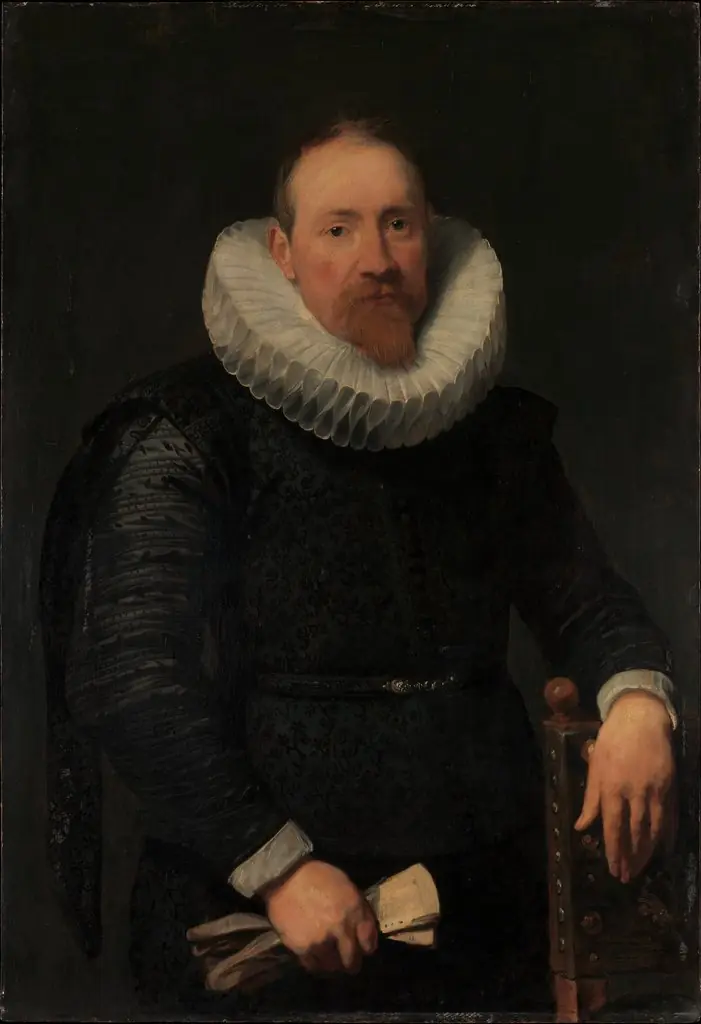
Sir Anthony van Dyck (; Dutch: Antoon van Dijck; 22 March 1599 – 9 December 1641) was a Flemish Baroque artist, who became the leading court painter in England after success in the Spanish Netherlands and Italy.

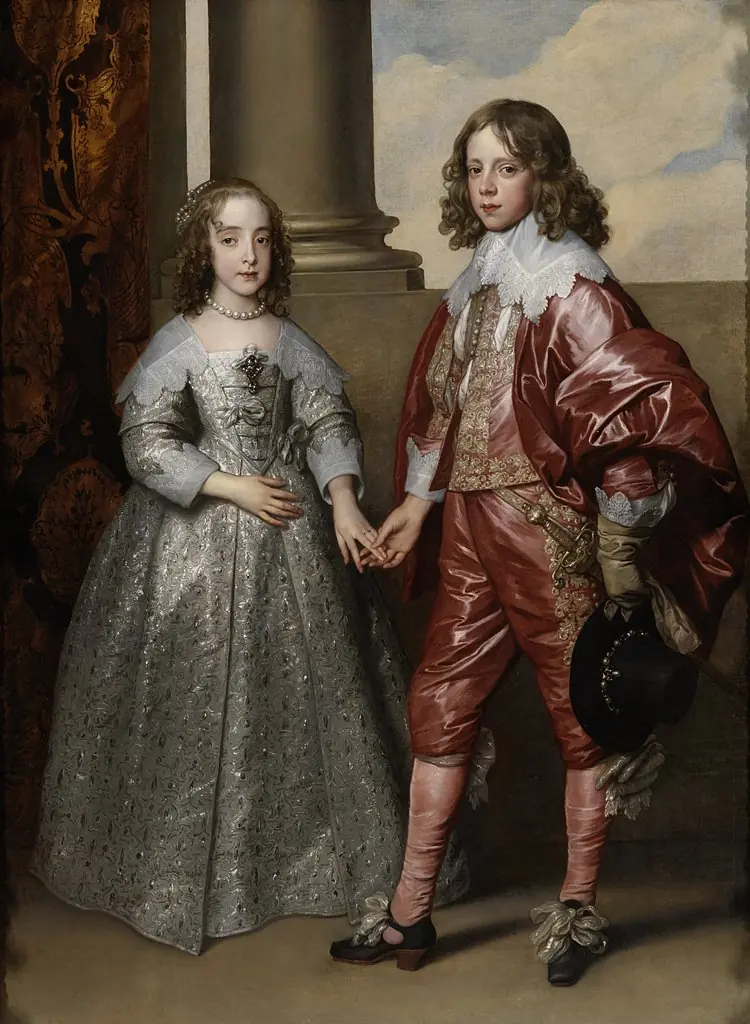
 Portrait of a man from the van der Borght family, perhaps François van der Borght
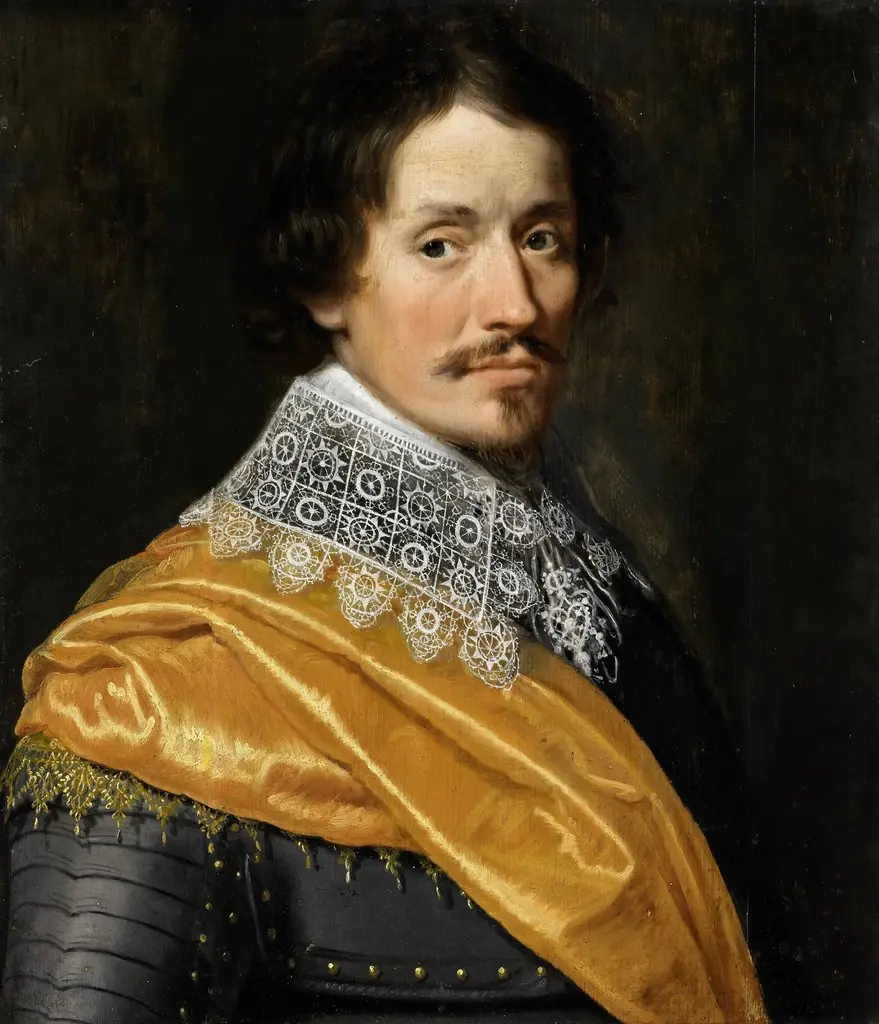 Portrait of an officer
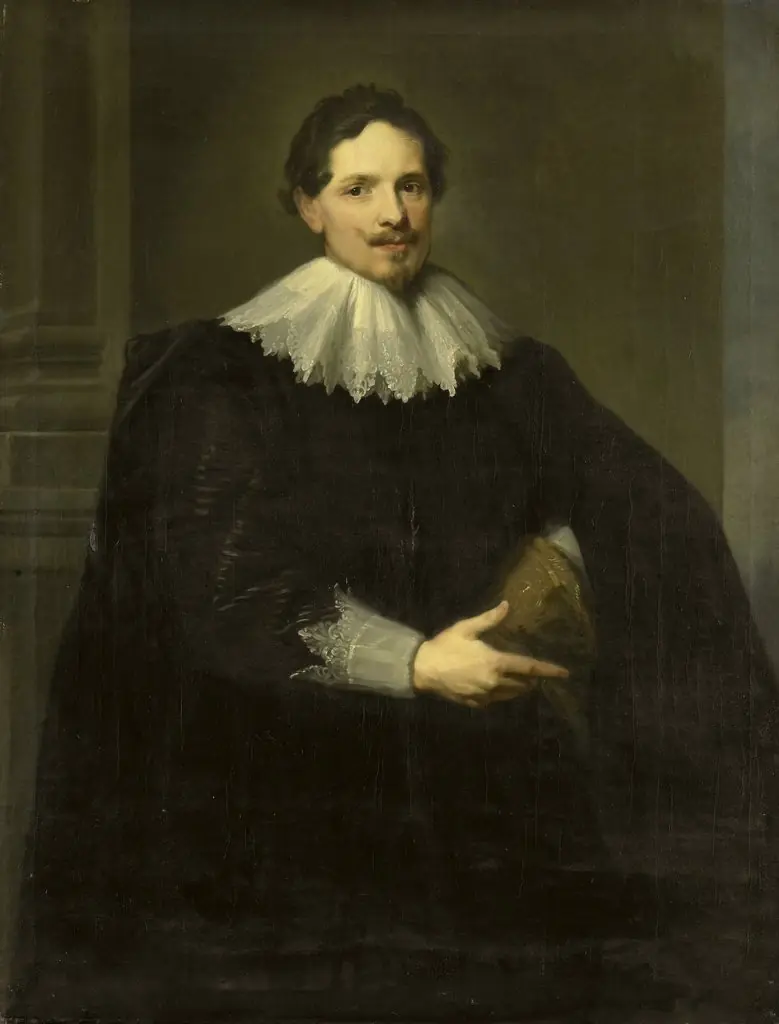 Sebastiaan Leerse, Antwerp Merchant
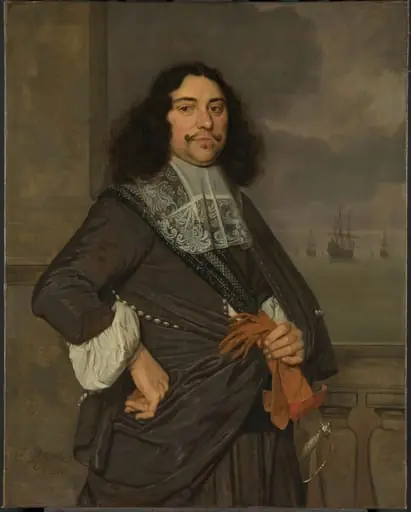 Jan van Nes (1631-80), Vice admiral of Holland and West-Friesland
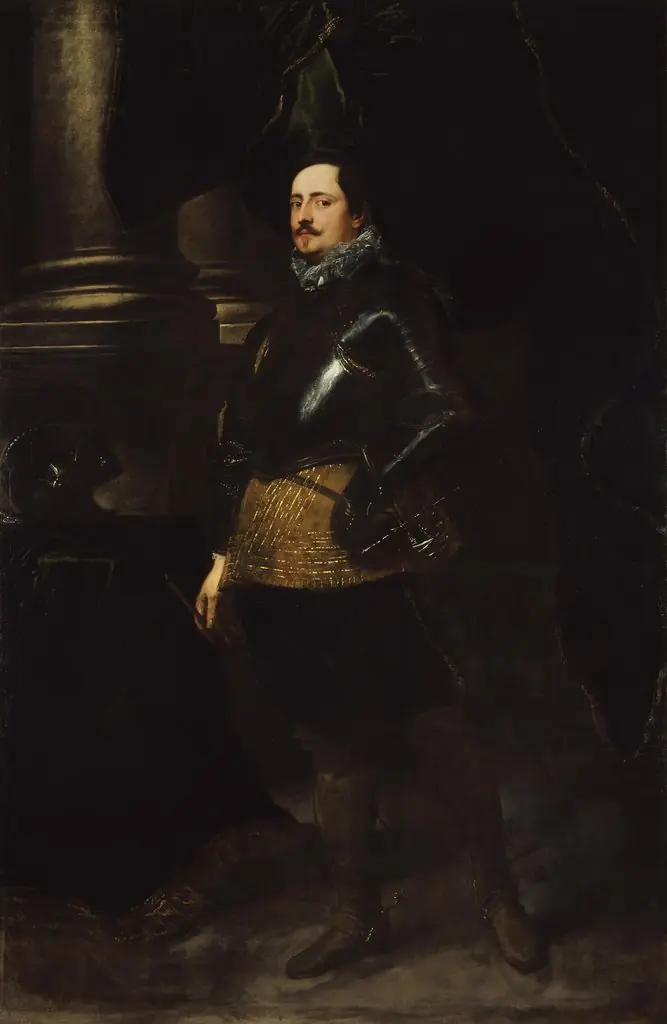 An Italian Noble
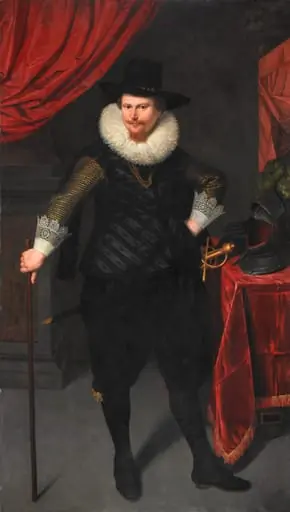 Portrait of Laurens Reael
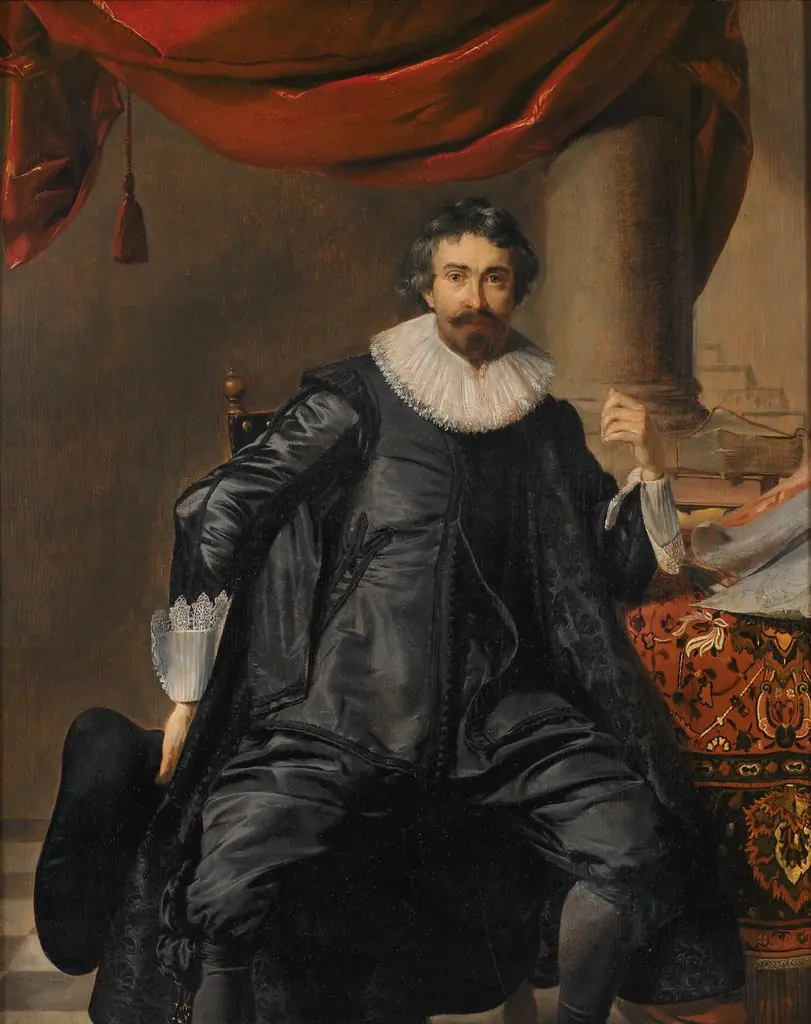 Portrait of a Man
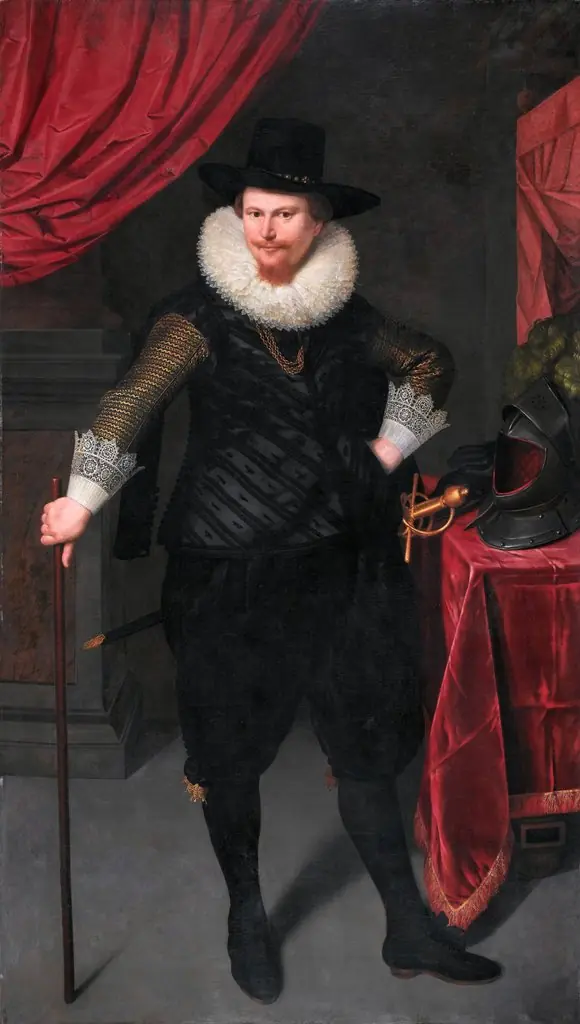 Portrait of Laurens Reael
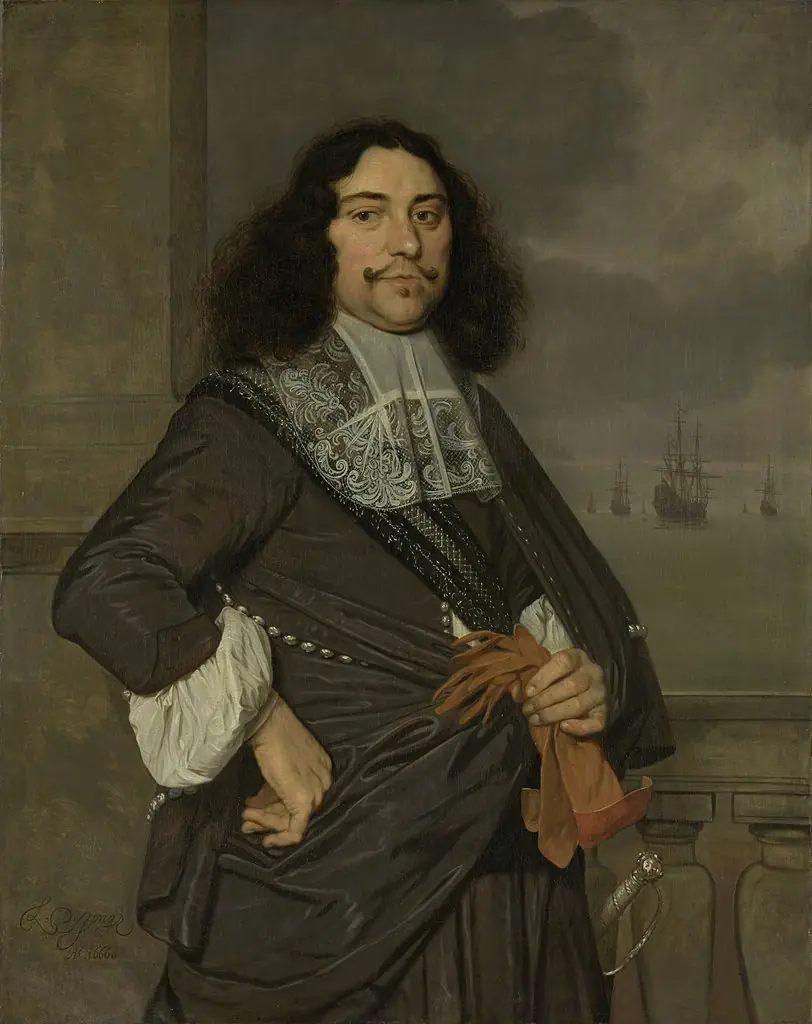 Portrait of Jan van Nes (1631-80). Vice admiral of Holland and West-Friesland
 Portrait of Jean Fourmenois