Artwork
Ruth and Naomi
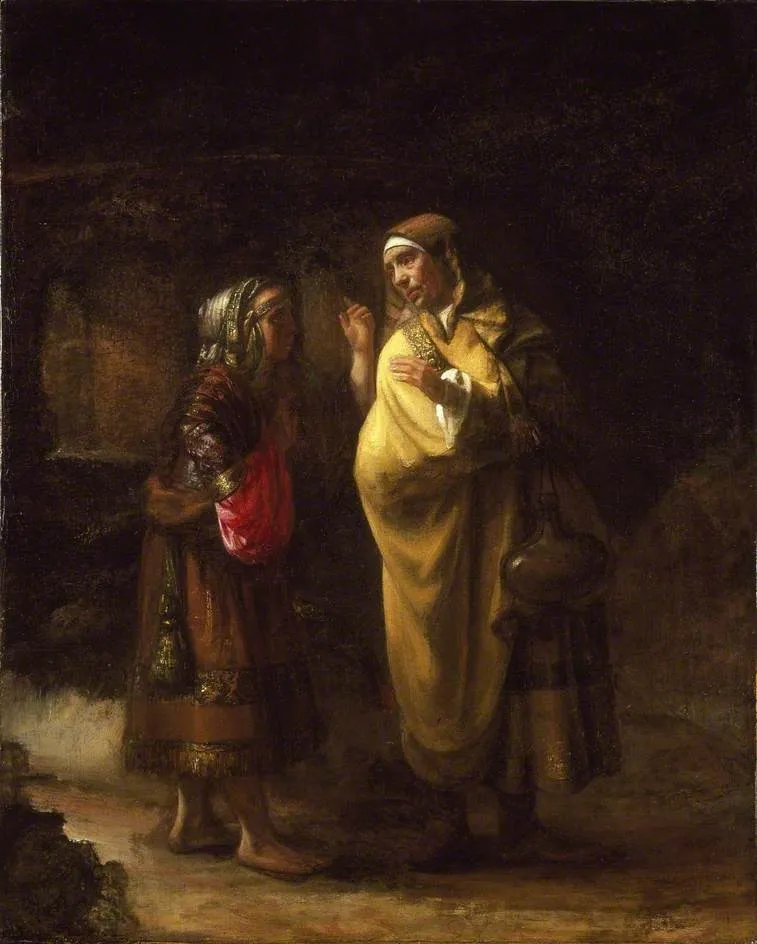
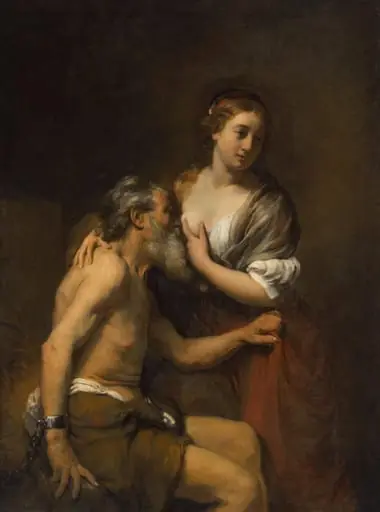
Ruth and Naomi is an oil painting by Willem Drost. It dates from 1656 and is held in the collection of the Ashmolean Museum.
About this work
Overview
Created circa 1656, Ruth and Naomi is an oil painting by Dutch artist Willem Drost, a figure associated with the mid‑17th‑century Dutch Golden Age. The work is part of the Ashmolean Museum’s collection and portrays a moment from the biblical narrative of Ruth and Naomi.
Subject & Meaning
The composition shows the two Old Testament women within a modest interior, engaged in a quiet exchange. The elder Naomi, identified by her yellow garment, listens as Ruth, in a red robe, gestures, suggesting the intimate counsel that defines their story of loyalty and kinship.
Technique & Style
Drost employs a restrained palette of deep shadows and limited illumination, allowing a narrow beam of light to highlight the figures’ faces and hands. The chiaroscuro effect, combined with soft brushwork on the fabrics, creates a contemplative atmosphere typical of Dutch narrative painting of the period.
History & Provenance
Willem Drost, baptized in 1633 and deceased by 1659, produced relatively few works before his early death. Ruth and Naomi entered the Ashmolean Museum’s holdings through acquisition, though the precise chain of ownership prior to the museum is not documented in the available records.
Context
The painting reflects Drost’s focus on biblical and historical subjects, a common theme among his contemporaries who sought moral instruction through scriptural scenes. Its intimate setting and emphasis on personal interaction align with the Dutch tradition of rendering sacred narratives in domestic, relatable spaces.
Artist & collection
Artist
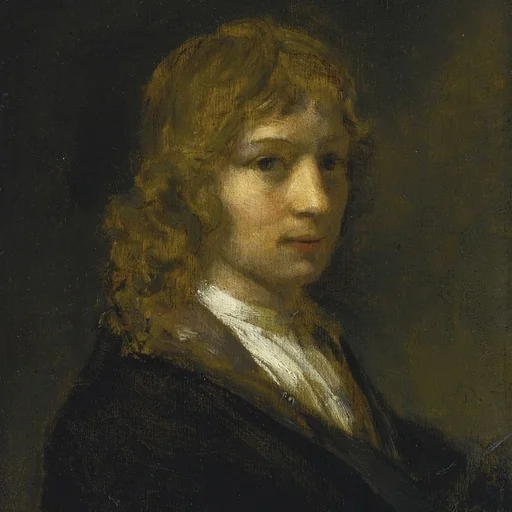
Willem Drost (baptized 19 April 1633 – buried 25 February 1659) was a Dutch Golden Age painter and printmaker of history paintings and portraits.

 Judah and Tamar
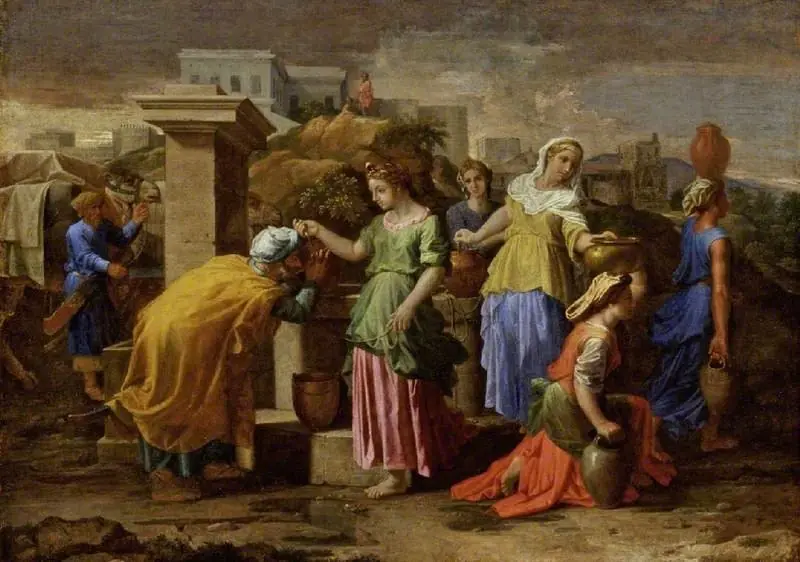
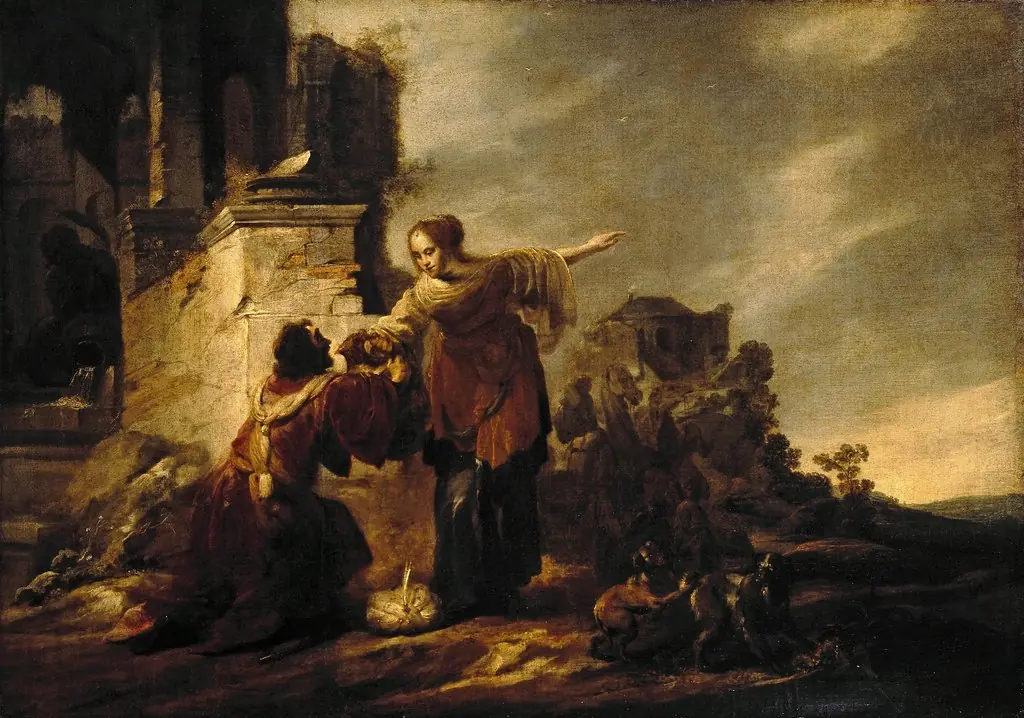 Eleazar and Rebecca at the Well
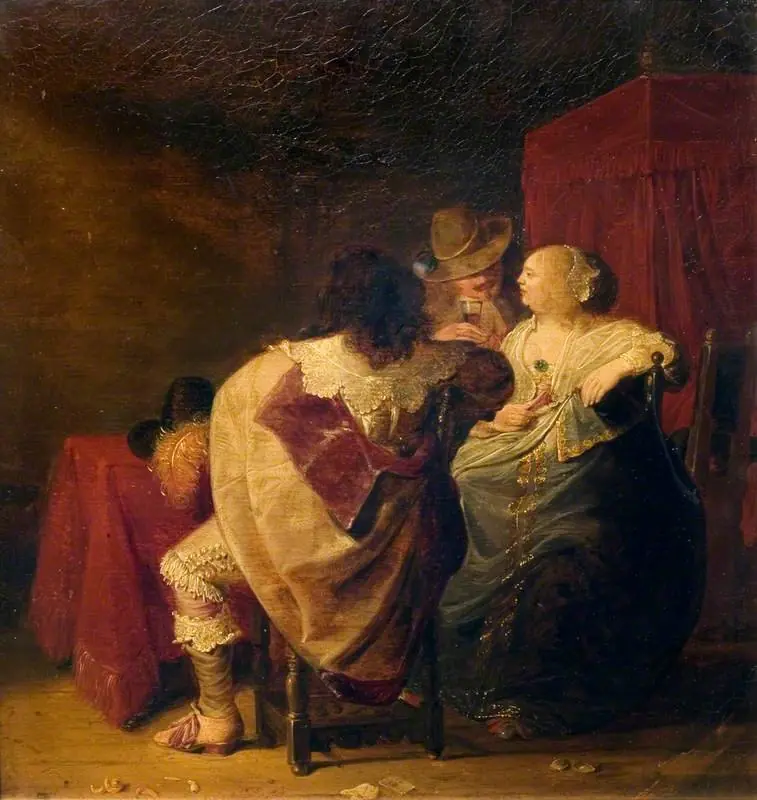 A Lady and Two Gentlemen at a Table
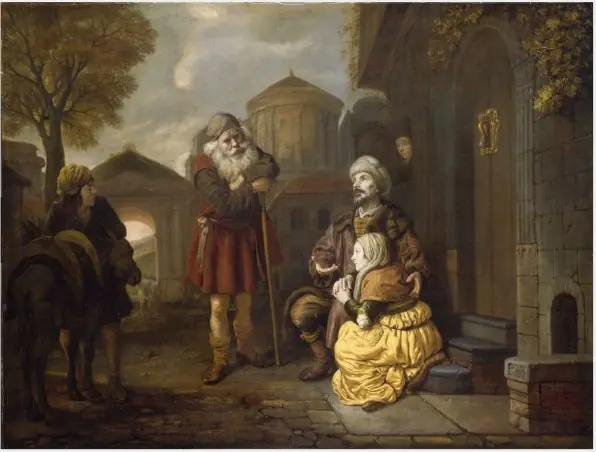 The Levite and his Concubine at Gibeah
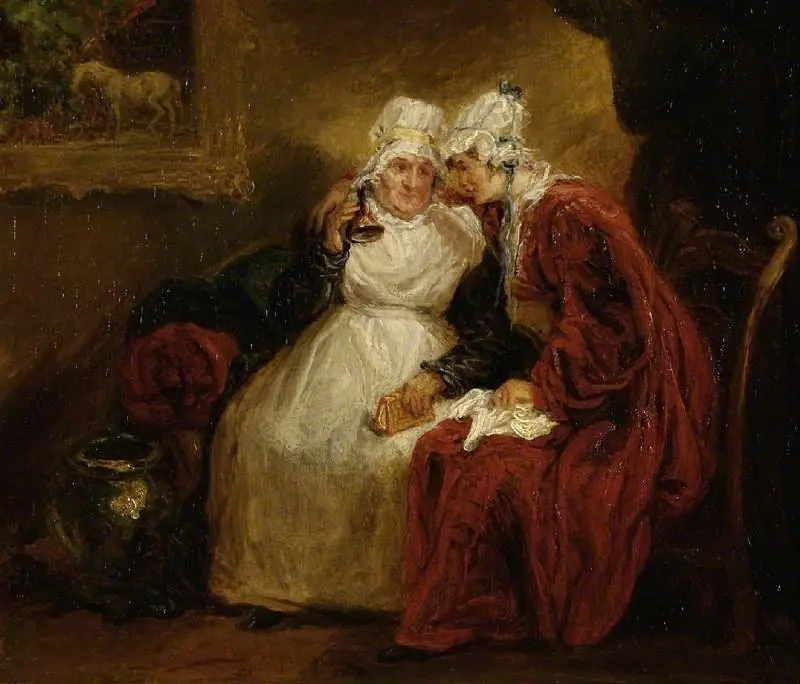 Sketch for 'The Family Compact'
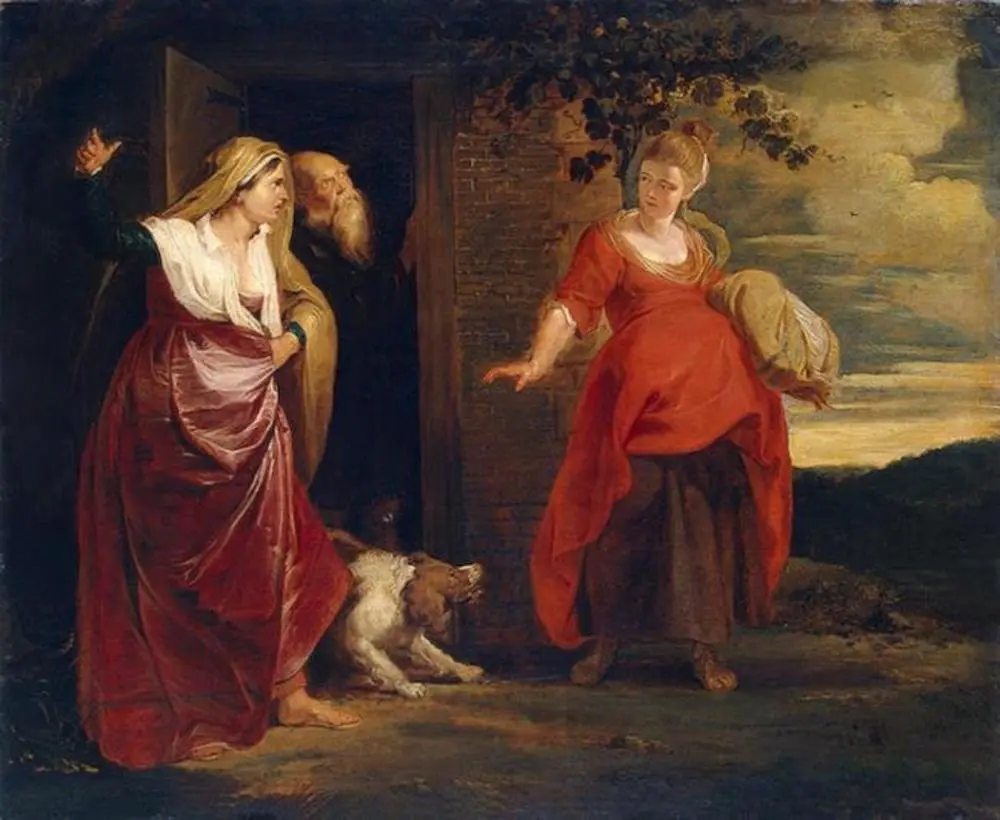 Hagar Leaves the House of Abraham
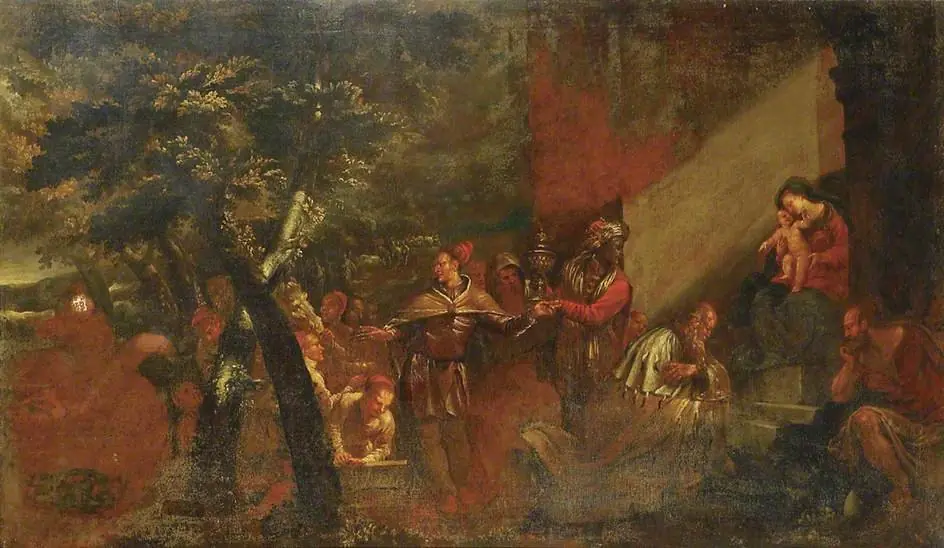 The Adoration of the Magi
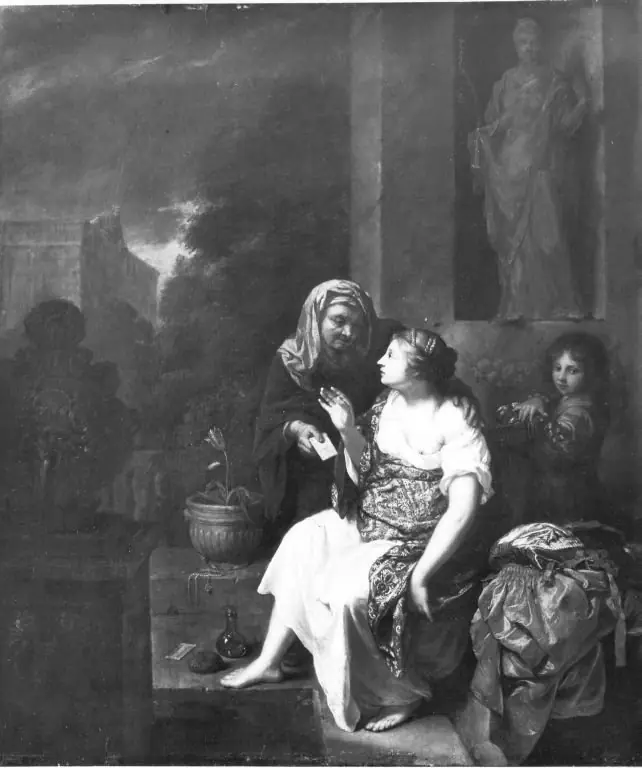 Bathseba erhält den Brief König Davids
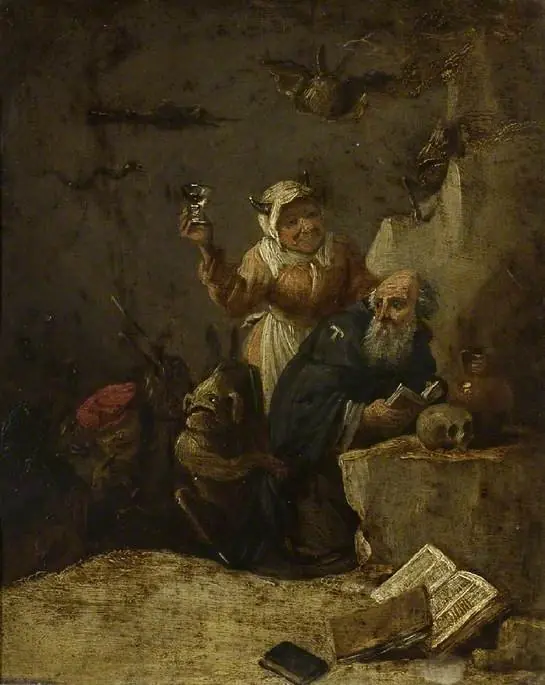 The temptation of St. Anthony
 Christ and the Woman of Samaria
 Vertumnus and Pomona
- Eliezer and Rebecca