Artwork
Cimon and Pero
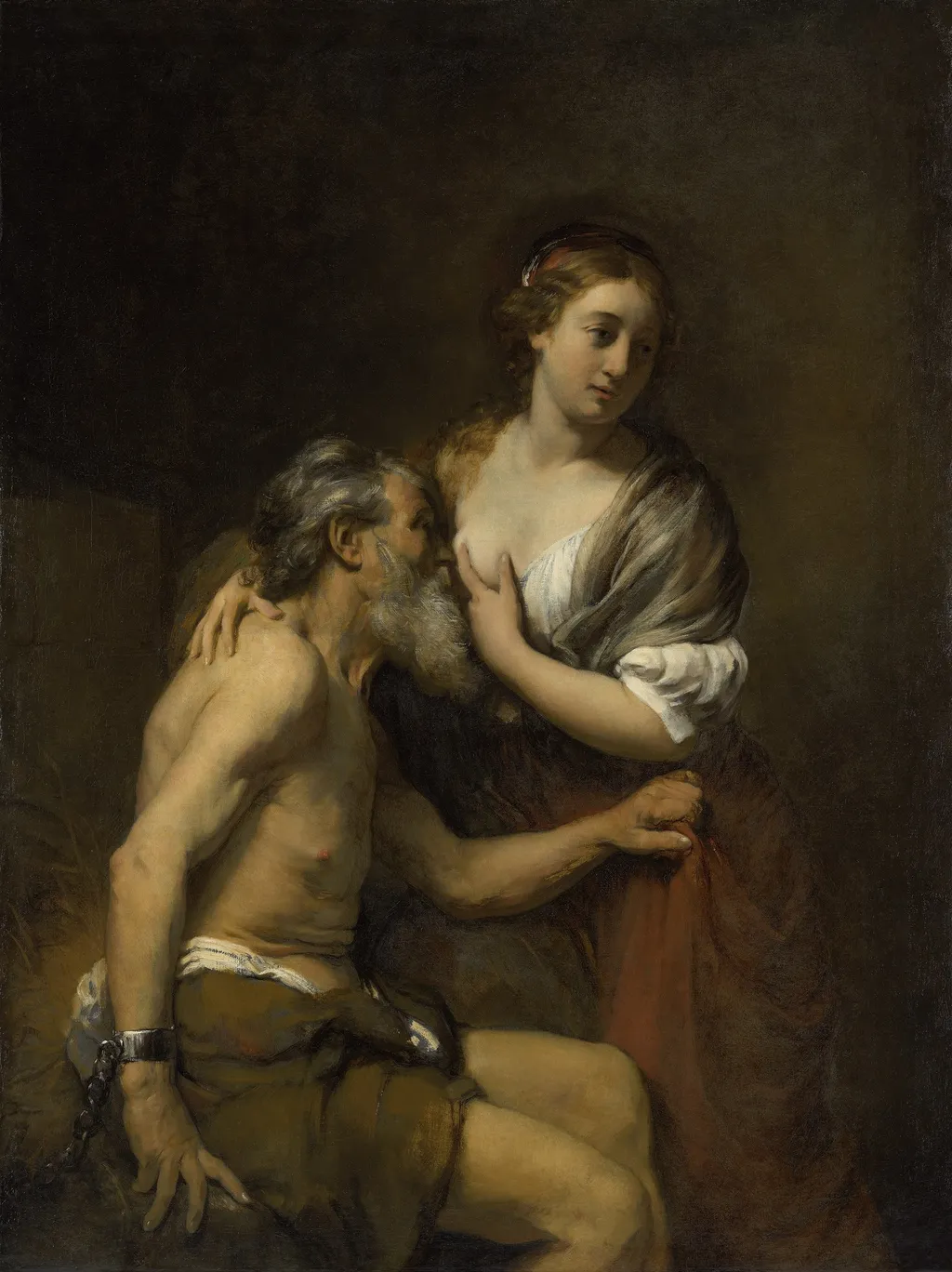
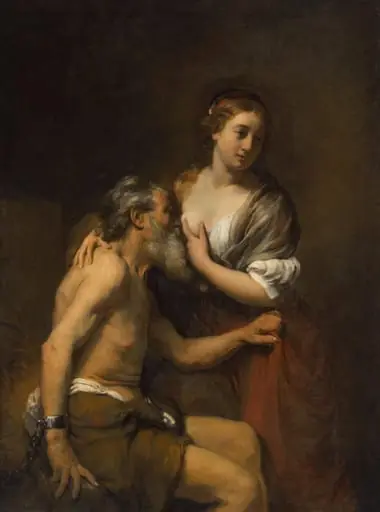
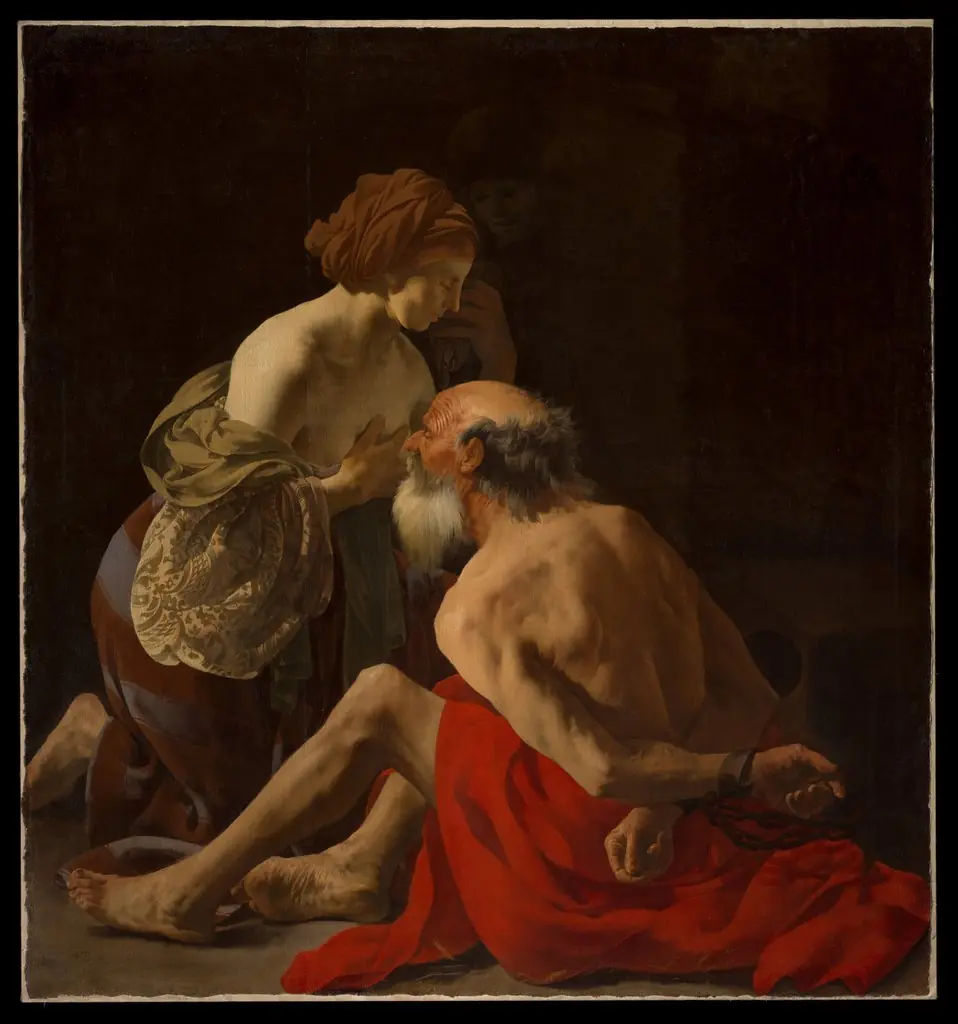
Cimon and Pero is an oil painting by the Dutch Golden Age artist Willem Drost. It dates from 1656 and is held in the collection of the Rijksmuseum.
About this work
Subject & Meaning
This specific subject matter represents the virtue of filial piety, where a daughter sustains her imprisoned father with her own milk to prevent his starvation.
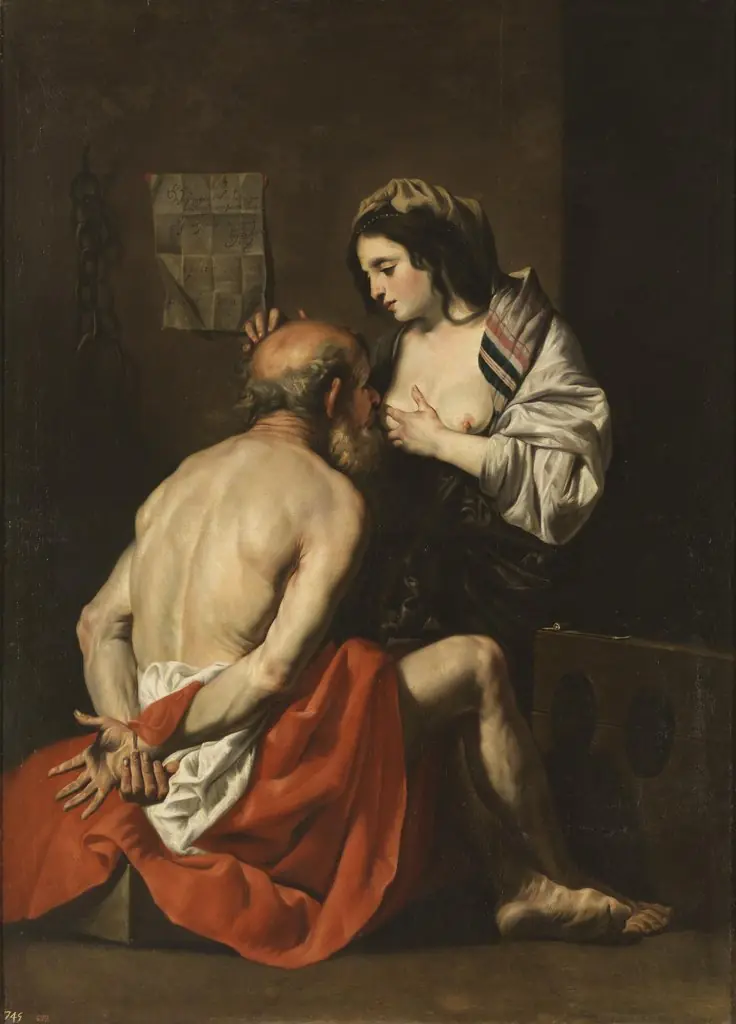
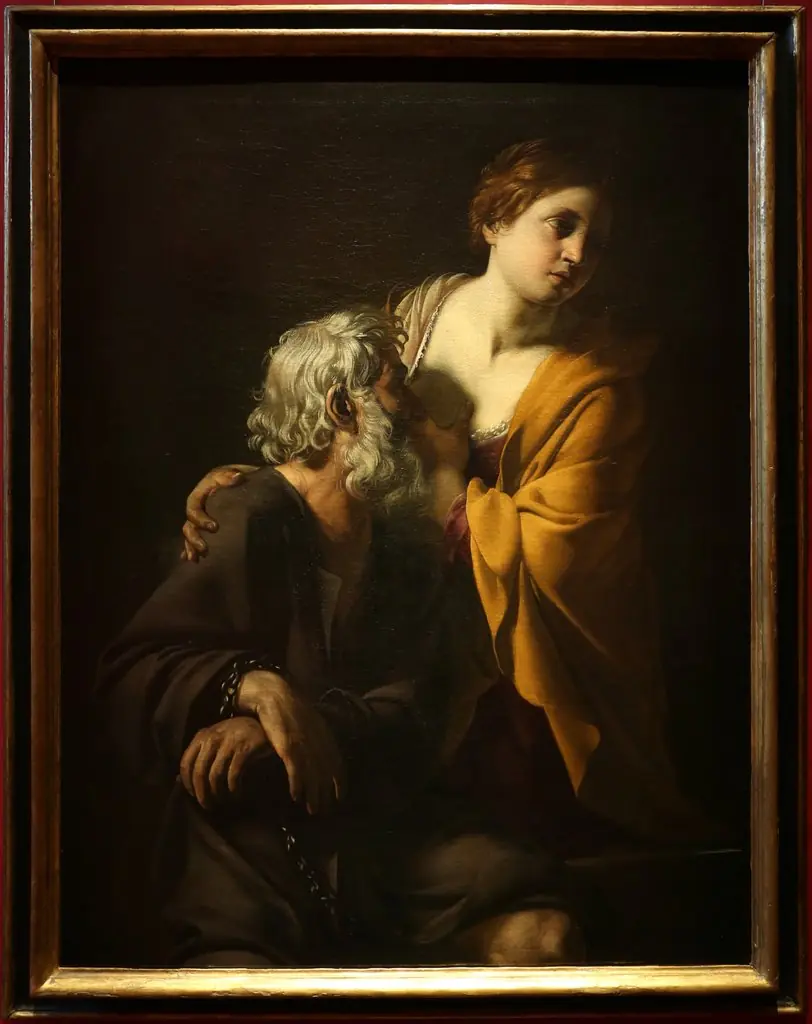
Willem Drost's 1656 painting illustrates the classical story of Roman Charity, depicting a woman breastfeeding an elderly man. The composition features these two figures, a man and a woman, engaged in the act of nursing, which serves as the central iconographic element. This specific subject matter represents the virtue of filial piety, where a daughter sustains her imprisoned father with her own milk to prevent his starvation. The work functions as a history painting that visualizes this dramatic narrative of familial devotion and sacrifice.
Technique & Style
Willem Drost's Cimon and Pero, created in 1656, is an oil painting executed on a canvas support. The work belongs to the history painting genre and is characterized by its depiction of the Roman Charity subject, specifically illustrating a man and a woman engaged in breastfeeding. The painting was produced in Venice, reflecting the artist's engagement with Italian influences during that period.
As a history painting, the composition centers on the narrative interaction between the figures, utilizing the medium of oil paint to render the scene.
History & Provenance
Willem Drost created the history painting Cimon and Pero in 1656 while working in Venice. Executed in oil on canvas, the work depicts the subject of Roman Charity. The painting was commissioned by or created for the Broere Charitable Foundation, which retains ownership of the piece. It is currently held in the collection of the Rijksmuseum.
Context
The painting Cimon and Pero (1656), an oil on canvas work by Willem Drost created in Venice, exemplifies the Dutch Golden Age fascination with Roman Charity and virtuous narratives. Its historical subject draws from Roman legend, depicting the Roman matron Pero nursing her imprisoned father Cimon, a theme tied to civic virtue and maternal sacrifice. The work is housed in the Rijksmuseum collection and owned by The Broere Charitable Foundation, reflecting its significance within Dutch history painting.
Contemporary scholarship situates it within Drost's broader oeuvre as a history painter exploring moral themes, though its reception during his lifetime remains less documented compared to his contemporaries. The painting's enduring scholarly interest stems from its technical mastery and thematic depth, contributing to discussions on 17th-century Dutch narrative art and its engagement with classical antiquity.
Legacy
The work's enduring reputation stems from its powerful depiction of Roman Charity, a theme that influenced later artists who explored maternal sacrifice and familial duty. Its presence in the Rijksmuseum collection and ownership by the Broere Charitable Foundation have ensured continued scholarly attention and public display, reinforcing its status within the history painting genre.
Overview
Willem Drost’s 1656 oil painting Cimon and Pero presents a moment from the Roman tale of filial piety. Executed during the height of the Dutch Golden Age, the work belongs to the genre of history painting and is part of the Rijksmuseum’s collection.
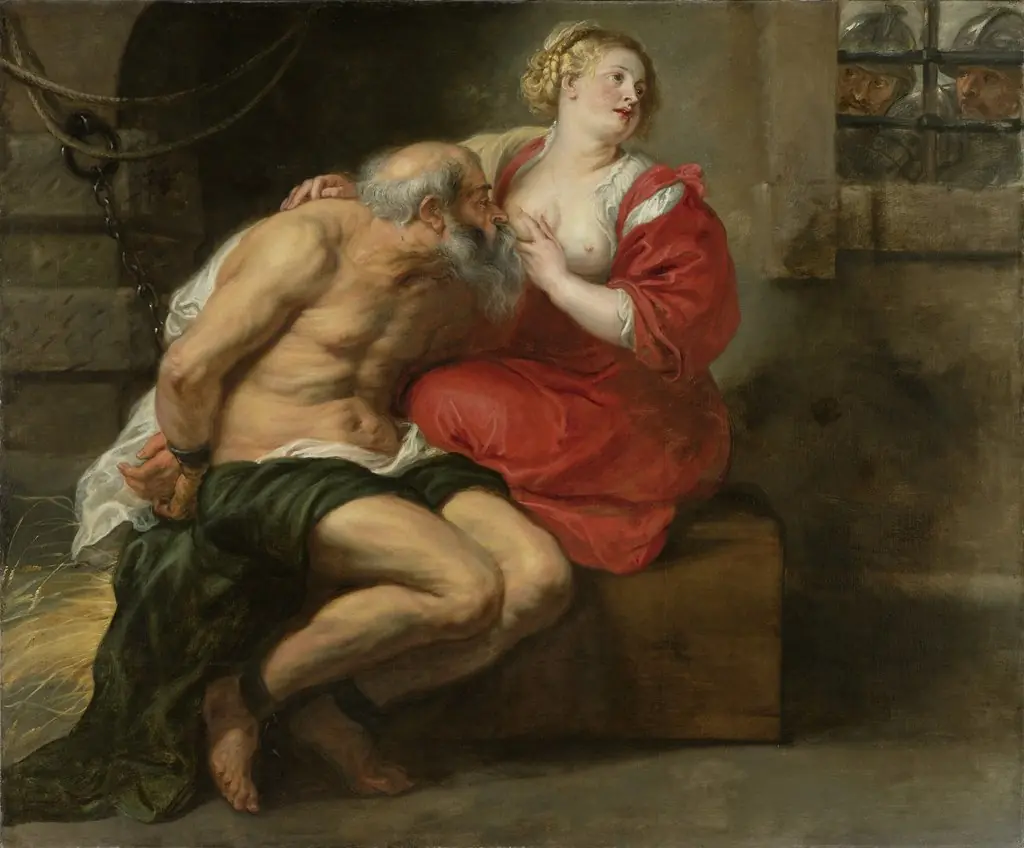
Own this work as a print
Artist & collection
Artist
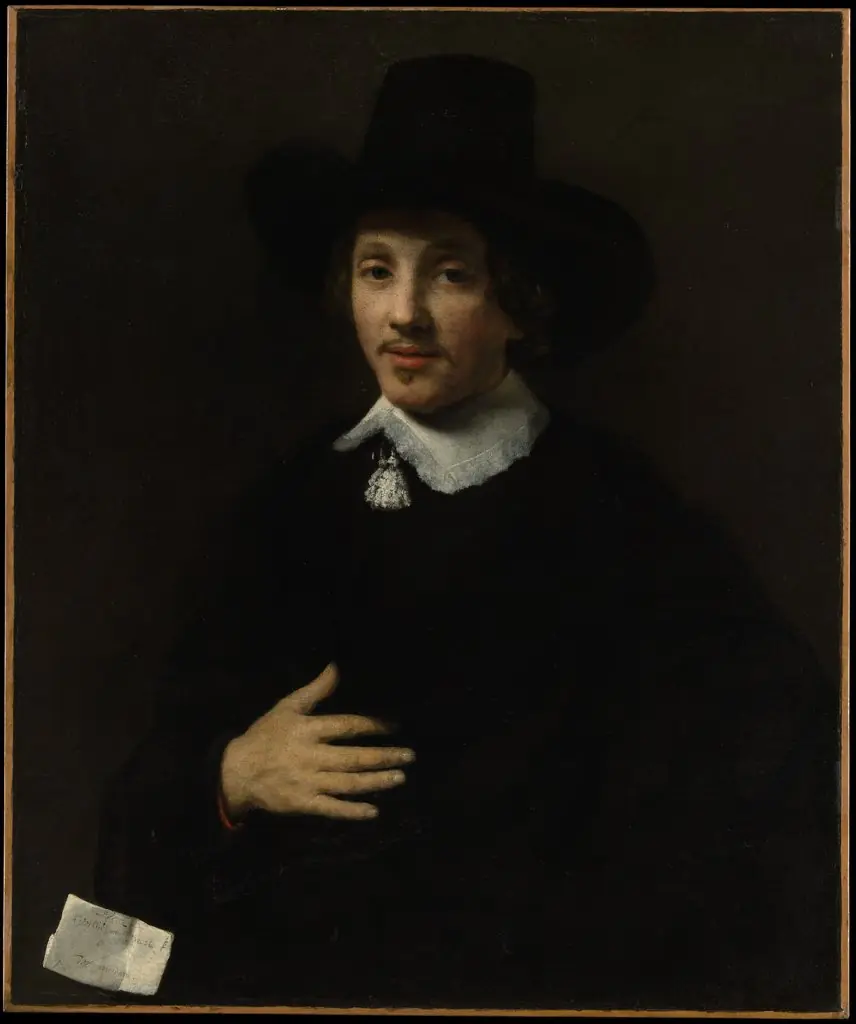
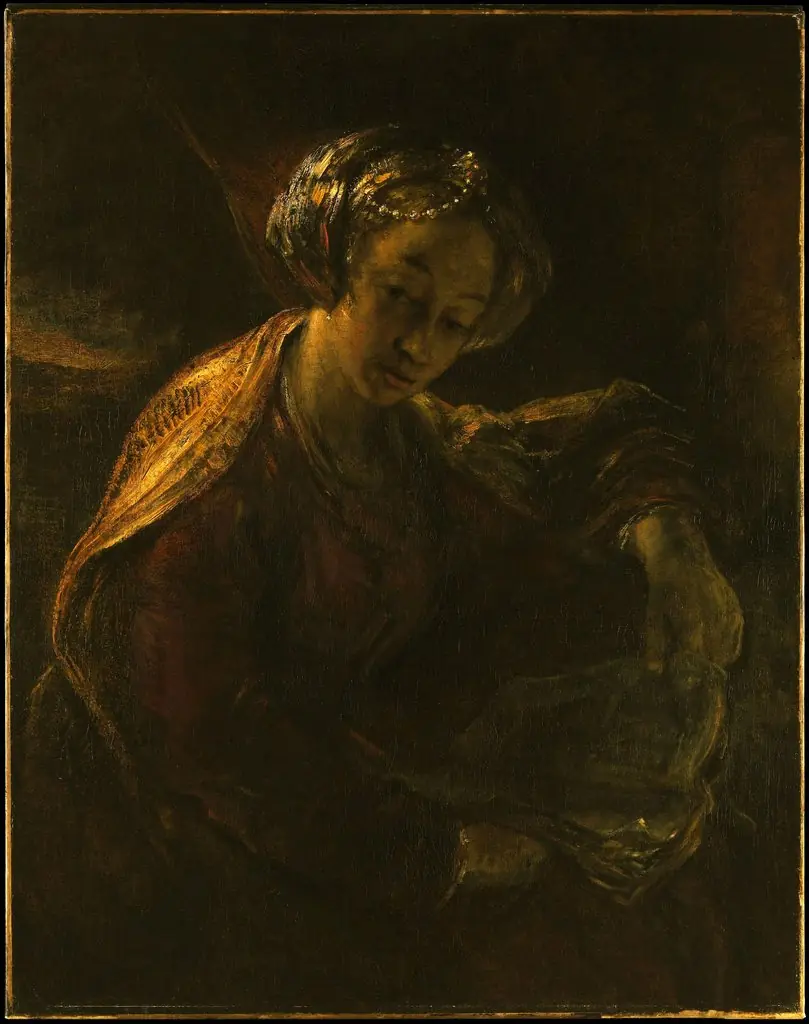
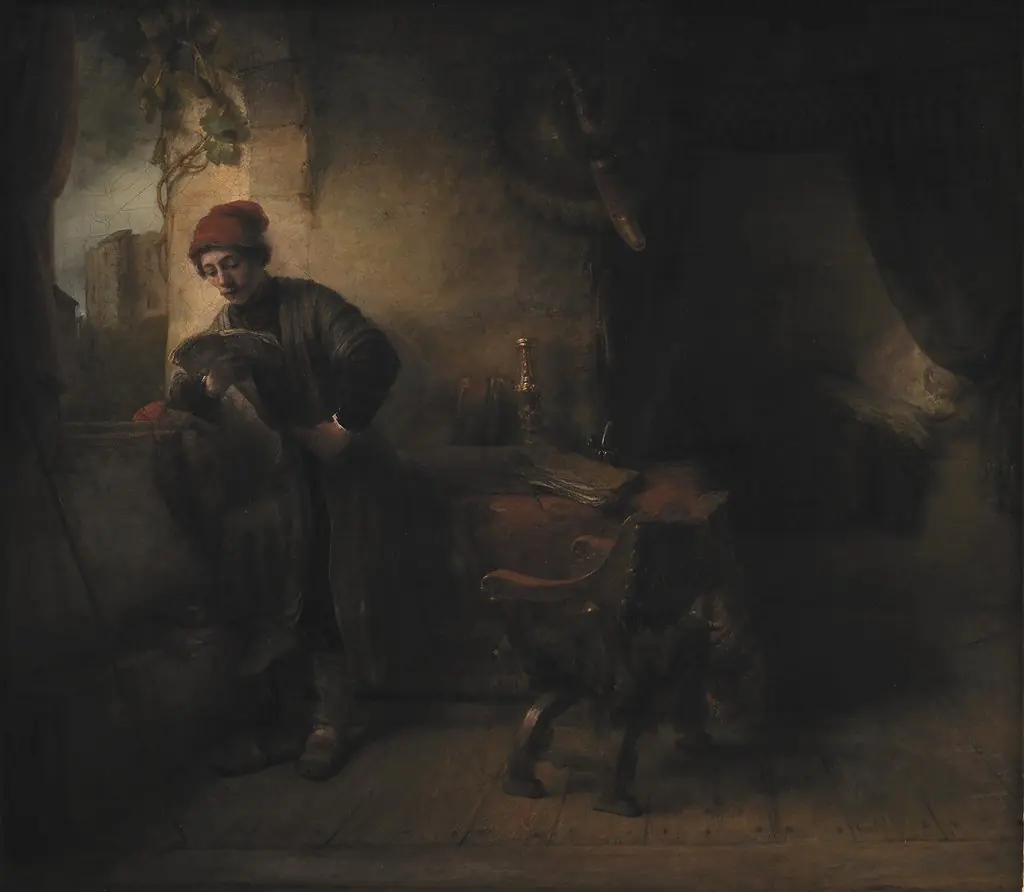
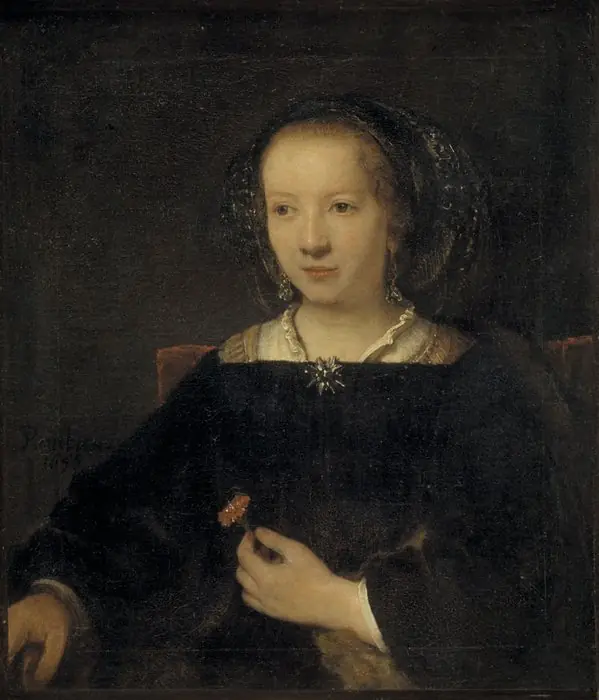
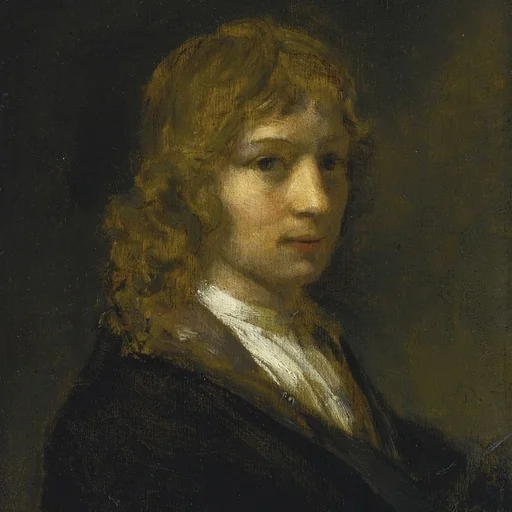
Willem Drost (baptized 19 April 1633 – buried 25 February 1659) was a Dutch Golden Age painter and printmaker of history paintings and portraits.