Artwork
Cimon and Pero
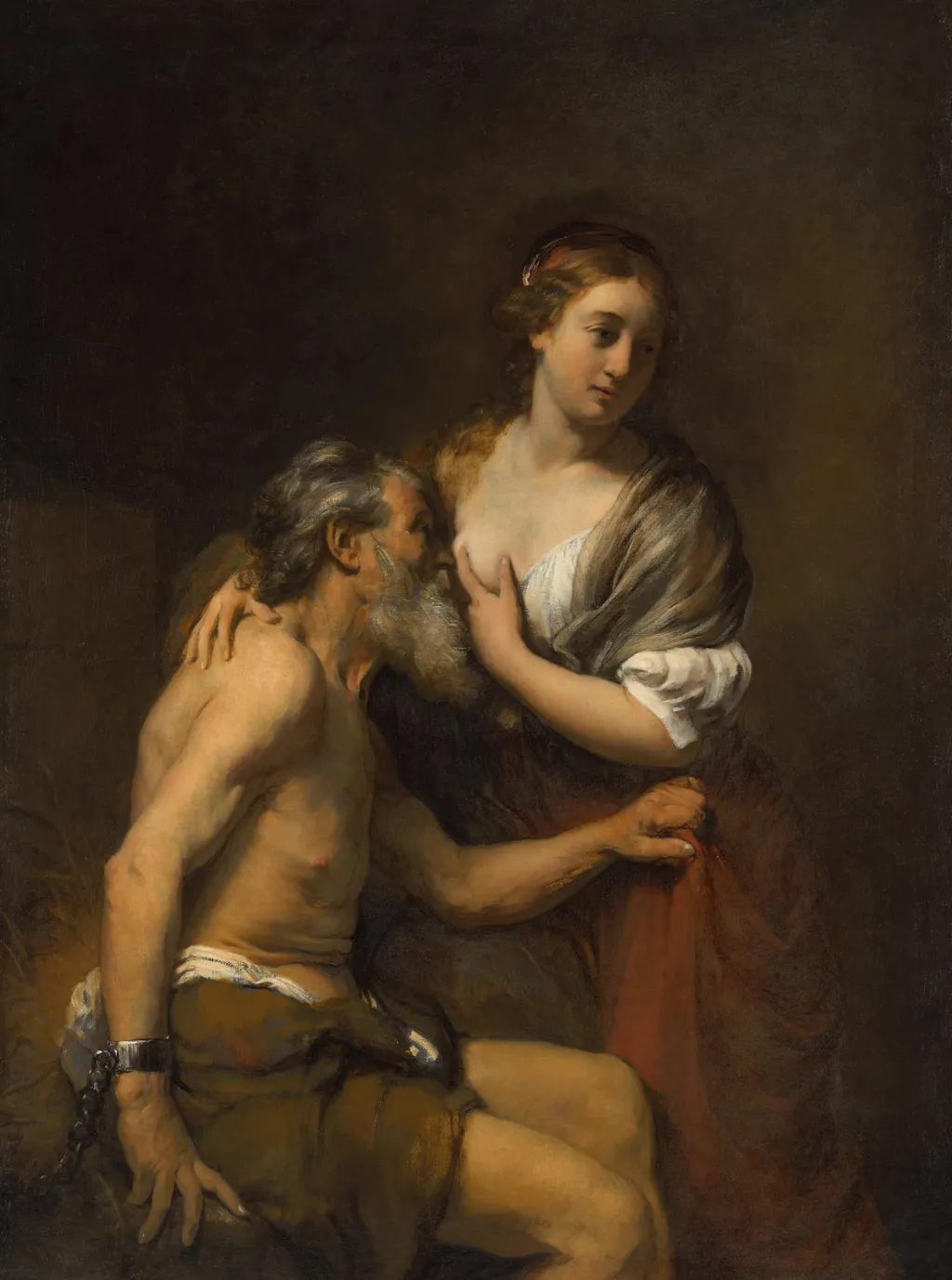
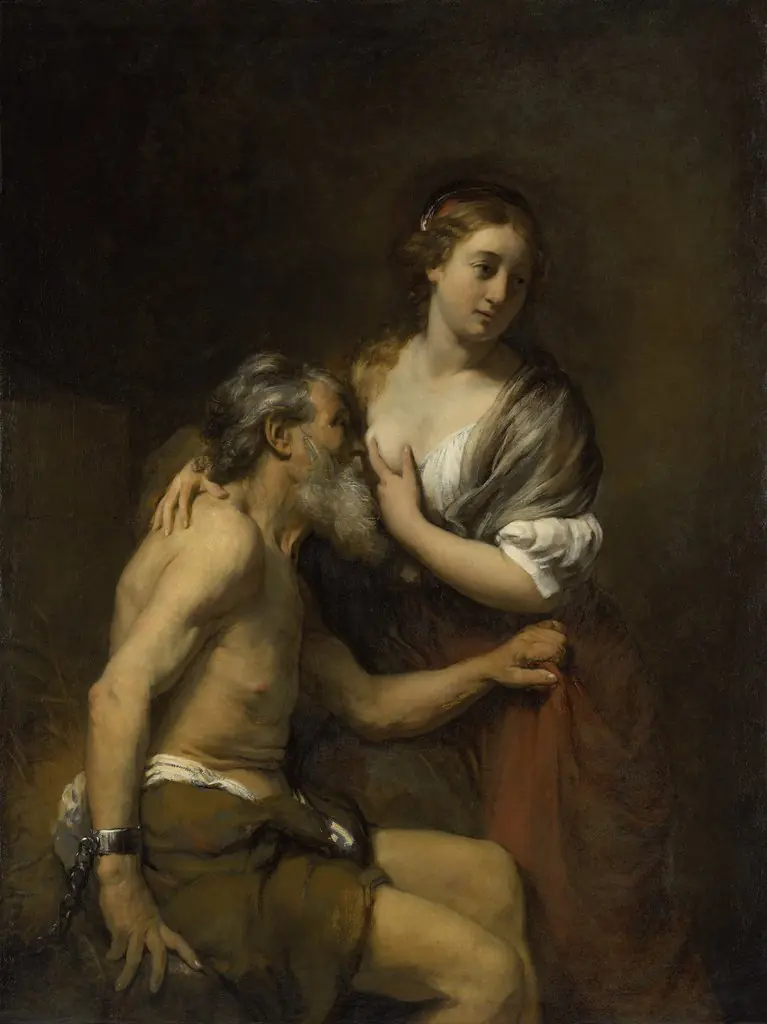
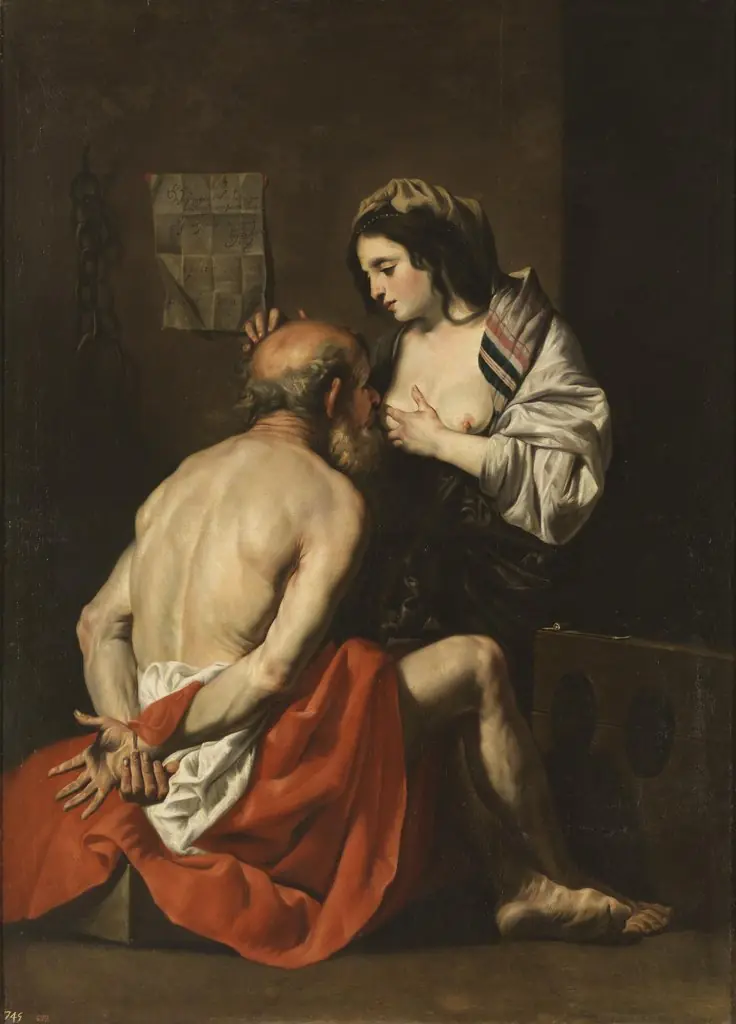
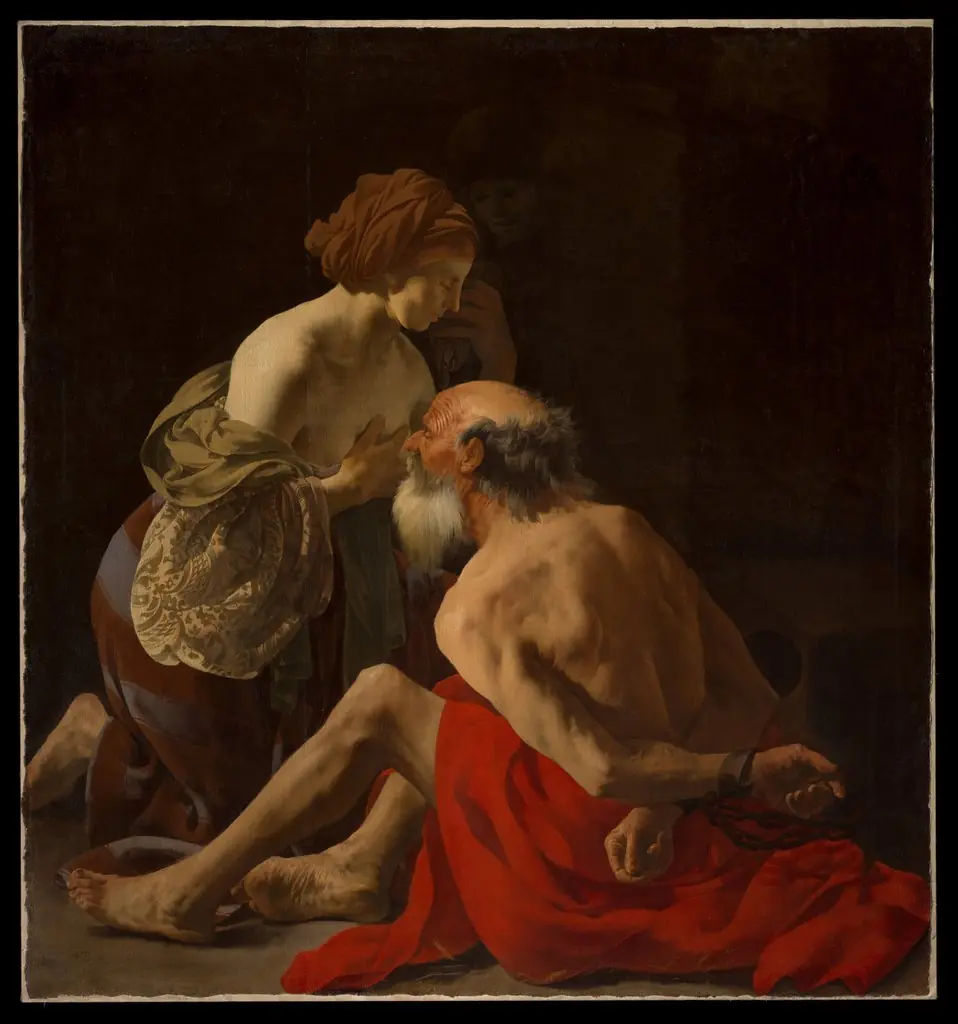
Cimon and Pero is an unspecified painting by the Baroque artist Willem Drost. It dates from 1655 and is held in the collection of the Rijksmuseum. The canvas depicts the ancient Roman tale of Pero nursing her father Cimon while he languishes in a prison cell.
About this work
History & Provenance
The painting Cimon and Pero is generally dated to about 1655–1657 and is attributed to Willem Drost, a Dutch painter active in the mid-seventeenth century.
The painting Cimon and Pero is generally dated to about 1655–1657 and is attributed to Willem Drost, a Dutch painter active in the mid-seventeenth century. Drost was closely associated with Rembrandt’s circle during the early 1650s, and the work reflects the stylistic and thematic conventions of history painting practiced by Rembrandt and his pupils. The painting entered the collection of the Rijksmuseum, Amsterdam, where it remains under the care of the Broere Charitable Foundation as part of the museum’s holdings.
Willem Drost's painting Cimon and Pero, dated to approximately 1655–1657, is held by the Rijksmuseum in Amsterdam. The work is part of the collection of the Broere Charitable Foundation, which owns the piece housed within the museum. The sources do not provide a specific inventory or accession number for this work, nor do they record any exhibition history for Cimon and Pero.
While the available documentation lists the painting's location and ownership status, it contains no details regarding past public displays or loan records for this specific composition.
Context
Cimon and Pero, painted around 1655–1657 by Willem Drost, exemplifies his mature history painting style within the Dutch Baroque tradition. As one of Rembrandt's most accomplished pupils, Drost inherited his master's emphasis on biblical and allegorical subjects, yet developed a distinct approach marked by dramatic chiaroscuro and psychologically intense compositions. The work reflects the broader scholarly reassessment of Drost's oeuvre, particularly the reattribution of several paintings previously assigned to Rembrandt to his circle.
Documented in major collections including the Rijksmuseum, the painting's provenance and scholarly discussion underscore its significance in the study of 17th-century Dutch art and the evolving understanding of artistic influence and attribution within Rembrandt's immediate circle.
Overview
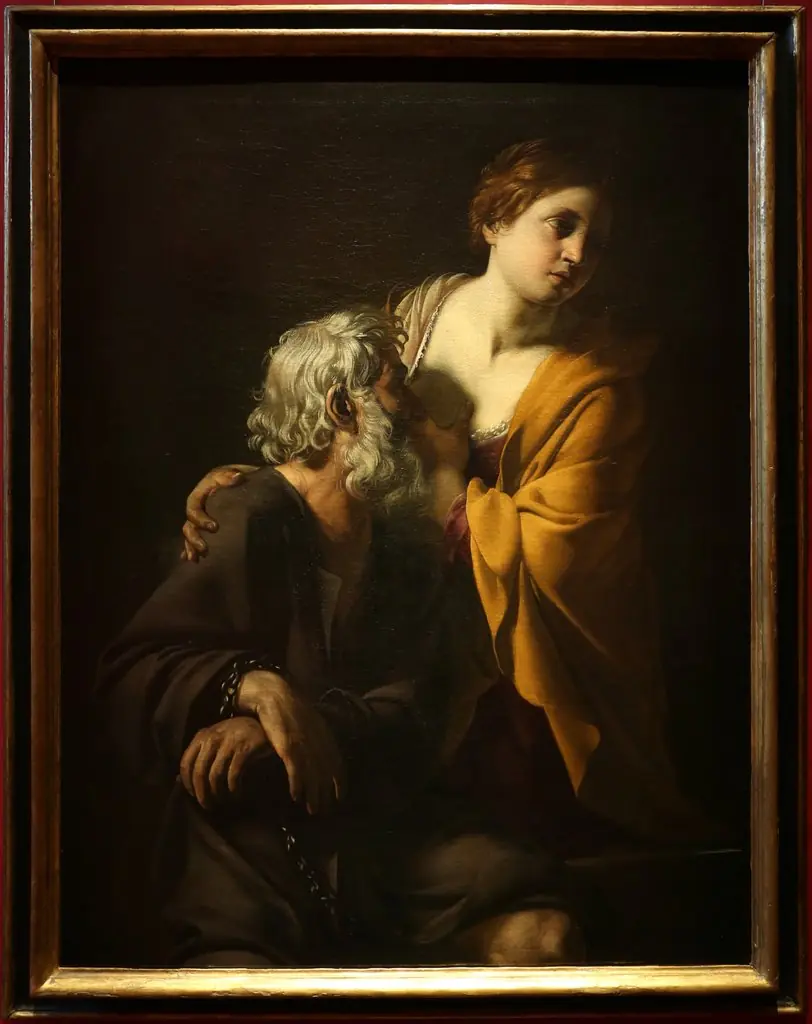
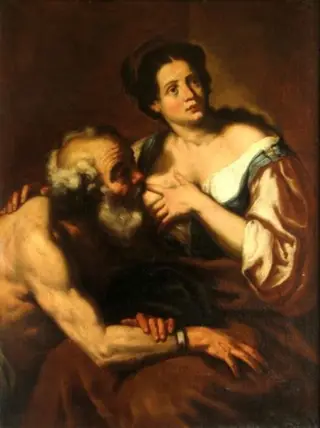
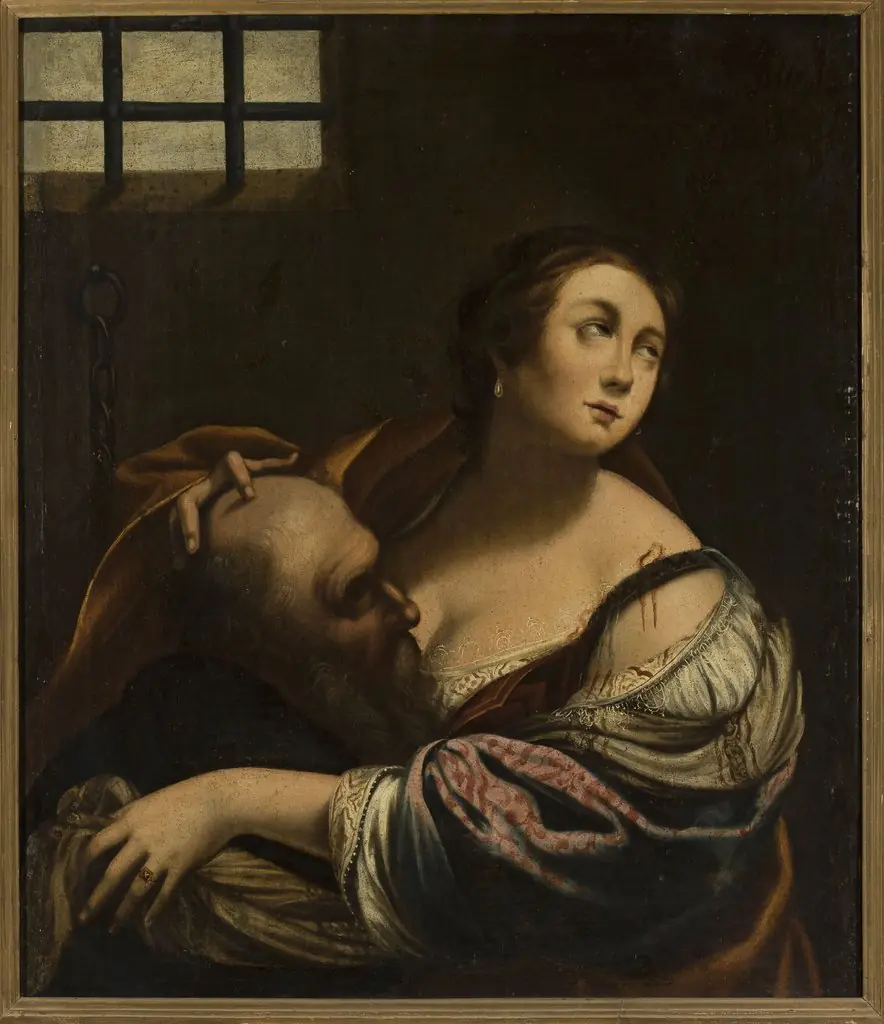
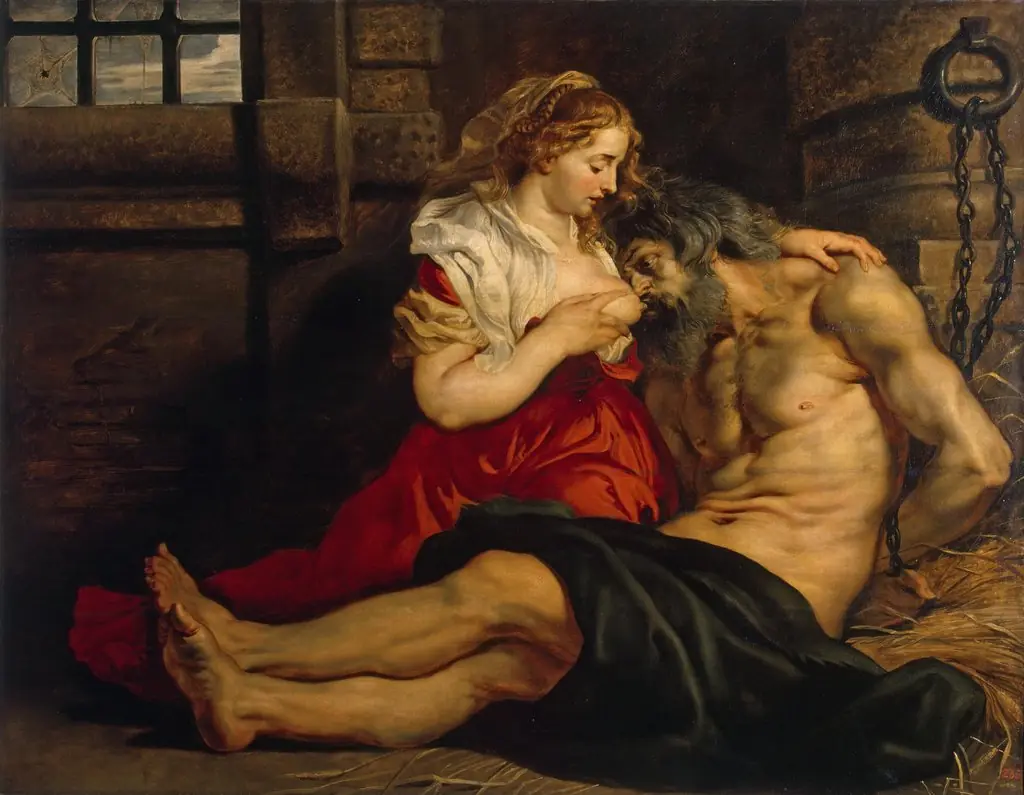
The canvas depicts the ancient Roman tale of Pero nursing her father Cimon while he languishes in a prison cell. The composition captures the moment of secret sustenance, emphasizing the intimate exchange between the two figures against a surrounding darkness. The work is attributed to Willem Drost, a brief‑lived disciple of Rembrandt, whose hand is evident in the handling of light and form.
Subject & Meaning
The narrative illustrates the ultimate act of filial devotion: Pero, defying the law, offers her own breast to prevent her father's death by starvation. This self‑sacrificial charity, drawn from Roman legend, underscores themes of compassion transcending societal constraints, and the painting renders the moral tension through the quiet intensity of the figures' interaction.
Technique & Style
Drost employs a stark chiaroscuro, allowing a single source of illumination to highlight the faces and hands while the cell recedes into deep shadow. The soft modeling of flesh and the subtle gradations of tone reflect the influence of Rembrandt’s workshop, yet the composition’s tight focus on the intimate gesture marks Drost’s personal approach to drama and emotion.
Own this work as a print
Artist & collection
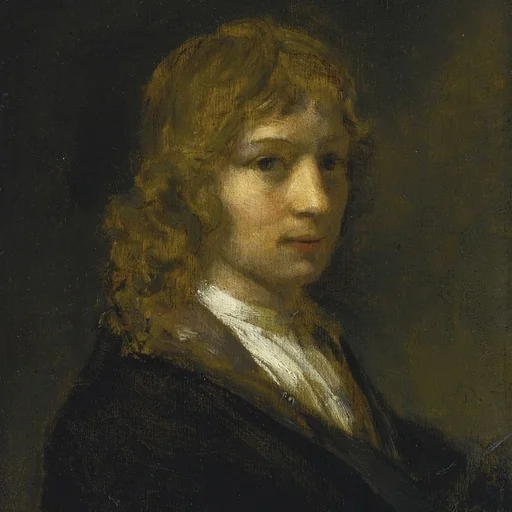
Artist
Willem Drost (baptized 19 April 1633 – buried 25 February 1659) was a Dutch Golden Age painter and printmaker of history paintings and portraits.