Artwork
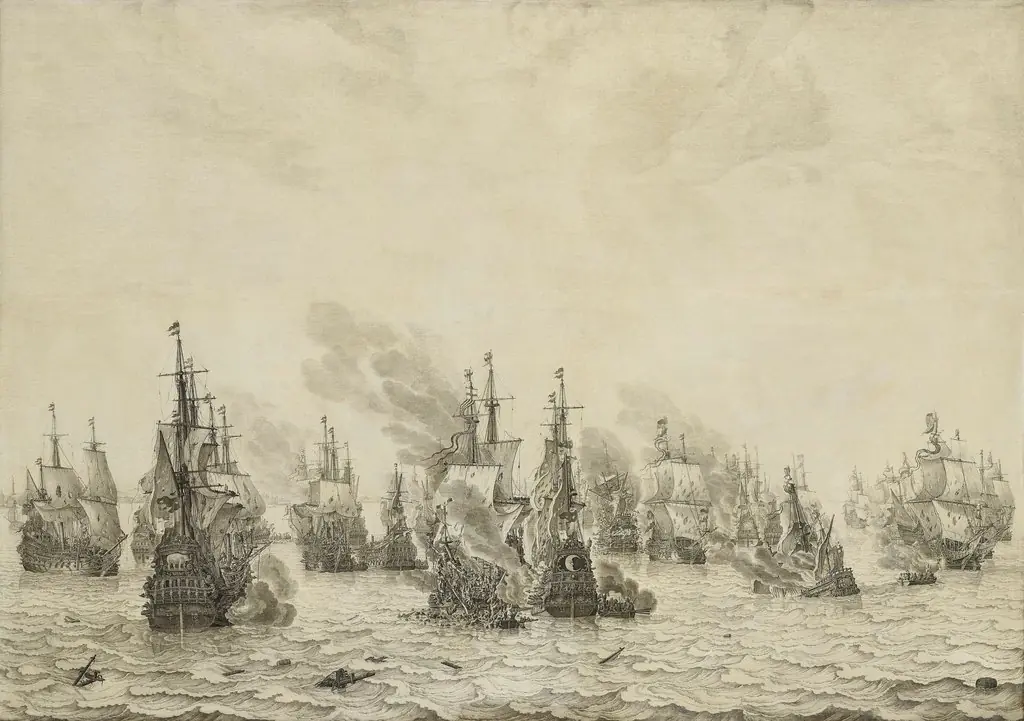
Episode from the Battle of the Sound between the Dutch and Swedish fleets, 8 November 1658
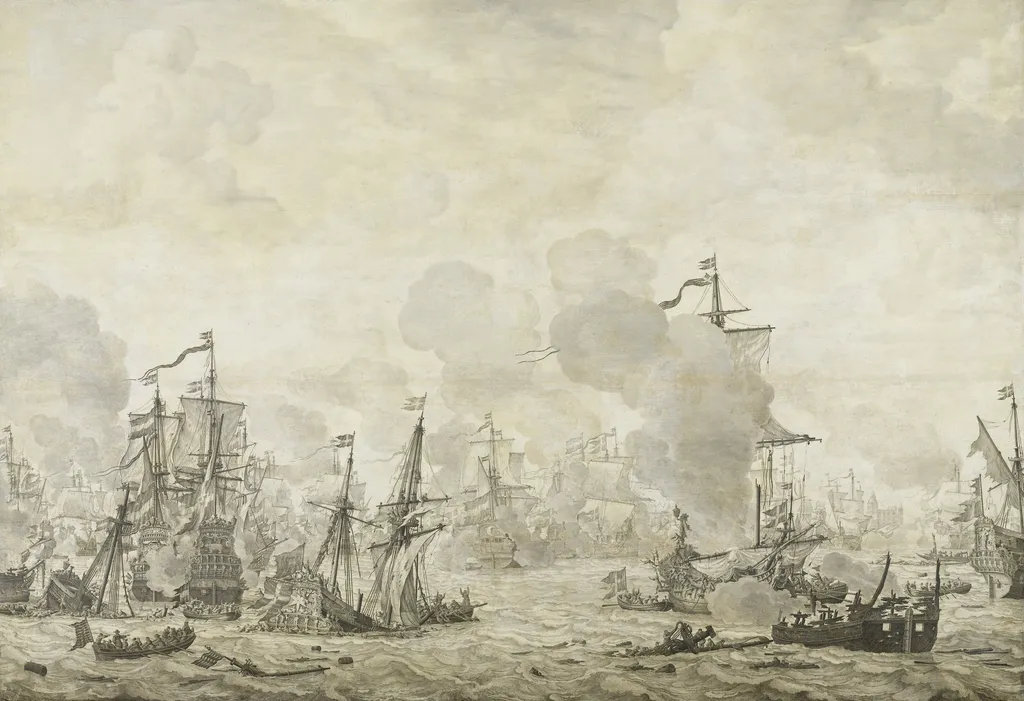
Episode from the Battle of the Sound between the Dutch and Swedish fleets, 8 November 1658 is an ink painting by the Dutch Golden Age artist Willem van de Velde the elder. It dates from 1658 and is held in the collection of the Rijksmuseum.
About this work
Subject & Meaning
The composition foregrounds the Dutch fleet in a dynamic, diagonal arrangement, with billowing smoke and splintered rigging underscoring the ferocity of battle.
The painting portrays the 8 November 1658 clash between Dutch and Swedish naval forces at the Øresund, a decisive episode in the Second Anglo-Dutch War. Van de Velde captures the chaos of cannon fire and the maneuvering of ships, emphasizing the strategic significance of the Sound as a maritime choke point. Symbolically, the work celebrates Dutch naval dominance while commemorating a key tactical victory that secured control of the Baltic trade routes.
The composition foregrounds the Dutch fleet in a dynamic, diagonal arrangement, with billowing smoke and splintered rigging underscoring the ferocity of battle. The iconography of flags and cannon smoke serves to highlight national pride and the triumph of Protestant maritime power over Swedish Catholic forces.
Technique & Style
The work is executed in ink on a wooden panel, reflecting the artist's preference for this support in his marine compositions. Willem van de Velde the Elder employs precise linear drawing and tonal gradation to convey the dynamic movement of ships and the choppy sea, while the restrained palette emphasizes clarity of form. The composition captures the intensity of the naval clash through dramatic diagonal lines and carefully rendered cloudscapes, achieving a balance between documentary accuracy and expressive atmosphere.
The painting's handling of ink demonstrates controlled brushwork, with fine hatching used to suggest rigging and wave texture. Formal elements such as perspective and spatial depth are organized to guide the viewer's eye across the battlefield, while stylistic choices highlight the disciplined realism characteristic of Dutch marine painting in the seventeenth century.
Context
Willem van de Velde the Elder painted this ink depiction of the 8 November 1658 Battle of the Sound, documenting a pivotal Dutch-Swedish naval clash that secured regional dominance. Executed shortly after the engagement, the work exemplifies his specialized genre of history painting, blending meticulous maritime detail with contemporary Dutch Golden Age interest in naval power. Its immediate creation following the battle reflects the era's practice of recording significant events for public and political resonance.
The painting is part of the Rijksmuseum and Amsterdam Museum collections, underscoring its institutional recognition within Dutch cultural heritage.
Scholarship emphasizes its role in advancing realistic marine art, with critics noting its technical precision and historical immediacy as hallmarks of van de Velde's contribution to 17th-century Dutch art. The work remains a key reference for understanding how Dutch artists documented and interpreted contemporary military events through specialized historical painting.
The painting's placement within art history highlights its significance as a rare example of early Dutch naval historical painting, influencing later maritime artists and solidifying van de Velde's reputation as a pioneer in documenting naval warfare.
Overview
Willem van de Velde the Elder rendered a detailed ink drawing of the naval clash that occurred on 8 November 1658 between Dutch and Swedish fleets. Executed the same year as the engagement, the work belongs to the Dutch Golden Age and is part of the Rijksmuseum’s collection.
History & Provenance
Created in 1658, the drawing remained in the Netherlands and eventually entered the Rijksmuseum’s holdings, where it is displayed among other works documenting Dutch seafaring and military history.
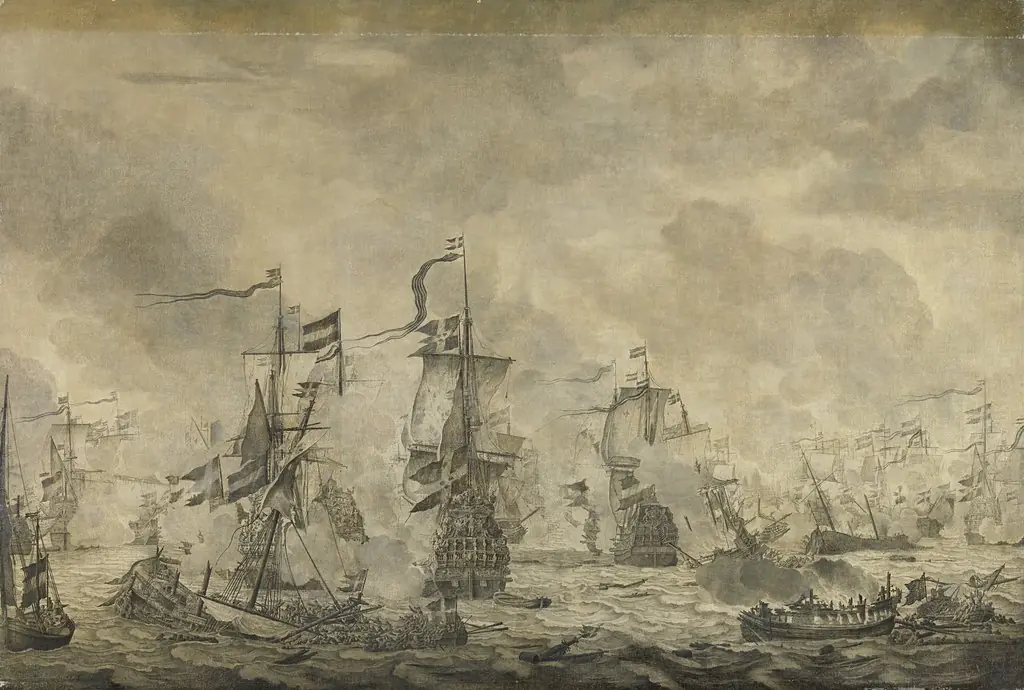
Own this work as a print
Artist & collection

Artist
Willem van de Velde the Elder (1610/11 – 13 December 1693) was a Dutch Golden Age seascape painter, who produced many precise drawings of ships and ink paintings of fleets, but later learned to use oil paints like his son.

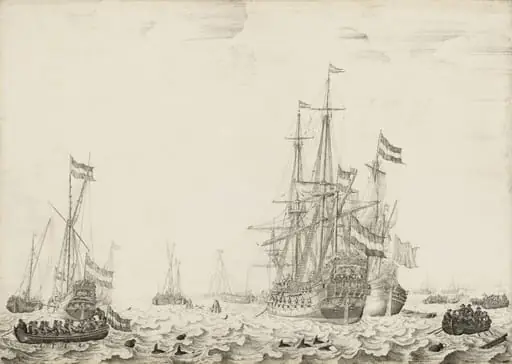 Dutch Ships near the Coast
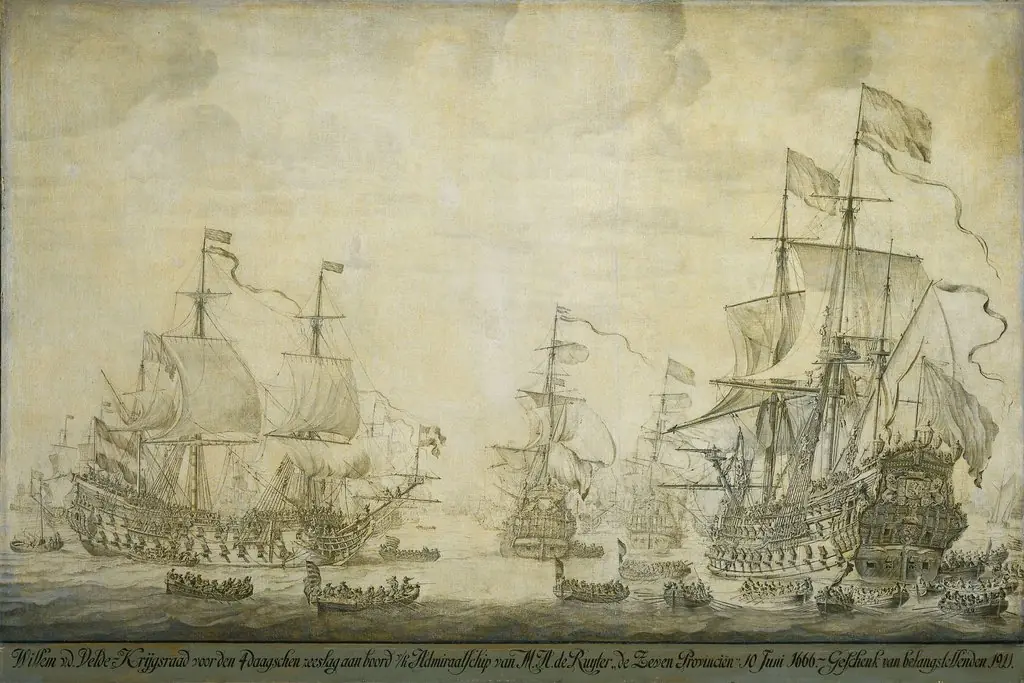 "Council of War aboard 'The Seven Provinces' the Flagship of Michiel Adriaensz de Ruyter, 10 June 1666, preceding the Four Days' Battle
 The Batlle of Livorno, 14 March 1653: episode from the First Anglo-Dutch War (1652-54)
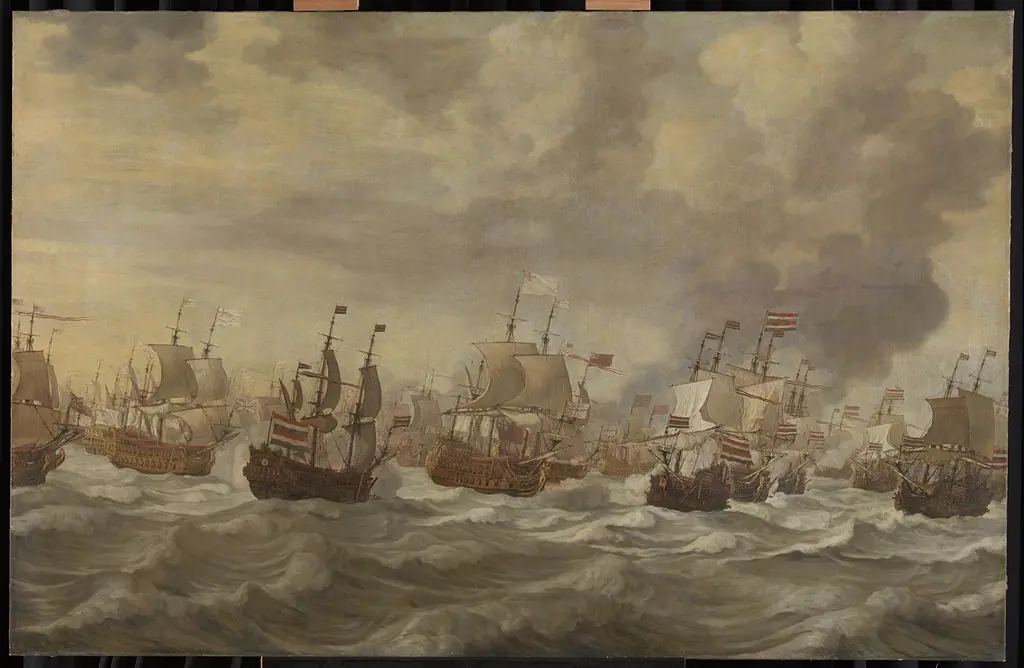 Episode from the Four Day Battle at Sea, 11-14 June 1666, in the second Anglo-Dutch War (1665-67)
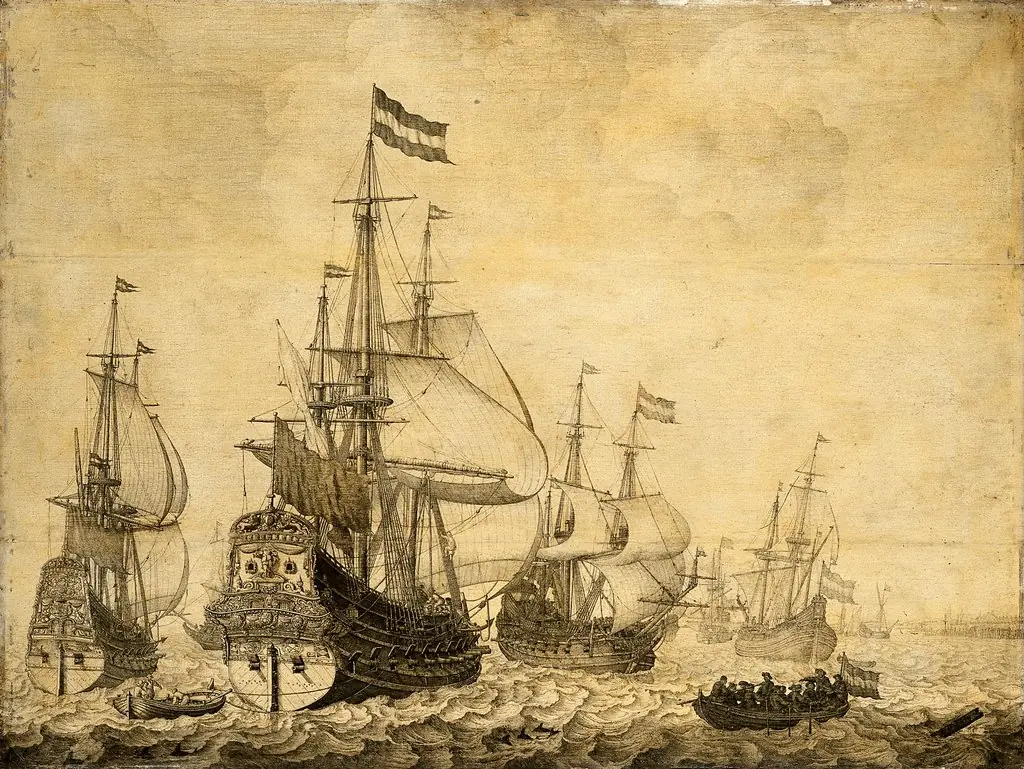 Seascape with Dutch men-of-war
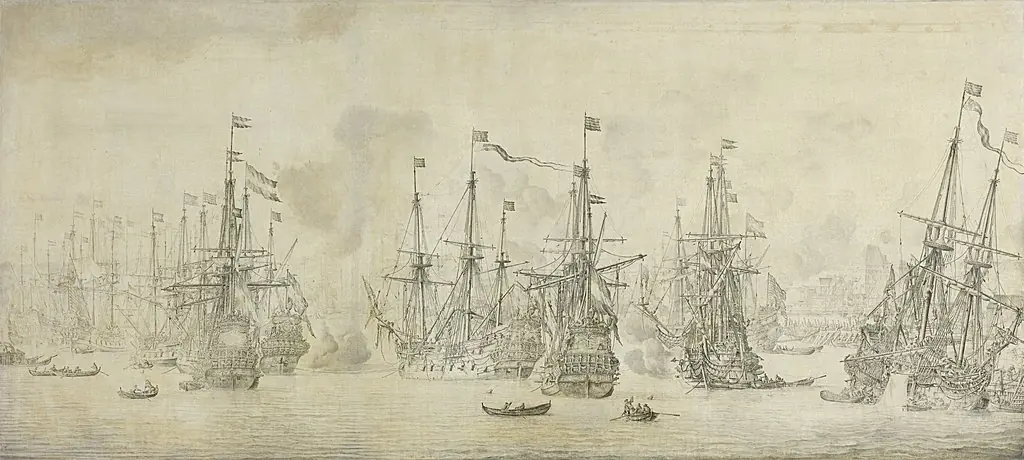 The unsuccessful English attack against the returning Dutch fleet in the harbor of Bergen, Norway, 12 August 1665: episode from the Second Anglo-Dutch War (1665-67)
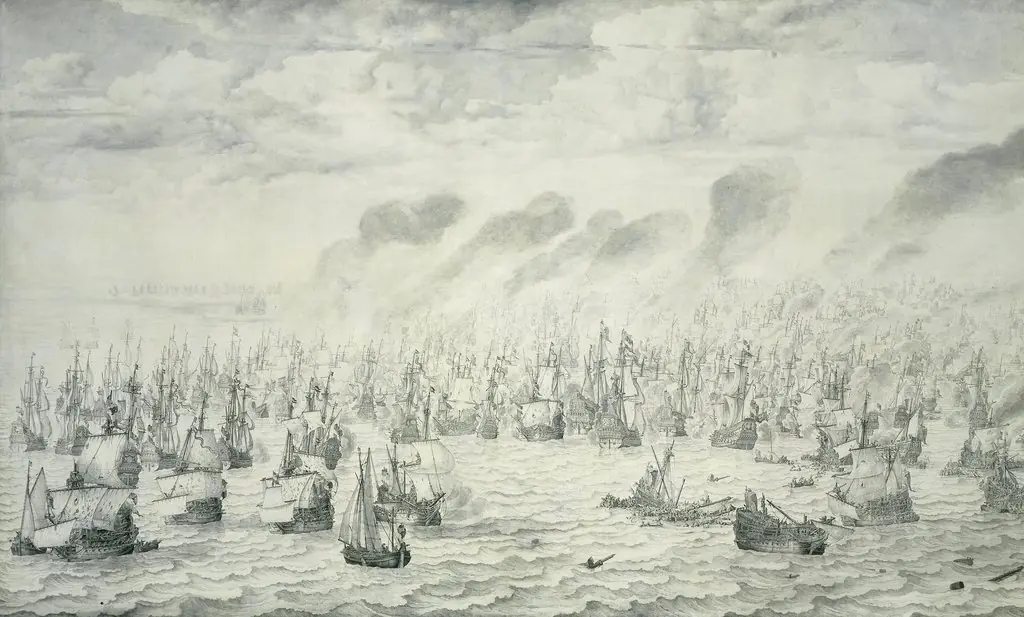 The Battle of Terheide
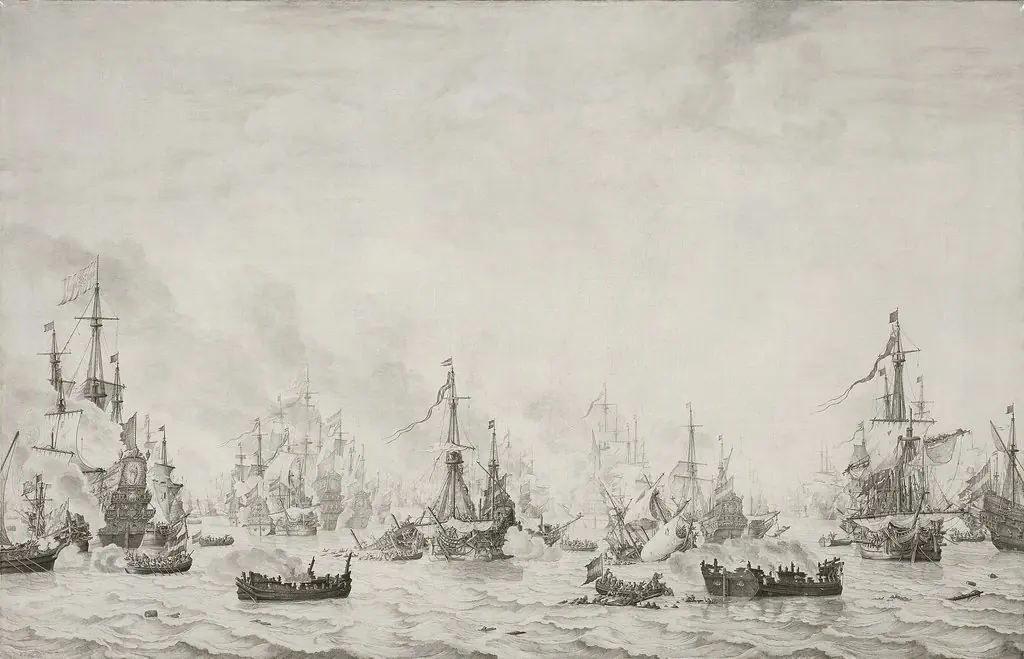 The Battle of the Downs
- Episode from the Battle of the Sound between the Dutch and the Swedish fleets, 8 November 1658
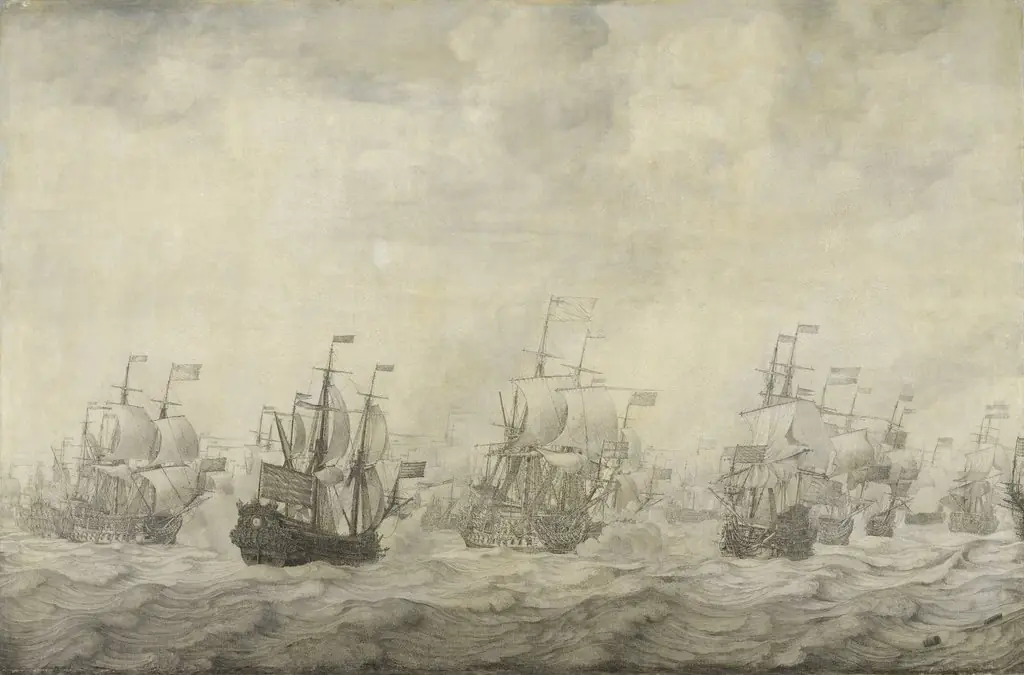 Episode from the Four Days Battle at Sea, 11-14 June 1666, in the Second Anglo-Dutch War (1665-67)
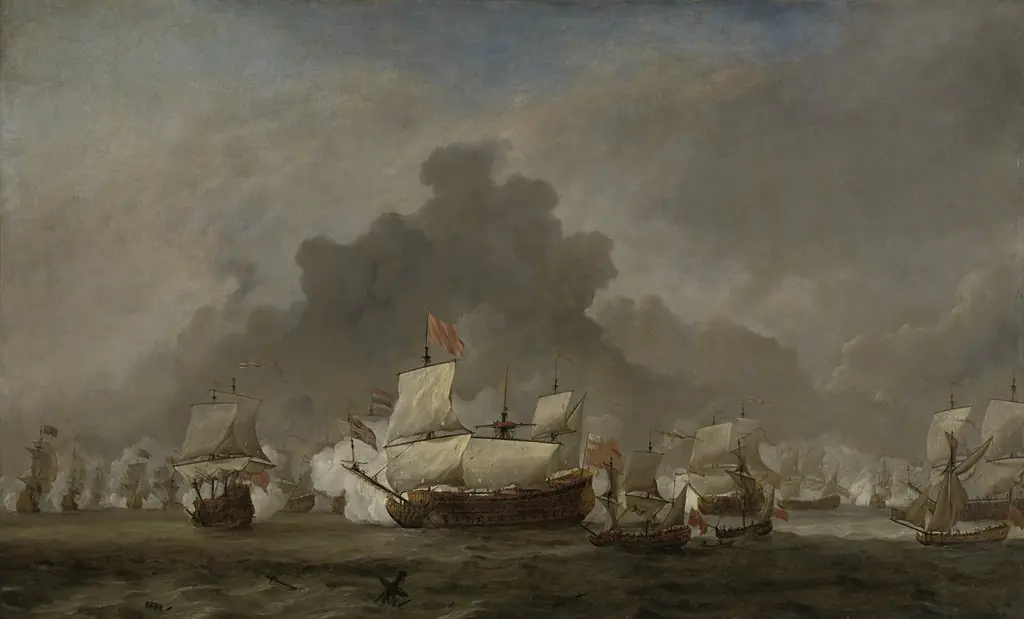 The skirmish of Michiel Adriaensz de Ruyter against the duke of York, commanding the 'Royal Prince'during the Battle of Solebay, 7 June 1672: episode from the Third Anglo-Dutch War (1672-74)
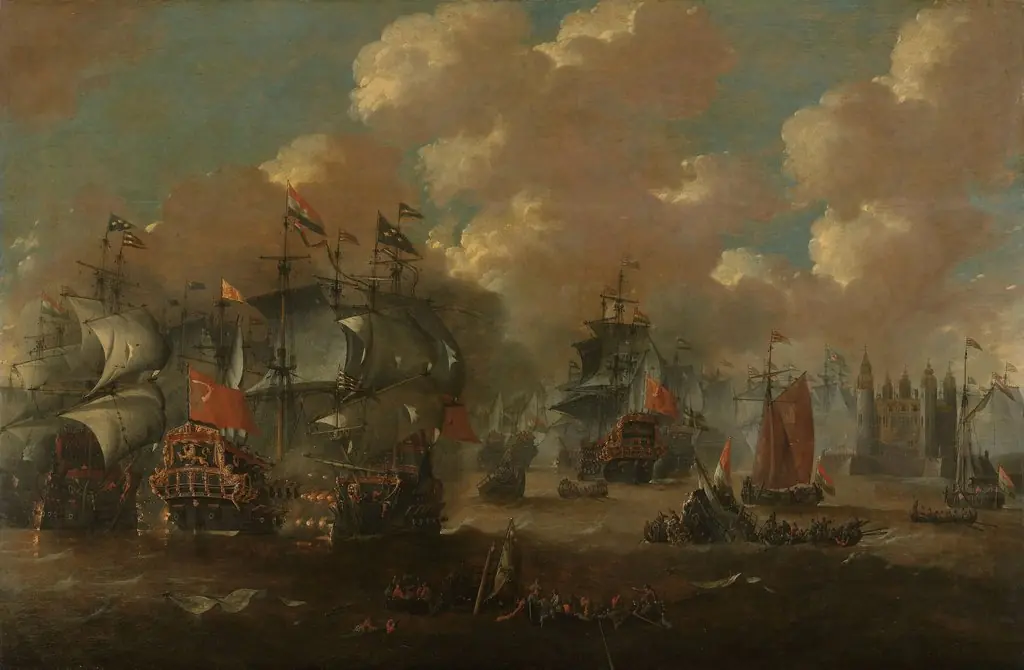 Naval battle near Elseneur in the Sound between the Dutch and the Swedish fleets, 8 November 1658
 Battle between the Dutch and Swedish Fleets, in the Sound, 8 November 1658
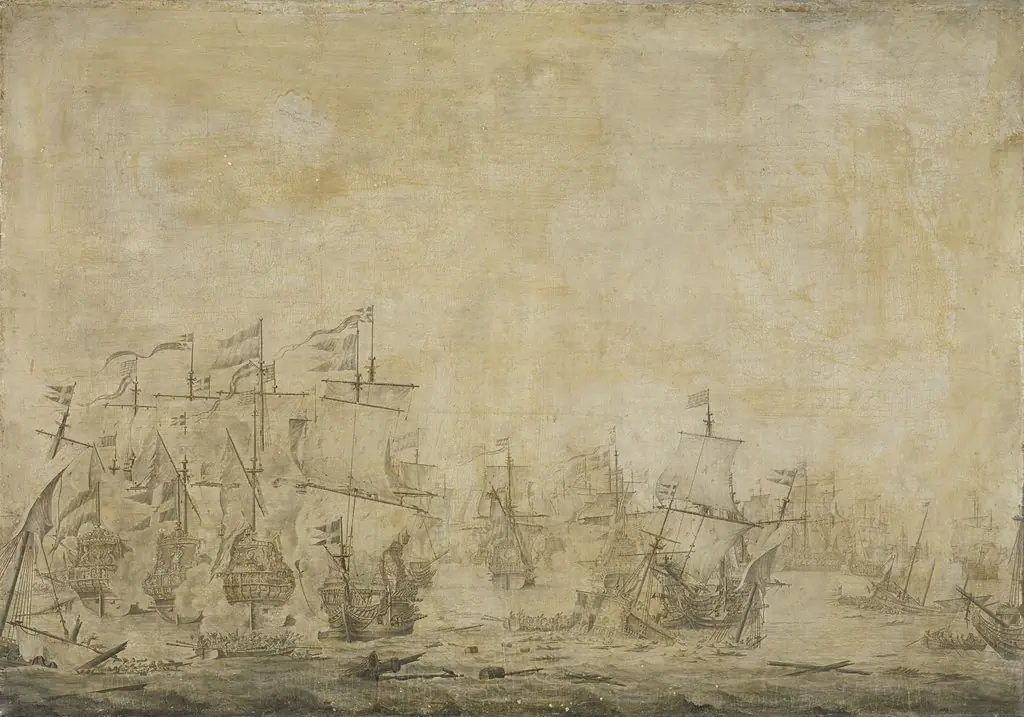 Episode from the Battle of the Sound between the Dutch and Swedish fleets, 8 November 1658
 The Battle of the Zuider Zee, 1573
 The Encounter of the Dutch and the English Fleet during the Voyage of the Dutch Flotilla to Boulogne, 1805
 Encounter between the English and the Dutch Fleets at La Hogue 29th May 1692
 Encounter between the English and the Dutch Fleets at La Hogue 29th May 1692