Artwork
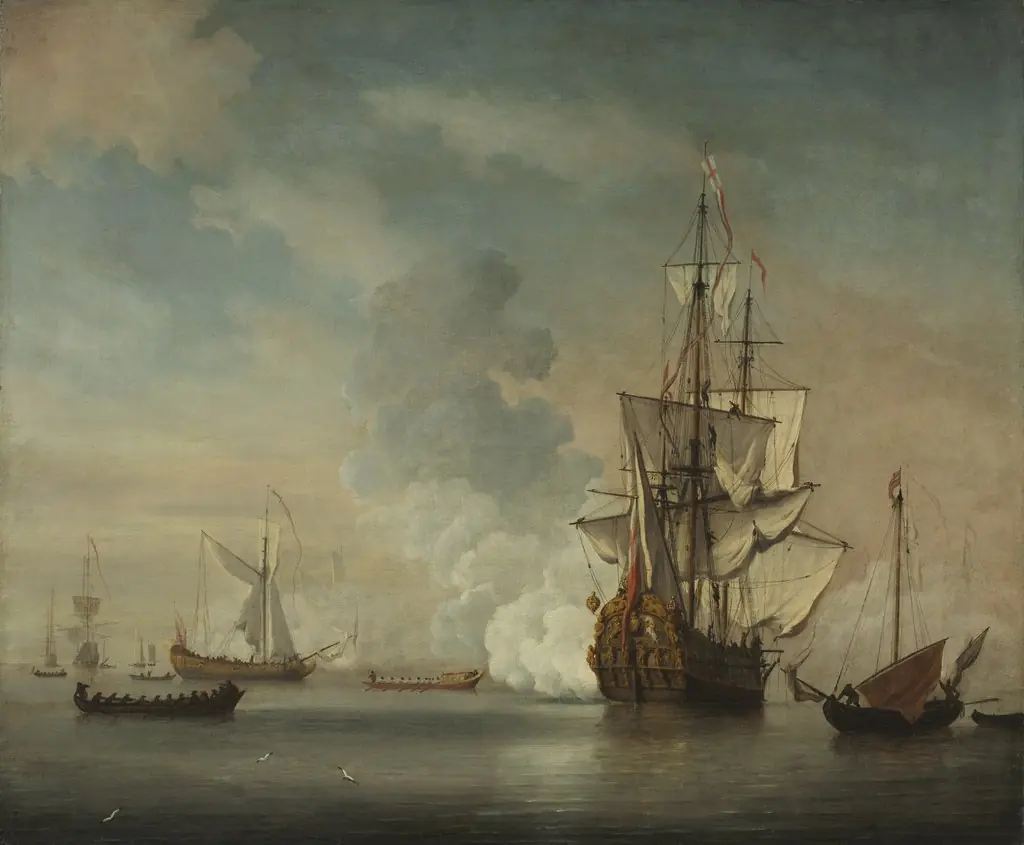
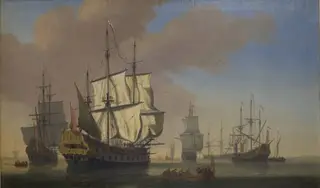
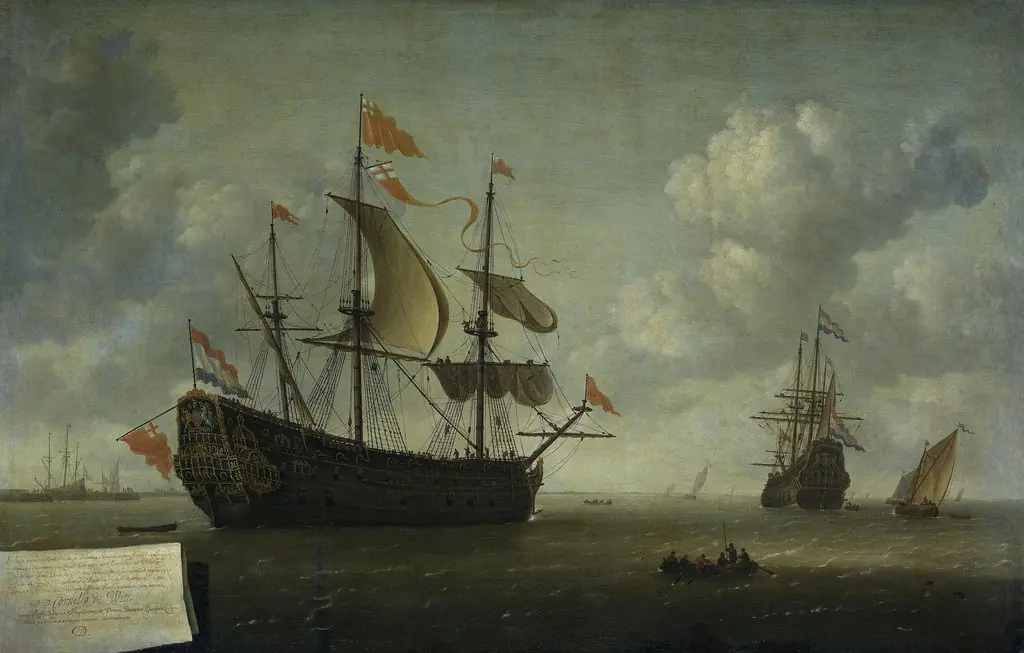
Captured English Ships after the Four Days’ Battle
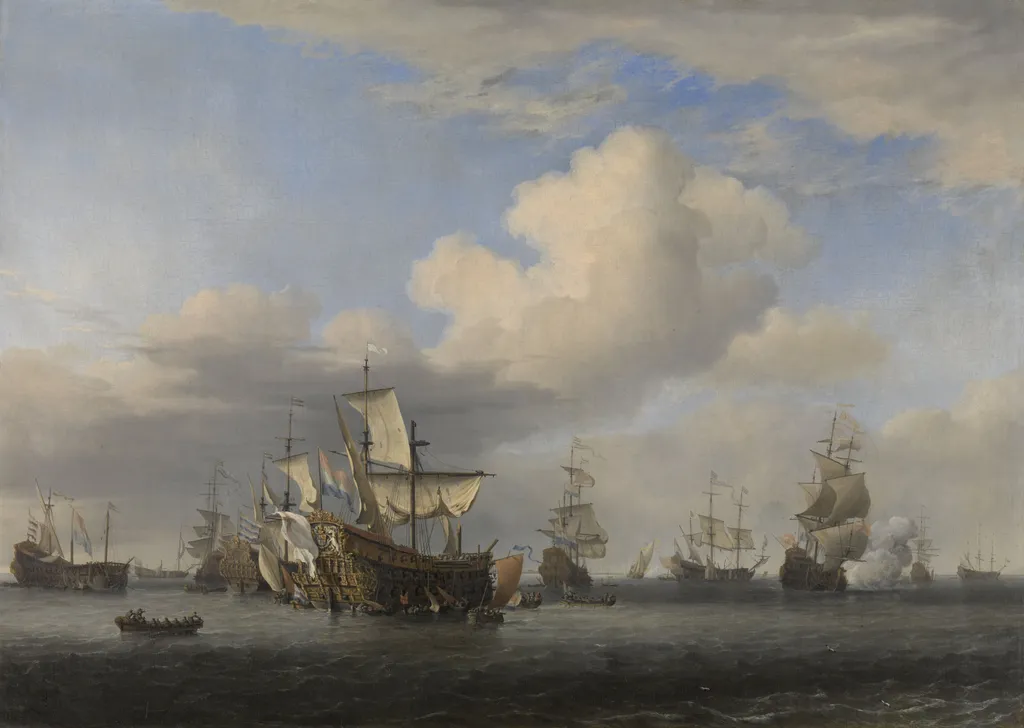
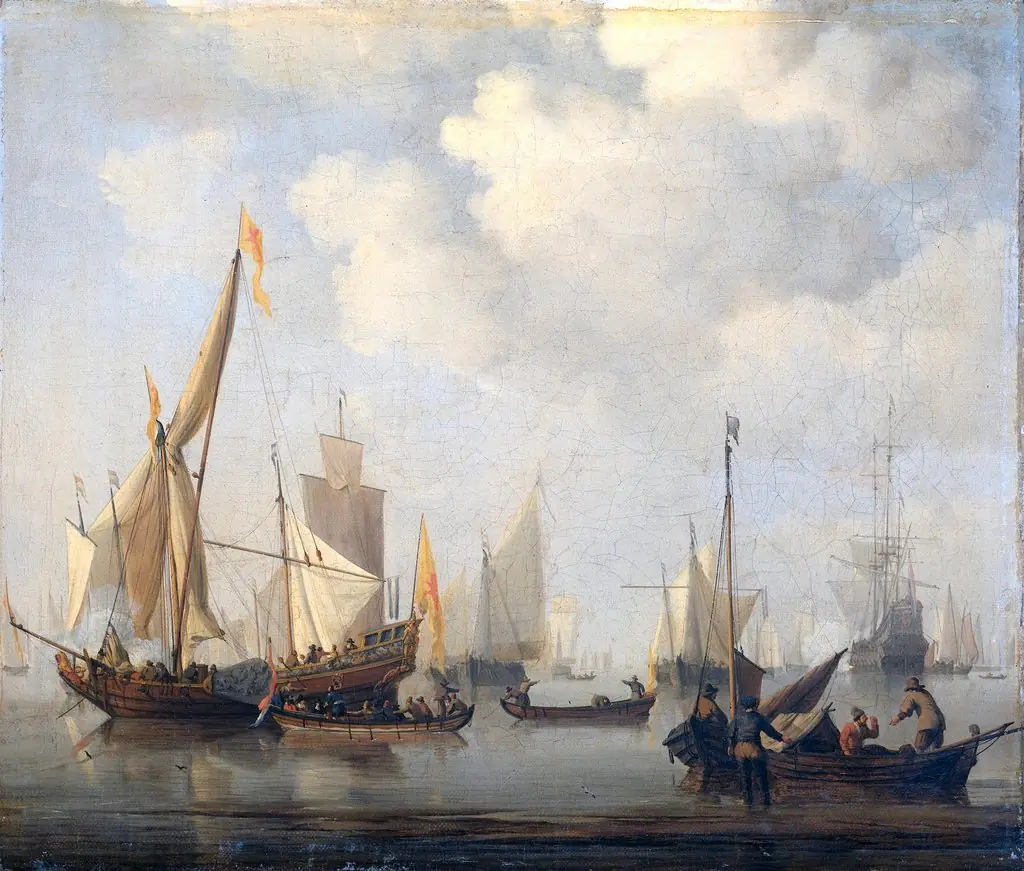
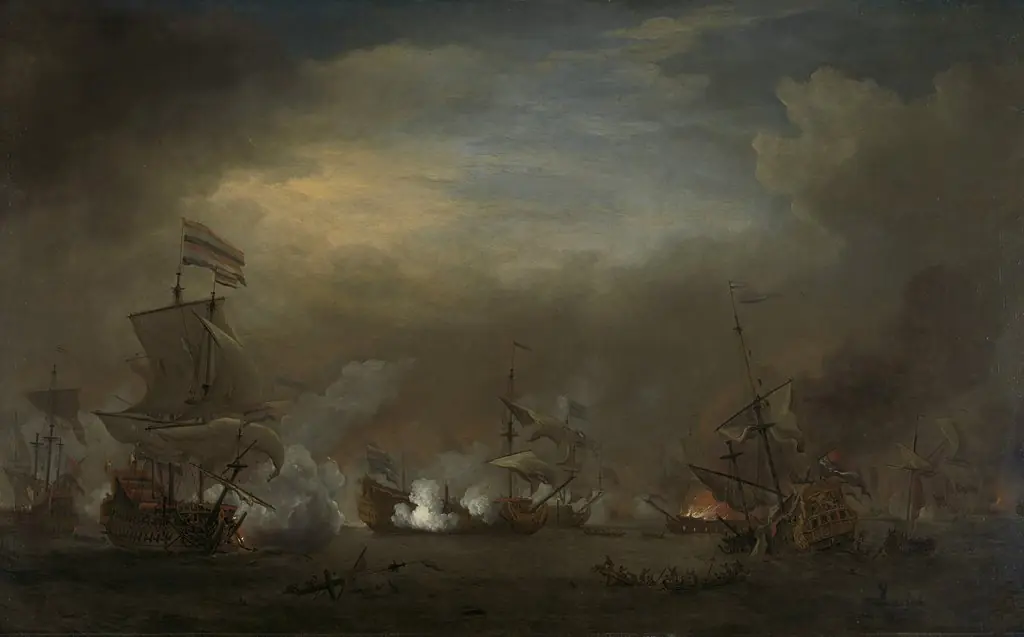
Captured English Ships after the Four Days’ Battle is an oil painting by the Dutch Golden Age artist Willem van de Velde the Younger. It dates from 1666 and is held in the collection of the Rijksmuseum.
About this work
Subject & Meaning
The composition centers on the seized ships, highlighting the outcome of the battle through the representation of these defeated vessels.
This marine painting depicts the aftermath of the Four Days' Battle, specifically focusing on English ships that have been captured. Created in 1666, the work serves as a historical record of the naval conflict, illustrating the vessels involved in the engagement. The composition centers on the seized ships, highlighting the outcome of the battle through the representation of these defeated vessels.
As a piece of marine art, it functions as a visual document of the event, emphasizing the tangible results of the naval warfare through the depiction of the captured fleet.
Technique & Style
The work is an oil painting executed on canvas, measuring 58 cm by 81 cm, depicting the English fleet captured during the Four Days' Battle. Van de Velde renders the ships with meticulous detail and a dramatic chiaroscuro that emphasizes the tension of naval combat, characteristic of Dutch marine history painting in the mid‑17th century.
The composition balances precise anatomical accuracy of rigging and hull form with a luminous atmospheric perspective, while the handling of brushwork conveys both the immediacy of the sea and the formal grandeur of the scene.
Condition reports indicate stable pigment layers without significant craquelure, and the canvas remains taut, preserving the original handling characteristics of the period.
History & Provenance
The painting was created in 1666 by Willem van de Velde the Younger, depicting a naval engagement that occurred during the Second Anglo-Dutch War. It was commissioned by Gerrit van der Pot, who owned the work before it entered the collection of the Rijksmuseum, where it remains today. The artwork measures 81 cm in width and 58 cm in height and is executed in oil paint on canvas.
Its creation reflects the marine art tradition of the period and captures a specific historical moment known as the Four Days' Battle. The piece was produced in the Netherlands and later acquired by the Rijksmuseum, establishing a clear chain of ownership from its original patron to the institution that now preserves it.
The painting is held in the collection of the Rijksmuseum, as recorded in its Wikidata entry. It is associated with provenance through Gerrit van der Pot, who is listed as a former owner. The work is catalogued as an oil painting on canvas, measuring 58 by 81 cm, and dates to 1666.
No specific inventory or accession number is documented in the available sources, and no exhibition history is recorded.
Legacy
The painting shaped marine art through its dramatic portrayal of naval combat and influenced later Dutch ship painters. Its depiction of the Four Days' Battle informed subsequent historical interpretations of the conflict. The work is held in the Rijksmuseum collection and remains a reference for maritime historiography.
Overview
Willem van de Velde the Younger painted Captured English Ships after the Four Days’ Battle in 1666. The oil work records the immediate aftermath of the 1666 Four Days’ Battle, a large‑scale clash between the Dutch and English navies during the Second Anglo‑Dutch War. It is part of the Dutch Golden Age corpus and is presently owned by the Rijksmuseum in Amsterdam.
Own this work as a print
Artist & collection
Artist
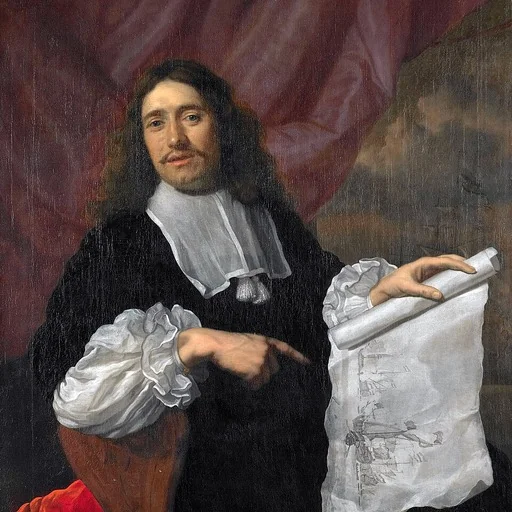
Willem van de Velde the Younger
Willem van de Velde the Younger (18 December 1633 (baptised) – 6 April 1707) was a Dutch painter who specialised in marine art.