Artwork
The Four Day's Battle, 11-14 June 1666
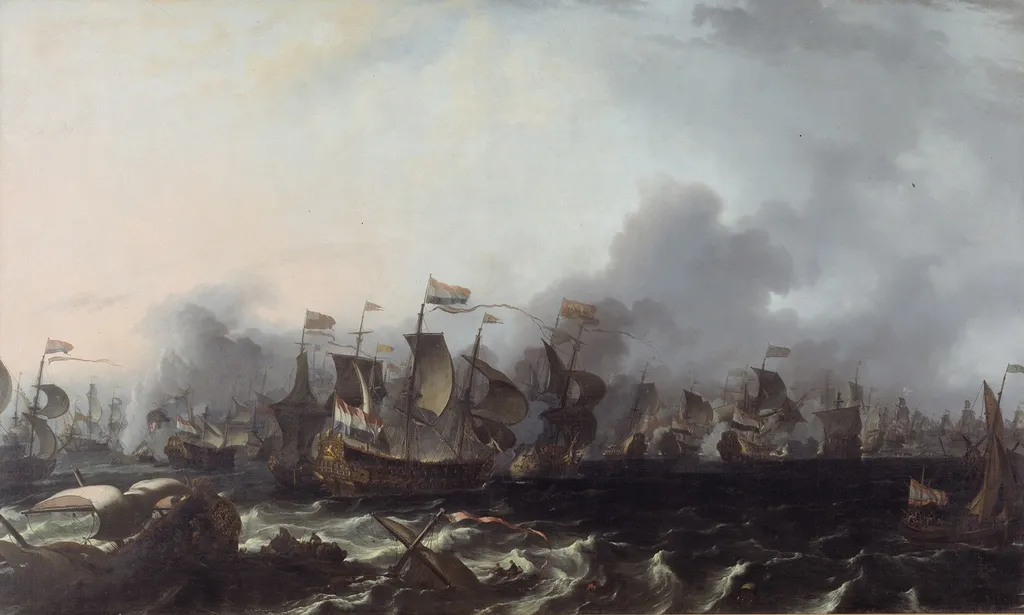
The Four Day's Battle, 11-14 June 1666 is an oil painting by the Dutch Golden Age artist Ludolf Bakhuizen. It dates from 1694 and is held in the collection of the Statens Museum for Kunst.
About this work
Technique & Style
The composition balances dynamic diagonal forces with a clear spatial recession, reflecting the Baroque emphasis on realism and narrative clarity.
The painting was executed in oil paint on canvas, a medium typical for Dutch marine and history paintings of the late 17th century. Bakhuizen applied the oil medium with a fine, descriptive brush to render the dramatic naval engagement, emphasizing the movement of ships and the texture of sea spray. The canvas support was stretched and primed to provide a smooth surface for the layered glazes that build depth in the sky and water.
Over time, the surface has retained its original gloss but shows minor craquelure in the darker tonality of the rigging, indicating stable handling without significant structural compromise. The composition balances dynamic diagonal forces with a clear spatial recession, reflecting the Baroque emphasis on realism and narrative clarity.
History & Provenance
The painting was created in 1687 by Ludolf Bakhuizen, as indicated by the date inscribed on the work and corroborated by the Statens Museum for Kunst record.
It entered the collection of the Statens Museum for Kunst in Denmark, where it remains held. The museum’s records classify the work as a history painting depicting the Four Days' Battle, aligning with the internal documentation of the piece’s subject and Bakhuizen’s authorship.
Overview
Ludolf Bakhuizen’s oil on canvas, titled The Four Days’ Battle, 11–14 June 1666, was completed in 1694. It portrays a naval engagement from the Second Anglo‑Dutch War, rendered in the Dutch Golden Age’s history‑painting mode. The work exemplifies Bakhuizen’s reputation as the foremost Dutch marine painter after the Van de Velde family moved to England in the early 1670s.
Subject & Meaning
The composition captures the chaotic climax of a four‑day sea battle, with numerous sailing ships locked in close combat. Cannons discharge, flags flutter, and vessels begin to founder amid a turbulent sea, conveying the intensity and uncertainty of 17th‑century naval warfare without privileging a decisive victor.
Context
The Four Days’ Battle was one of the longest naval actions of the Second Anglo‑Dutch War, involving fleets of the Dutch Republic and England. Bakhuizen’s depiction aligns with a broader Dutch tradition of commemorating maritime victories and tragedies, serving both as documentary record and moral reflection on the perils of war at sea.
Artist & collection
Artist
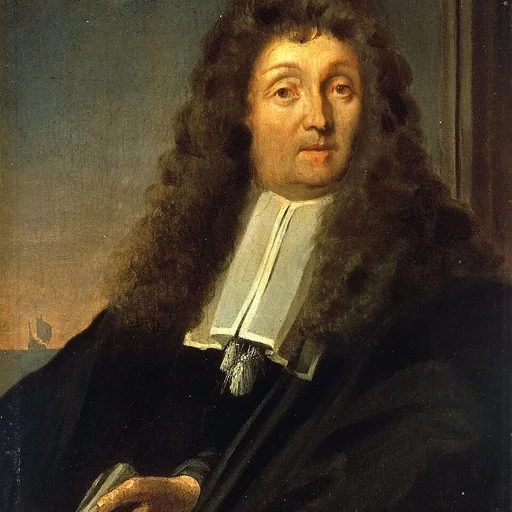
Ludolf Bakhuizen (28 December 1630 or 1632 – 7 November 1708) was a German-born Dutch painter, draughtsman, calligrapher and printmaker.

 Ships in Distress off a Rocky Coast
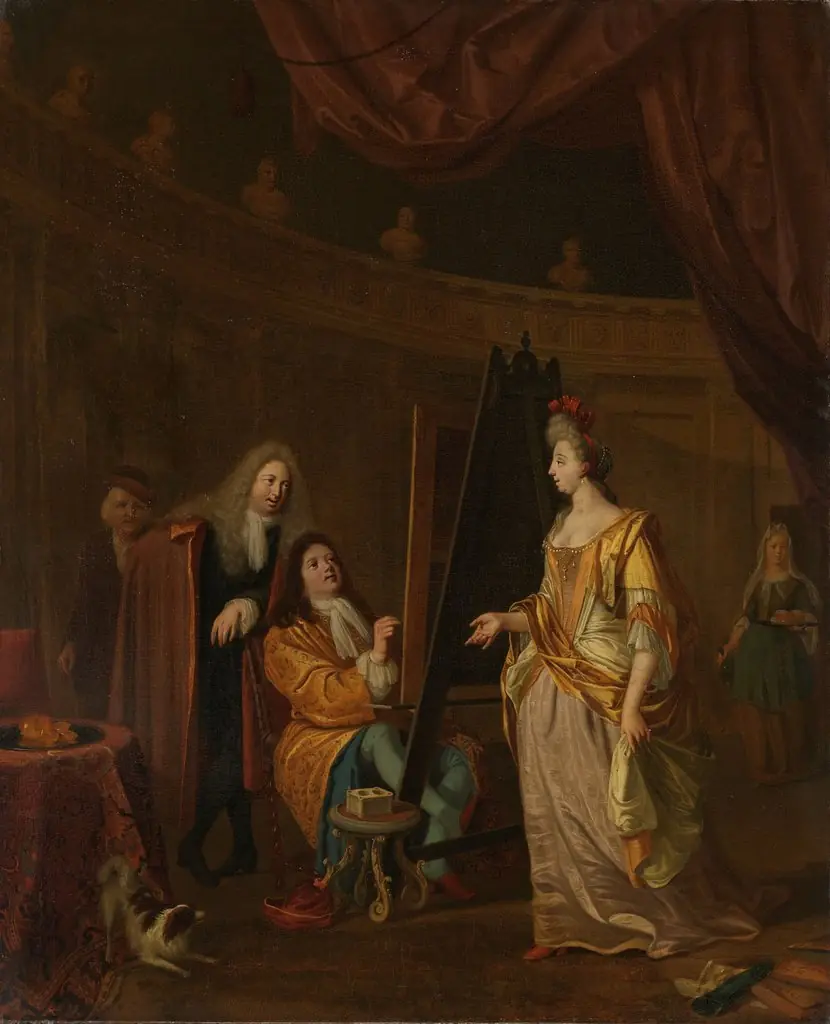 An artist in his studio, painting the portrait of a lady
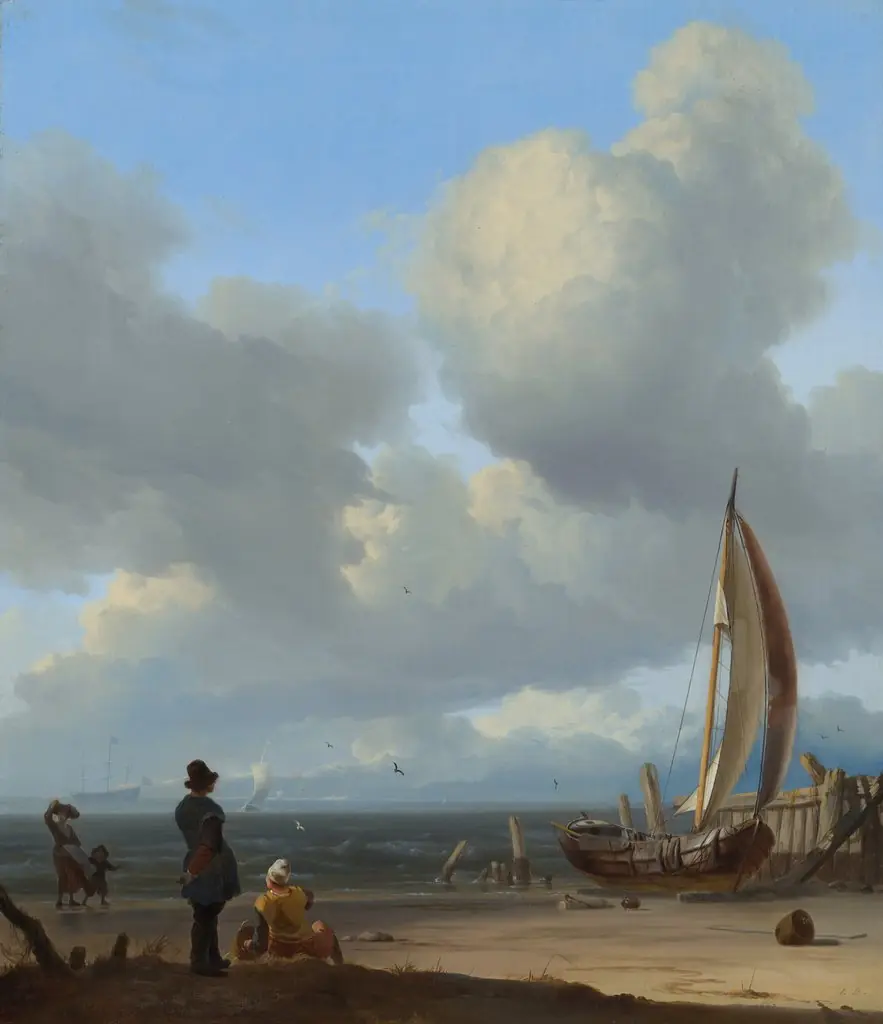 An extensive seascape with figures by a boat on a shore near Huisduinen
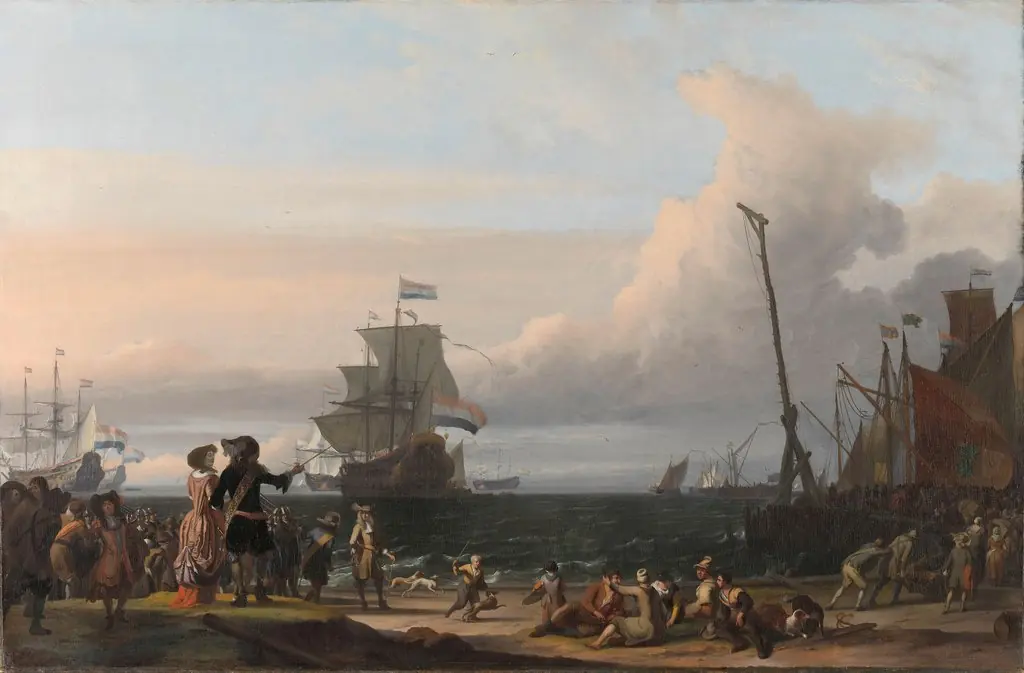 Dutch ships in the roads of Texel; in the middle the 'Gouden Leeuw,' the flagship of Cornelis Tromp
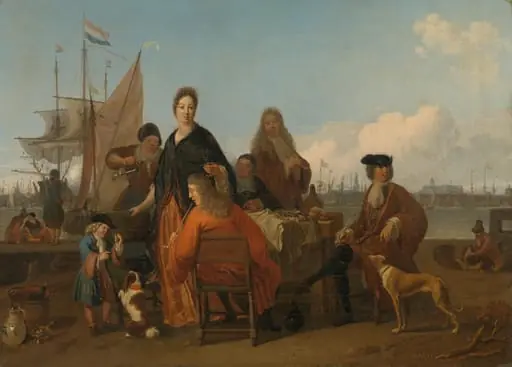 The Bakhuysen and de Hooghe Families dining at the Mosselsteiger (Mussel Pier) on the Y, Amsterdam
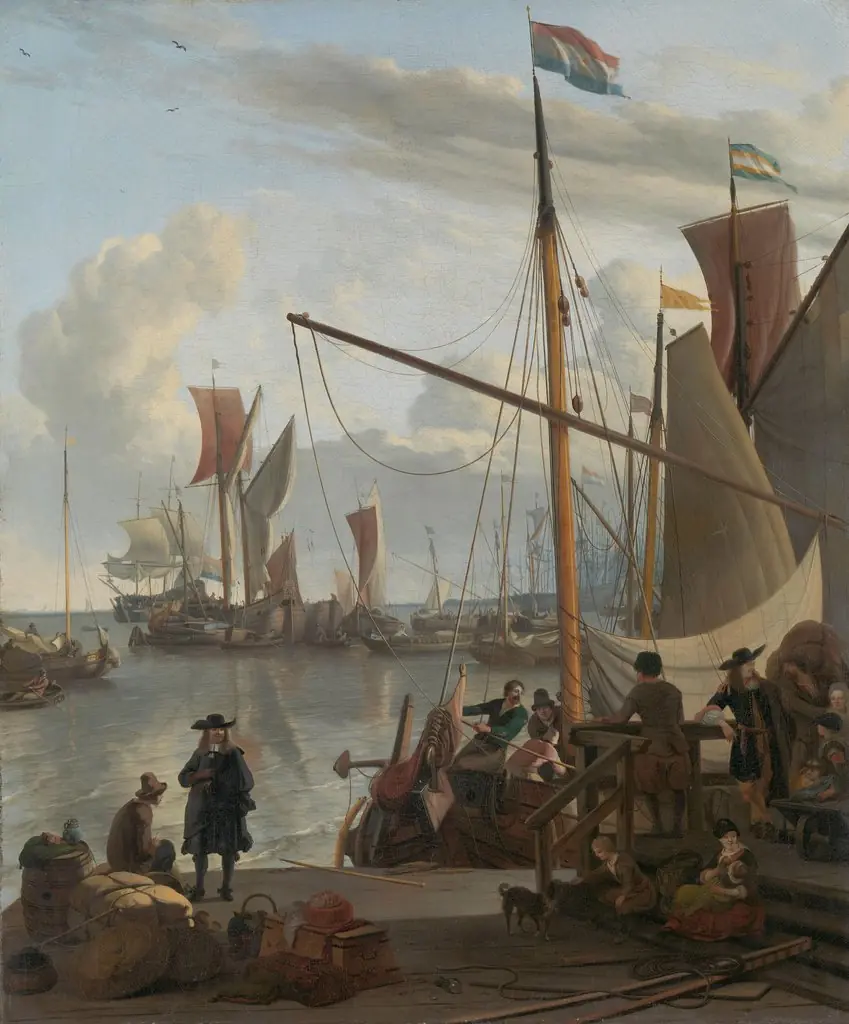 The Y at Amsterdam, seen from the Mosselsteiger (mussel pier)
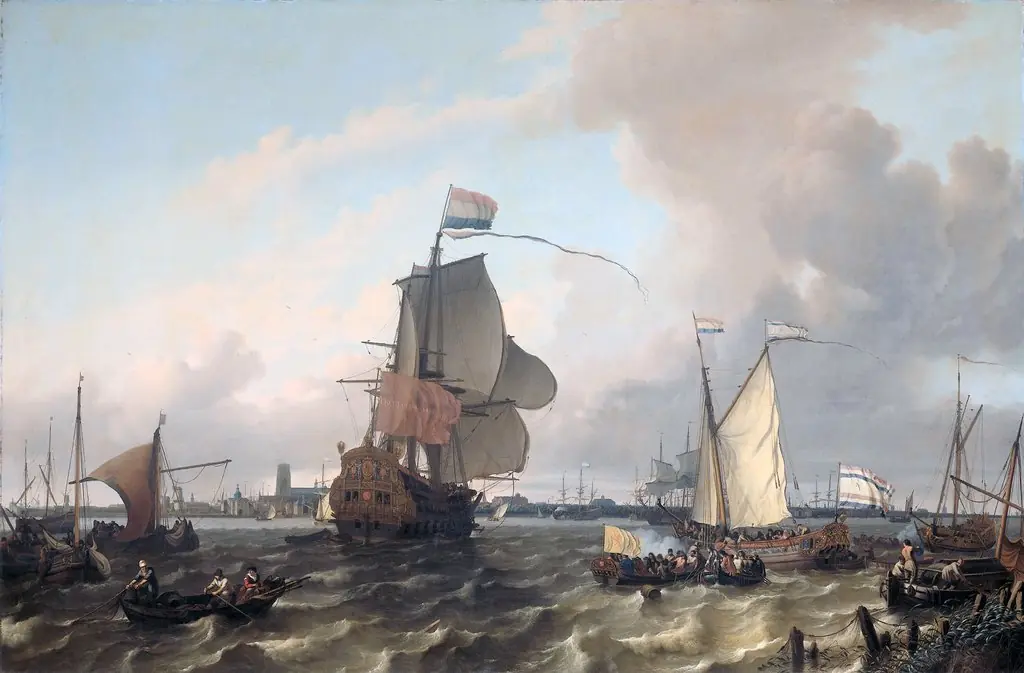 The Man-of-War Brielle on the River Maas off Rotterdam
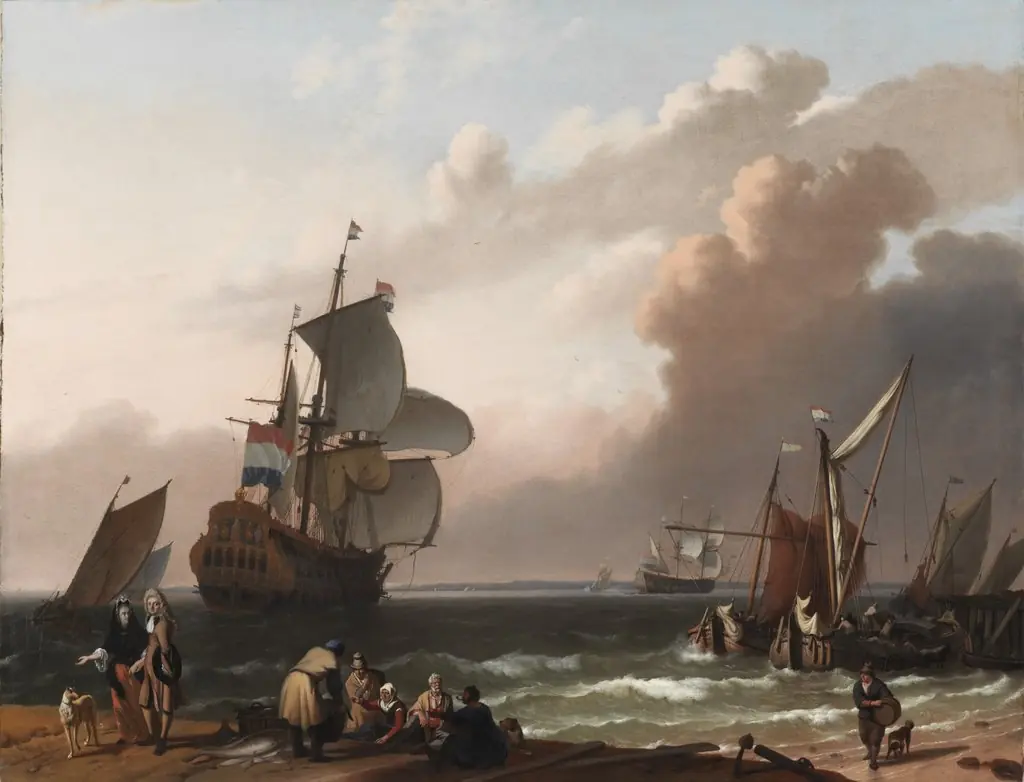 Warship and Dutch Sailboats near the Shore
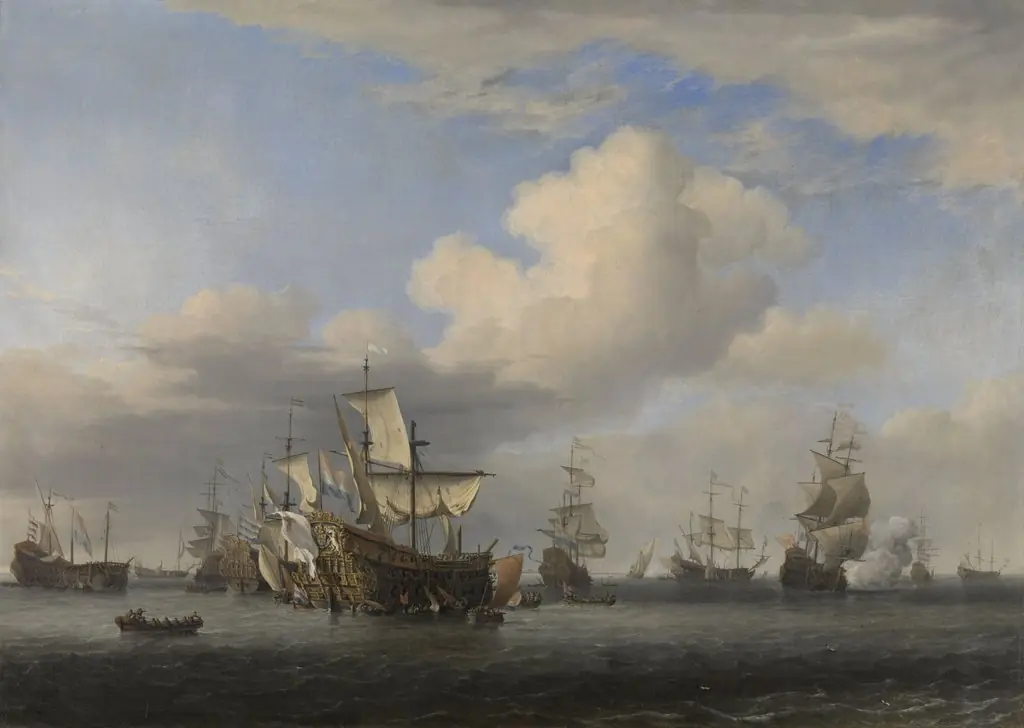
- Captured English Ships after the Four Days’ Battle
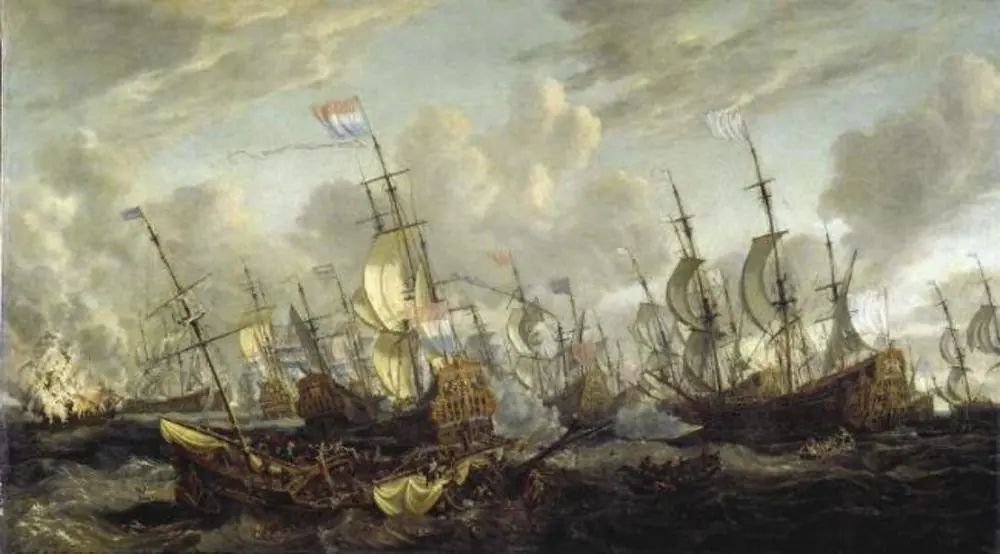 The Four Days' Battle, 1-4 June 1666
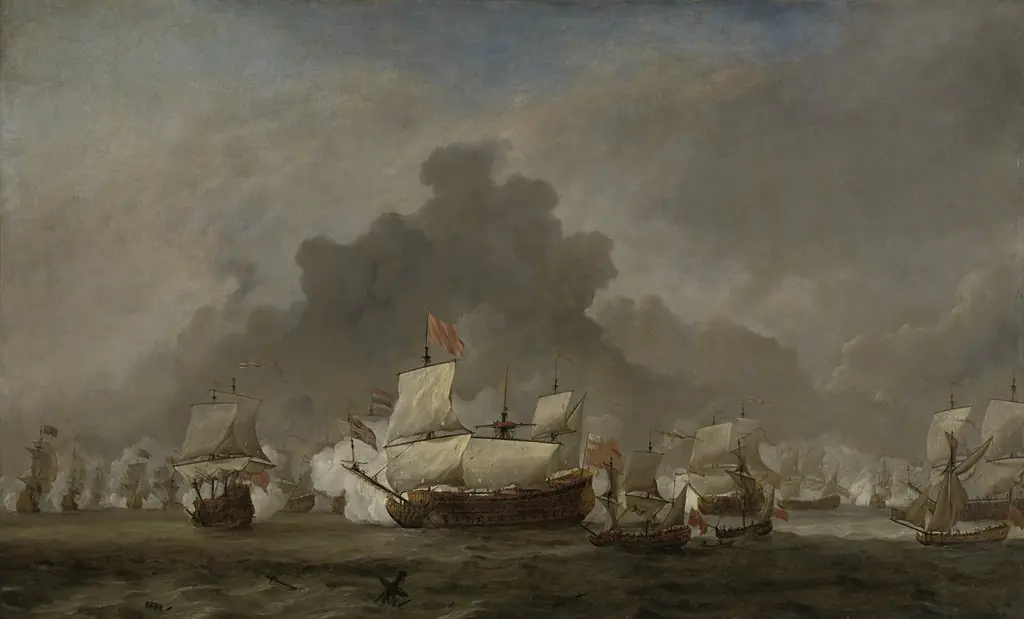 The skirmish of Michiel Adriaensz de Ruyter against the duke of York, commanding the 'Royal Prince'during the Battle of Solebay, 7 June 1672: episode from the Third Anglo-Dutch War (1672-74)
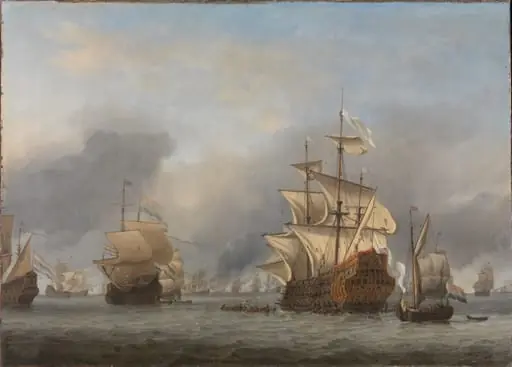 De verovering van de Royal Prince
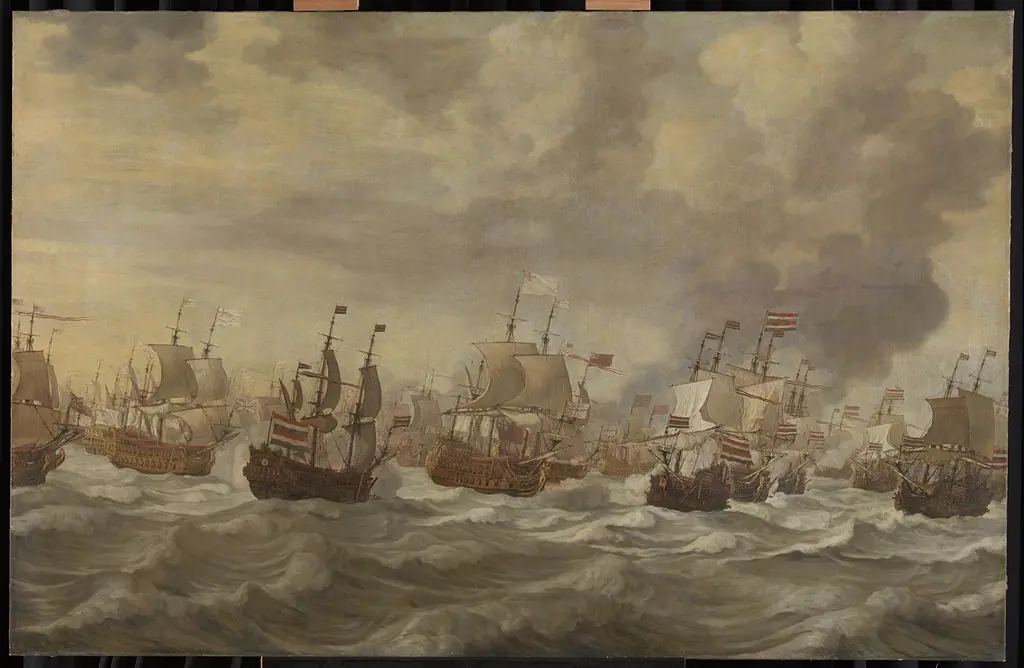 Episode from the Four Day Battle at Sea, 11-14 June 1666, in the second Anglo-Dutch War (1665-67)
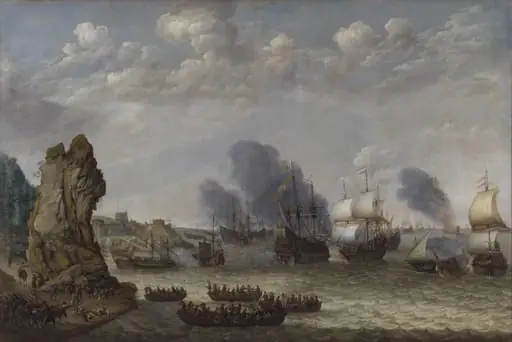 The Four Day's Battle, 11-14 June 1666