Artwork
Portrait of a Child
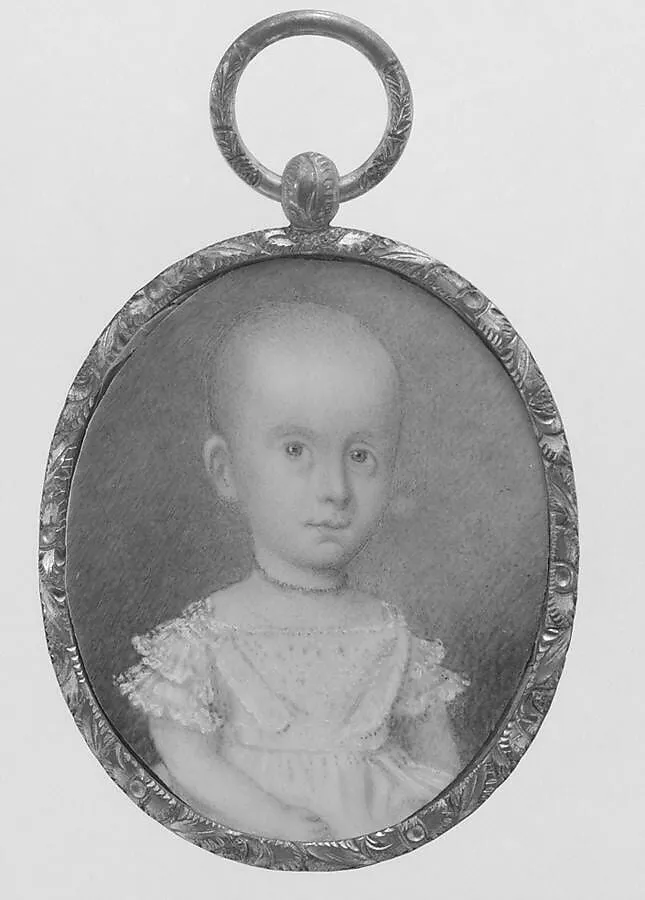
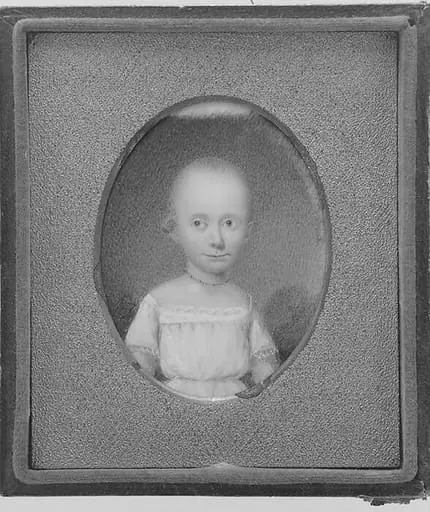
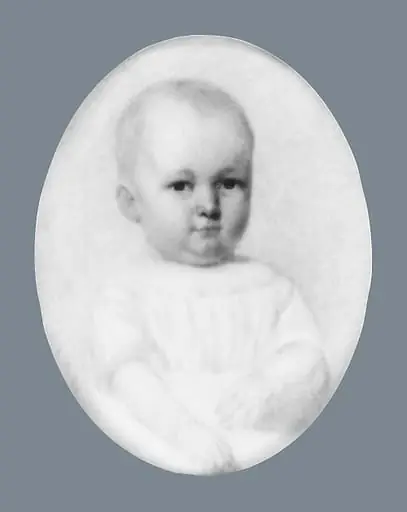
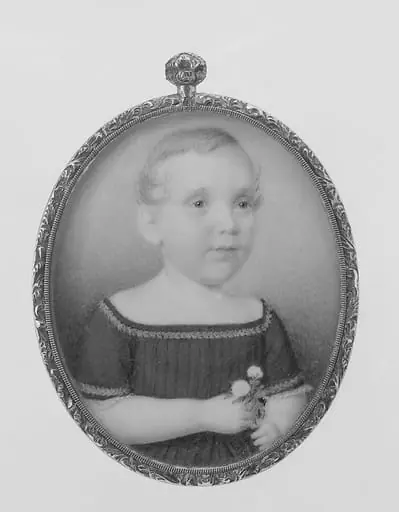
Portrait of a Child is a watercolor painting by the American Folk Art artist William Lydston Jr.. It dates from 1842 and is held in the collection of the Metropolitan Museum of Art.
About this work
Overview
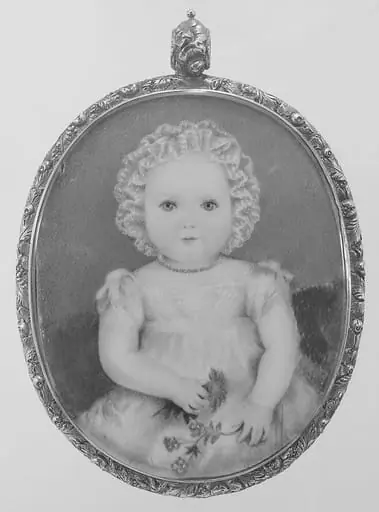
William Lydston Jr.'s "Portrait of a Child," created in 1842, is a watercolor on ivory. This miniature depicts a young child, rendered with delicate detail, characteristic of the period's small-scale portraiture. It offers a glimpse into 19th-century American life and the intimate art forms favored for personal keepsakes, now part of the American Wing collection.
Subject & Meaning
The artwork presents a small, fair-complexioned child dressed in white, holding a red ball against a muted background. This red sphere was a common motif in 19th-century portraiture, often symbolizing the purity and guilelessness associated with youth. The artist emphasizes the child's tender features and soft, almost glowing face, creating a sense of innocence and vulnerability.
Technique & Style
Executed in watercolor on a small ivory support, this portrait exemplifies the miniature tradition. Artists like Lydston Jr. often employed a technique known as glazing, involving multiple thin, translucent layers of paint. This method allowed for subtle color transitions and a luminous quality, particularly evident in the rendering of the child's delicate skin and soft facial contours.
Context
Before the widespread advent of photography, painted miniatures served as a primary means for individuals to carry images of their loved ones. These small-scale portraits, often framed and worn as jewelry or kept in small cases, provided a tangible connection to family members. "Portrait of a Child" reflects this practice, functioning as a cherished personal memento for its original owners.
Artist & collection
Artist
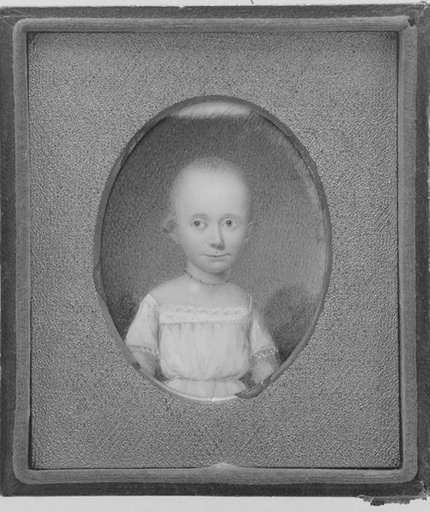
William Lydston Jr. painted small watercolor portraits on ivory in the early 1840s. His delicate Portrait of a Child (1842) shows a young face with soft colors and fine details, typical of the period’s miniature…