Artwork
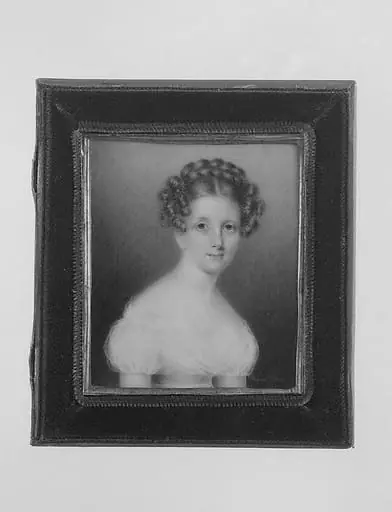
Portrait of a Lady
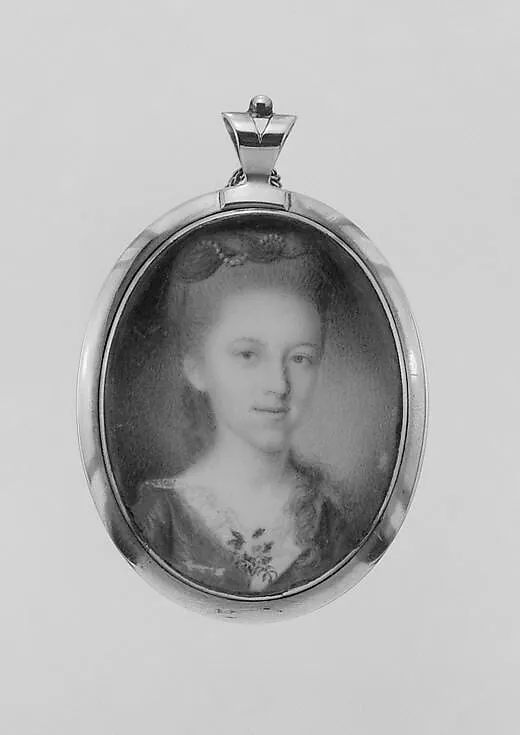
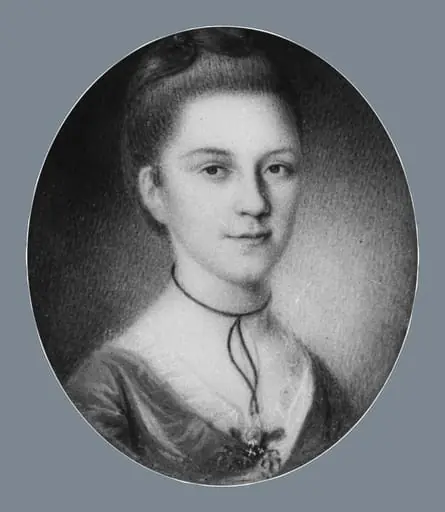
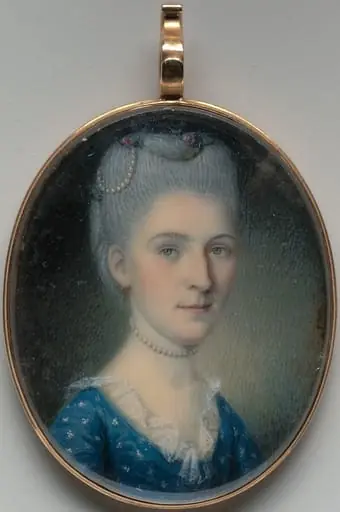
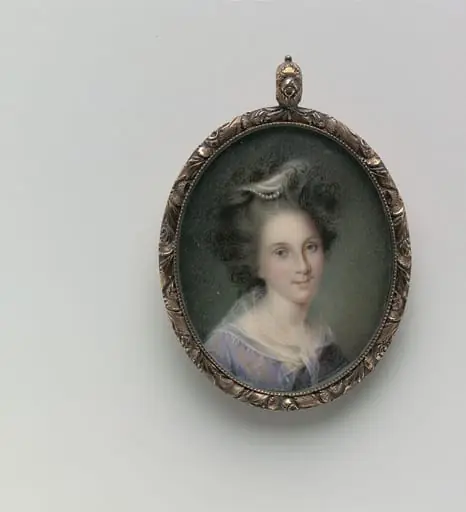
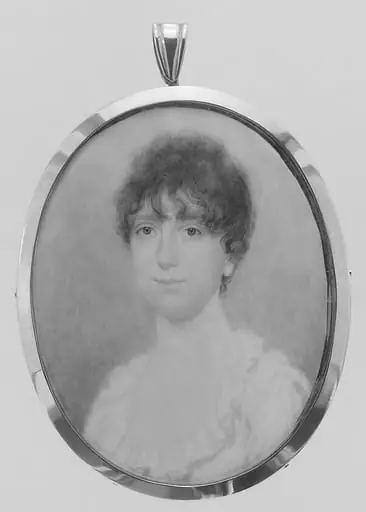
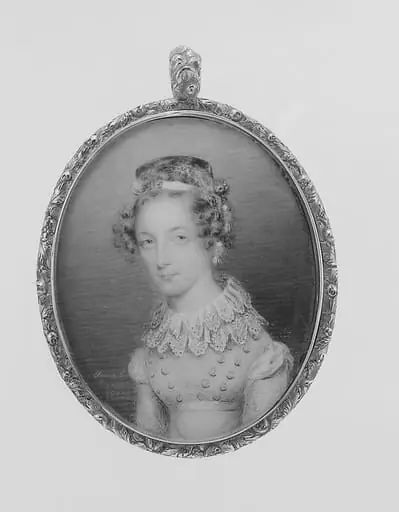
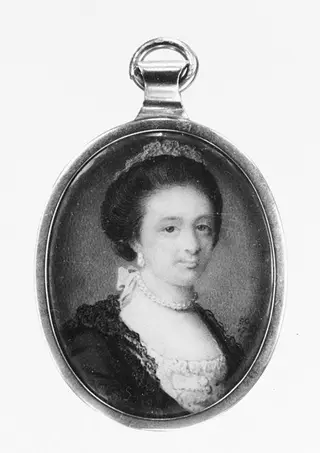
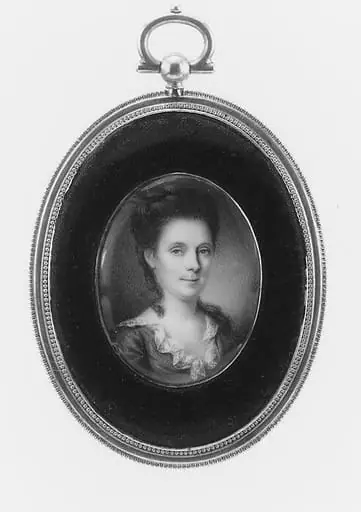
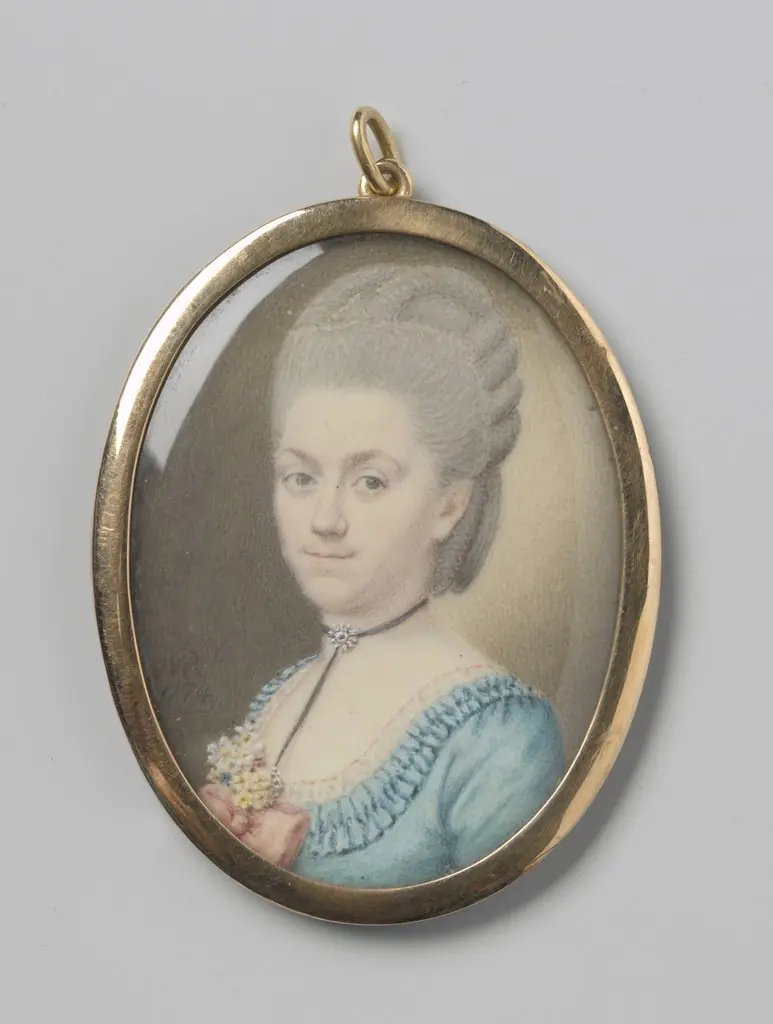
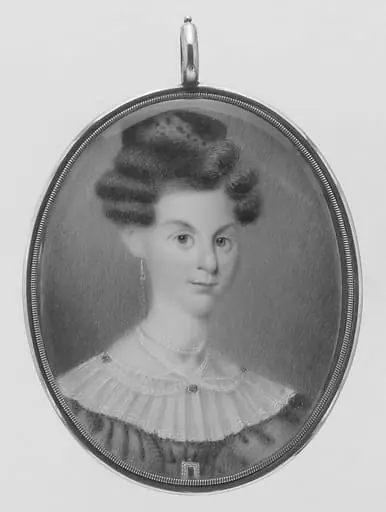
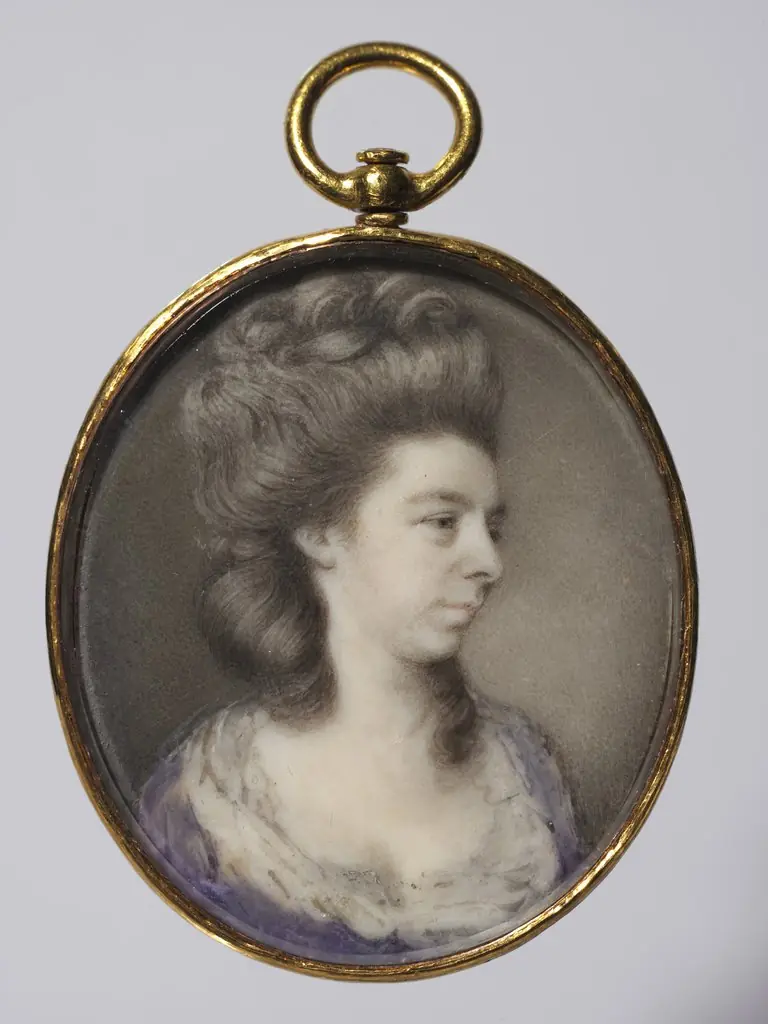
Portrait of a Lady is a watercolor painting by the American Impressionist artist Charles Willson Peale. It dates from 1778 and is held in the collection of the Metropolitan Museum of Art.
About this work
Subject & Meaning
The work depicts an unidentified woman, serving as a formal portrait created by Charles Willson Peale in 1778.
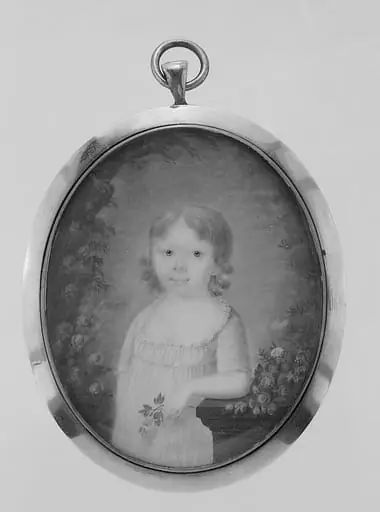
The work depicts an unidentified woman, serving as a formal portrait created by Charles Willson Peale in 1778. Executed as a miniature on ivory, the piece focuses exclusively on the female subject without incorporating additional narrative elements, allegorical figures, or specific symbolic objects within the composition. As a genre portrait, its primary meaning lies in the representation of the sitter's likeness and social presence rather than conveying a complex iconographic program.
The artwork functions as a personal record of the individual, capturing her features in a medium typical for intimate portraiture of the late eighteenth century. No specific attributes or background details are provided in the available records to suggest a deeper symbolic representation beyond the depiction of the woman herself.
Technique & Style
Portrait of a Lady is executed in watercolor on ivory, a miniature format that Peale used to achieve fine detail within a very small scale. The support measures approximately 3.9 by 3 inches, indicating the compact, handheld dimensions typical of the medium. Watercolor on ivory allowed for delicate, translucent layering and precise rendering of facial features, lending the sitter a refined, luminous quality.
The work is classified as a portrait within the Metropolitan Museum of Art's American Wing, where the ivory support and pigment handling reflect the conventions of late eighteenth-century miniature practice.
Overview
Charles Willson Peale's Portrait of a Lady, created around 1778, is a watercolor on ivory. This intimate work captures a woman's likeness, reflecting the artist's skill in miniature portraiture during the American Revolutionary era. Peale was a prominent figure, known for documenting significant individuals of his time through his extensive portrait practice.
Context
Charles Willson Peale was a significant American artist of the late 18th century, active during the Revolutionary War. Beyond his artistic output, he engaged in military and political life, often painting leading figures of the nascent nation. His portraiture helped establish traditions that would influence American art for generations, setting precedents for later movements.
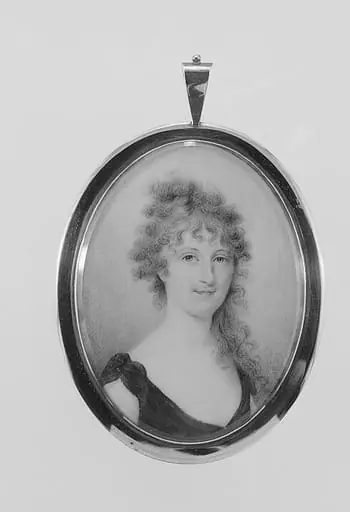
Artist & collection
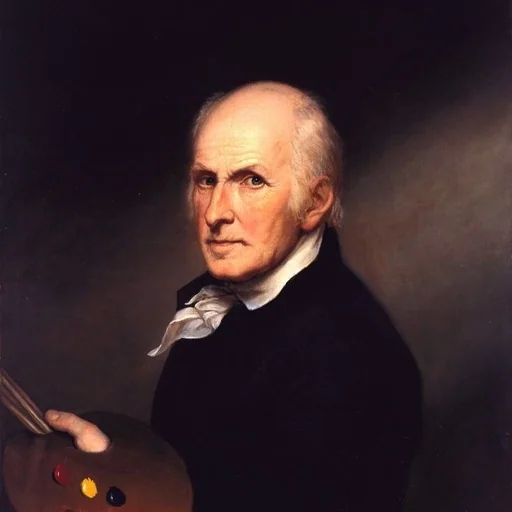
Artist
Charles Willson Peale (April 15, 1741 – February 22, 1827) was an American painter, military officer, scientist, and naturalist.