Artwork
Trees at Howth
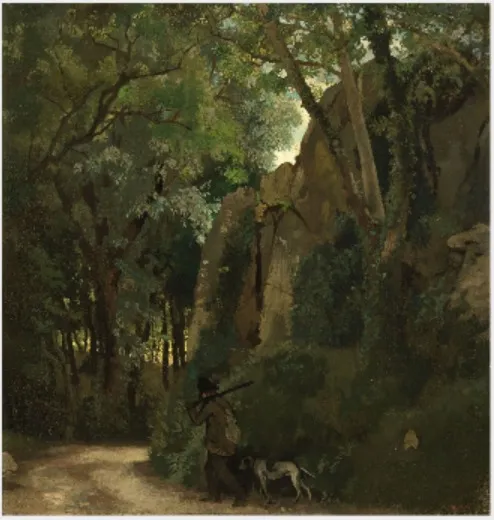
Trees at Howth is an oil painting by the Impressionist artist William Orpen. It dates from 1914 and is held in the collection of the National Gallery of Ireland.
About this work
Overview
Painted around 1914, Trees at Howth is an oil landscape by Irish artist William Orpen, created during a period when he was exploring impressionist methods.
Painted around 1914, Trees at Howth is an oil landscape by Irish artist William Orpen, created during a period when he was exploring impressionist methods. Though best known for portraiture and figurative commissions, Orpen turned to outdoor scenes in this work, capturing a quiet moment in the coastal hills near Dublin. The painting is held in the National Gallery of Ireland’s collection and reflects a shift in his practice toward looser, light-sensitive brushwork.
Subject & Meaning
The scene depicts a grove of trees on a gently sloping hillside, bathed in dappled sunlight. There is no human presence, and the focus lies in the natural rhythm of foliage and terrain. The composition suggests contemplation rather than narrative, emphasizing atmosphere over event.
Orpen’s choice of subject reflects an interest in the ordinary beauty of the Irish countryside, framed not as idealized pastoral but as observed reality.
Technique & Style
Orpen employed broken brushstrokes and layered oil paint to convey shifting light and texture. He avoided sharp outlines, instead building form through tonal contrasts and subtle color variations. The interplay of light and shadow across the tree canopy and earth creates a sense of volume, informed by impressionist principles but tempered by his academic training in draftsmanship. The paint surface retains visible brushwork, enhancing the tactile quality of the scene.
History & Provenance
Created during Orpen’s time in Howth, a coastal village north of Dublin, the painting was likely made during a summer visit. It entered the National Gallery of Ireland’s collection in the 20th century, part of a broader effort to document Irish artistic responses to landscape. Unlike his wartime portraits, this work remained outside public commissions, suggesting personal artistic exploration rather than commercial intent.
Context
In the years leading up to World War I, many European artists turned to landscape as a refuge from urban and political tensions. Orpen, though embedded in London’s art world, maintained ties to Ireland and used these visits to experiment beyond portraiture. Trees at Howth aligns with broader trends in British and Irish impressionism, where light and atmosphere replaced narrative as the primary subject.
Legacy
The painting stands as a quiet example of Orpen’s versatility, illustrating his ability to adapt formal techniques to non-commissioned subjects. While less discussed than his wartime imagery, Trees at Howth reveals a sustained engagement with light and nature that informed his later work. It remains a key piece in understanding the range of Irish modernism beyond formal portraiture.
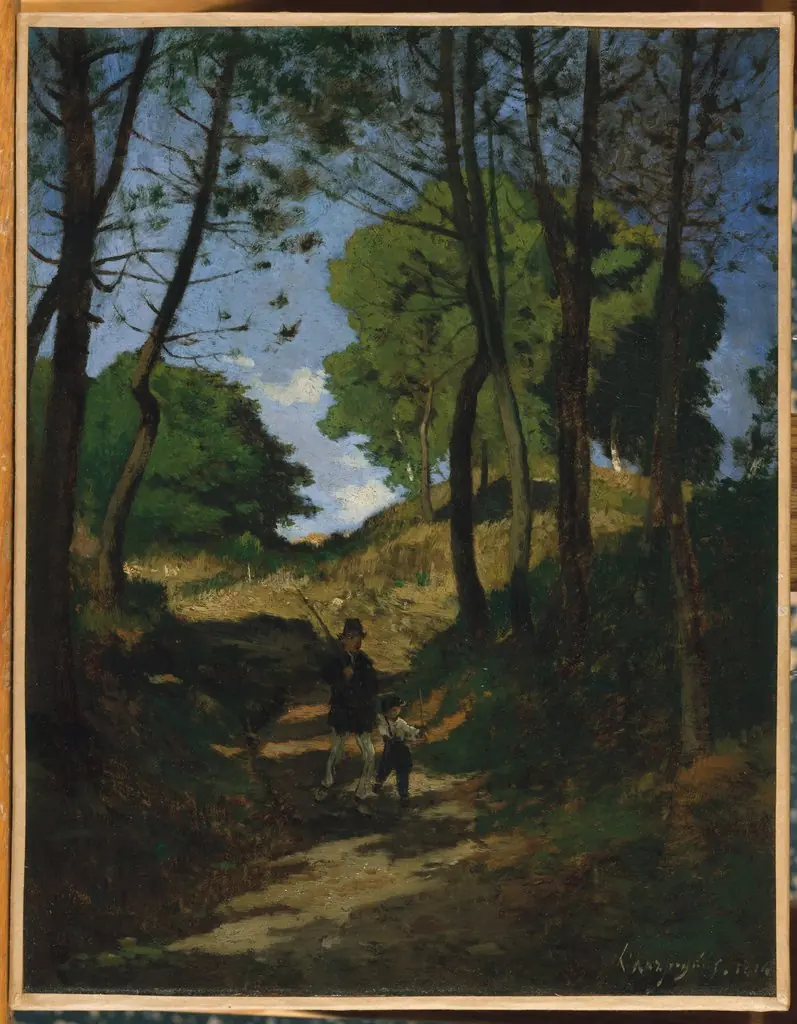
Artist & collection
Artist
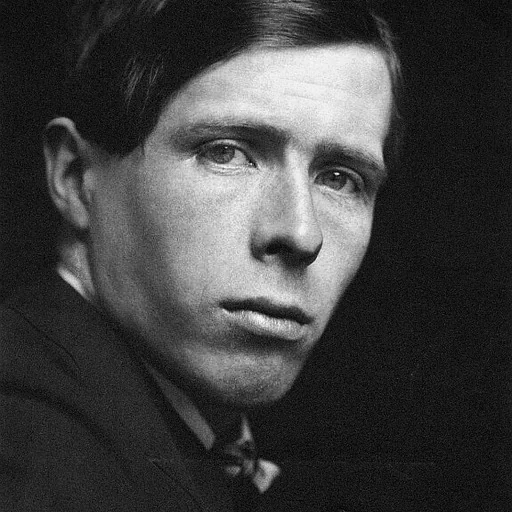
Major Sir William Newenham Montague Orpen (27 November 1878 – 29 September 1931) was an Irish artist who mainly worked in London.

- Fir Trees in Les Trembleaux, near Marlotte (Sapins aux Trembleaux à Marlotte)
 Turn in the Road
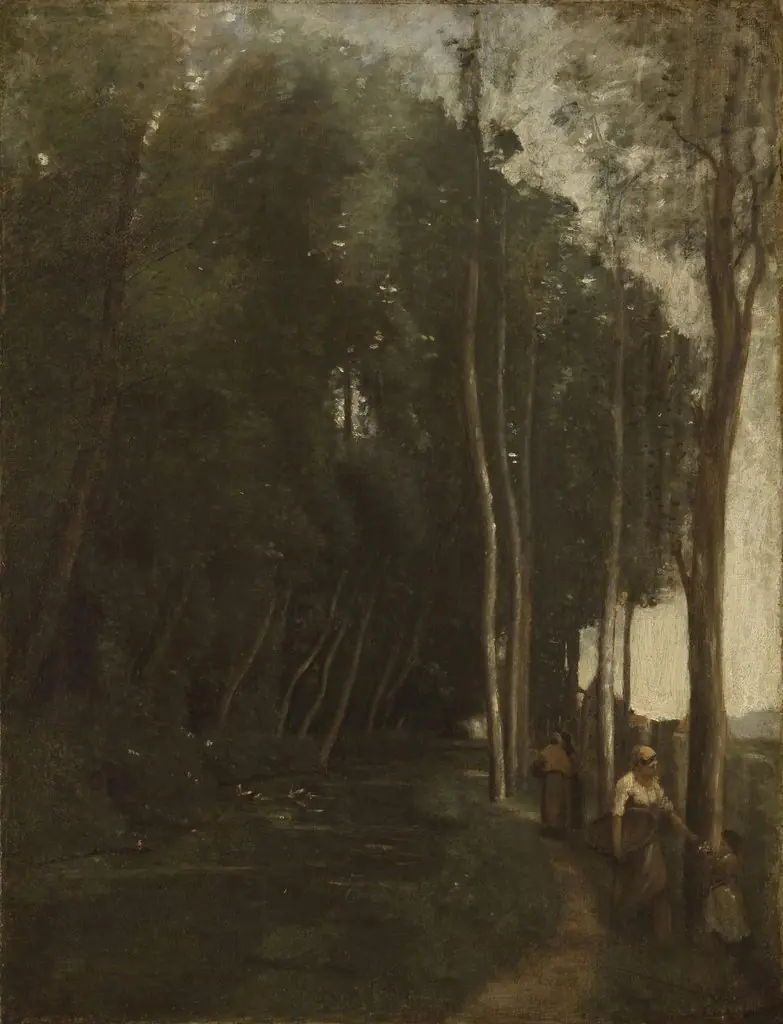 Under Trees, Marcoussy
 Cow amongst Trees
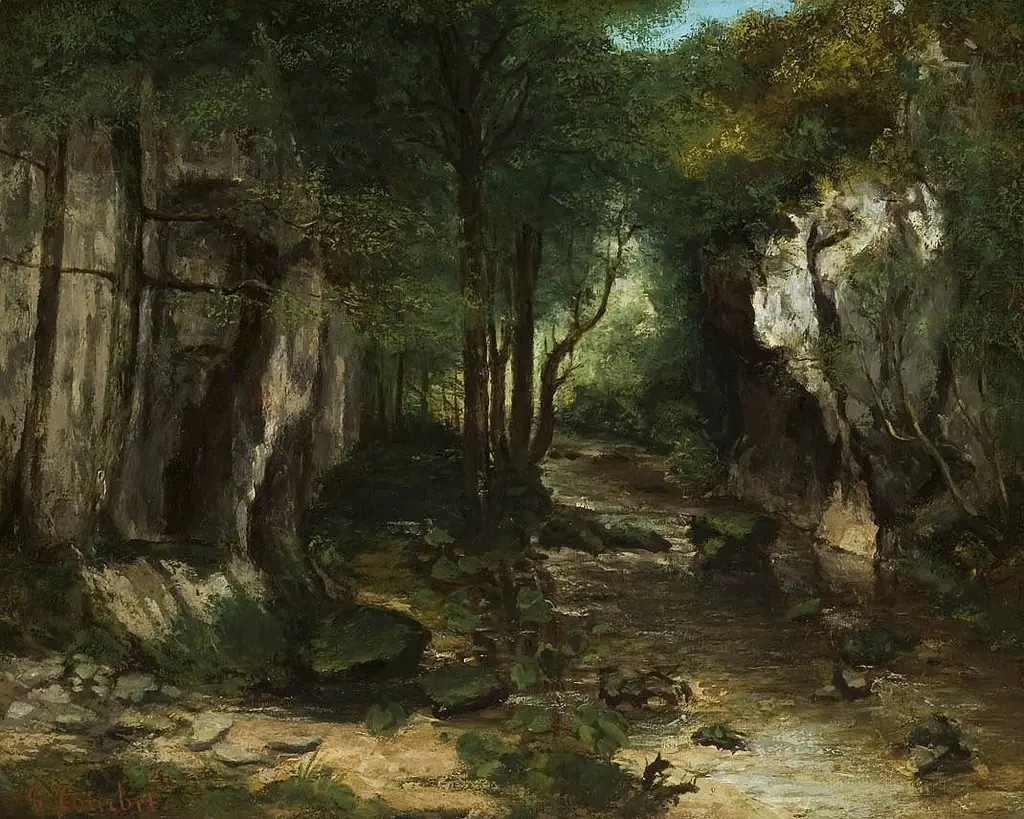 Le ruisseau du Puits noir
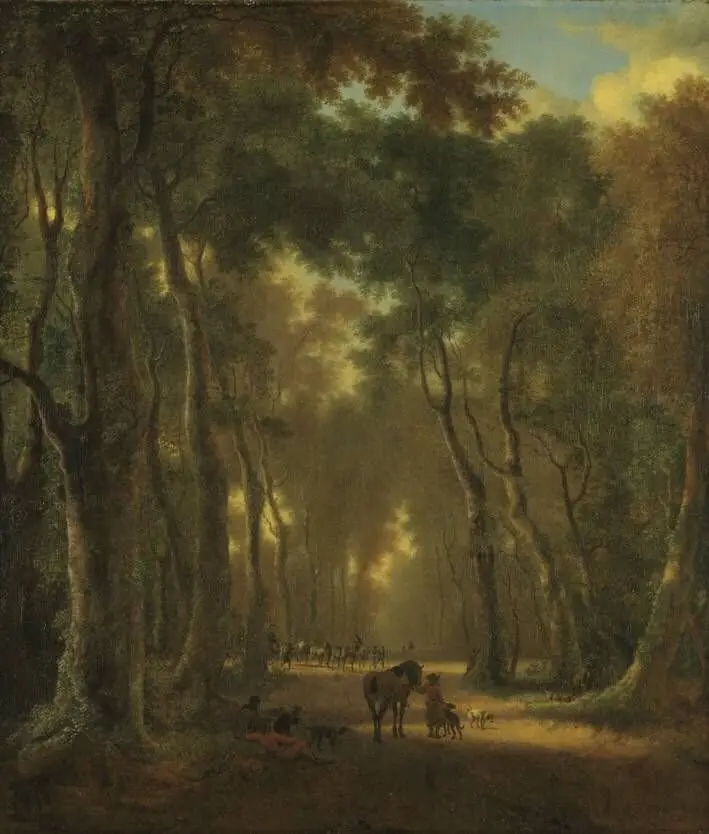 Buchenwald mit Jagdgesellschaft
 Artist in the Gorge aux Loups, Forest of Fontainebleau
 Pool in the Forest
 Forest Landscape with Stag Hunt
 The Forest
 Wooded Path near Ville d'Avray
 Rocky Ravine