Subject
Dog
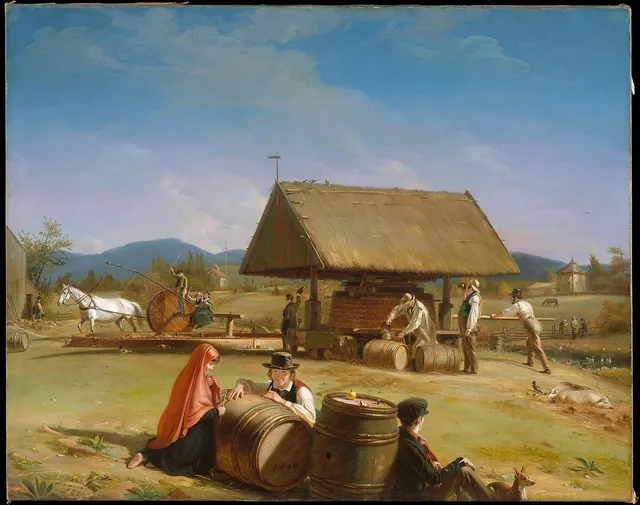
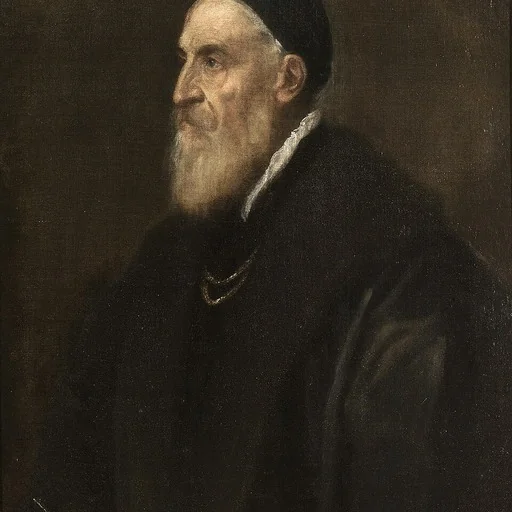
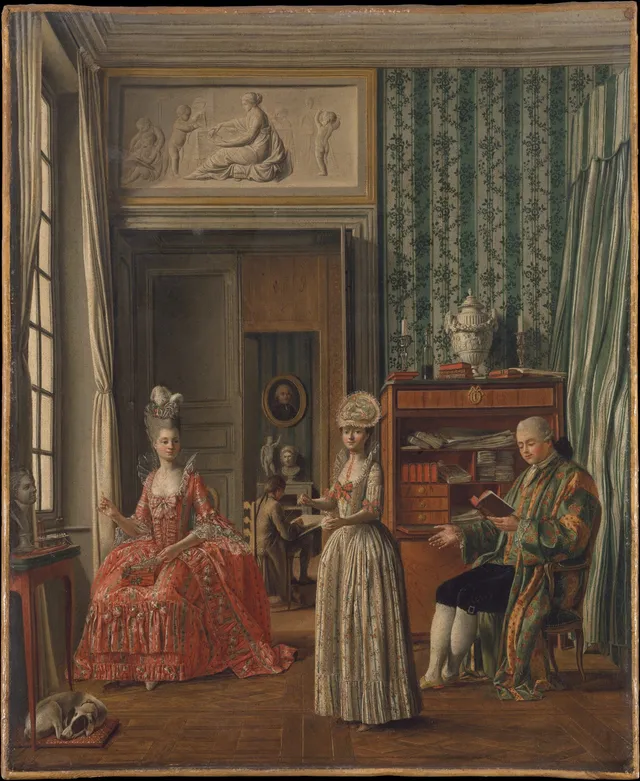
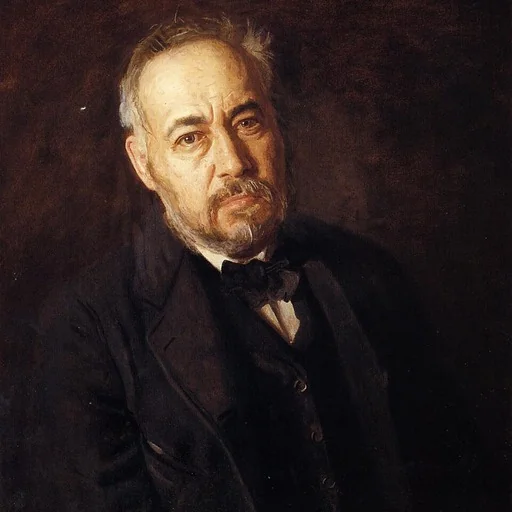
Dog is a subject in art. The gallery holds 200 works in this subject in art, including works by Titian, Thomas Eakins and Paolo Veronese.
The dog (Canis familiaris) is the oldest domesticated animal, a descendant of wolves selectively bred during the Late Pleistocene by hunter-gatherers, and it appears in human art almost as early as art itself. Some of the oldest unambiguous depictions are engraved at rock-art sites in the Arabian desert near Shuwaymis and Jubbah in Saudi Arabia, where hunters are shown with leashed dogs in scenes thought to date to roughly the seventh or eighth millennium BCE. From these beginnings the dog became a fixture of ancient visual culture: it recurs in Egyptian tomb painting from the Naqada period onward, on collared hounds painted on Greek pottery, and most famously in the chained guard dog of a Pompeian floor mosaic captioned CAVE CANEM, buried by Vesuvius in 79 CE.
Across these traditions the dog carries a remarkably stable cluster of meanings—loyalty, vigilance, the hunt, and social rank. In medieval and Renaissance art it crystallised as the emblem of fidelity, the source of the generic dog-name "Fido" (from Latin fidus, "faithful"). Jan van Eyck placed a small wiry terrier between the couple in the Arnolfini Portrait (1434) as a token of marital faith and affluence, and tomb effigies of knights routinely rest their feet on a hound for the same reason. Venetian masters such as Titian exploited the motif with equal sophistication; the hounds in his mythological canvases, including the *Venus and Adonis* held in this collection, signal both the chase and erotic restraint.
The dog matured into a subject in its own right during the eighteenth and nineteenth centuries. George Stubbs (1724–1806), the supreme English animal painter, gave aristocratic spaniels and foxhounds the anatomical seriousness he brought to horses, as in his early *Spanish Pointer*. Sir Edwin Landseer turned canine portraiture into moral allegory—*Dignity and Impudence* (1839) contrasts a grave bloodhound with a pert terrier—and painted Queen Victoria's pets under royal patronage.
The dog's expressive range darkened with Goya, whose *The Dog* (c. 1819–1823), one of the Black Paintings, isolates a single upturned head against an engulfing void, anticipating modern existential imagery. The thread runs through Velázquez's court mastiffs and into the present in David Hockney's dachshund studies and Jeff Koons's monumental floral *Puppy*, confirming the dog as one of art's most enduring companions.
Key artists
Overview
The dog (Canis familiaris or Canis lupus familiaris) is a domesticated descendant of the wolf, selectively bred by hunter-gatherers during the Late Pleistocene. As the first species to be domesticated over 14,000 years ago, dogs have adapted to thrive on a starch-rich diet and perform diverse roles for humans, including hunting, herding, protection, and companionship. Due to this long association, they have earned the sobriquet of man's best friend. This profound bond has made the dog a recurring subject in visual culture. From ancient cave paintings to contemporary portraiture, artists have consistently included dogs to pay homage to their companionship, document their working roles, and explore complex symbolic meanings.
Iconography & meaning
Throughout art history, dogs have carried multifaceted symbolism. In ancient Egypt, they were hunting companions and were associated with Anubis, the guardian of the underworld and guide to the deceased. Ancient Greeks viewed them as spiritual guardians and protectors, linking them to Diana, the goddess of hunting, while also associating the animal with the philosopher Diogenes and his austere, dog-like philosophy. During the Medieval and Renaissance periods, the iconography of the dog shifted toward representing unconditional love, loyalty, and fidelity. In religious and marital contexts, the inclusion of a dog often symbolized marital devotion. Between the 16th and 17th centuries, dogs also served as indicators of social status for wealthy owners, while in secular contexts they continued to represent their practical roles as hunters and protectors, as seen in the ancient Cave Canem mosaics of Pompeii, which served as literal warnings to visitors.
Across movements & periods
The treatment of dogs in art has evolved significantly across periods and cultures. In the ancient world, they appeared in Bronze Age statues, children's toys, and Roman mosaics as hunting companions and guardians. During the Renaissance, they transitioned from hunting scenes into religious and mythological compositions as symbols of fidelity. Dog portraiture developed as a distinct genre contemporaneously with human portraiture, flourishing particularly in Britain from the 17th century onward. By the 18th and 19th centuries, European and British approaches diverged. Dutch, German, Belgian, and Flemish artists influenced by Realism focused on the physical accuracy of the canine, whereas British artists presented a more idealized version. In the 20th century, artists moved away from traditional symbolism and status representation, instead using dogs to explore psychological states, pop culture, and personal companionship.
Legacy
The cultural afterlife of the dog in art extends far beyond traditional canvas and sculpture. In the United States, dogs are memorialized in architectural elements, such as the Washington National Cathedral, which features canine sketches by sculptor Heinz Warneke, stained glass windows, and a stone carving of Canon Charles Martin's bulldog Cleo. Raymond Kaskey included a patriotic dog in his World War II Memorial panel and the three-headed Cerberus in his pediment design for the Schermerhorn Symphony Center. Institutions like the American Kennel Club's Museum of the Dog in Manhattan have formalized the collection of canine art, housing a 42,000-volume library and historical artifacts to contextualize the relationship between humans and dogs. Meanwhile, the Wallace Collection's 2023 exhibition Portraits of Dogs from Gainsborough to Hockney highlighted the continued devotion to the subject, proving that the artistic fascination with mankind's most faithful companion remains a vital cultural force.
Works
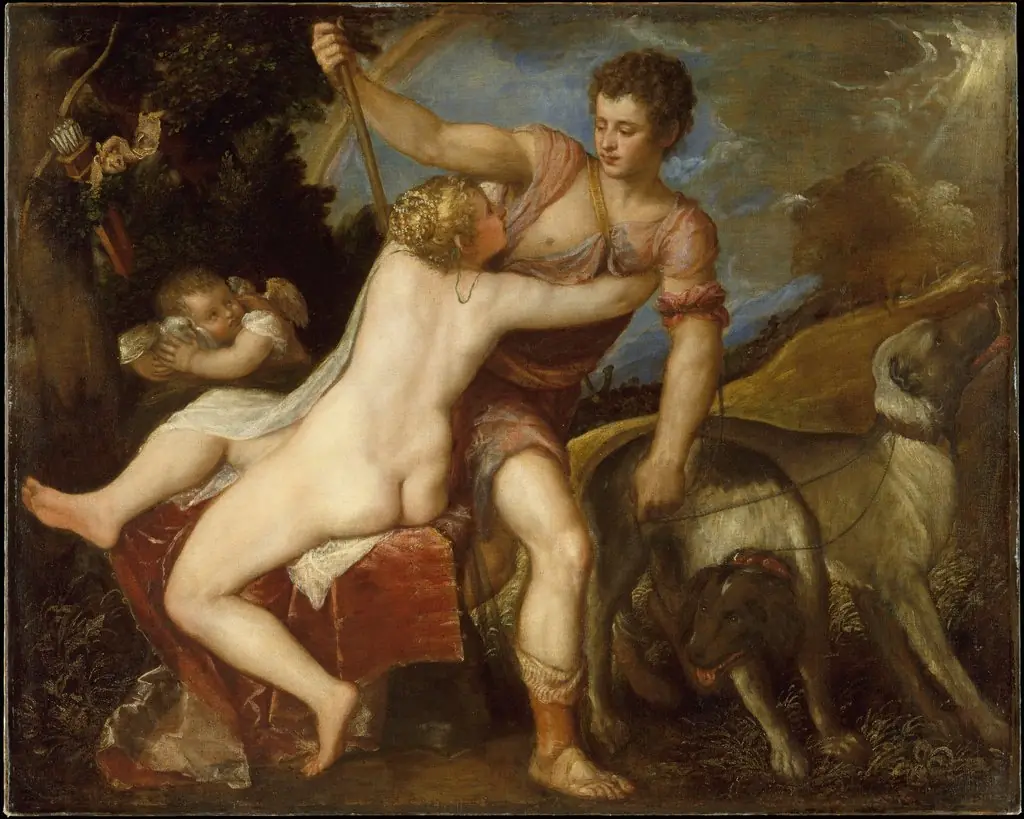 Venus and Adonis
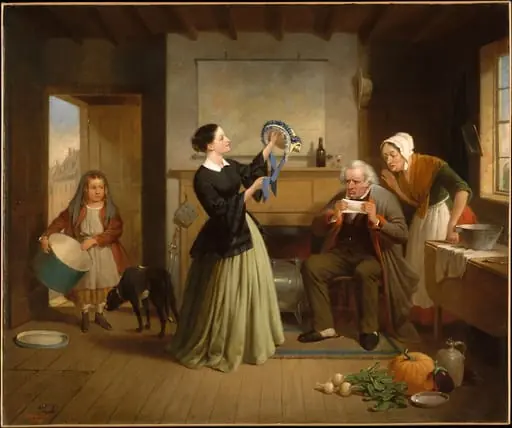 The New Bonnet
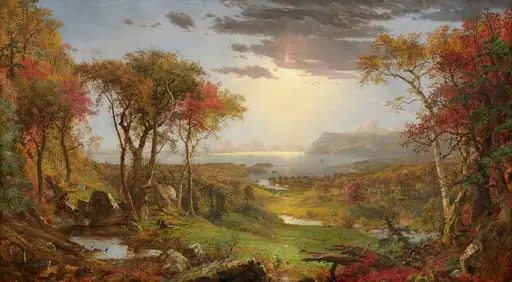 Autumn - On the Hudson River
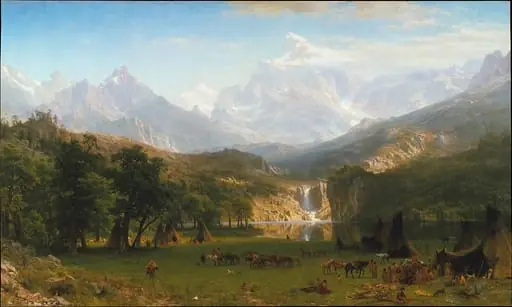 The Rocky Mountains, Lander's Peak
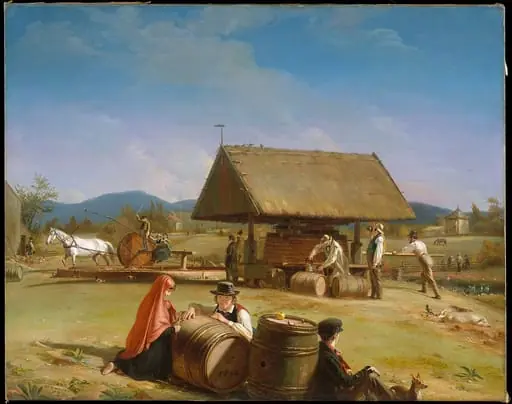 Cider Making
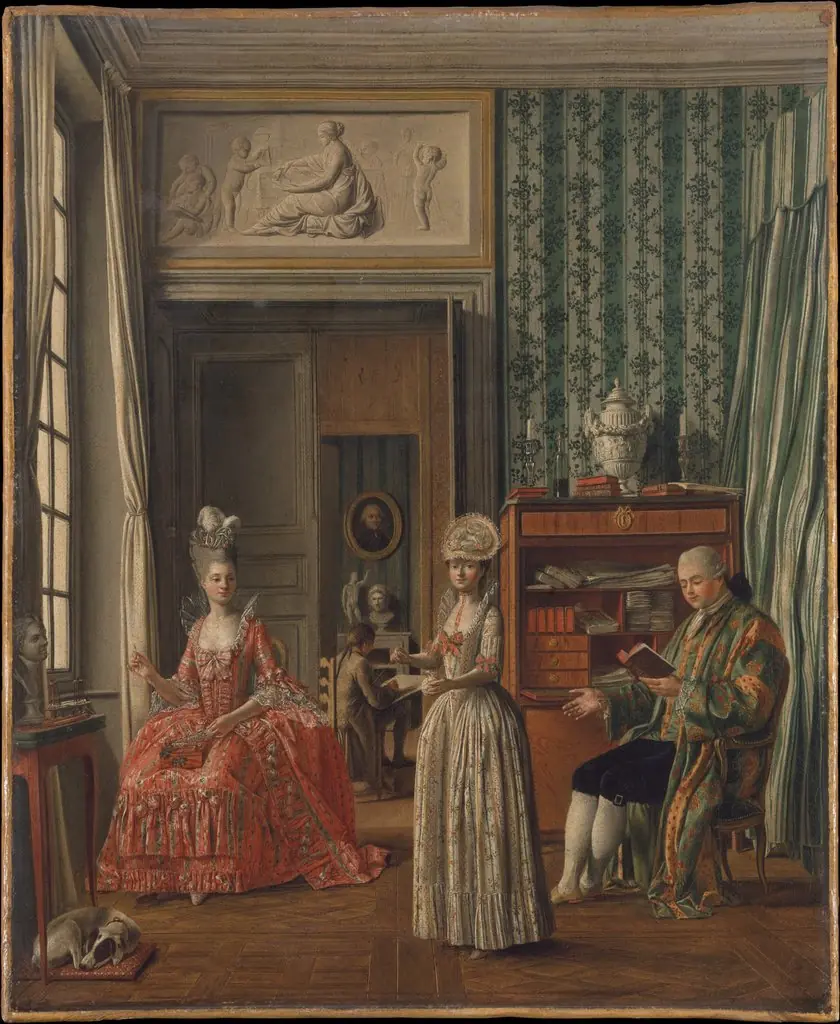 Domestic Scene
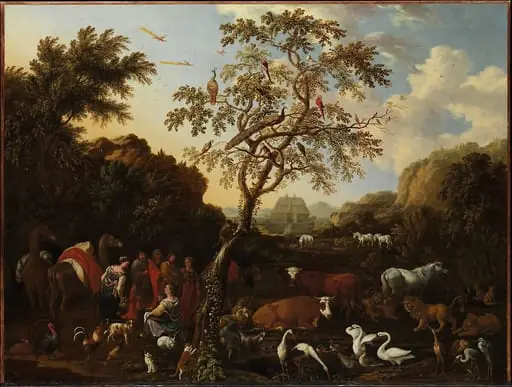 The Ark
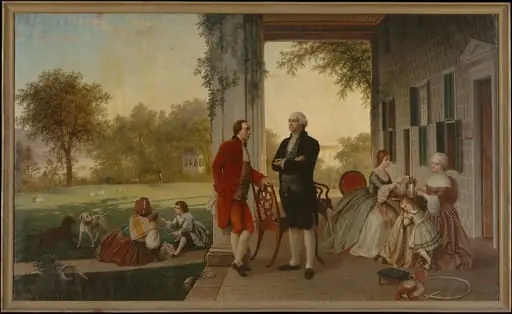 Washington and Lafayette at Mount Vernon, 1784 (The Home of Washington after the War)
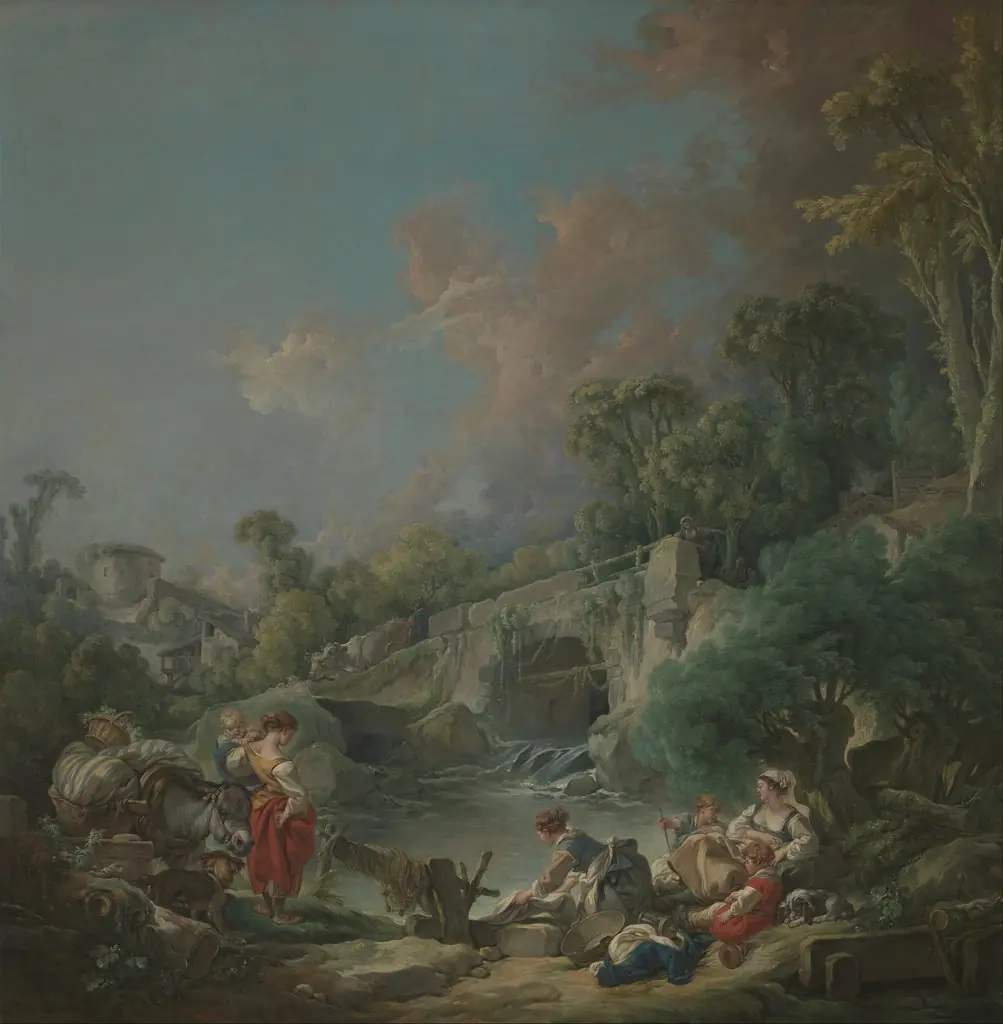 Washerwomen
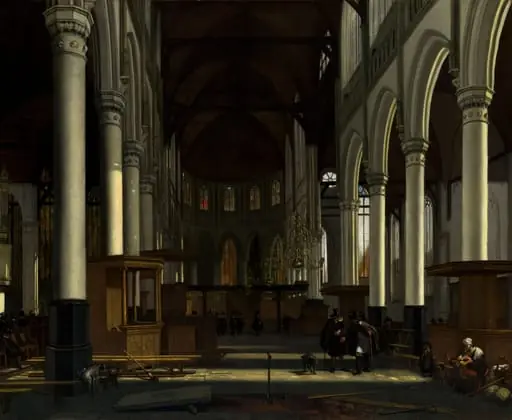 The Interior of the Oude Kerk, Amsterdam
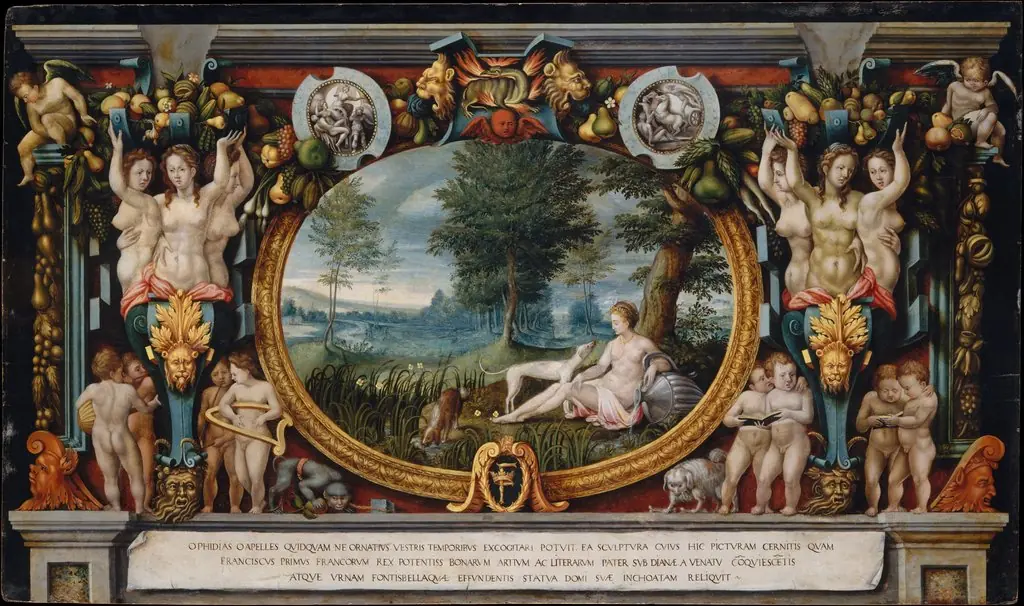 The Nymph of Fontainebleau
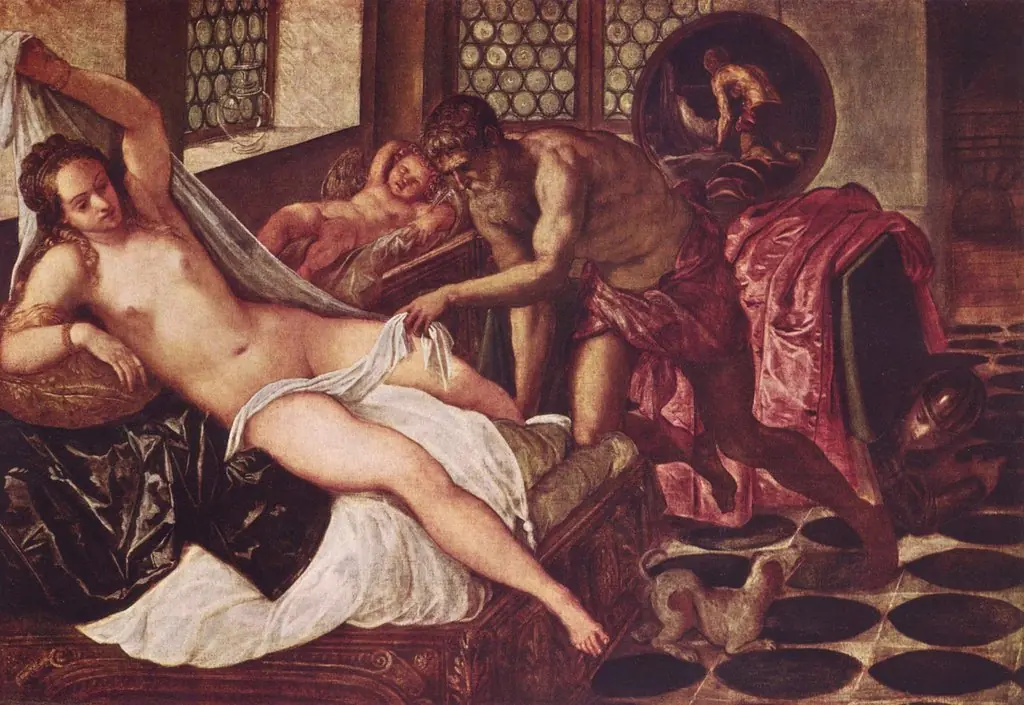 Venus and Mars Surprised by Vulcan
 Madame Georges Charpentier and her Children
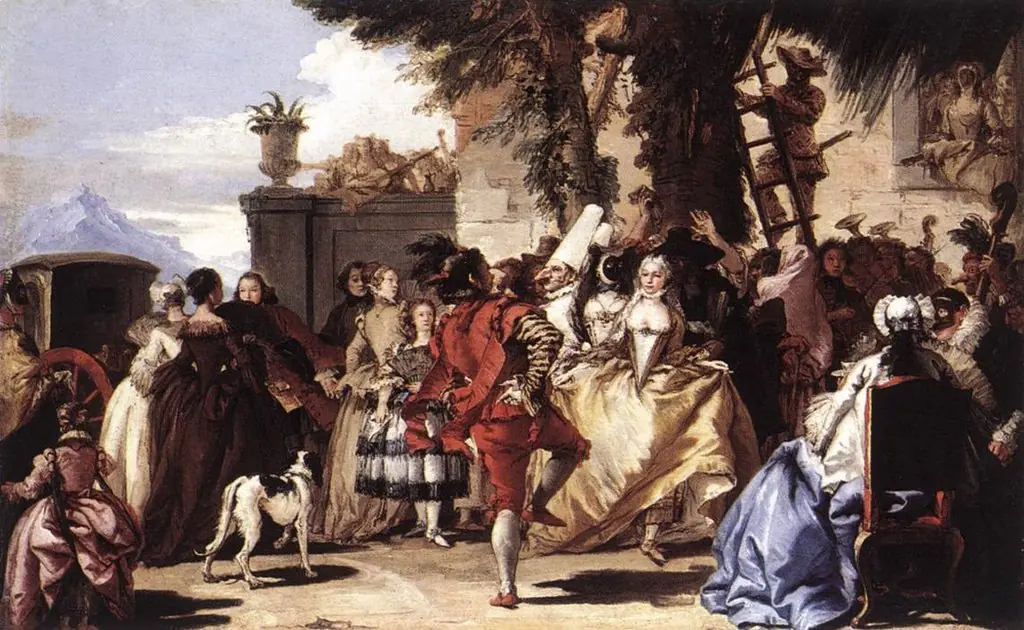 A Dance in the Country
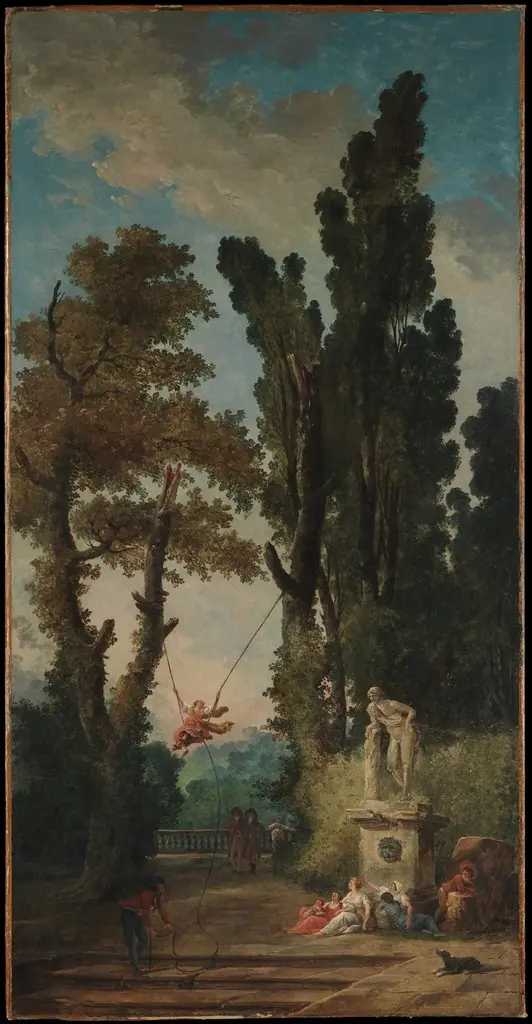 The Swing
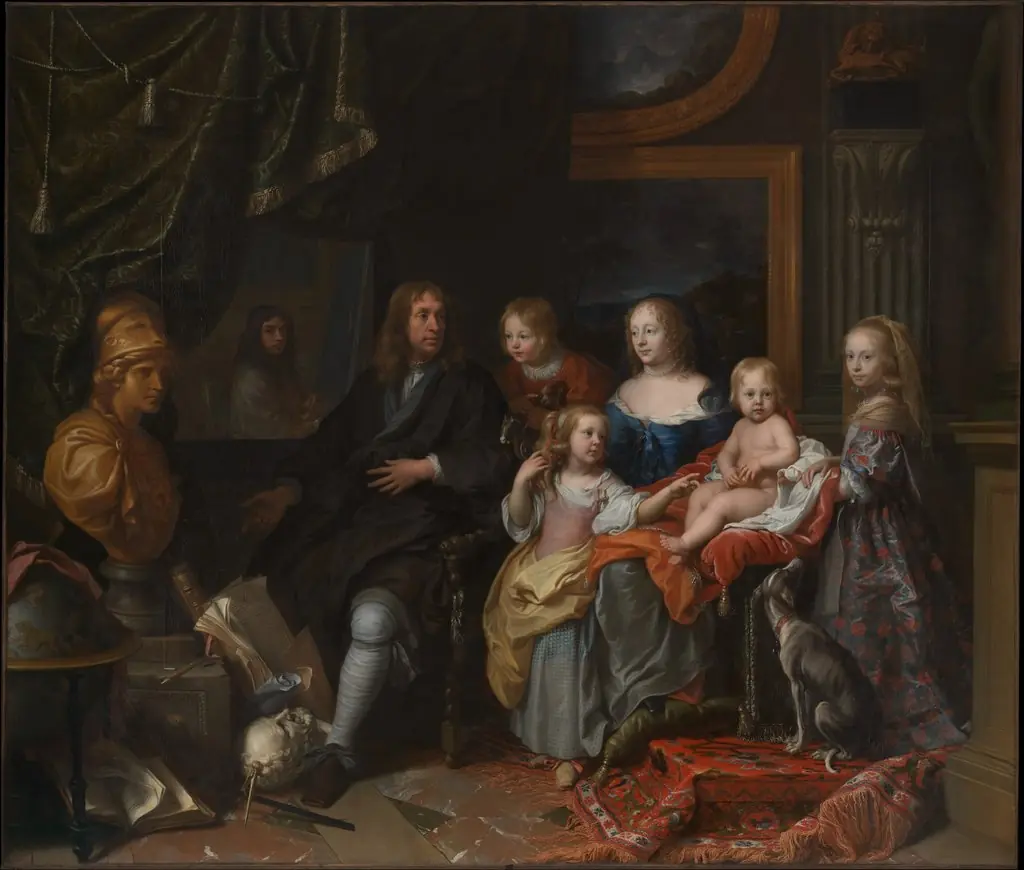 Everhard Jabach (1618–1695) and His Family
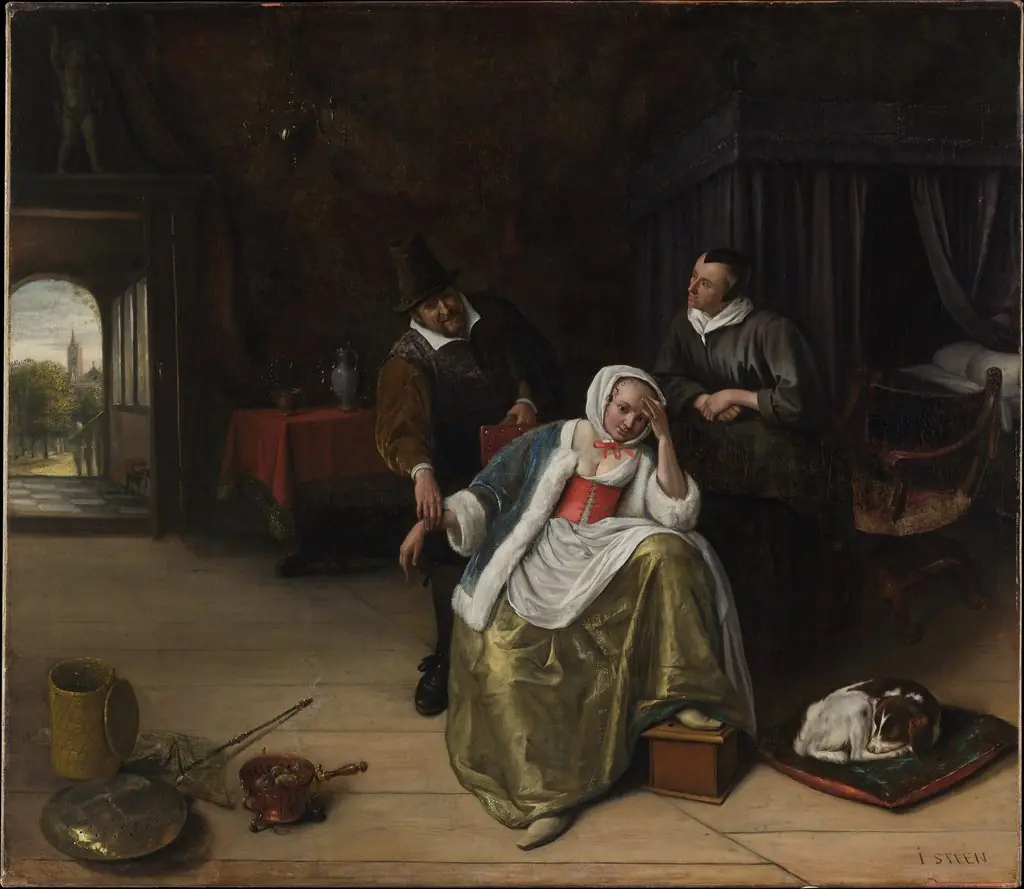 Paintings of physicians by Jan Steen
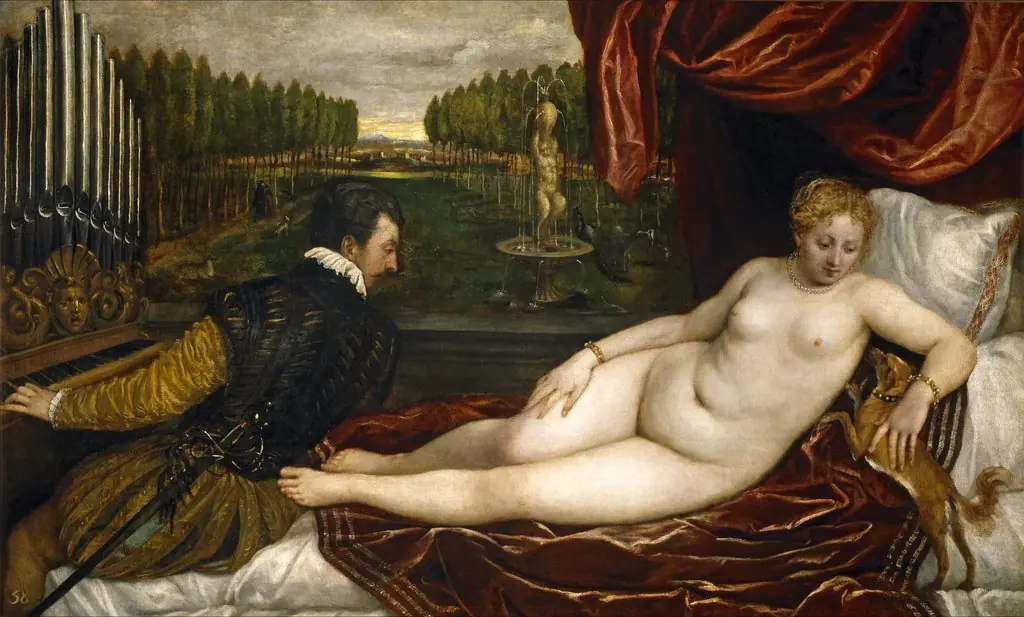 Venus and Music
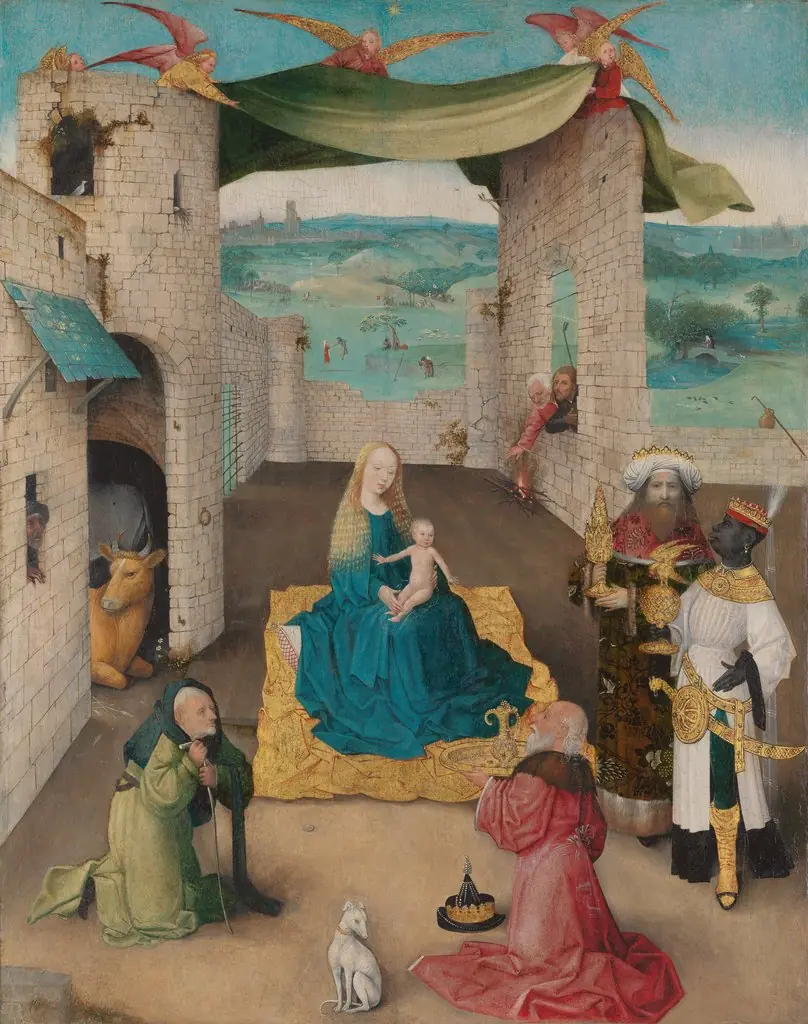 The Adoration of the Magi
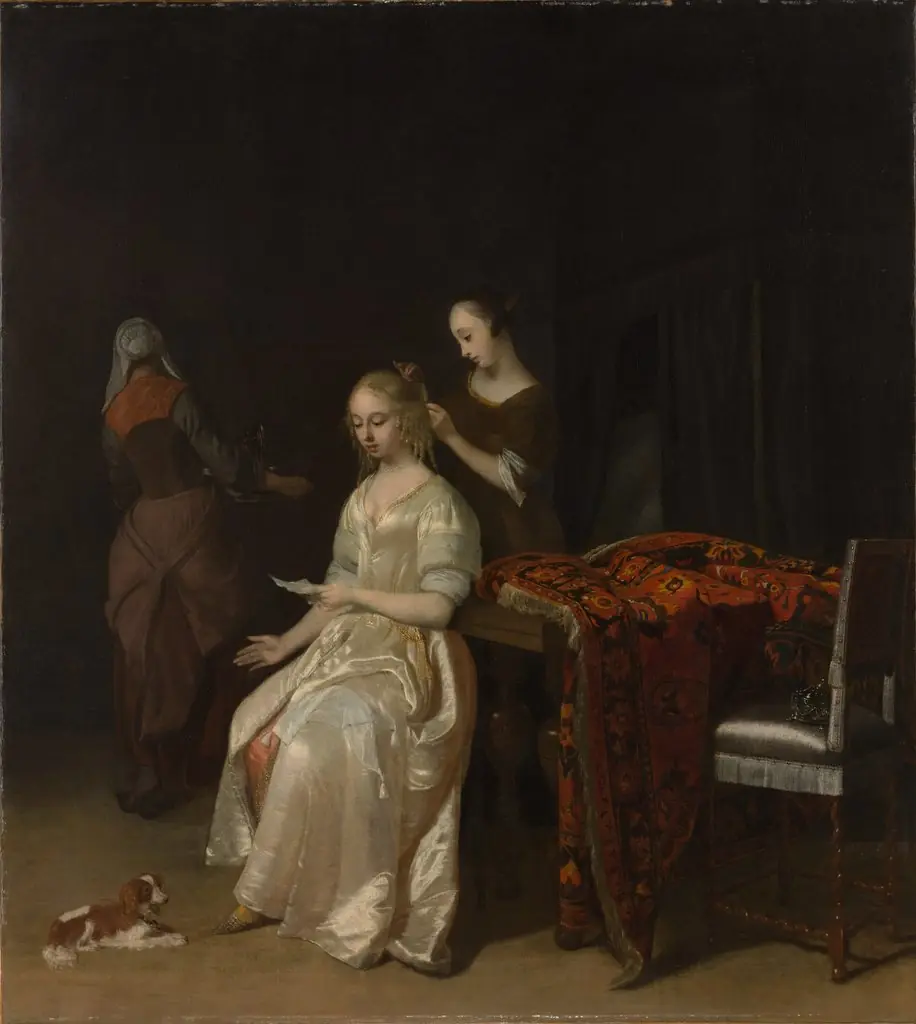 The Love Letter
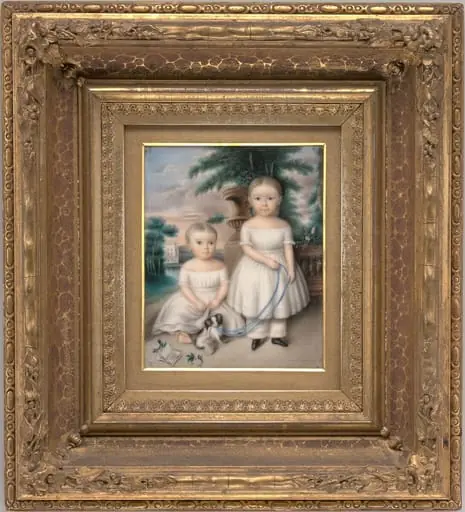 Watson Van Benthuysen II and Thomas Van Benthuysen
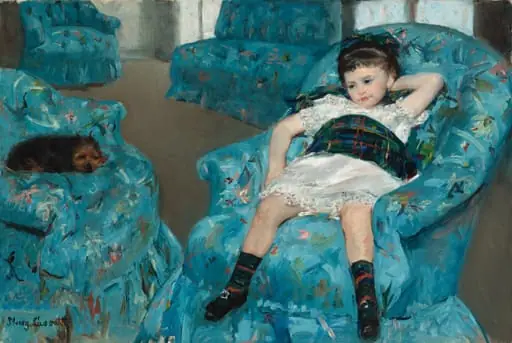 Little Girl in a Blue Armchair
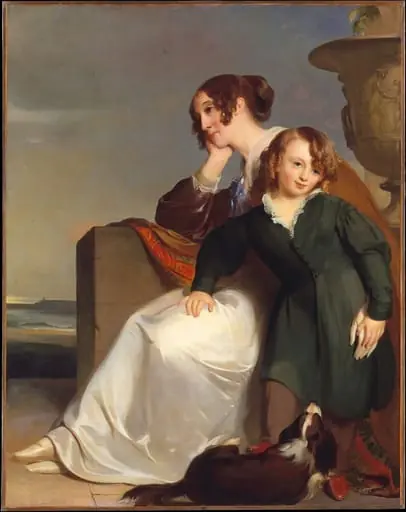 Mother and Son
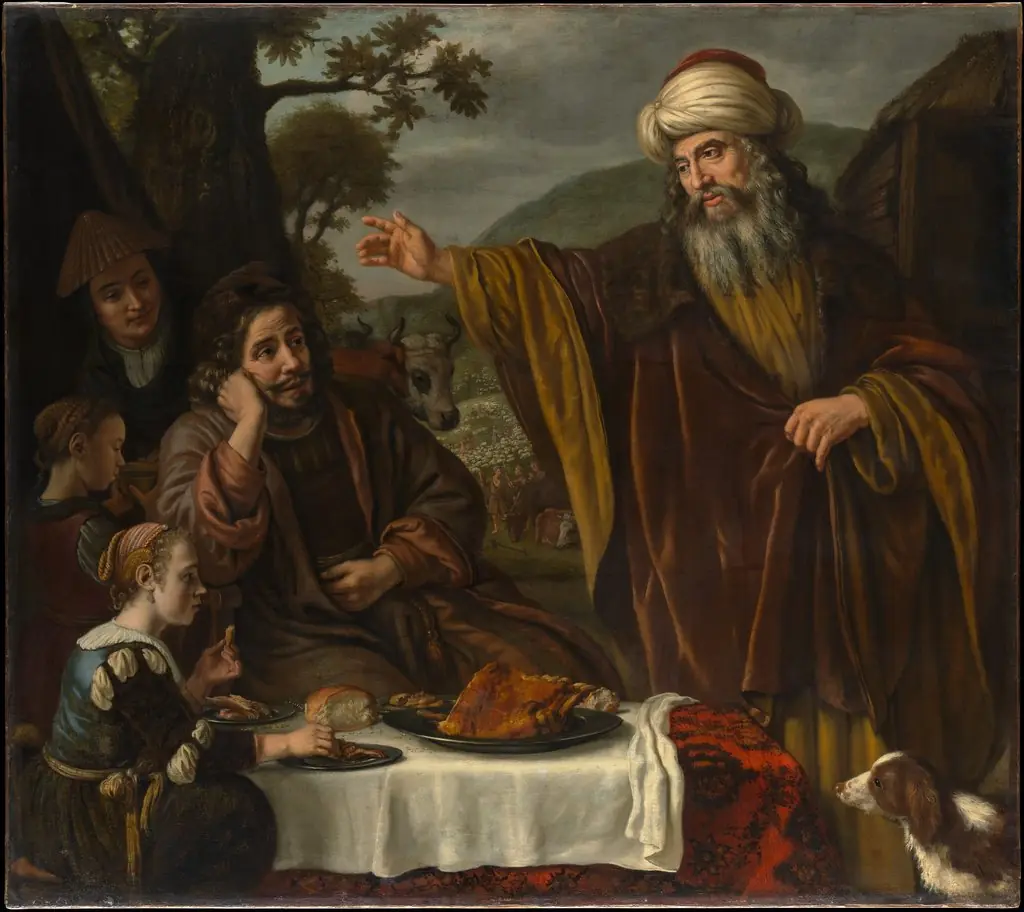 Abraham's Parting from the Family of Lot
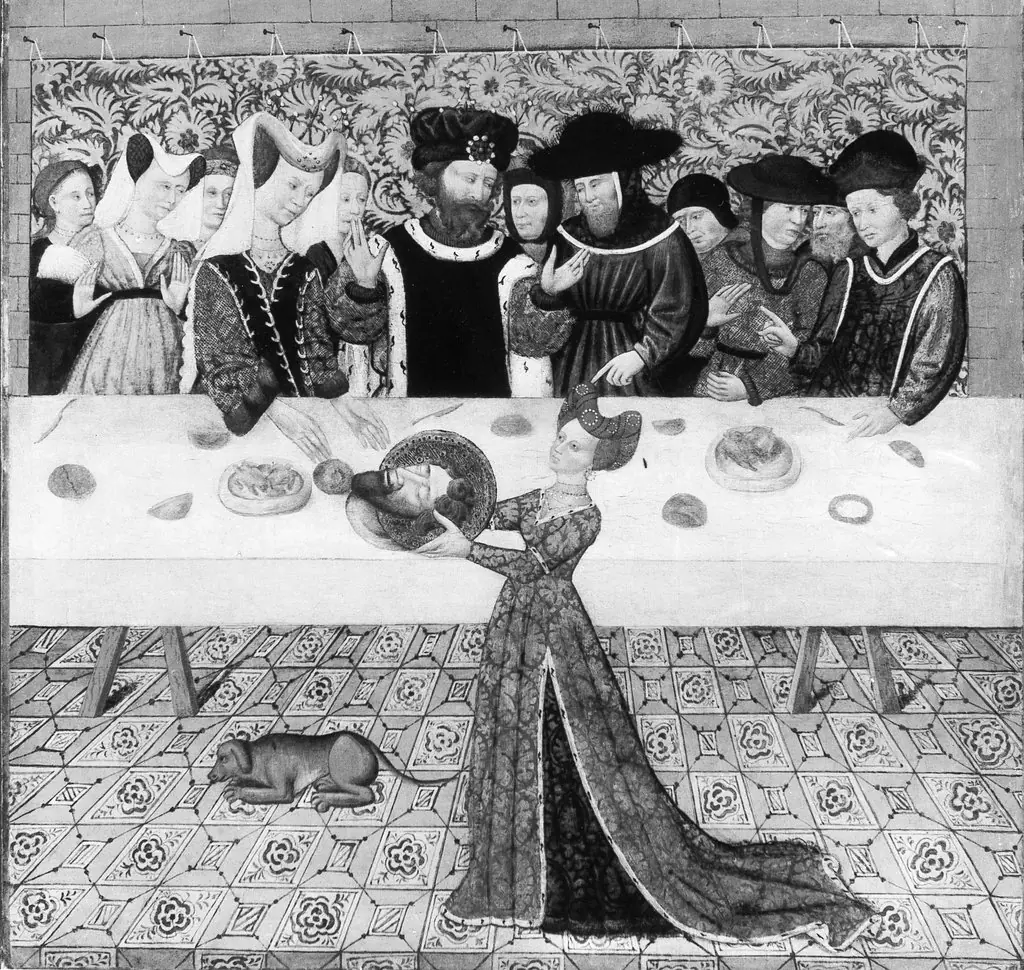 Salome with the Head of Saint John the Baptist
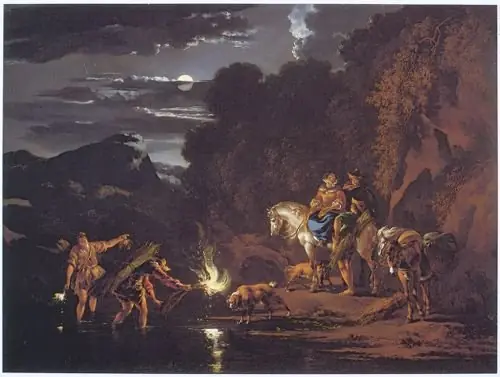 Moonlight Landscape with Crab Fishermen
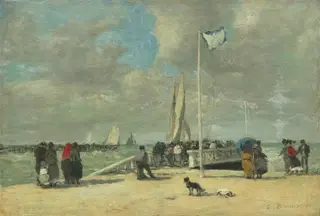 On the Jetty
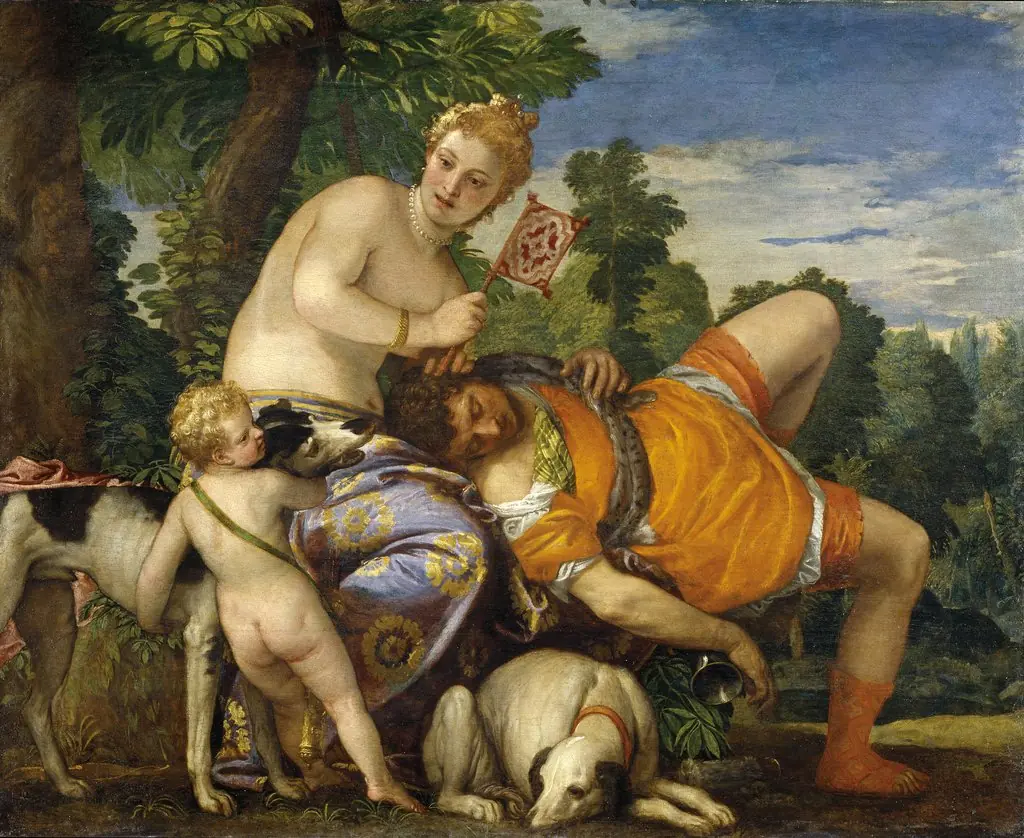 Venus and Adonis
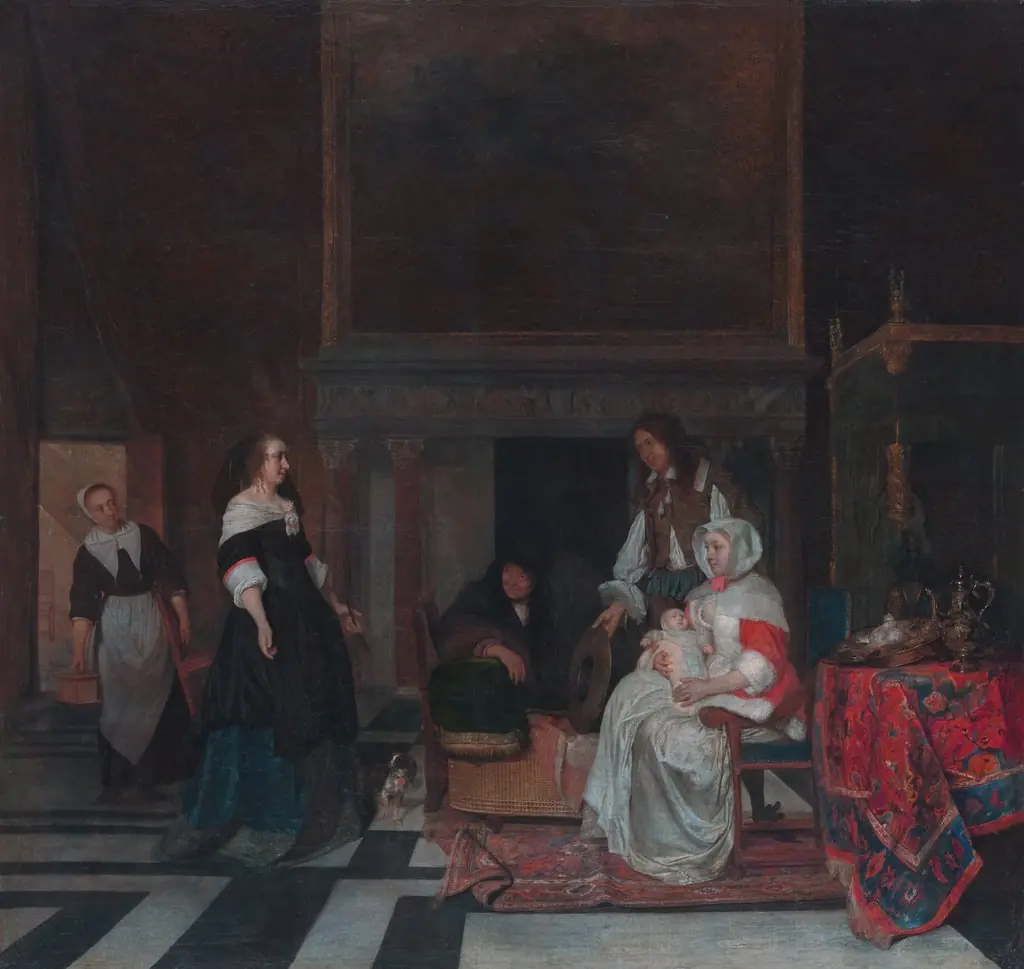 The Visit to the Nursery
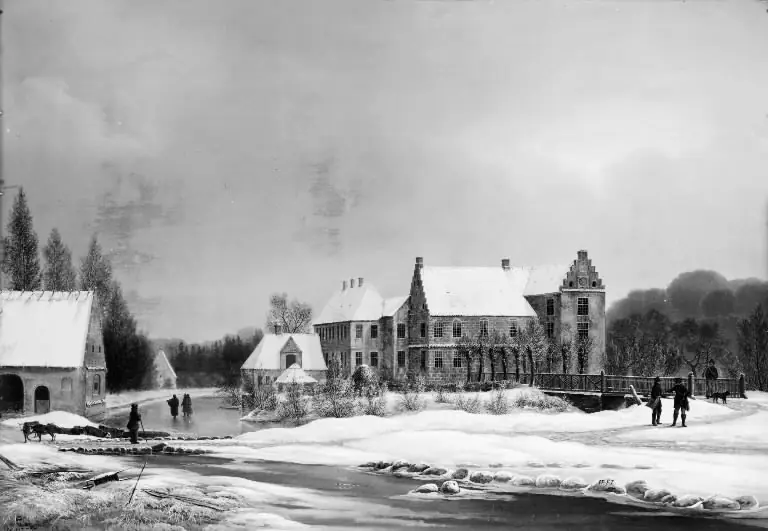 Prospekt af hovedgården Lykkesholm på Fyn. Vinter
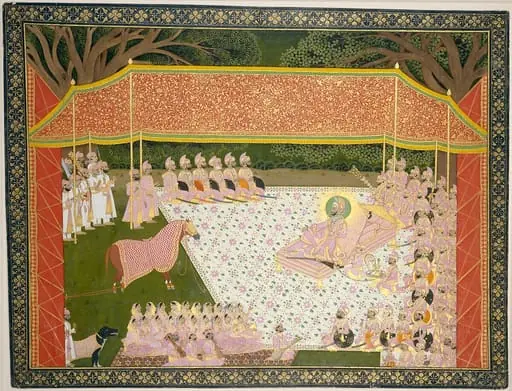 Untitled
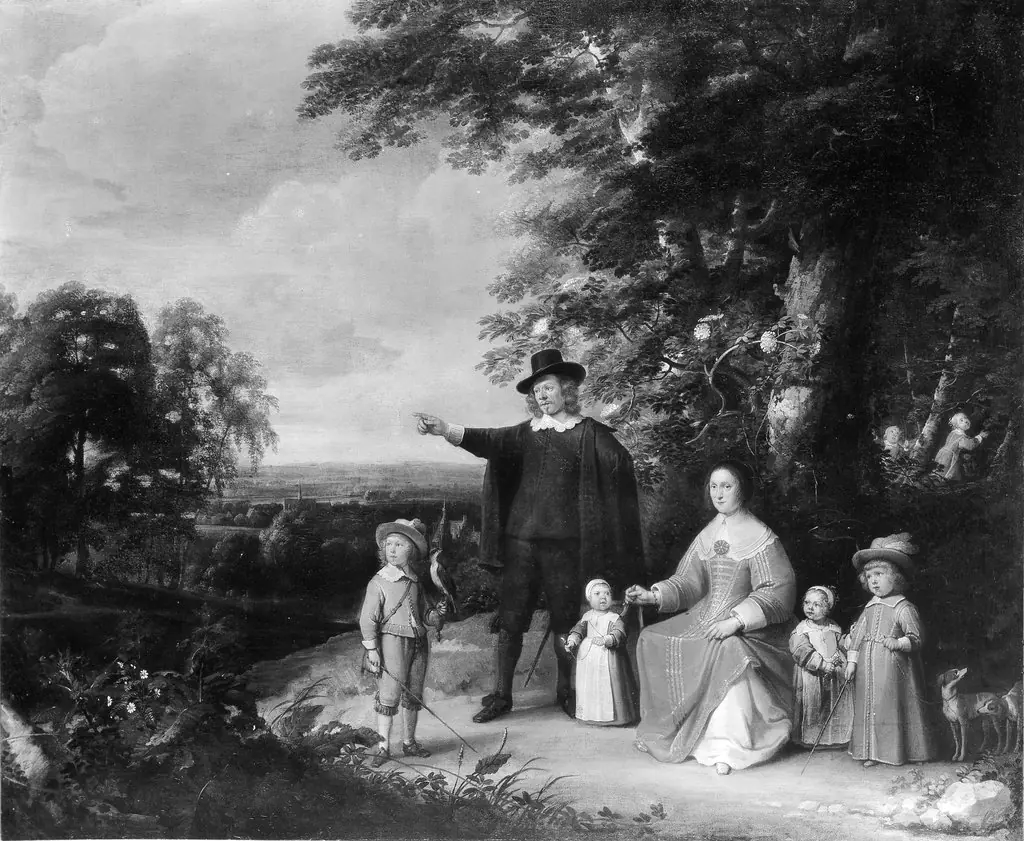 Family Group in a Landscape
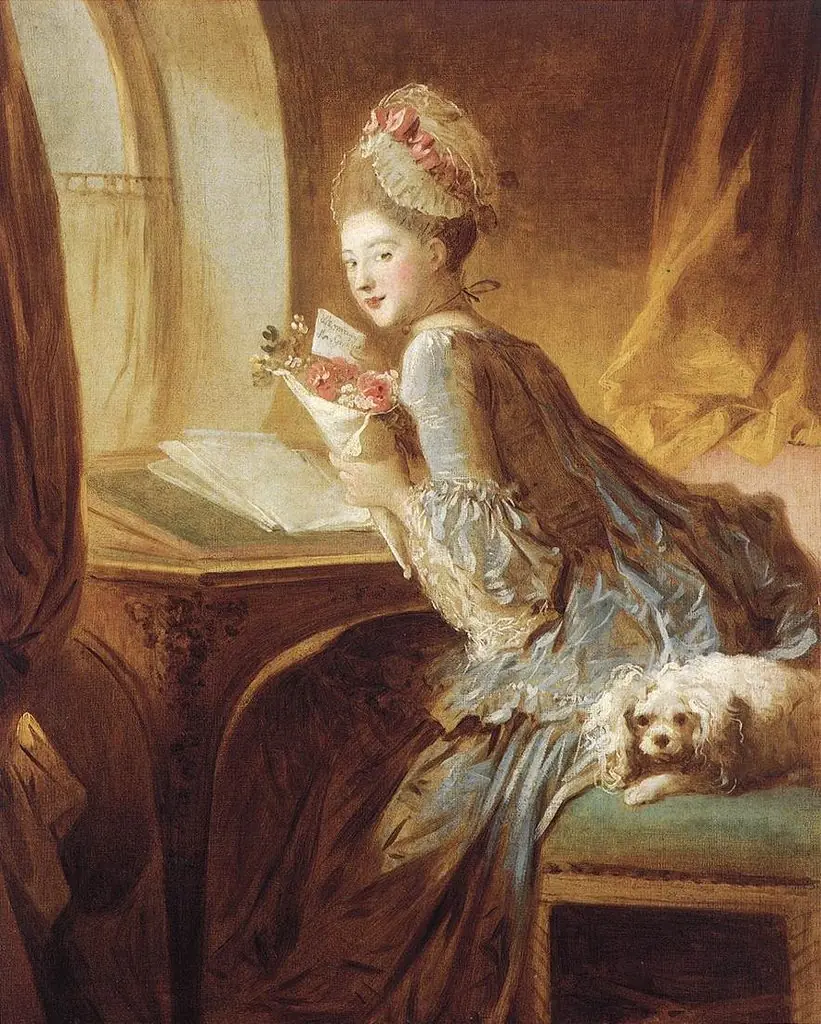 The Love Letter
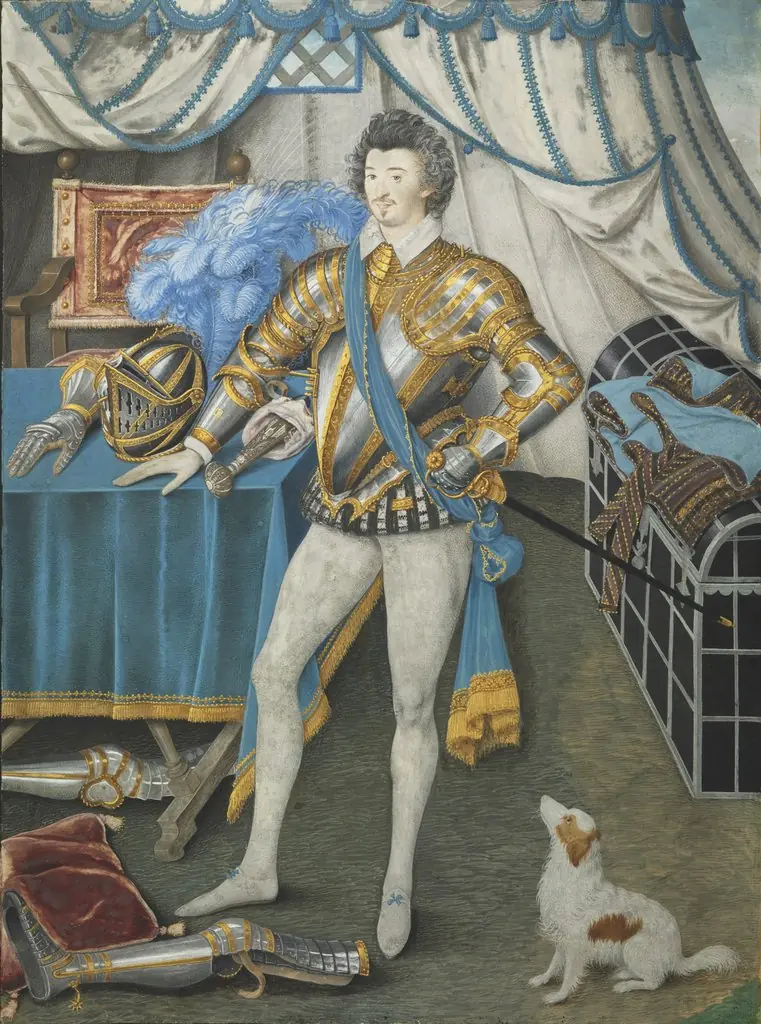 Sir Anthony Mildmay, Knight of Apethorpe, Northamptonshire
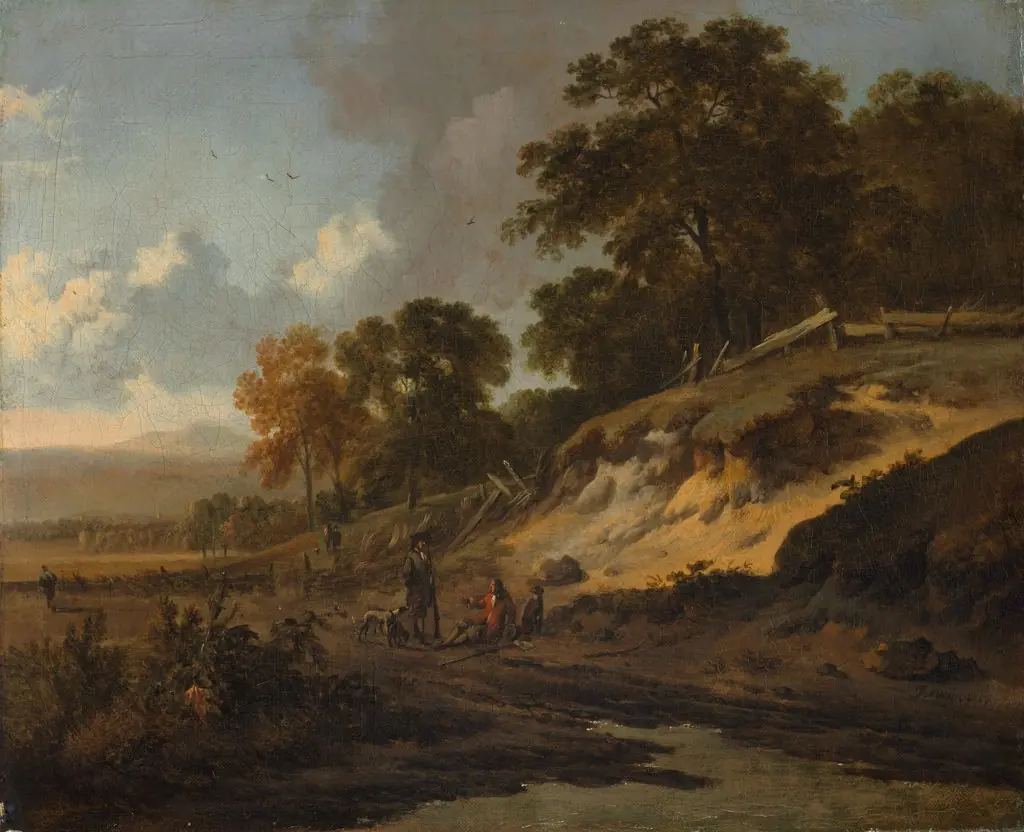 Landscape with Hunters
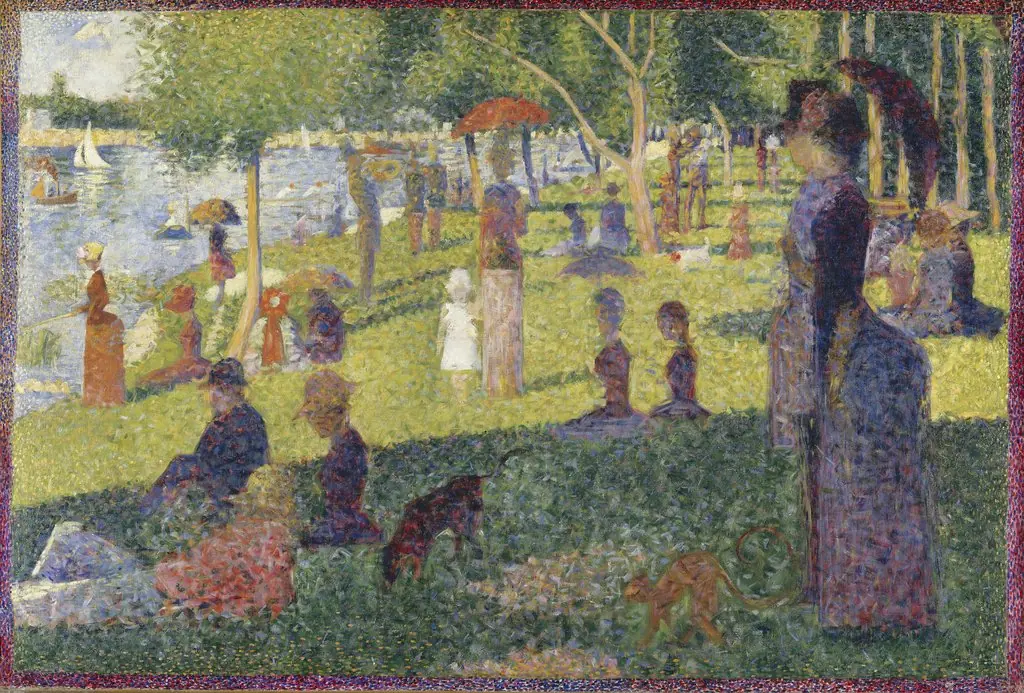 Final study for "La Grande Jatte"
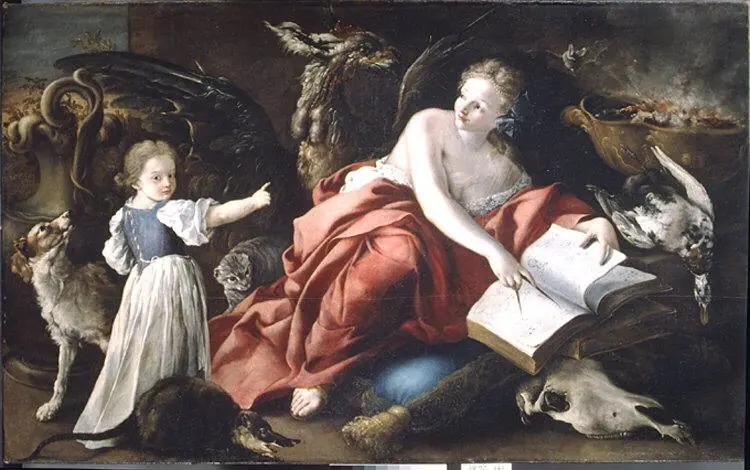 An Allegory
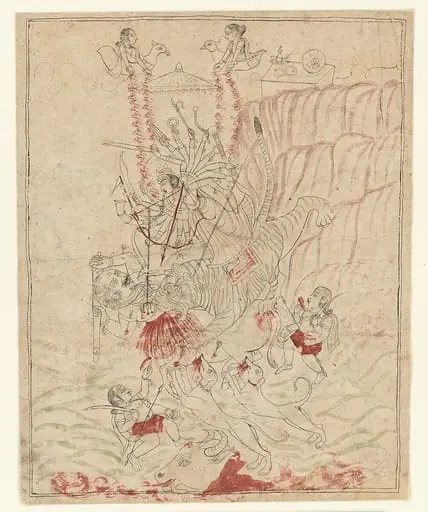 Untitled
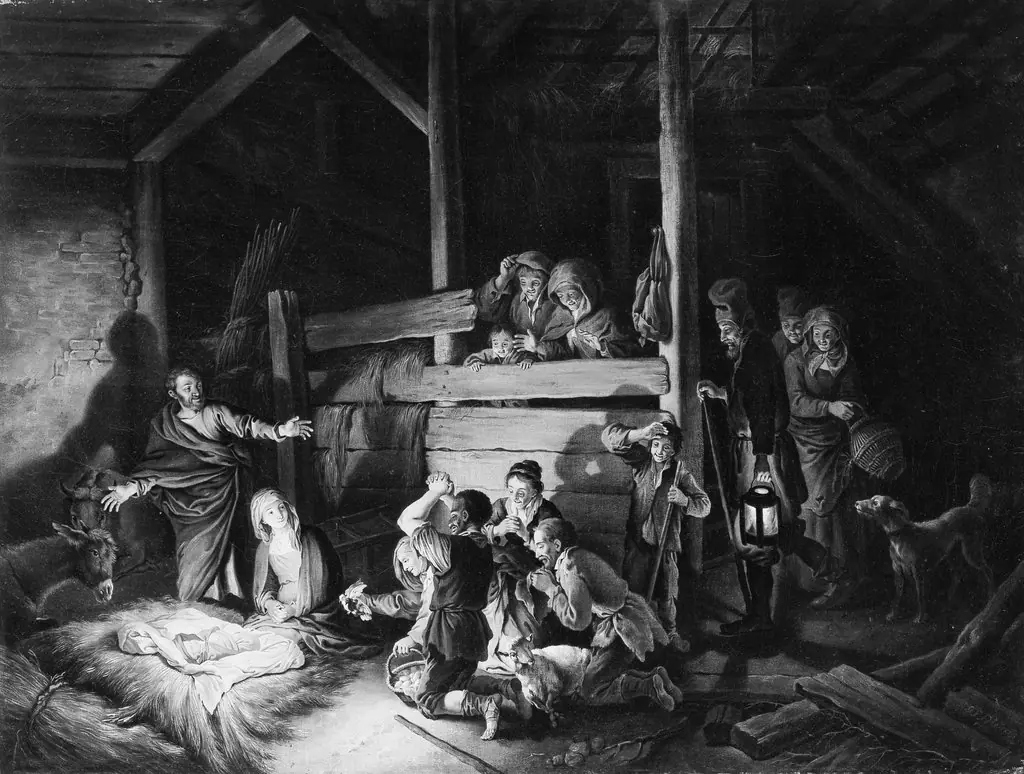 The Adoration of the Shepherds
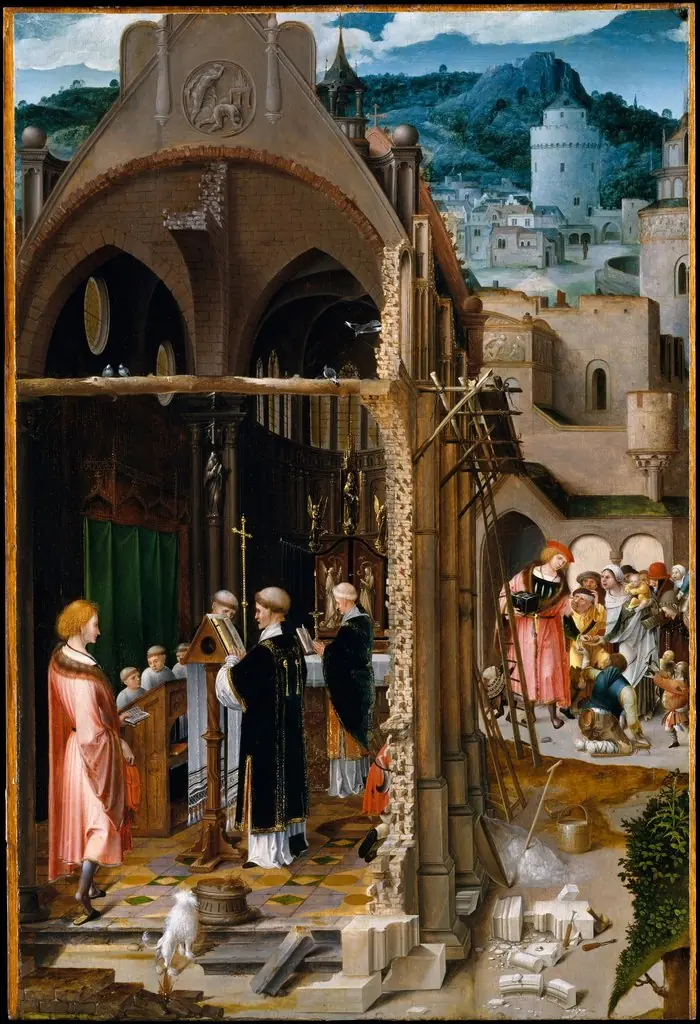 A Sermon on Charity (possibly the Conversion of Saint Anthony)
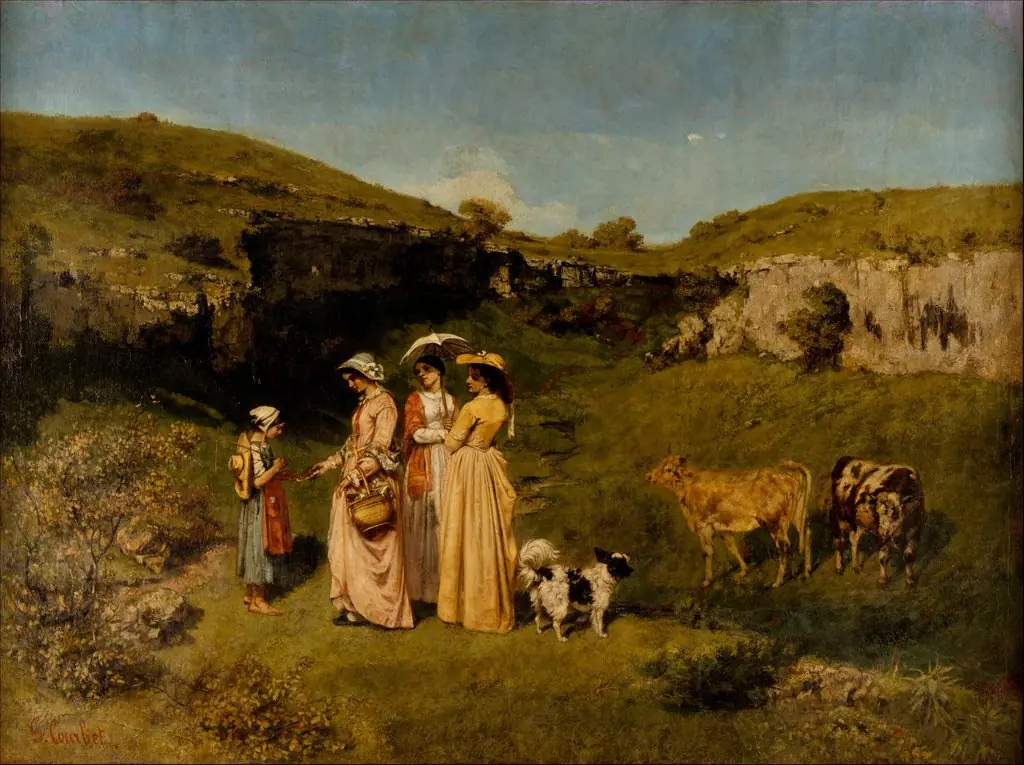 Young Ladies of the Village
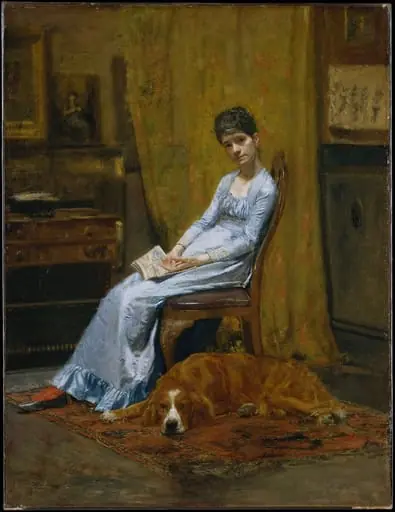 The Artist's Wife and His Setter Dog
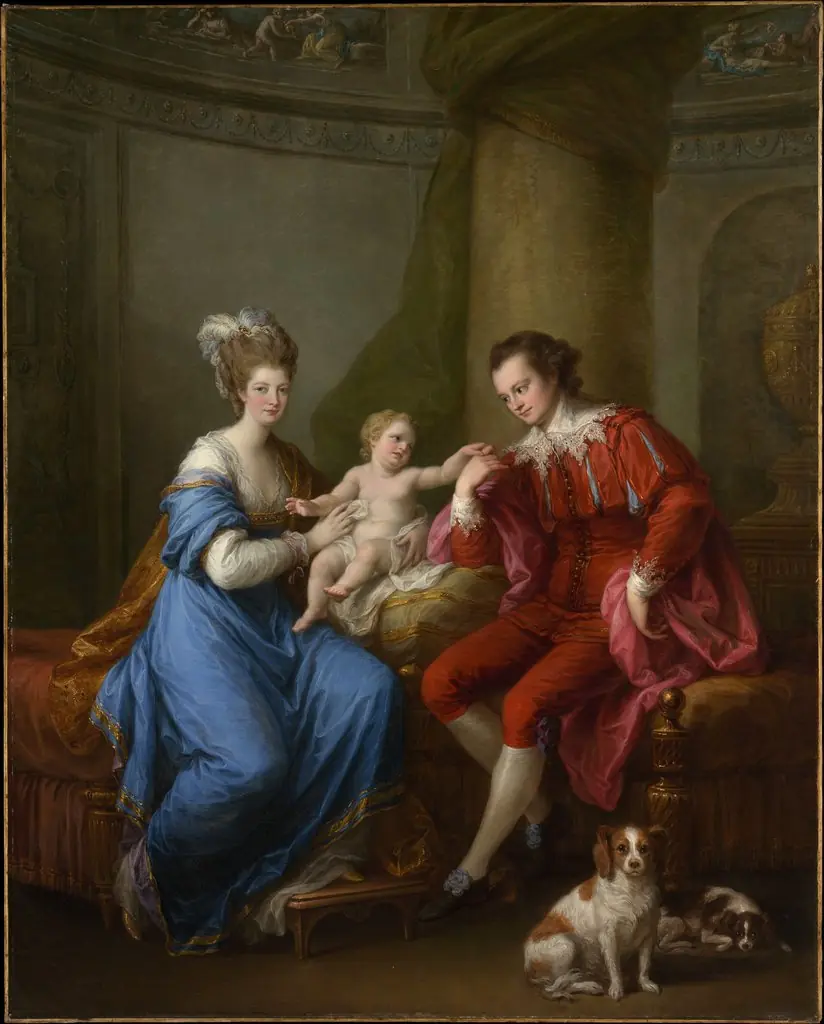 Edward Smith Stanley (1752–1834), Twelfth Earl of Derby, with His First Wife (Lady Elizabeth Hamilton, 1753–1797) and Their Son (Edward Smith Stanley, 1775–1851)
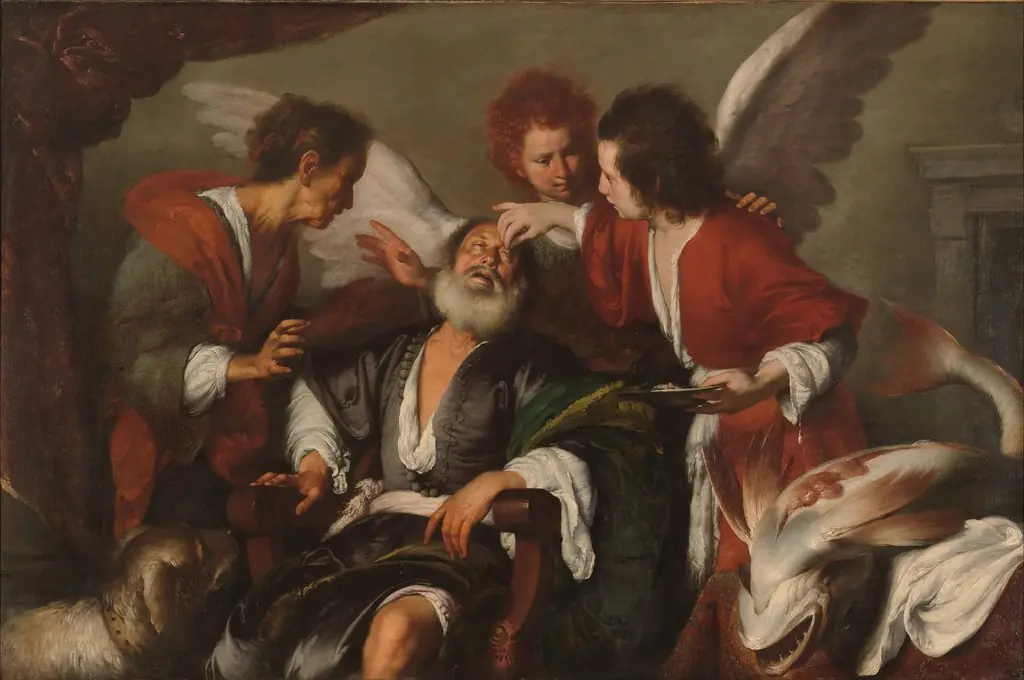 Tobias Curing His Father's Blindness
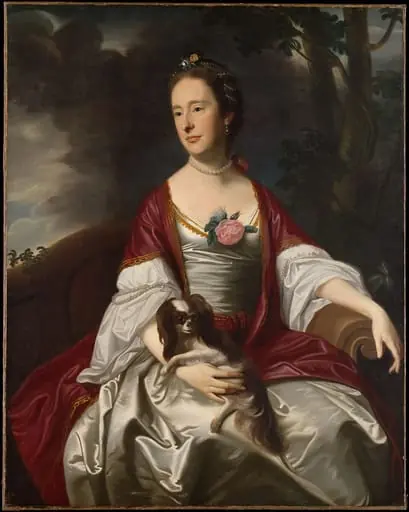 Mrs. Jerathmael Bowers
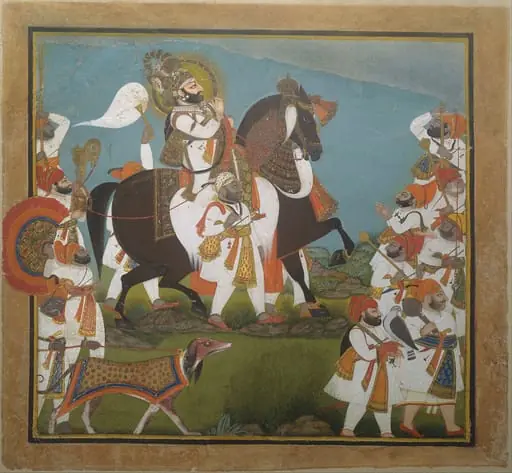 Untitled
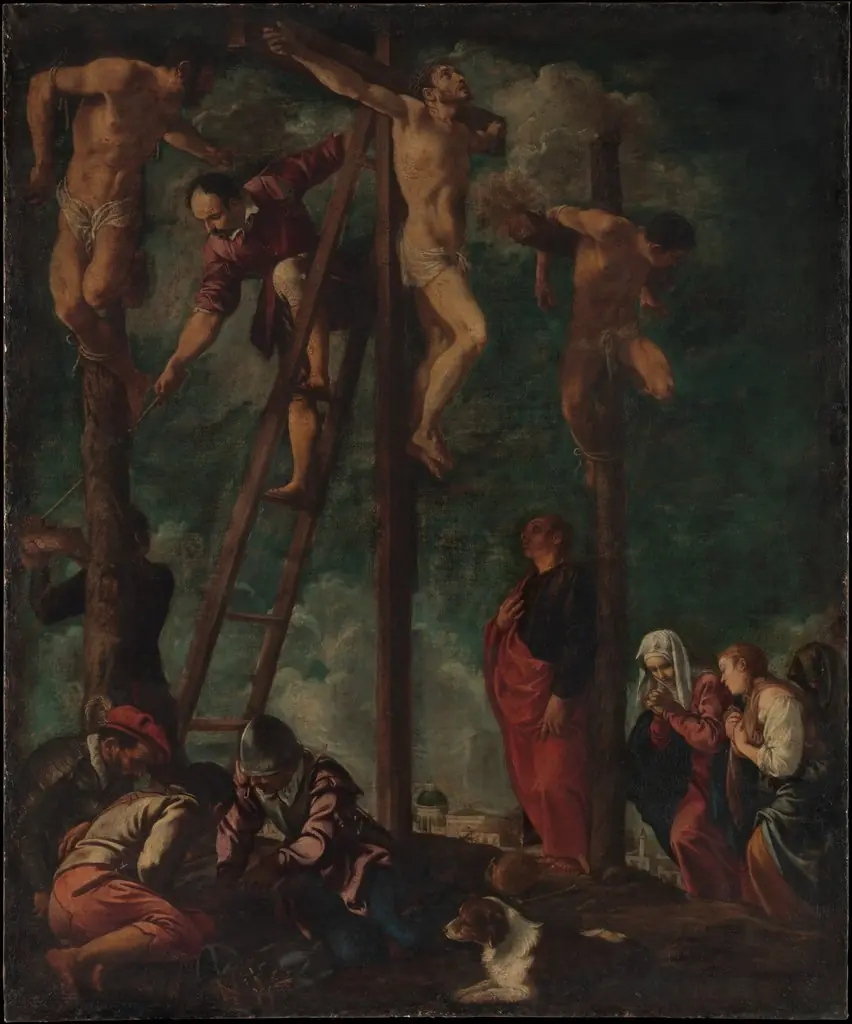 The Crucifixion
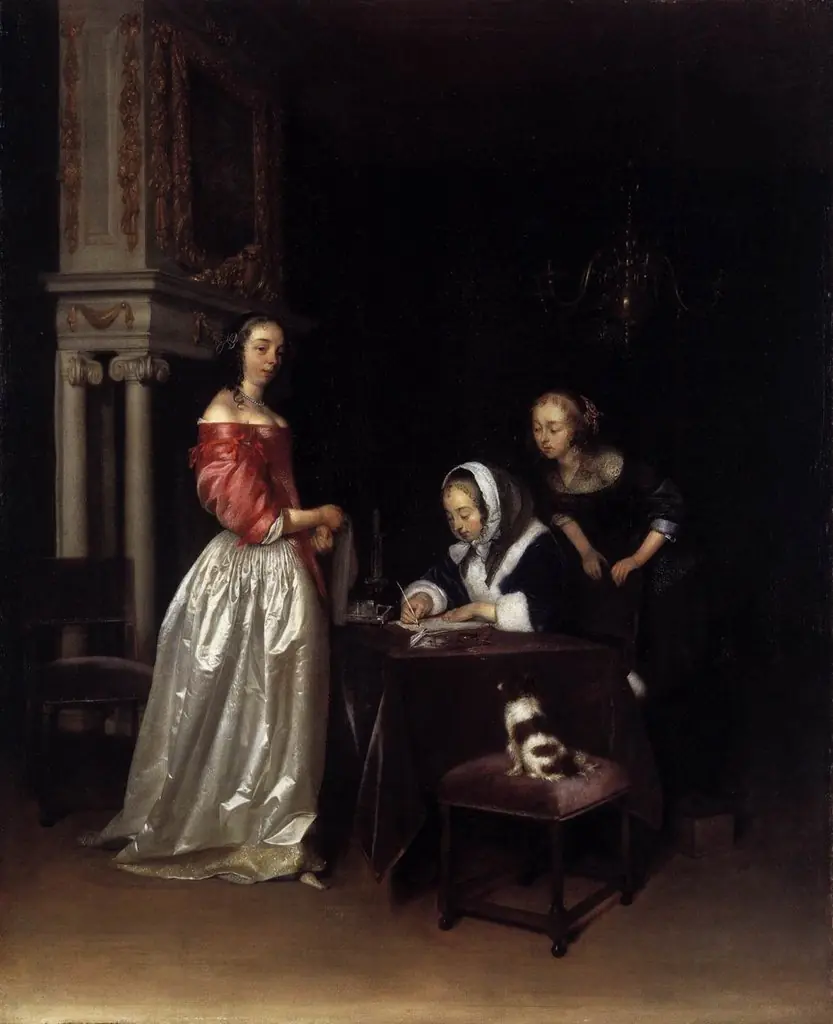 The Curious
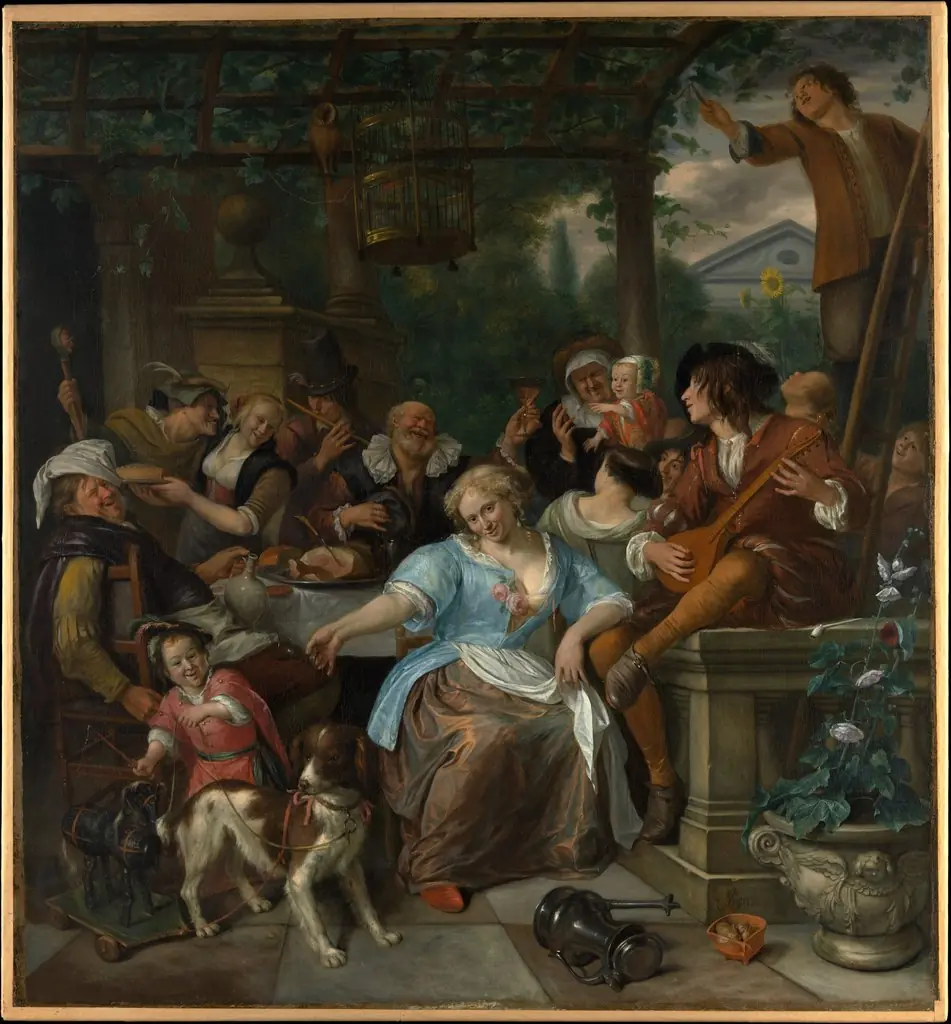 Merry Company on a Terrace
 On the Beach, Dieppe
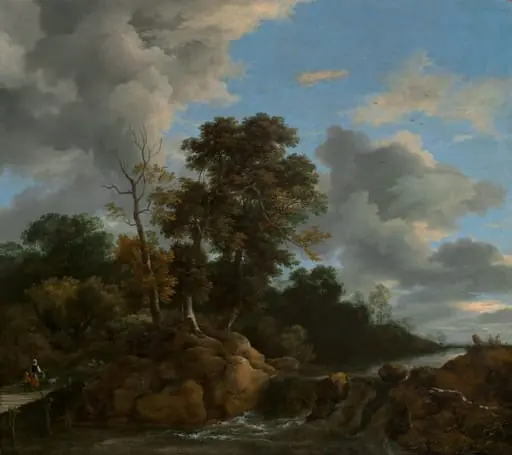 Landscape
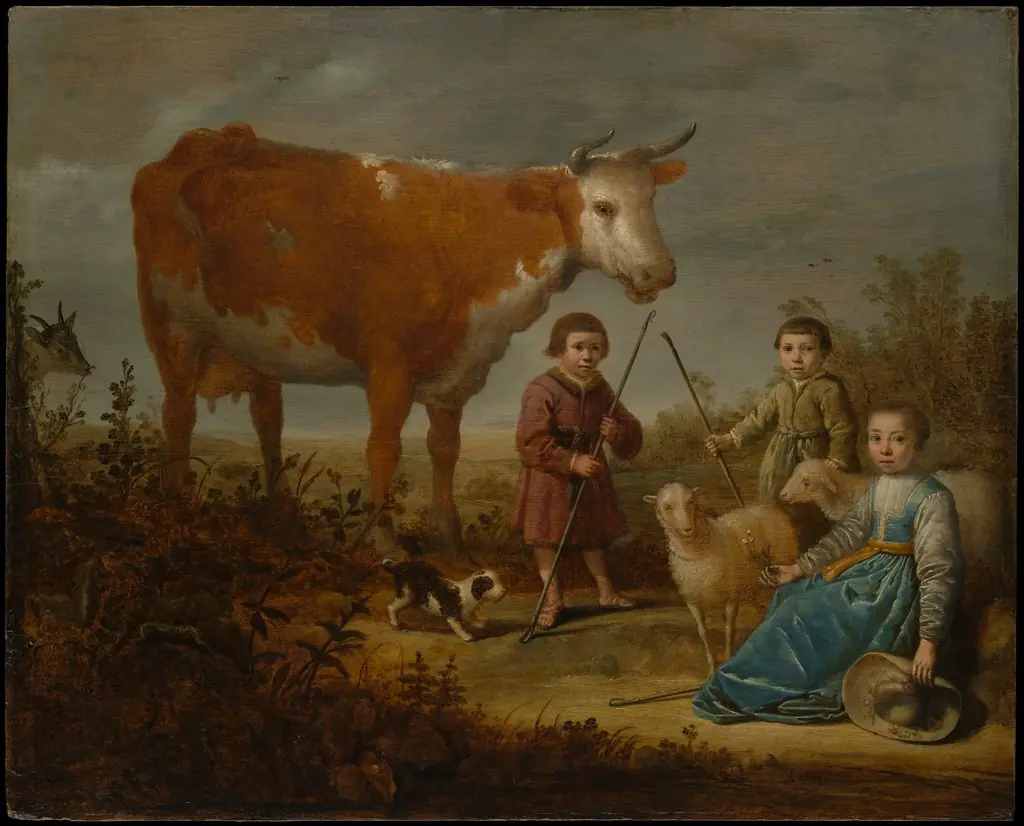 Children and a Cow
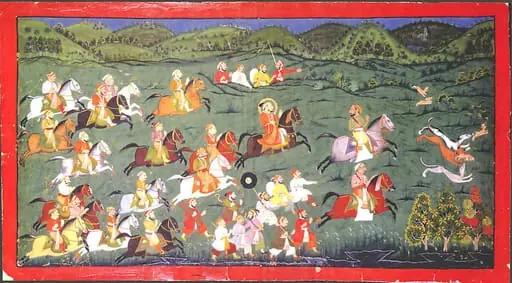 Untitled
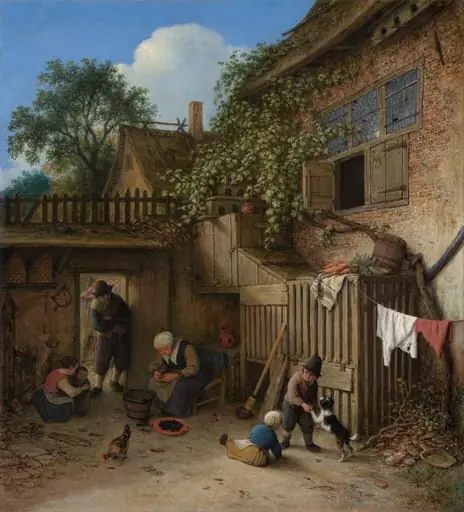 The Cottage Dooryard
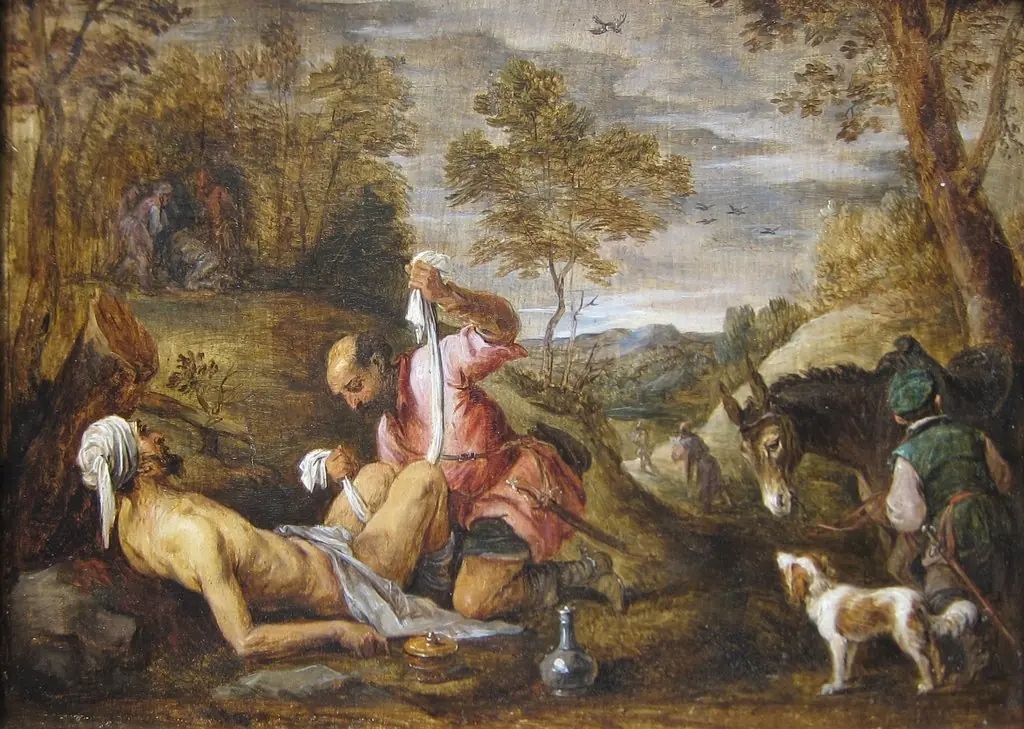 The Good Samaritan
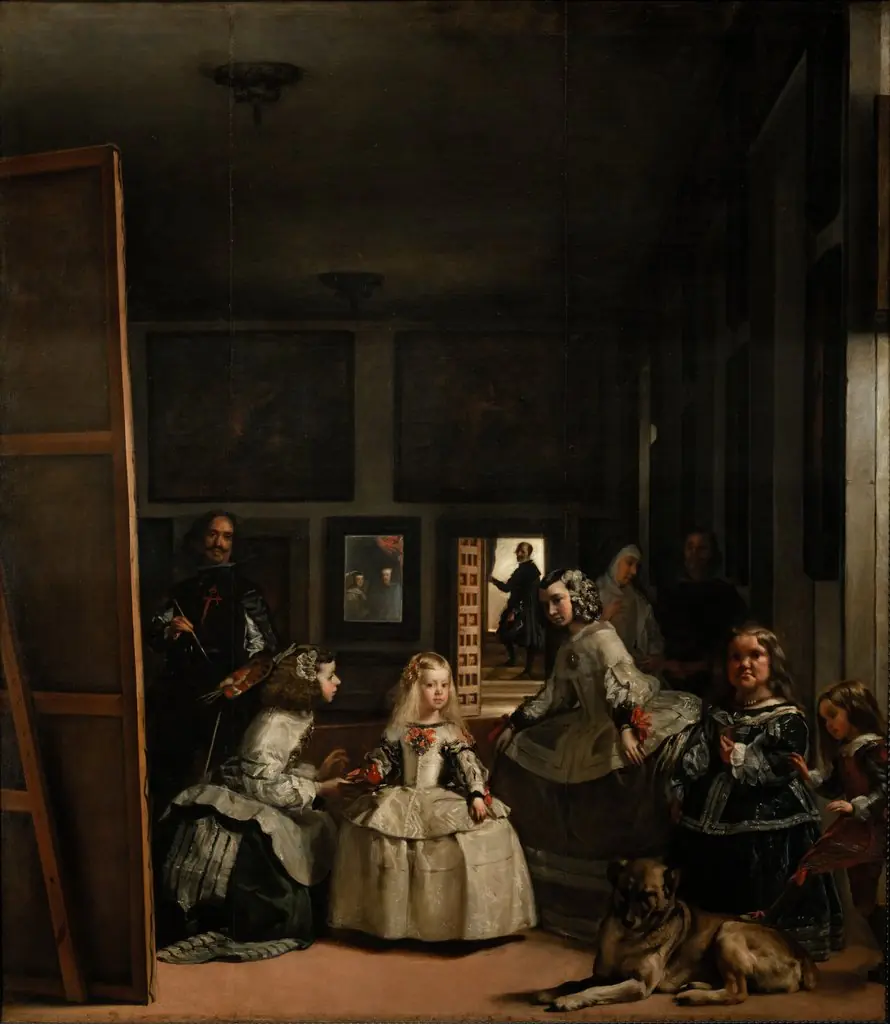 Las Meninas
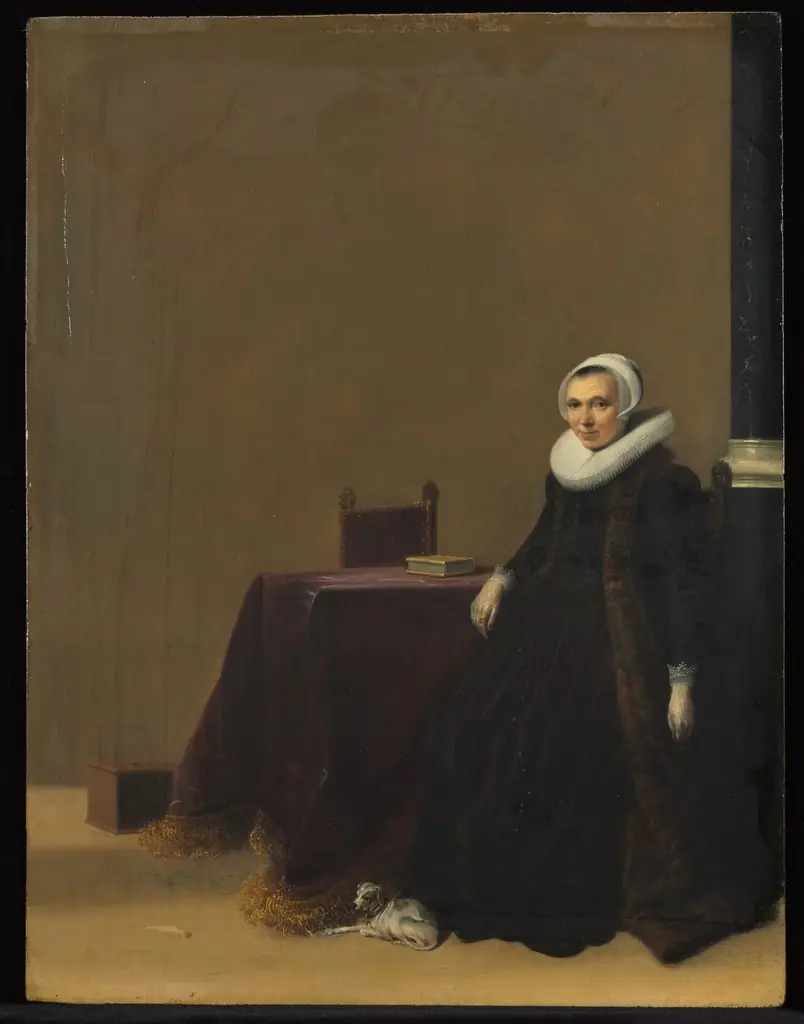 Portrait of a Woman with a Dog
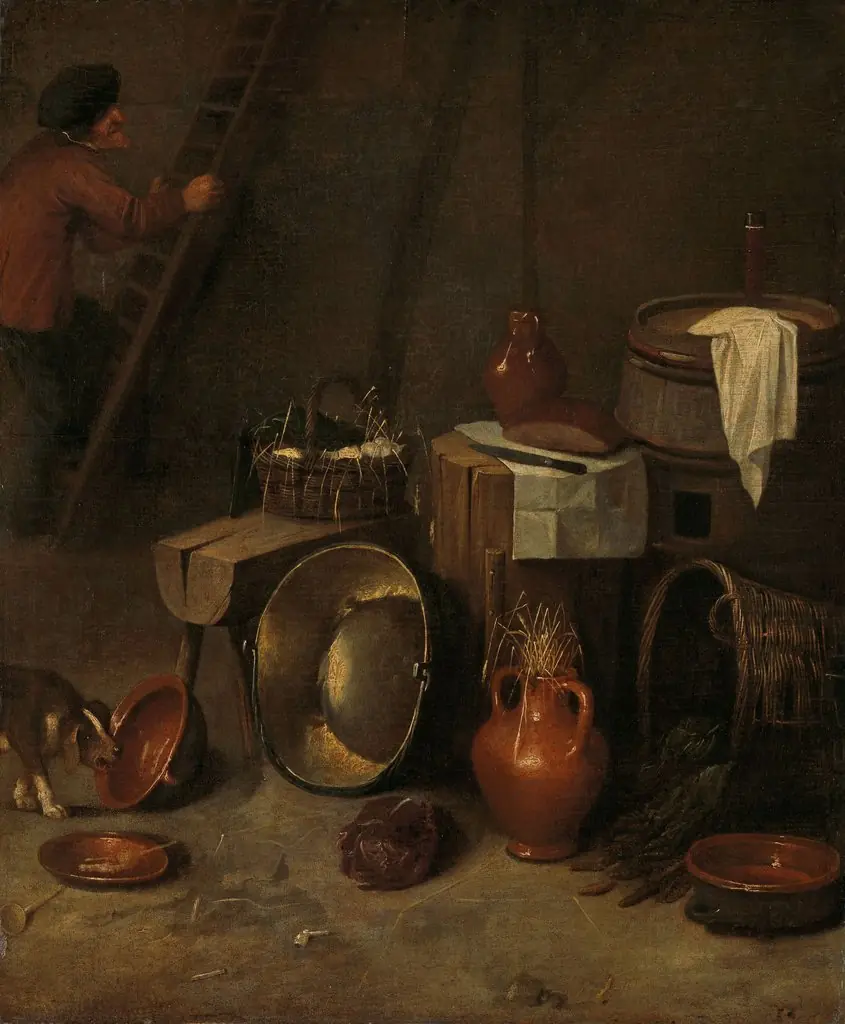 Still life in a stable
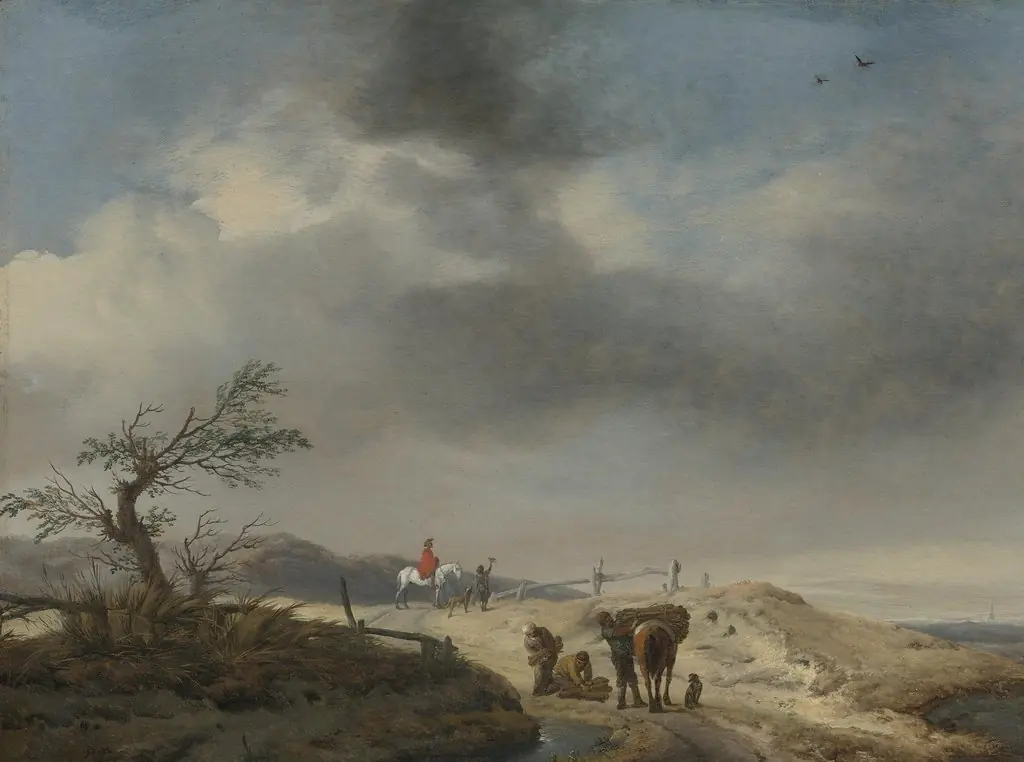 Dune Landscape with Figures
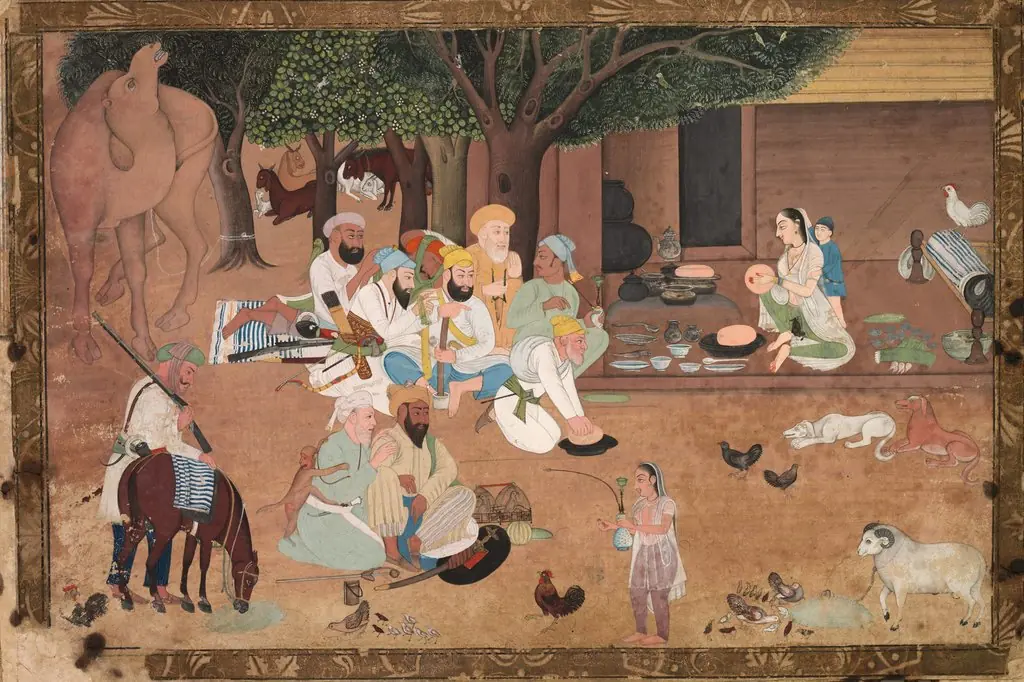 Traveling Warriors Stopping at a Farm
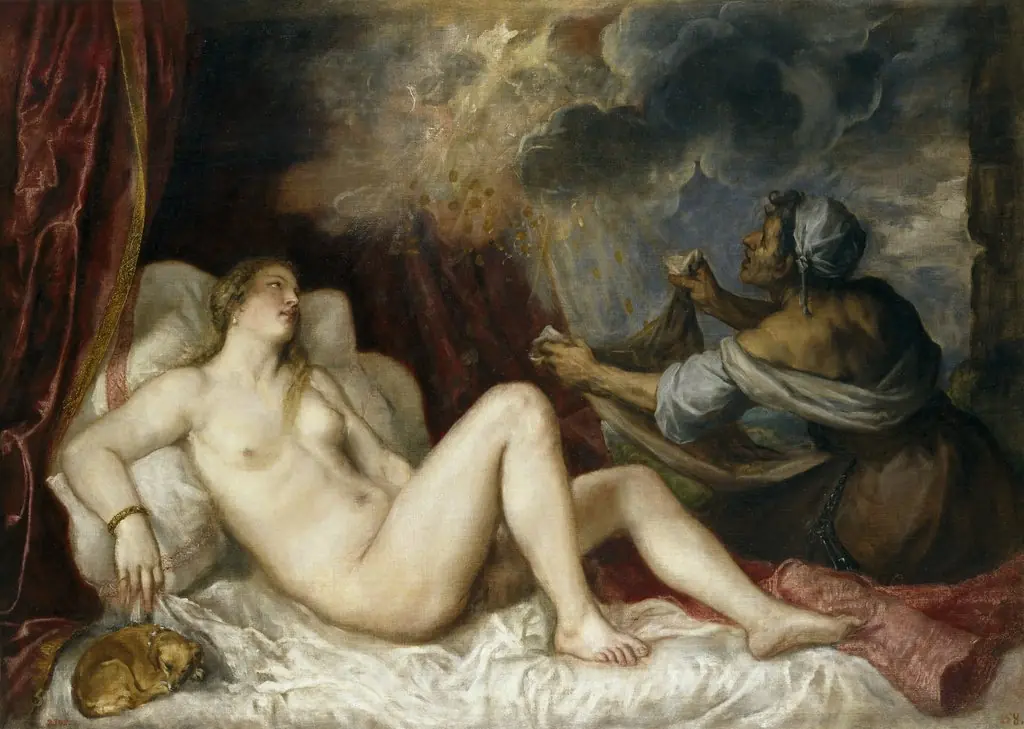 Danaë
Danaë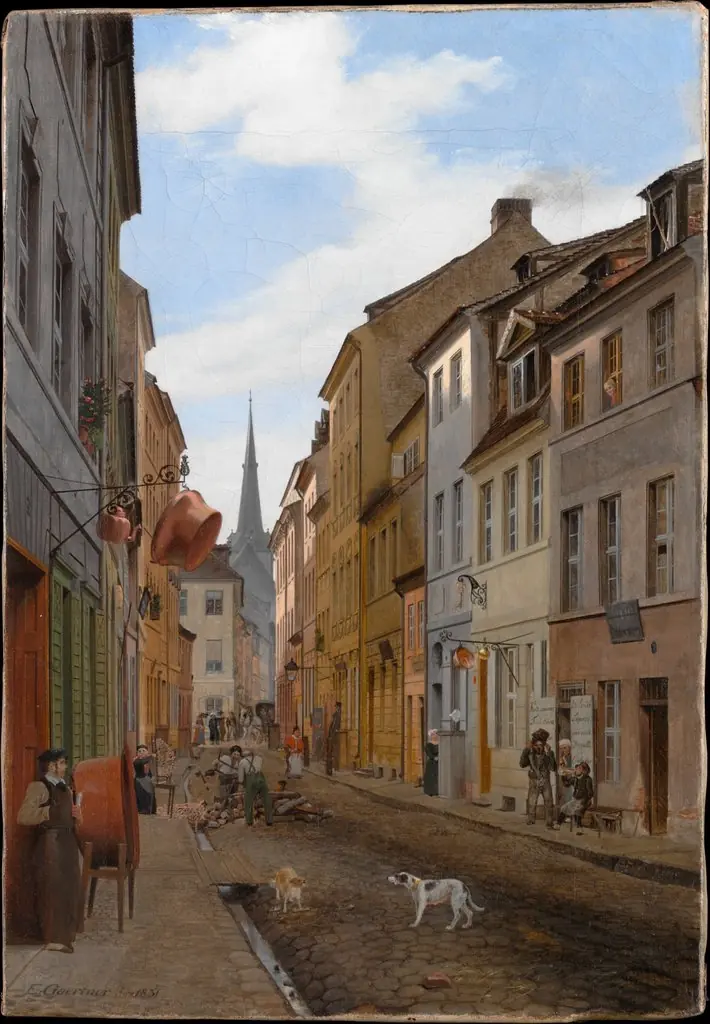 Parochialstrasse in Berlin
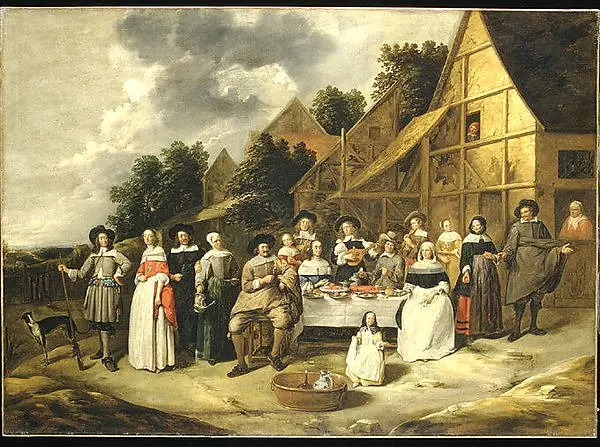 Group Portrait: A Wedding Celebration
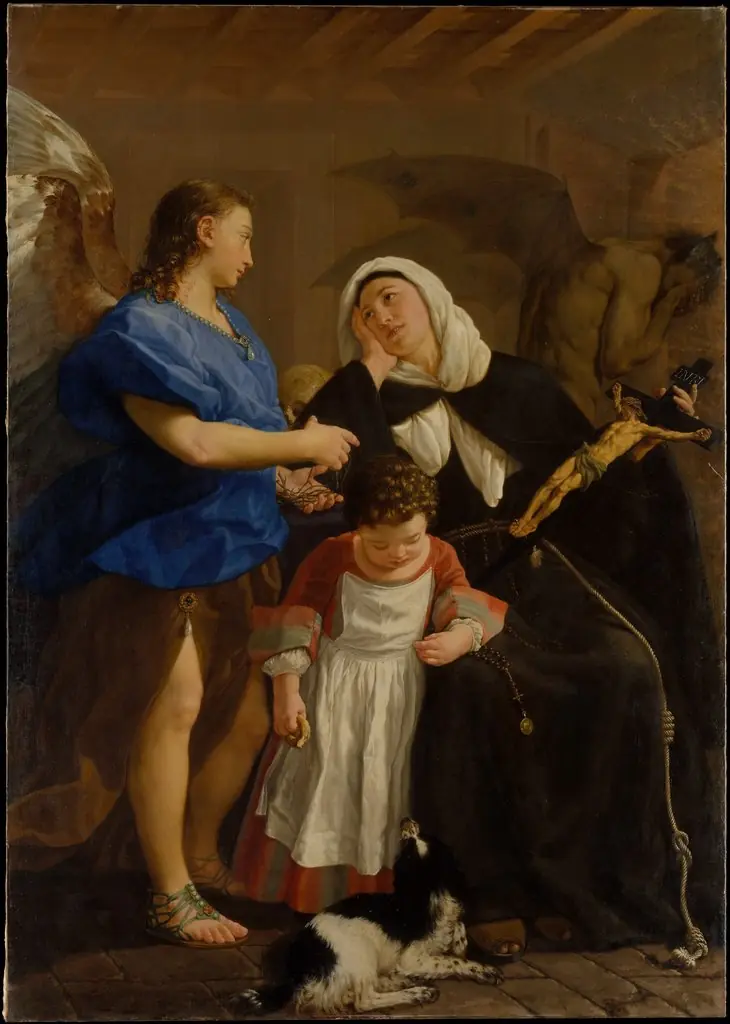 Saint Margaret of Cortona
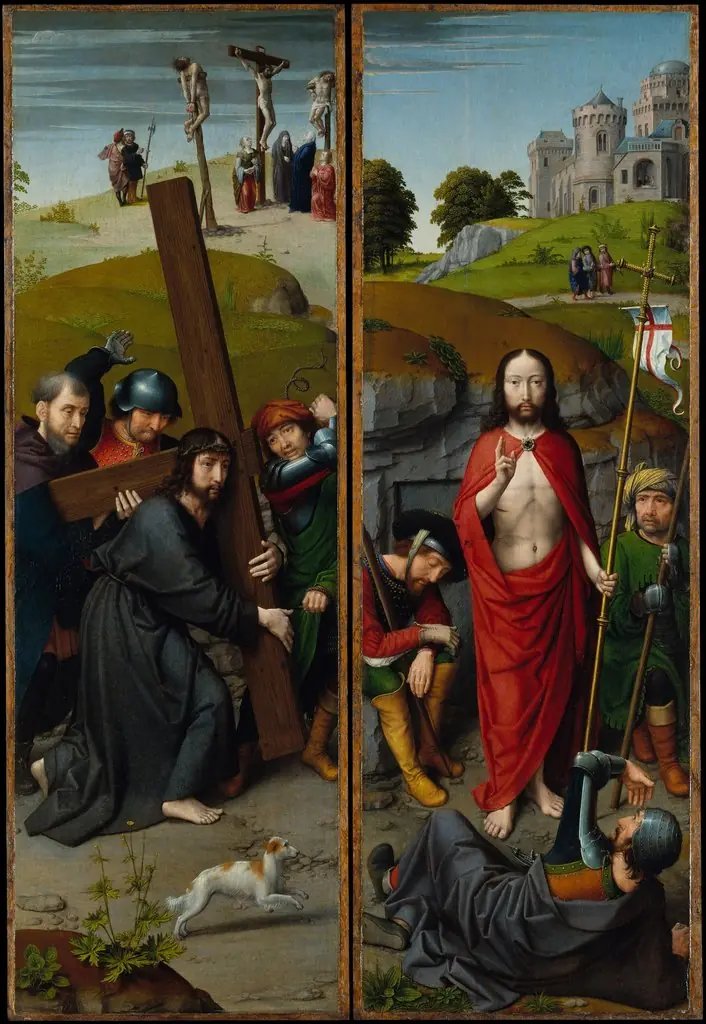 Christ Carrying the Cross, with the Crucifixion; The Resurrection, with the Pilgrims of Emmaus
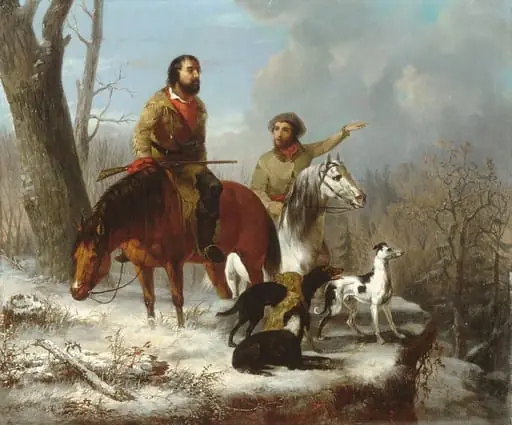 Trappers
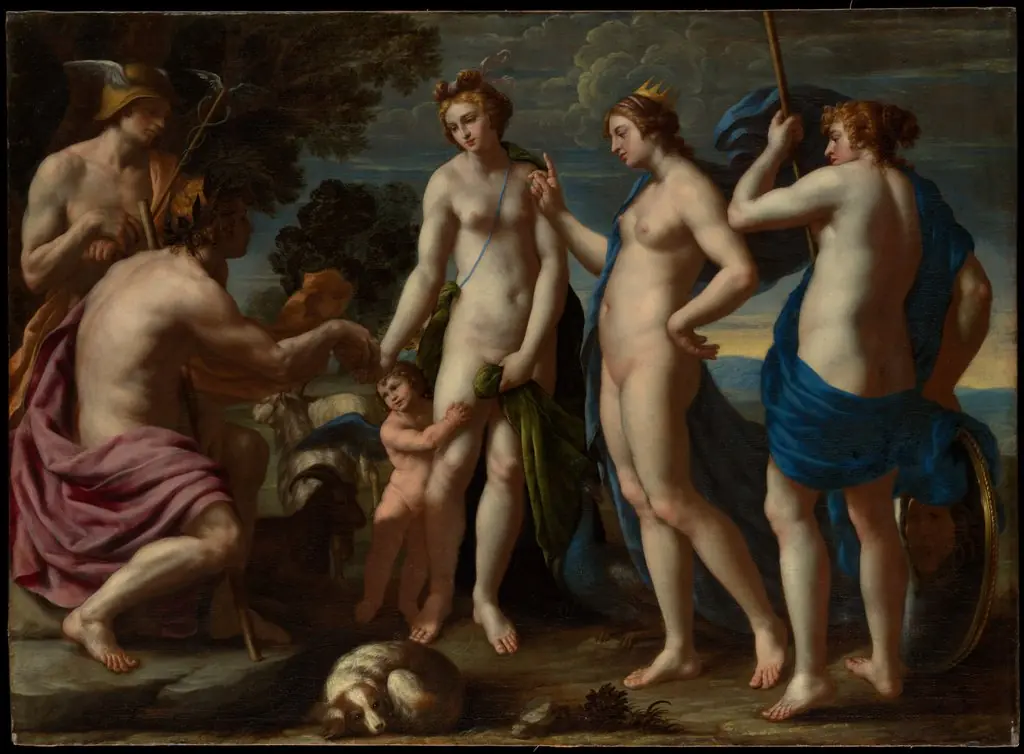 Judgment of Paris
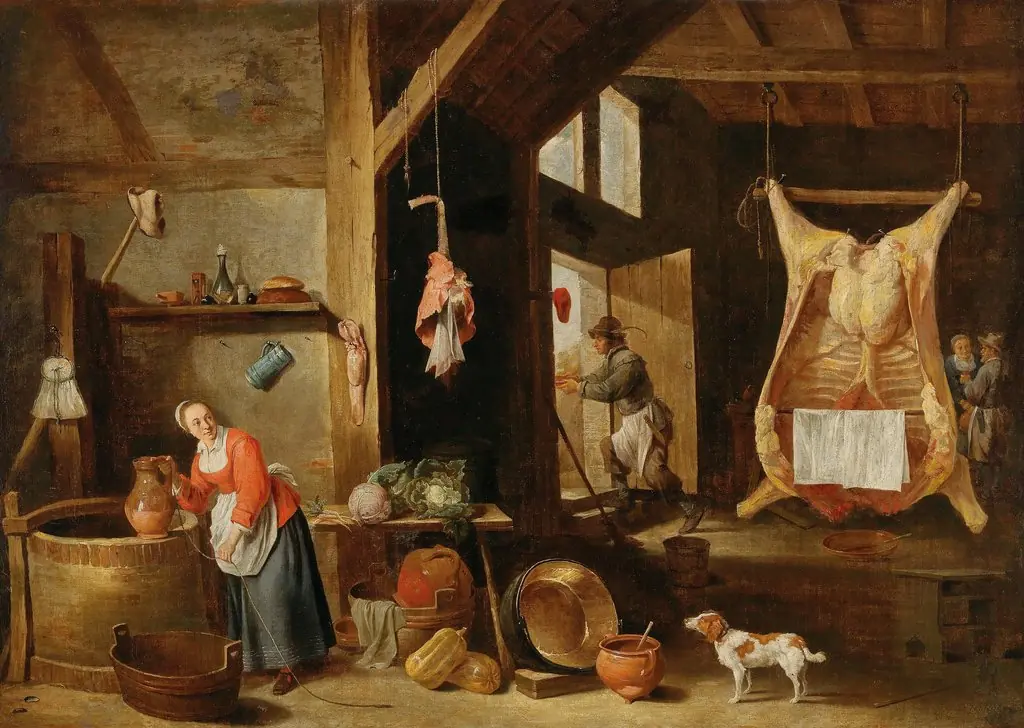 An interior of a barn with a scullery maid at a well
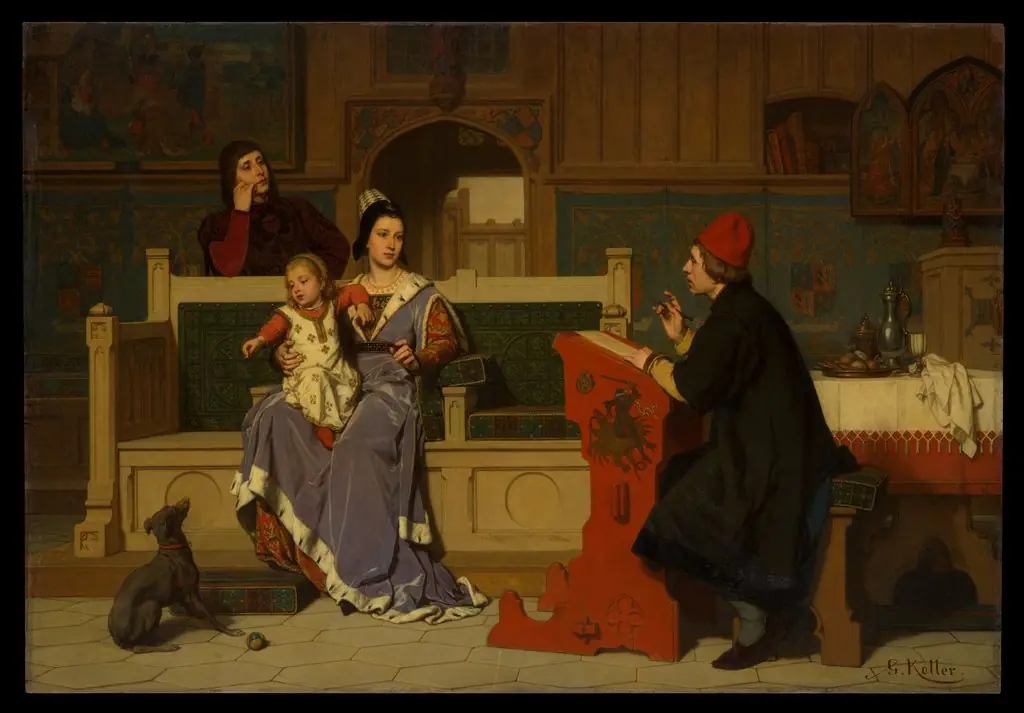 Hugo van der Goes Painting the Portrait of Mary of Burgundy
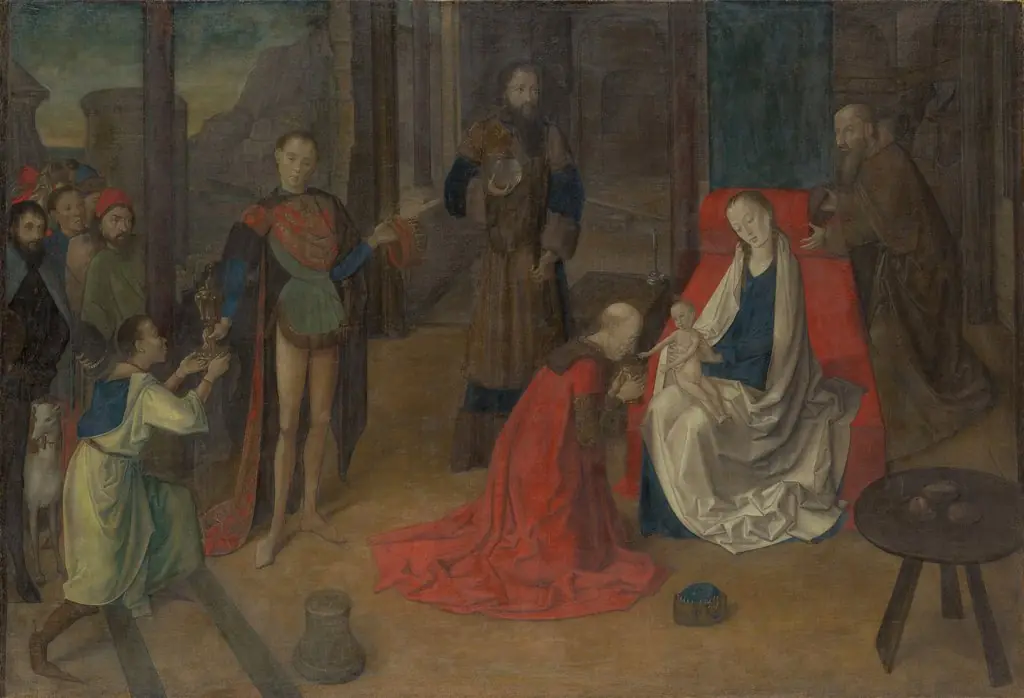 The Adoration of the Magi
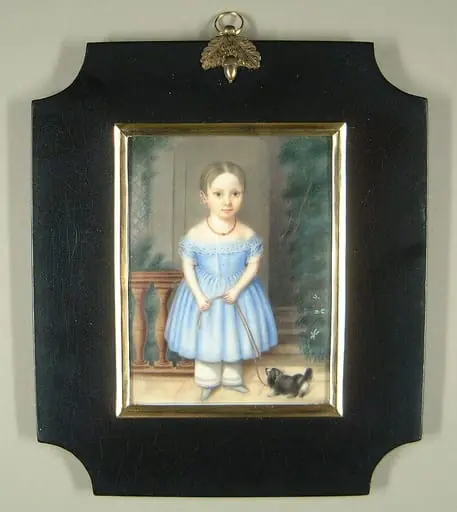 Mary R. Whitlock
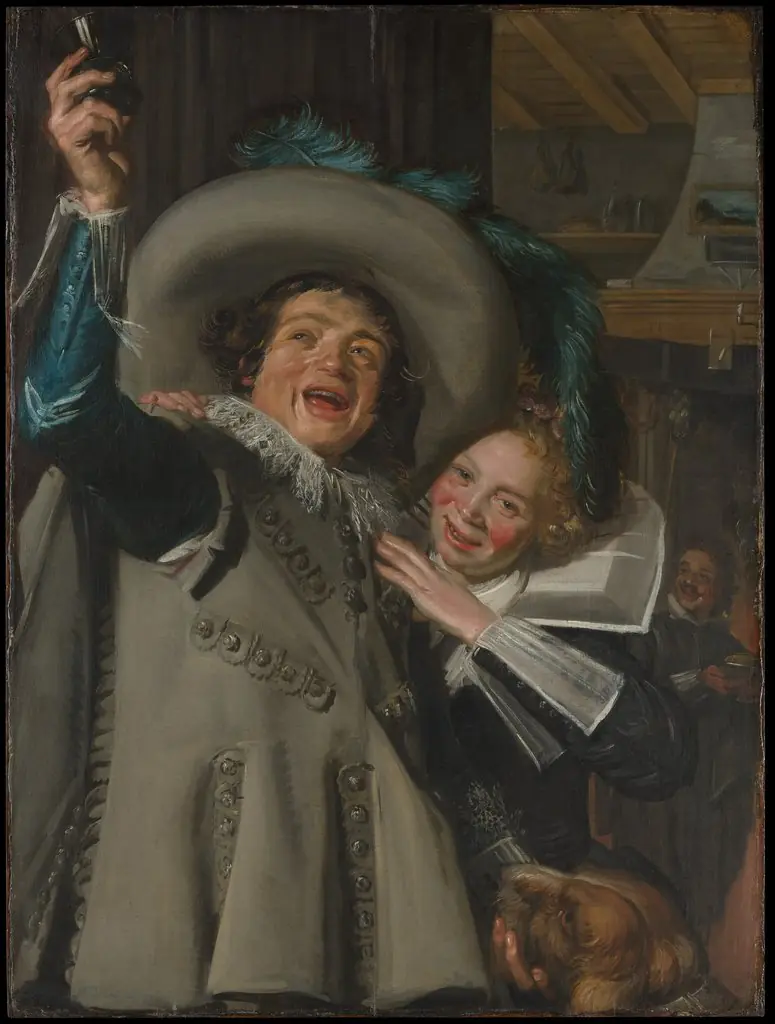 Young Man and Woman in an Inn
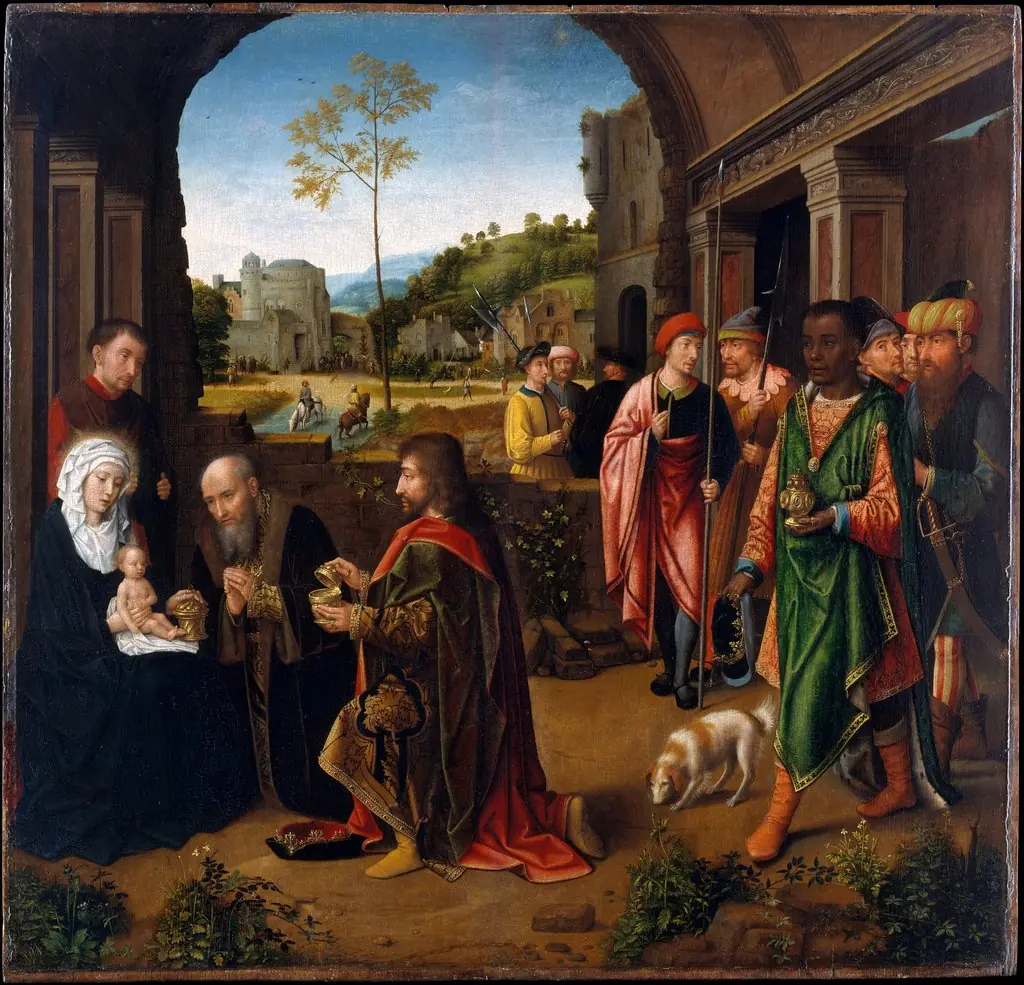 The Adoration of the Magi
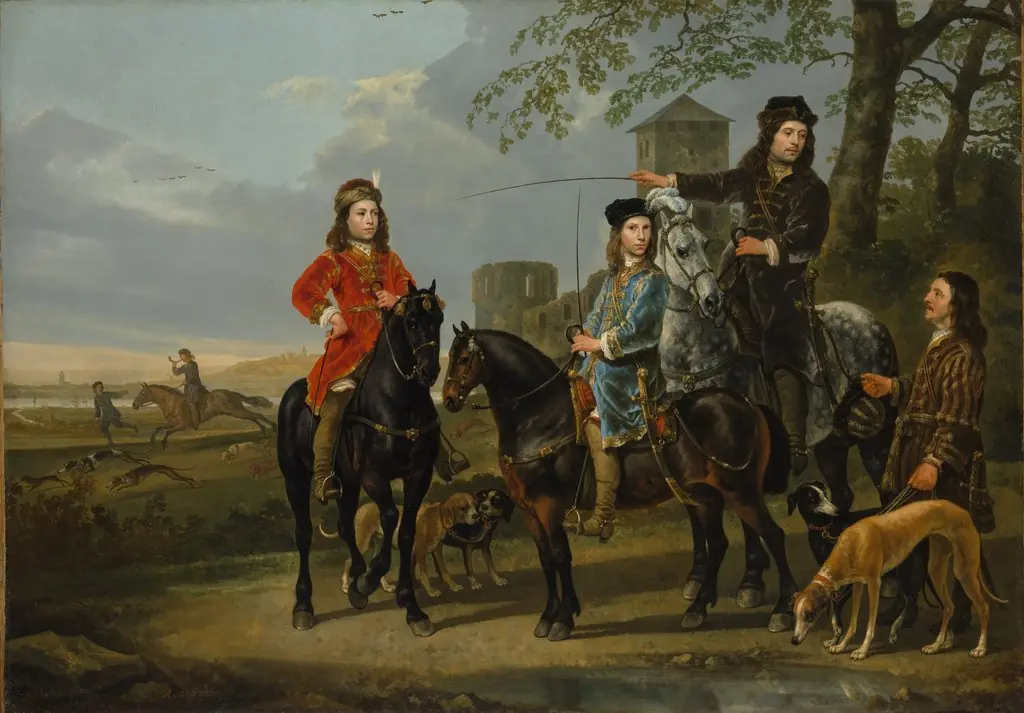 Equestrian Portrait of Cornelis (1639–1680) and Michiel Pompe van Meerdervoort (1638–1653) with Their Tutor and Coachman ("Starting for the Hunt")
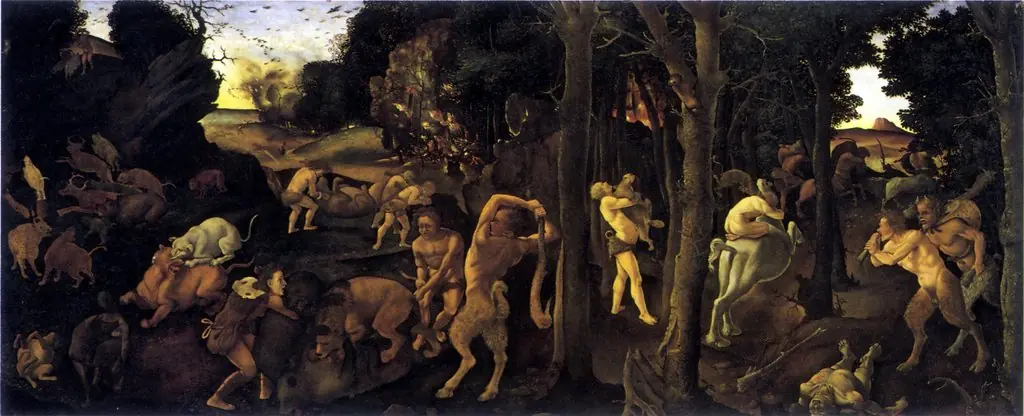 A Hunting Scene
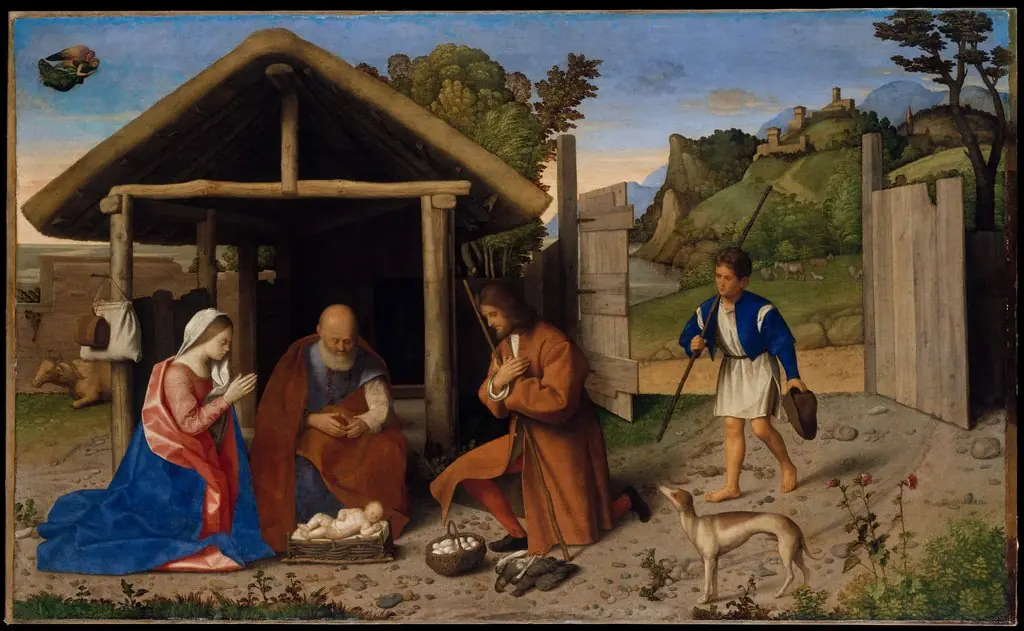 The Adoration of the Shepherds
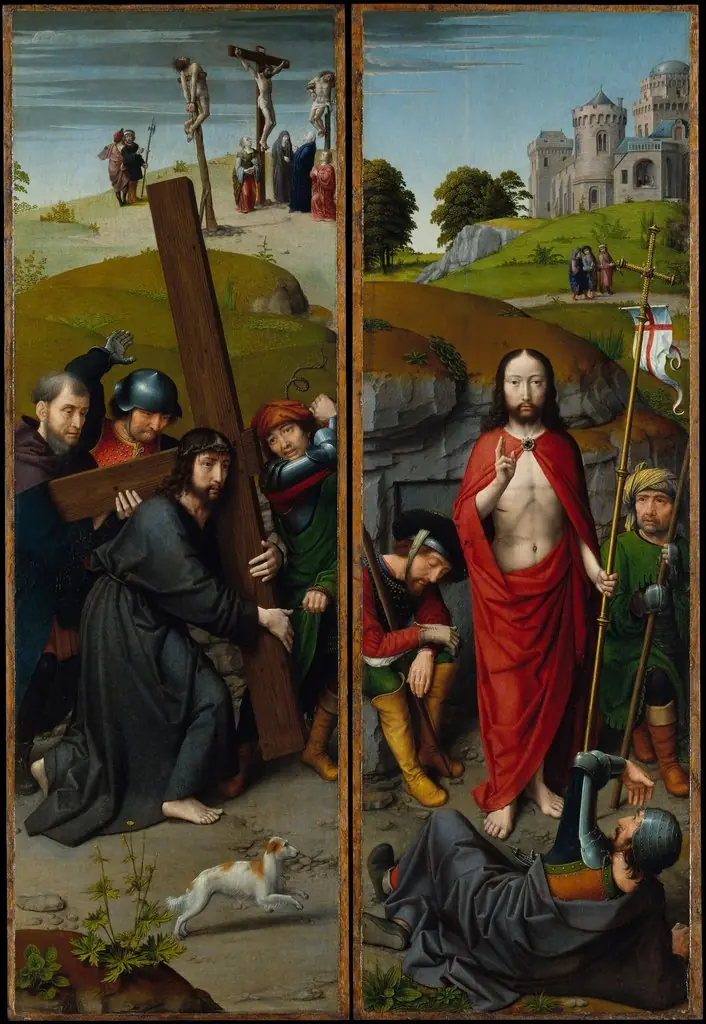 Christ Carrying the Cross, with the Crucifixion; The Resurrection, with the Pilgrims of Emmaus
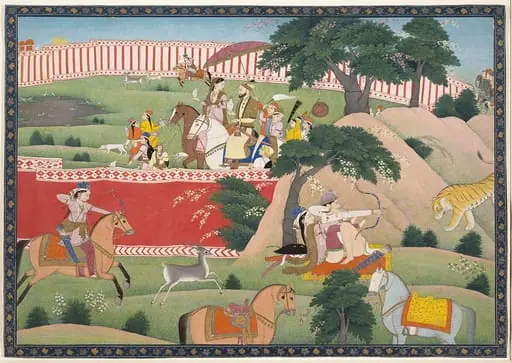 Untitled
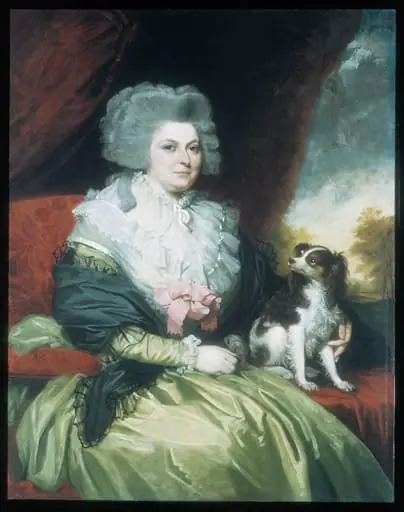 Lady with a Dog
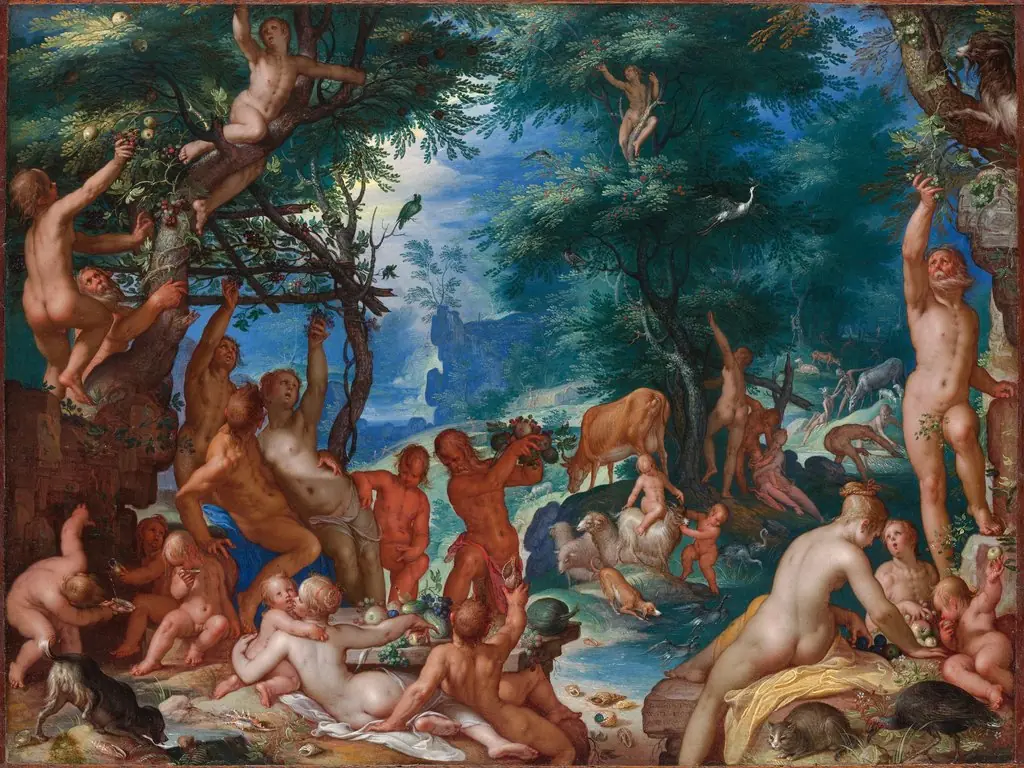 The Golden Age
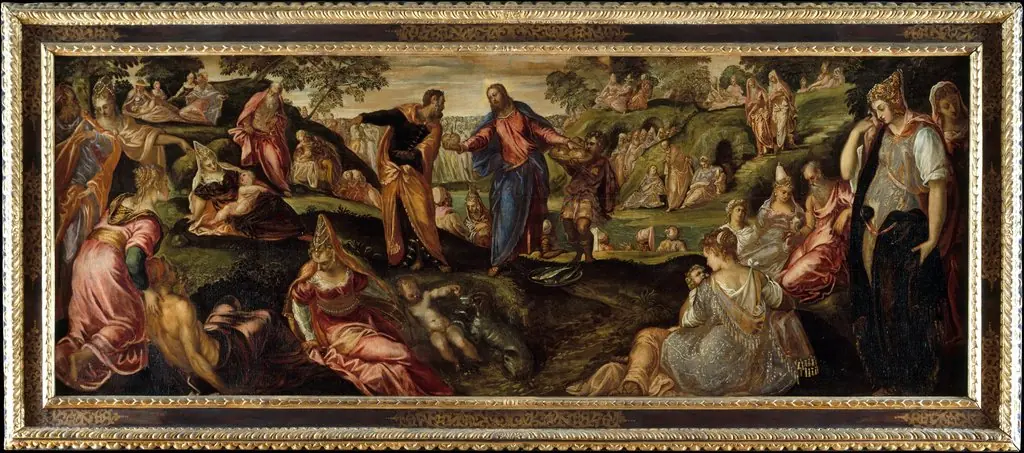 The Miracle of the Loaves and Fishes
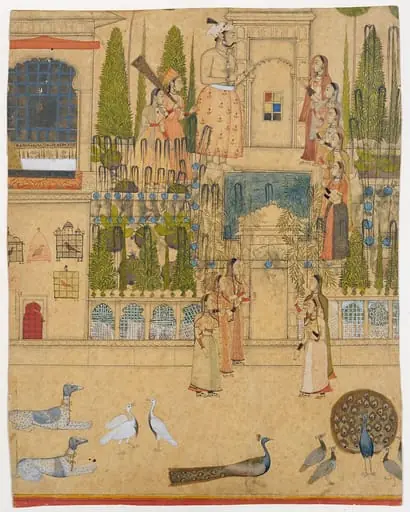 Untitled
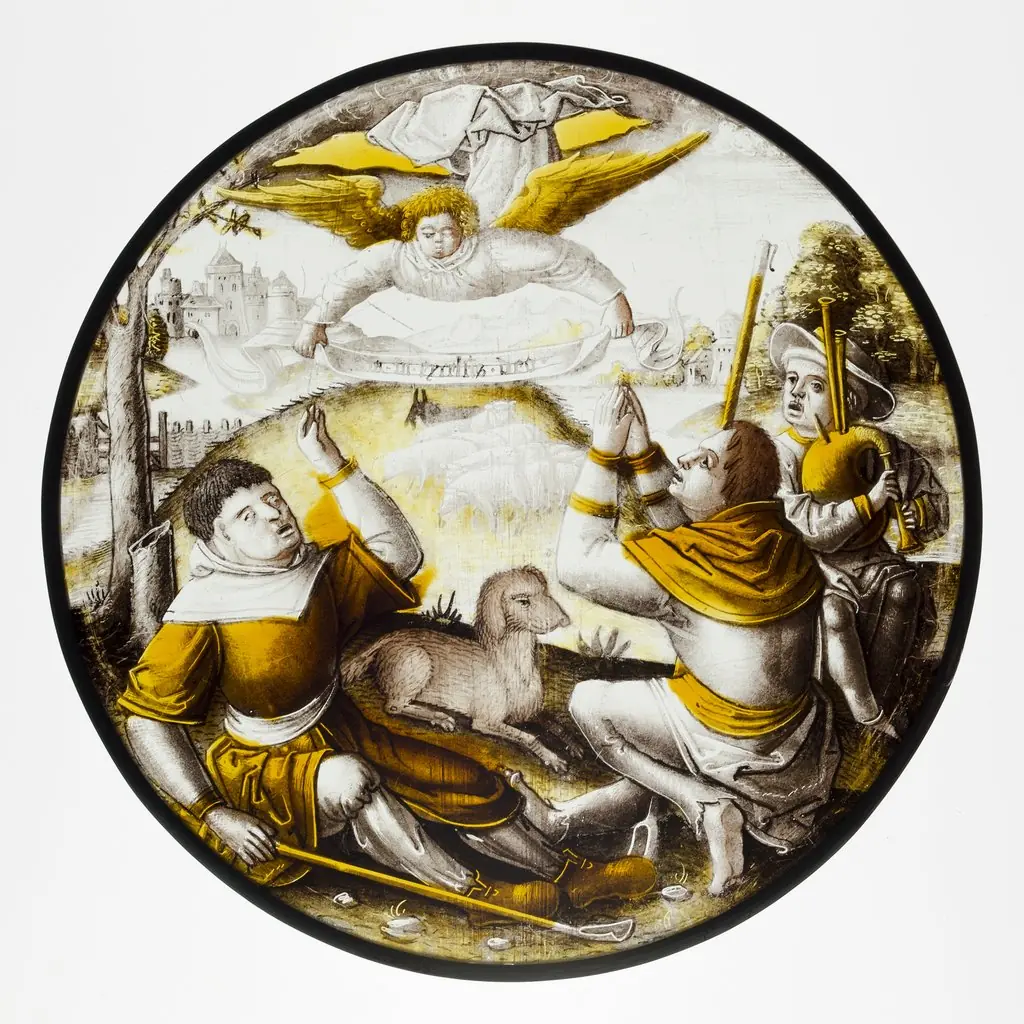 Roundel with Annunciation to the Shepherds
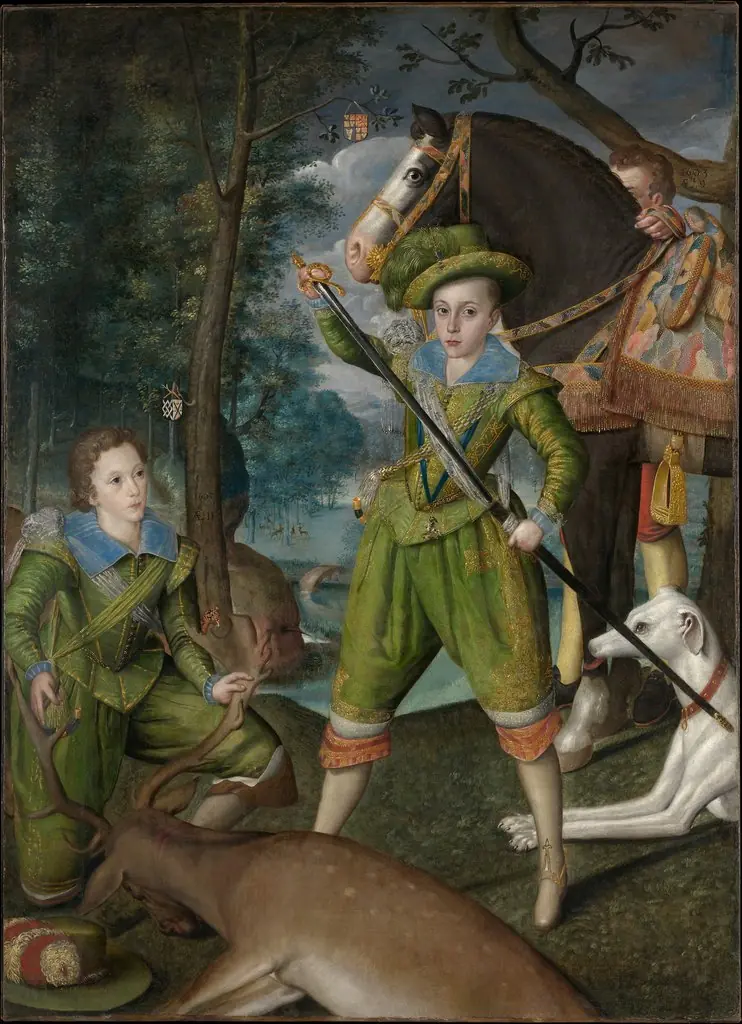 Henry Frederick (1594–1612), Prince of Wales, with Sir John Harington (1592–1614), in the Hunting Field
 The canal at 's-Graveland
 Interior of a Catholic Church
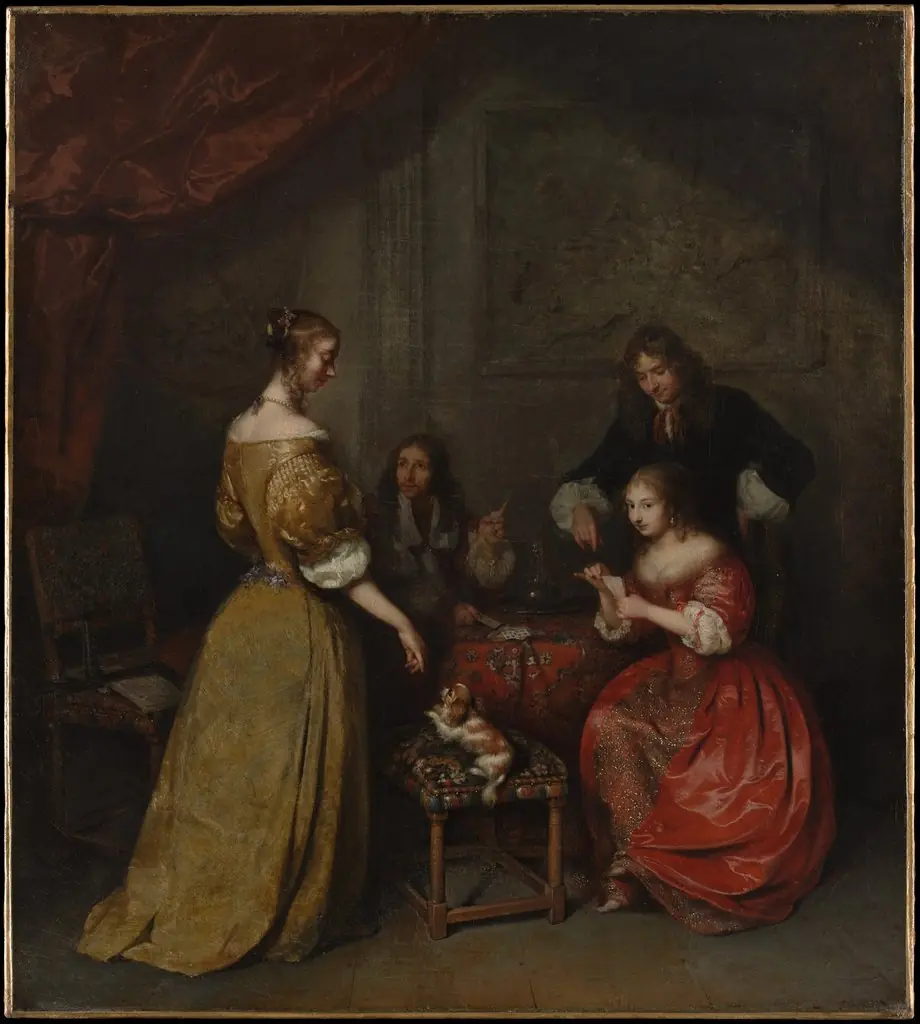 The Card Party
 On the Beach at Trouville
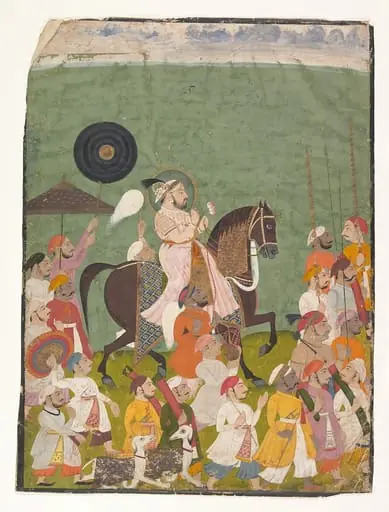 Untitled
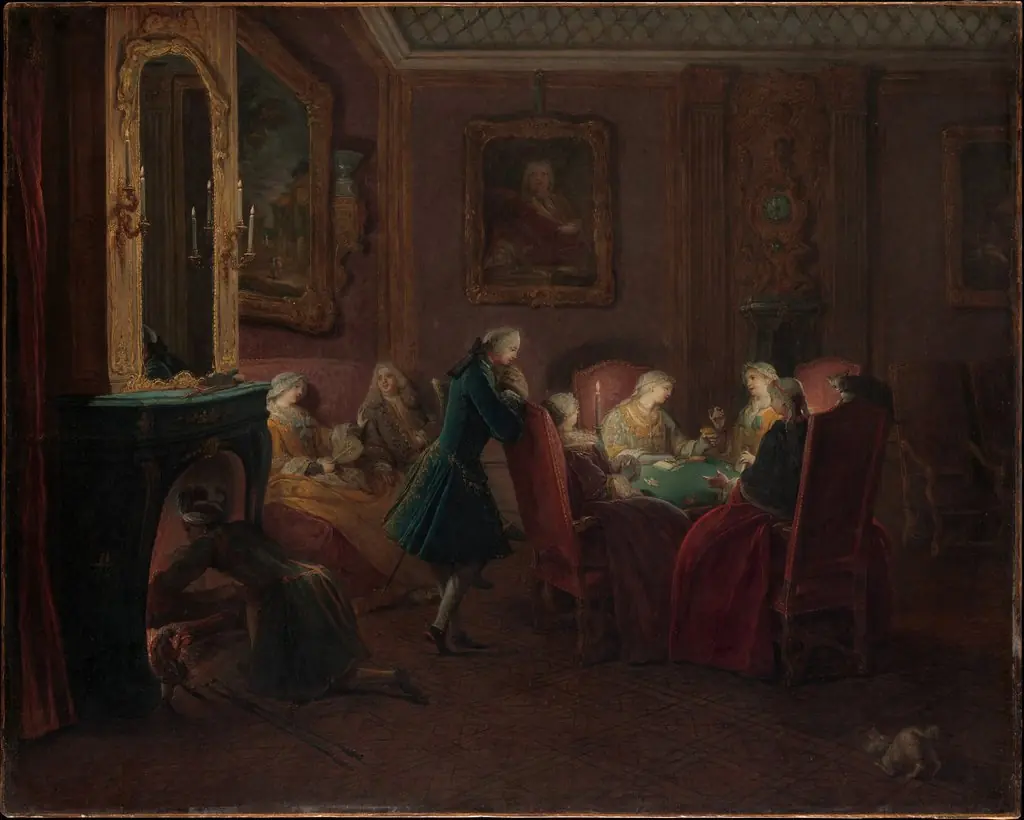 Card Players in a Drawing Room
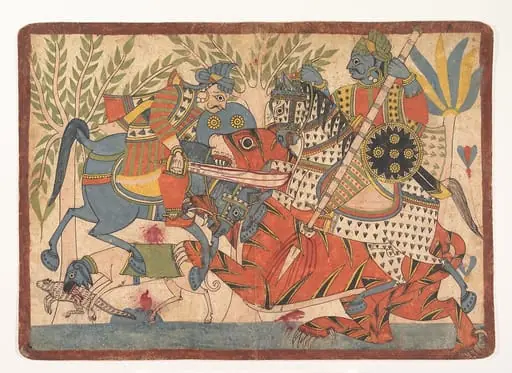 Untitled
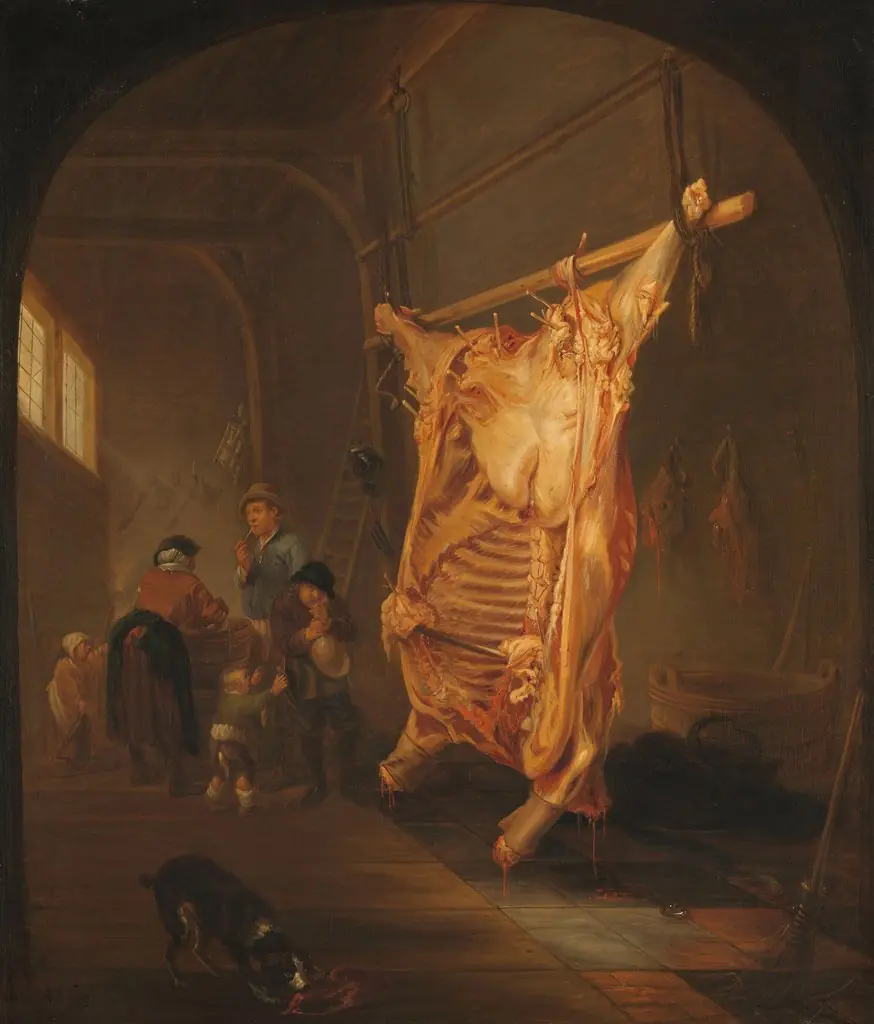 The slaughtered ox
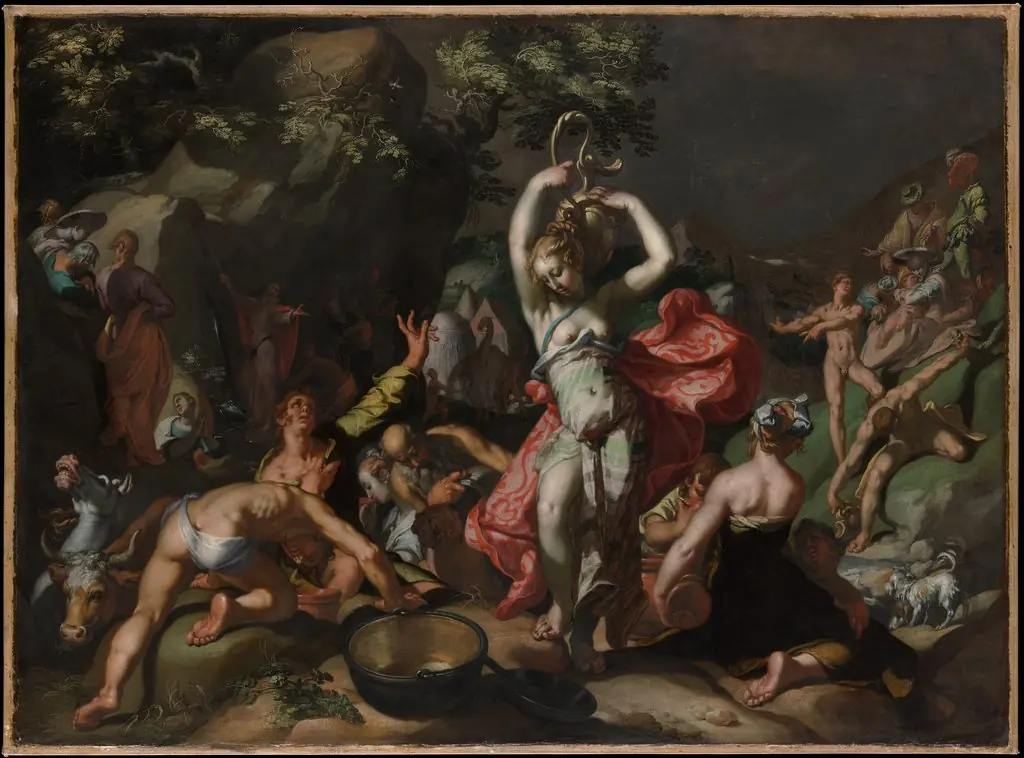 Moses Striking the Rock
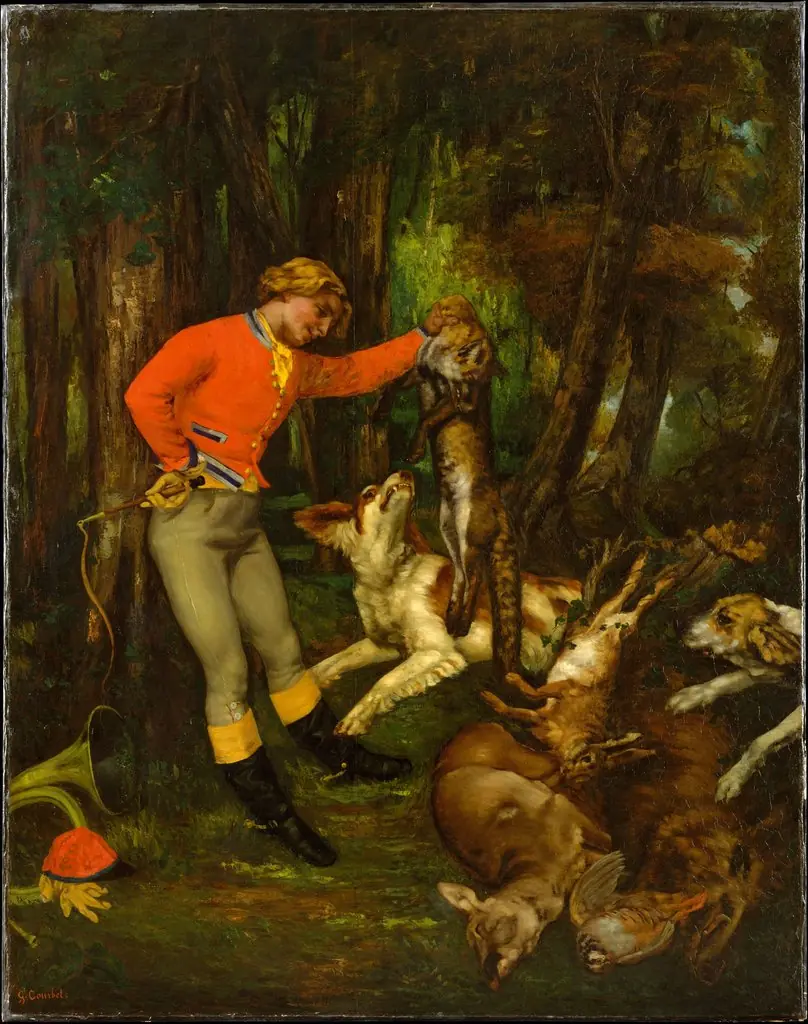 After the Hunt
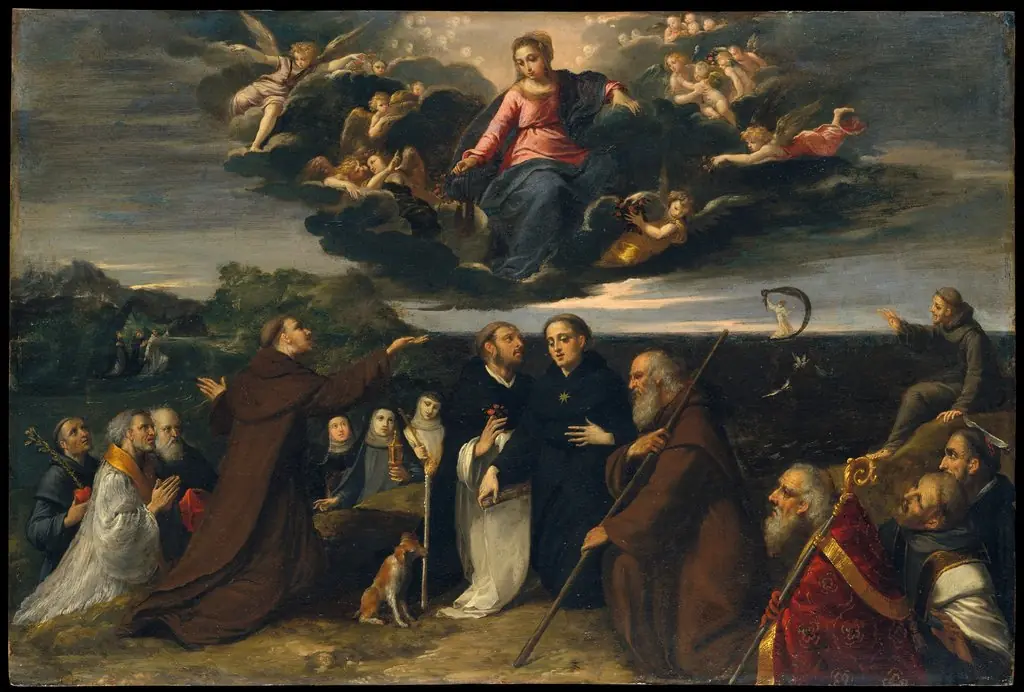 The Virgin Adored by Saints
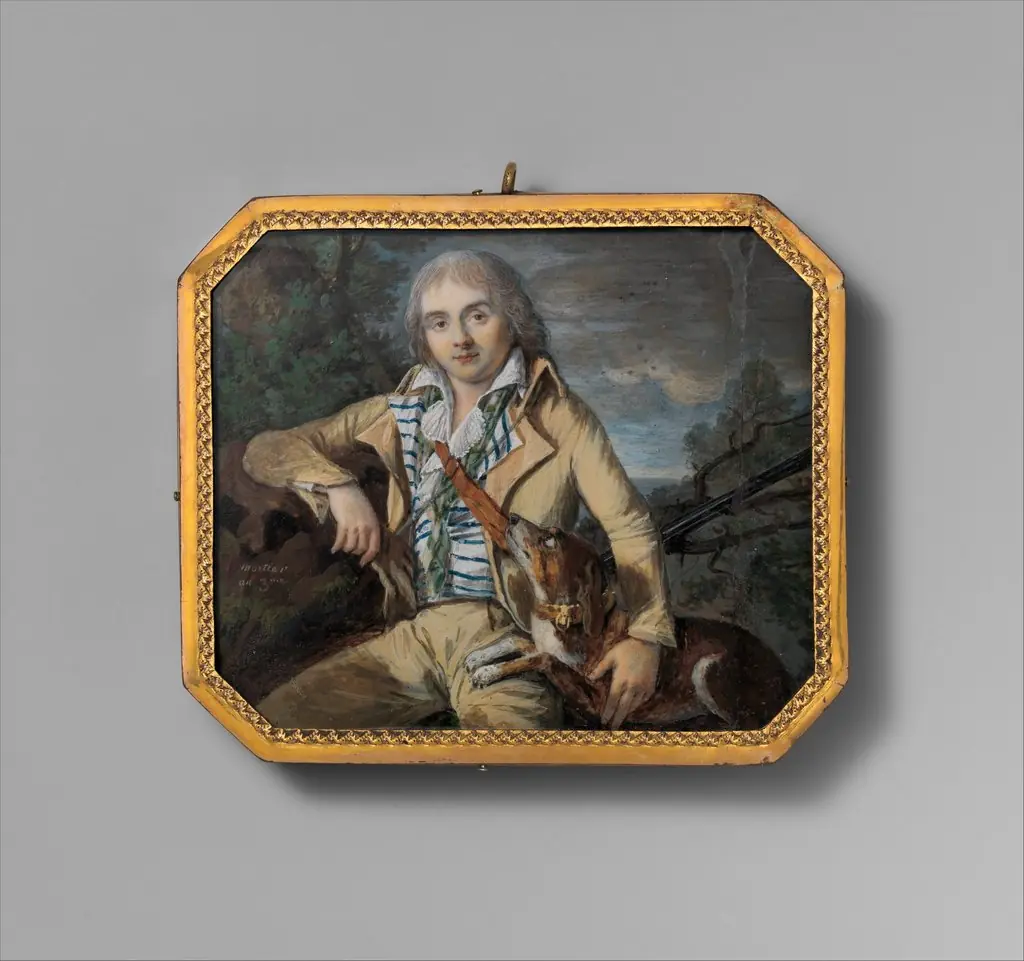 A Hunter with a Dog
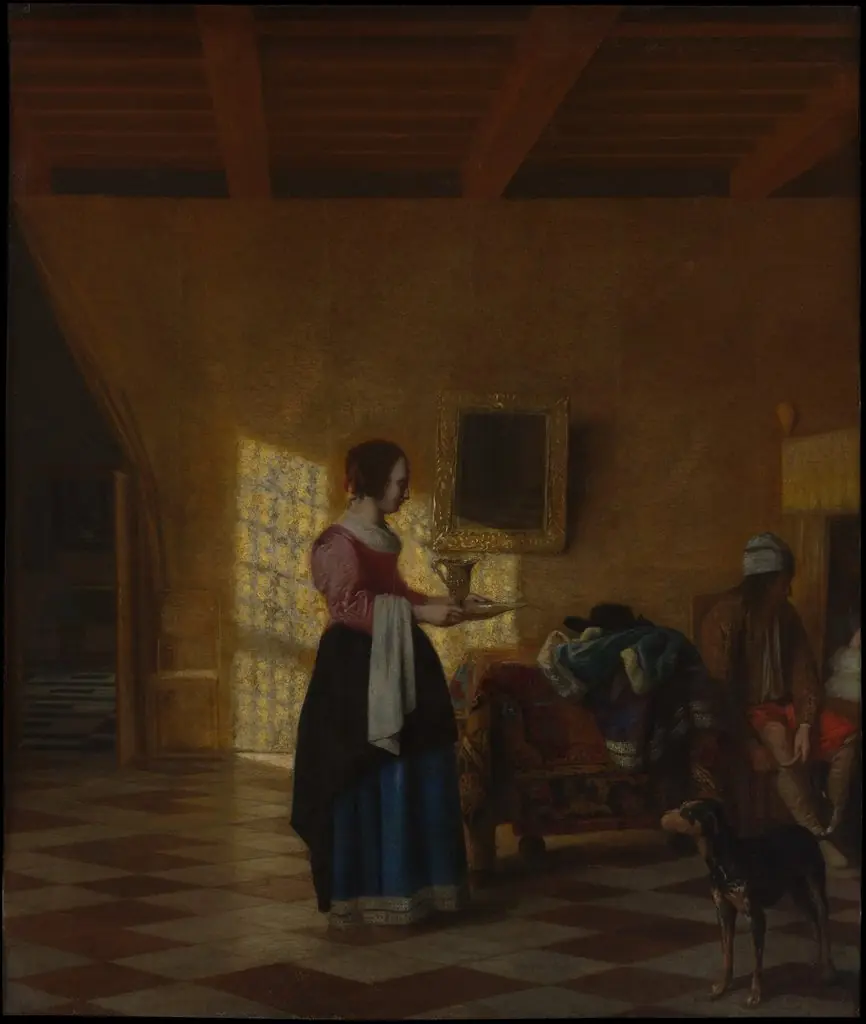 Woman with a Water Pitcher, and a Man by a Bed ("The Maidservant")
 Hunting Scene
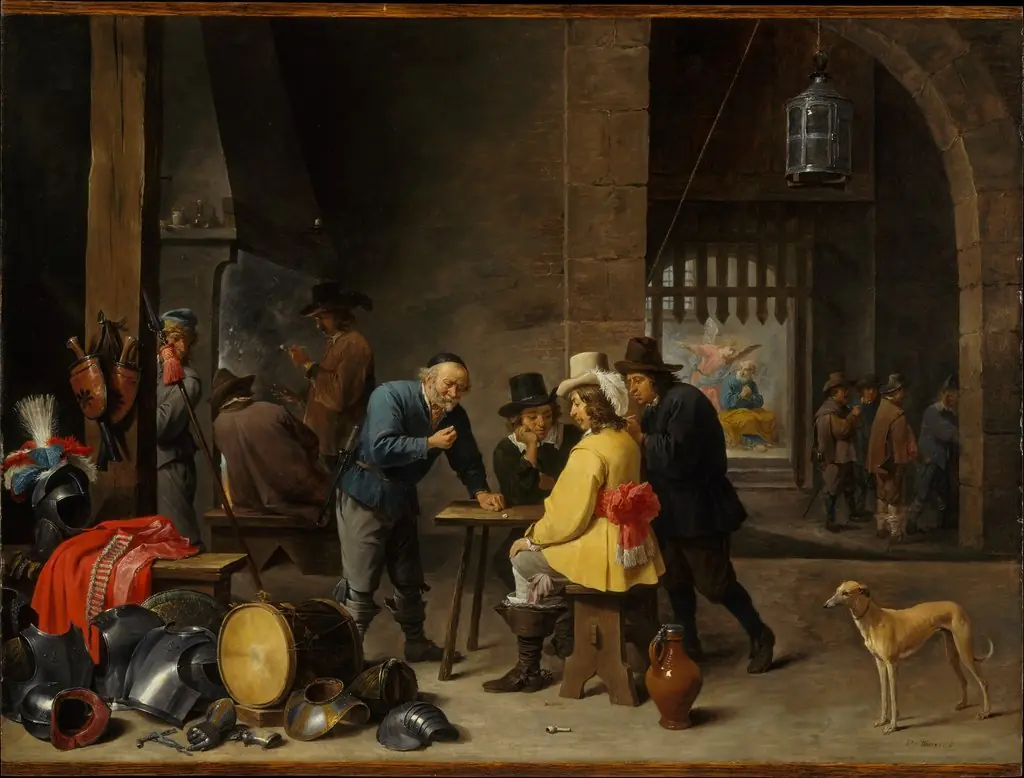 Guardroom with the Deliverance of Saint Peter
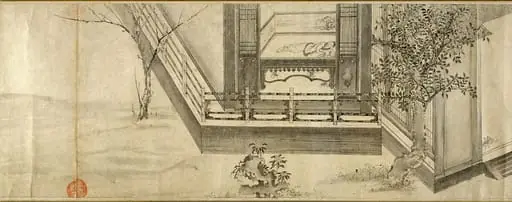 南宋 佚名 傳李公麟 豳風七月圖 卷|Odes of the State of Bin
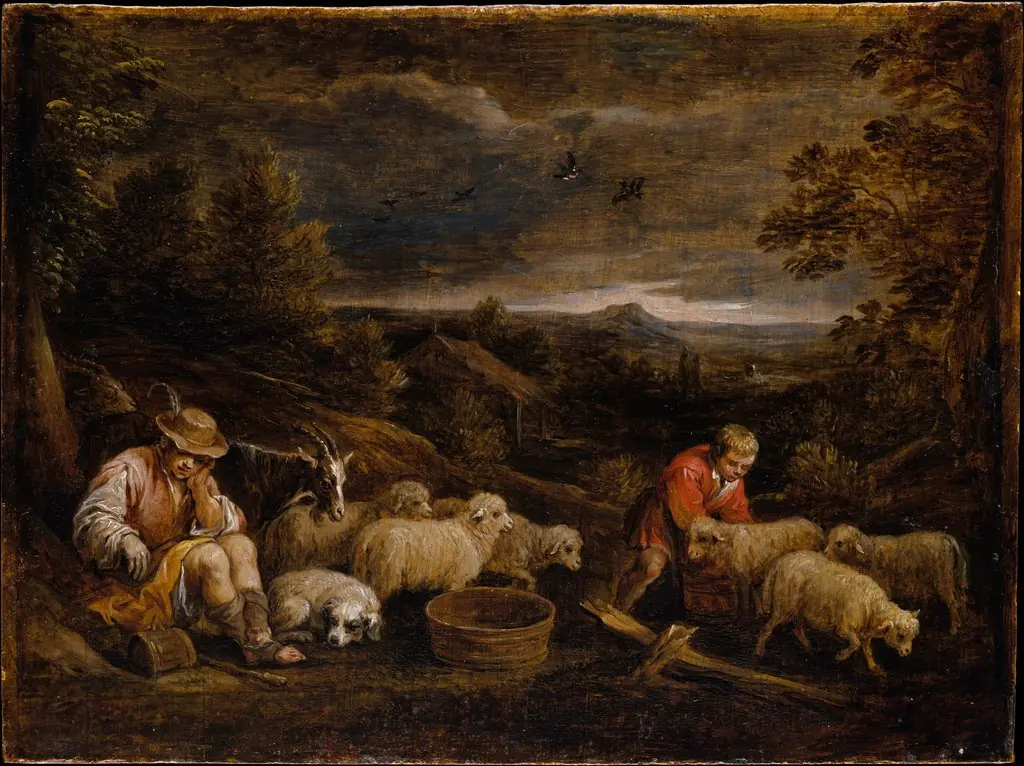 Shepherds and Sheep
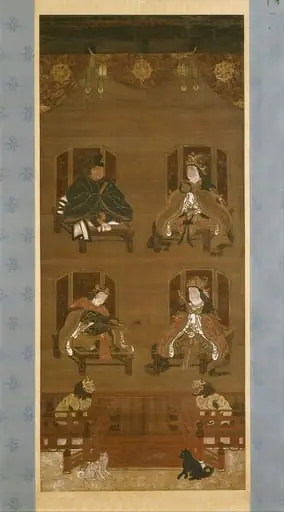 高野四所明神像|The Four Deities of Mount Kōya
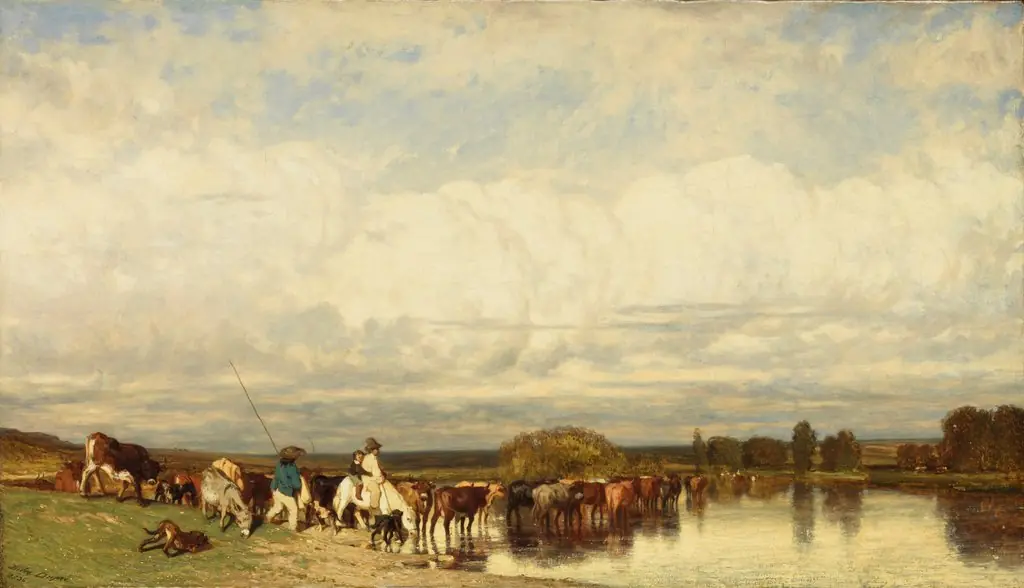 Cows Crossing a Ford
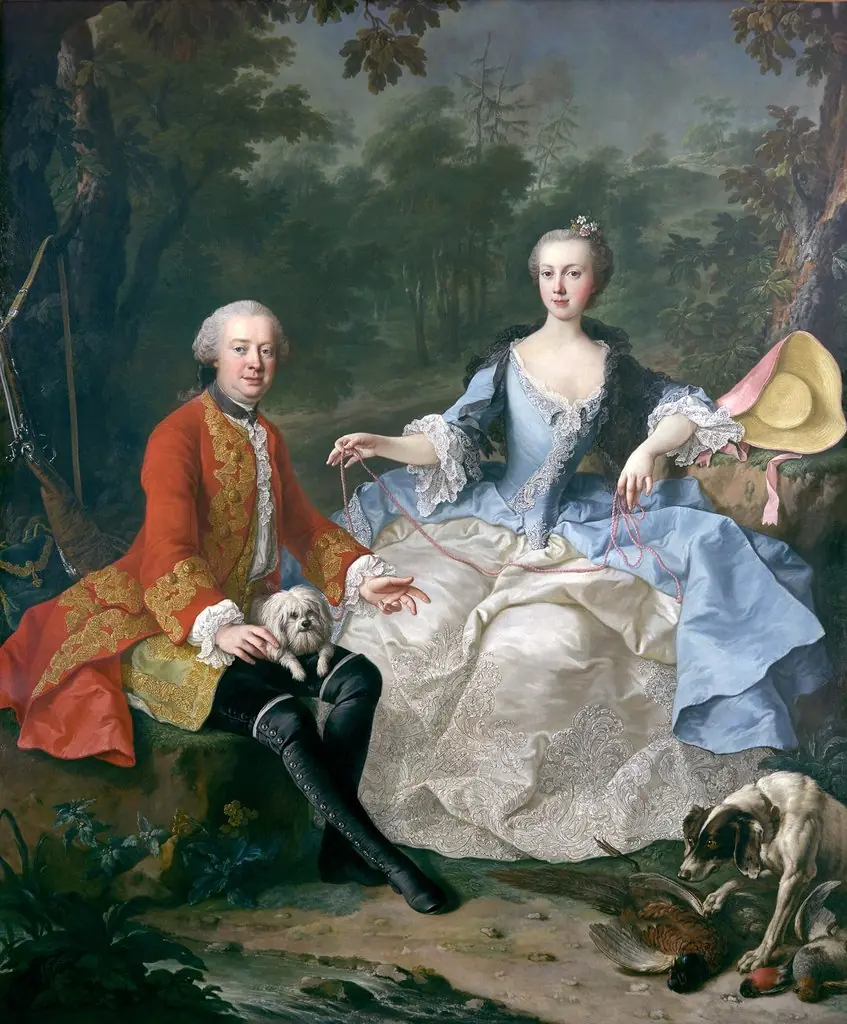 Count Giacomo Durazzo in the Guise of a Huntsman with His Wife
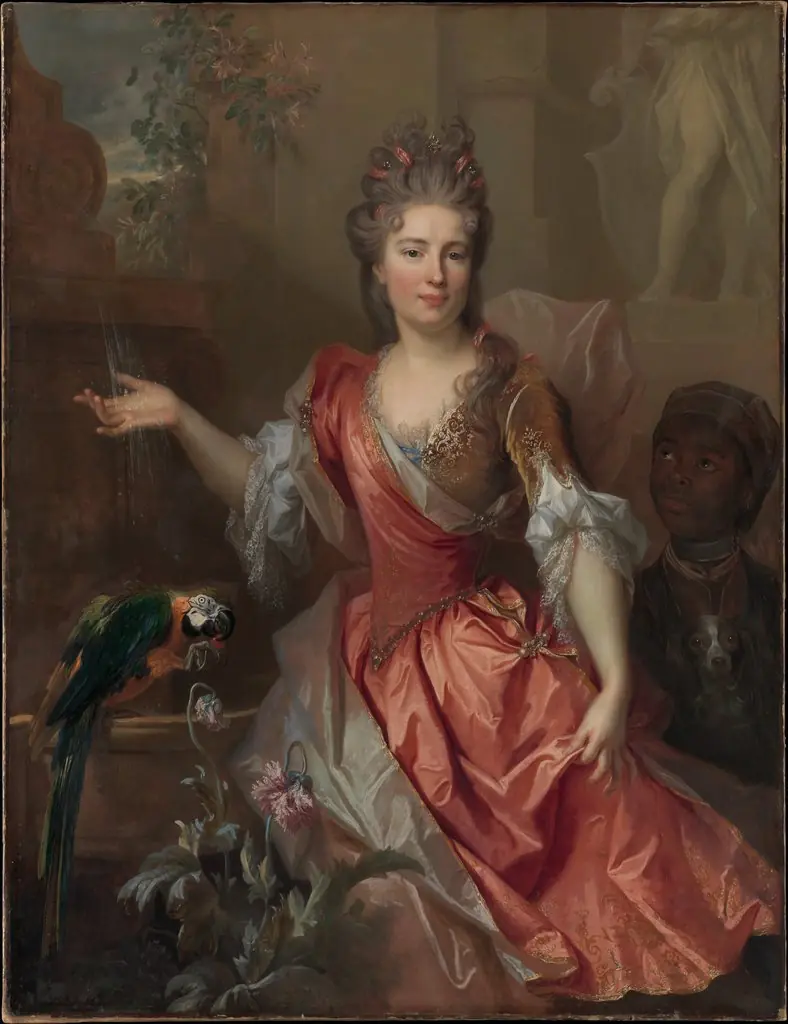 Portrait of a Woman, Possibly Madame Claude Lambert de Thorigny (Marie Marguerite Bontemps, 1668–1701)
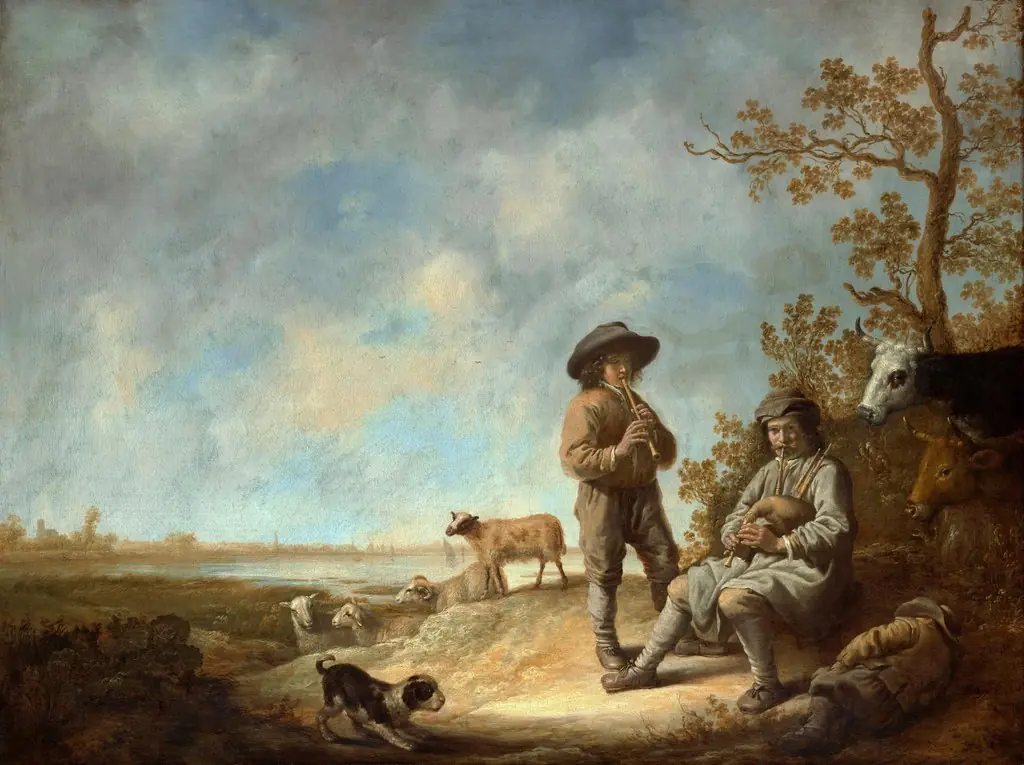 Piping Shepherds
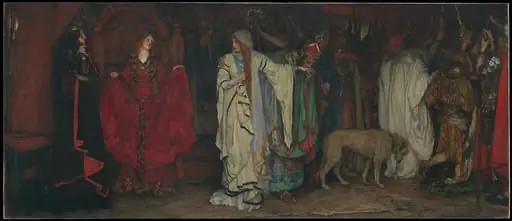 "King Lear," Act I, Scene I
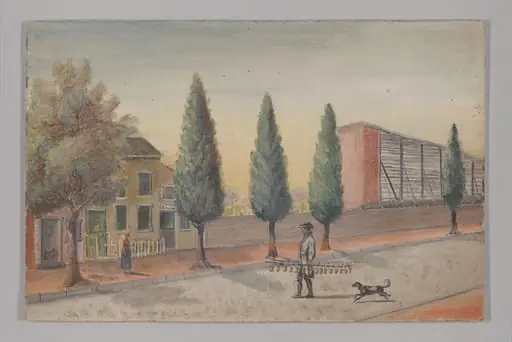 Strawberry Pedlar
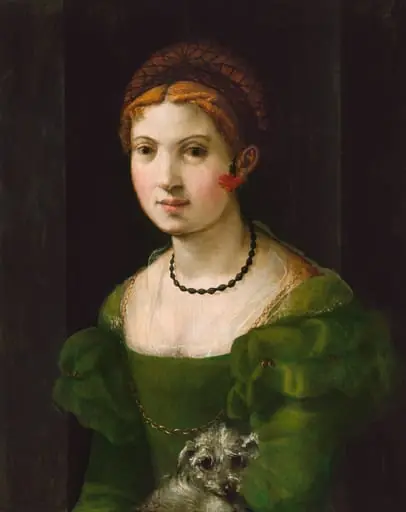 Portrait of a Young Woman
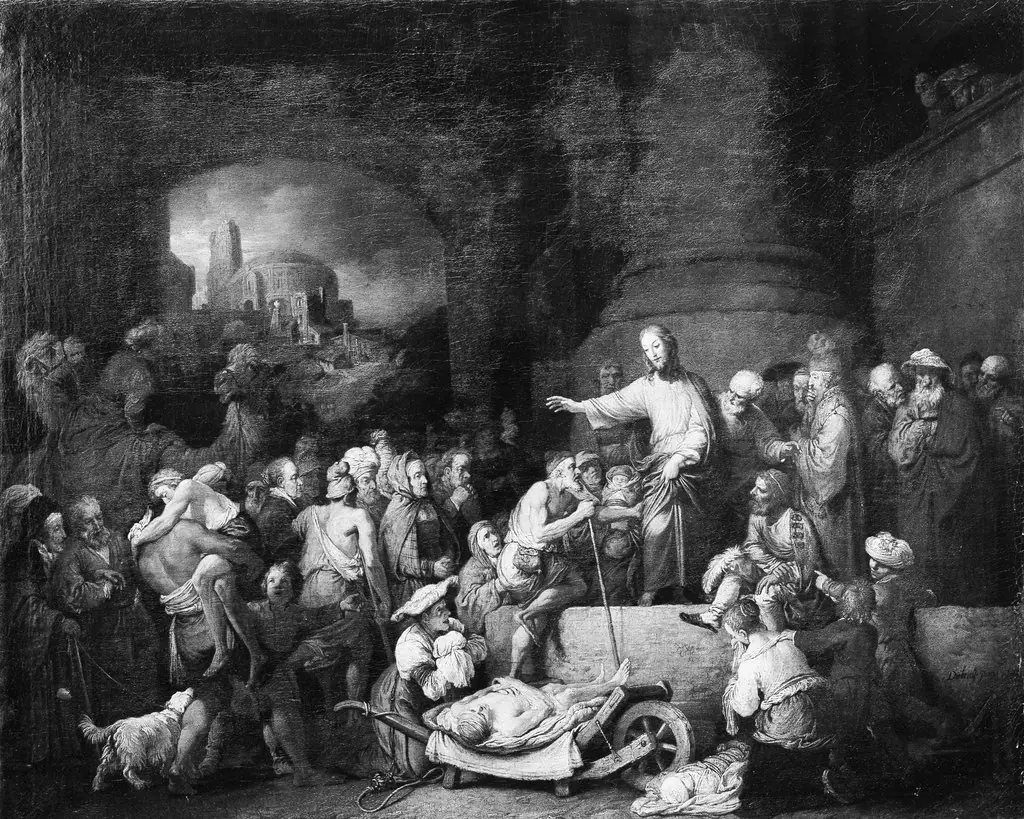 Christ Healing the Sick
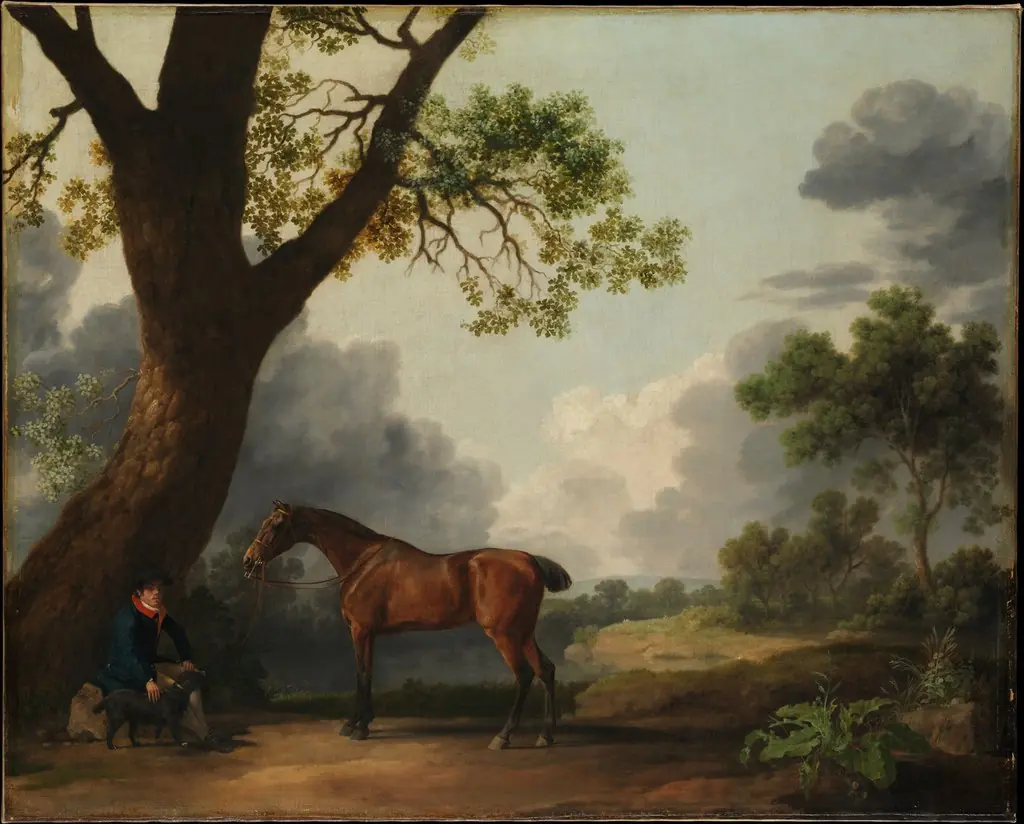 The Third Duke of Dorset's Hunter with a Groom and a Dog
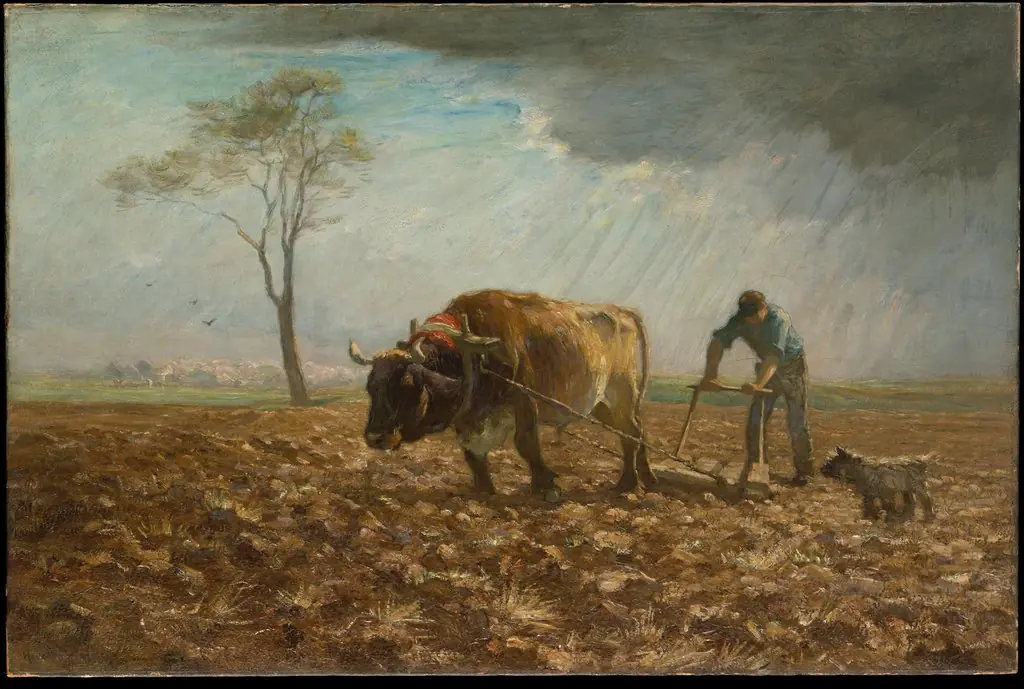 The Harrower
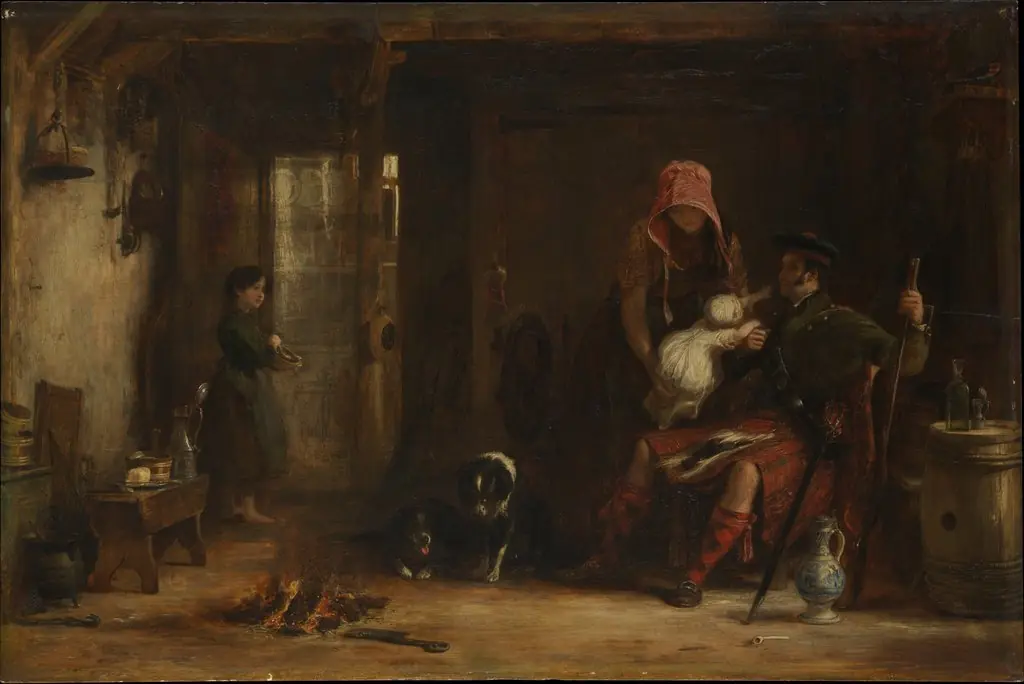 The Highland Family
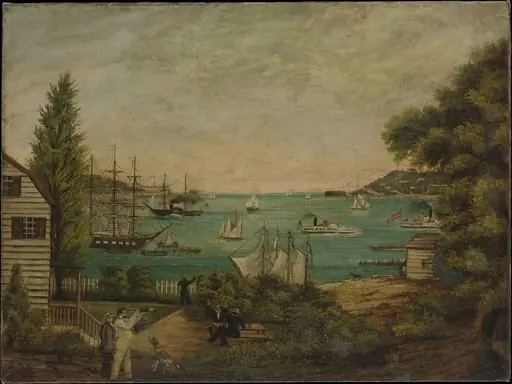 View from Staten Island
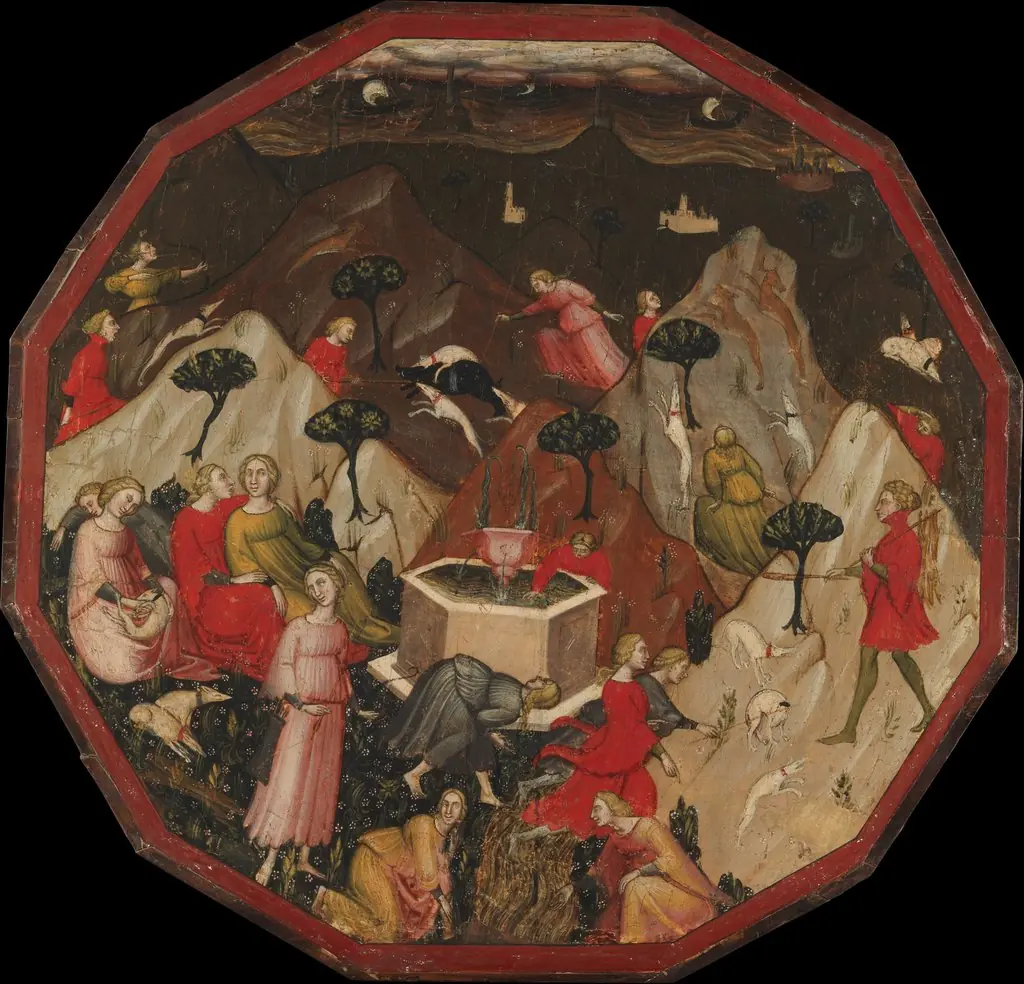 Ameto's Discovery of the Nymphs
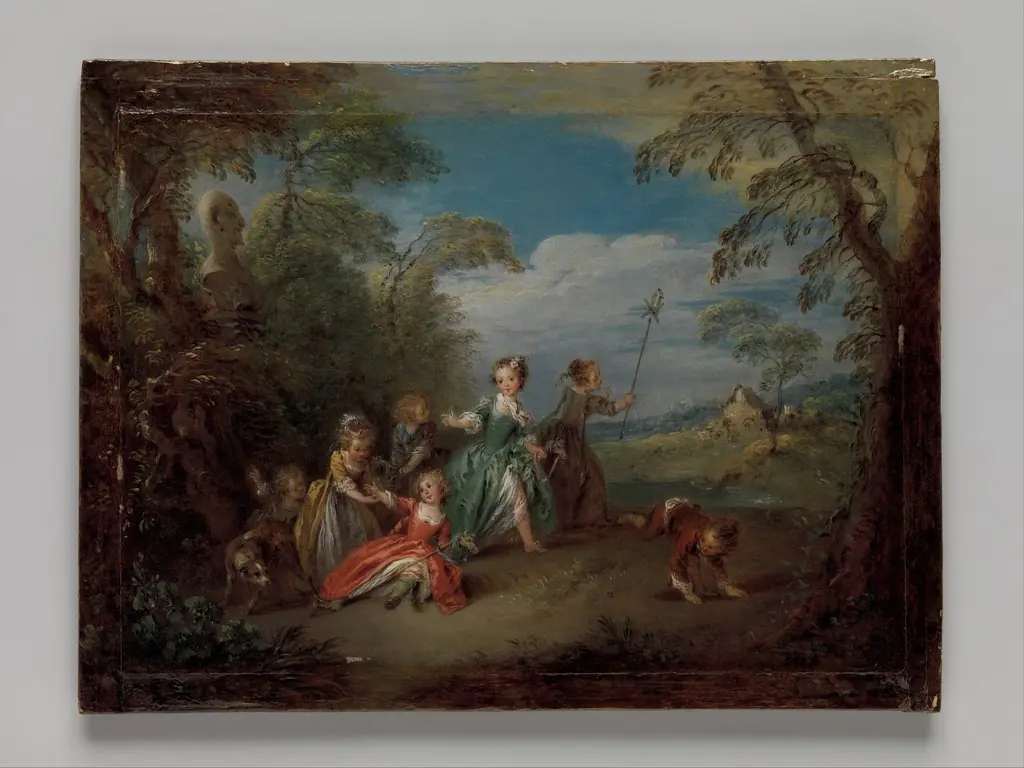 The Golden Age
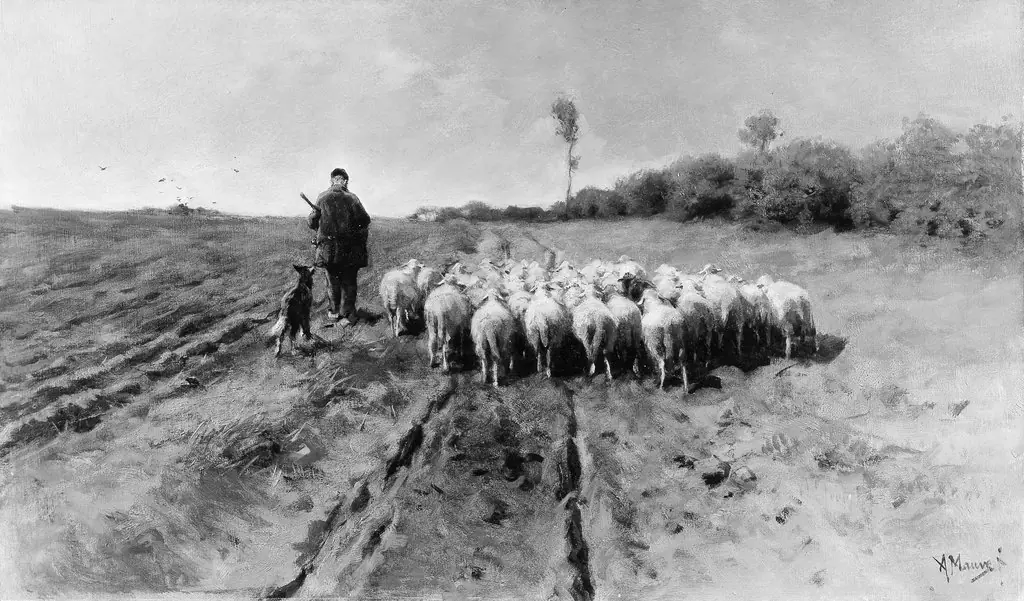 The Return to the Fold
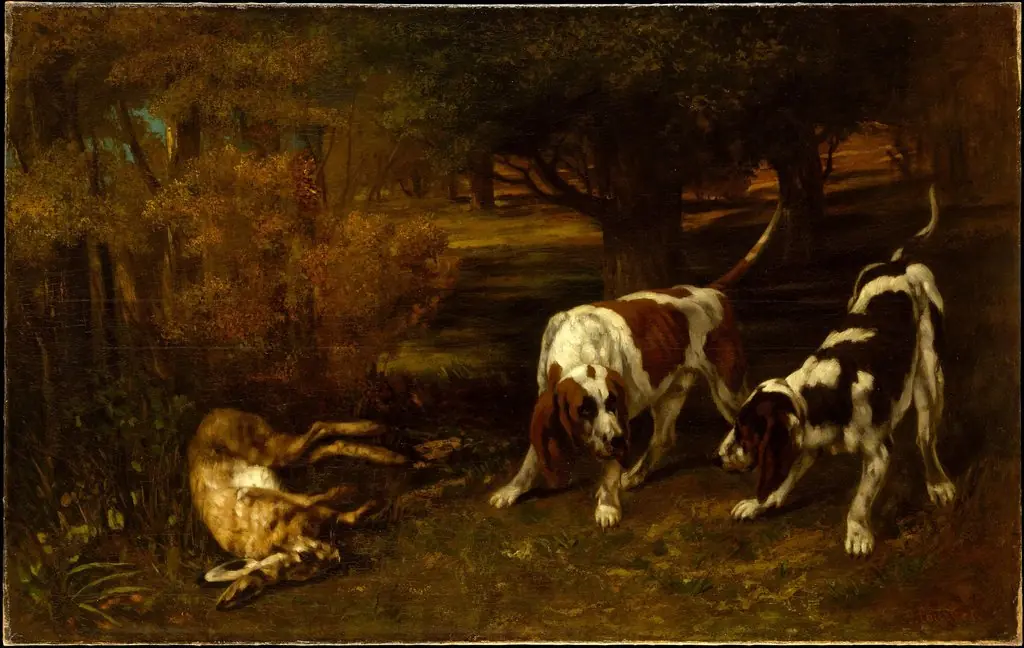 Hunting Dogs with Dead Hare
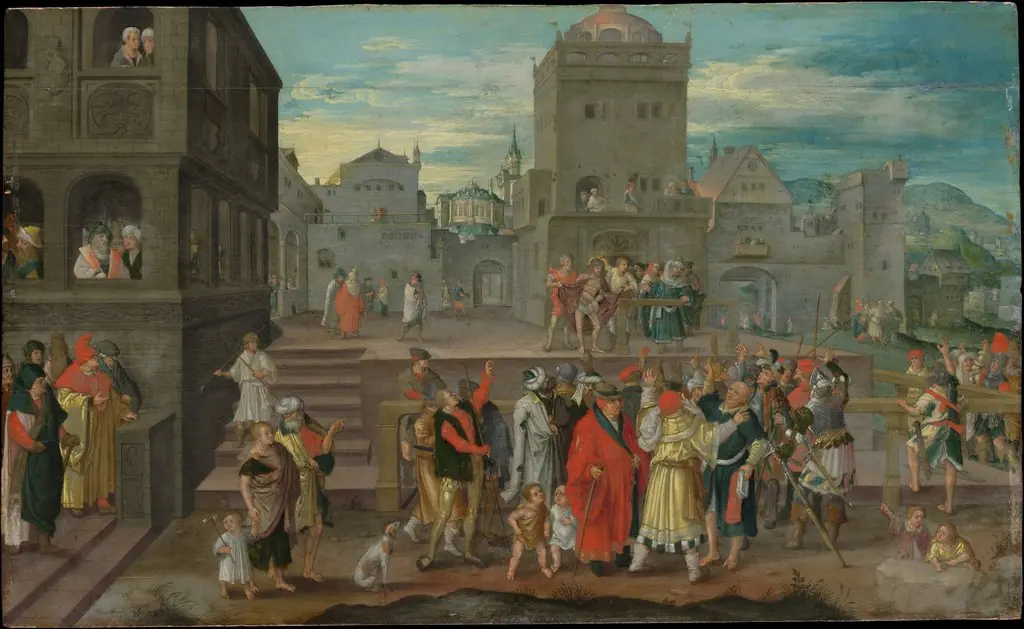 Christ Presented to the People
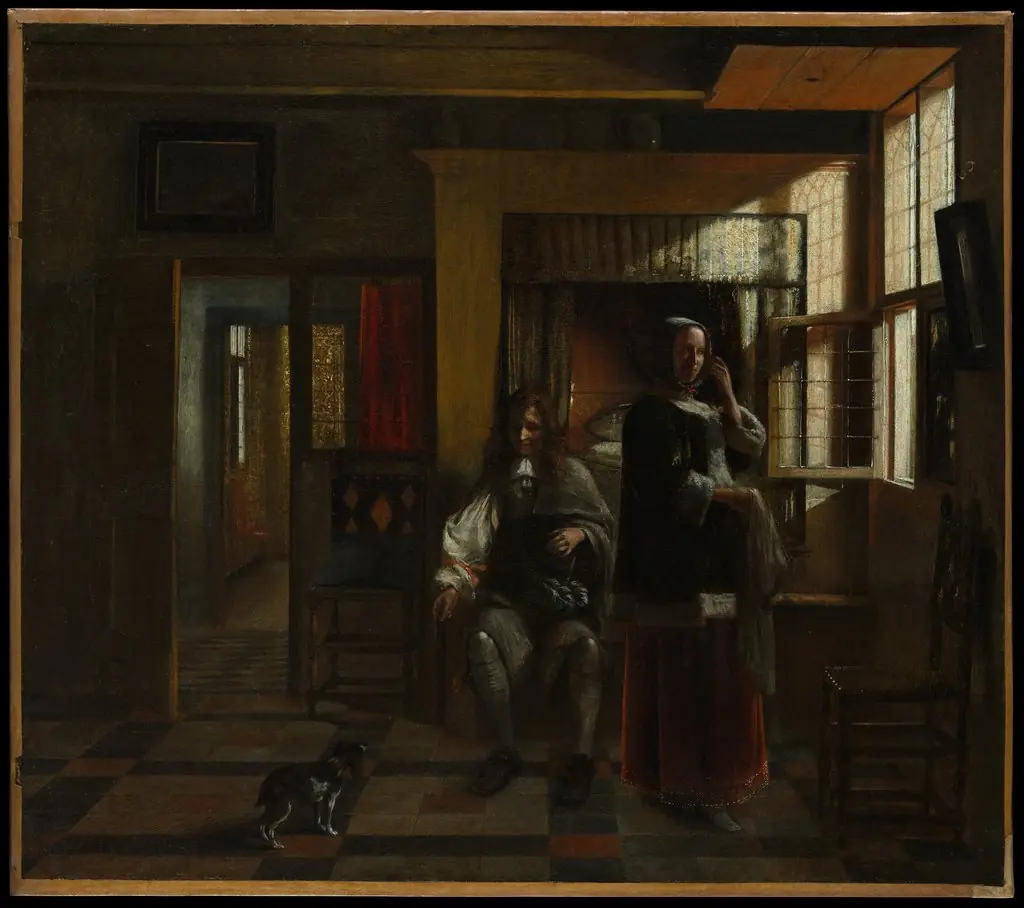 Interior with a Young Couple
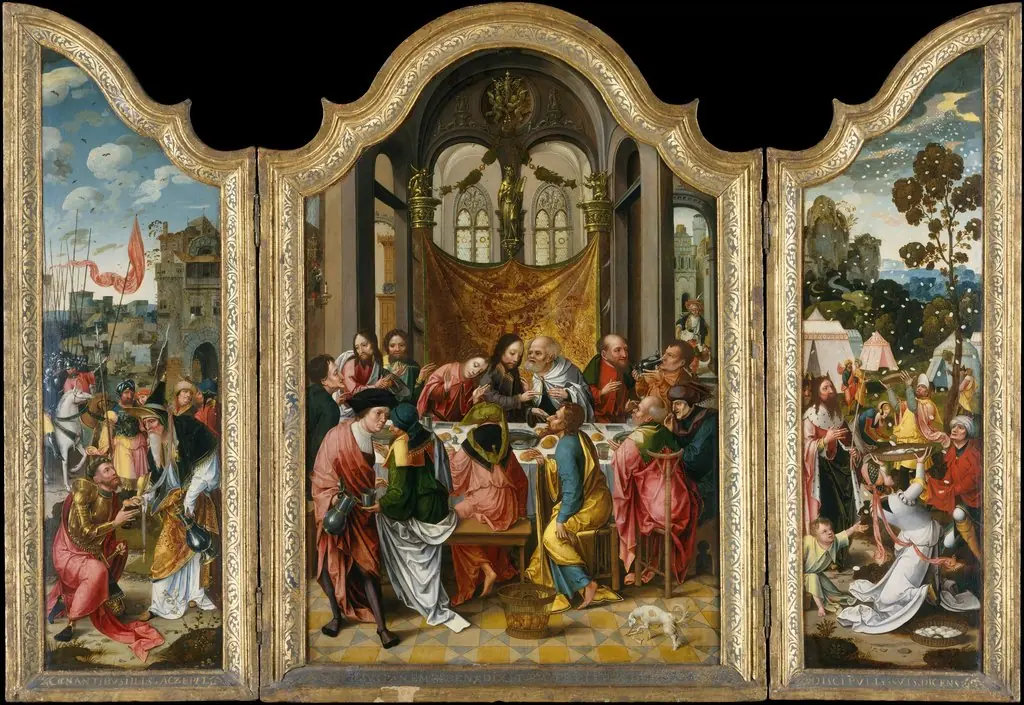 The Last Supper
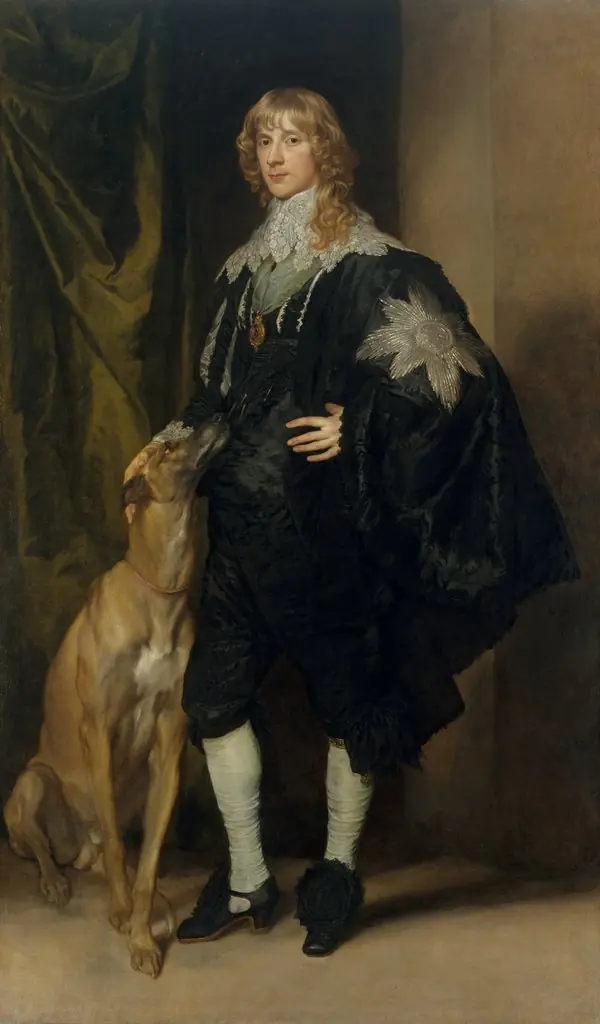 Portrait of James Stuart, Duke of Lennox and Richmond
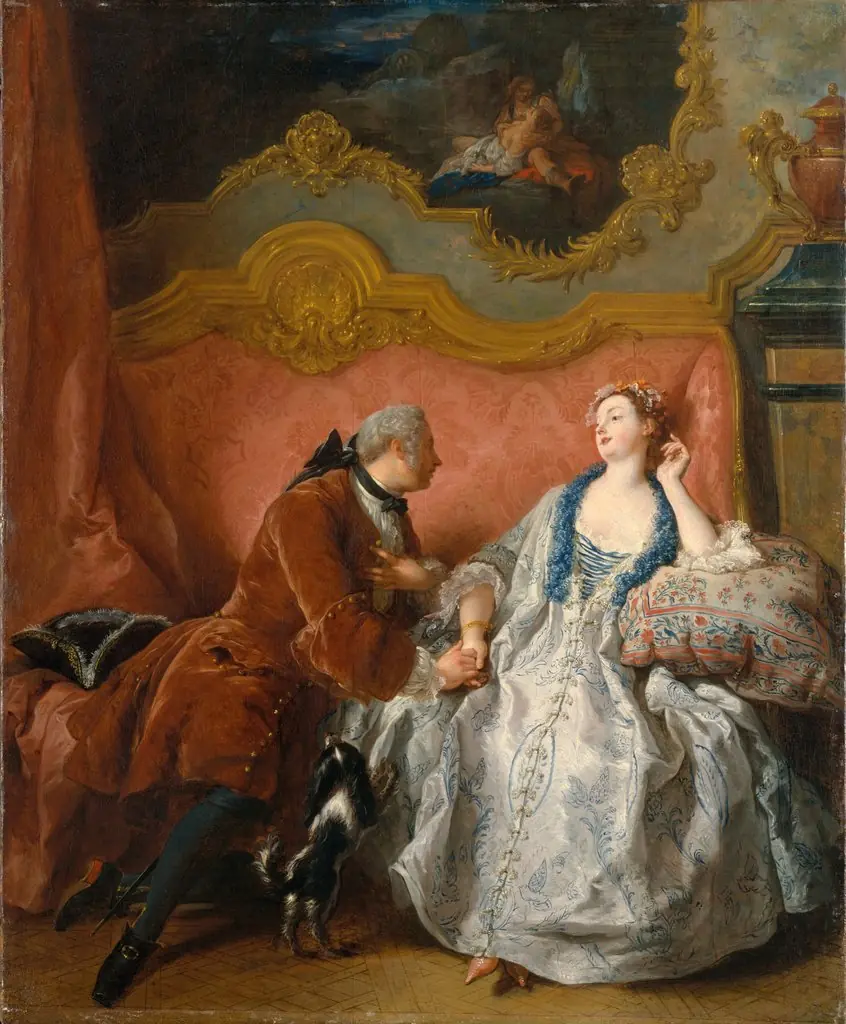 The Declaration of Love
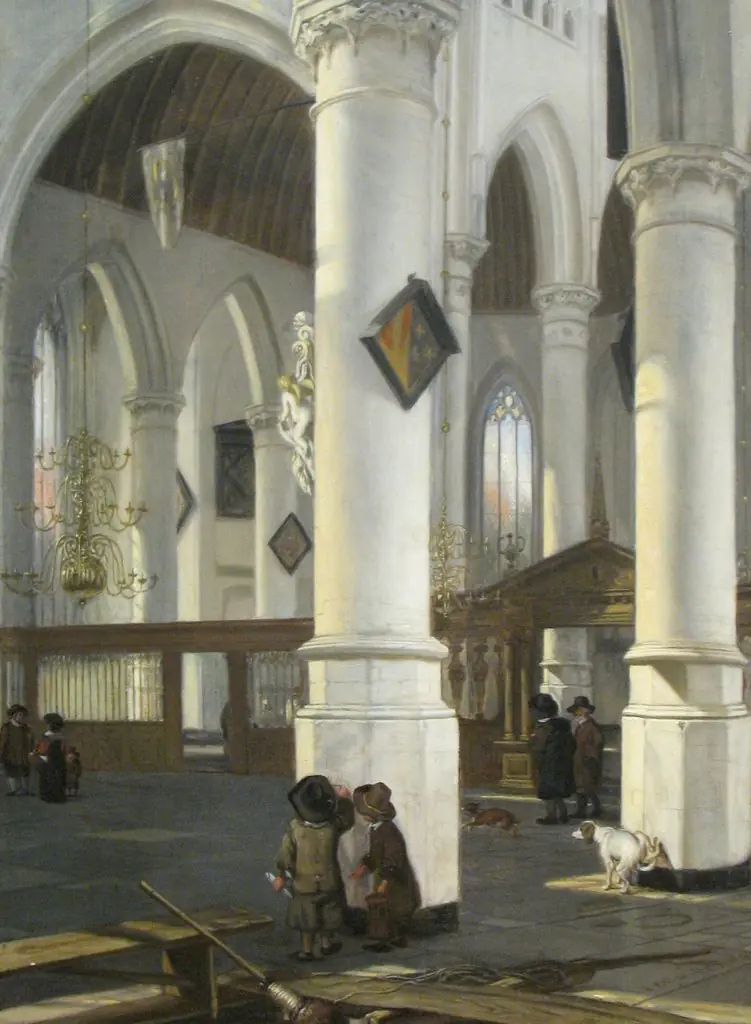 Interior of the Oude Kerk, Delft
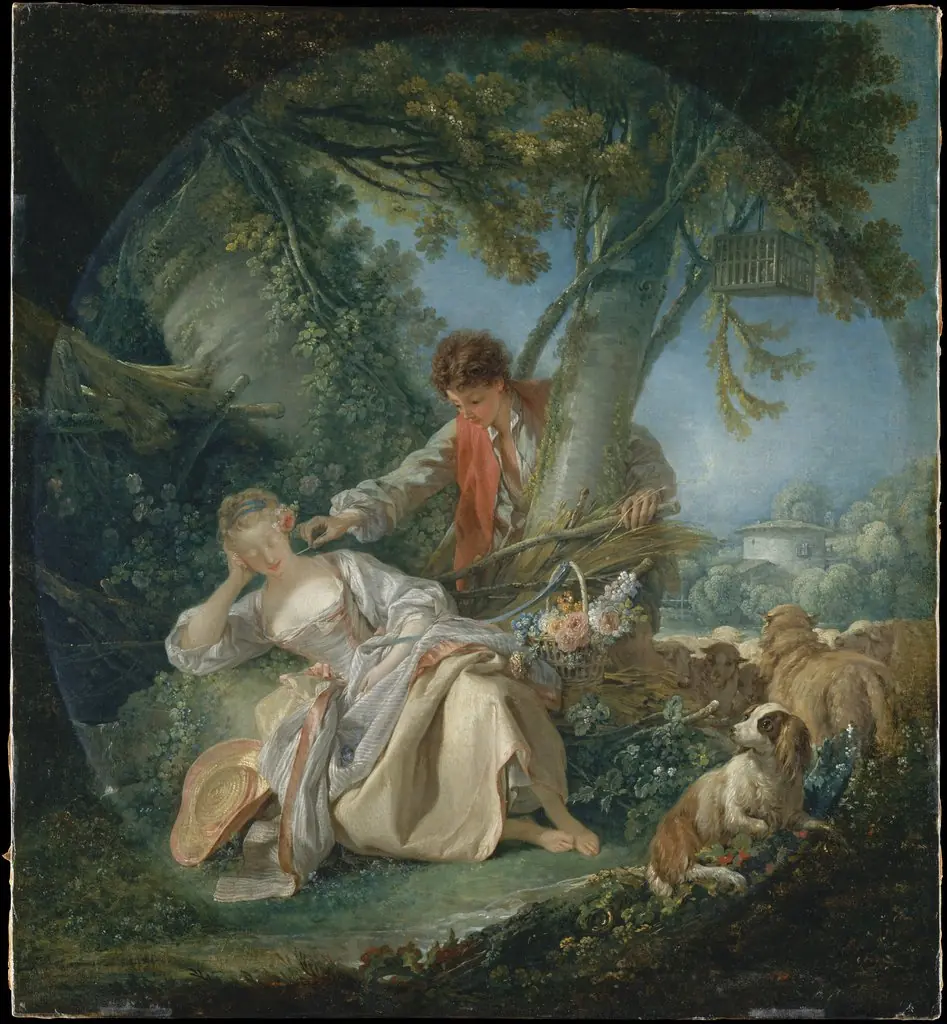 The Interrupted Sleep
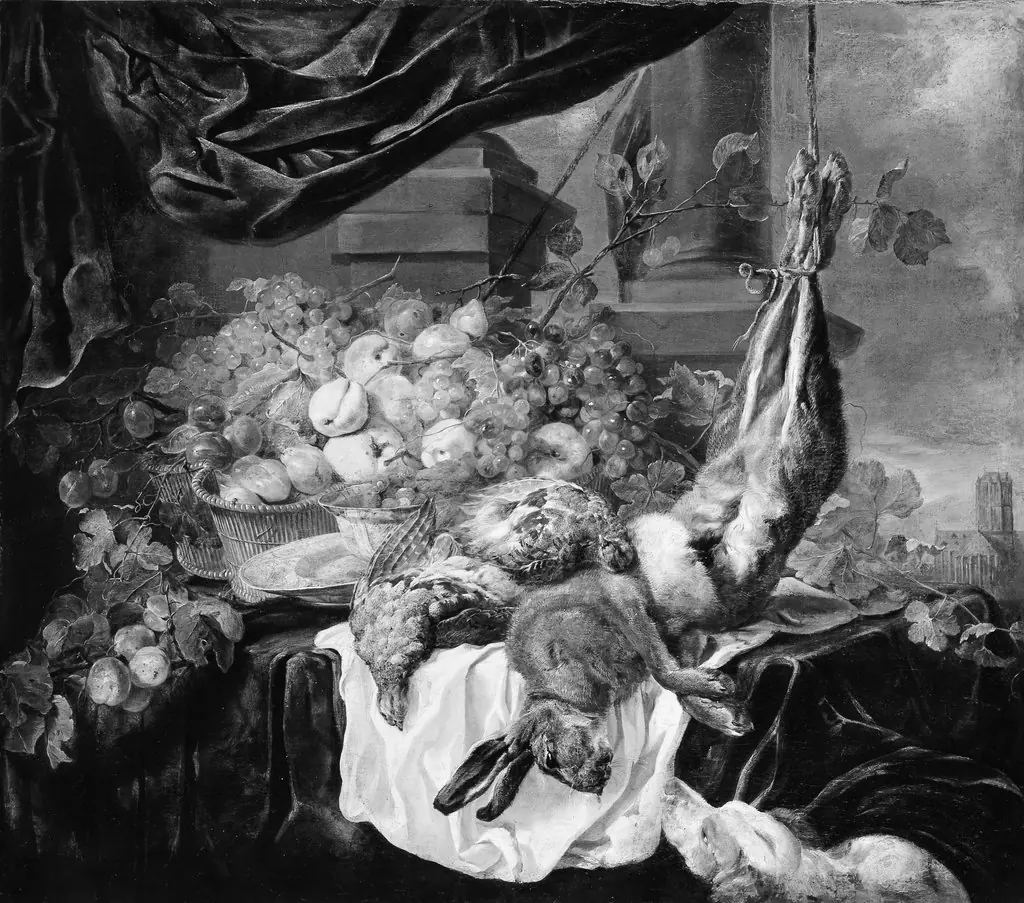 A Hare, Partridges, and Fruit
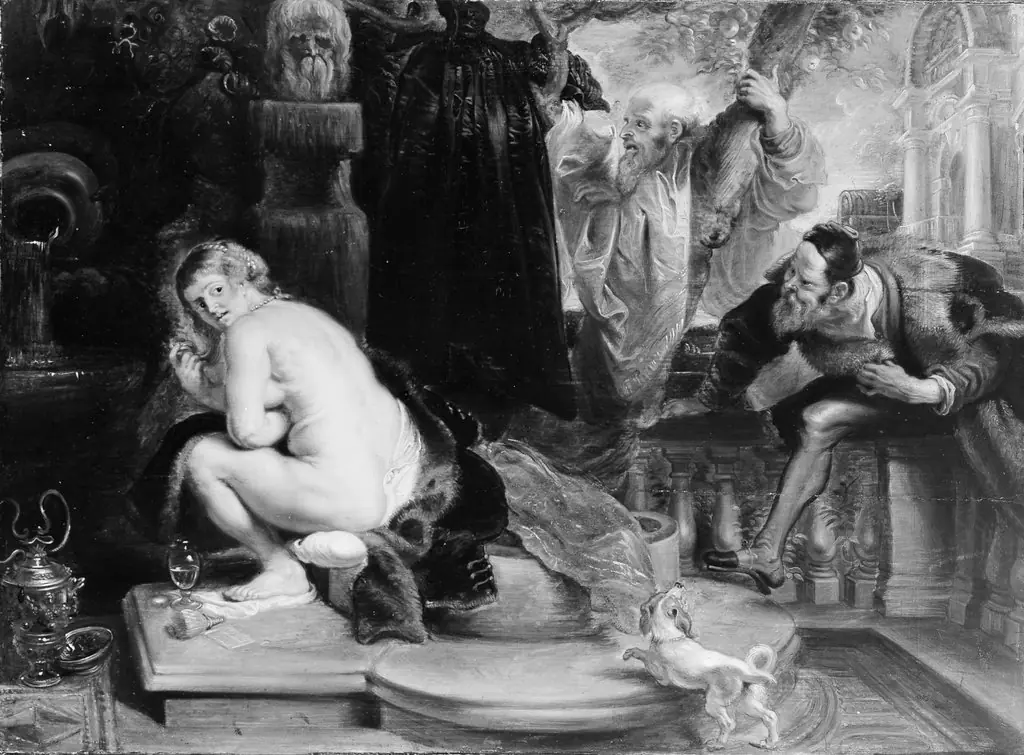 Susanna and the Elders
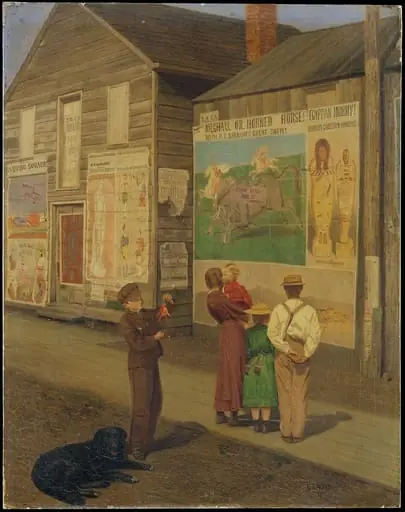 Coming Events Cast Their Shadows Before
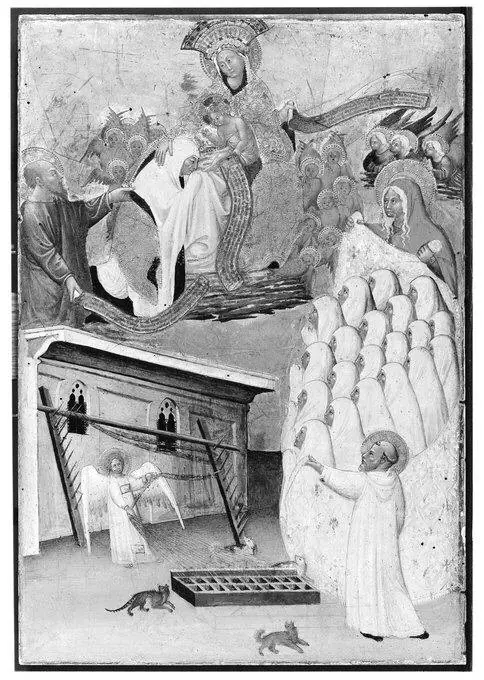 Santa Francesca Romana (1384–1440) Clothed by the Virgin
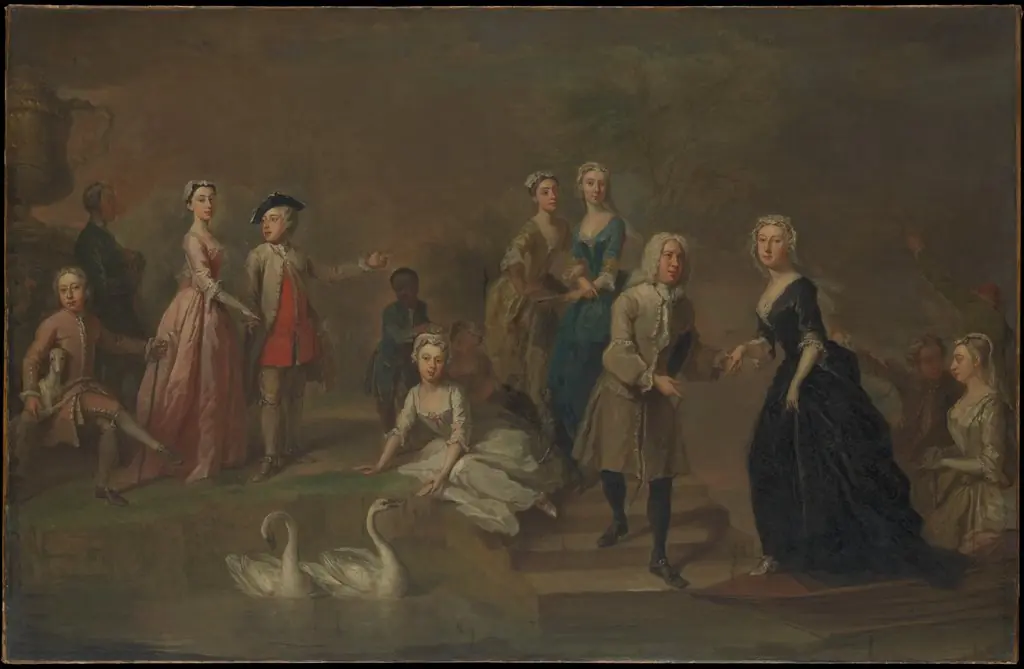 Uvedale Tomkyns Price (1685–1764) and Members of His Family
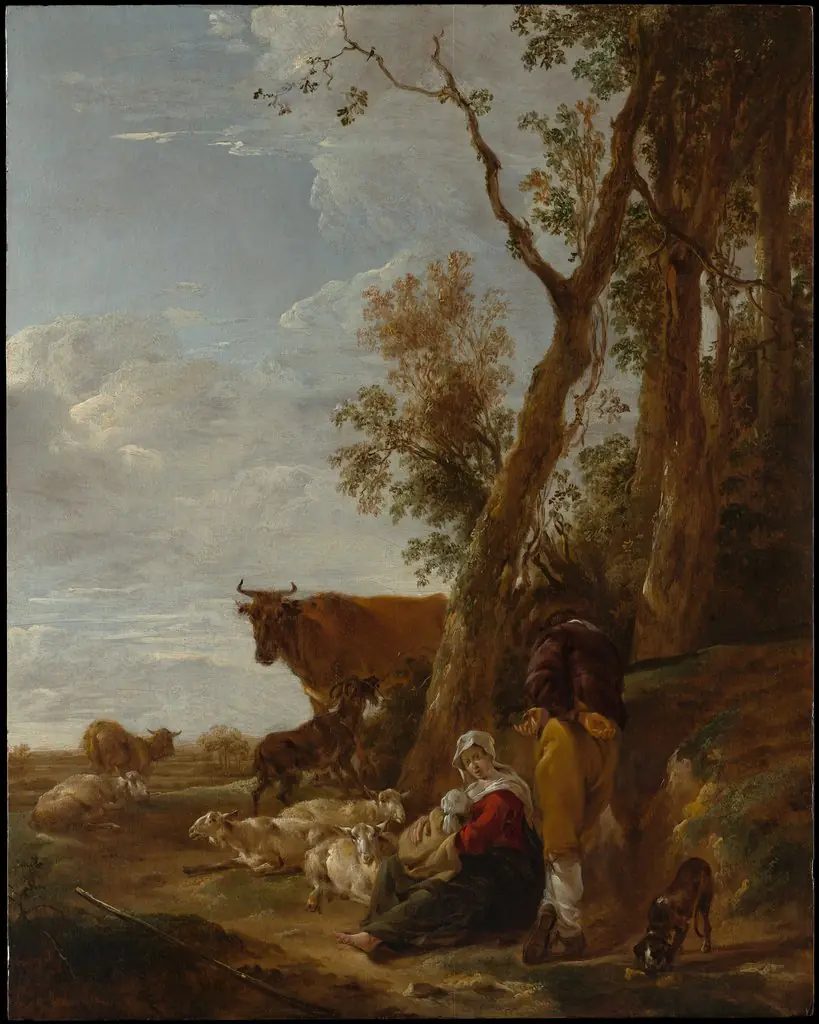 Rest
Rest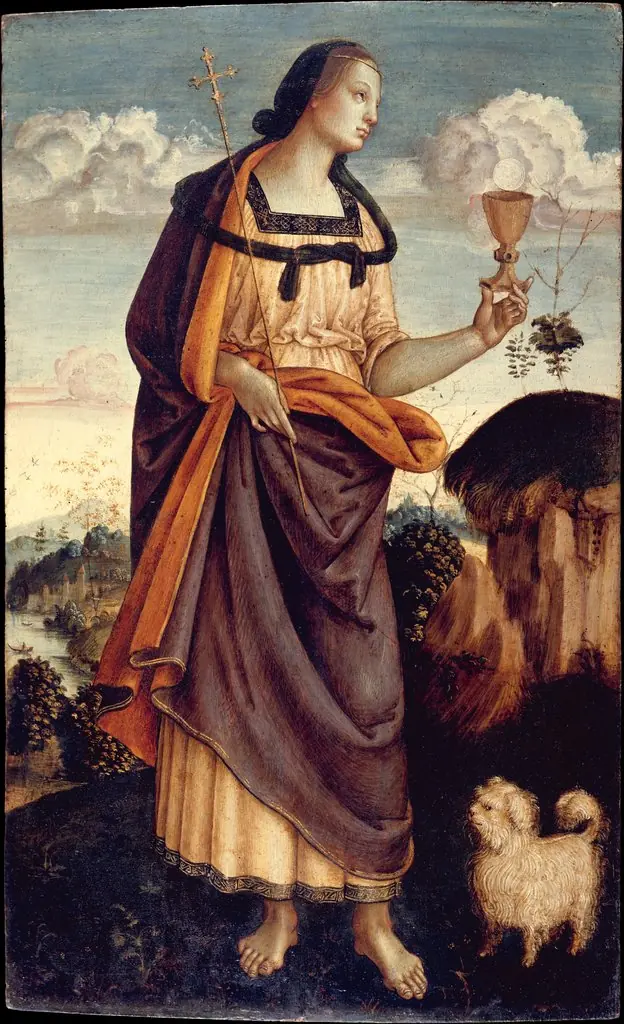 The Theological Virtues: Faith, Charity, Hope
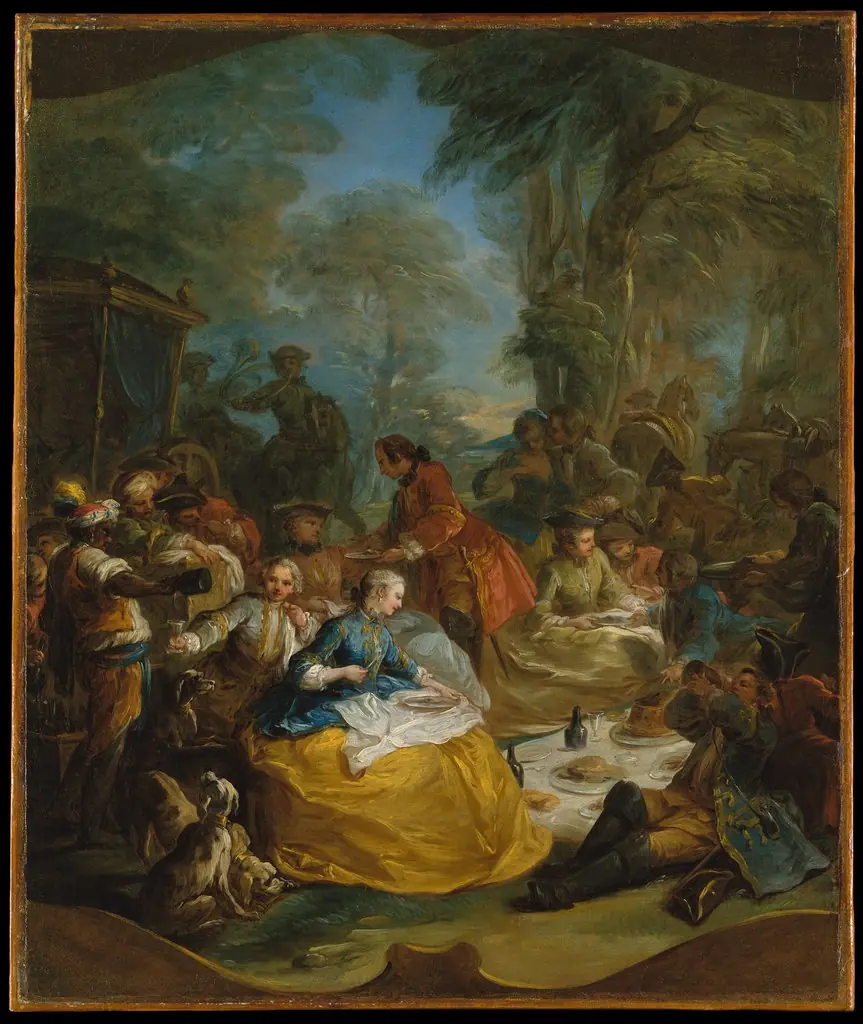 The Hunt Breakfast
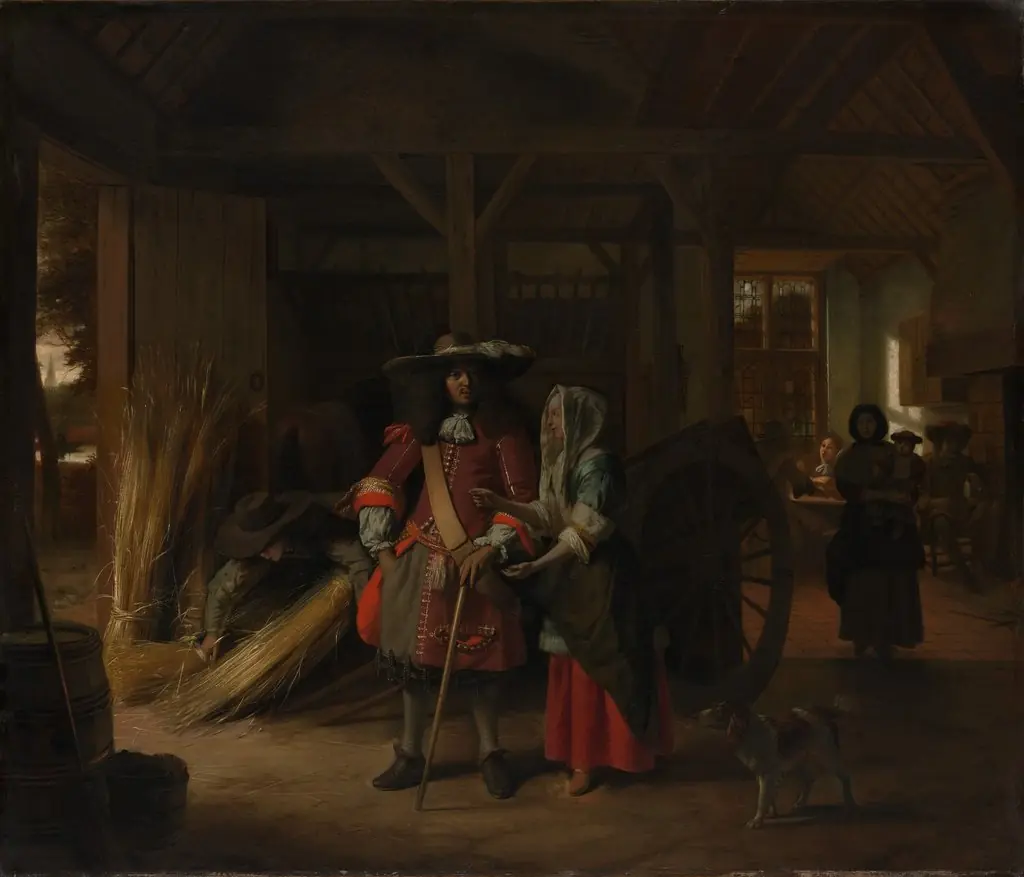 Officer paying a woman in a stable
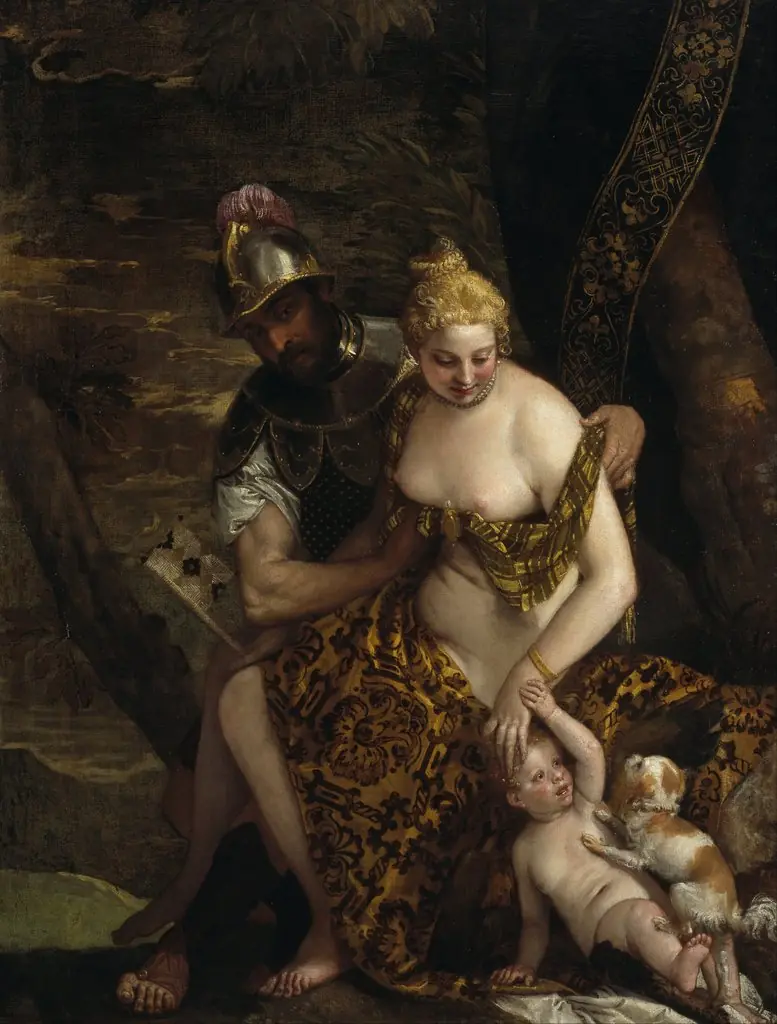 Mars and Venus with Cupid and a Dog
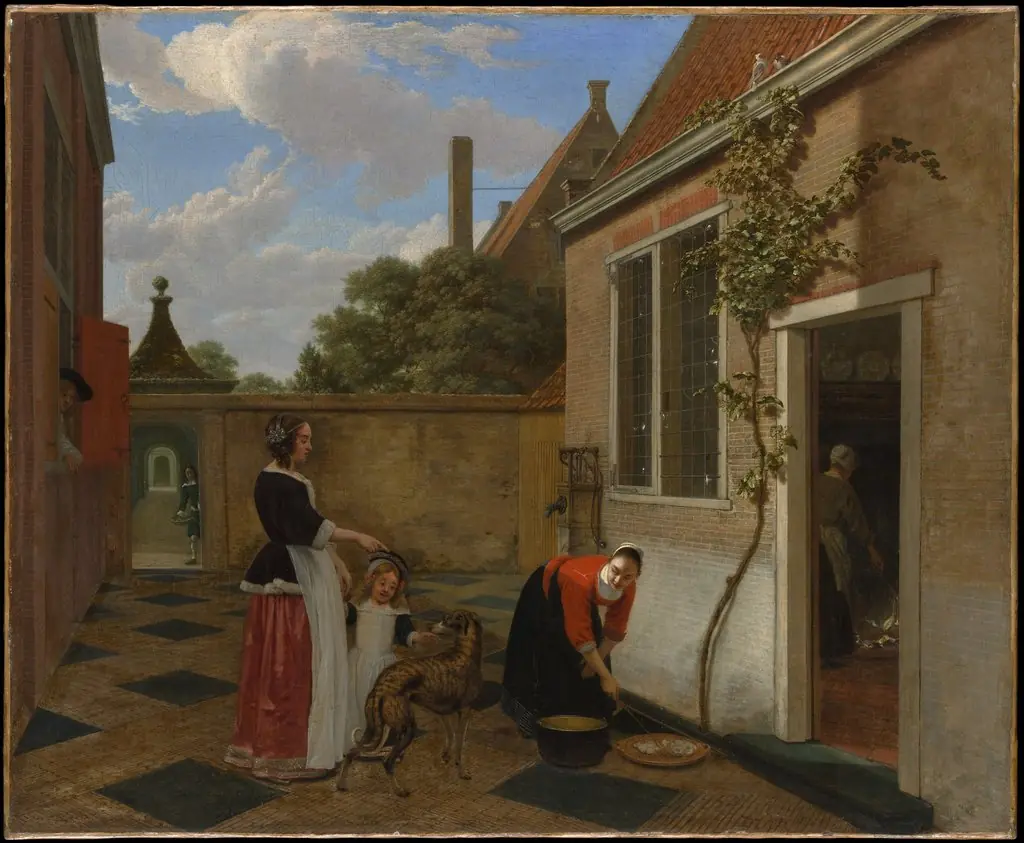 Scene in a Courtyard
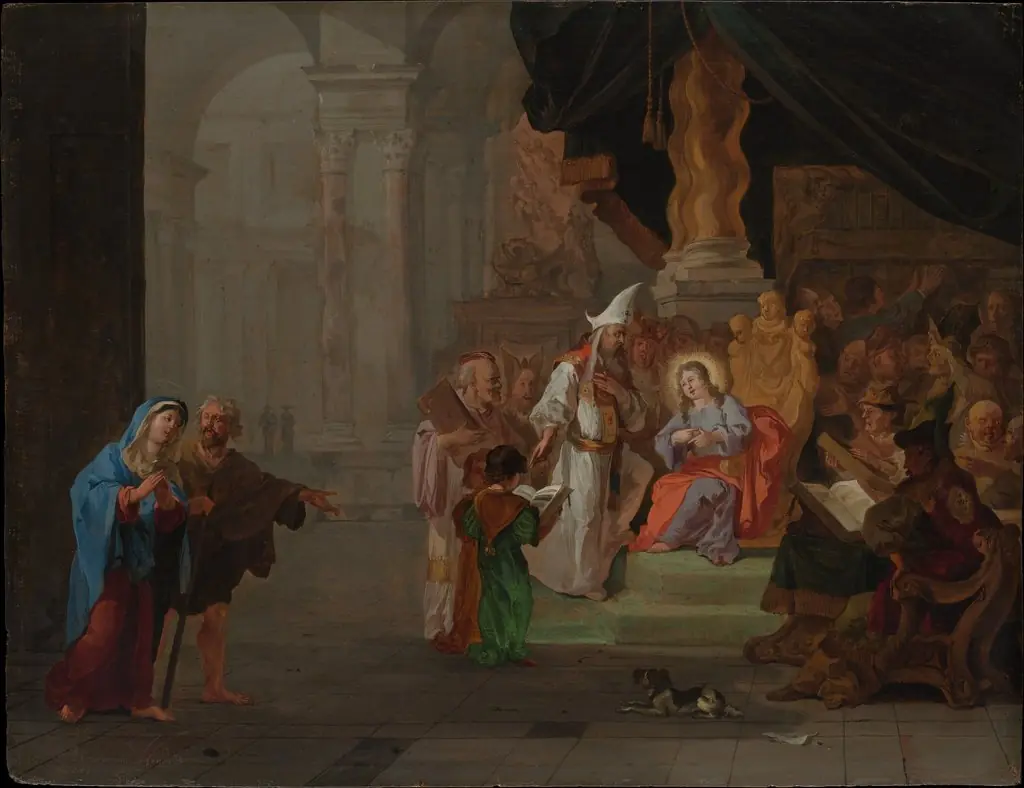 Christ among the Doctors
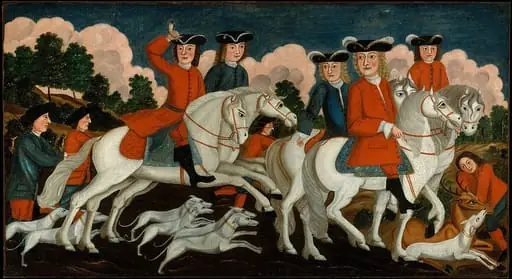 The Hunting Party—New Jersey
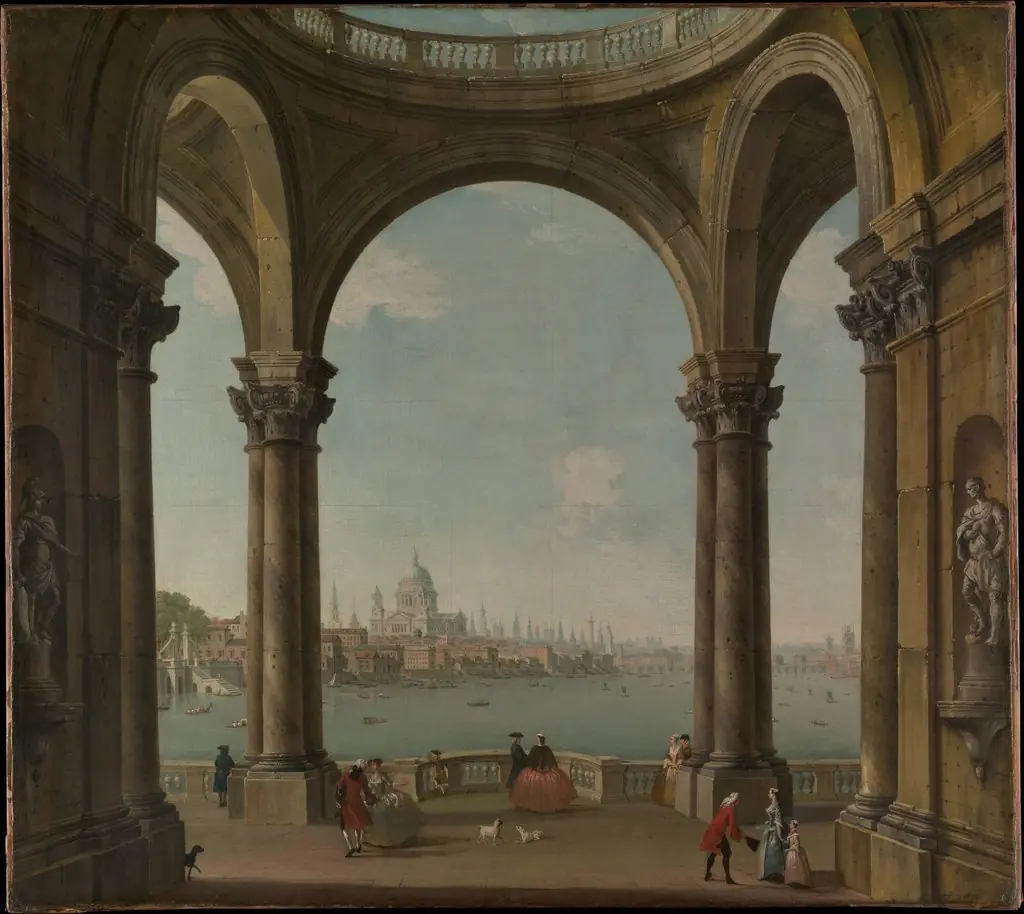 Capriccio with St. Paul's and Old London Bridge
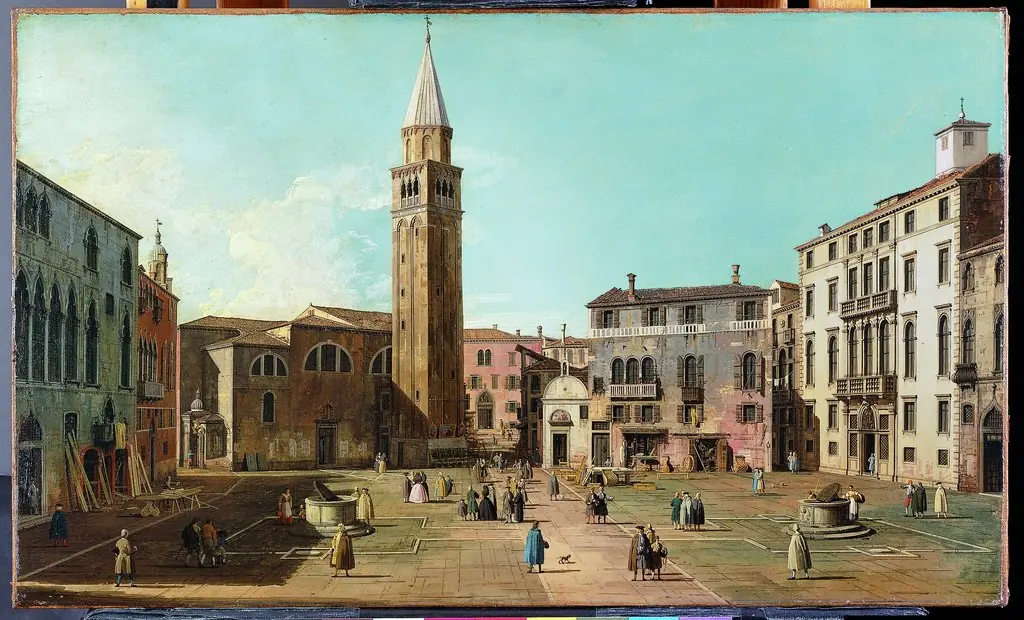 Campo Sant'Angelo
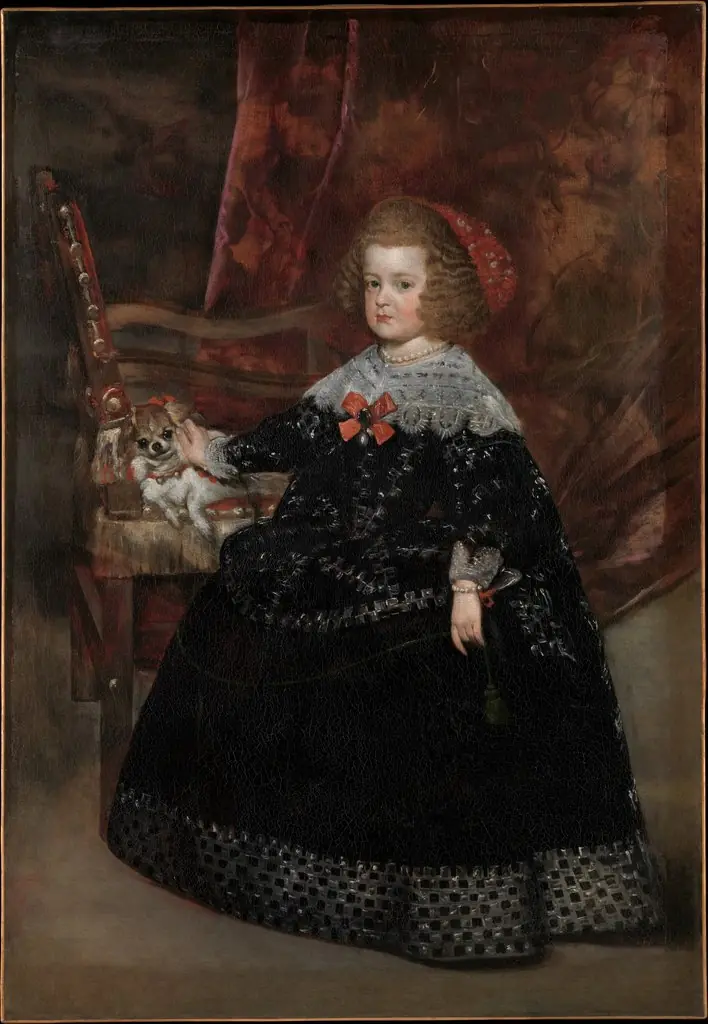 María Teresa (1638–1683), Infanta of Spain
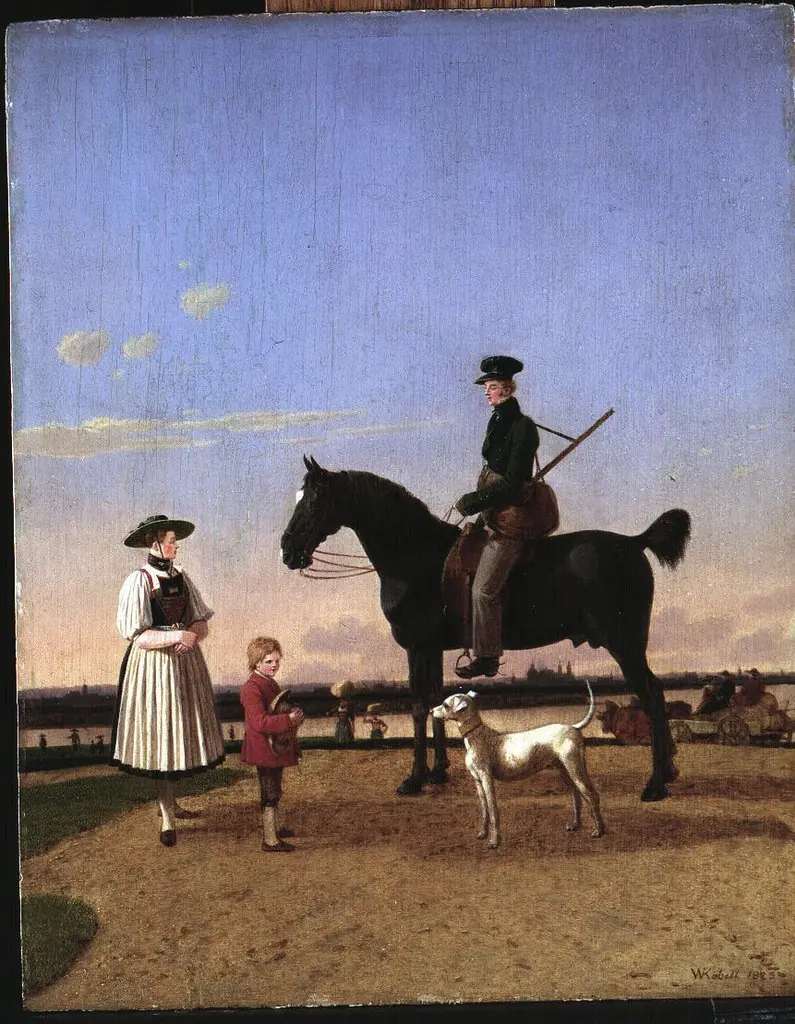 A Huntsman and a Peasant Woman by the Isar River with a View of Munich
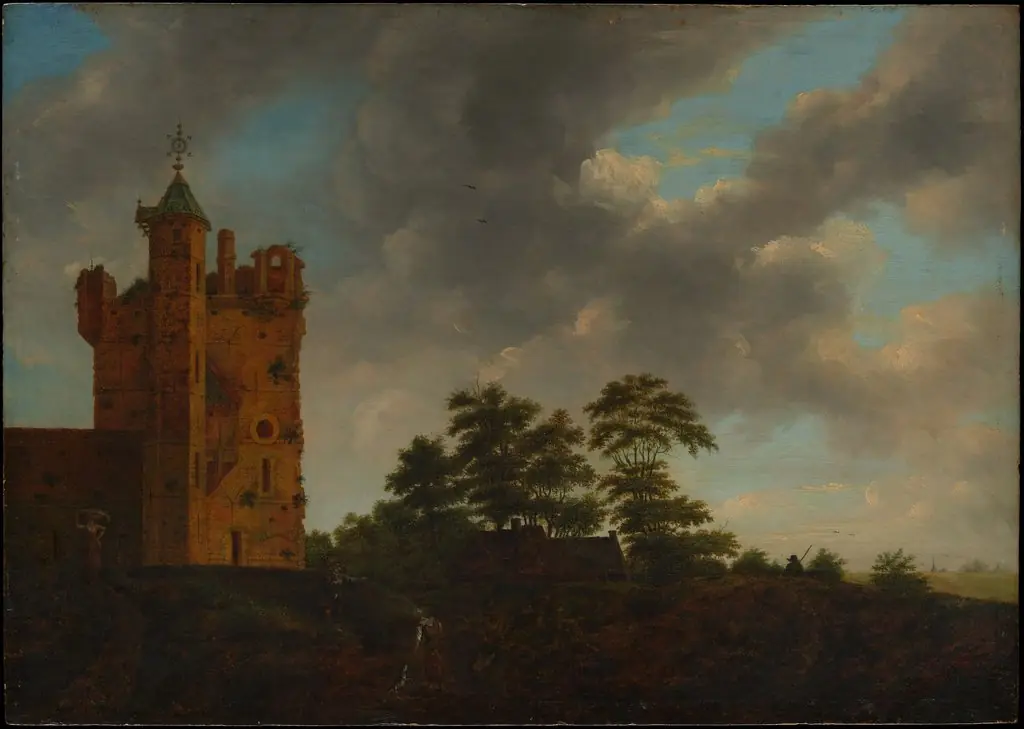 The Old Castle
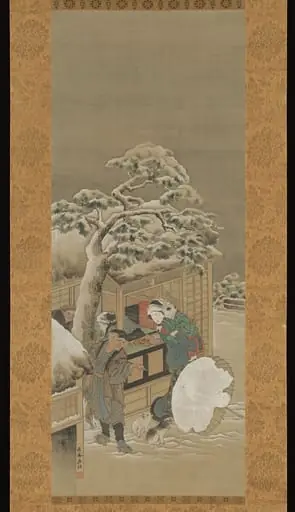 Untitled
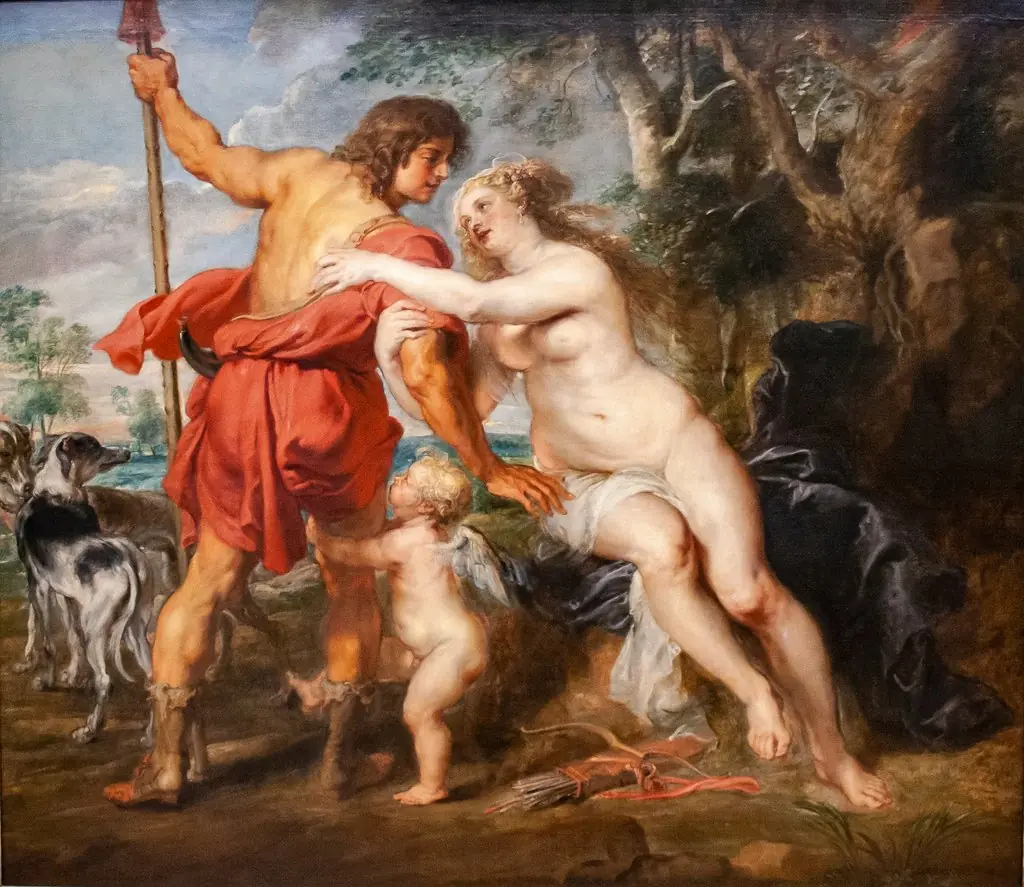 Venus and Adonis
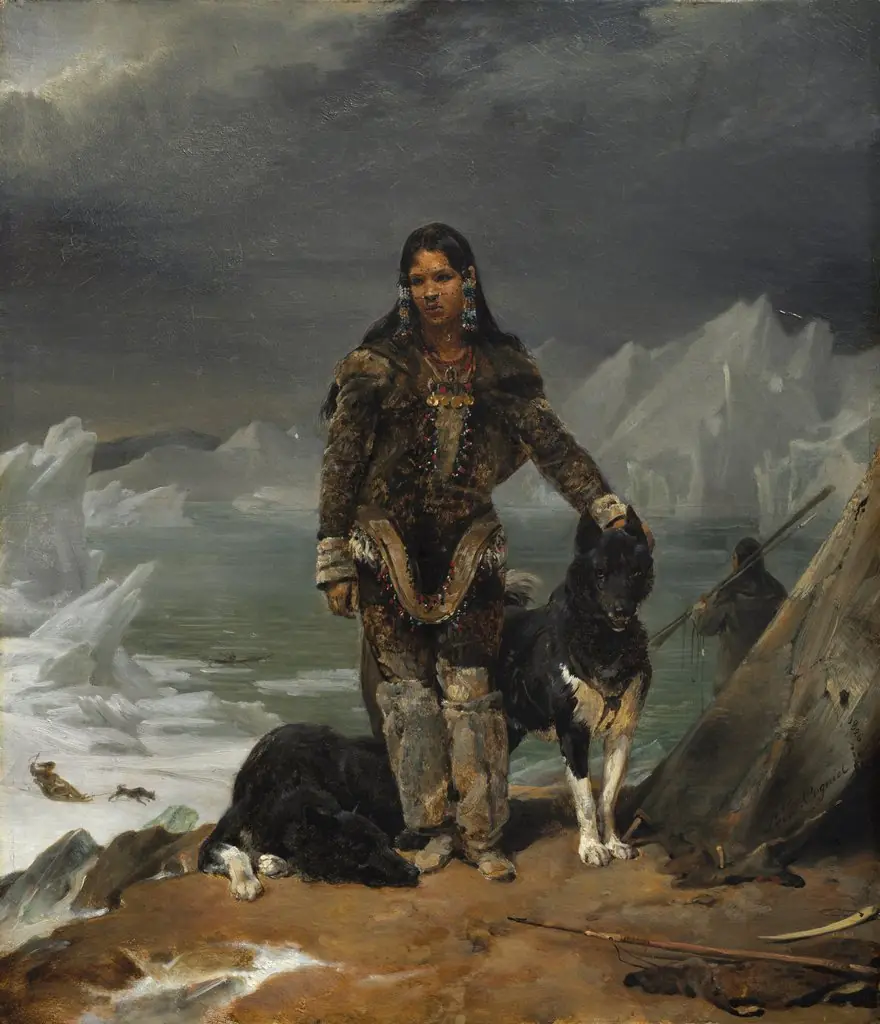 A Woman from the Land of Eskimos
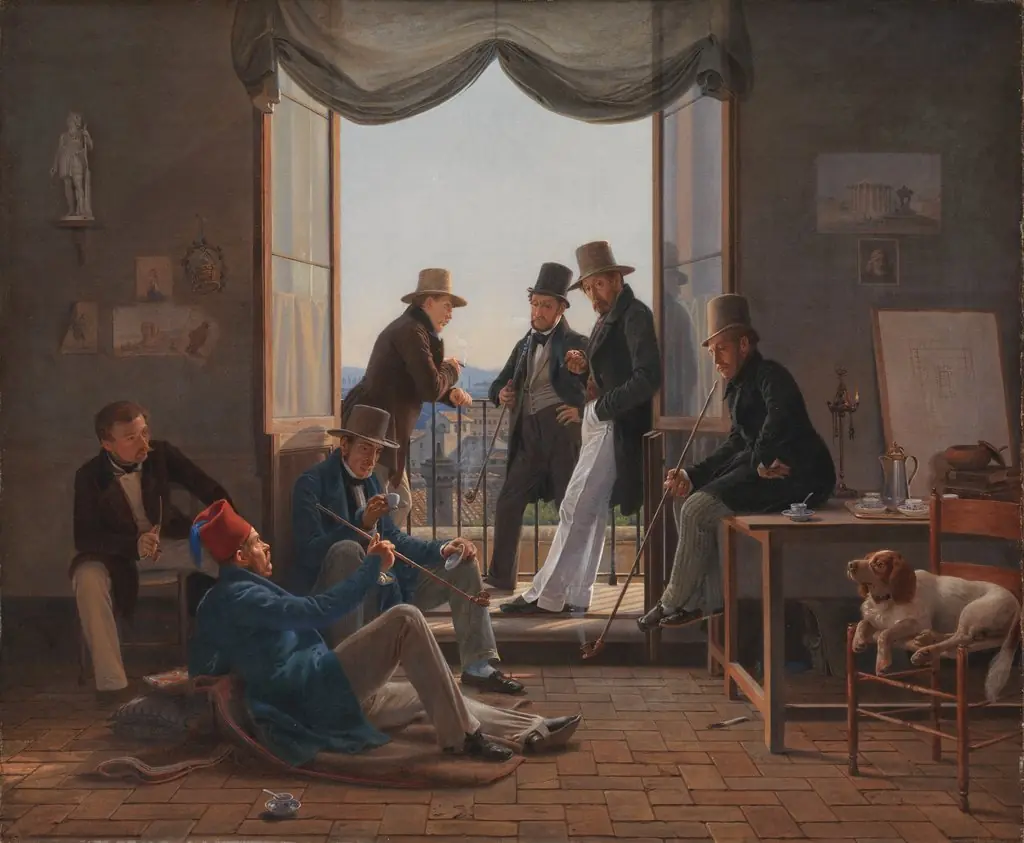 A Group of Danish Artists in Rome
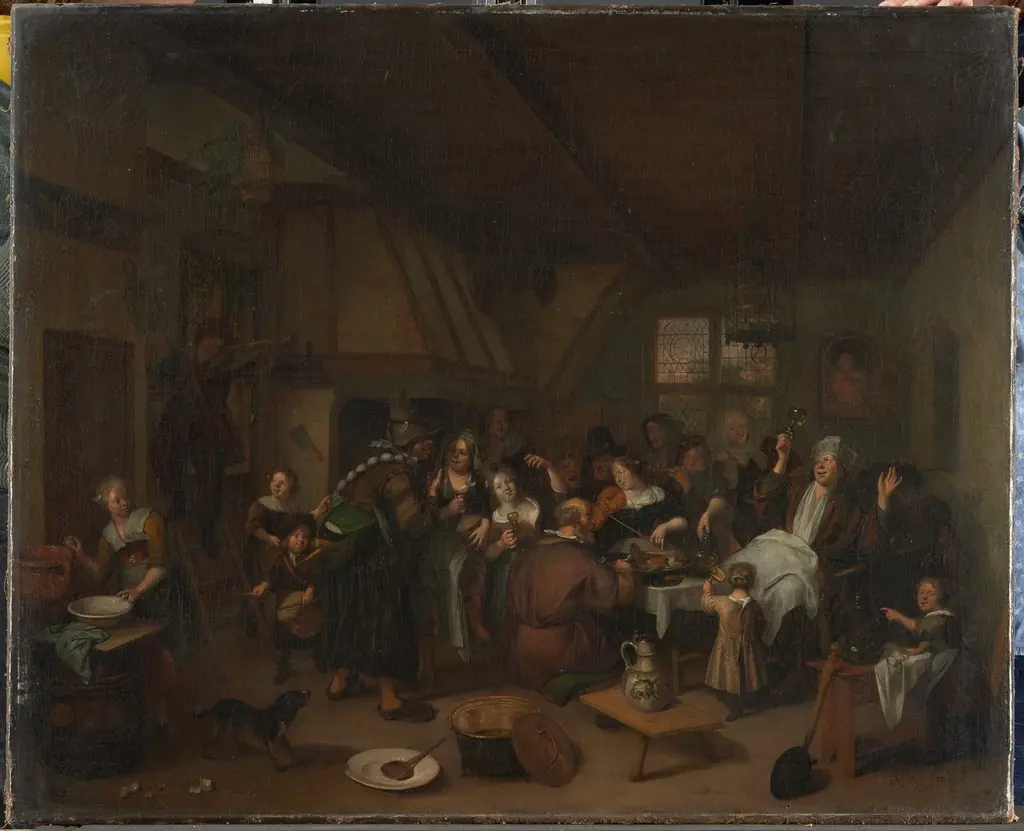 Interior with a company celebrating Twelfth Night, the Feast of Epiphany
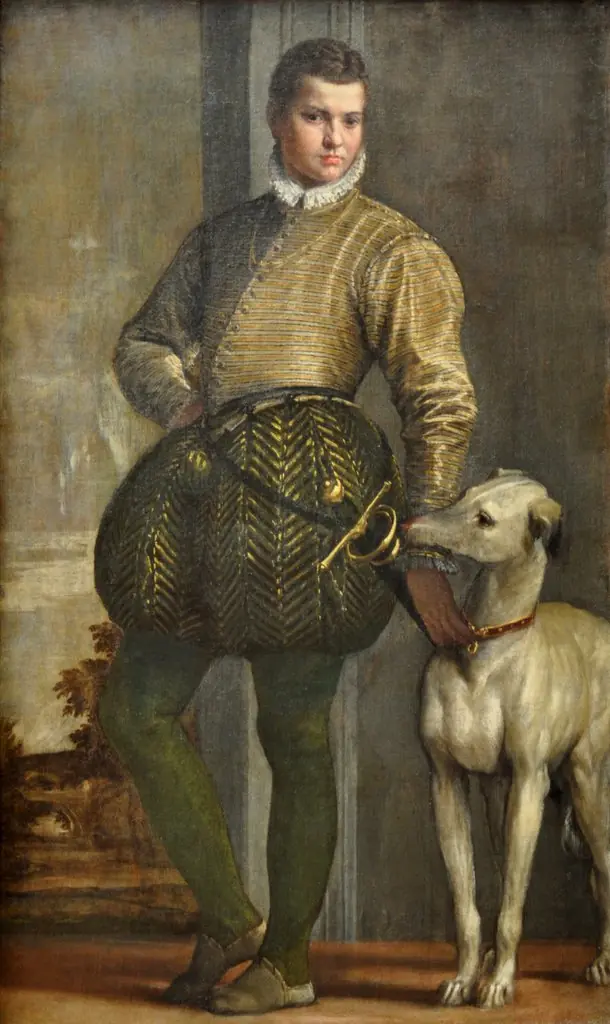 Boy with a Greyhound
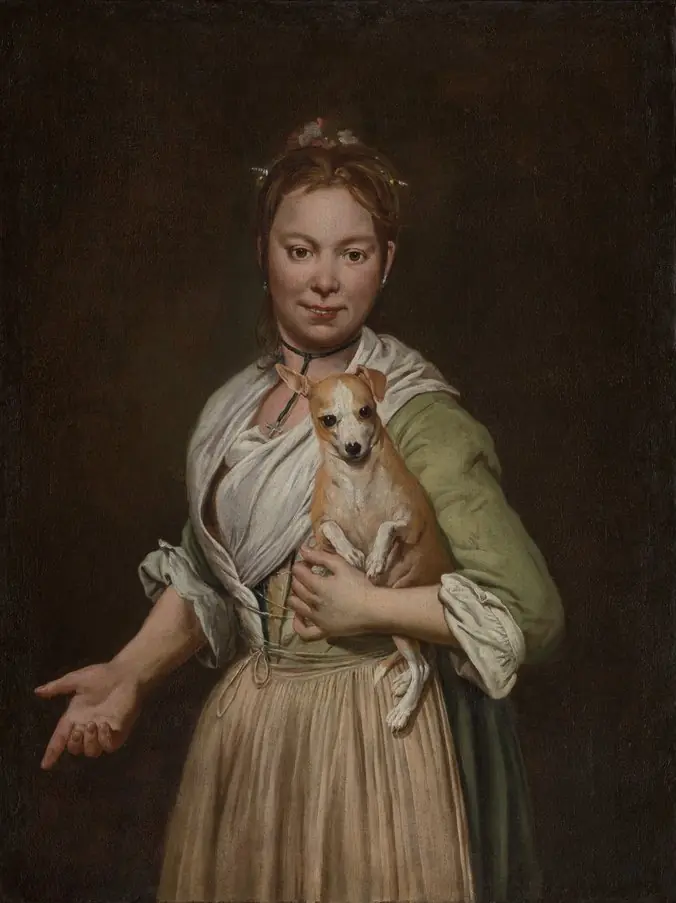 A Woman with a Dog
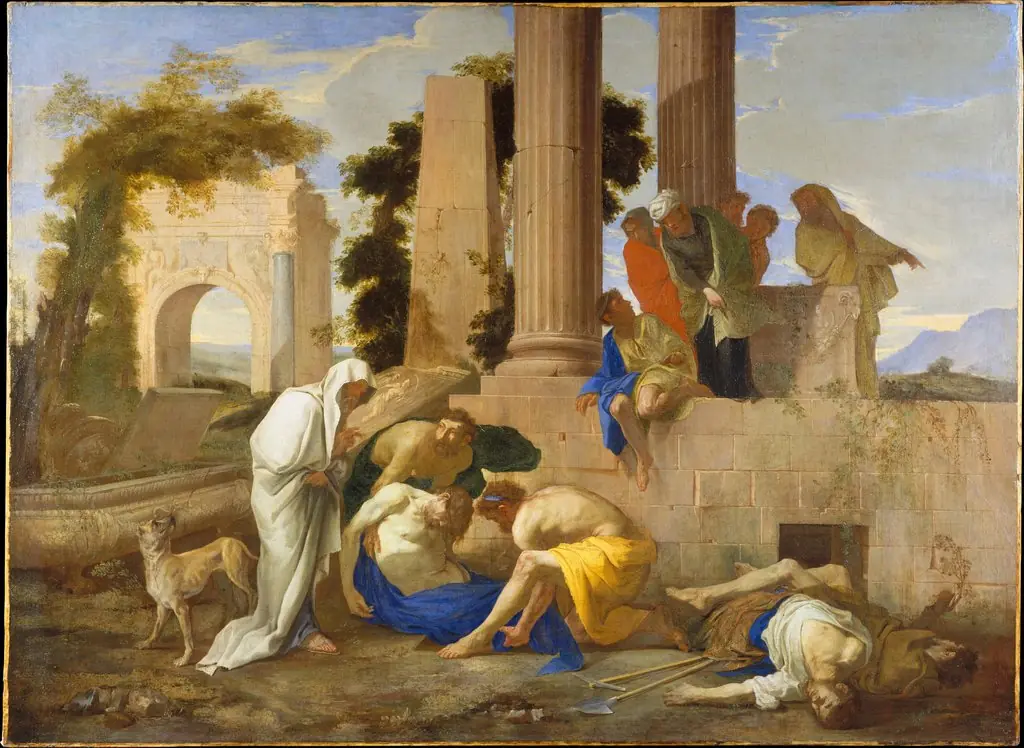 Tobit Burying the Dead
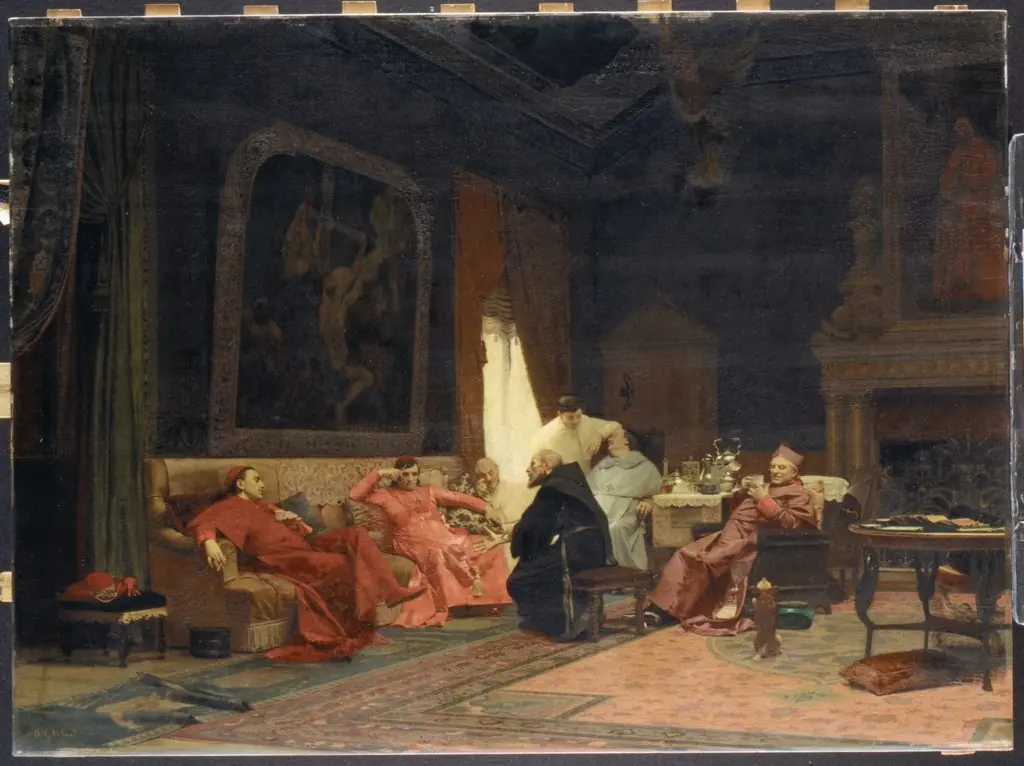 The Missionary's Adventures
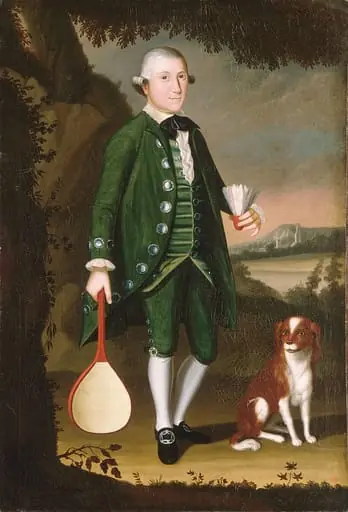 Portrait of a Boy, Probably of the Crossfield Family
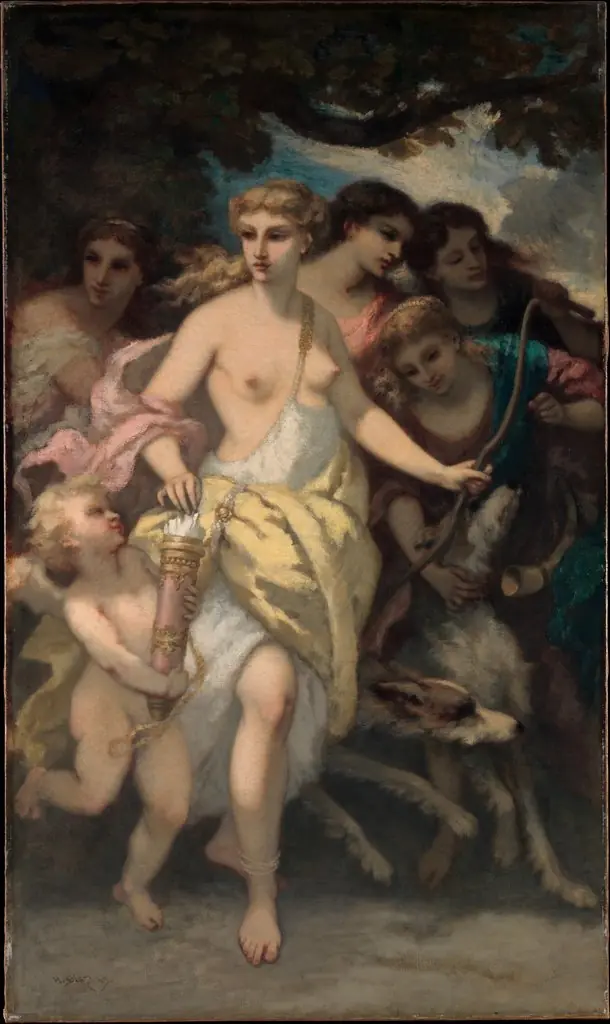 Diana
Diana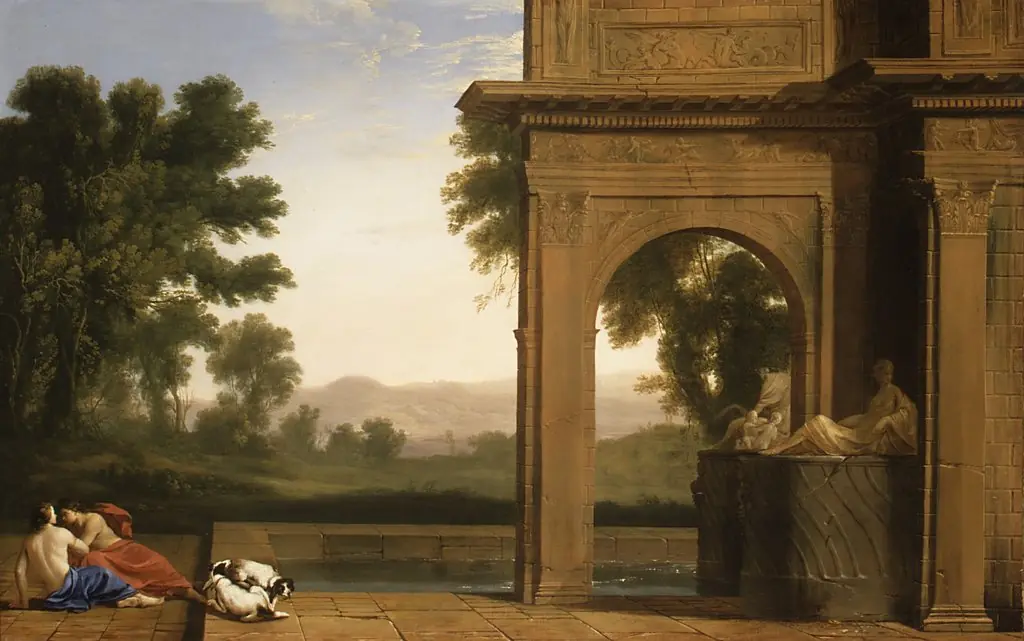 Classical Landscape with Figures
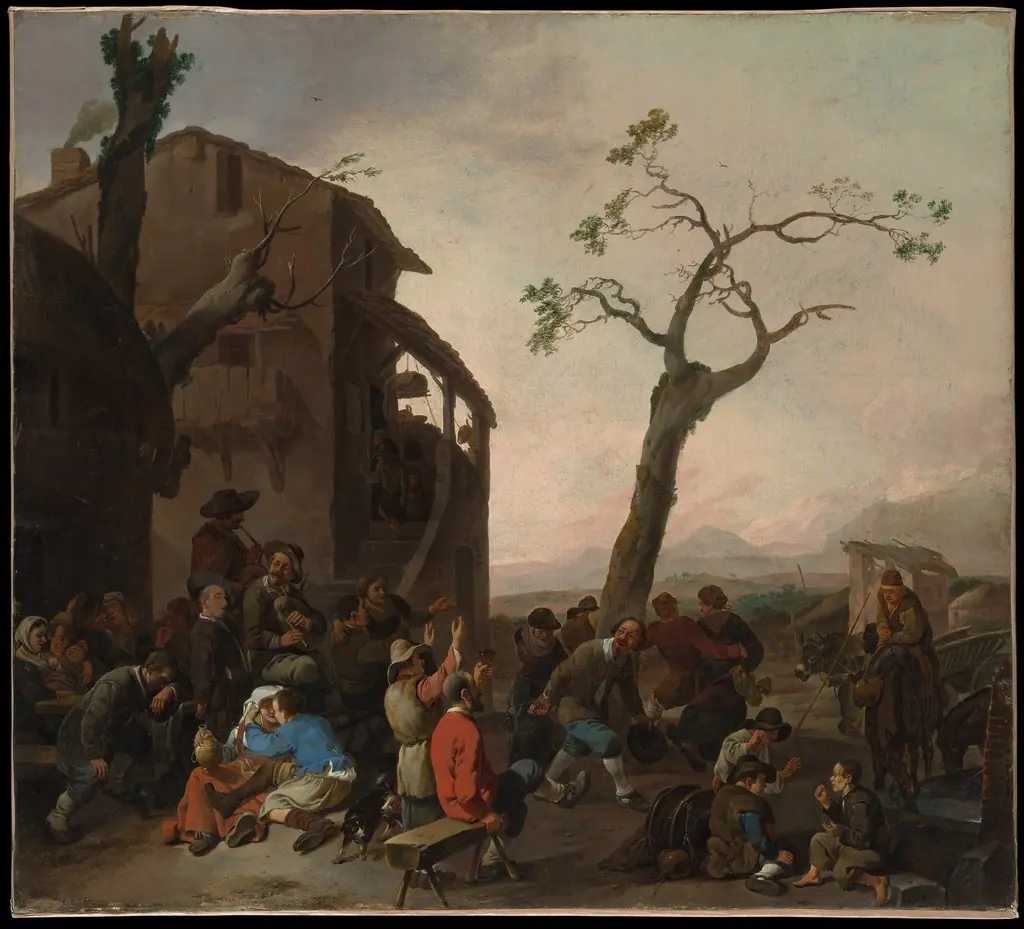 Peasants Dancing
 Landscape
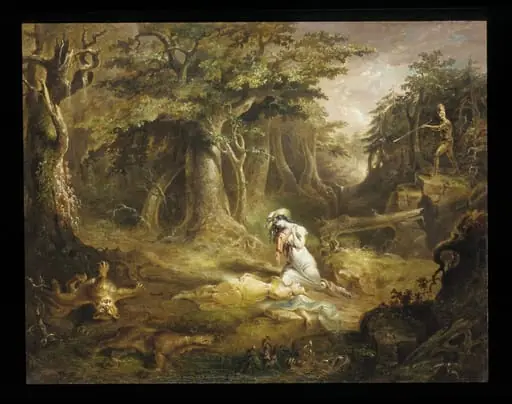 Leatherstocking's Rescue
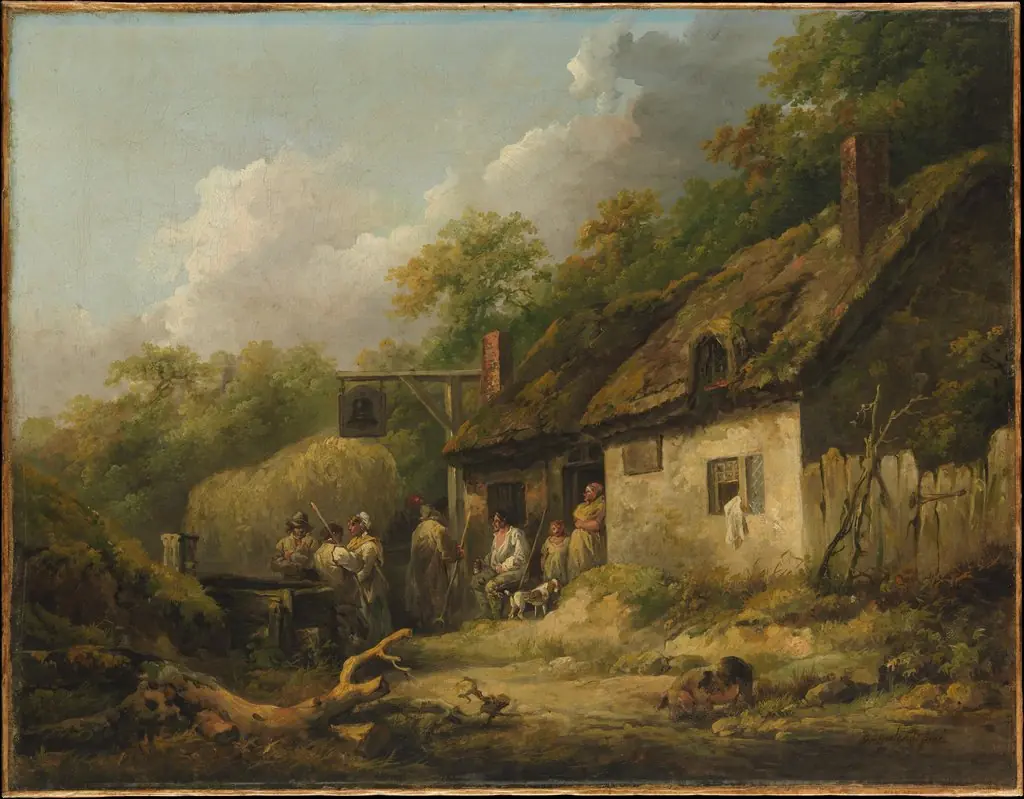 The Bell Inn
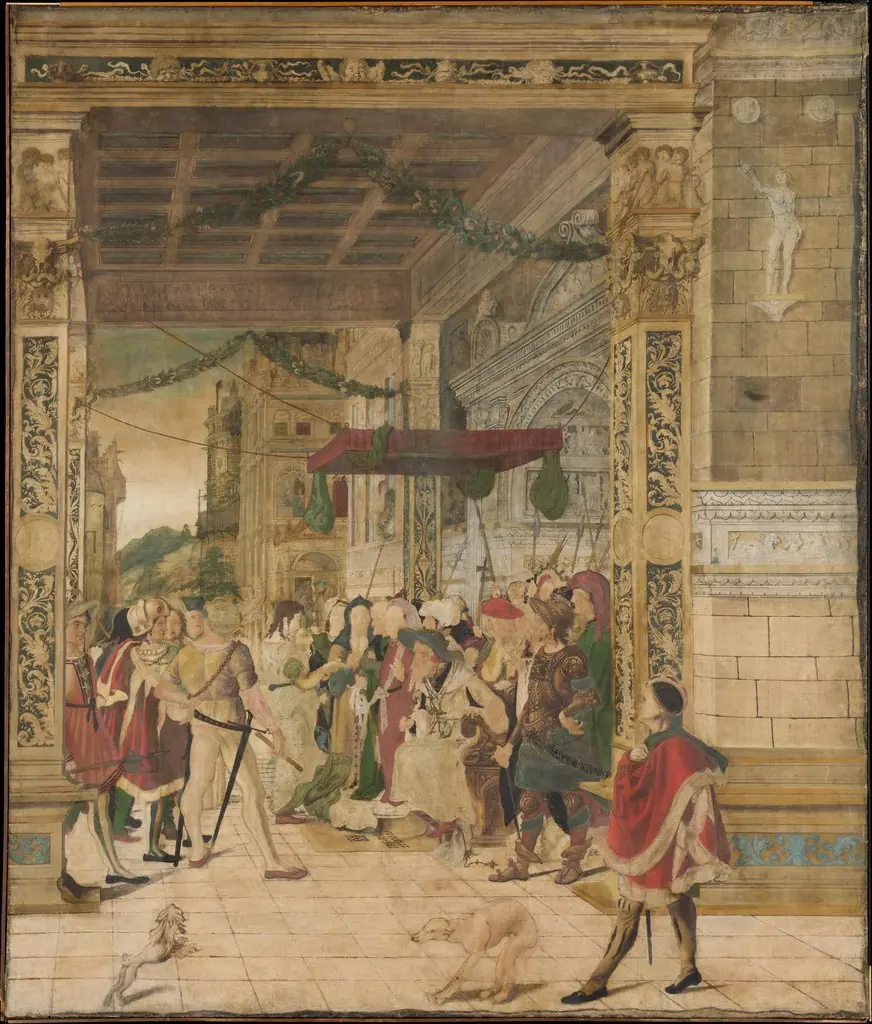 Joseph Interpreting the Dreams of Pharaoh
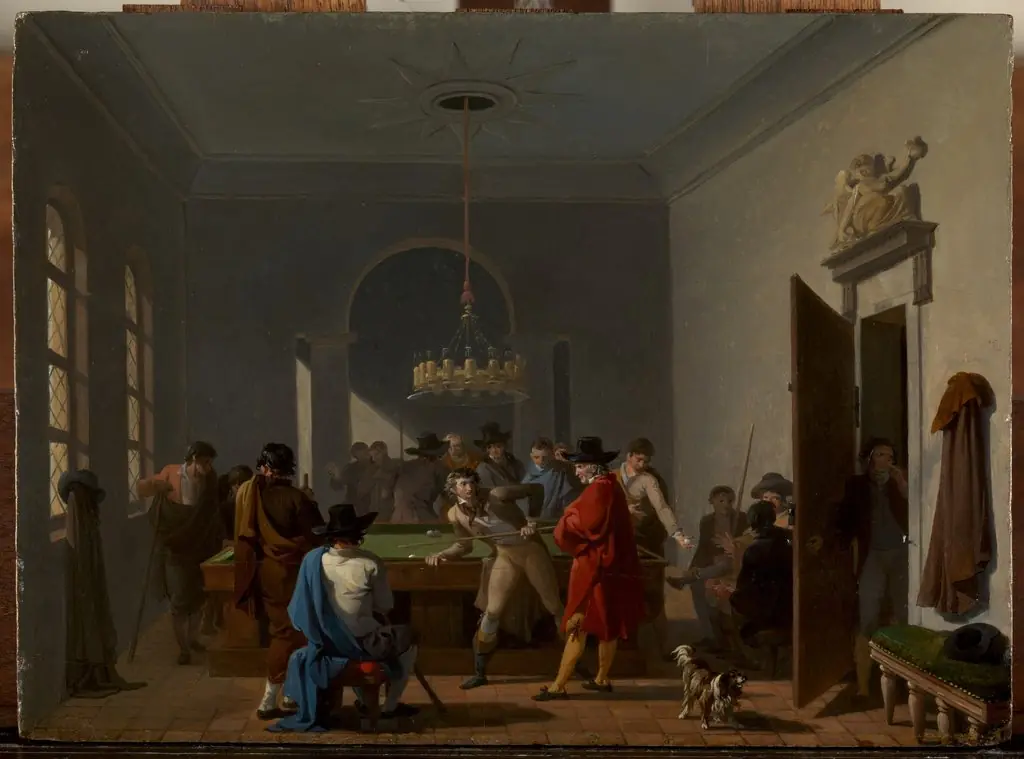 The Billiard Room
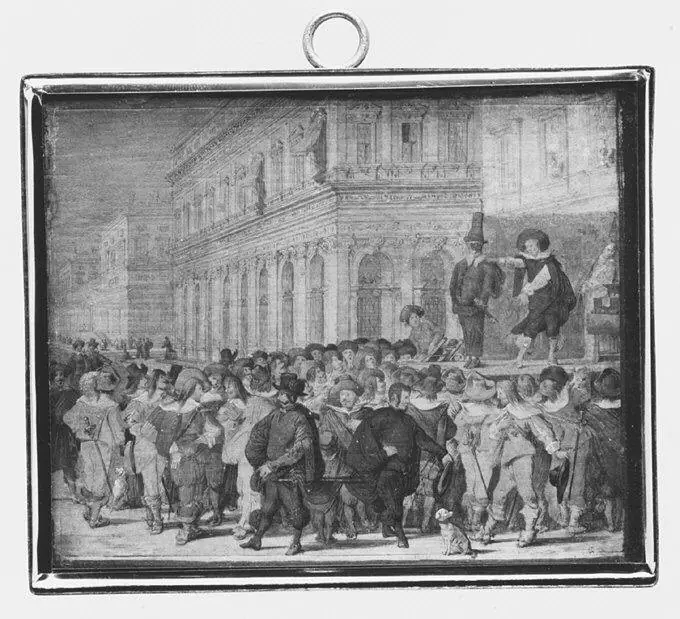 Traveling Players
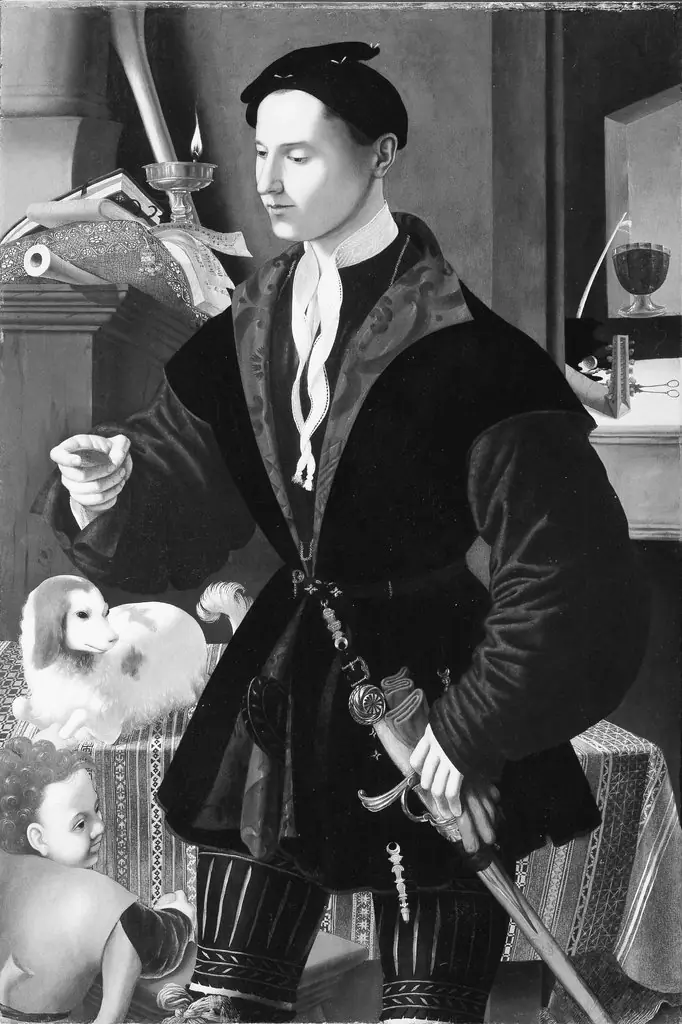 Portrait of a Young Man
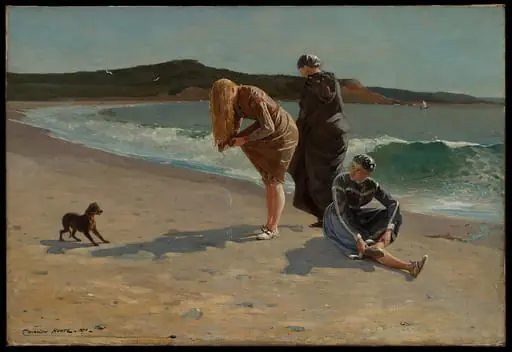 Eagle Head, Manchester, Massachusetts (High Tide)
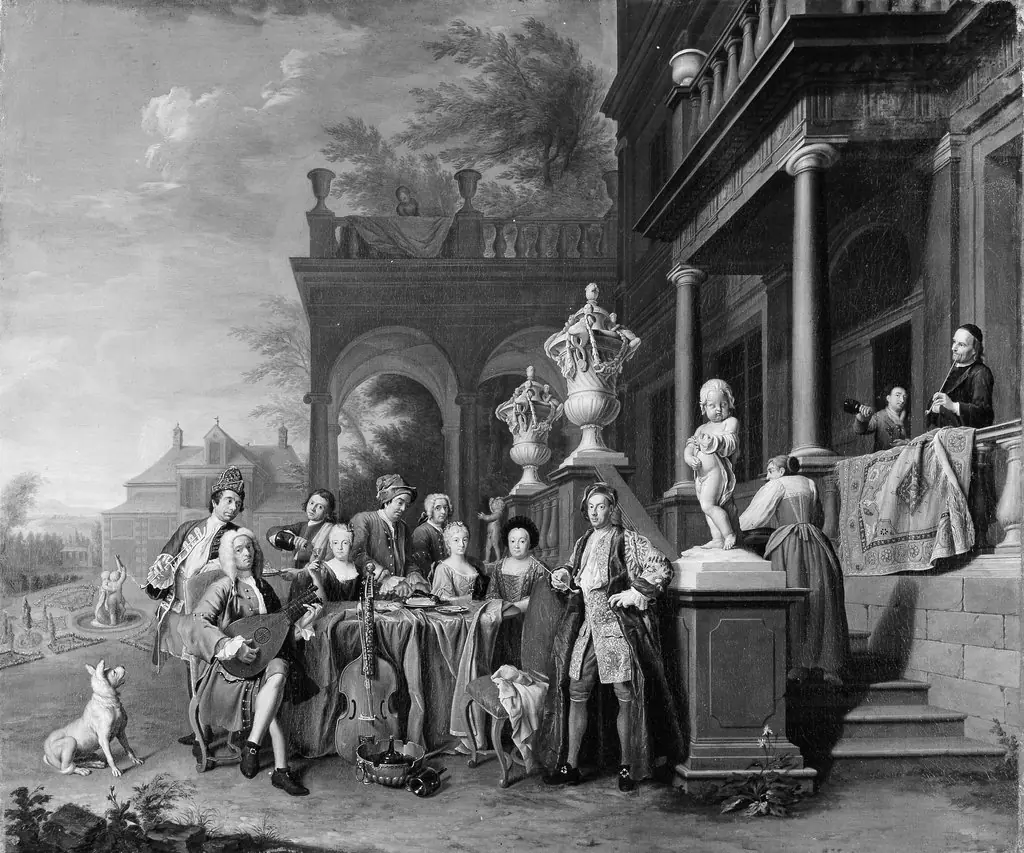 A Musical Gathering at the Court of the Elector Karl Albrecht of Bavaria
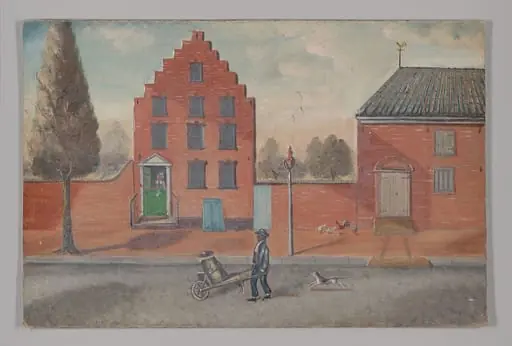 Buttermilk Pedlar
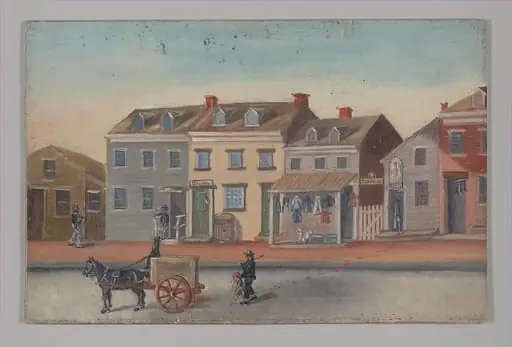 The Dog Killer
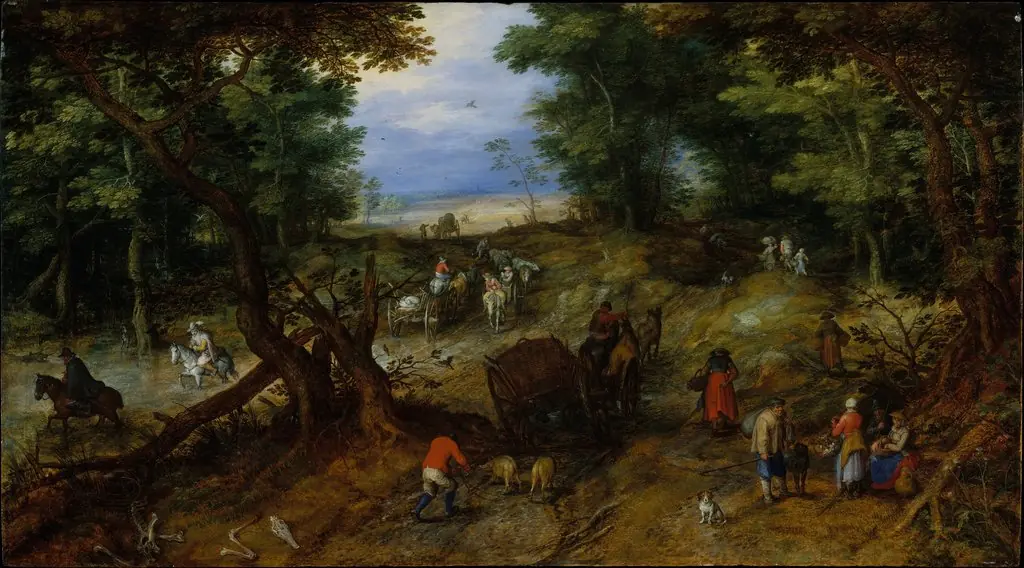 A Woodland Road with Travelers
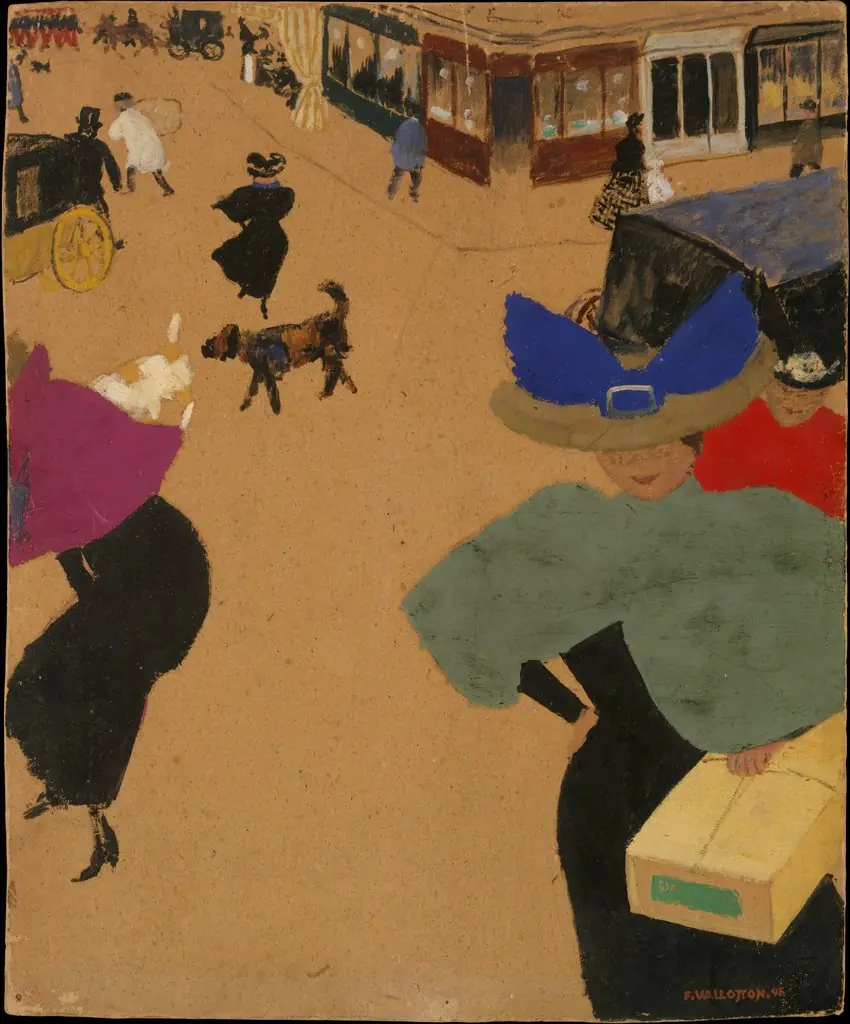 Street Scene in Paris (Coin de rue à Paris)
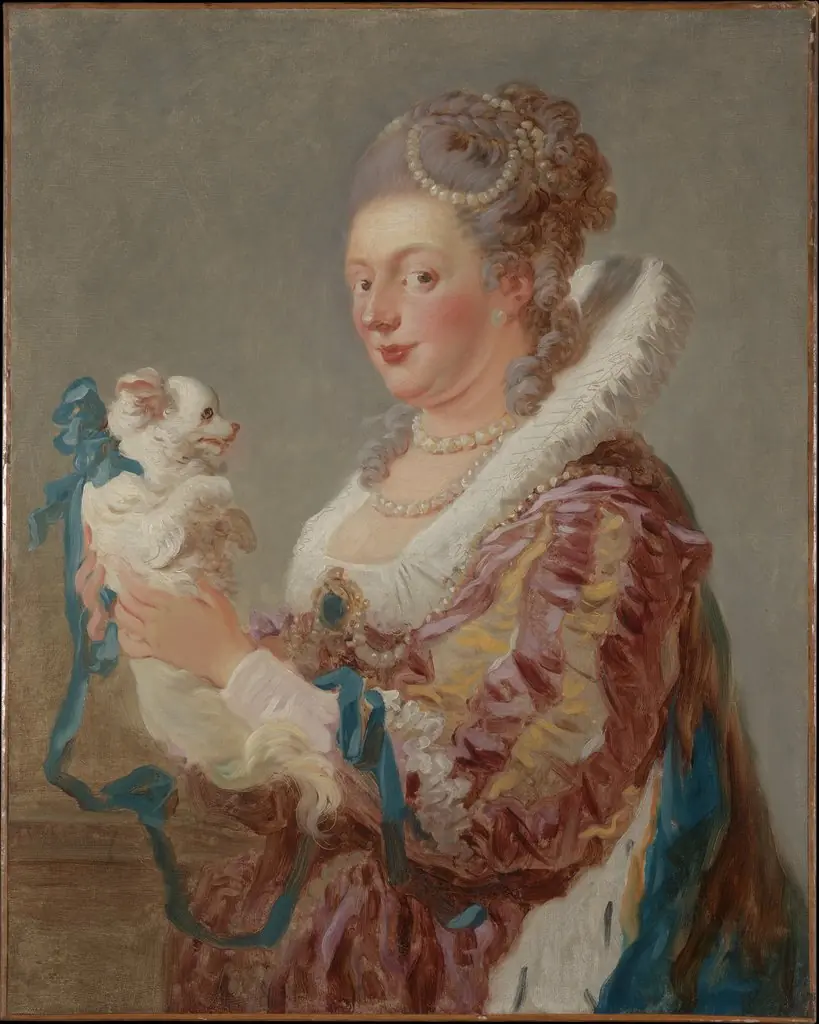 A Woman with a Dog
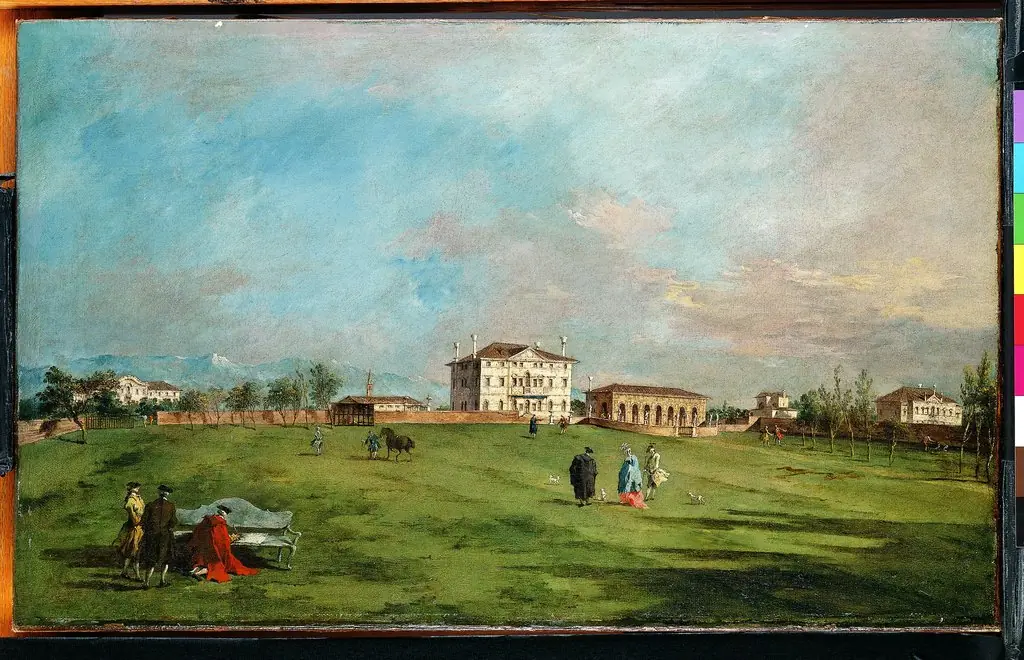 The Villa Loredan, Paese
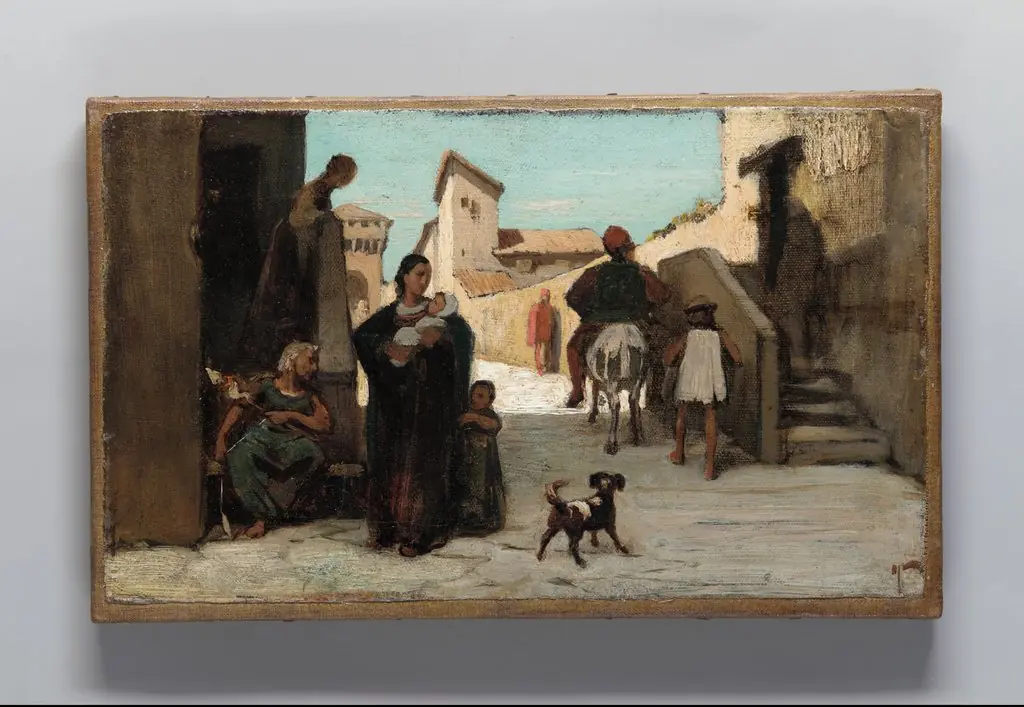 The Fable of the Miller, His Son, and the Donkey
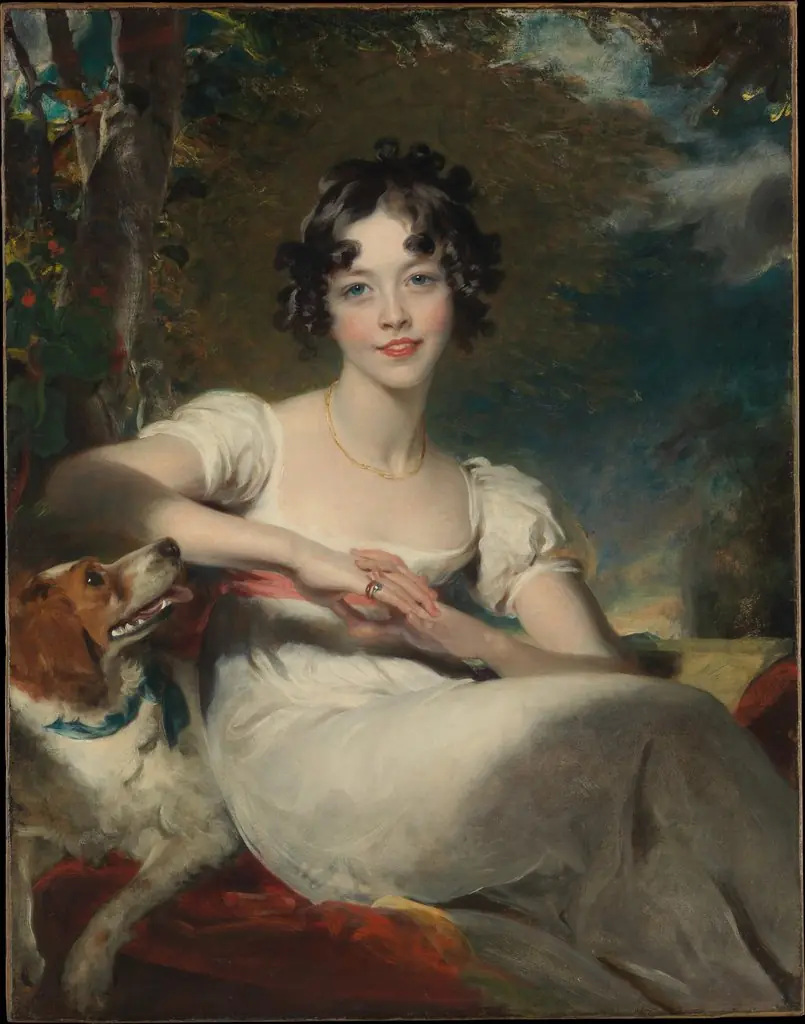 Lady Maria Conyngham (died 1843)
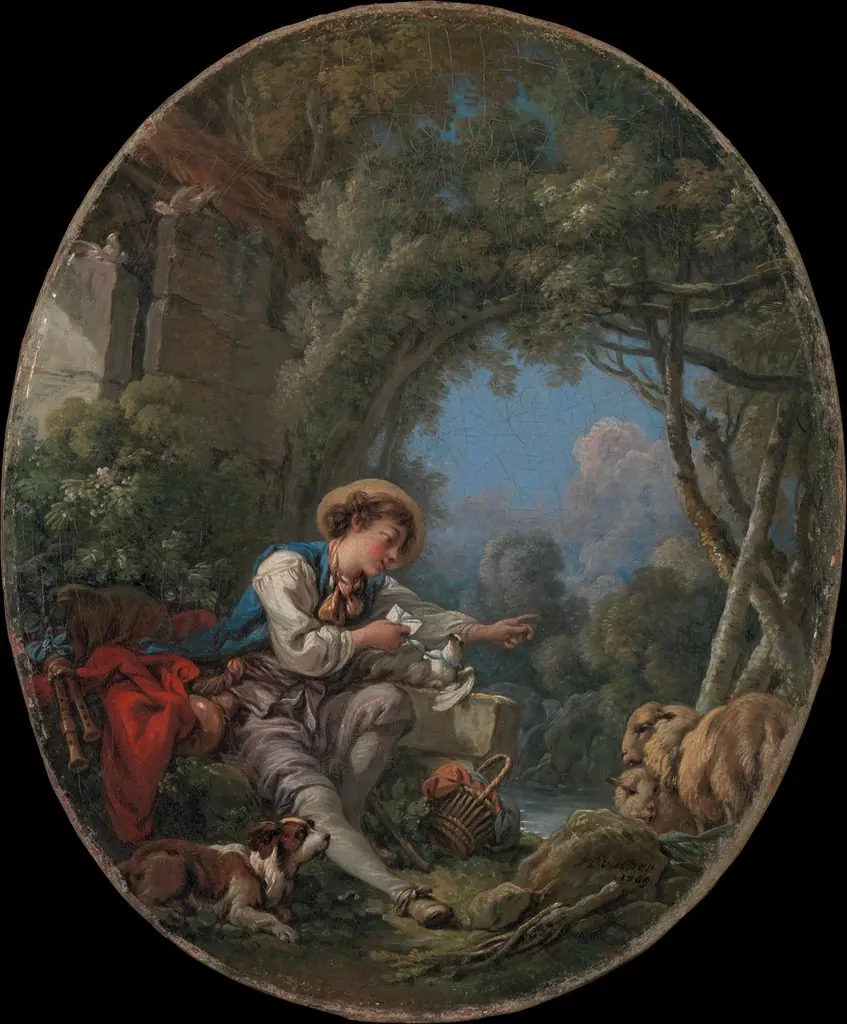 The Dispatch of the Messenger
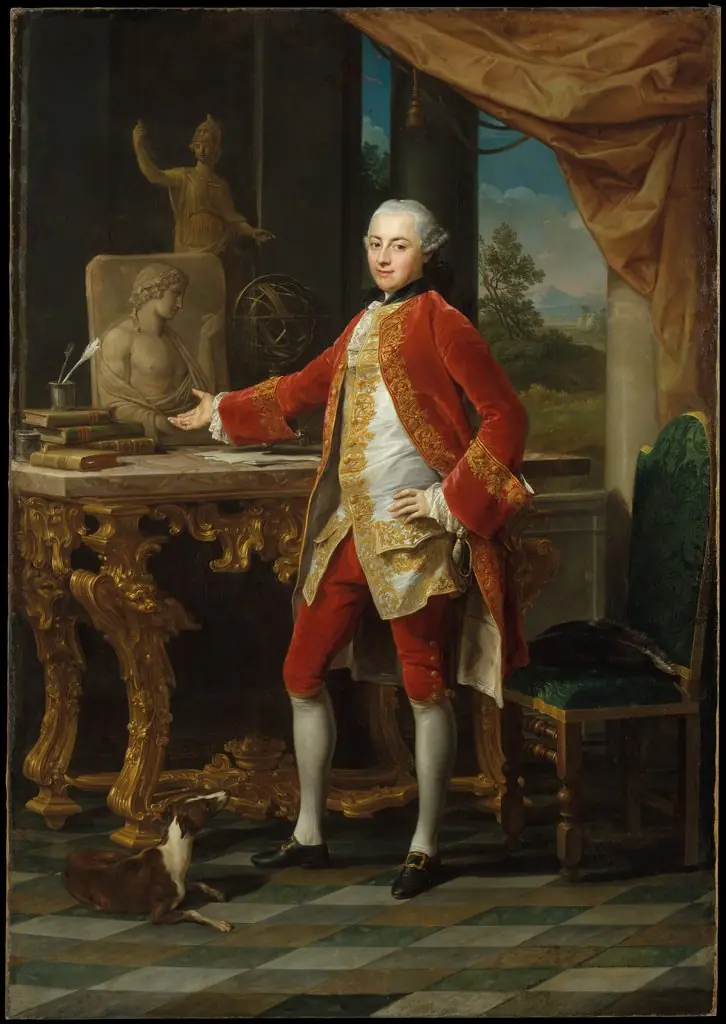 Portrait of a Young Man
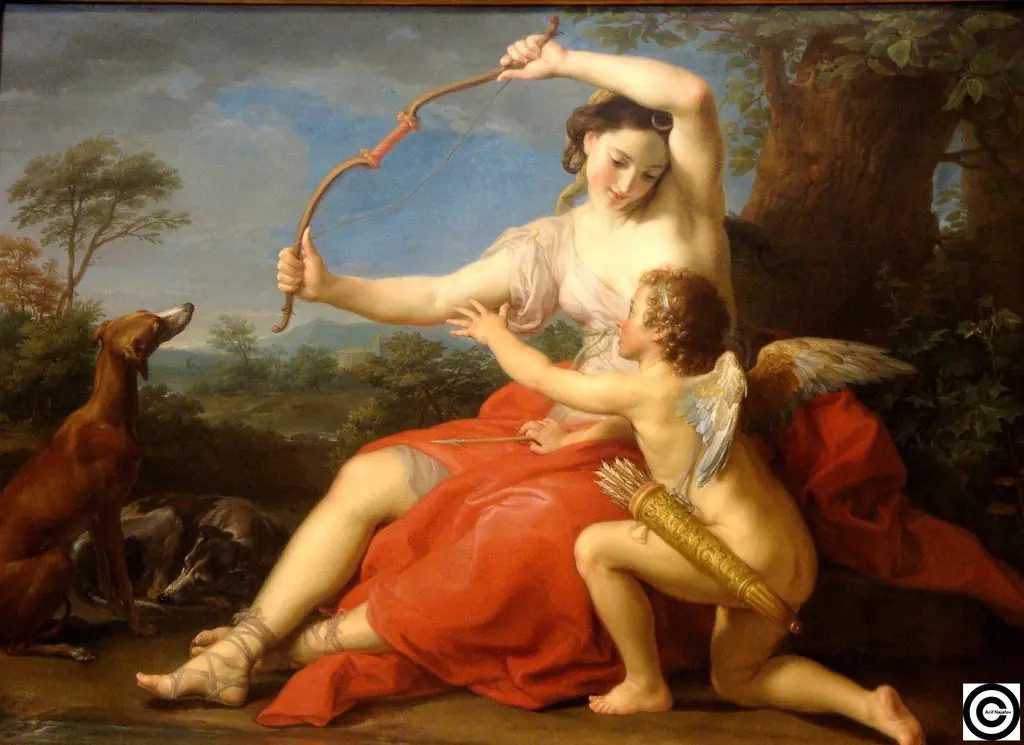 Diana and Cupid
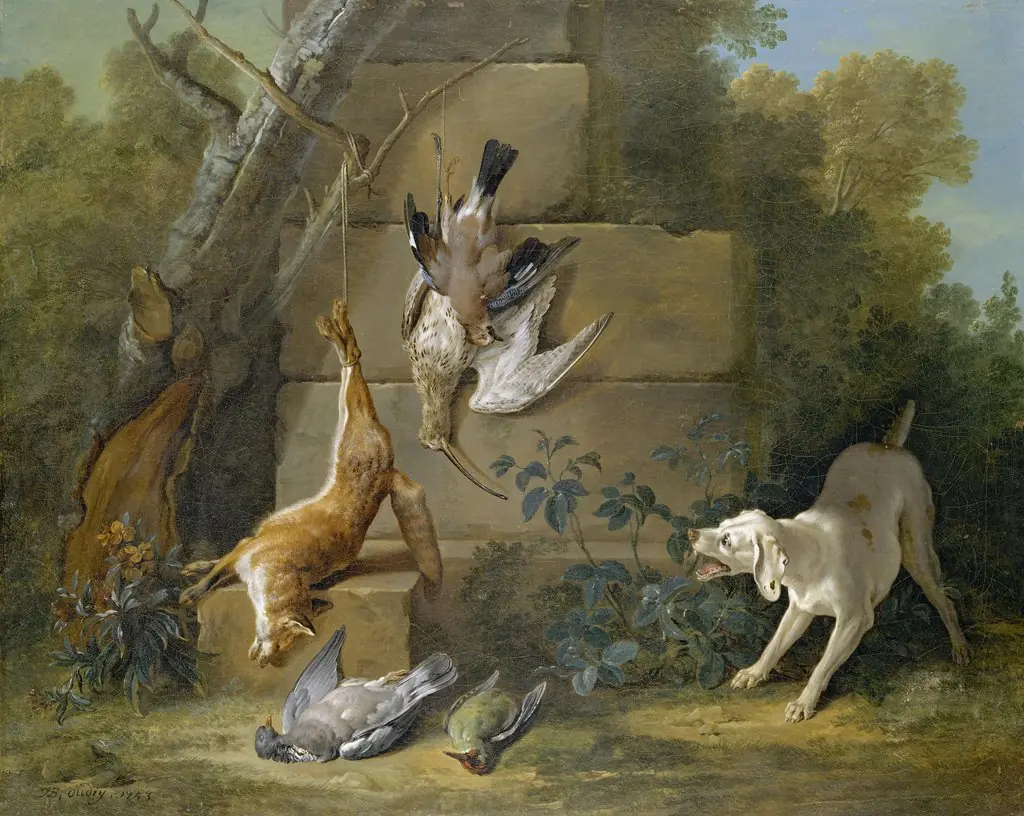 Dog Guarding Dead Game
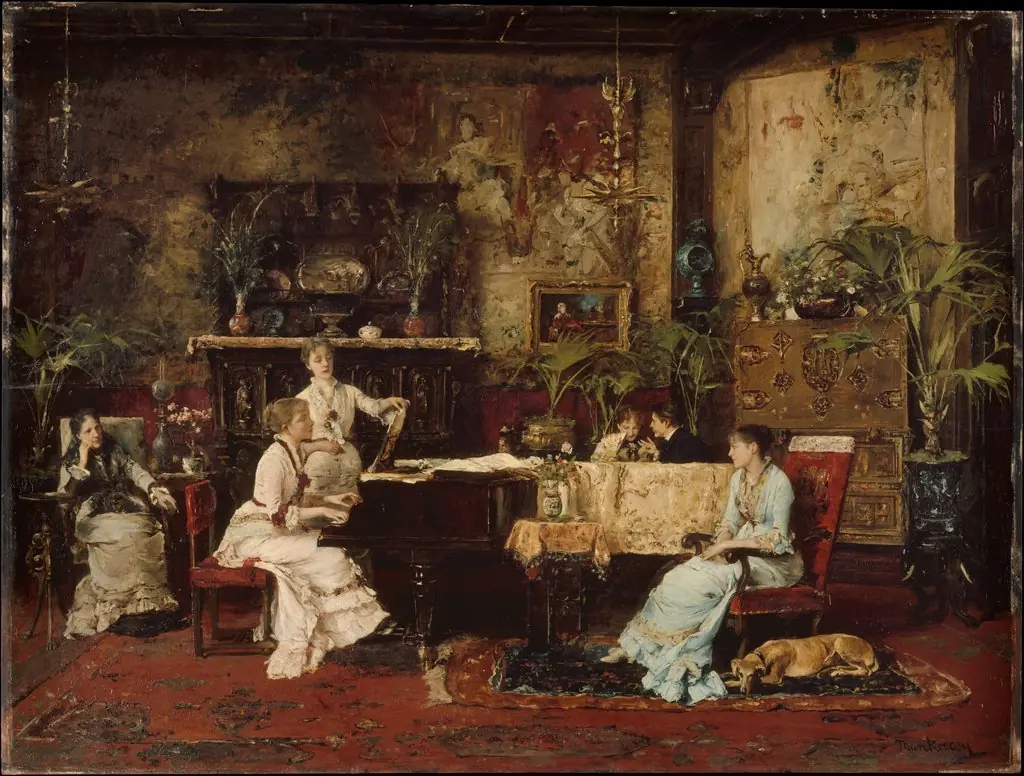 The Music Room
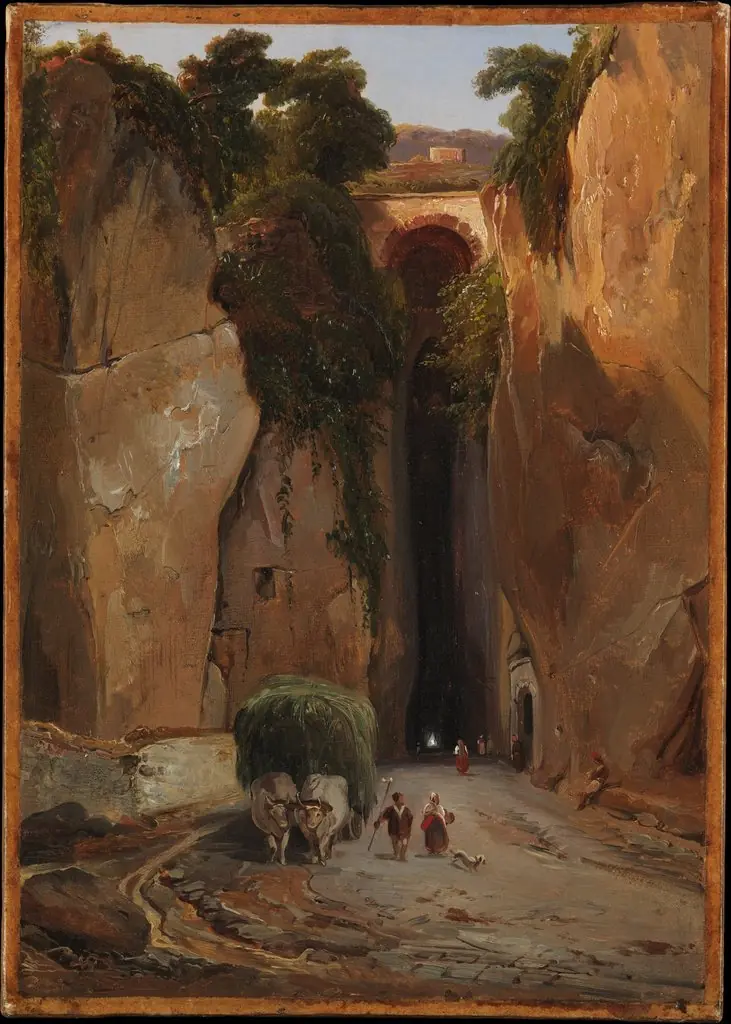 Entrance to the Grotto of Posillipo
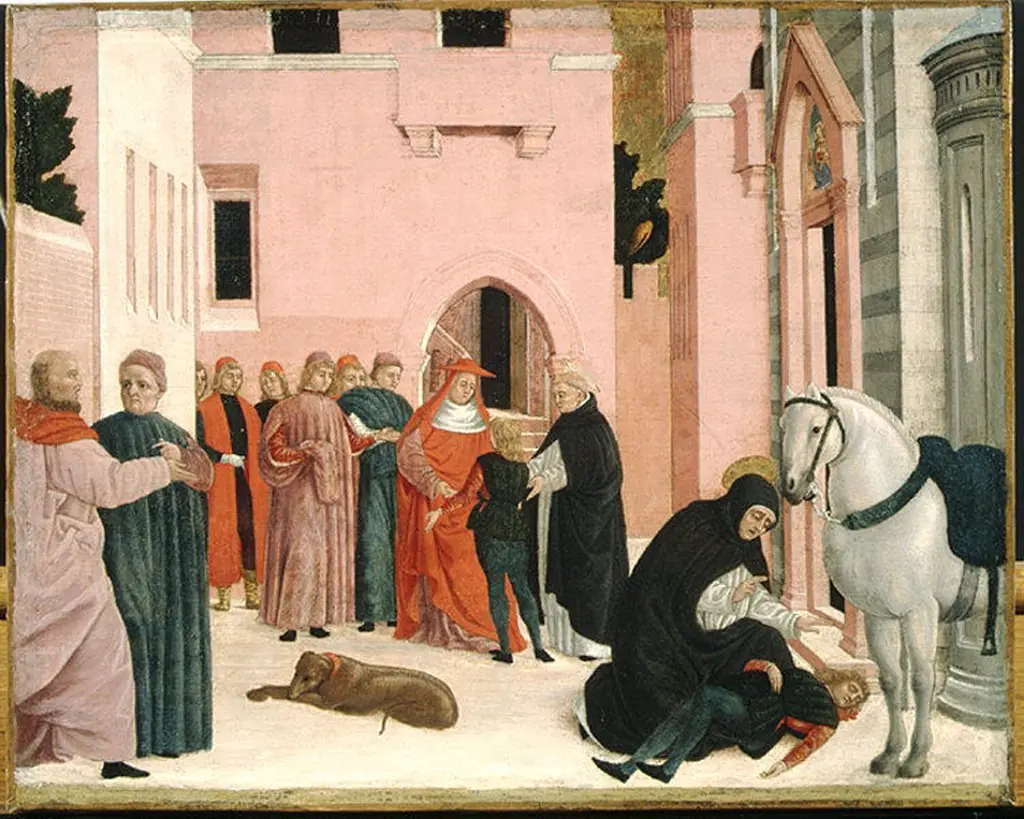 Saint Dominic Resuscitating Napoleone Orsini
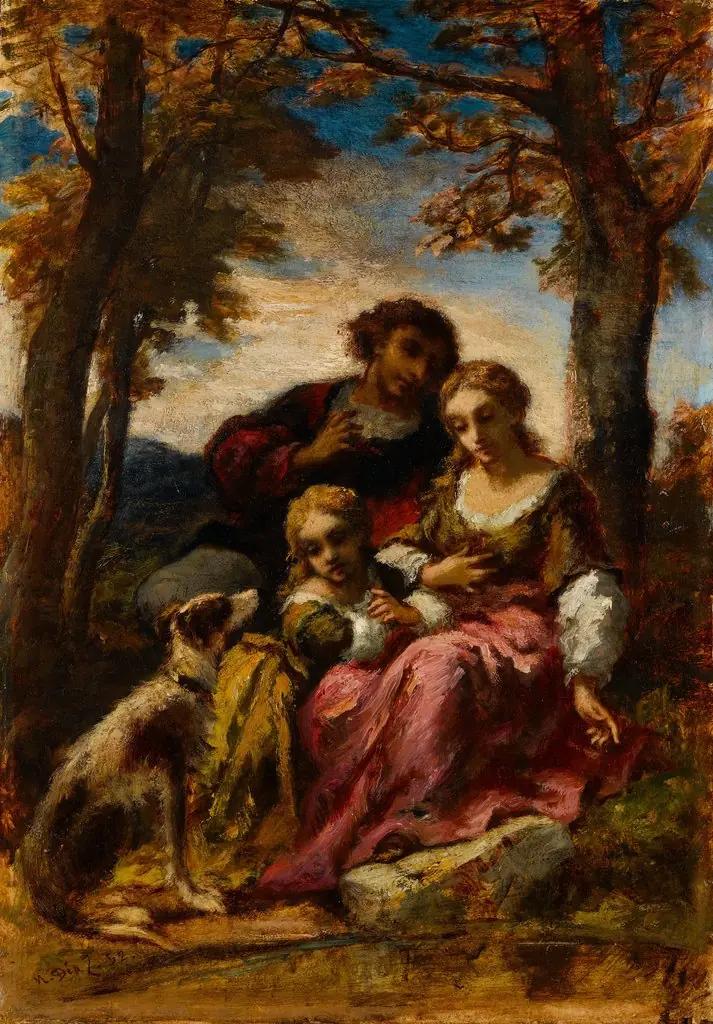 Figures and a Dog in a Landscape
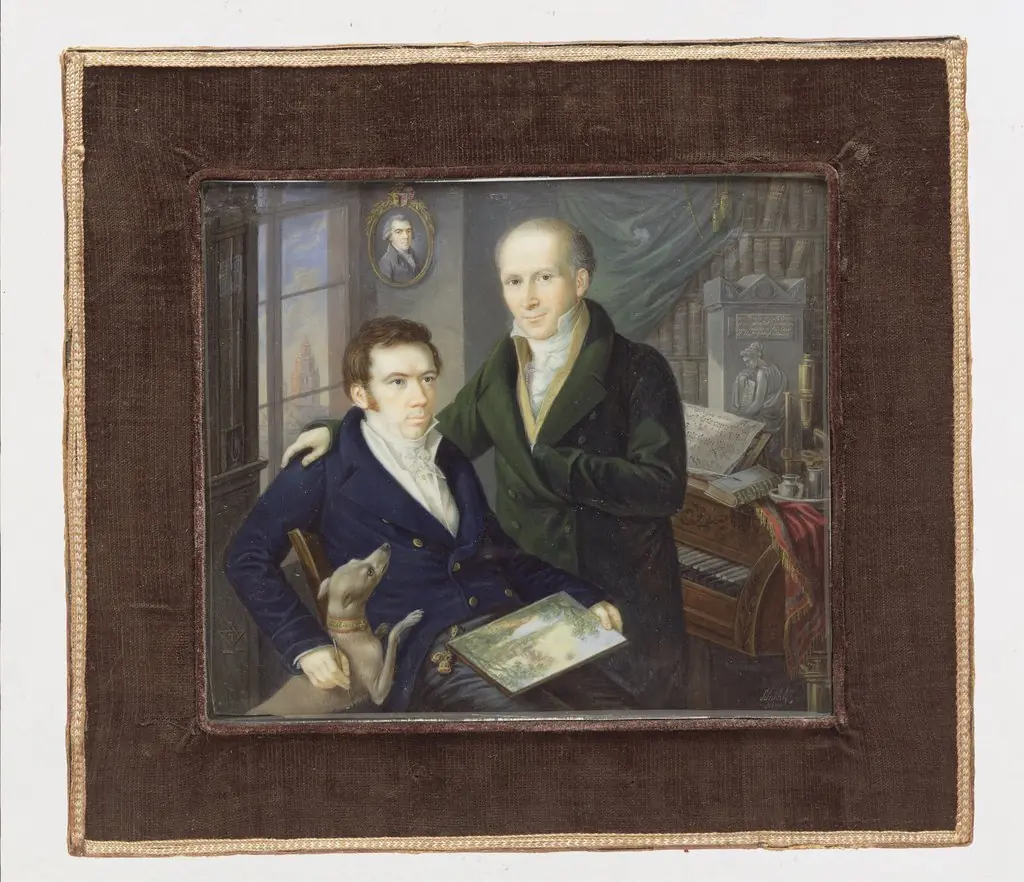 Joseph and Karl August von Klein
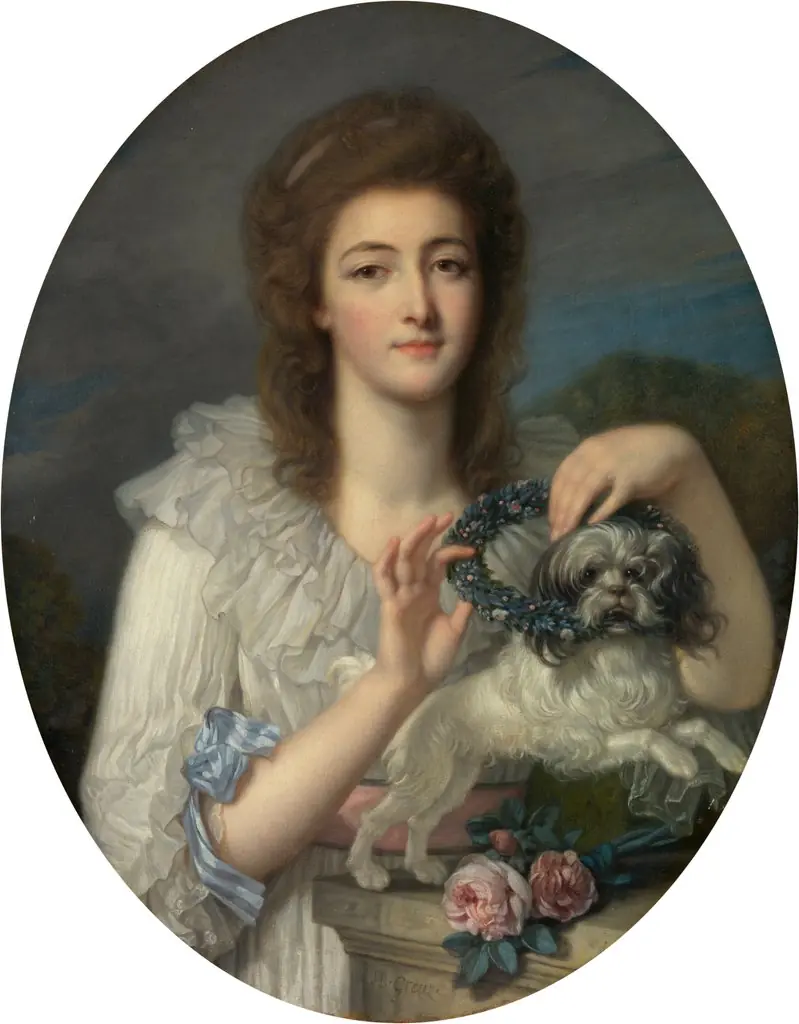 Princess Varvara Nikolaevna Gagarina (1762–1802)
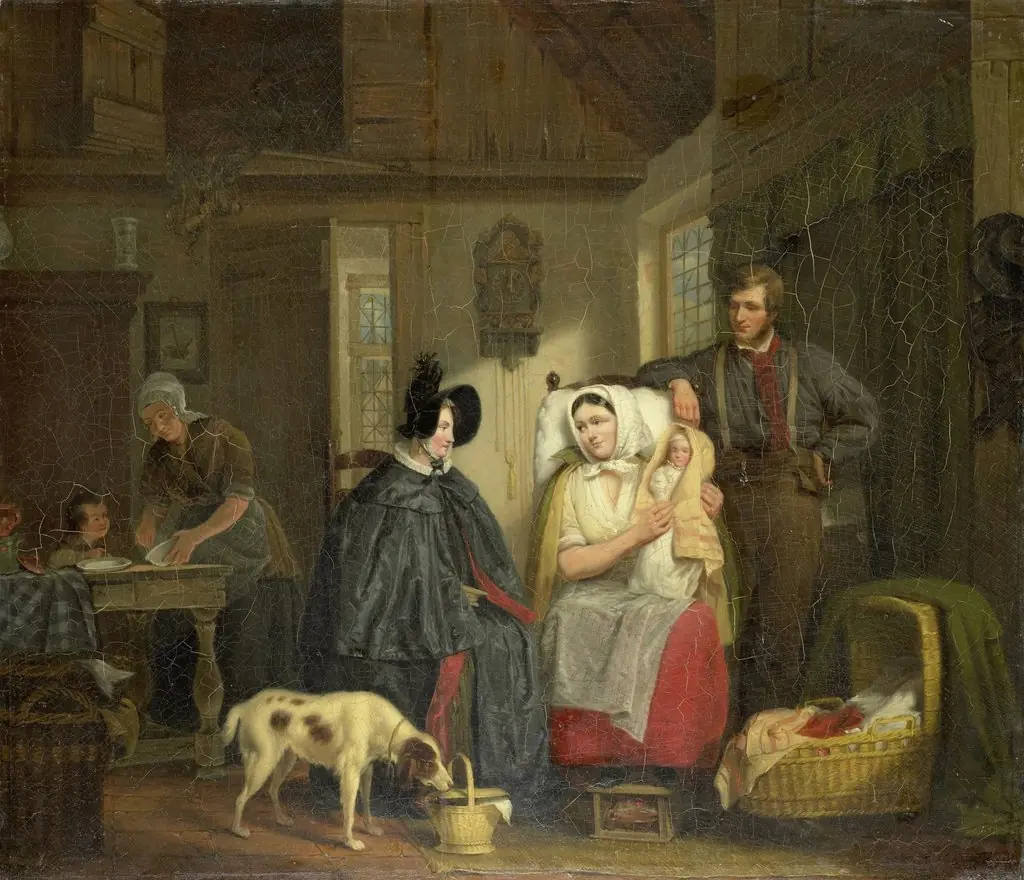 Visit to a New Mother
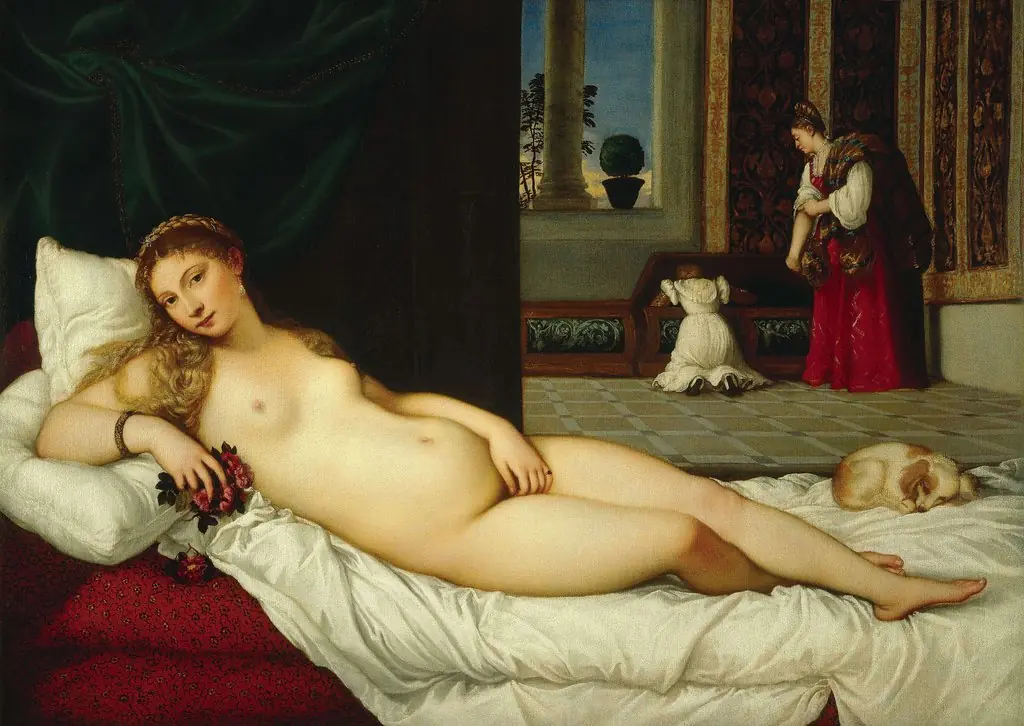 Venus of Urbino
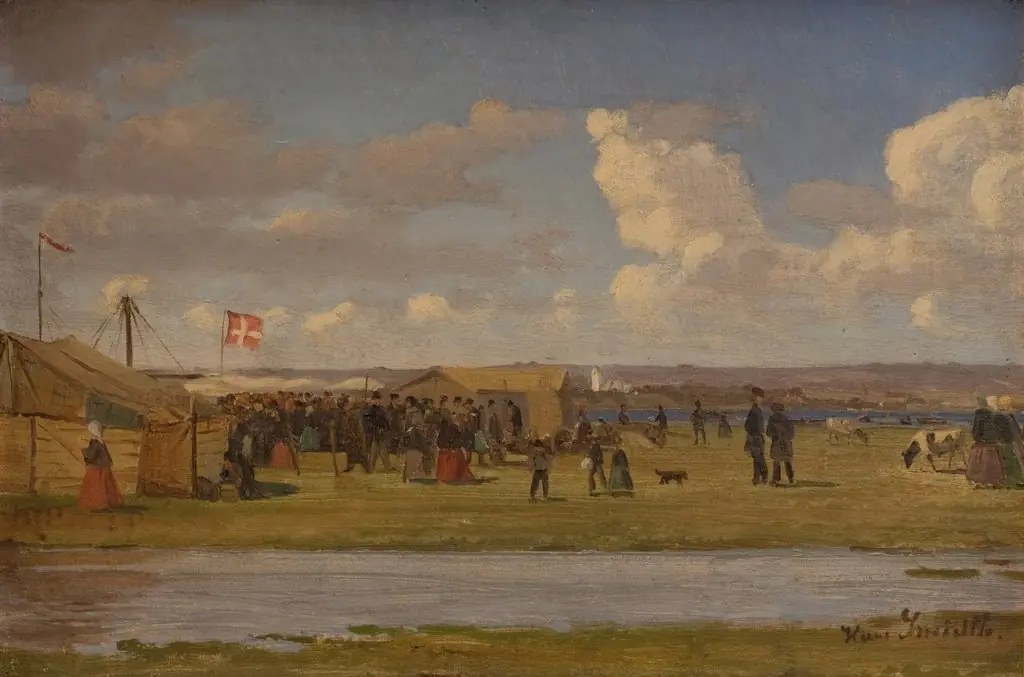 Fur marked
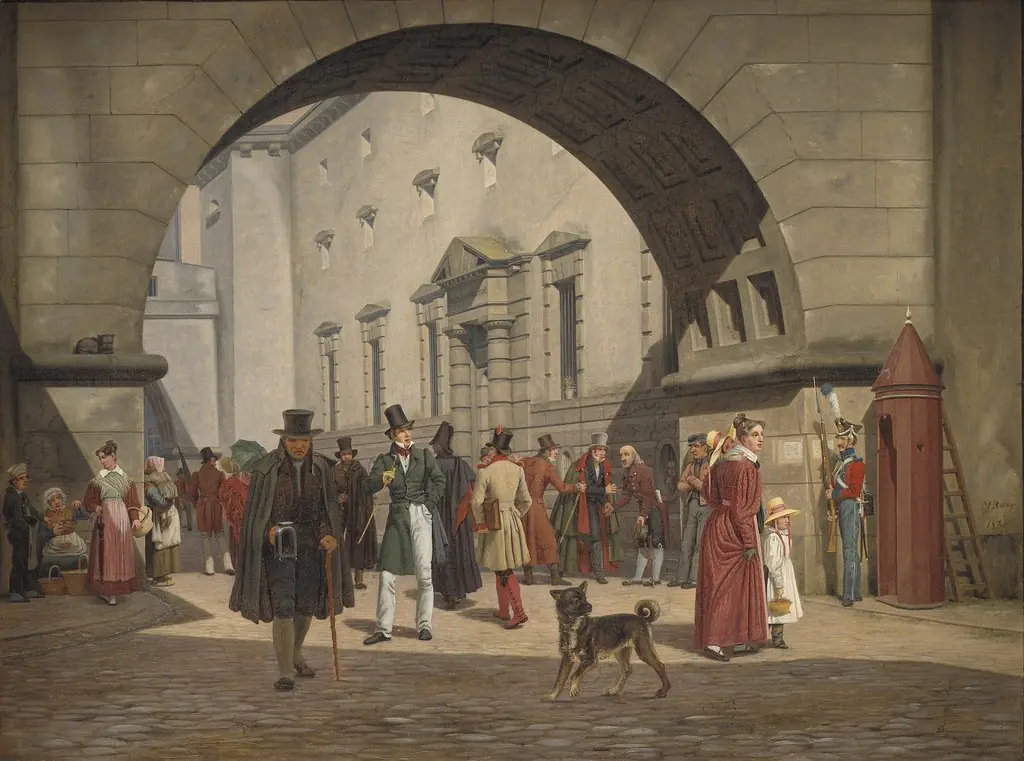 The Prison of Copenhagen
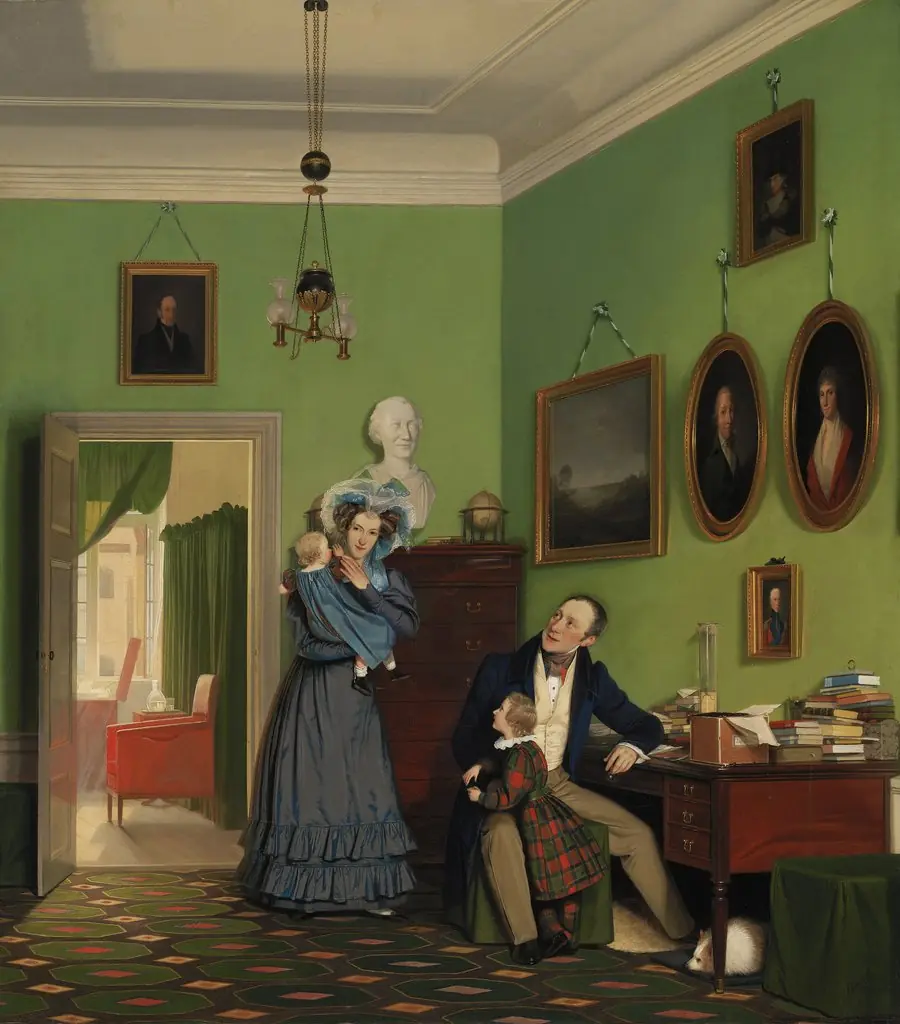 Familien Waagepetersen
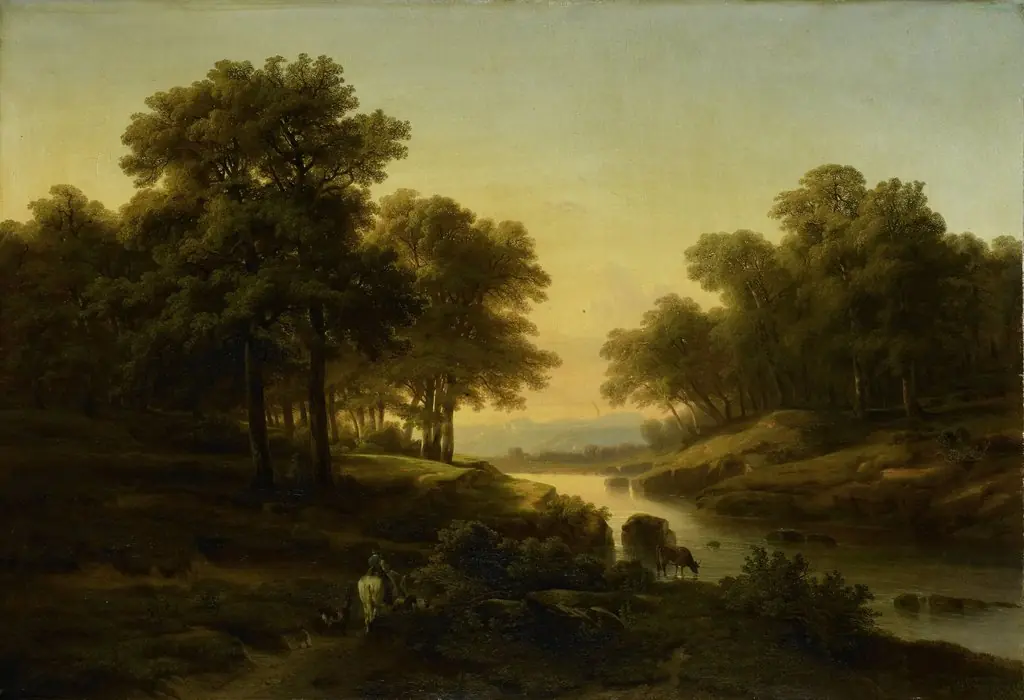 Landscape
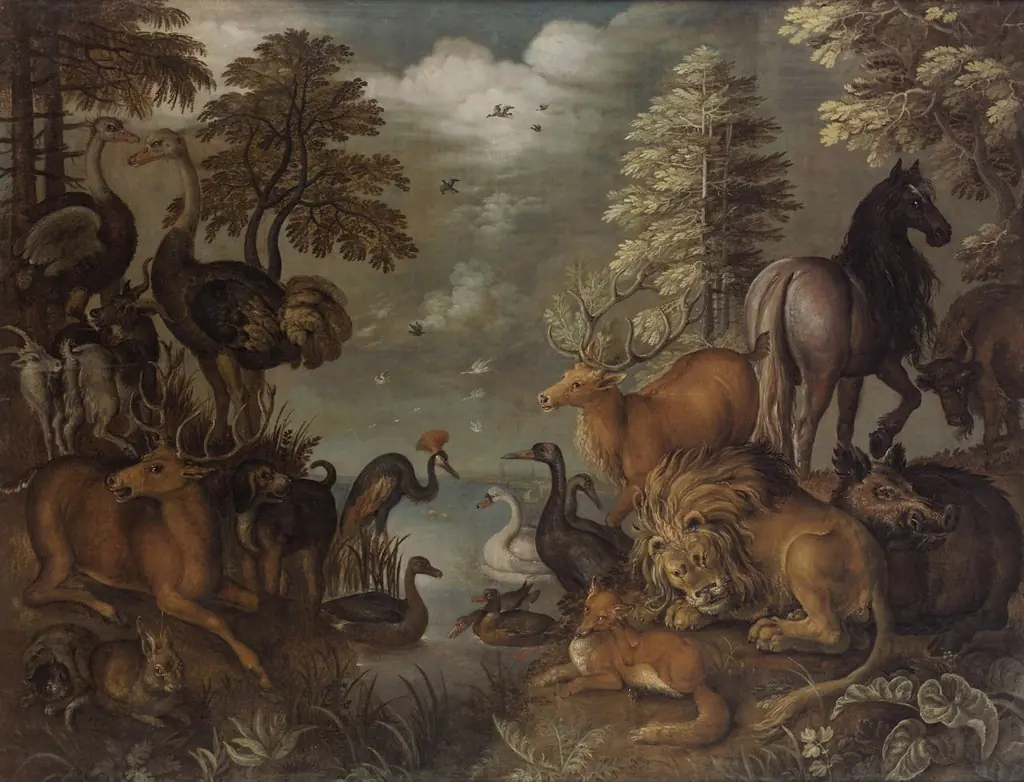 Große Landschaft mit Tieren
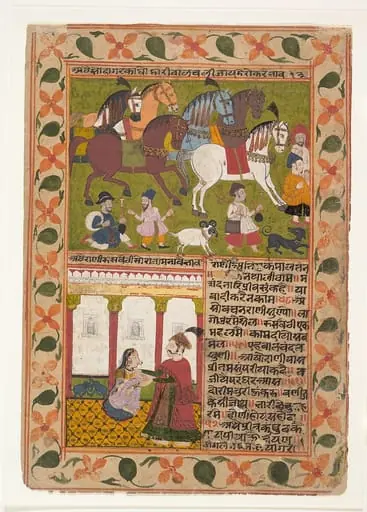 Untitled
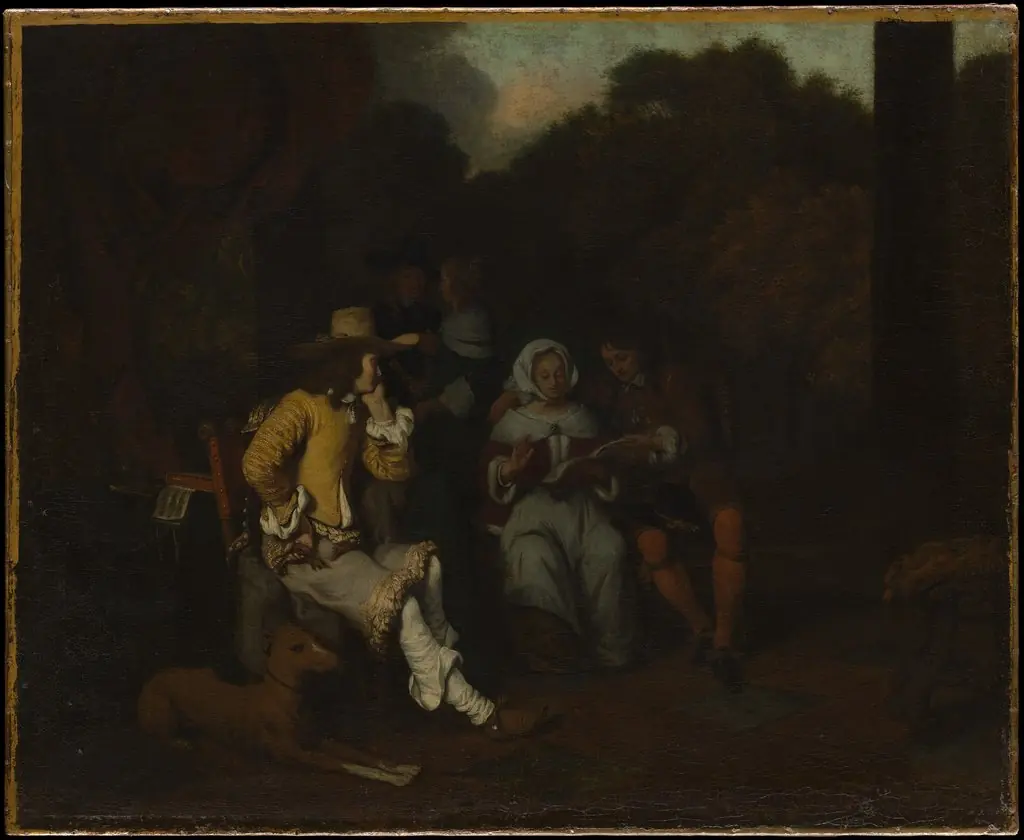 A Musical Party
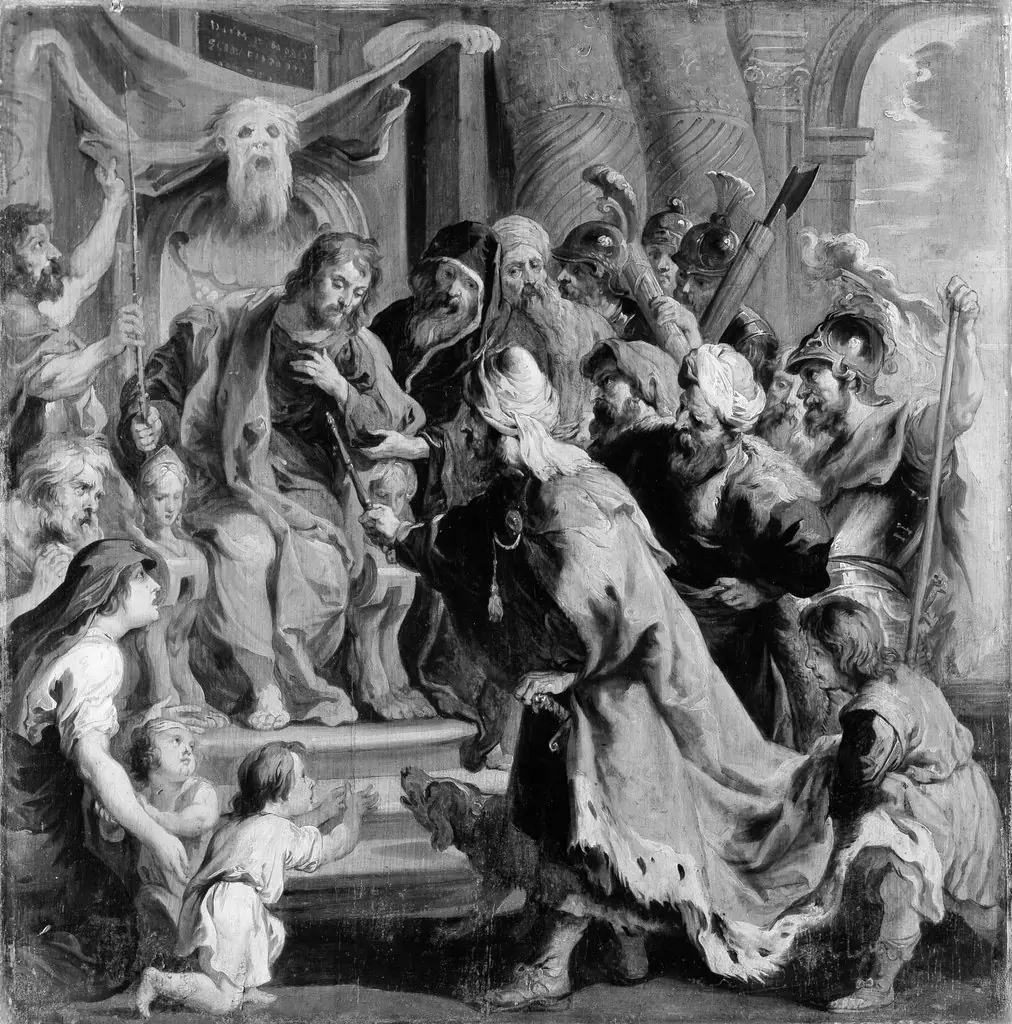 Cambyses Appointing Otanes Judge
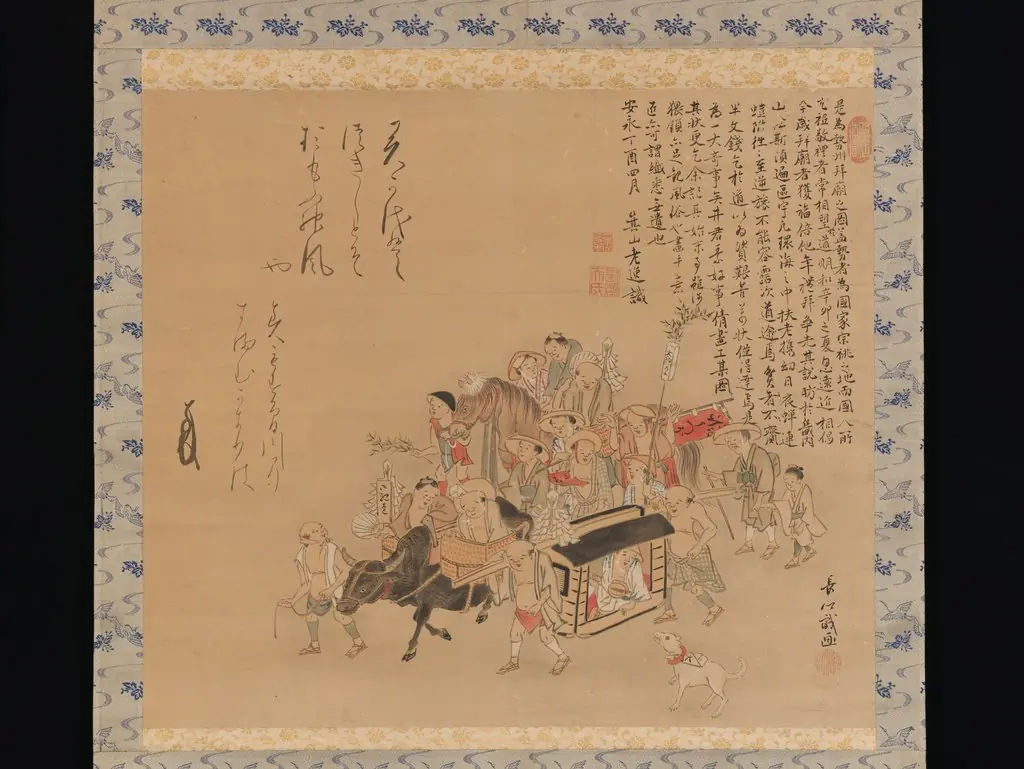 Pilgrims Travelling to Ise
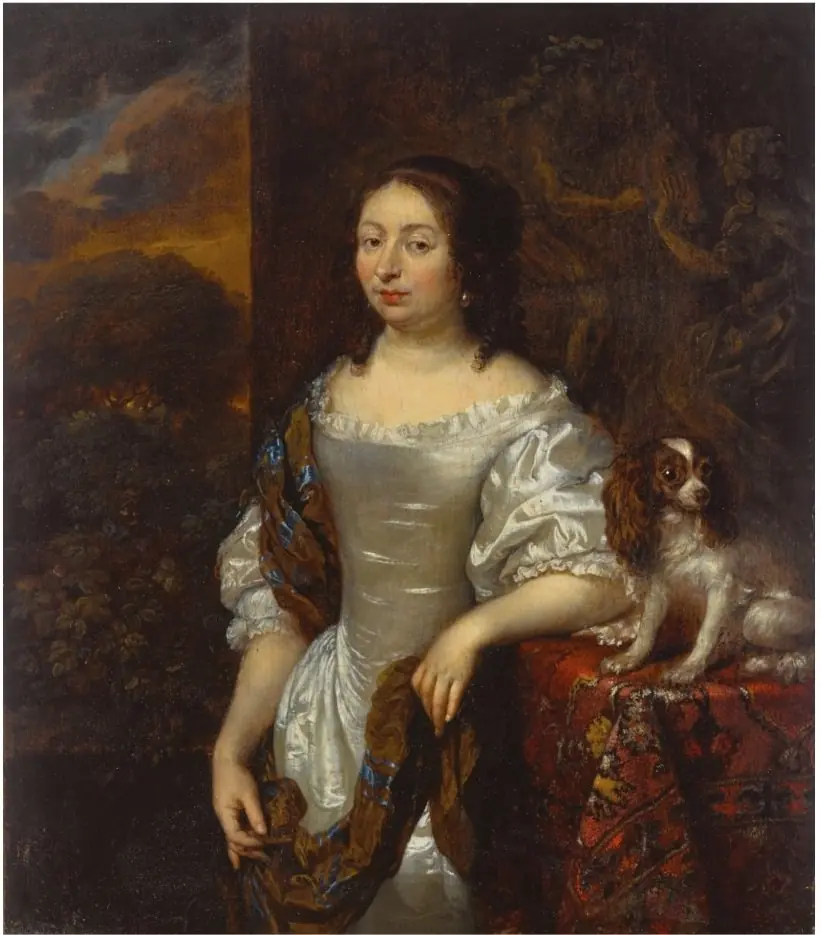 Portrait of a Lady with a Dog on a Table
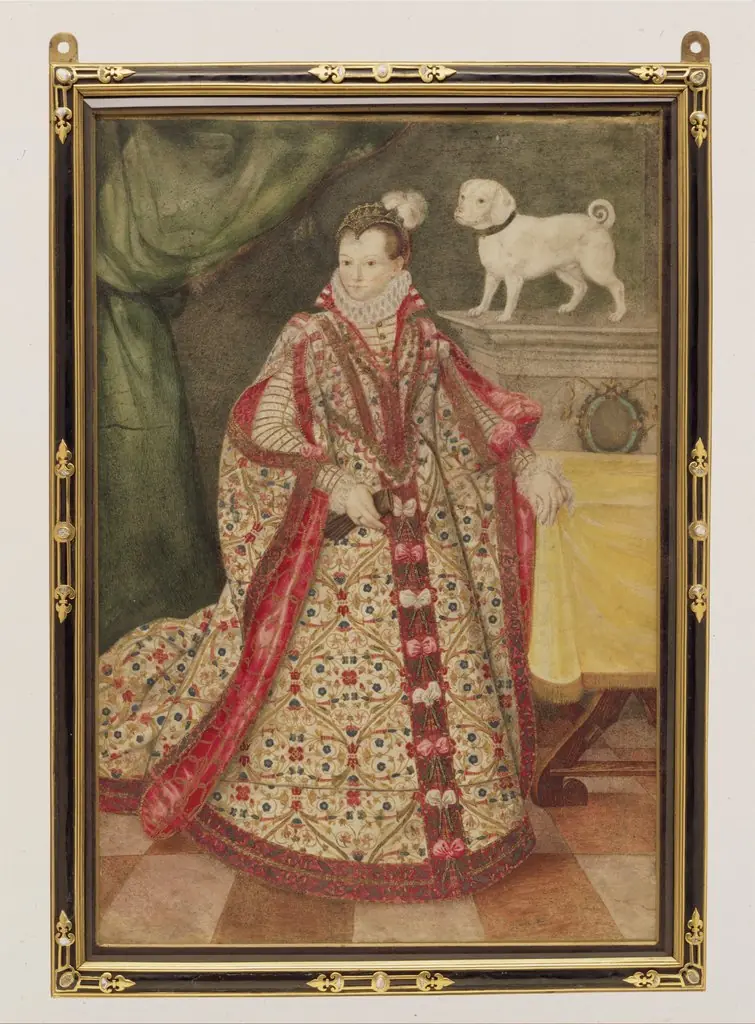 Portrait of a Moravian Woman
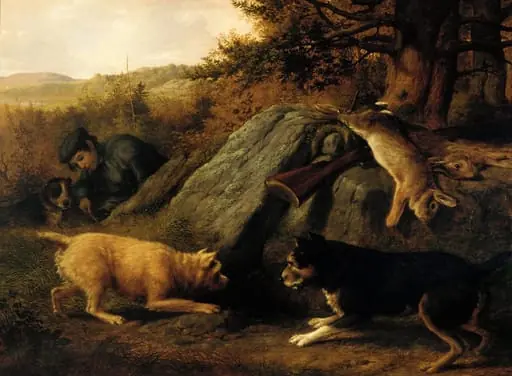 The Rabbit Hunters
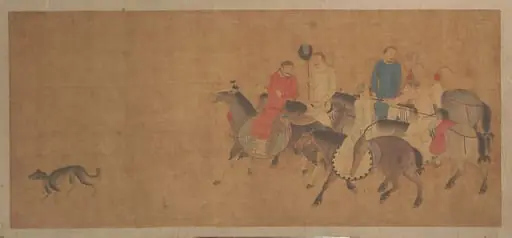 Untitled
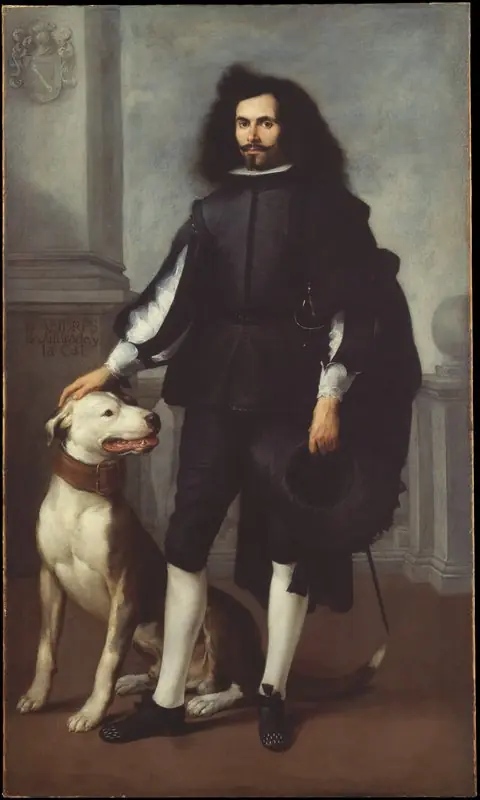 Don Andrés de Andrade y la Cal
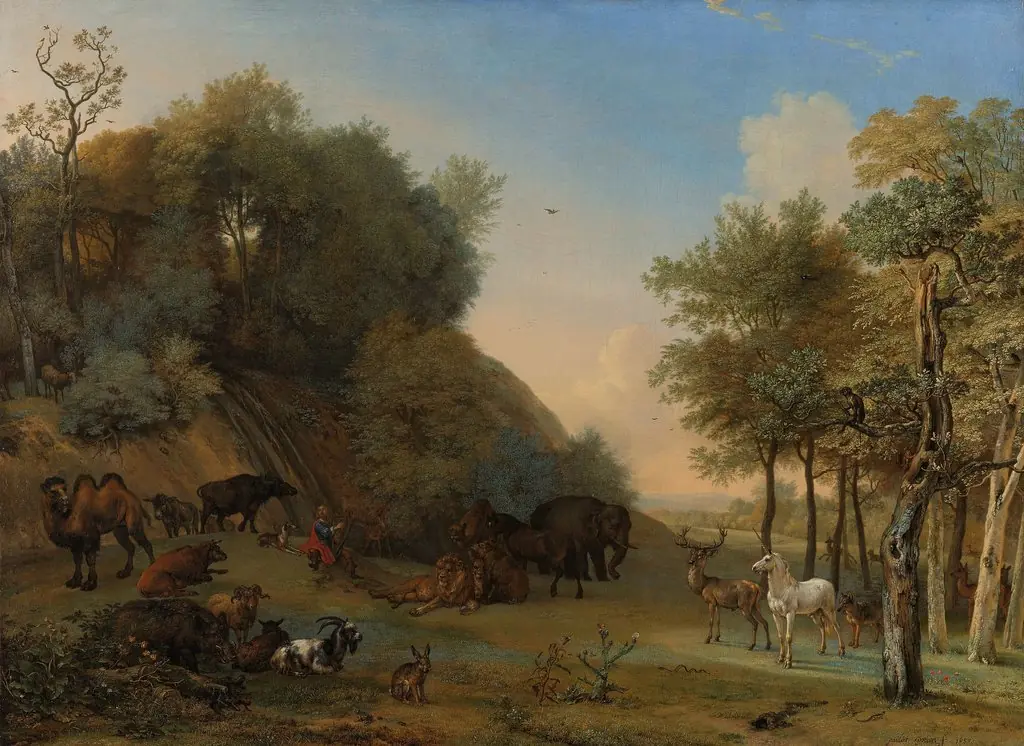 Orpheus and the Animals
Frequently asked questions
What is Dog?
Dog is a subject in art. The dog (Canis familiaris or Canis lupus familiaris) is a domesticated descendant of wolves.
How many Dog works does Artifact World Gallery have?
Artifact World Gallery holds 200 public-domain Dog works, all free to view and download.
Who are the key Dog artists?
Key Dog artists in the collection include Titian, Thomas Eakins and Paolo Veronese.
Where can I see Dog works?
Dog works in the collection are held by Metropolitan Museum of Art, Groeningemuseum and Statens Museum for Kunst.