Artwork
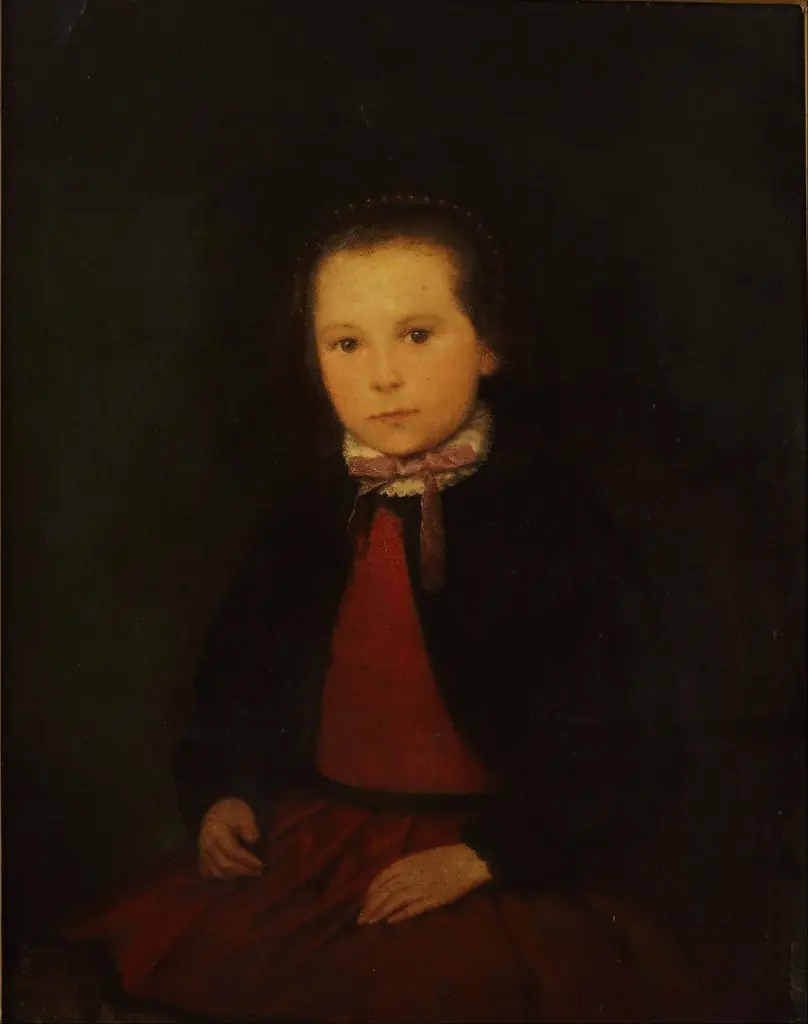
Daughter of William Page (Possibly Anne Page)
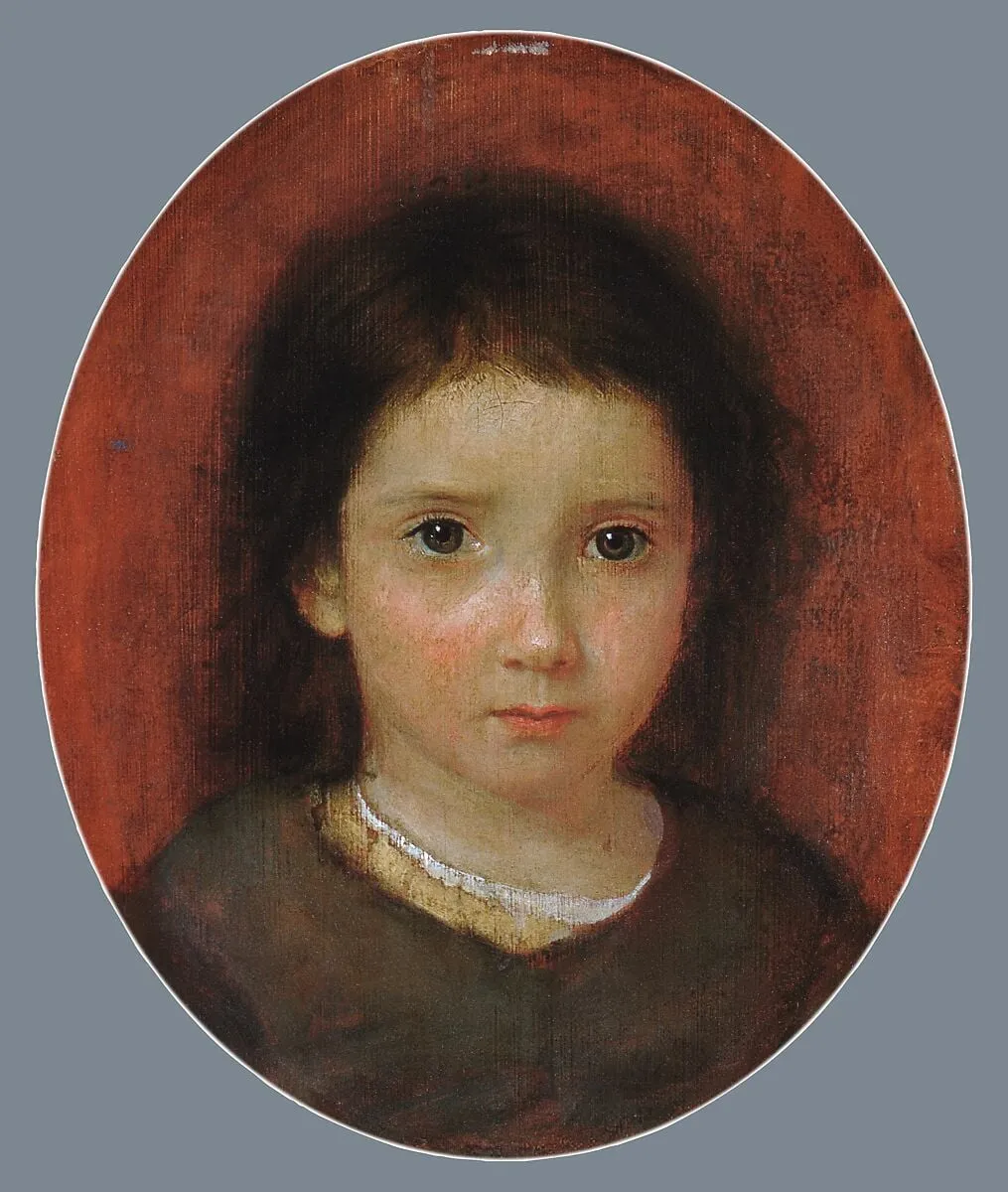
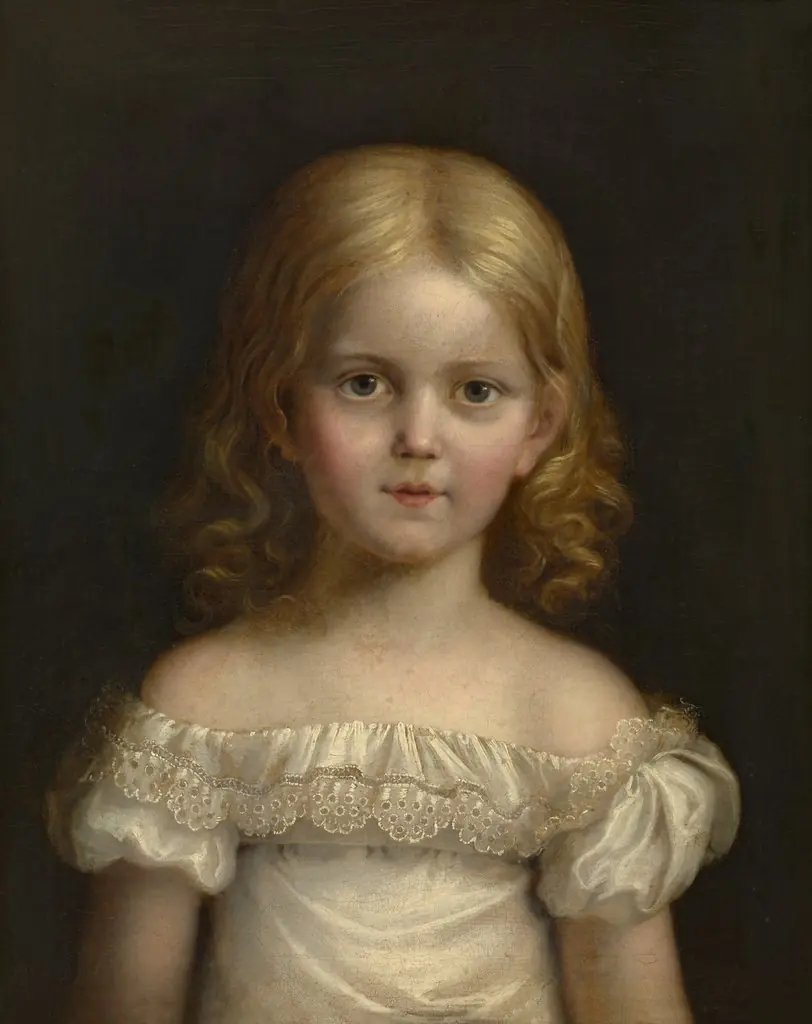
Daughter of William Page (Possibly Anne Page) is an oil painting by the Realist artist William Page. It dates from 1838 and is held in the collection of the Metropolitan Museum of Art.
- Accession no.
- 25.85.2
- Credit line
- Bequest of Emma A. Fortuna, 1925
About this work
Subject & Meaning
The work functions as a formal portrait depicting a young girl, identified within the record as possibly Anne Page, the daughter of the artist William Page.
The work functions as a formal portrait depicting a young girl, identified within the record as possibly Anne Page, the daughter of the artist William Page. As a genre painting classified under portraiture, the piece focuses on the representation of a single female subject rather than illustrating a narrative scene or complex allegorical framework. The iconography is defined by the sitter's identity as a child of the artist, grounding the image in familial lineage rather than mythological or religious symbolism.
The composition serves to document the physical presence and status of the girl within the context of the artist's personal history, emphasizing her role as a daughter. No specific symbolic attributes or broader representational meanings beyond the identification of the sitter and her relationship to the creator are established in the available records.
History & Provenance
Created in 1837, the oil-on-canvas portrait titled Daughter of William Page (Possibly Anne Page) was executed by the American artist William Page. The work depicts a young girl and measures 35.6 by 30.5 centimeters. While the specific commission details and the original ownership chain prior to its acquisition are not detailed in the available records, the painting's creation is firmly dated to 1837.
The artwork is currently held in the collection of the Metropolitan Museum of Art, where it is classified within The American Wing. The subject remains identified as a girl, with the specific identity tentatively suggested as Anne Page, the artist's daughter. No further information regarding the painting's provenance before its arrival at the museum is provided in the current documentation.
The portrait is held by the Metropolitan Museum of Art, New York, where it is inventoried as 1975.1.232. It was first documented in the museum’s collection in 1975, accessioned as part of a group of works related to the artist’s oeuvre. The painting has not been recorded in major public exhibitions in available sources; its exhibition history remains undocumented beyond its permanent display in the museum’s holdings.
Overview
William Page's oil on canvas portrait, titled Daughter of William Page (Possibly Anne Page), was created around 1838. This artwork depicts a young girl, believed to be the artist's daughter, Anne Page. The painting is notable for its dramatic use of light and shadow, which brings a striking intensity to the subject and reflects artistic trends emerging during the early 19th century.
Technique & Style
Page utilized strong contrasts, illuminating the girl's skin and collar against the deep tones of her attire and the obscured background. This dramatic interplay of light and dark, known as chiaroscuro, creates a sense of depth and volume. The artist's precise rendering and sharp focus imbue the painting with a clarity that was contemporary with the emerging visual language of early photography.
Context
Painted around 1838, this work was created during a transformative period in visual arts, coinciding with the initial public emergence of photography. William Page's choice to employ stark contrasts and a highly defined style may reflect a painterly engagement with the new medium's capacity for capturing detailed likenesses. This connection highlights the era's artistic experimentation as painters explored new forms of representation.
Artist & collection