Artwork
Bishop William White
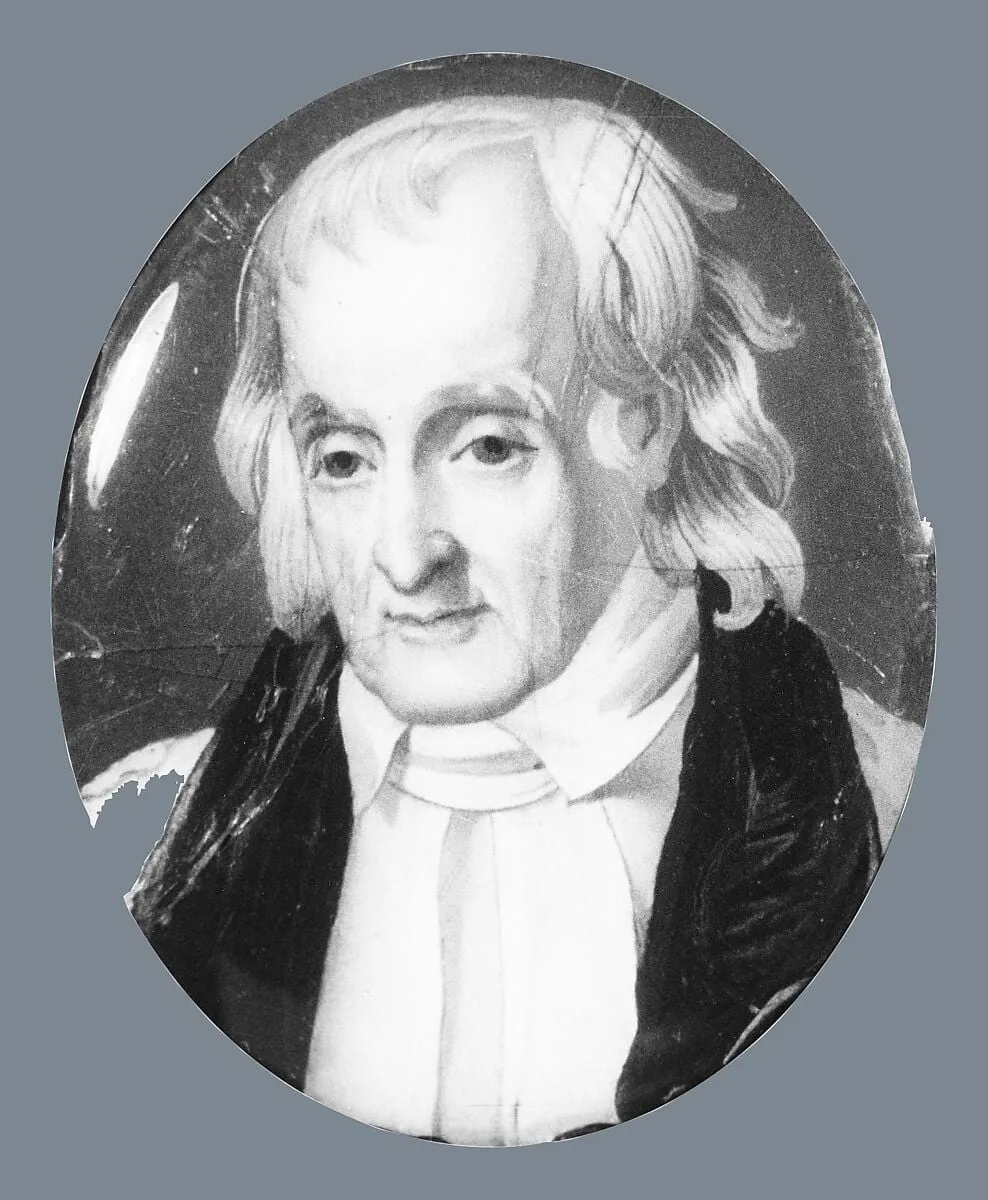
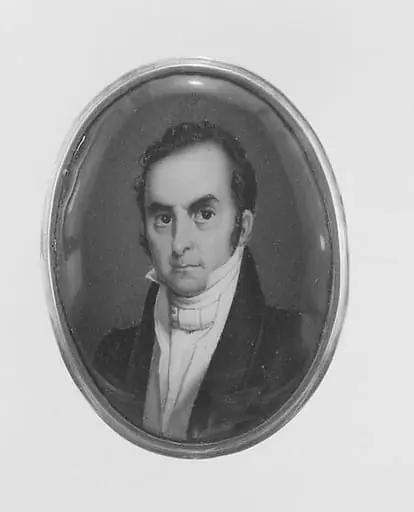
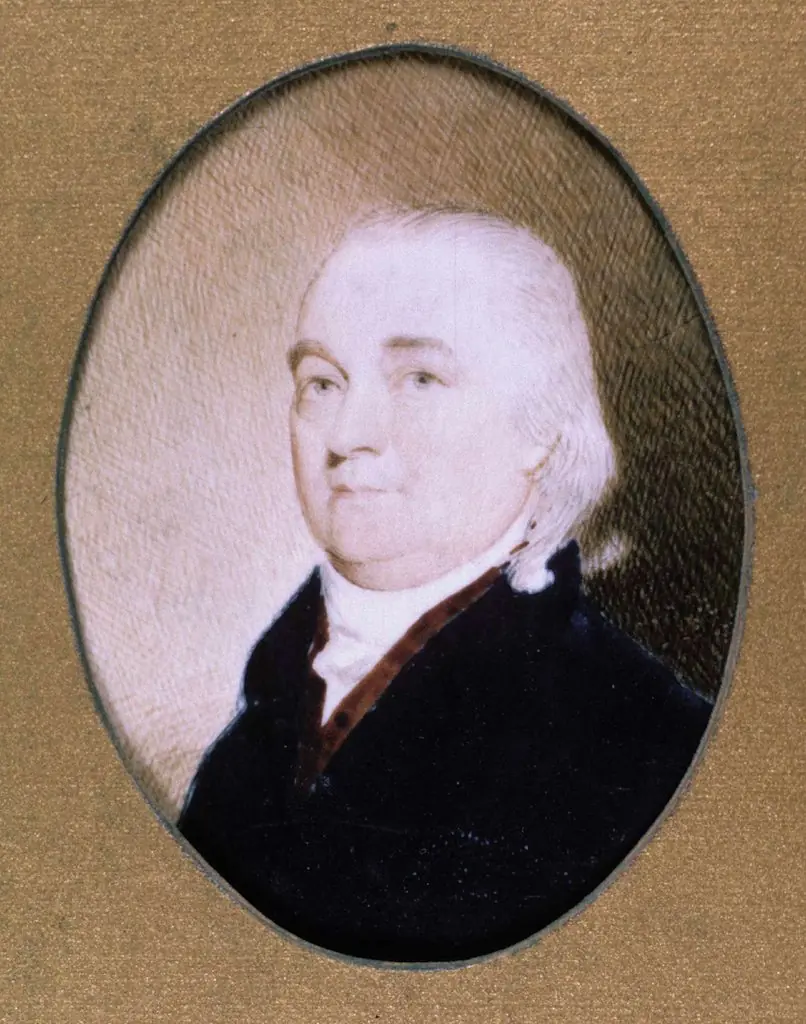
Bishop William White is a copper painting by the American Folk Art artist William Russell Birch. It dates from 1830 and is held in the collection of the Metropolitan Museum of Art.
About this work
Technique & Style
Rendered in 1830 by William Russell Birch, the piece belongs to the American Wing collection at the Metropolitan Museum of Art.
The portrait of Bishop William White is executed in enamel on a copper support, a technique that combines the luminous surface of enamel with the rigid backing of metal. The work measures approximately 3.3 by 2.6 units, reflecting the modest scale typical of early‑American portrait miniatures. Rendered in 1830 by William Russell Birch, the piece belongs to the American Wing collection at the Metropolitan Museum of Art.
Its formal composition presents a three‑quarter view of the bishop, emphasizing facial detail and modest drapery, characteristic of the neoclassical portrait style of the period. The enamel medium yields a smooth, reflective surface that accentuates the sitter’s features.
History & Provenance
The portrait of Bishop William White was created in 1830 by the artist William Russell Birch. Executed as an enamel on copper, the work measures 3.3 inches in height and 2.6 inches in width. The piece is currently held within the collection of the Metropolitan Museum of Art, where it is classified under The American Wing.
While the specific commissioning details and the full chain of ownership prior to its arrival at the museum are not detailed in the provided records, the work's creation is firmly dated to 1830. It depicts a man and is categorized as a portrait, representing a specific example of early American enamel portraiture by Birch.
Bishop William White, an 1830 enamel-on-copper portrait by William Russell Birch, is held by the Metropolitan Museum of Art, where it belongs to the institution's American Wing collection. The work is catalogued within the museum's holdings as a portrait genre piece. No specific exhibition history is documented in the available sources beyond its current placement in the Metropolitan Museum of Art's collection.
Overview
This small-scale portrait, created by William Russell Birch around 1830, depicts Bishop William White, a notable religious figure of his era. Executed in enamel on copper, the artwork exemplifies Birch's specialized skill in miniature painting. The piece offers an intimate portrayal, reflecting the detailed and refined aesthetic characteristic of the artist's work within the American tradition.
Subject & Meaning
The painting features Bishop William White, an influential clergyman of his period, seated in a red chair. He is dressed in a black coat with a white collar, holding a book, which suggests his scholarly or religious vocation. Birch captures White's expression with a calm, somewhat serious demeanor, presenting a dignified and personal likeness suitable for a private portrait.
Context
William Russell Birch, an artist originally from England, established himself in America, where he became known for his miniature portraits. These small, portable artworks were highly sought after by affluent patrons who desired personal likenesses that could be easily transported or displayed in private settings. Birch's precise technique and refined style contributed to the popularity of such enamel works during this era.

Artist & collection

Artist
William Russell Birch (9 April 1755 – 7 August 1834) was an English miniature painter, enameler, and landscape engraver and designer.