Artwork
Portrait of a Man
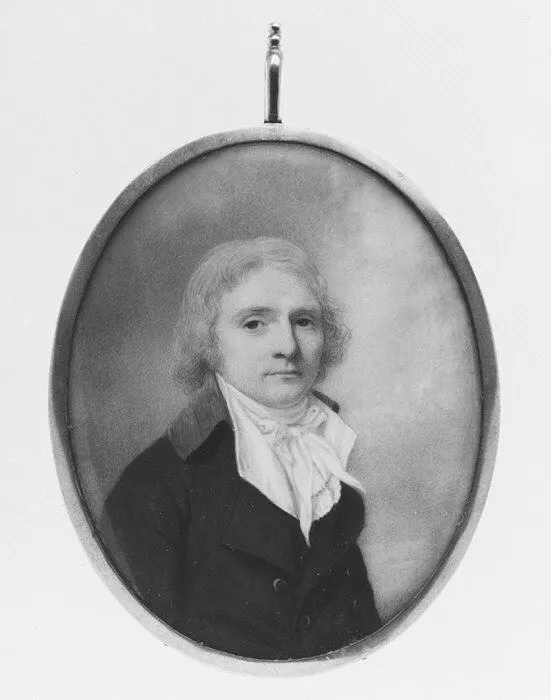
Portrait of a Man is an unspecified painting. It dates from 1890 and is held in the collection of the Metropolitan Museum of Art.
About this work
History & Provenance
Beyond this institutional acquisition, the sources do not record any intermediate owners, dealers, or transfers that would constitute a fuller provenance chain.
Portrait of a Man was created in 1880. No information is available in the consulted sources regarding the circumstances of its commission, the identity of the original patron, or the initial ownership following its creation. The documented ownership history begins with its accession into the Metropolitan Museum of Art, where the painting is currently held.
The work bears the accession-related identifier 62.122.34, indicating that it entered the Metropolitan Museum's collection in 1962. Beyond this institutional acquisition, the sources do not record any intermediate owners, dealers, or transfers that would constitute a fuller provenance chain. The creation date of 1880 is the only chronological anchor provided for the work's history.
Portrait of a Man is a painting dated 1880. It is held in the collection of the Metropolitan Museum of Art in New York. The work is classified as a portrait and portrays a man as its main subject.
Its dimensions are recorded as 77 cm in height and 60 cm in width. The painting is part of the museum’s holdings, but the specific inventory or accession number is not provided in the available records. No exhibition history is documented in the sources examined.
Overview
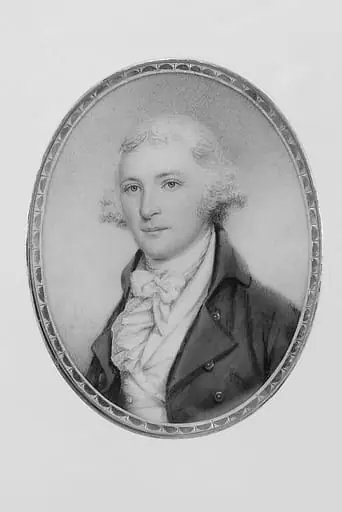
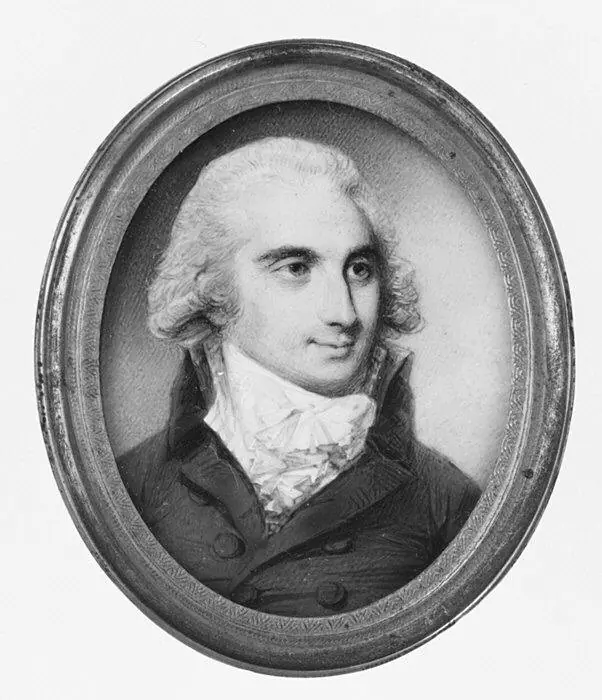
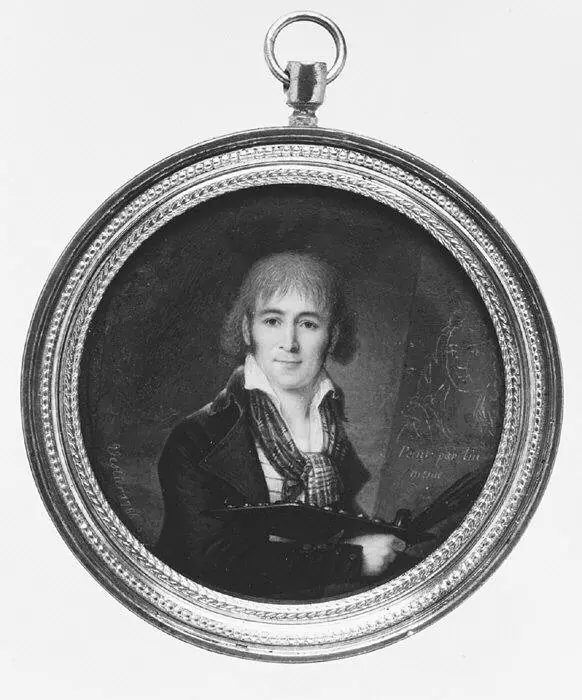
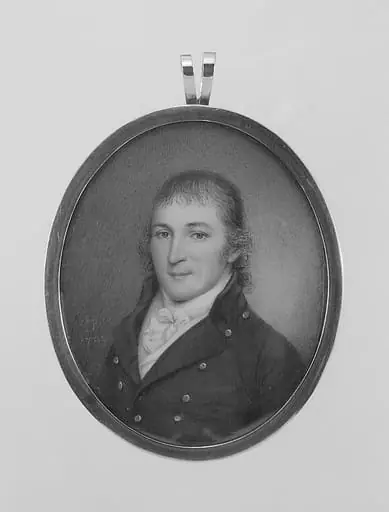
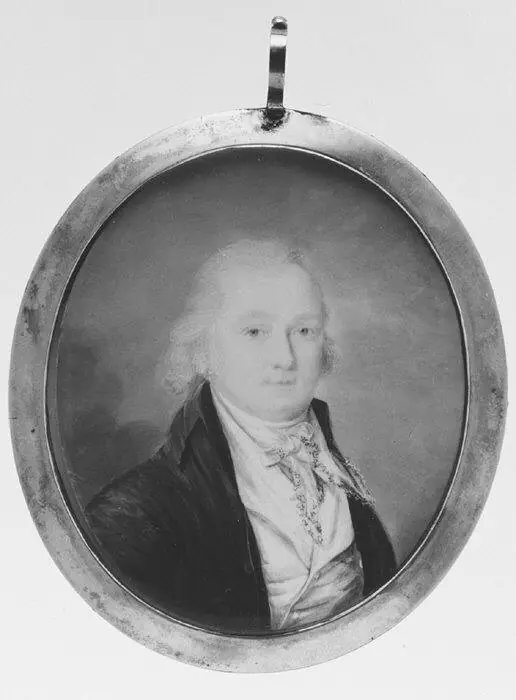
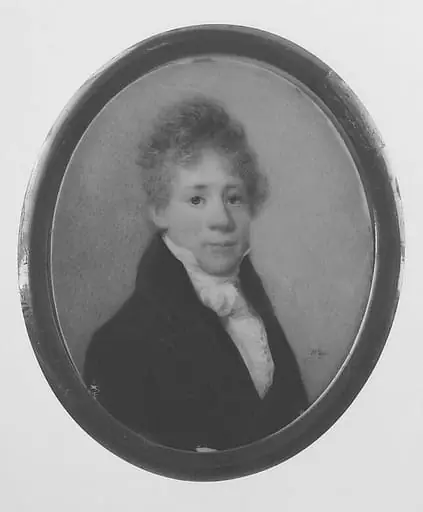
This painting, titled Portrait of a Man, depicts an unidentified male figure. The subject, rendered with a neutral expression, gazes directly forward, engaging the viewer. Executed in a realistic manner, the artwork emphasizes the sitter's features and attire, set against a subdued background. It is currently part of the collection at The Metropolitan Museum of Art.
Subject & Meaning
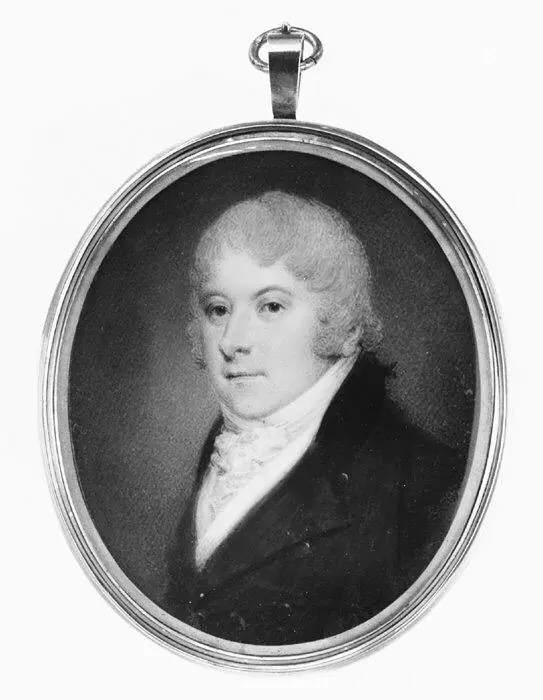
The portrait presents a man with light-colored hair, dressed in a dark jacket complemented by a white cravat. His centered placement within the frame, combined with his direct gaze, suggests a formal yet unadorned presentation. The artist's focus on the individual's appearance, without additional narrative elements, positions the work as a straightforward representation of the sitter.
Technique & Style
The artist employed a realistic style, evident in the careful rendering of the man's facial features and the textures of his clothing. Details such as the folds in the cravat and the cut of the jacket are meticulously observed. The use of a light, unadorned background ensures that attention remains solely on the figure, highlighting the precision and clarity of the painter's approach.
Artist & collection