Artwork
The incredulity of St Thomas
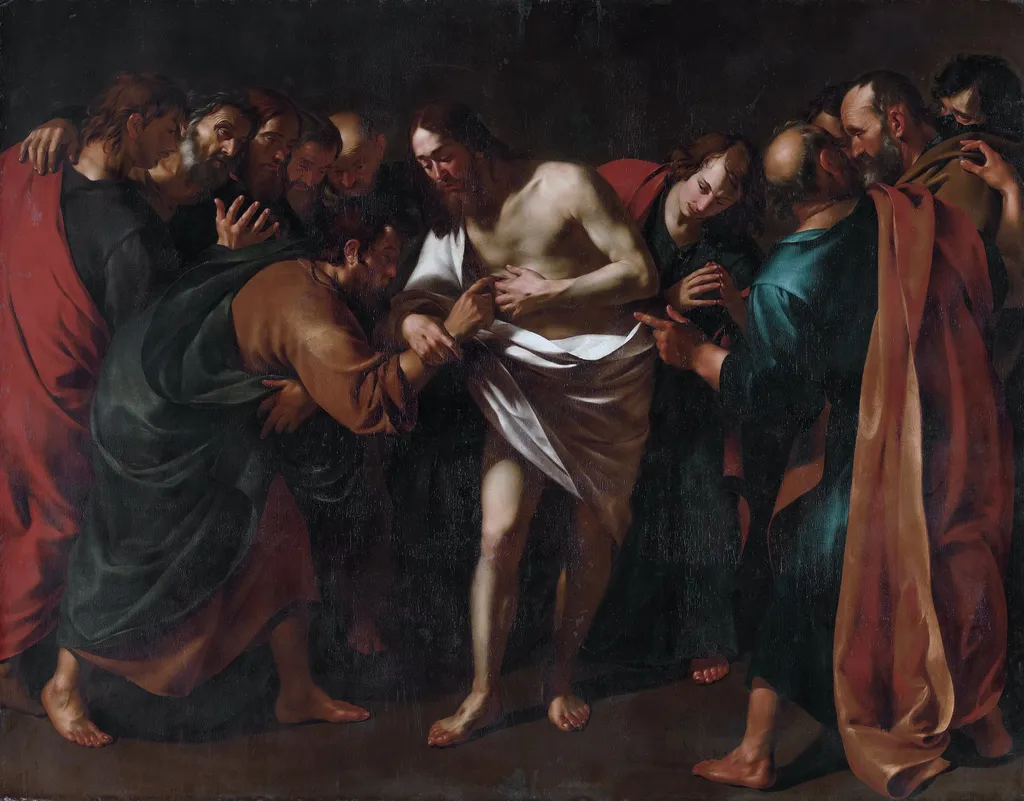
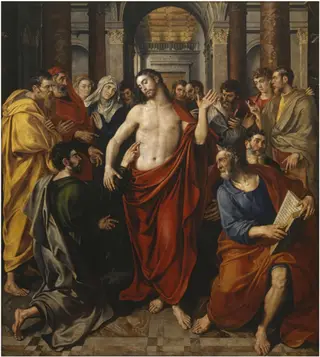
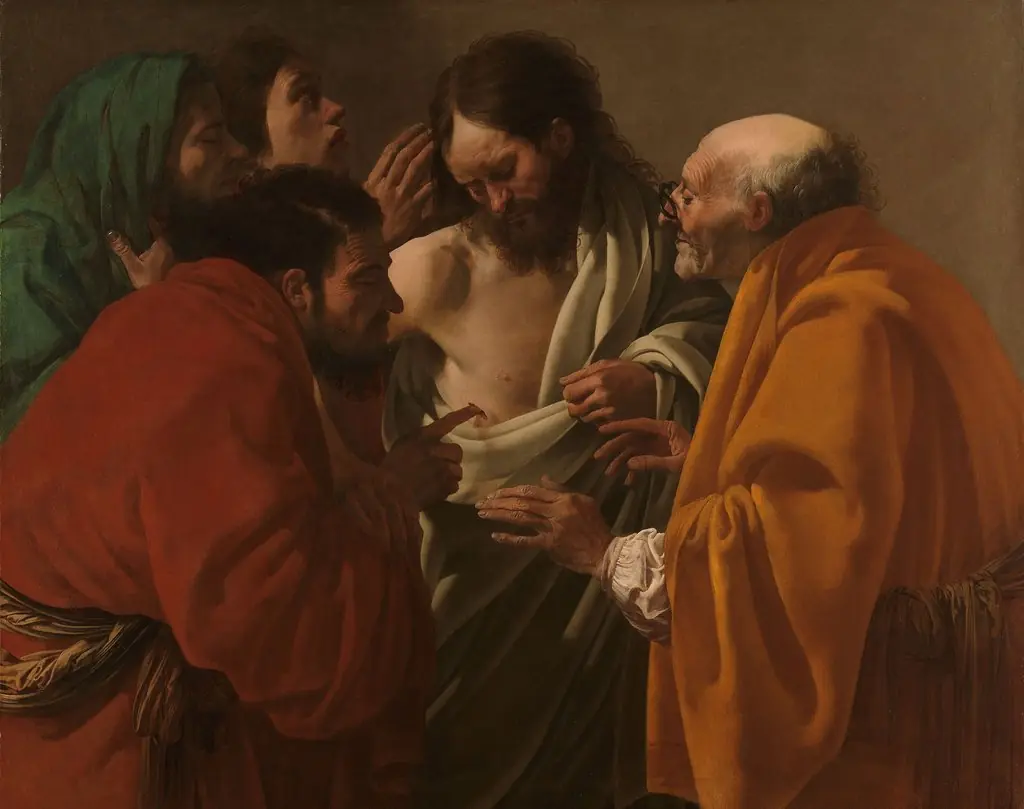
The incredulity of St Thomas is an oil painting by the Dutch Golden Age artist Wouter Crabeth II. It dates from 1620 and is held in the collection of the Rijksmuseum.
About this work
Subject & Meaning
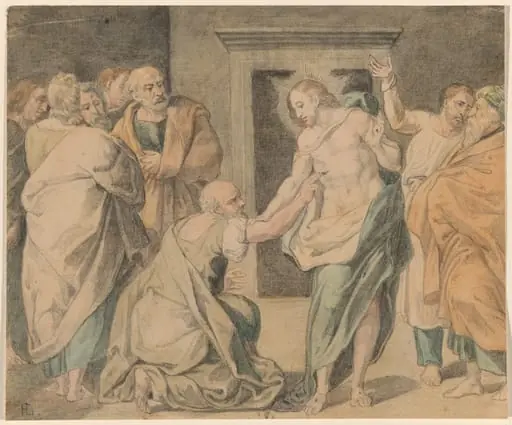
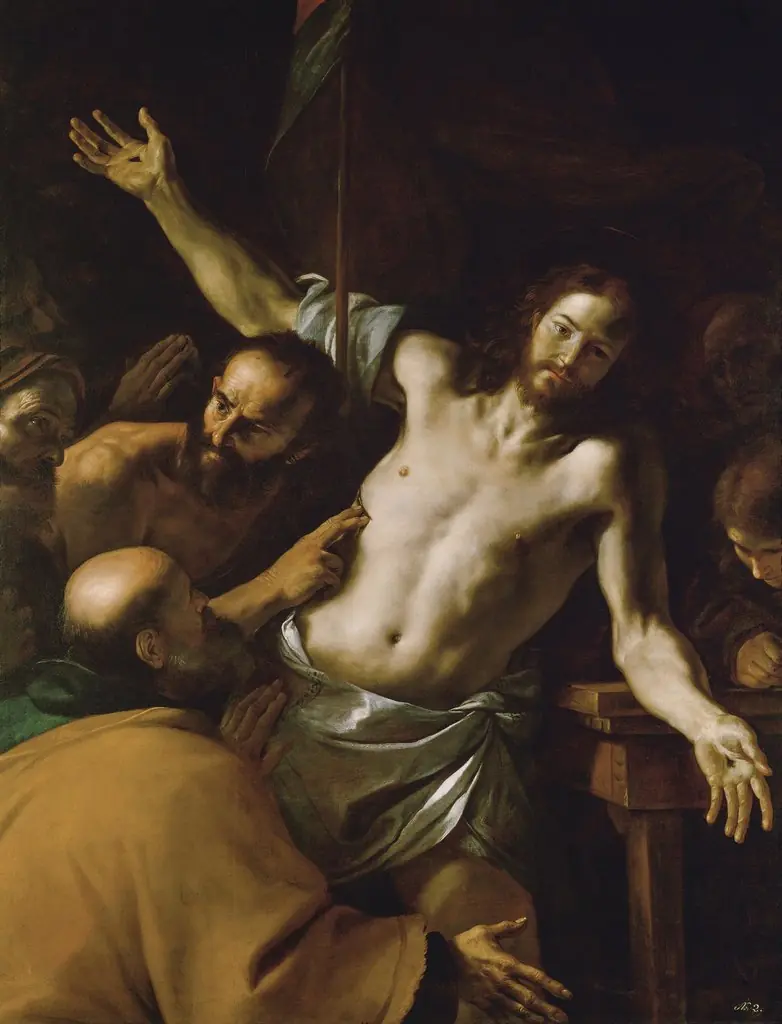
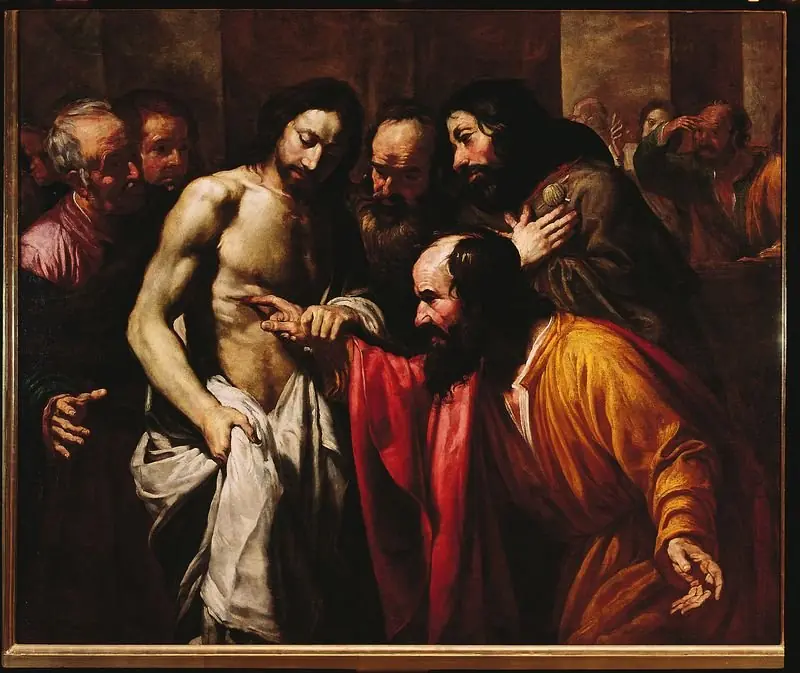
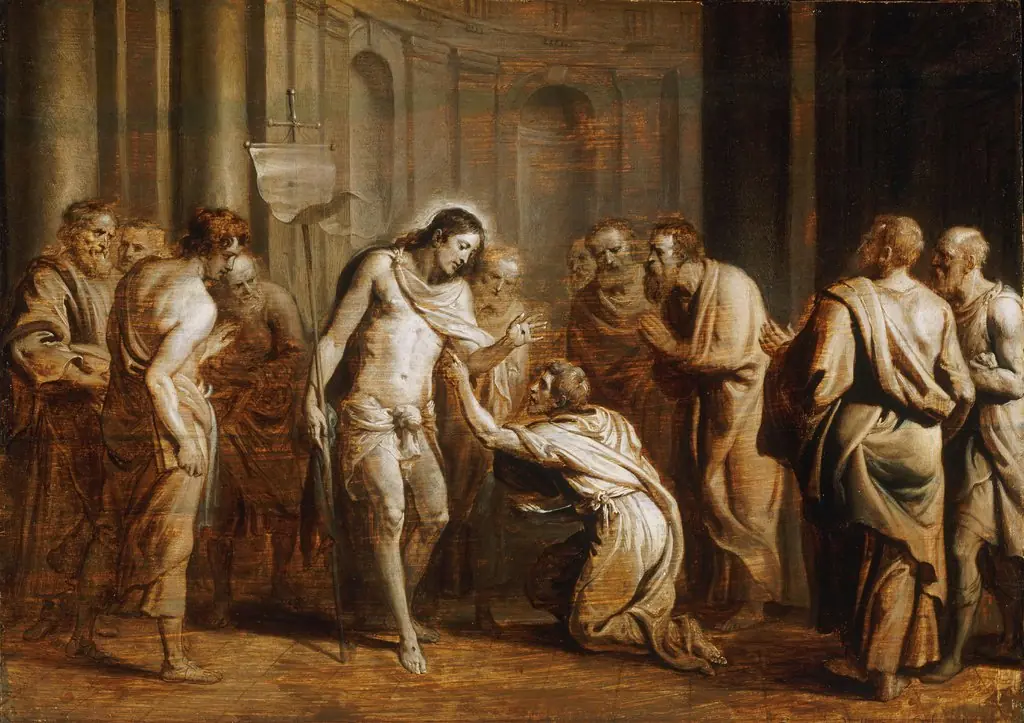
The painting depicts Thomas the Apostle, focusing on the theme of his incredulity (doubt) concerning the Resurrection, as indicated by the title and the work’s main subject of Doubting Thomas. As a religious work, it visualizes the biblical encounter between the apostle and the risen Christ, highlighting the interplay of skepticism and belief.
Technique & Style
The composition reflects the influence of earlier Dutch masters while maintaining a distinct regional emphasis seen in the output of the Crabeth workshop.
The painting was executed in oil on canvas, measuring 250.4 cm in height by 308.5 cm in width. The work depicts the biblical scene of Doubting Thomas, showing the apostle’s gesture of probing the wound of the resurrected Christ. Its stylistic character aligns with early Dutch religious painting of the 1620s, marked by naturalistic detail and restrained chiaroscuro.
The composition reflects the influence of earlier Dutch masters while maintaining a distinct regional emphasis seen in the output of the Crabeth workshop.
The piece was created using traditional oil paint applied to a stretched canvas support, a technique typical of Dutch panel paintings of the period. Its execution demonstrates careful handling of light and texture, contributing to the tactile realism of the figures. The artwork remains in good condition, with no major structural or surface issues reported in the institutional records.
The composition centers on Thomas’s gesture, emphasizing tactile verification of divine presence, a theme that underscores the Counter-Reformation emphasis on sensory engagement with sacred narratives. The painting’s formal balance and spatial depth reflect the transition from Mannerist to Baroque stylistic tendencies in Dutch Catholic art.
History & Provenance
The incredulity of St Thomas was painted by Wouter Crabeth II in 1620. According to the work's documentation, it was commissioned by Petrus Purmerent. The painting is executed in oil on canvas and measures 250.4 by 308.5 cm.
The work is held in the collections of both the Rijksmuseum in Amsterdam and Museum Gouda, and has been associated with the St. Gertrudis Chapel as a location connected to its history.
Context
The painting The incredulity of St Thomas by Wouter Crabeth II was created in 1620 as an oil on canvas work depicting the biblical moment of Thomas questioning the resurrected Christ. It was commissioned by Petrus Purmerent and is classified within the religious genre, reflecting Counter-Reformation emphases on empirical faith. The artwork is part of the Rijksmuseum Amsterdam's collection and has been documented in museum records alongside holdings in Museum Gouda and St. Gertrudis Chappell, underscoring its institutional significance within Dutch Golden Age religious painting.
Scholarly attention focuses on its technical execution and theological narrative, with the composition illustrating the apostle's gesture of doubt amidst apostolic witnesses. This subject aligns with broader 17th-century Dutch explorations of apostolic authority, situating the piece within Wouter Crabeth II's oeuvre and the artistic traditions of his workshop in Utrecht. Its provenance and conservation history are tied to ecclesiastical contexts that shaped its creation and reception.
Contextual analysis emphasizes its role in articulating post-Tridentine doctrines through visual storytelling, marking a shift toward individualized spiritual inquiry in Dutch Baroque art.
Overview
Wouter Crabeth II’s The Incredulity of St Thomas (1620) presents a compact biblical tableau in which the resurrected Christ stands surrounded by his disciples. The composition is anchored by a luminous central figure in a white robe, while the surrounding apostles are clothed in varied hues of red, green and brown. The scene unfolds against a deep, shadowed backdrop, creating a focused pool of warm illumination that draws the viewer’s eye to the moment of tactile verification.
Own this work as a print
Artist & collection
Artist
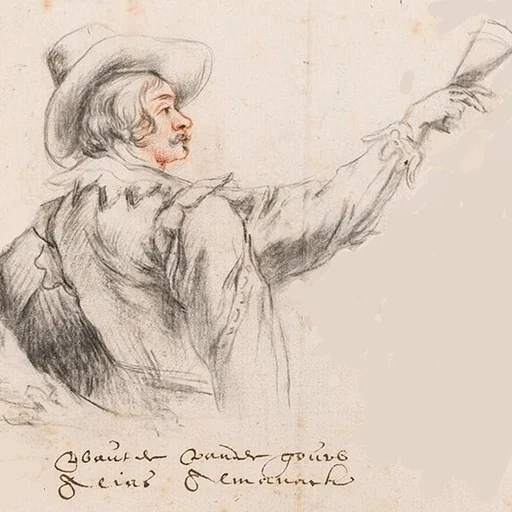
Wouter Pietersz. Crabeth II (1594 – c. 18 June 1644) was a Dutch painter and draughtsman known for his genre scenes, biblical subjects and occasional portraits. During a long-time residence in Italy his work was…