Artwork
The Incredulity of Thomas
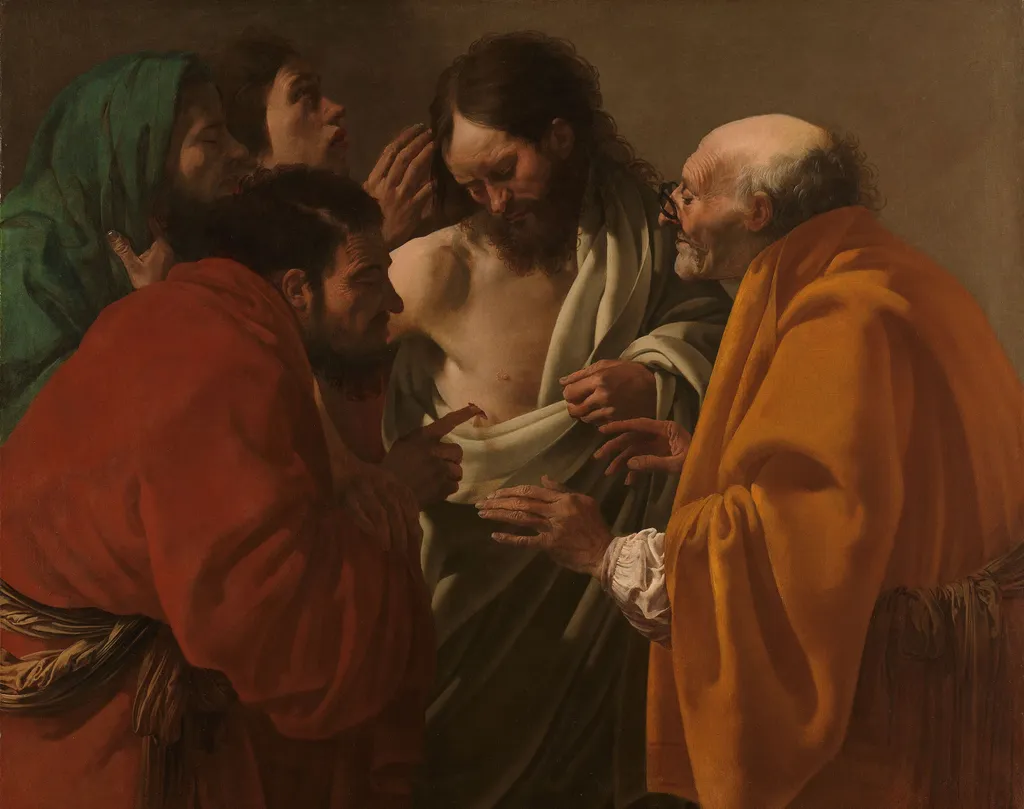
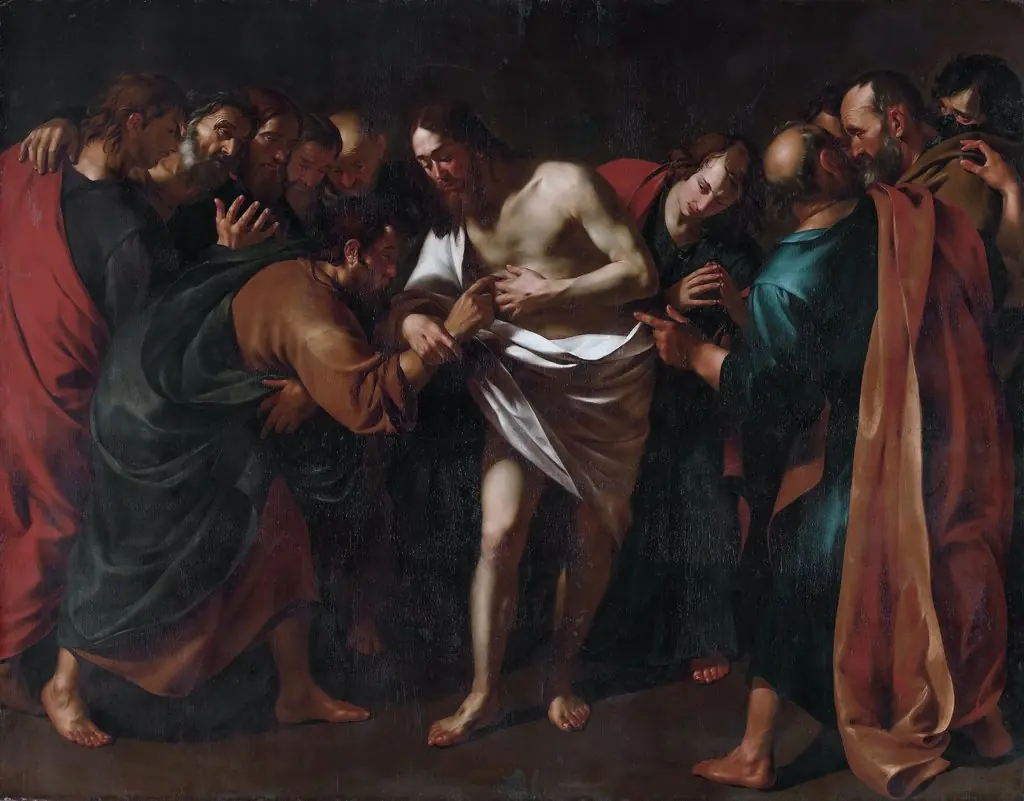
The Incredulity of Thomas is an oil painting by the Caravaggisti artist Hendrick ter Brugghen. It dates from 1622 and is held in the collection of the Rijksmuseum.
About this work
Subject & Meaning
The artist renders Christ’s wound as a luminous, central focal point, drawing the viewer’s eye to the moment of revelation.
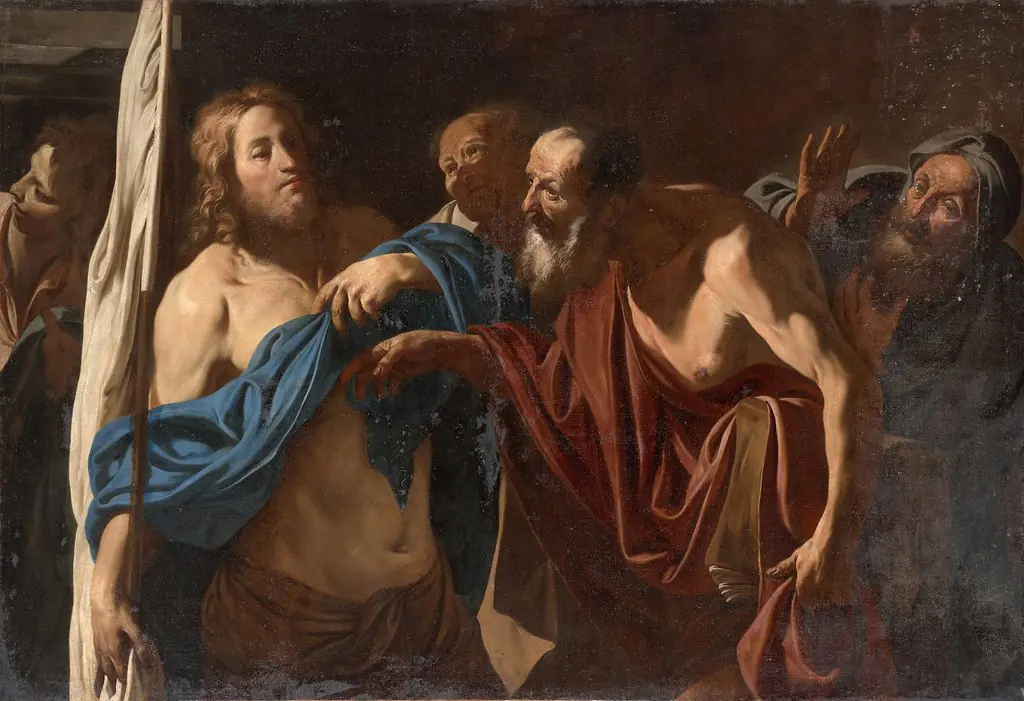
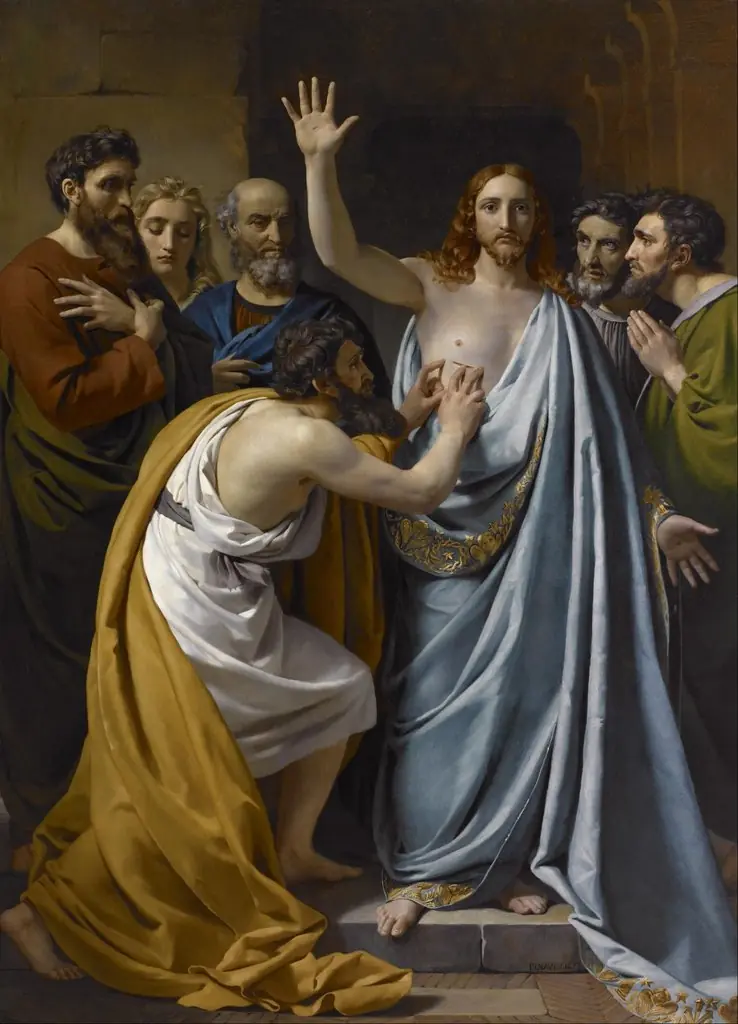
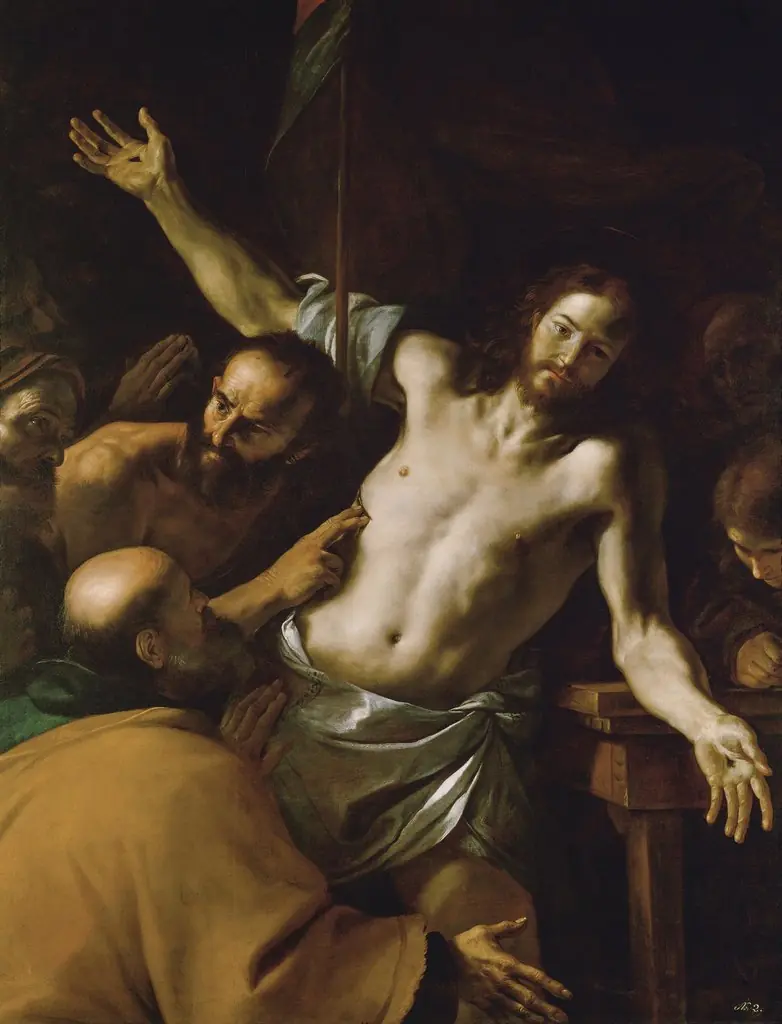
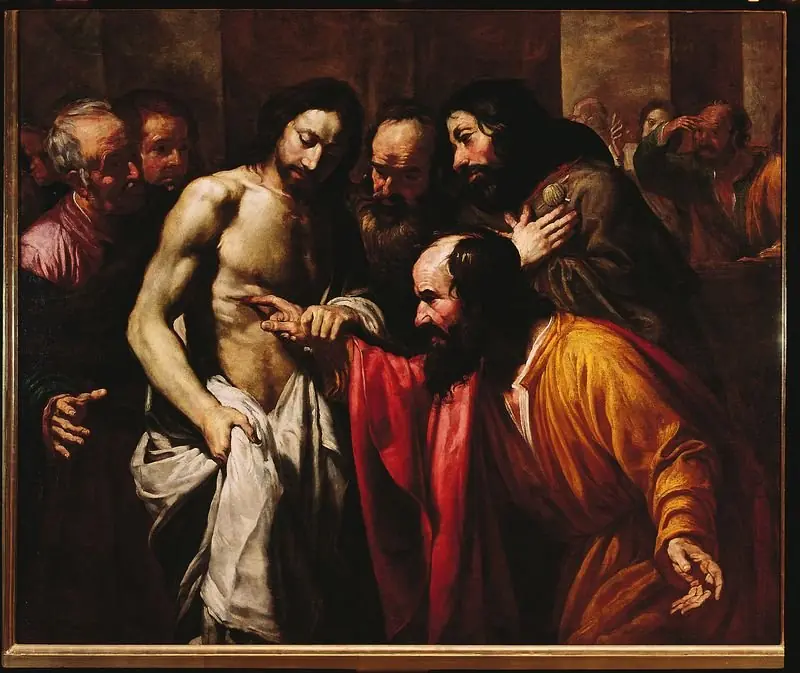
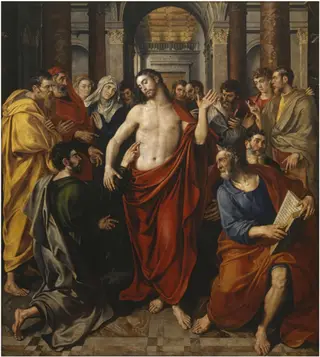
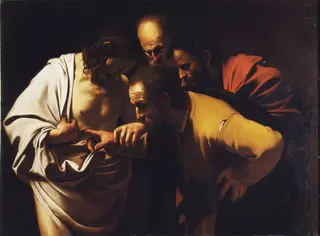
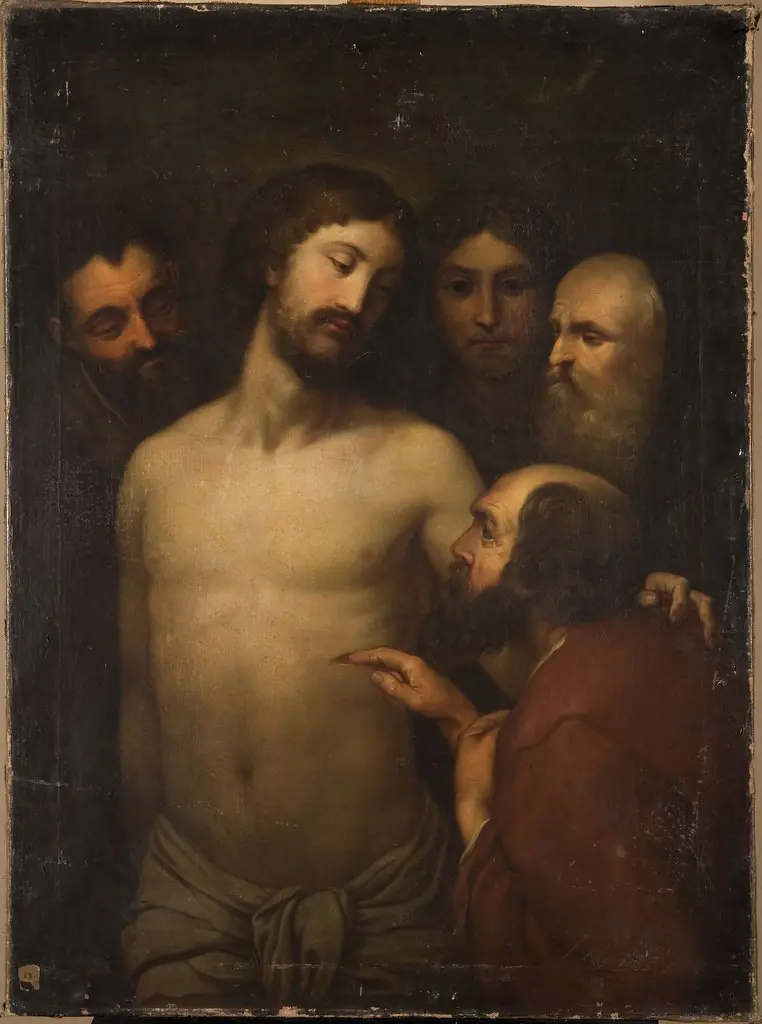
The painting depicts the New Testament episode in which the risen Jesus appears to his disciples and invites Thomas to touch the wound in his side to overcome doubt, a moment recorded in John 20:24–29. In Hendrick ter Brugghen’s composition, Thomas kneels to probe Christ’s wound while the other apostles gather closely around, their expressions registering a mix of awe and curiosity. The scene emphasizes the tension between faith and empirical proof, a theme central to Counter-Reformation religious imagery aimed at eliciting devotional reflection.
The artist renders Christ’s wound as a luminous, central focal point, drawing the viewer’s eye to the moment of revelation. The subdued palette and Caravaggisti lighting heighten the drama of spiritual confrontation, underscoring the work’s message about the possibility of belief through tangible evidence.
Technique & Style
Hendrick ter Brugghen created The Incredulity of Thomas in 1622 using oil paint applied to a canvas support. The work measures 108.8 cm in height and 136.5 cm in width. As a religious painting, the piece depicts the biblical scene of Thomas the Apostle and Jesus Christ.
The handling of the medium aligns with the artist's classification of the work within the religious art genre.
History & Provenance
Hendrick ter Brugghen created the oil-on-canvas painting The Incredulity of Thomas in 1622. The work measures 108.8 cm in height and 136.5 cm in width. It currently resides in the collection of the Rijksmuseum.
The painting depicts the biblical scene of the Doubting Thomas and Jesus Christ, falling within the genre of religious art. It has been included in exhibitions such as "Caravaggio and Bernini."
The Incredulity of Thomas is held in the collection of the Rijksmuseum. The work, executed in oil on canvas in 1622, measures 108.8 cm in height and 136.5 cm in width. Its exhibition history includes a presentation in the show titled Caravaggio and Bernini.
Context
Hendrick ter Brugghen painted The Incredulity of Thomas in 1622, a religious work depicting the Apostle Thomas doubting the resurrected Jesus, now housed in the Rijksmuseum collection. Critical reception and scholarly analysis often situate this piece within the Utrecht school's Caravaggisti phase, noting its naturalistic treatment of biblical narrative alongside contemporaries like Gerrit van Honthorst and Dirck van Baburen. The painting's composition and use of chiaroscuro reflect broader trends in early 17th-century Dutch religious art, as documented in its inclusion in exhibitions such as Caravaggio and Bernini. Art historical context emphasizes ter Brugghen's role in adapting Italianate techniques to Dutch sensibilities during this period.
Overview
Hendrick ter Brugghen painted The Incredulity of Thomas in 1622, employing oil on canvas to render the biblical moment when the risen Christ invites the skeptical Apostle Thomas to examine his wounds. The composition gathers several figures in a dim interior, their faces illuminated by a focused, warm light that highlights the physical contact between Christ and Thomas.
Own this work as a print
Artist & collection
Artist
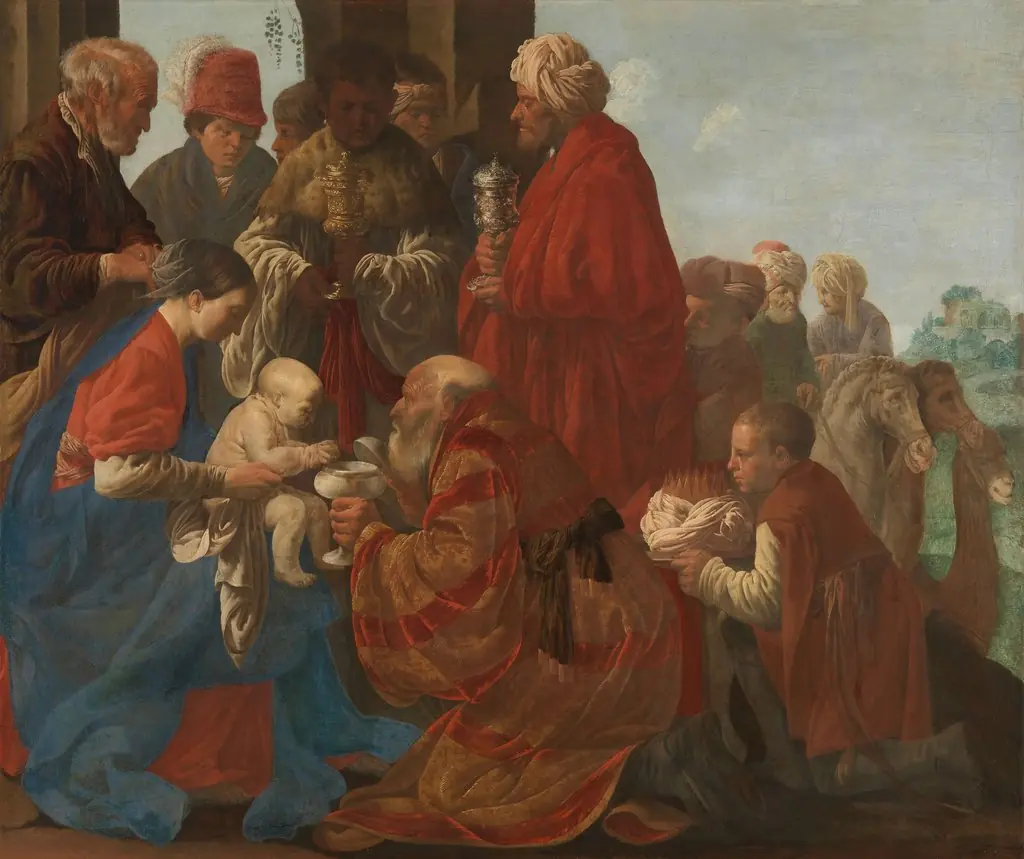
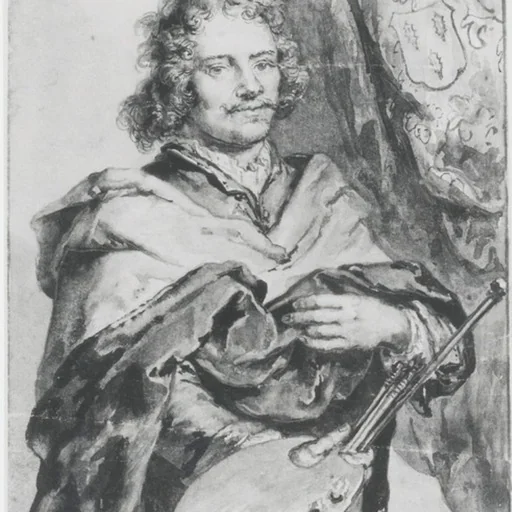
Hendrick Jansz ter Brugghen (or Terbrugghen; 1588 – 1 November 1629) was a Dutch painter of genre scenes and religious subjects.