Artwork
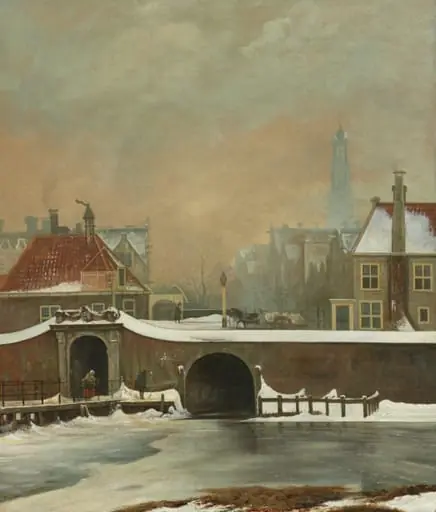
The Raampoortje in Amsterdam
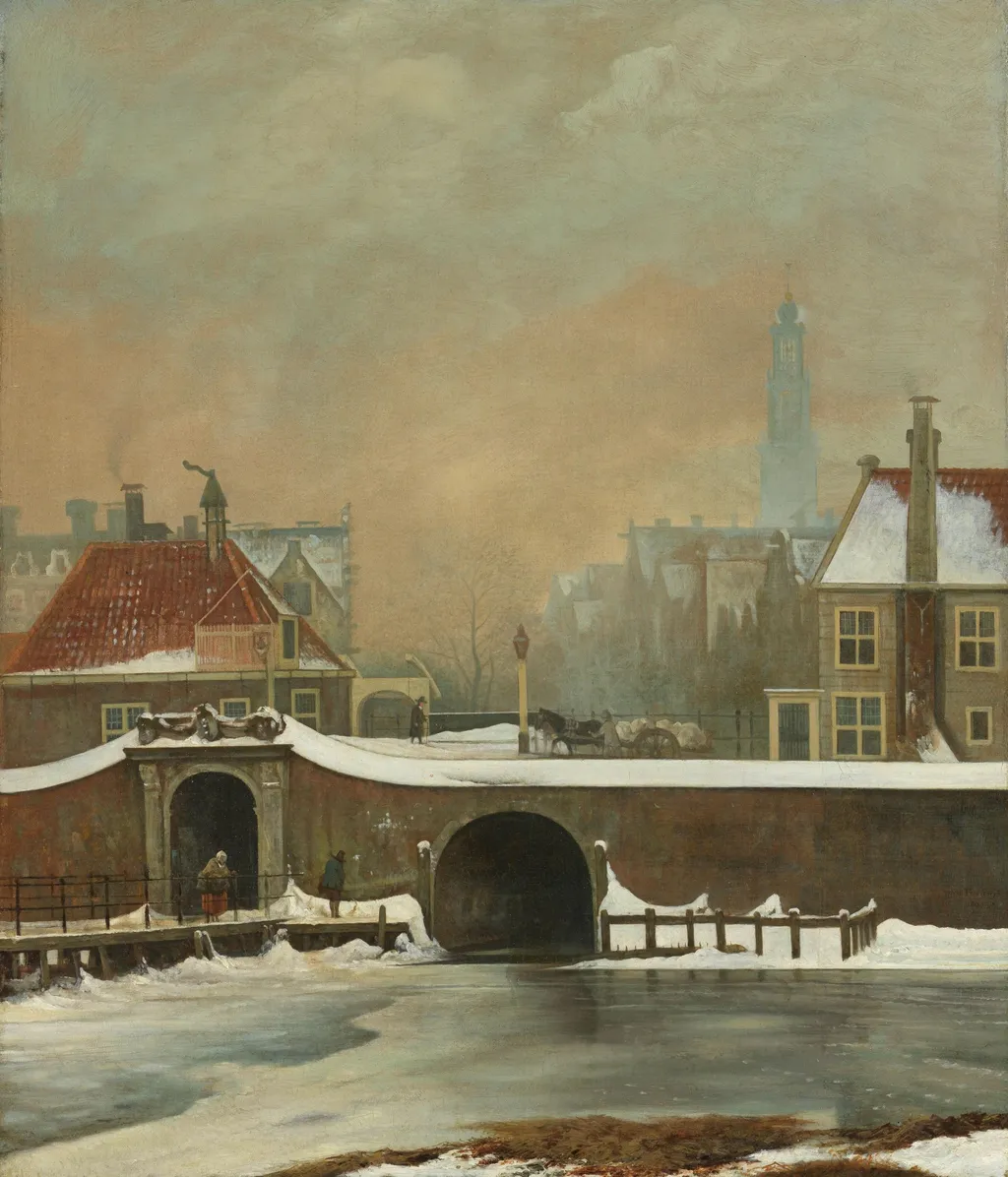
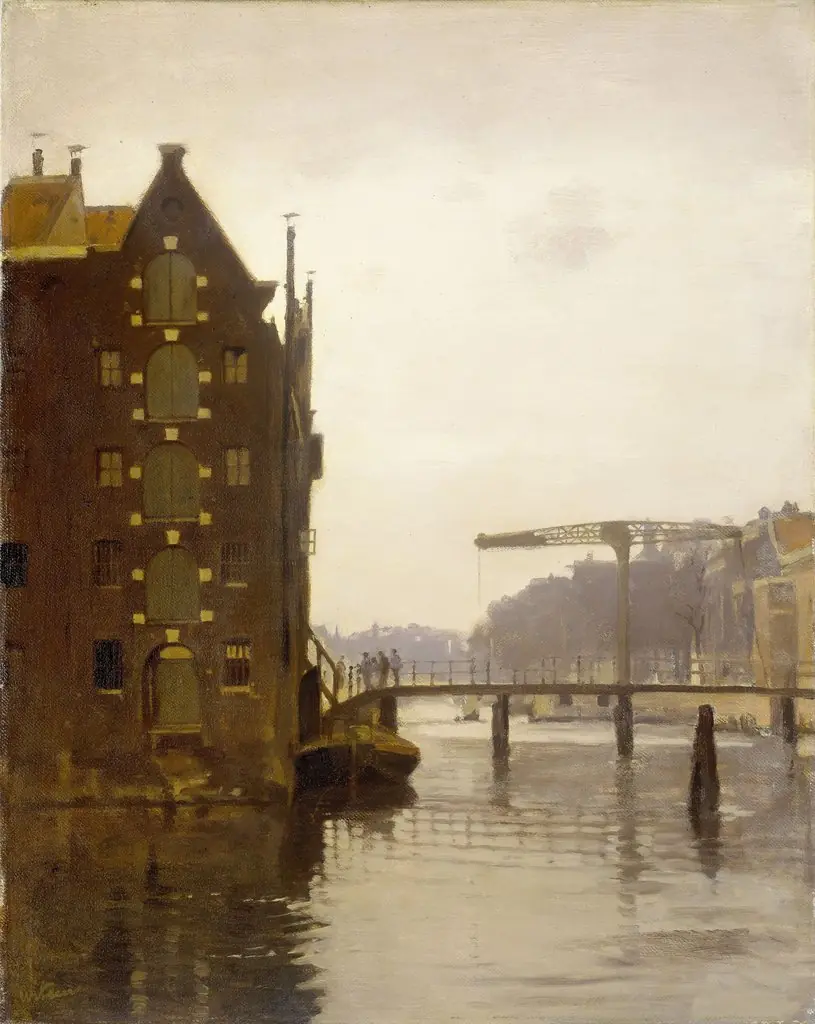
The Raampoortje in Amsterdam is an oil painting by Wouter Johannes van Troostwijk. It dates from 1809 and is held in the collection of the Rijksmuseum.
About this work
Technique & Style
Rendered in a cityscape genre, it showcases the artist’s handling of light and atmospheric effects typical of early nineteenth‑century Dutch urban scenes.
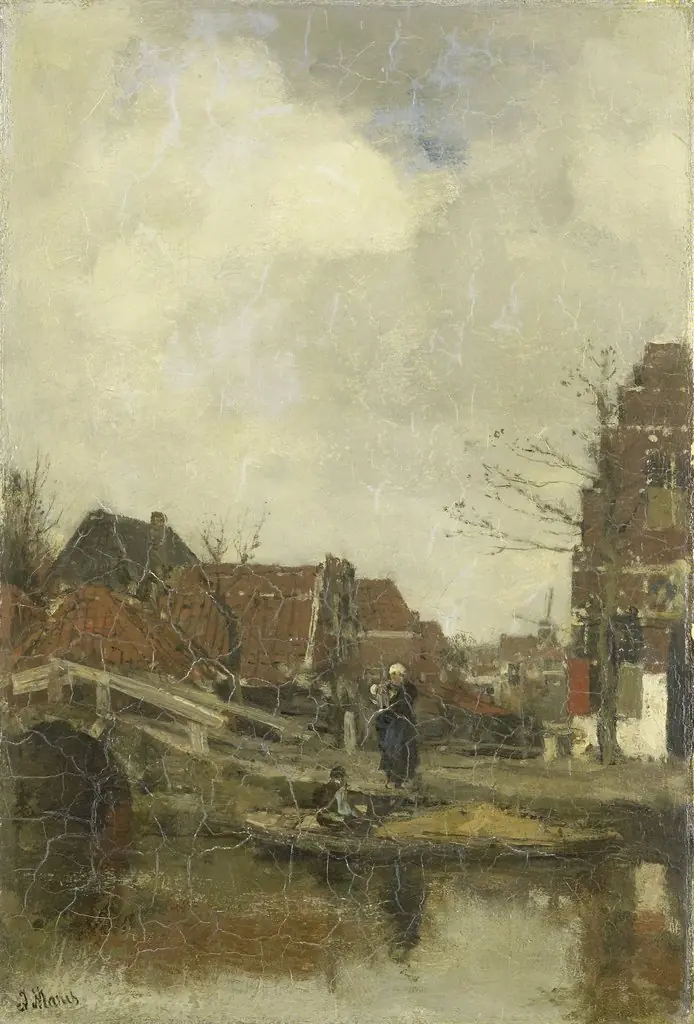
The work is an oil painting executed on canvas, measuring 57 by 48 centimeters, depicting the Raampoortje bridge and adjacent house in Amsterdam. Rendered in a cityscape genre, it showcases the artist’s handling of light and atmospheric effects typical of early nineteenth‑century Dutch urban scenes. The formal composition emphasizes linear perspective and precise architectural detail, while the stylistic use of oil paint conveys texture and depth across the surface.
History & Provenance
The painting The Raampoortje in Amsterdam was created by Wouter Johannes van Troostwijk in 1809 as an oil on canvas work depicting the Raampoort in Amsterdam. It entered the collection of the Rijksmuseum, where it remains on display.
The work was commissioned as a cityscape and has been part of the Rijksmuseum's holdings since its acquisition, reflecting continuous ownership by the institution since its creation.
The painting is held in the Rijksmuseum in Amsterdam, where it forms part of the museum’s permanent collection. It is catalogued under inventory details associated with works by Wouter Johannes van Troostwijk from the early nineteenth century.
The work has been exhibited as part of the Rijksmuseum’s display of Dutch cityscapes, though specific exhibition histories beyond its inclusion in the permanent galleries are not extensively documented in available sources.
Legacy
The Raampoortje in Amsterdam, painted in 1809 by Wouter Johannes van Troostwijk, exemplifies early nineteenth‑century Dutch cityscapes. Its meticulous rendering of the Raampoort bridge and surrounding houses contributed to the development of Amsterdam’s veduta tradition. Contemporary accounts praised its atmospheric lighting and precise architectural detail, influencing later artists who depicted urban Dutch scenes.
The work remains part of the Rijksmuseum collection, where it is studied as a representative example of the era’s realist urban genre.
Overview
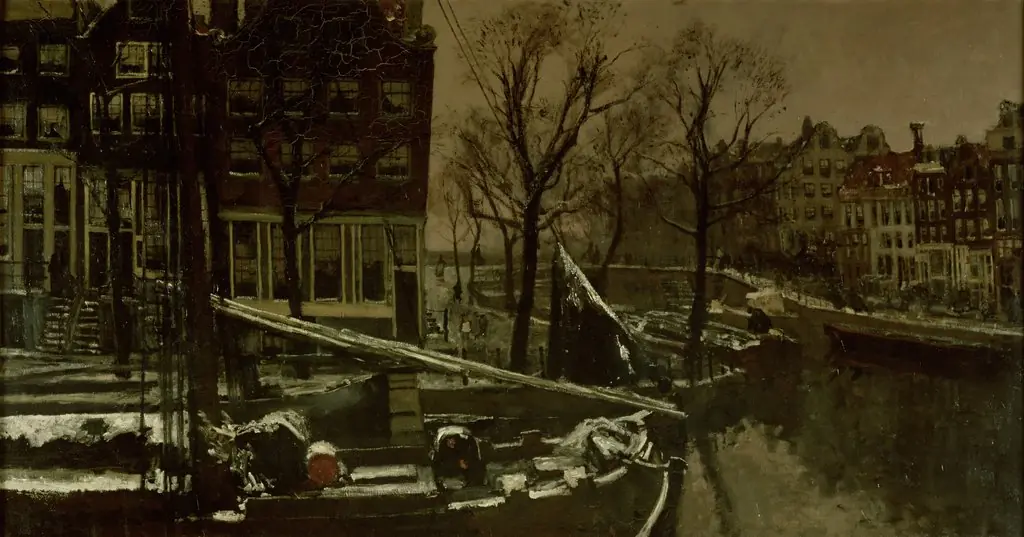
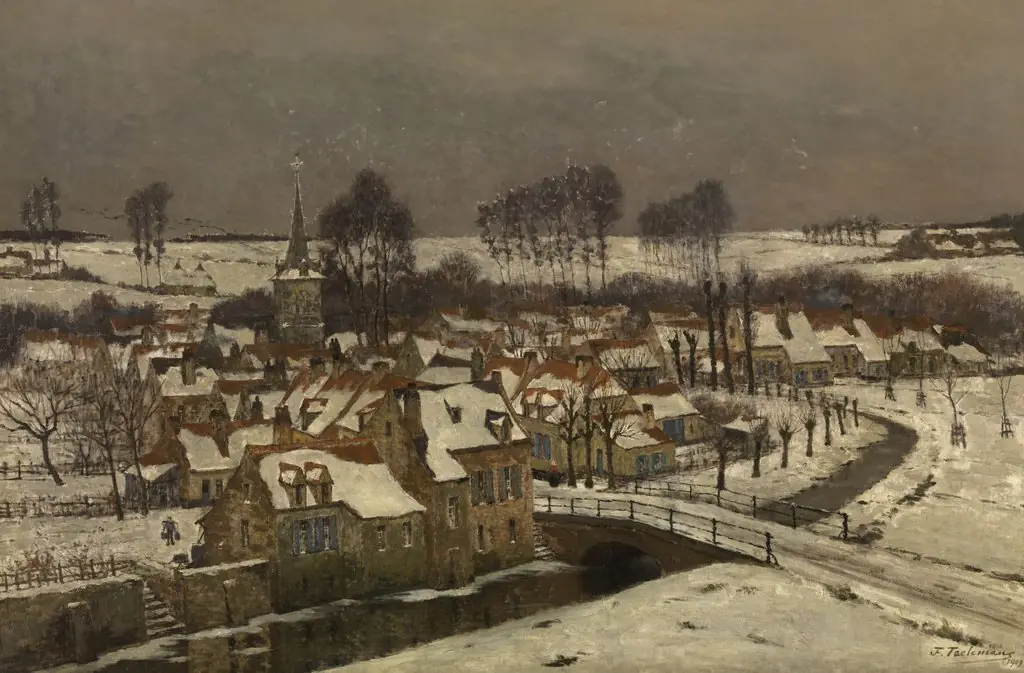
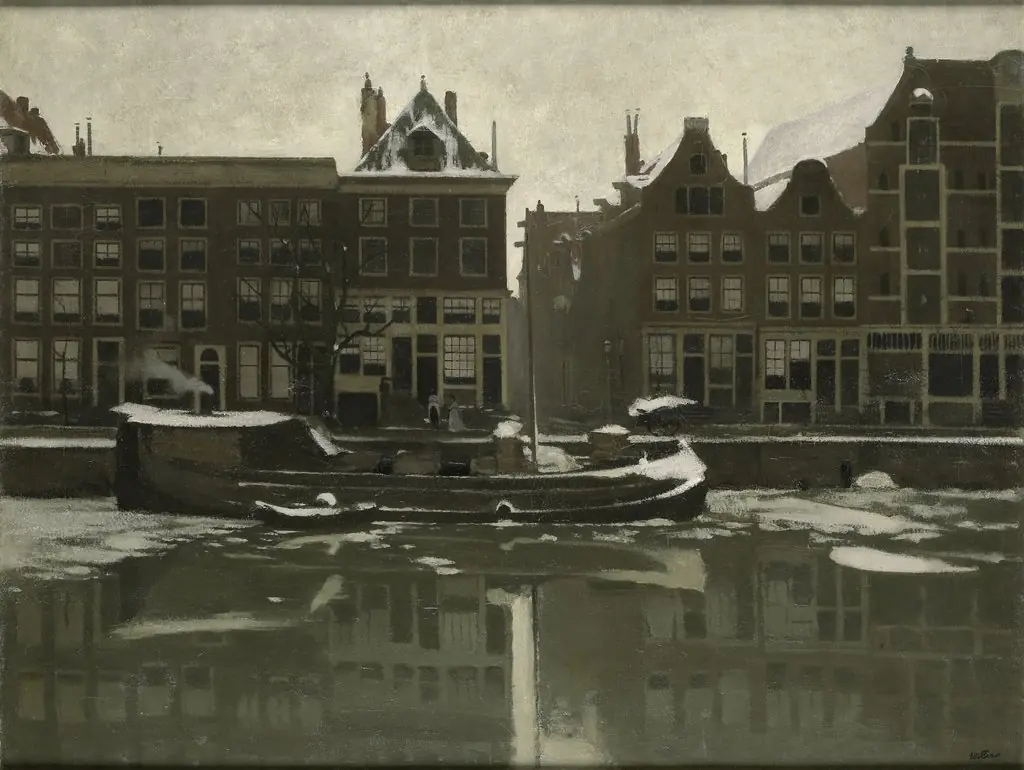
Wouter Johannes van Troostwijk’s 1809 oil painting captures a winter view of Amsterdam’s Raampoort area. The composition centers on a frozen canal flanked by snow‑laden rooftops, a modest bridge with an arched span, and a solitary house. A few figures and horses traverse the icy surface, while a distant church tower punctuates the low, mist‑shrouded skyline.
Subject & Meaning
The work records a moment of quiet urban life during a cold season, emphasizing the interplay between architecture and the natural environment. The muted palette and subdued lighting convey the hush of snowfall, while the presence of bundled pedestrians suggests everyday resilience in the face of harsh weather. The church tower serves as a visual anchor, linking the scene to the city’s spiritual landscape.
Own this work as a print
Artist & collection
Artist
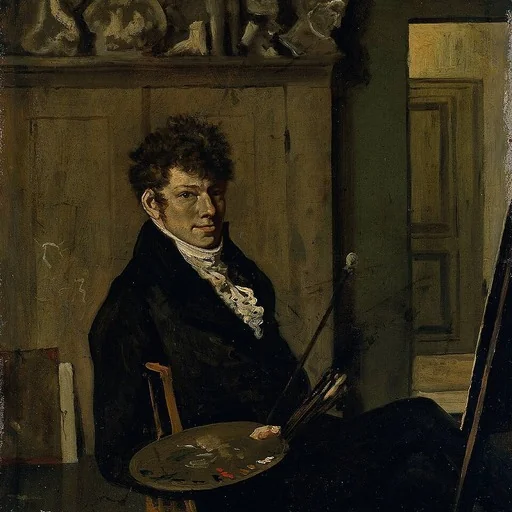
Wouter Johannes van Troostwijk
Wouter Johannes van Troostwijk (28 May 1782, Amsterdam - 20 September 1810, Amsterdam) was a Dutch painter and etcher. Most of his works are landscapes (featuring cattle) or cityscapes.