Artwork
Untitled
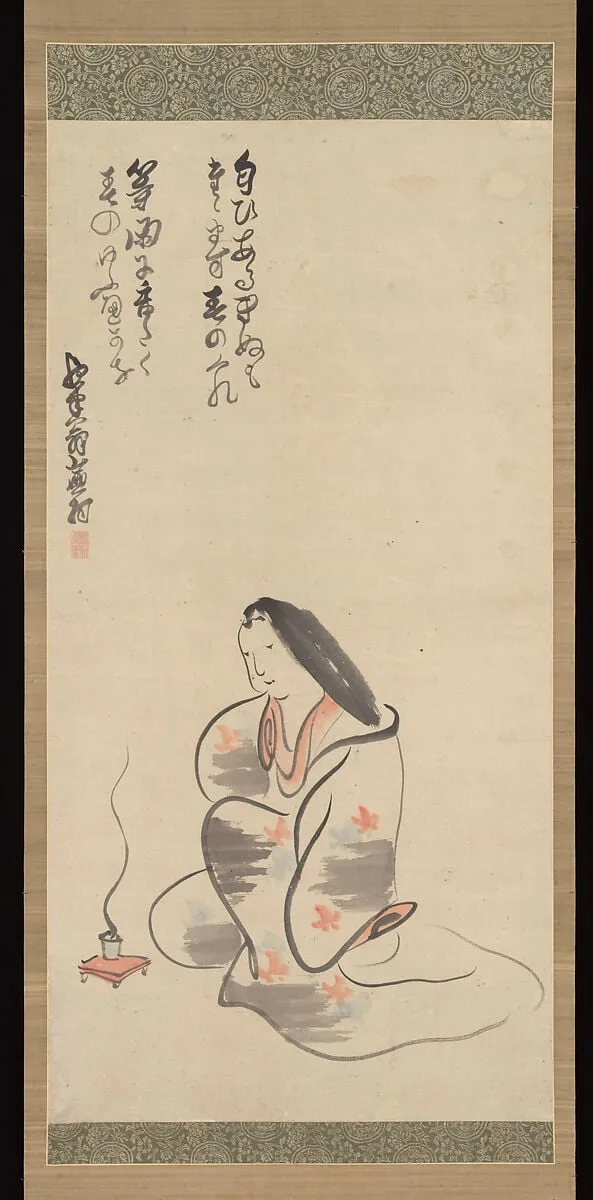
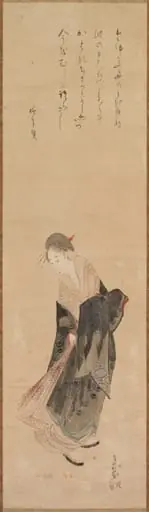
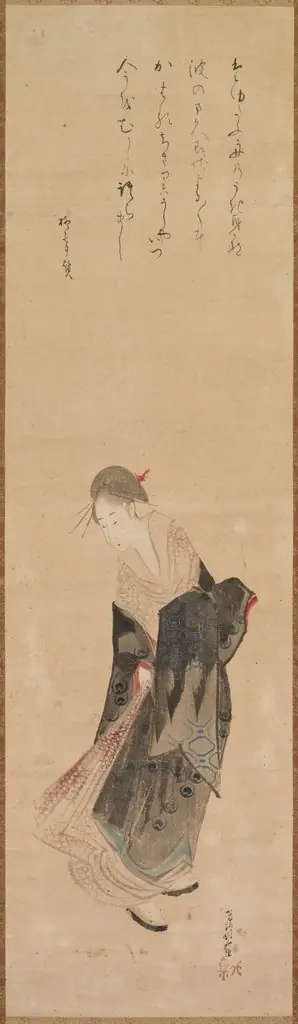
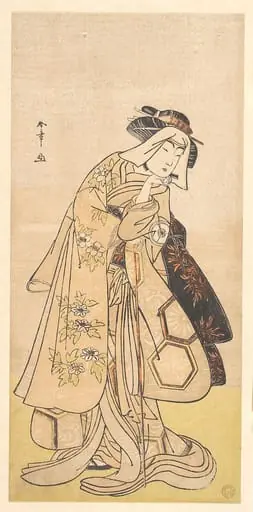
Untitled is an ink painting by the Baroque artist Yosa Buson. It dates from 1749 and is held in the collection of the Metropolitan Museum of Art.
About this work
Subject & Meaning
While the work is classified as a portrait, the inclusion of the censer introduces an element of ritual or domestic atmosphere to the scene.
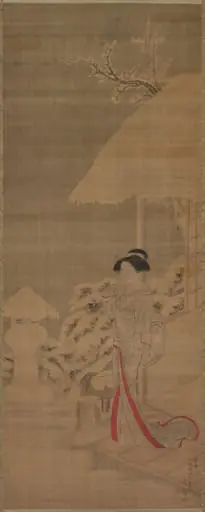
Yosa Buson's 1749 hanging scroll, titled Untitled, functions as a portrait that depicts a woman alongside a censer. The composition centers on these two specific figures, presenting the female subject in conjunction with the incense burner. While the work is classified as a portrait, the inclusion of the censer introduces an element of ritual or domestic atmosphere to the scene.
The pairing of the woman and the object suggests a focus on a specific moment or state of being within a Japanese context, though the sources do not elaborate on deeper symbolic interpretations or specific narrative meanings beyond these depicted elements.
Technique & Style
The work is a hanging scroll painted in ink and color on paper, measuring 102.2 cm in height and 51.6 cm in width. Executed in 1749 in Japan, it belongs to the genre of portraiture and depicts a woman holding a censer. As a scroll format, the piece was designed for vertical display and intimate viewing, allowing the delicate brushwork and subtle pigments to be appreciated when unrolled.
The composition relies on restrained line, muted tonal gradations, and a focus on the figure’s quiet gesture, characteristic of Edo‑period painterly conventions.
Overview
Yosa Buson's Untitled, created in 1749, is an ink and color painting on a hanging scroll. It features a seated woman holding an incense burner, rendered with delicate lines and subtle washes of color. The composition emphasizes quiet contemplation and the interplay of form with significant empty space, inviting a moment of reflection from the viewer.
Context
As an artist also celebrated for his poetry, Yosa Buson often infused his visual works with a lyrical sensibility. Untitled exemplifies this approach, presenting a scene that transcends mere depiction to evoke a sense of quietude and profound stillness. The painting’s sparse composition and introspective subject matter reflect a meditative quality characteristic of some literary and artistic traditions of the period.
Artist & collection


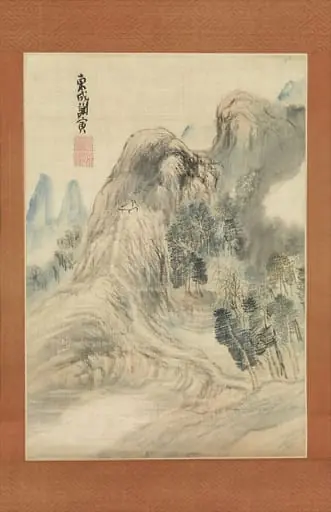 Untitled
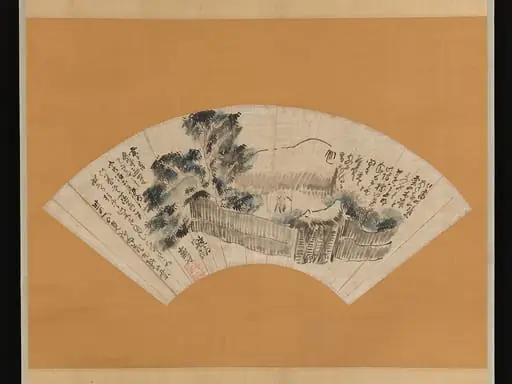 与謝蕪村筆 奥の細道図扇面|Scene from The Narrow Road to the Deep North
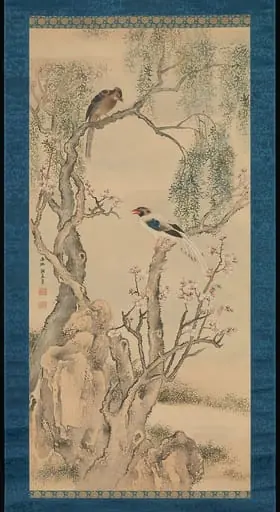 与謝蕪村筆 柳緑桃紅図|Birds in Willows and Blossoming Peach Tree
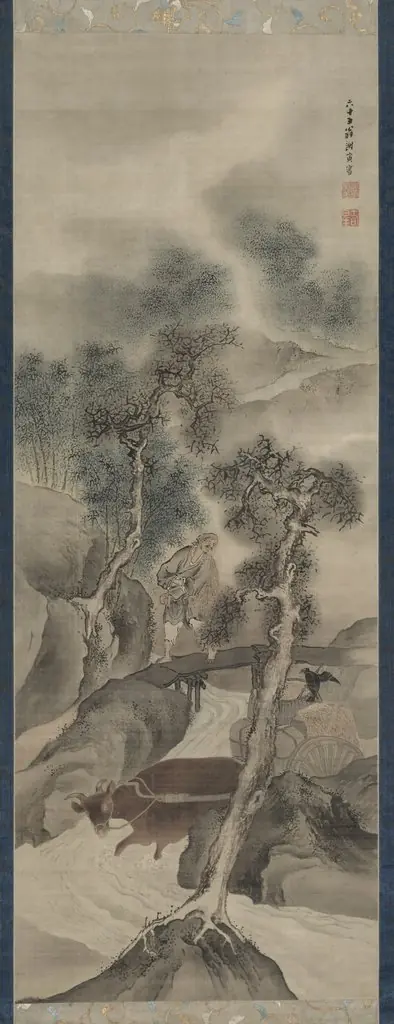 Water Buffalo Returning Home
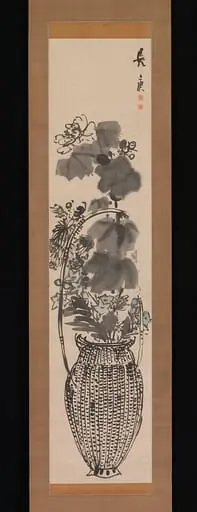 与謝蕪村筆秋草花竹籃図 |Autumn Flowers in a Bamboo Basket
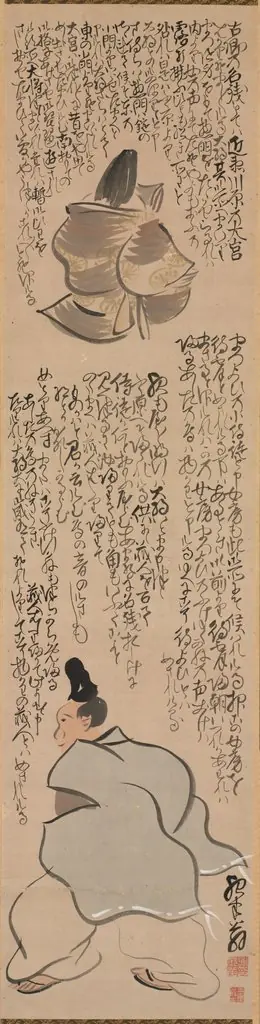 Figures with Calligraphy of a Passage from the "Heike Monogatari" ("The Tales of Heike")
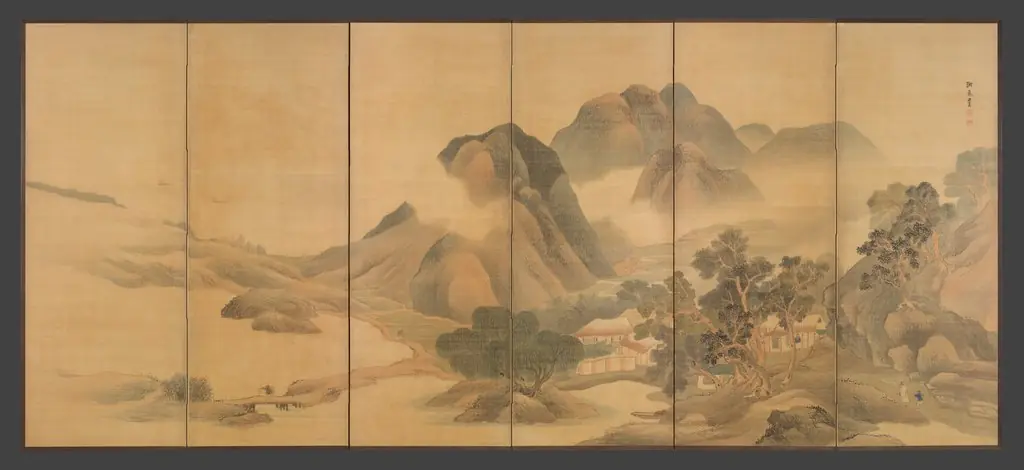 Travels through Mountains and Fields
 Rocks
Rocks