Artwork
Beauty (Bijin)
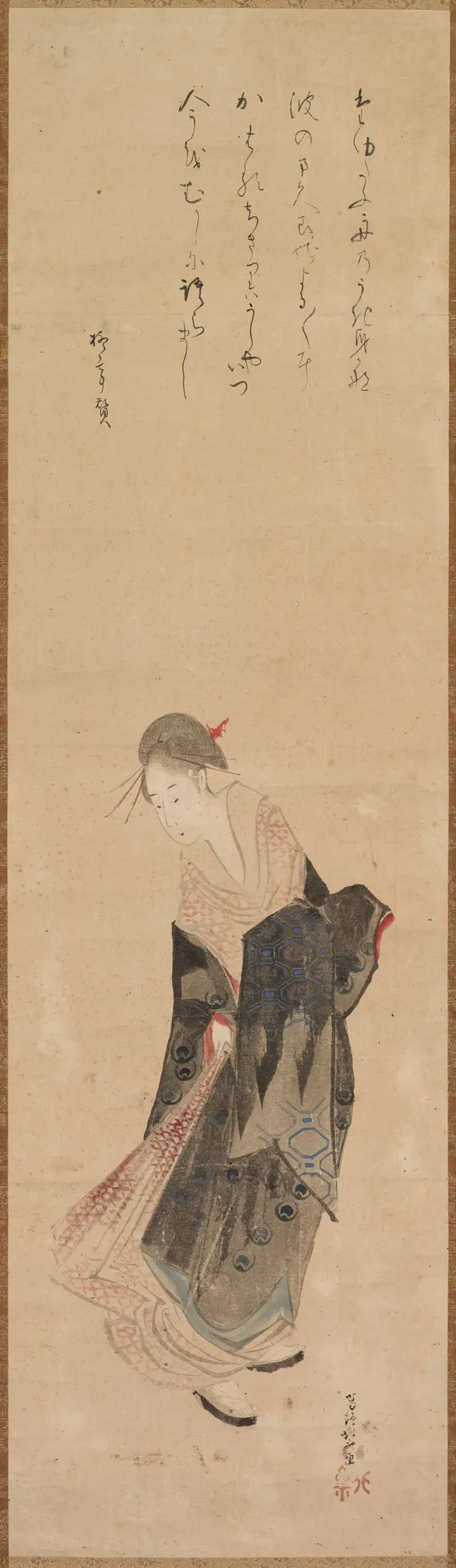
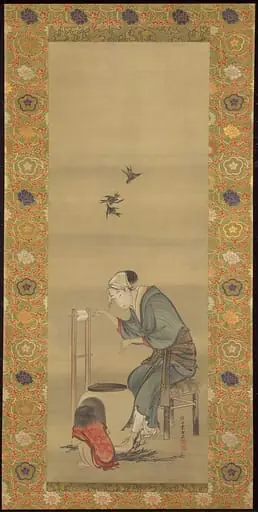
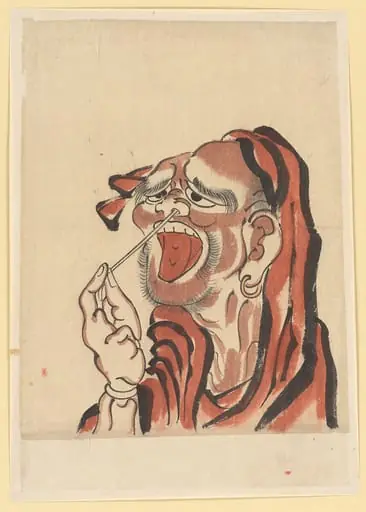
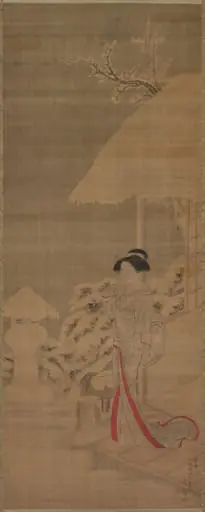
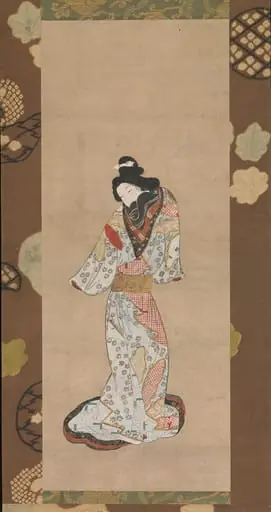
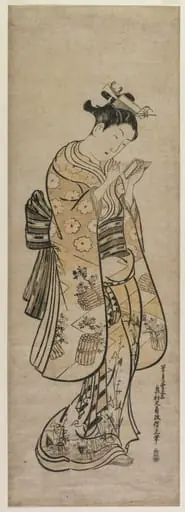
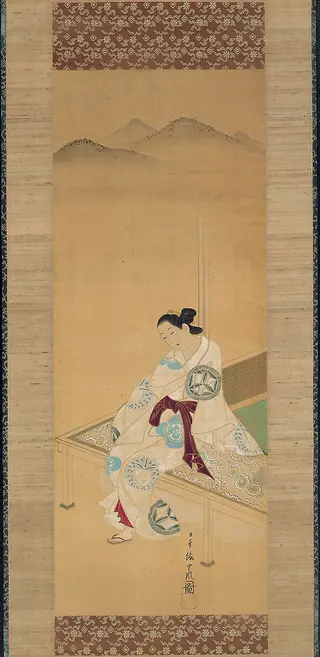
Beauty (Bijin) is an unspecified painting by the Ukiyo-e artist Katsushika Hokusai. It dates from 1814 and is held in the collection of the Cleveland Museum of Art.
About this work
Technique & Style
The work is classified as a painting and is currently held in the collection of the Cleveland Museum of Art.
Created in 1814, Beauty (Bijin) is a painting by Katsushika Hokusai originating from Japan. The work is classified as a painting and is currently held in the collection of the Cleveland Museum of Art. As a painting from this period and region, the medium typically involves ink and color on paper or silk, though the specific material composition is not detailed in the provided records. The artwork represents the formal qualities of Hokusai's depiction of beauty during the Edo period.
History & Provenance
The painting Beauty (Bijin) was created by Katsushika Hokusai in Japan in 1814. This work is classified as a painting from the early 19th century. It is currently held in the collection of the Cleveland Museum of Art, where it is cataloged under the accession number 1987.150.
The specific details regarding the original commission, the patron who ordered the work, or the precise chain of ownership prior to its arrival at the museum are not provided in the available records.
Beauty (Bijin) is held in the collection of the Cleveland Museum of Art. The work is catalogued under the inventory number 1987.150, indicating its accession into that institution. Created in 1814, the painting was made in Japan and entered the Cleveland Museum of Art's holdings, where it remains part of the museum's collection.
No exhibition history is documented in the available sources.
Overview
Created in 1814 by the Japanese ukiyo‑e artist Katsushika Hokusai, "Beauty (Bijin)" is an oil painting that resides in the collection of the Cleveland Museum of Art. The work presents a solitary female figure rendered against an unadorned backdrop, allowing the viewer’s attention to remain fixed on her posture, attire, and subtle expression.
Subject & Meaning
The central figure is a woman dressed in a long, flowing robe whose dark sleeves are highlighted by vivid red trim. She holds a black folding fan in one hand and a small pouch in the other, while her hair is gathered beneath a modest hat. The composition suggests a moment of quiet poise, emphasizing personal elegance rather than narrative action.
Artist & collection

Artist
Katsushika Hokusai spent his life in Edo, now Tokyo, where he drew and carved prints for a living.