Artwork
清 鄭燮 蘭竹圖 卷|Orchids and bamboo
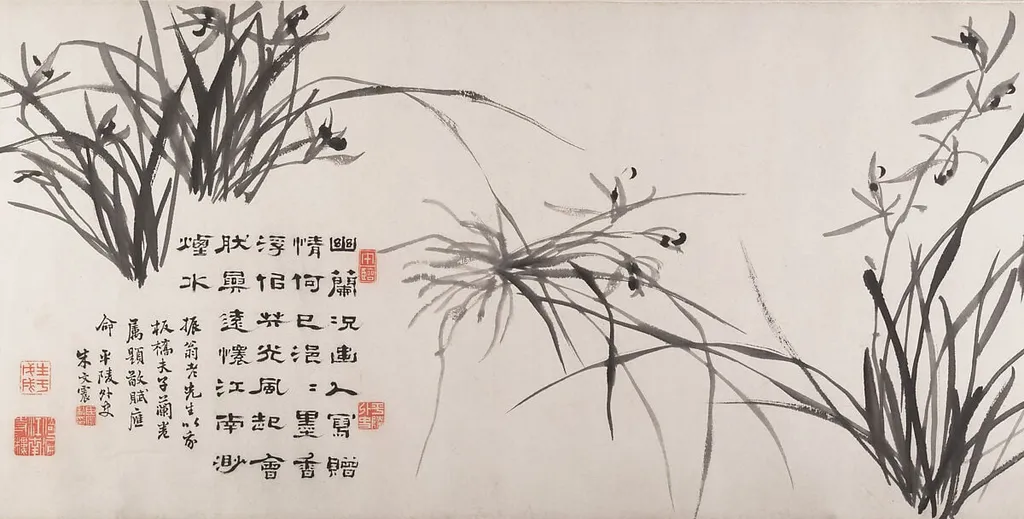
清 鄭燮 蘭竹圖 卷|Orchids and bamboo is an ink painting by the Baroque artist Zheng Xie. It dates from 1742 and is held in the collection of the Metropolitan Museum of Art.
About this work
Technique & Style
The piece is housed in the Metropolitan Museum of Art, where it is catalogued as a painting from China.
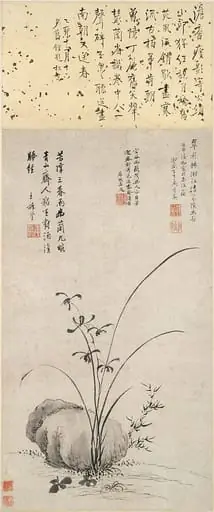
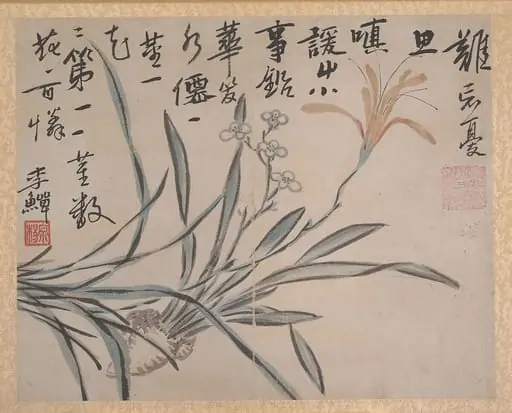
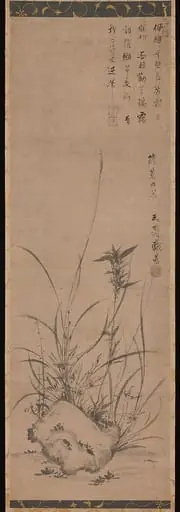
The work is a handscroll executed in ink on paper by the Qing dynasty painter Zheng Xie in 1742. As a landscape handscroll it portrays bamboo (Bambusoideae) and orchids (Orchideae) in a composition that emphasizes delicate brush lines, subtle tonal gradations, and a balanced use of empty space characteristic of literati painting. The ink medium allows fine, expressive strokes that define the slender stalks and blossoms, while the scroll format invites a sequential viewing that unfolds the motif across the paper surface.
The piece is housed in the Metropolitan Museum of Art, where it is catalogued as a painting from China.
Overview
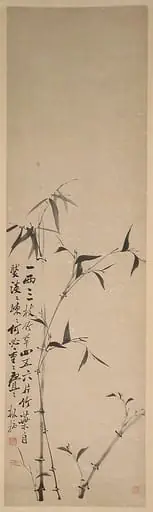
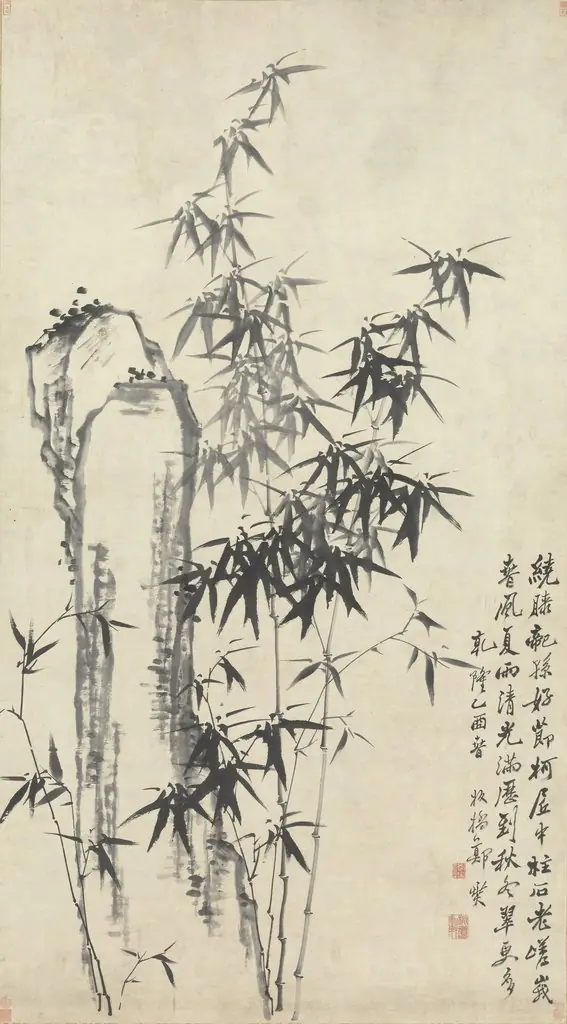
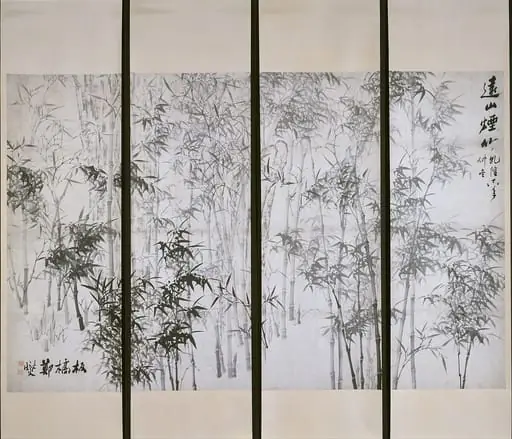
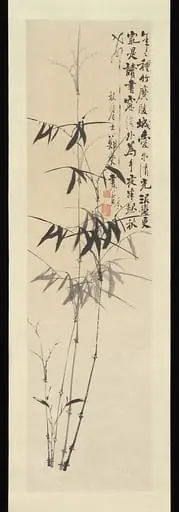
Created in 1742 during the Qing Dynasty, 'Orchids and Bamboo' is a handscroll by Zheng Xie (1693–1766), a prominent member of the Eight Eccentrics of Yangzhou. Executed in ink on paper, the work depicts slender orchid leaves and a spray of bamboo stalks arranged alongside a short inscription in Chinese calligraphy. Zheng Xie, who served as a county magistrate at the time of this painting's creation, is renowned for his synthesis of calligraphy and painting.
He applied the same brush techniques to both the botanical subjects and the accompanying poem, treating the text and image as a unified visual and literary expression. The composition relies on the rhythmic variation of line weight and the strategic use of negative space, characteristic of the literati tradition. In this specific work, the bamboo leaves are rendered with swift, decisive strokes that convey resilience, while the orchids suggest elegance and moral purity.
This piece exemplifies Zheng Xie's mature style, where the act of painting serves as a vehicle for personal expression and scholarly reflection rather than mere representation. It stands as a significant example of 18th-century Chinese ink painting, illustrating the artist's ability to merge poetic sentiment with visual form.
Subject & Meaning
The composition unites a few slender orchid leaves and a vibrant spray of bamboo with a short poem inscribed by the artist. This combination is not merely decorative; Zheng Xie intended the calligraphy and the painted flora to engage in a subtle interplay. The poem's presence alongside the plants creates a sense of intimate communication, inviting contemplation on the natural world and the virtues often associated with these resilient plants in East Asian tradition.
Context
Zheng Xie created this handscroll during his tenure as a county magistrate, a period when he balanced his official duties with artistic pursuits. His position as a scholar-official informed his artistic output, often leading him to explore themes of integrity and resilience through natural motifs like orchids and bamboo. This personal artistic expression offered a contemplative counterpoint to the demands of public service, reflecting the intellectual and aesthetic values of his time.
Artist & collection