Artwork
Bamboo and Rock
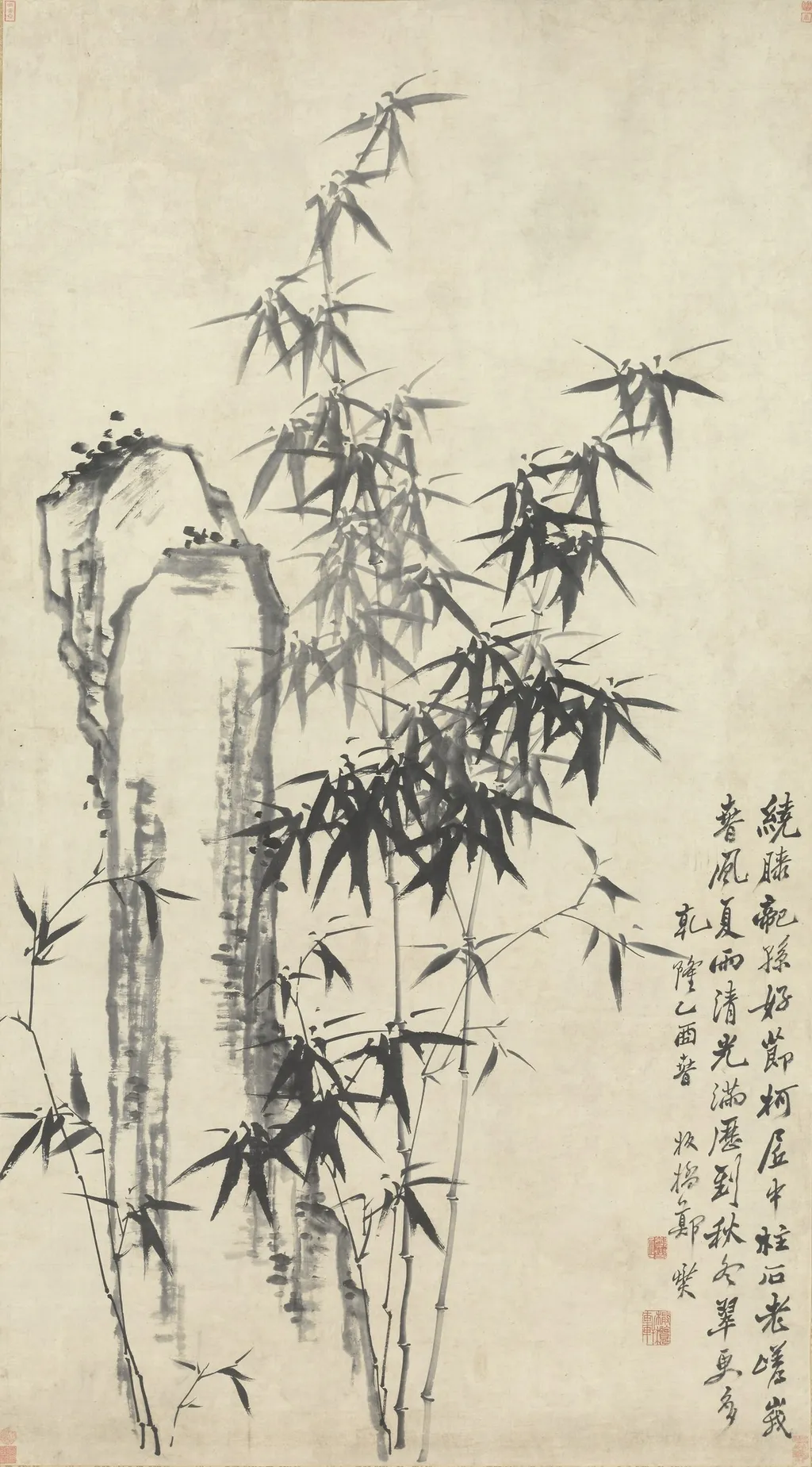
Bamboo and Rock is an unspecified painting by the Qing dynasty painting artist Zheng Xie. It dates from 1765 and is held in the collection of the Cleveland Museum of Art.
About this work
Subject & Meaning
The work thereby operates both as a naturalistic study of plant and mineral forms and as an emblematic statement about virtuous conduct under adversity.
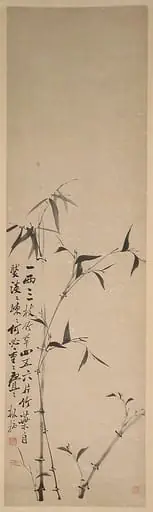
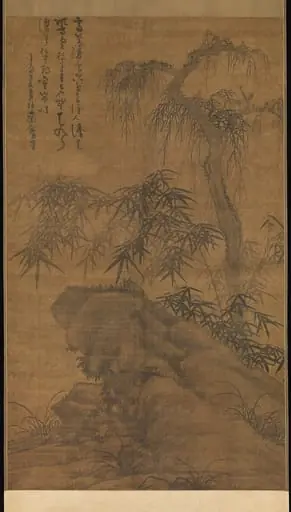
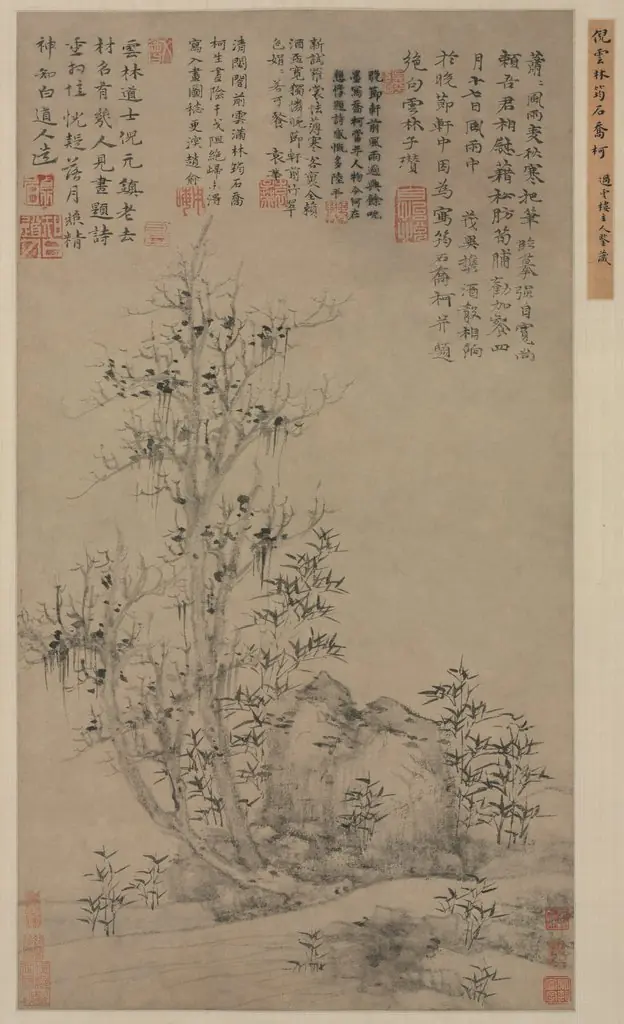
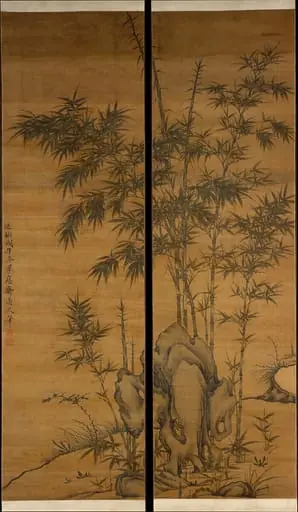
Bamboo and Rock by Zheng Xie depicts bamboo (Bambusoideae) alongside a tree and rock formation, rendered in the traditional Chinese ink painting idiom. In East Asian artistic tradition, bamboo is one of the so-called "Three Friends of Winter" and is a conventional symbol of resilience, integrity, and the upright scholar-gentleman, since the plant bends without breaking and remains green through harsh conditions. Paired with rock, a motif signifying endurance and stability, the composition articulates a moral landscape: the supple yet unyielding bamboo and the immovable stone together express Confucian and Daoist ideals of steadfast character and harmony between the flexible and the firm.
The work thereby operates both as a naturalistic study of plant and mineral forms and as an emblematic statement about virtuous conduct under adversity.
History & Provenance
Bamboo and Rock is a 1765 painting by the Chinese artist Zheng Xie, created in China during the mid‑Qing period. The work, classified as a painting, portrays a bamboo stalk and a rock formation typical of Bambusoideae. It was acquired by the Cleveland Museum of Art, where it remains in the museum’s collection as accession number 1982.54.
No documentation of a specific commission survives; the painting’s provenance is limited to its creation in China and subsequent entry into the museum’s holdings.
The painting Bamboo and Rock, created by Zheng Xie in 1765, is held in the collection of the Cleveland Museum of Art. Within the institution's records, the work is identified by the accession number 1982.54. The available sources confirm the artwork's location at the museum in Cleveland but do not provide specific details regarding its exhibition history or past loan records.
Overview
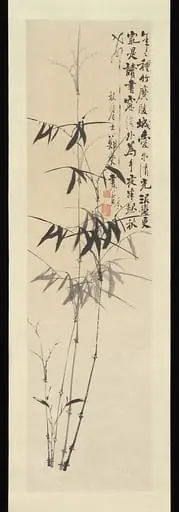
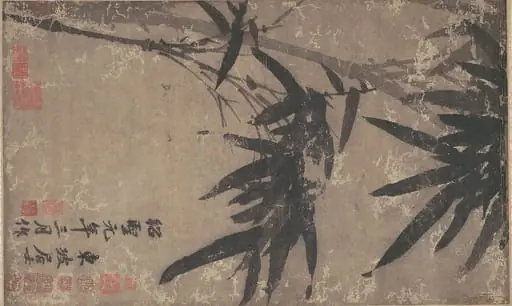
Bamboo and Rock, executed in 1765 by Zheng Xie (also known as Zheng Banqiao), is a quintessential example of literati painting from the Qing Dynasty. The composition features tall, slender bamboo stalks rising alongside a rugged rock formation, rendered with the artist's characteristic expressive brushwork. Zheng employs a dynamic range of ink tones, utilizing swift, loose strokes to define the bamboo leaves and stems, creating a contrast between solid, dark forms and lighter, fading washes that suggest movement and vitality.
The rock is depicted with textured, angular lines that anchor the verticality of the vegetation. A significant component of the work is the integration of calligraphy; a poem inscribed in Chinese characters runs along the right side, functioning as an equal visual element rather than a mere caption. This synthesis of painting, calligraphy, and poetry reflects the core aesthetic principles of the scholar-artist tradition.
Created late in Zheng Xie's career, the work exemplifies his reputation as one of the Eight Eccentrics of Yangzhou, known for rejecting rigid academic conventions in favor of personal expression and emotional directness.
Technique & Style
Zheng Xie employed a spontaneous and expressive brushwork to render “Bamboo and Rock.” Dark ink is applied with swift, fluid strokes against the lighter background, creating varied textures. The bamboo leaves range from dense, solid forms to lighter, more ethereal washes that appear to dissolve into the paper. This dynamic application imbues each bamboo stalk with a distinct character, conveying a sense of vitality.
Artist & collection