Movement
Australian Aboriginal Painting
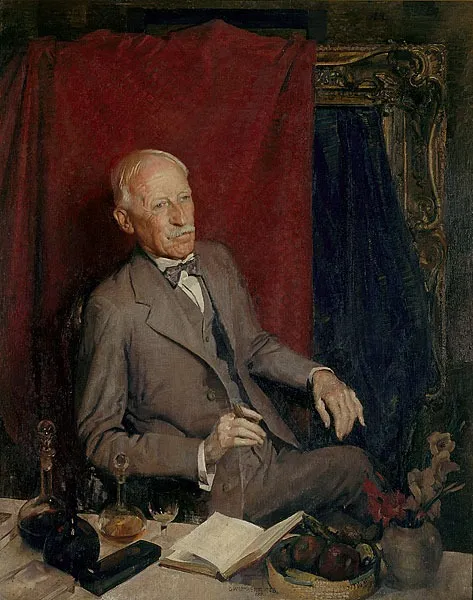
Australian Aboriginal Painting is an art movement. The gallery holds 21 works in this movement, including works by George Washington Lambert, Mutitjpuy, Aborigines Mouthwatch and Dini, Aborigines, pintupi Campbell Tjampitjinpa. Browse Australian Aboriginal Painting paintings, portraits, pictures and artworks from the world's public-domain museum collections.
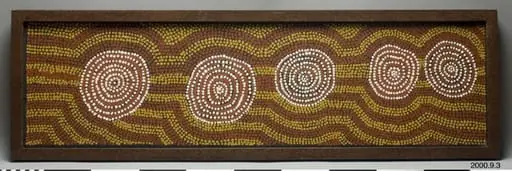
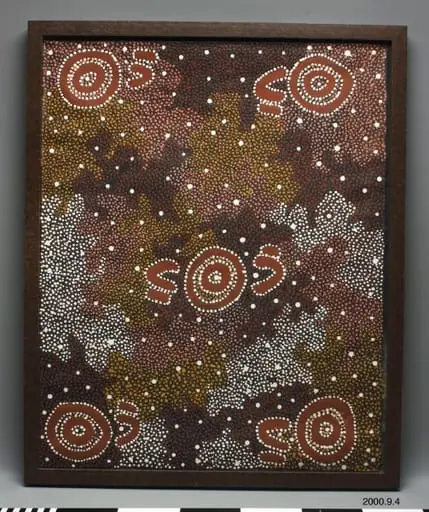
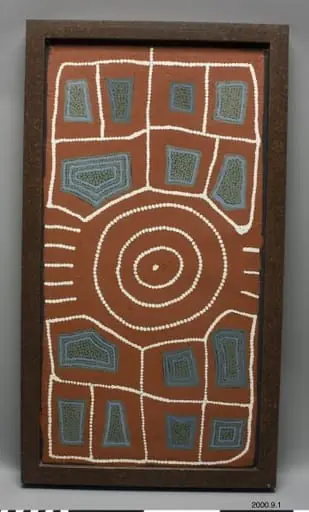
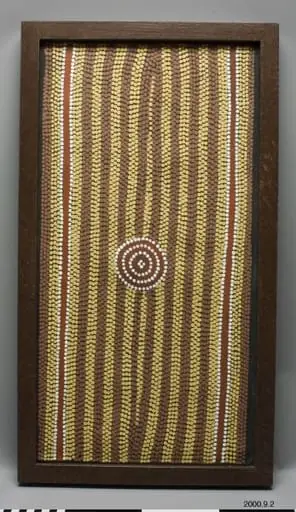
Australian Aboriginal painting belongs to one of the world's oldest continuous artistic traditions, with rock and sand designs in Australia stretching back tens of thousands of years. Long before European contact, Aboriginal peoples encoded sacred knowledge in body designs, ground sculptures, carved objects and the bark and rock paintings of the north. These were never decorative in the Western sense: they map Country, recount the ancestral creation narratives known collectively as the Dreaming, and assert custodial law over specific places. Distinct regional schools survive into the present—most famously the cross-hatched (rarrk) and "X-ray" bark paintings of Arnhem Land, centred on communities such as Yirrkala, which depict the internal anatomy of fish, kangaroo and ancestral beings.
The tradition entered the Western canon along two routes. In 1934 the watercolourist Rex Battarbee taught Albert Namatjira at the Hermannsburg mission in the Northern Territory; Namatjira's luminous outback landscapes founded the Hermannsburg School and made him the first Aboriginal artist widely celebrated by white Australia. The more revolutionary moment came in 1971 at Papunya, west of Alice Springs, where schoolteacher Geoffrey Bardon encouraged Western Desert men to translate their ceremonial ground designs onto board and canvas. The resulting Honey Ant Dreaming mural and the founding in 1972 of the artist-owned cooperative Papunya Tula launched the acrylic "dot" painting movement.
These desert works are built from fields of stippled dots, concentric circles, arcs and tracks, often in muted ochre tones, that read simultaneously as aerial maps of Country and as encoded Dreaming. Founding painters included Kaapa Tjampitjinpa, Johnny Warangkula Tjupurrula, Billy Stockman Tjapaltjarri and Long Jack Phillipus Tjakamarra. Clifford Possum Tjapaltjarri (1932–2002) became the movement's master; his Warlugulong (1977) was acquired by the National Gallery of Australia in 2007 for A$2.4 million.
The movement's reach widened with Emily Kame Kngwarreye (c.1910–1996) of Utopia, whose late, near-abstract canvases such as Earth's Creation (1994) drew comparison with colour-field painting, and Rover Thomas (1926–1998), whose spare, ochre Kimberley compositions shaped the East Kimberley school. Their work reframed Aboriginal painting as contemporary fine art on the world stage while remaining rooted in ancestral law, and it now anchors major collections from Canberra to the Royal Collection.
Key artists
Works
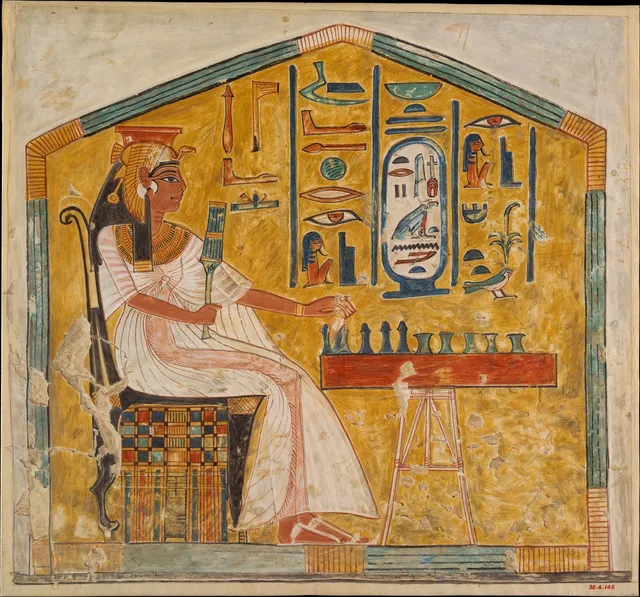
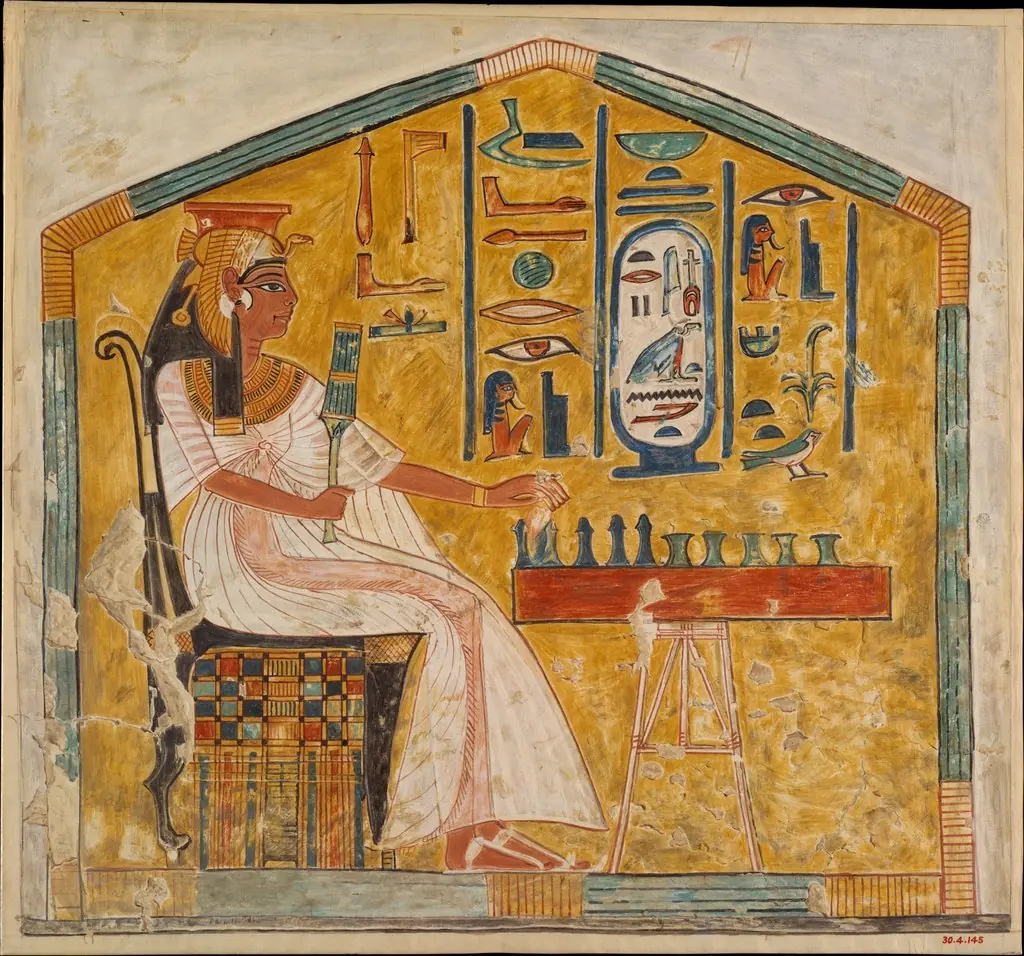 Queen Nefertari Playing Senet
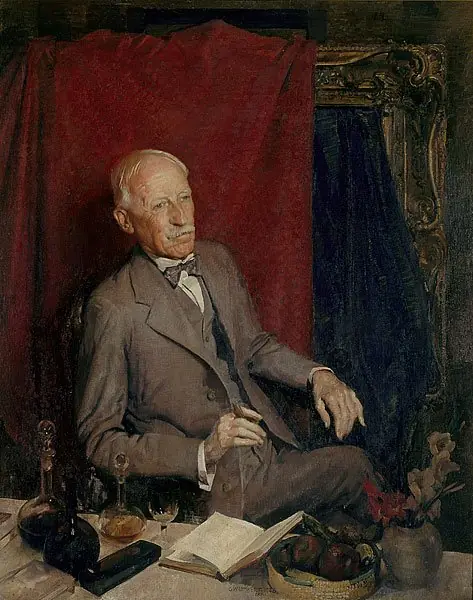 Julian Ashton
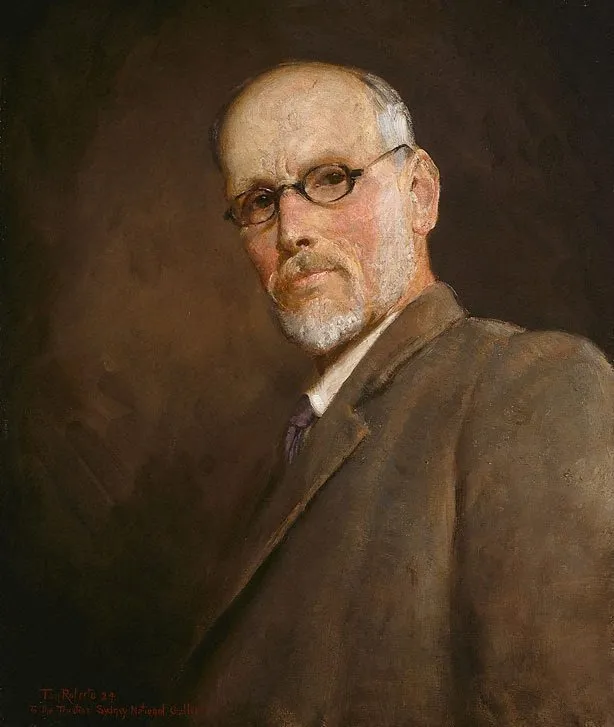
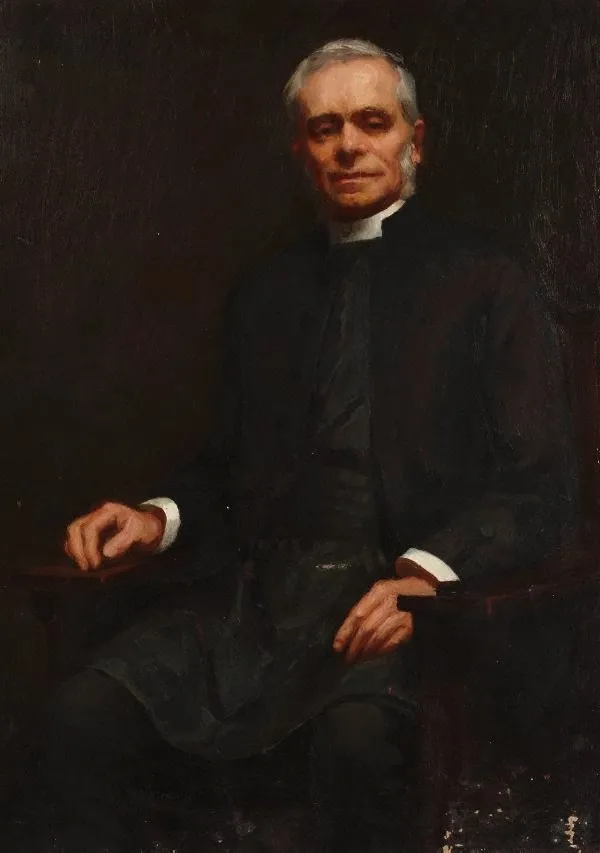
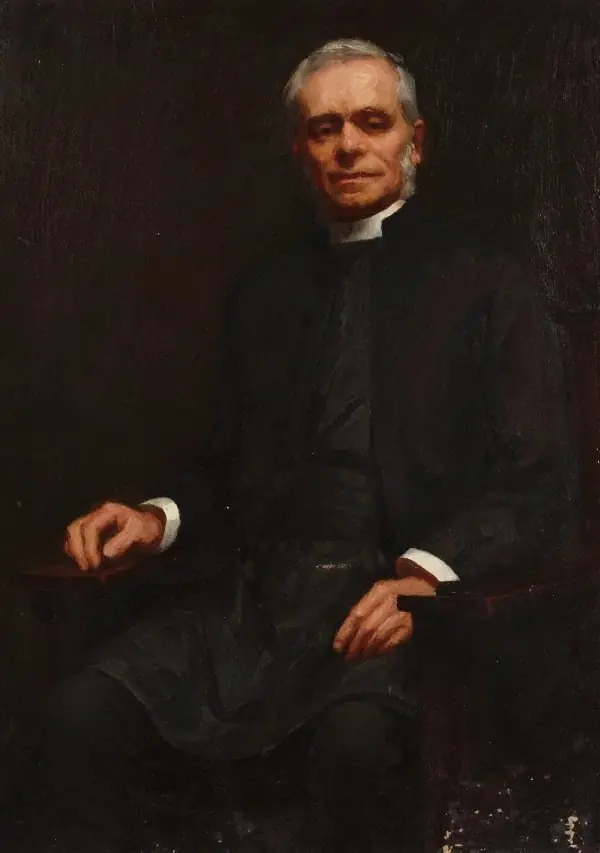 The Reverend Canon Boyce
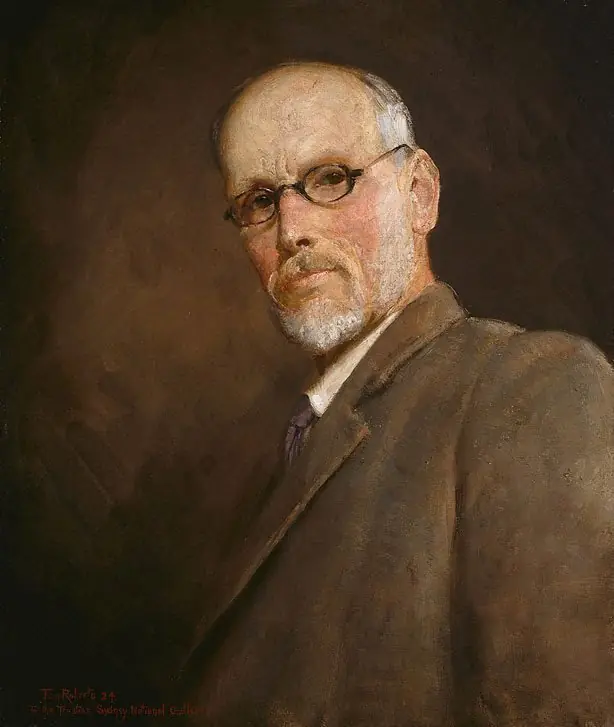 Self portrait
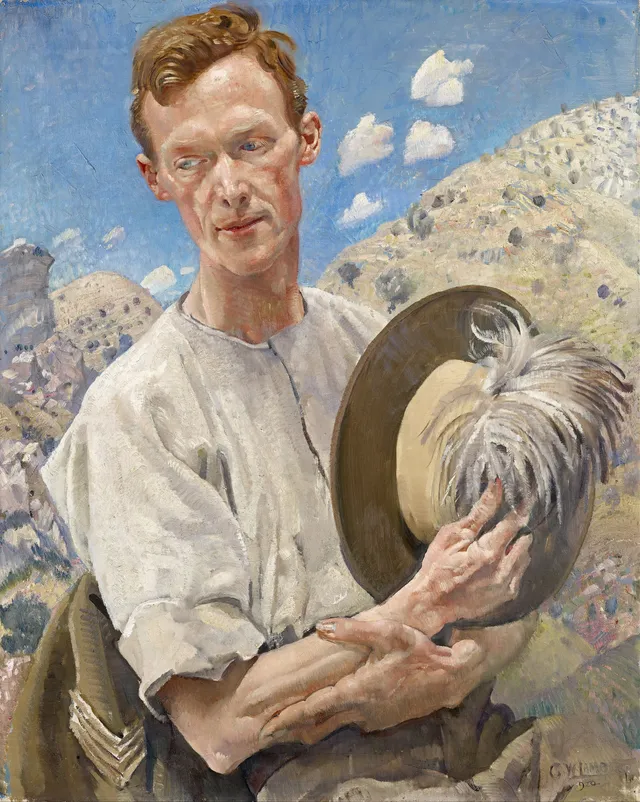
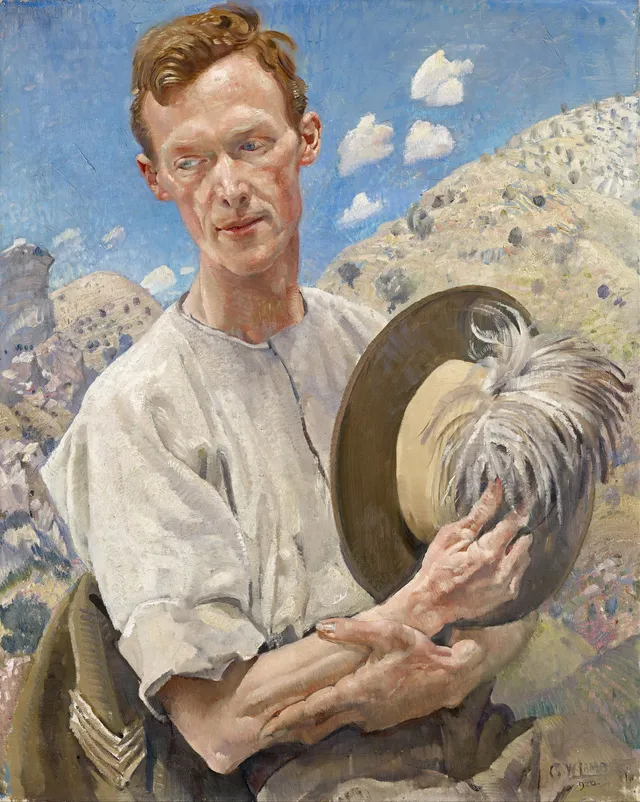
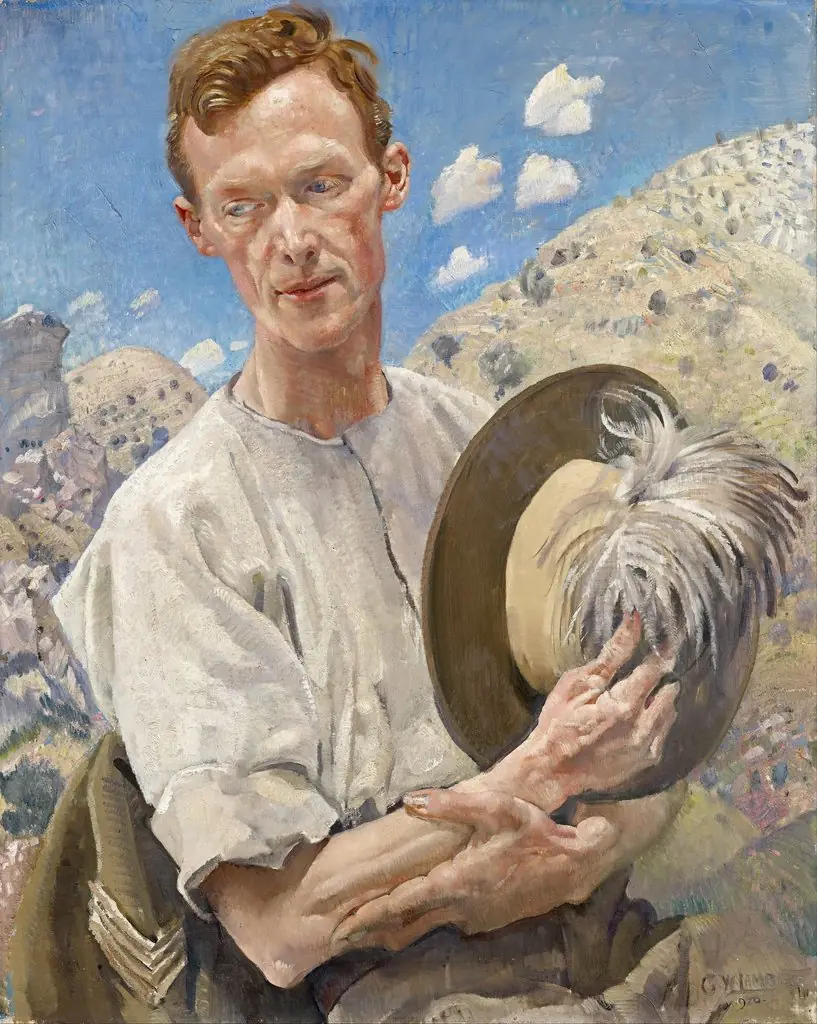 A sergeant of the Light Horse
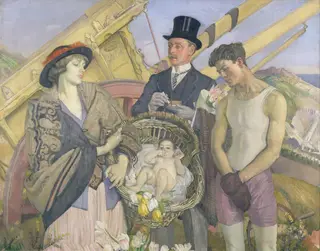 Important people
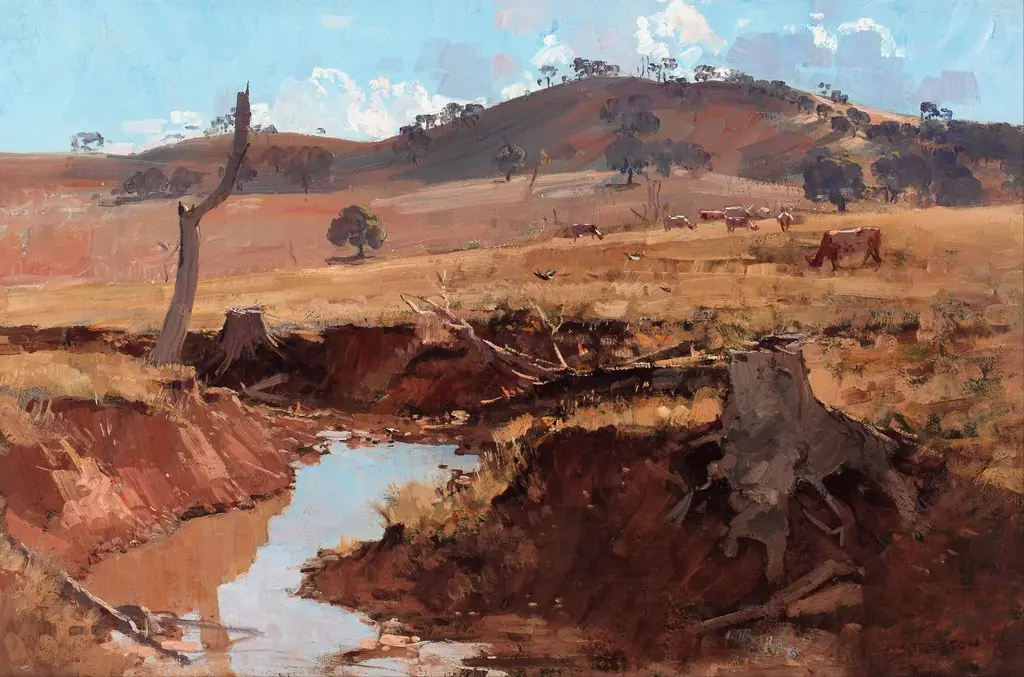 The creek
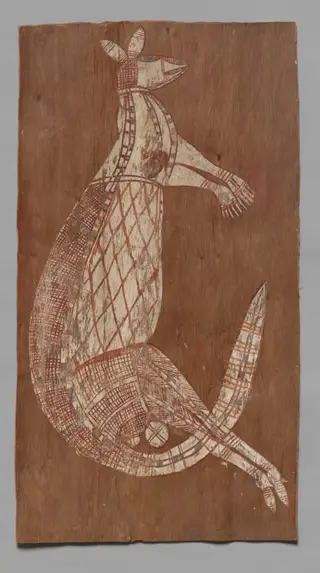 Kangaroo
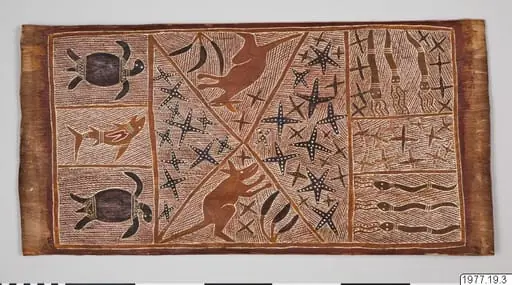 painting, painting, painting, painting, painting, painting, painting, painting, painting, painting, painting, painting, painting, painting, painting, painting, painting, painting, painting, painting, painting, painting, painting, painting, painting, painting, painting, painting, painting, painting, painting, painting, painting, painting, painting, painting, painting, painting, painting, painting, painting, painting, painting, painting, painting, painting, painting, painting, painting, painting, painting, painting, painting, painting, painting, painting and painting, painting, painting, painting, painting, painting, painting, painting, painting, painting, painting, painting, painting, painting, painting, painting, painting, painting, painting, painting, painting, painting, painting, painting, painting, painting, painting, painting, painting, painting, painting, painting, painting, painting, painting, painting, painting, painting, painting and painting, painting, painting, painting, painting, painting, painting, painting, painting, painting, painting and painting, painting, painting, painting, painting, painting, painting, painting, painting, painting, painting, painting, painting, painting, painting and painting, painting, painting, painting, painting, painting, painting, painting, painting, painting, painting, painting, painting, painting, painting, painting, painting, painting, painting, painting, painting, painting, painting, painting, painting, painting, painting, painting, painting,
 painting
 painting
 painting
 painting
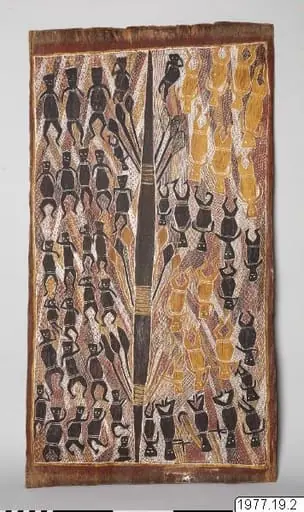 painting
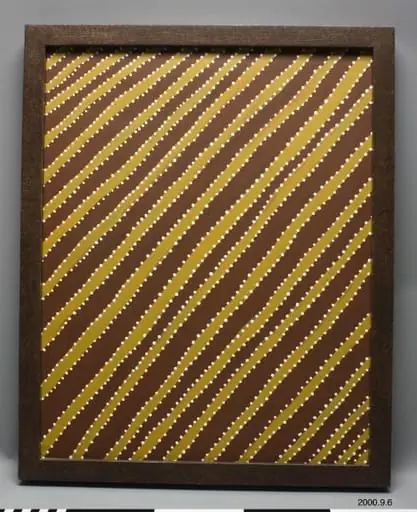 painting
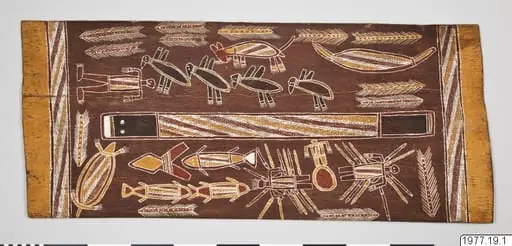 painting
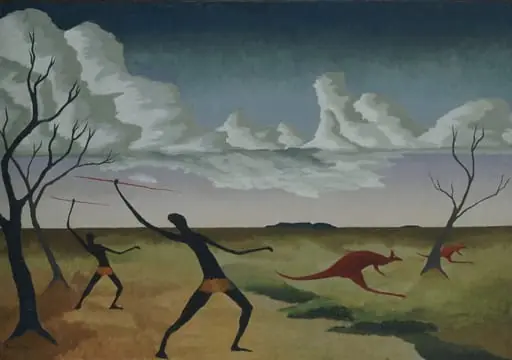 Untitled
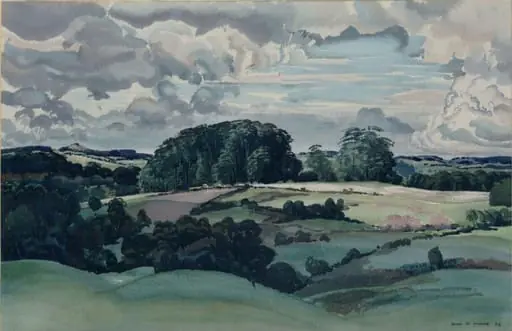 Landscape near Robertson, New South Wales
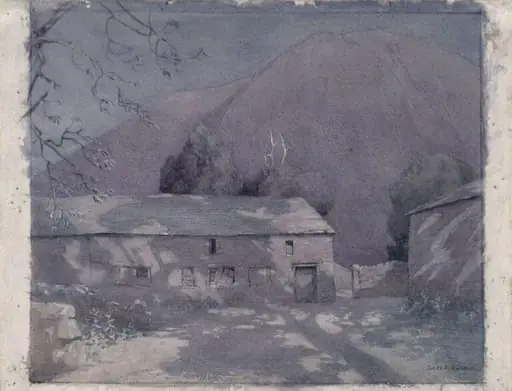 Moonlit Barn
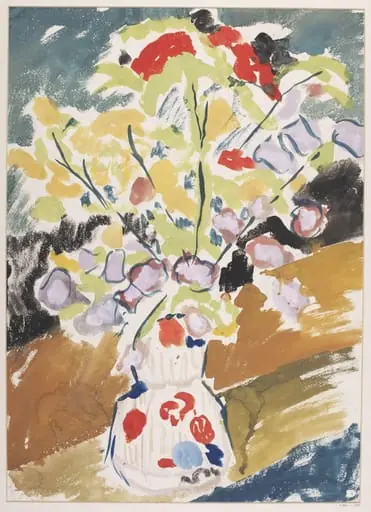 A Vase of Flowers
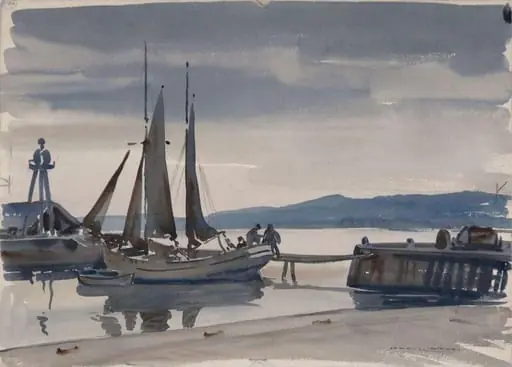 Evening, Mornington, Victoria, Australia
Frequently asked questions
What is Australian Aboriginal Painting?
Australian Aboriginal Painting is an art movement. The painting traditions of Aboriginal Australians, among the world's oldest living art.
How many Australian Aboriginal Painting works does Artifact World Gallery have?
Artifact World Gallery holds 21 public-domain Australian Aboriginal Painting works, all free to view and download.
Who are the key Australian Aboriginal Painting artists?
Key Australian Aboriginal Painting artists in the collection include George Washington Lambert, Mutitjpuy, Aborigines Mouthwatch and Dini, Aborigines, pintupi Campbell Tjampitjinpa.
Where can I see Australian Aboriginal Painting works?
Australian Aboriginal Painting works in the collection are held by ethnographic museum, Art Gallery of New South Wales and Victoria and Albert Museum.