Artwork
Julian Ashton
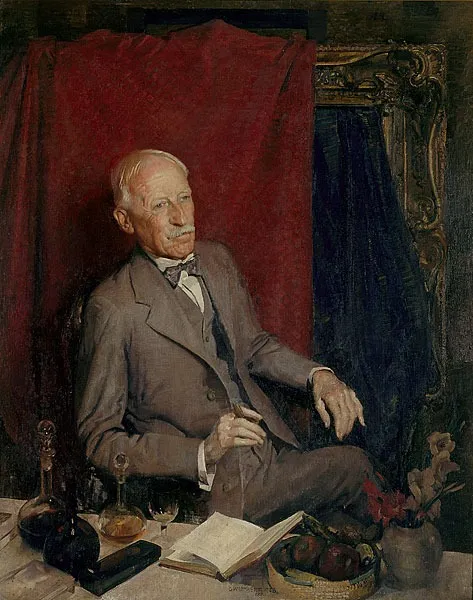
Julian Ashton is an oil painting by the Australian Aboriginal Painting artist George Washington Lambert. It dates from 1928 and is held in the collection of the Art Gallery of New South Wales.
About this work
Overview
The portrait captures Ashton, a prominent Australian artist and art educator, seated in a formal yet relaxed pose.
George Washington Lambert painted Julian Ashton in 1928 using oil on canvas. The portrait captures Ashton, a prominent Australian artist and art educator, seated in a formal yet relaxed pose. The work is held in the collection of the Art Gallery of New South Wales.
Lambert, known for his precise portraiture and wartime documentation, rendered Ashton with quiet dignity, emphasizing his intellectual presence rather than theatrical flair.
Subject & Meaning
Julian Ashton was a central figure in Australian art education and a key advocate for plein air painting. Lambert’s portrait presents him not as a public figure but as a contemplative individual: seated with a cigar, surrounded by objects suggesting scholarly and domestic life. The calm demeanor and modest setting reflect his role as a mentor and cultural steward, rather than a celebrated icon.
Technique & Style
Lambert employed a restrained, tonal palette with careful attention to texture and light. The gray suit, white shirt, and black tie are rendered with subtle gradations, while the red curtain provides a warm contrast without overwhelming the composition. Objects on the table, book, flowers, fruit, are depicted with quiet realism, reinforcing the portrait’s introspective mood and Lambert’s mastery of domestic still-life integration.
History & Provenance
The portrait was completed in 1928, near the end of Lambert’s career, and entered the Art Gallery of New South Wales shortly thereafter. It was not commissioned by Ashton but likely arose from mutual professional respect. The painting has remained in the gallery’s collection since its acquisition, consistently displayed as part of early 20th-century Australian portraiture.
Context
Lambert painted Ashton during a period when Australian art was defining its national identity, moving away from European models. Ashton, as a teacher and founder of the Art Society of New South Wales, influenced generations of artists. Lambert’s portrait aligns with broader efforts to document cultural leaders through dignified, unadorned representation, reflecting a shift toward local subject matter and personal character.
Legacy
The portrait endures as a record of a pivotal figure in Australian art education. While Lambert is often remembered for his war art, this work highlights his sensitivity to intellectual presence. Ashton’s influence on Australian art pedagogy continues, and this painting remains a quiet testament to the quiet authority of mentorship in the arts.
Artist & collection
Artist
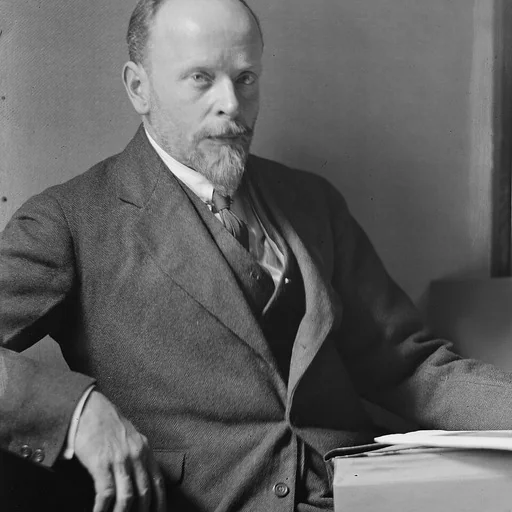
George Washington Thomas Lambert (13 September 1873 – 29 May 1930) was an Australian artist, known principally for portrait painting and for being a war artist during the First World War.

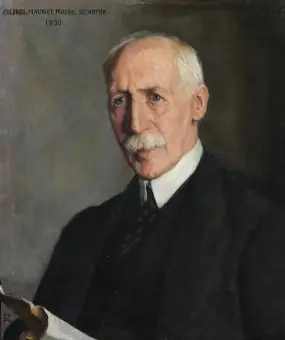 Portrait of Colonel Maurice Moore (1854-1939)
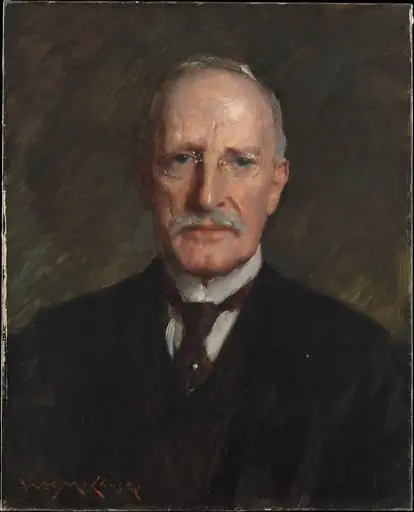 Edward Guthrie Kennedy
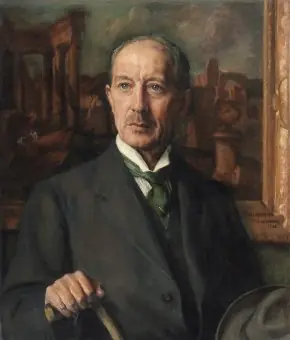 Portrait of Henry Harrison (1867-1954), Political Writer
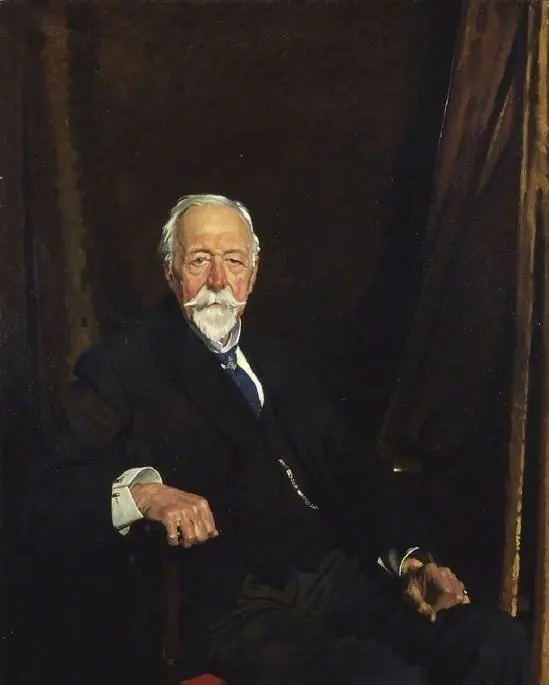 The Rt Hon. Sir Clifford Allbutt
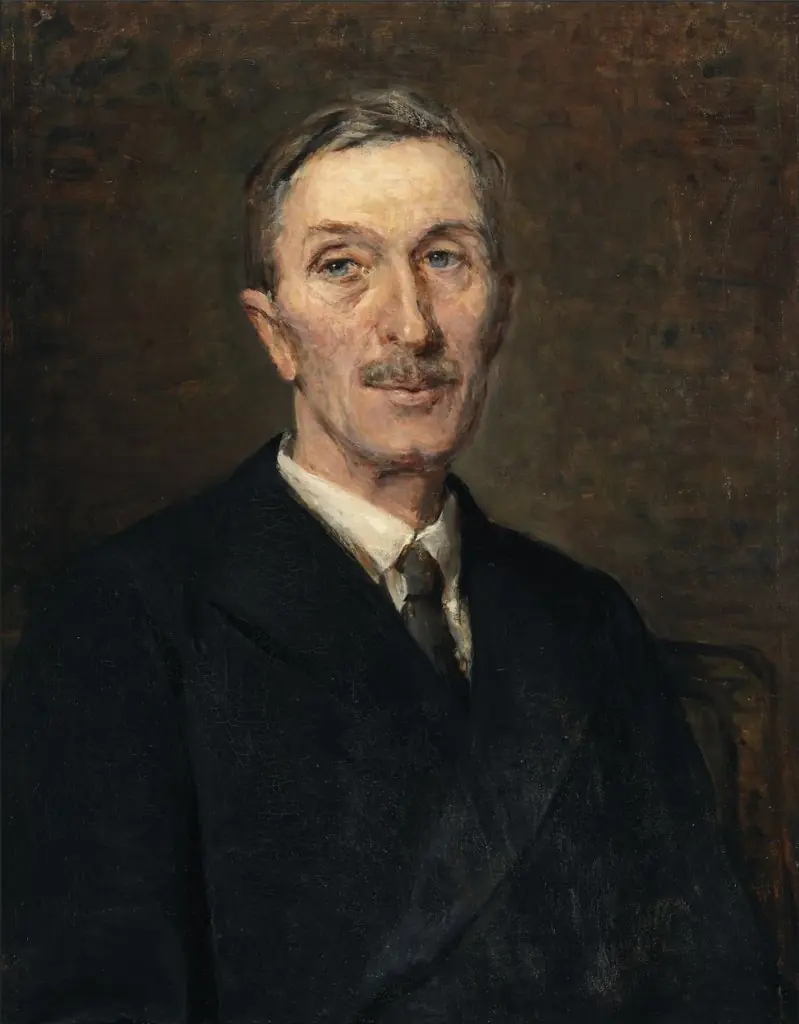 Portrait of James MacNeill (1869-1938), Last Governor General of Ireland
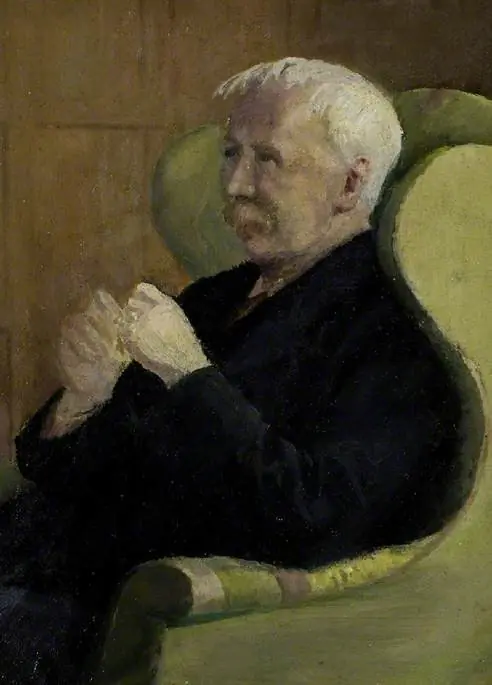 George Moore
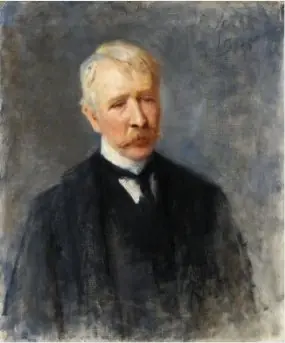 Portrait of George Moore (1852-1933), Novelist
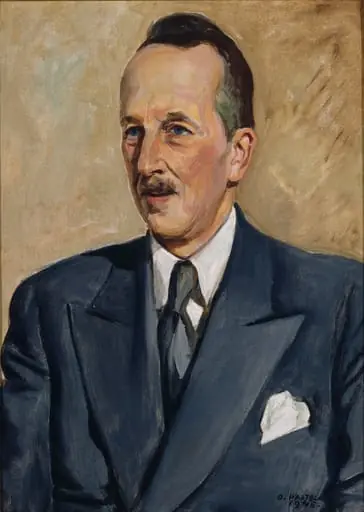 Wäinö Wallin muotokuva
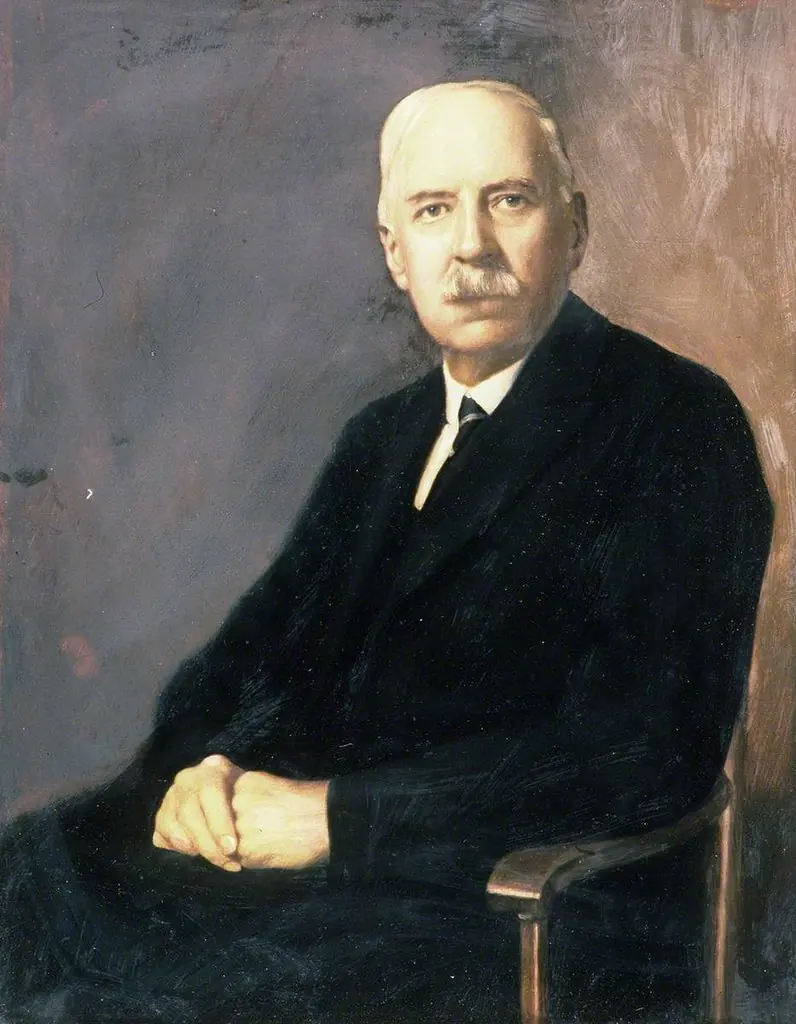 T. Gwynn Jones (1871–1949)
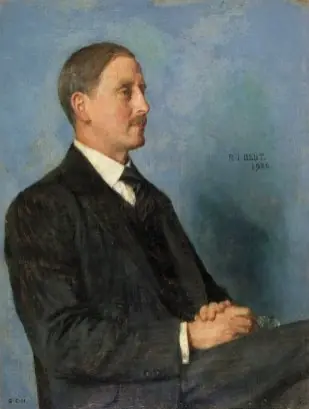 Portrait of Richard Irivine Best (1872-1959), Scholar
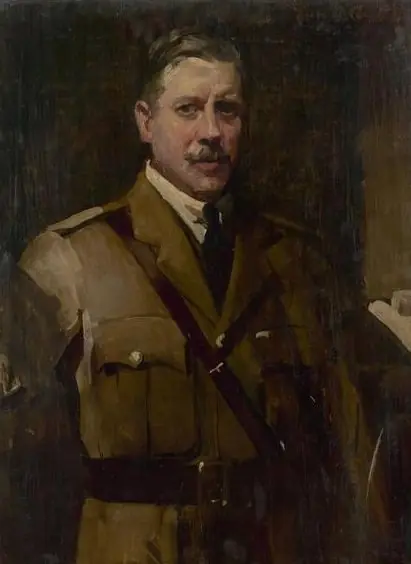 Portrait of John Longstaff
- Julian Ashton